Eight pizzas. That's the math. Order eight pies from a local shop and the ninth one's on Slice. Simple enough to explain on a napkin, complicated enough to require a loyalty infrastructure running across tens of thousands of independent restaurants. That mechanic - the Slice Rewards program - is the kind of brand decision Terrence Morash makes when he's having a quiet Tuesday.
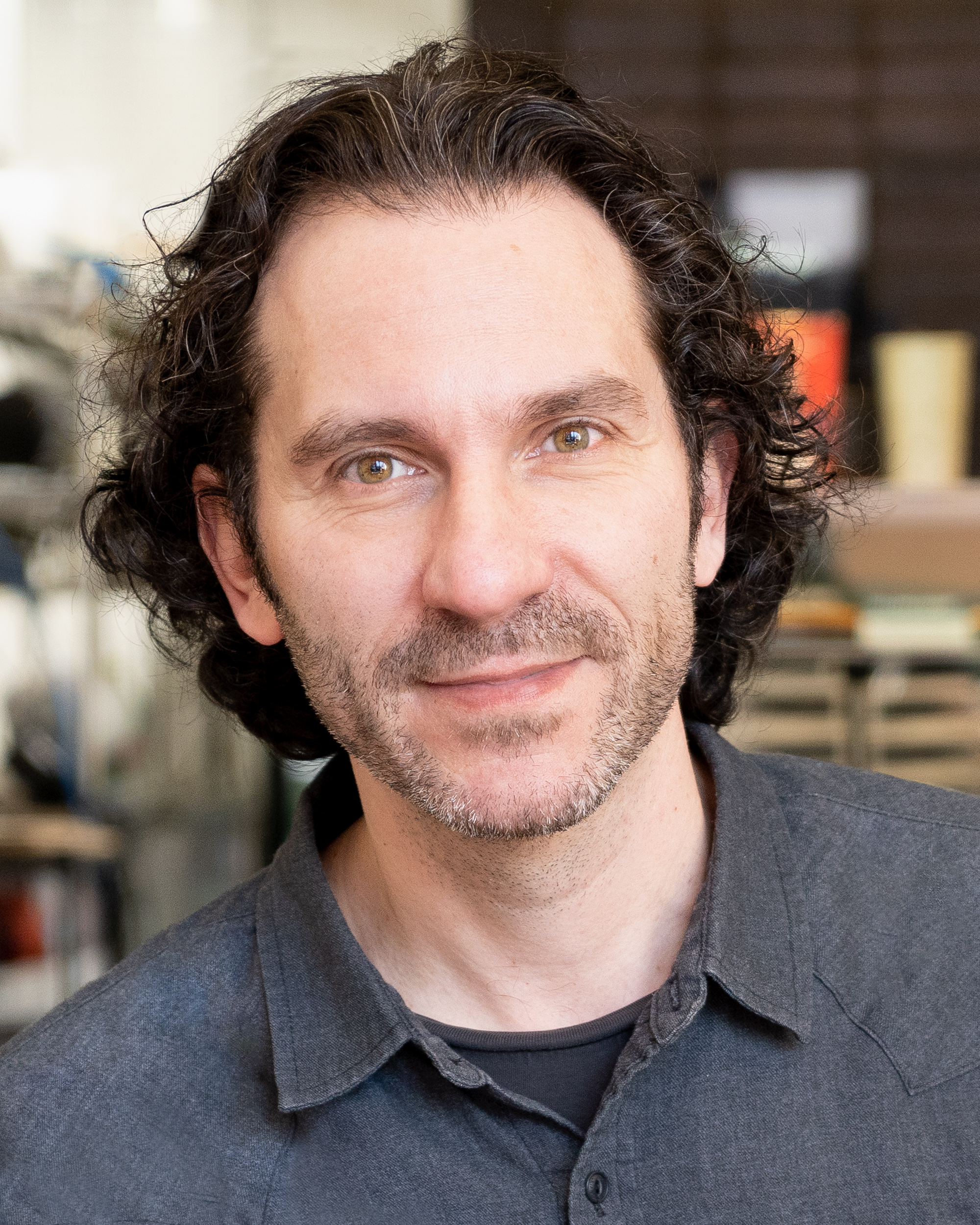
Morash is VP, Head of Marketing (Brand and Creative) at Slice, the New York-based technology company that has built itself into the operating system for independent American pizzerias. He oversees brand, creative direction, PR, and integrated campaigns for a company sitting at the intersection of food delivery and local business advocacy - a place where the stakes are real. When a neighborhood pizza shop survives or doesn't, someone had to make the technology legible, the brand trustworthy, and the pitch to the owner compelling. That someone is increasingly Morash.
Independent pizzerias are the backbone of American pizza culture - they deserve the same technology advantages that big chains take for granted.
— Terrence Morash, VP Head of Marketing, SliceSlice is not a food delivery app in the DoorDash sense. Its architecture is different: it builds online ordering, delivery management, POS systems, marketing automation, loyalty programs, and supply chain access specifically for independent shops - the kind of places that can't afford a dedicated tech team or a national marketing budget. Slice gives them the infrastructure that a Domino's has by default. Morash's job is to make independent pizzeria owners believe that's a real offer, not a pitch.
In September 2022, Slice announced it was done being a consumer pizza ordering app. Coverage in Adweek and Food On Demand framed it as a bold strategic pivot: the company was repositioning itself as a "first-party pizzeria partner," a B2B technology provider rather than a two-sided marketplace competing with Grubhub and Uber Eats. The visual identity shifted. The messaging shifted. The entire company's public face changed.
Morash was the person who built what that rebrand actually looked like - the campaign work, the creative language, the press materials, the way the story got told to 930 employees, to pizzeria owners, and to the tech press simultaneously. This is the art of brand leadership in a growth company: making a complicated internal strategic decision feel inevitable to the outside world. The best rebrands never look like rebrands. They look like the company finally told the truth about itself.
Slice: By the Numbers (2022-2024)
Series D company - $40M last round (April 2021). Total funding: $162.8M. 930 employees. 20,000+ independent pizzeria partners. $100M+ annual revenue. Headquartered at 349 5th Ave, New York.
Before the rebrand, before anyone would call it a rebrand, Morash had already been laying the groundwork. The "Slice of the Union" content series - a thought leadership initiative aimed directly at pizzeria owners - was his fingerprint. Not a product manual, not a sales deck. A content series with a political pun in the title, aimed at small business owners who'd never heard the phrase "B2B content strategy." That's a brand instinct: reach the audience with something they actually want to read.
Morash's path to pizza tech started in a darkroom. His BFA is in Photography and Computer Graphics from the University of Massachusetts Amherst - a combination that, in retrospect, reads like a mission statement: visual craft plus digital infrastructure. He followed it with an MA in Visual Arts Administration from New York University, then spent time as Executive Director of the Photographic Resource Center at Boston University.
That last role matters more than it sounds. Running a cultural institution means you learn fundraising, programming, community management, and earned media before those terms were marketing vocabulary. You also learn that the best visual work requires a story behind it - that an image without context is just a pixel arrangement. Morash absorbed that lesson early and carried it into every room he's walked into since.
The pivot to digital advertising came through the agency world. Rosetta, Again Interactive, Zeta Interactive, Dia&Co - each a rung up the ladder of digital marketing's early decades, each a different variation on the same core problem: how do you make something people didn't know they needed feel essential? At Again Interactive, he led creative work for SKYY Vodka that generated more than 40,000 social contributions and 30 million impressions across Facebook, Twitter, and Instagram. In 2013 or so, that kind of earned social reach was still a genuinely remarkable number.
Before Slice, there was Shutterstock. As Creative Director, Morash led the brand design team - and more visibly, he fronted the annual Creative Trends Reports that Shutterstock became known for releasing each year. If you worked in design, marketing, or photography between 2016 and 2018 and you downloaded a "creative trends" report, there's a reasonable chance you were reading something Morash had a hand in shaping.
The reports were smart positioning: Shutterstock had the data (search queries, downloads, image popularity by category), and Morash's team translated raw data into narrative. The HOW Design Live Podcast episode featuring him (Episode 56) is a window into the thinking - trend forecasting as brand content, cultural observation as a product feature. He appeared in Fstoppers, on the Recruitment Marketing Podcast, at Adweek New York. The Creative Director as public intellectual: it was a deliberate strategy and he executed it well.
Great brand work isn't about making things look pretty. It's about making people feel something real.
— Terrence MorashThe Shutterstock role also put Morash in global rooms. Cannes Lions Festival - the advertising industry's week-long gathering in the south of France where billion-dollar campaigns compete for statuettes and deals get made on yacht decks - had Morash as both panelist and speaker. That kind of stage doesn't come from a clean portfolio alone. It comes from having opinions that the industry wants to hear.
The conferences tell you something about where an executive's thinking lands in the industry. Morash has spoken at Adweek New York, been a panelist at Cannes Lions, appeared at Social Media Week NY, Advertising Week Creative Shorts, Northside Festival, and the HOW Design Live Podcast. He also sat as a judge for Young Guns 15 - the creative industry award program that specifically recognizes emerging talent. That last one is worth noting: judges at Young Guns tend to be people who've earned the right to define what "good" looks like.
The through-line in his public appearances is a consistent focus on the intersection of visual craft and commercial strategy. Not "how to make pretty things" and not "how to hit quarterly numbers" - but the contested territory between them, where most brand decisions actually live. That's the specific expertise he's spent two decades building.
There's a specific kind of brand leader who ends up at a company like Slice, and it's not the one who optimizes for logo recognition in Fortune 500 pitches. Morash joined Slice at a moment when the company was still figuring out what it was - consumer app with national ambitions or infrastructure company for a specific industry it understood deeply. He helped them choose the harder and more interesting answer.
The independent pizzeria market is a strange place to plant a technology flag. These are businesses run by families, often for decades, deeply skeptical of anything that sounds like a platform taking a cut. Building trust with that customer is a marketing and brand problem before it's a product problem. The shop owner needs to believe that Slice is genuinely on their side - not extracting margin like the big delivery apps, but investing in the shop's survival. That belief is built through brand, through content, through a loyalty program with a mechanic the owner can explain to a customer in ten seconds.
The Slice Register POS system launch is another Morash signature. Introducing a point-of-sale system to independent business owners requires a particular kind of creative restraint: the product pitch has to feel like an upgrade, not an imposition. The marketing can't outrun the product. The brand language has to be translatable by a shop owner who's been running the same register since 2003 and isn't interested in being sold to.
Slice's Technology Stack Under Morash's Brand
Online ordering • Delivery management • Slice Register POS • Slice Rewards loyalty (8 pies = 1 free) • "Slice of the Union" content series • Supply chain access • Marketing automation • Digital storefront creation for independent pizzerias
None of this is glamorous work in the way Cannes Lions is glamorous. It's the kind of brand building that shows up in a shop owner's monthly revenue report before it shows up in an industry trade pub. That's a different measure of success than the award circuit, and Morash seems comfortable operating in both registers at once.
A Timeline Worth Following
The Work That Got Noticed
- Led Slice's strategic rebrand from consumer pizza app to B2B pizzeria technology partner, covered by Adweek and Food On Demand
- Built and launched Slice Rewards loyalty program across 20,000+ independent pizzeria partners
- Directed SKYY Vodka social campaign generating 40,000+ social contributions and 30 million impressions
- Fronted Shutterstock's annual Creative Trends Reports, reaching global creative communities
- Panelist and speaker at Cannes Lions Festival - advertising's highest-profile annual gathering
- Speaker at Adweek New York, Social Media Week NY, Advertising Week Creative Shorts, and Northside Festival
- Judge for Young Guns 15 - one of advertising's most competitive recognition programs for emerging talent
- Launched "Slice of the Union" thought leadership content series for independent pizzeria community
- Led Slice Register POS system marketing - bringing integrated point-of-sale technology to independent shops
- Multi-year integrated marketing campaigns spanning TV, social, CRM, product, experiential, and influencer partnerships at Slice