software-design
(12)
David Winn and the trouble with useful software
David Winn built eMDs around the people expected to use it. His story runs through an Agile signature, a gracious defeat at an Austin awards ceremony, and the delicate business of handing a company to someone else.
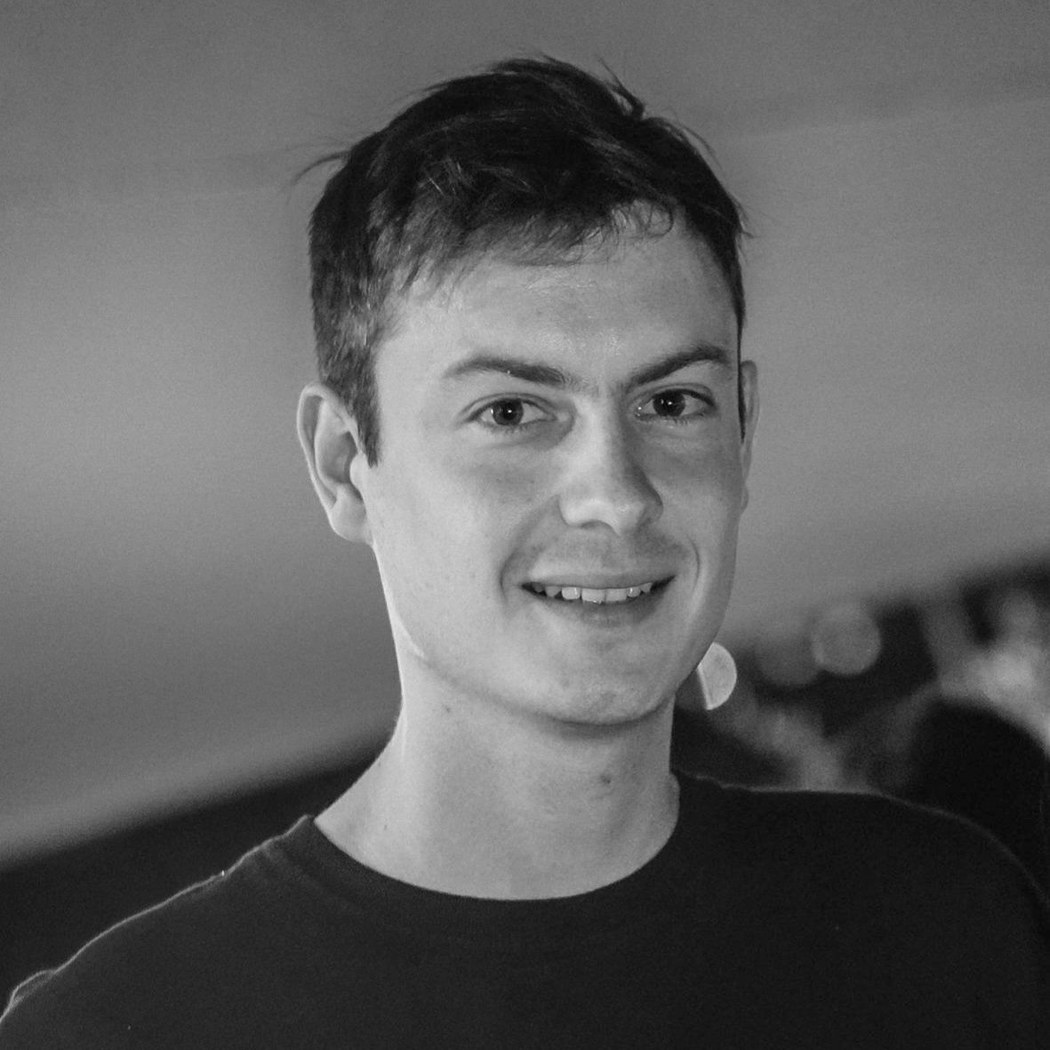
Ignacio Soffia and the trouble with a finished slide
From a university admissions app in Chile to interactive presentations in San Francisco, Ignacio Soffia keeps finding things software could make easier. Now the Faces co-founder is leading design at Conductor, as the company he helped build prepares to close.
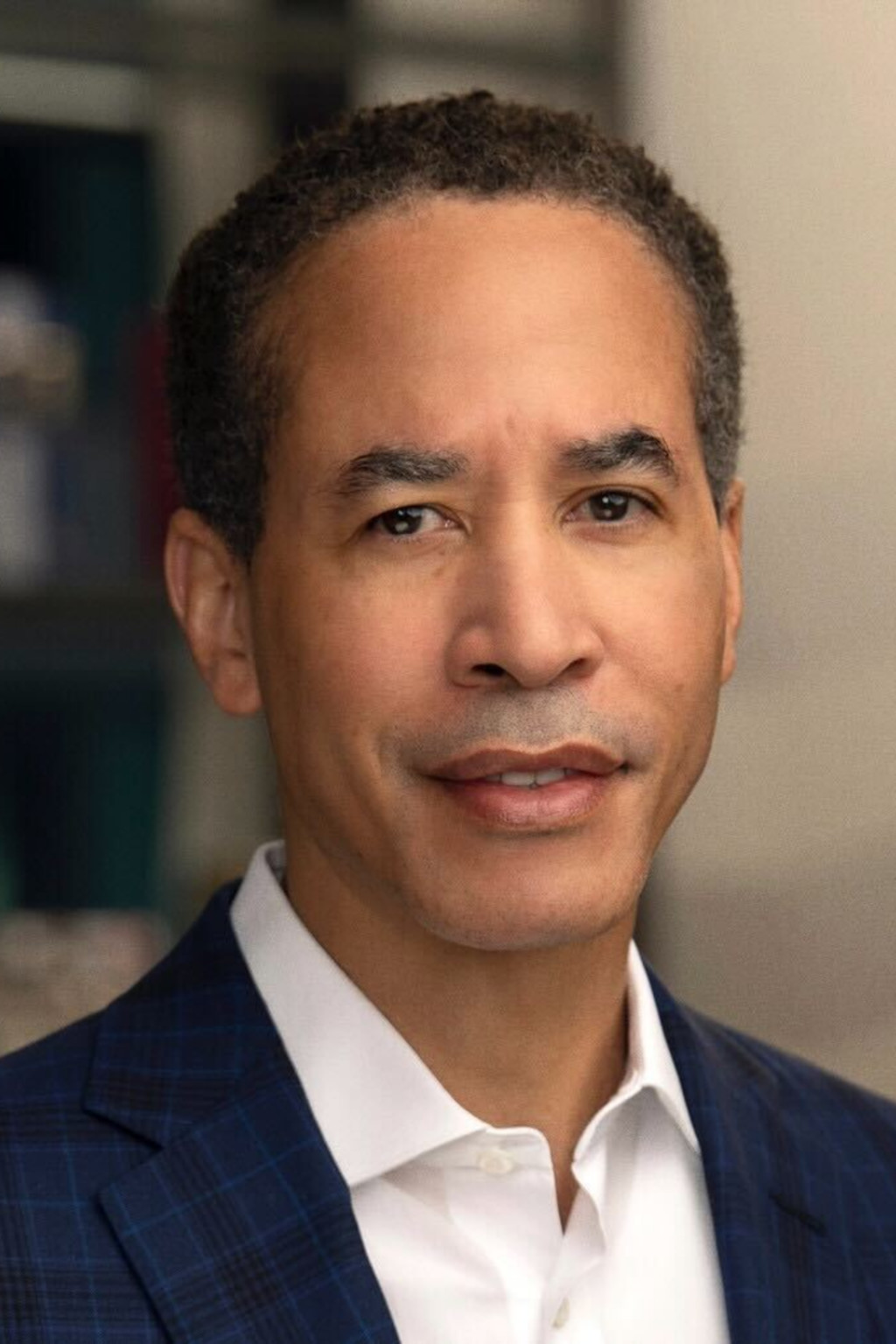
Charles Phillips and the case for beautiful business software
A former Marine and Wall Street analyst brought a design studio into Infor. His bet was simple: people who use software at work deserve the same care as people who use it at home.

Nuno Almeida and the art of getting out of the way
He wanted to be an astronaut. He built a career in aerospace. Then Nuno Almeida spent time with care teams and found a different design challenge: making technology leave more room for people.

John Wise and the Art of Making Finance Understandable
He helped build InvestCloud from a garage startup into a $1 billion business. At Communify, John Wise is returning to a familiar question: how do you make complicated financial information useful to the person looking at it?
Daryl Budiman and the problem of the next click
From a Stanford cooking project to AI that guides people through software, Daryl Budiman keeps returning to a practical question: how much should a user have to learn before a tool becomes useful?
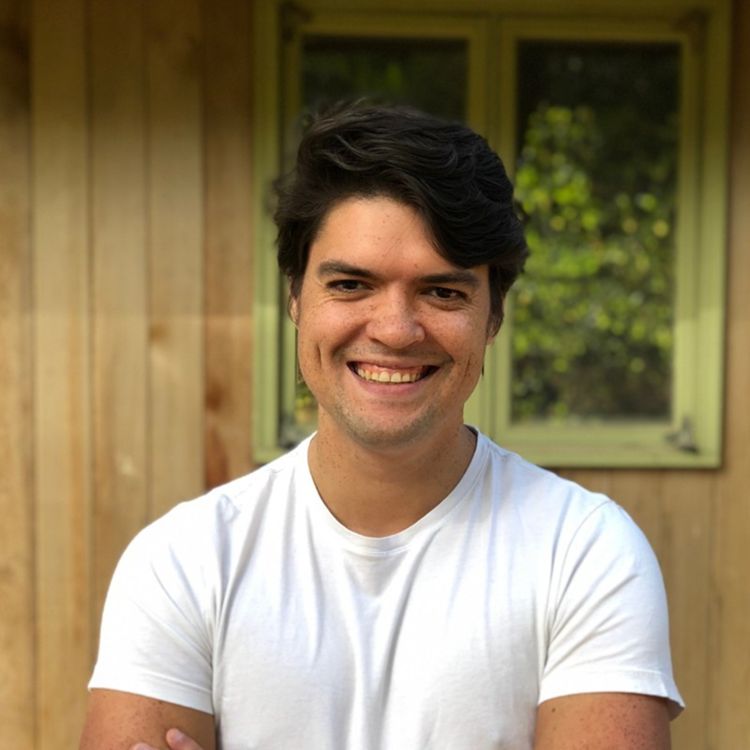
Abe Parangi and the art of getting out of the way
Before Akkio, Abe Parangi made a game that left players to find their own way. His career has since turned toward a different challenge: helping people use complicated technology without learning its machinery.
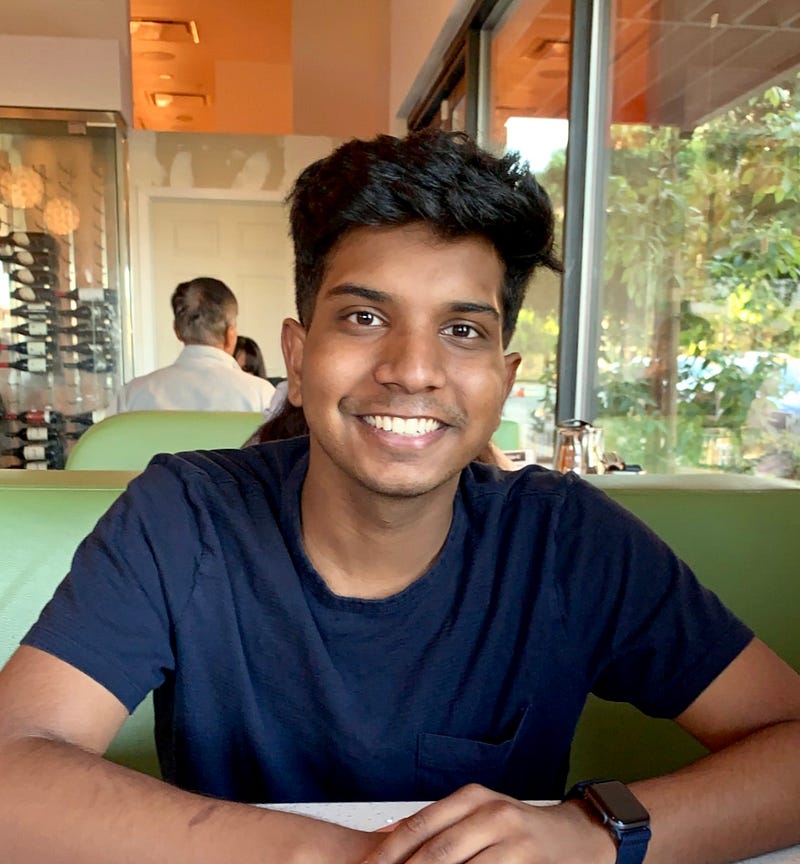
Praneeth Guduguntla Asked 263 Executives a Better Question
After an early product stalled, the engineer-turned-founder left the dashboard, crossed 13 states and learned to look for industrial software problems on the floor.
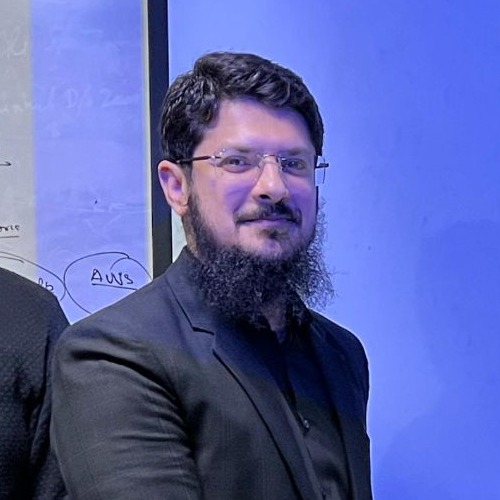
Muhammad Akif Malhi Is Building for the Part After the Demo
The Techling founder has built his public career around a plain but demanding idea: clever software only matters when it survives contact with a real business.

Corey Haines
Corey Haines is a software developer, community catalyst, and author who quit a dead-end job in 2008 with $2,400 in his pocket, hit the road for 9 months pairing with programmers across the US for room and board, and accidentally invented the Coderetreat movement along the way. He co-created Coderetreat (now run in 100+ countries annually), wrote 'Understanding the Four Rules of Simple Design' based on observing thousands of programming pairs, co-founded Hearken (an audience-engagement platform serving 60+ global newsrooms), and has spent two decades championing software fundamentals over hype — all while claiming his only real goal in life is to be happy.
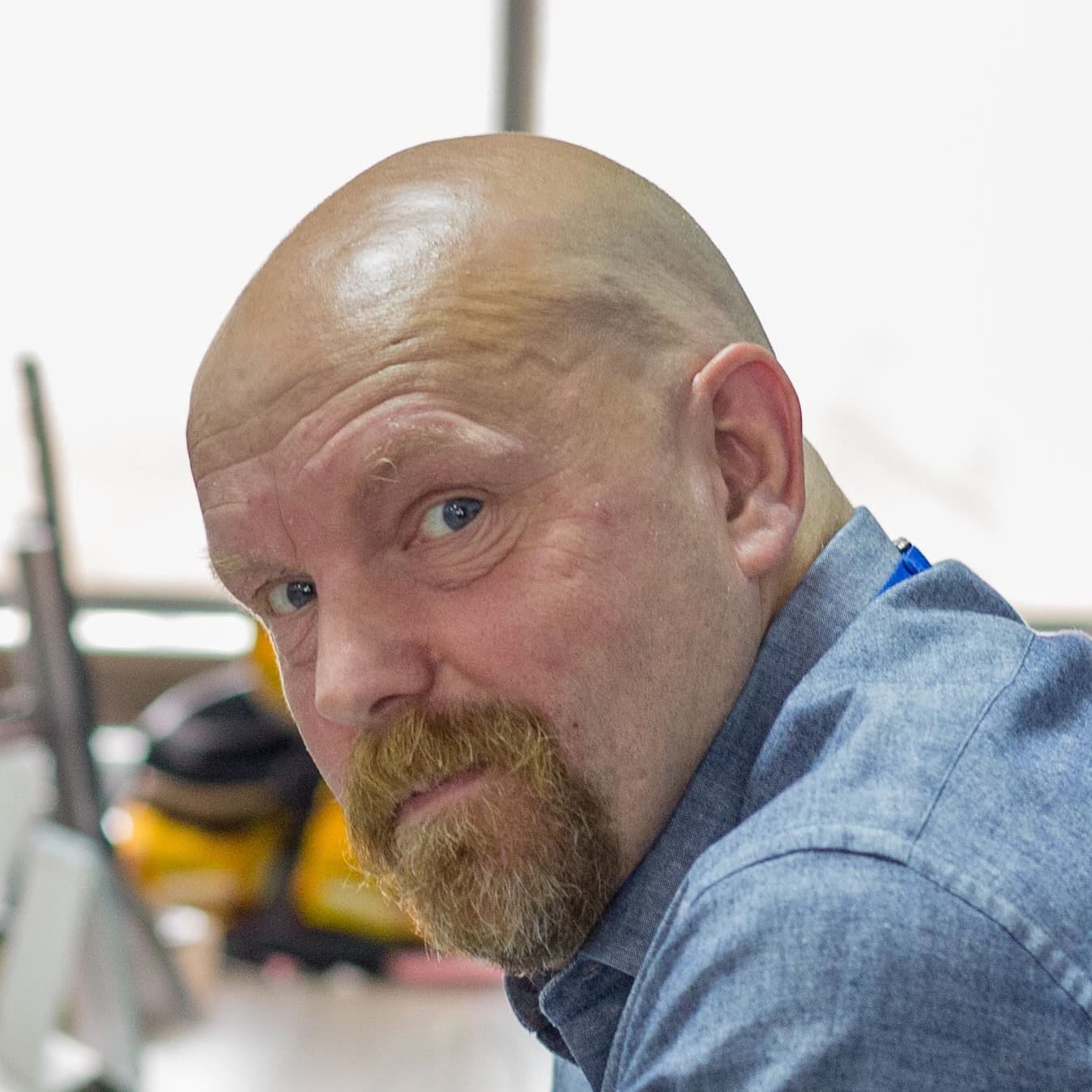
Kent Beck
Kent Beck is the creator of Extreme Programming (XP) and a pioneer of Test-Driven Development, pair programming, and the Agile Manifesto. A programmer with 52+ years of experience, he co-created JUnit with Erich Gamma, co-invented CRC cards and design patterns in software with Ward Cunningham, and spent seven years coaching at Facebook. Today he runs the 'Software Design: Tidy First?' Substack newsletter (123,500+ subscribers in 195 countries), hosts the Still Burning podcast, and explores augmented human-AI coding. In April 2026 he publicly announced a Parkinson's disease diagnosis, continuing his mission to help technologists feel safe in the world.
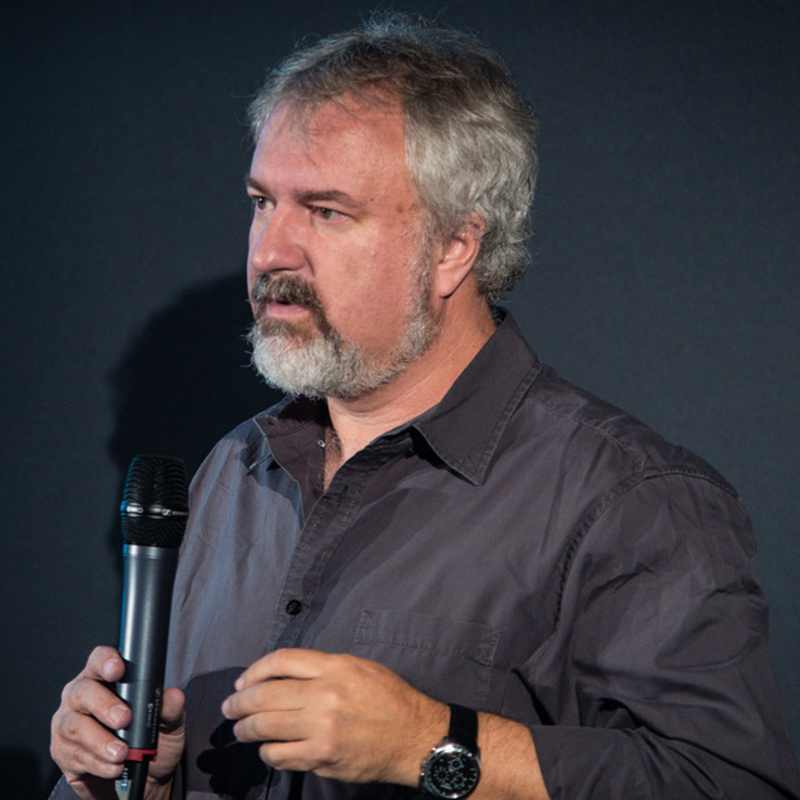
Michael Feathers
Michael Feathers is a software consultant, author, and Chief Architect at Globant whose 2004 book 'Working Effectively with Legacy Code' redefined how developers think about untested code - coining the now-universal definition that legacy code is simply code without tests. With over 25 years consulting hundreds of organizations, he pioneered dependency-breaking techniques that gave teams a way into codebases they feared. Today he explores how AI reshapes programming, writes the 'mechanisms' newsletter on Substack, and continues speaking at conferences worldwide.