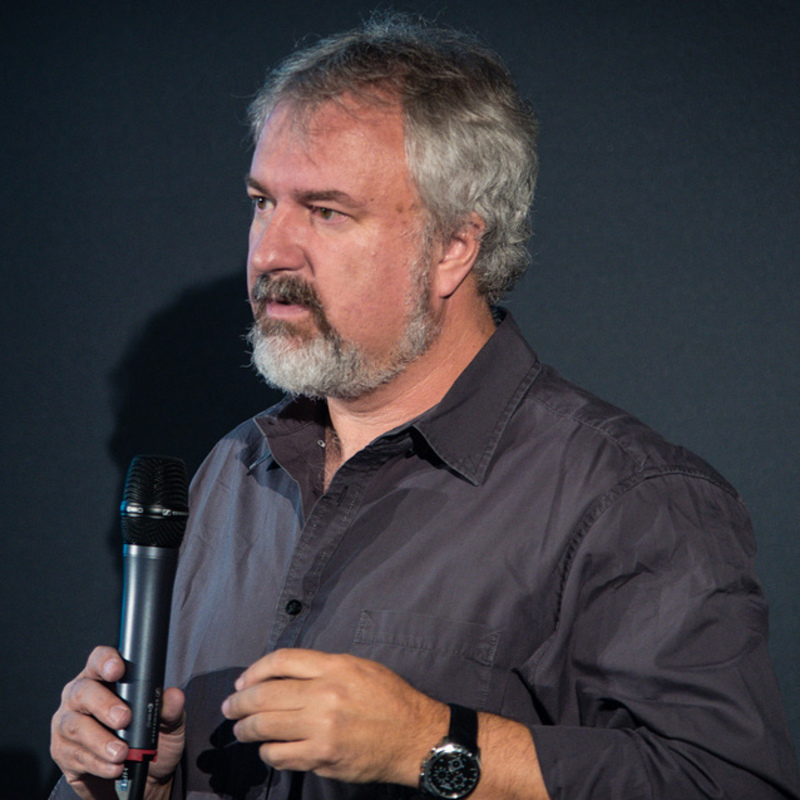
In the early 2000s, "legacy code" was a phrase that consultants whispered and developers avoided putting on their resumes. It meant old, crufty, unloved code that no one wanted to own. Michael Feathers saw something different - he saw a discipline waiting to be born.
His 2004 book, Working Effectively with Legacy Code, did something that books rarely manage to do: it changed the meaning of a common phrase. Feathers redefined legacy code not as "code that is old" but as "code without tests." Seven words. The entire conversation about software maintenance shifted.
That shift wasn't cosmetic. It was diagnostic. If legacy code is code without tests, then the problem becomes solvable. You don't need a time machine or a rewrite. You need tests and a strategy. Feathers had both.