ogilvy
(5)
Cenk Bulbul
He earned a PhD studying how feelings drive what people buy, then spent twenty years turning that thesis into marketing for YouTube, Walmart, and now a global bank.

Jamie Bryan
Jamie Bryan is the co-founder and CEO of Sayge, a New York-based platform that democratizes 1:1 professional coaching, taking a perk once reserved for executives and making it available to employees at every level. After 13 years running relationships for global brands at agencies like Ogilvy and Digitas, a single life-changing coaching experience in 2016 sent him in a new direction. He launched Sayge in 2017 under the banner 'Coaching For The Rest Of Us,' and has since built it into a company that has delivered tens of thousands of coaching sessions across dozens of organizations, raising $1.7M in seed funding in 2021.

Laura McCullough
Laura McCullough is VP of Brand Strategy & Creative at ServiceNow, the $13B enterprise AI platform company. She leads the creative vision behind one of B2B tech's most distinctive brand identities, including the blockbuster campaign featuring Idris Elba as a ServiceNow brand ambassador. Before ServiceNow, she spent nearly two decades at Ogilvy, rising from junior account work to Senior Partner managing global accounts for Cisco, IBM, and CDW.

Sumaira Mirza
Sumaira Mirza is the Executive Creative Director at Ogilvy Pakistan, one of the country's most decorated advertising creative leaders with over two decades of experience across WPP and Publicis Groupe networks. Known for campaigns that blend cultural sensitivity with bold social impact — including 'Message in a Mithai Box,' which provided legal support to abused women — she has served on juries at Effie Global Best of the Best, Spikes Asia, AdStars, and Dragons of Asia. In 2024, she became only the second Pakistani ever selected for the Effies Global Best of the Best jury. She is also an adjunct faculty member, a regular contributor to Aurora Magazine, and a participant in Ogilvy's elite APAC 30 for 30 Leadership Program.
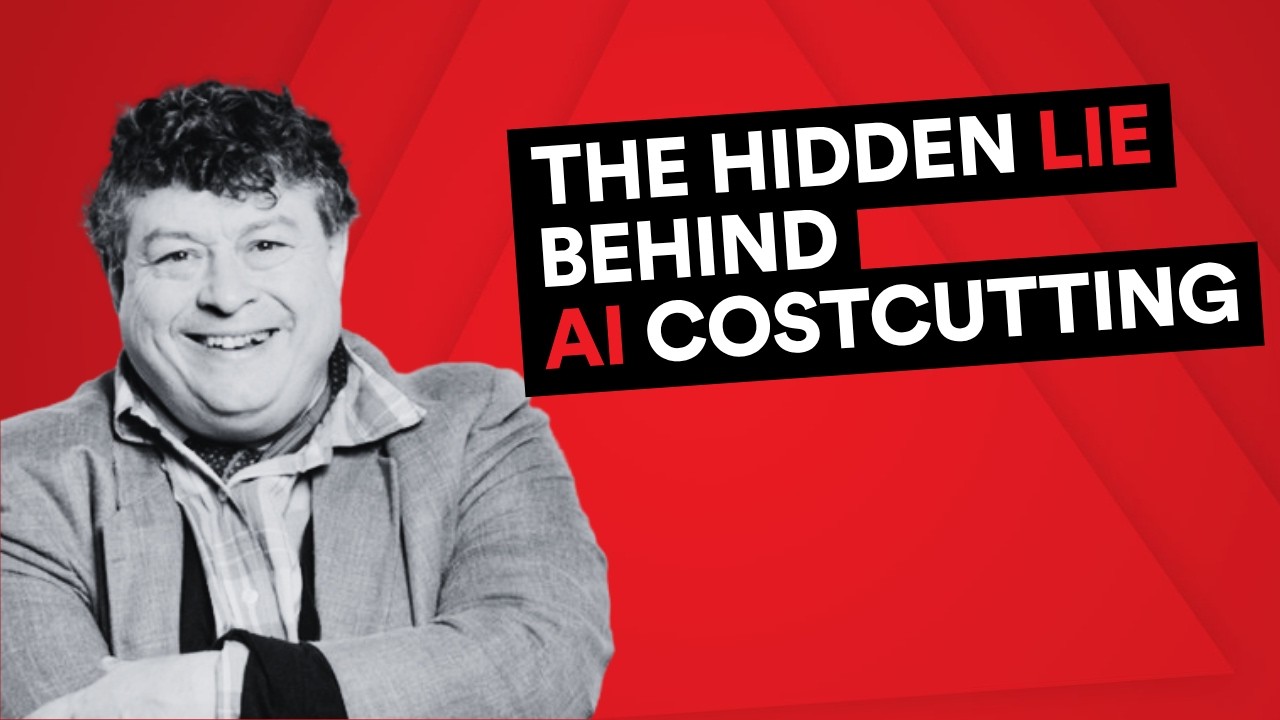
Rory Sutherland's Pessimistic (and Brilliant) Predictions for 2026
Rory Sutherland, Vice Chairman of Ogilvy UK and behavioral economics provocateur, delivers a characteristically contrarian set of predictions for 2026. He argues that AI will initially be weaponized by tech companies and consultants as a cost-reduction tool — what he calls the 'doorman fallacy' — stripping out human value while claiming efficiency wins. Drawing on the Austrian vs. Chicago schools of economics, the history of the electric motor, and a devastating critique of self-checkout tills, Sutherland maps out three phases of AI adoption and ends with a rallying cry to marketers: stop selling what you do, and start selling how you think.