women-in-tech
(260)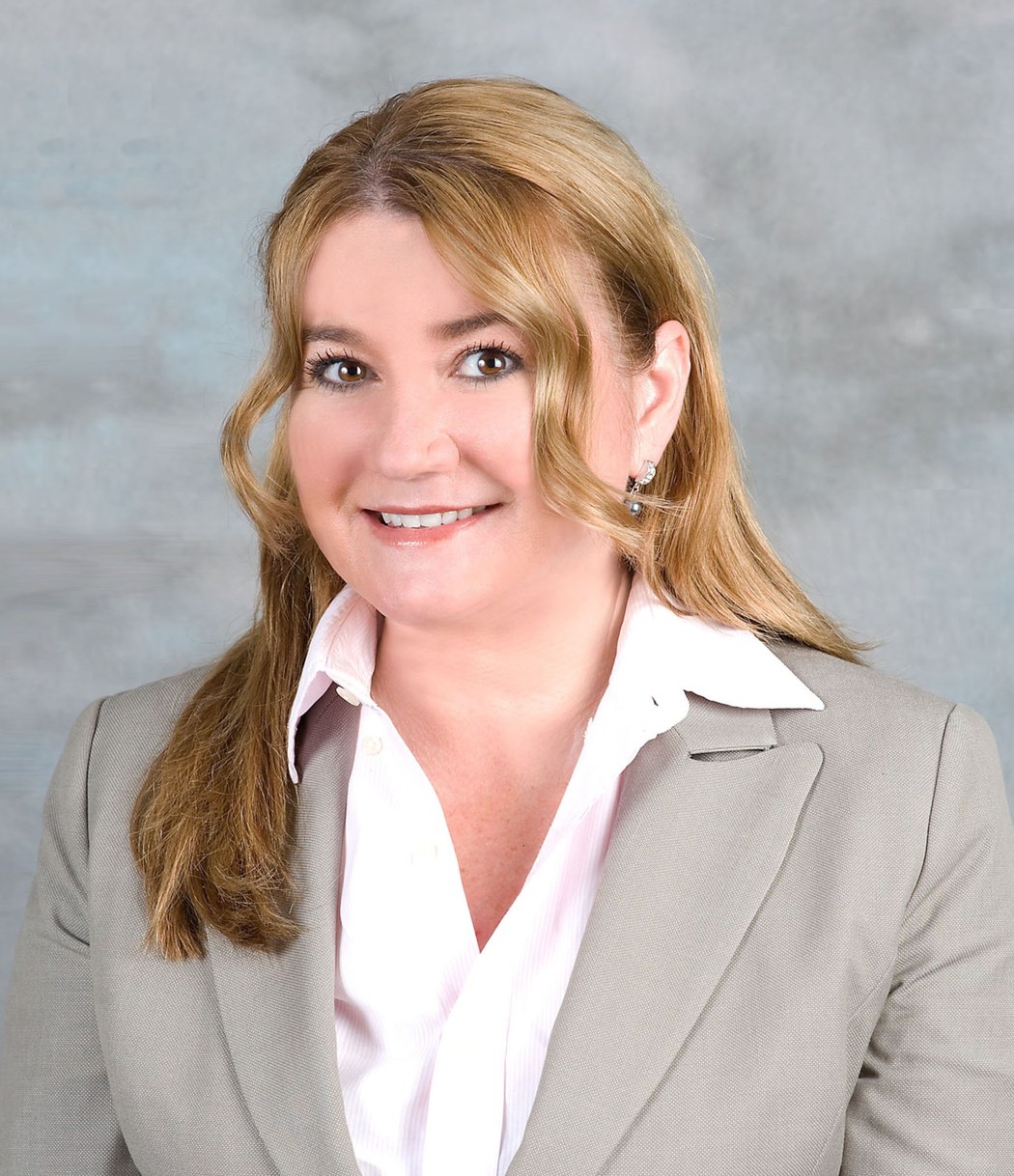
Renée La Londe knows the price of admission
A coding camp gave Renée La Londe a way into technology. After building itD, she began making a different kind of investment: helping girls imagine companies of their own.
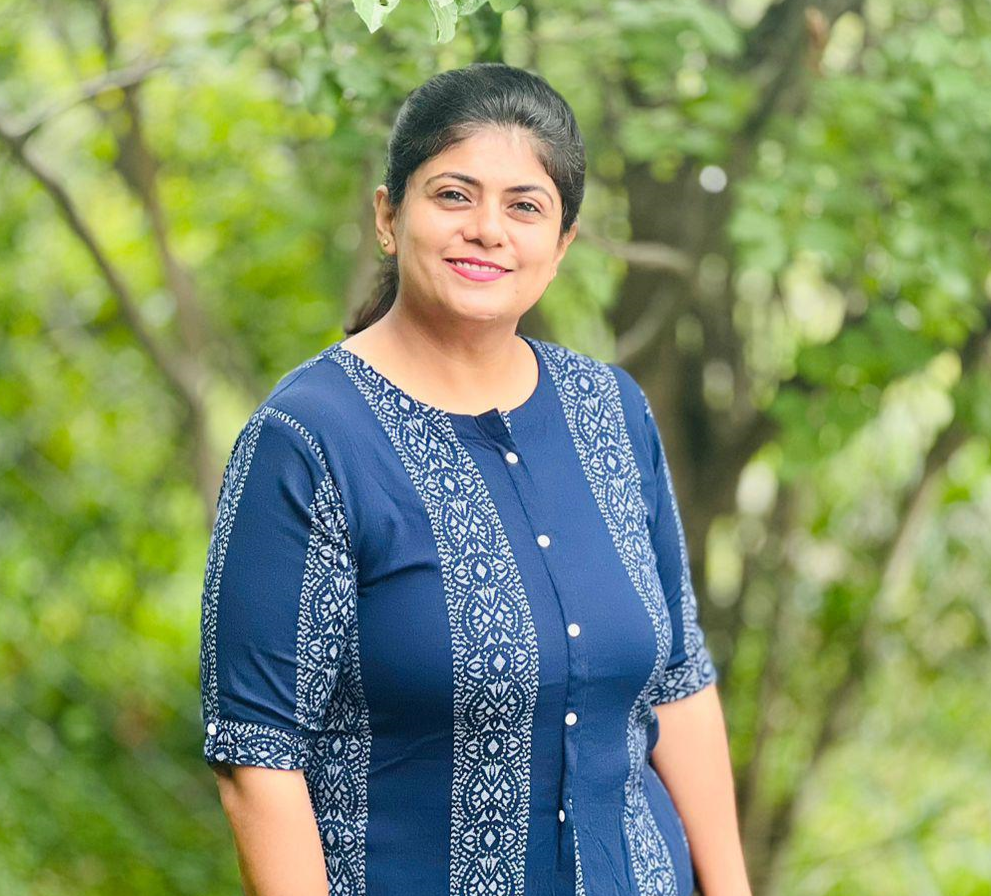
Yashu Kapila and the art of finding trouble early
Before she founded BugRaptors, Yashu Kapila spent a decade learning how software goes wrong. Her approach to building a company starts with the same habit: pay attention before a small problem becomes everybody’s problem.

Nataliya Andreychuk and the problem with going faster
She began in teaching, built Viseven with two technical co-founders, and now spends her time asking an awkward question about AI: what, exactly, are we speeding up?
Maiya Holliday built a company that could leave the office
A dock in Panama gave the self-taught coder a taste for working anywhere. Building Mangrove meant learning how to make that freedom work for other people, too.
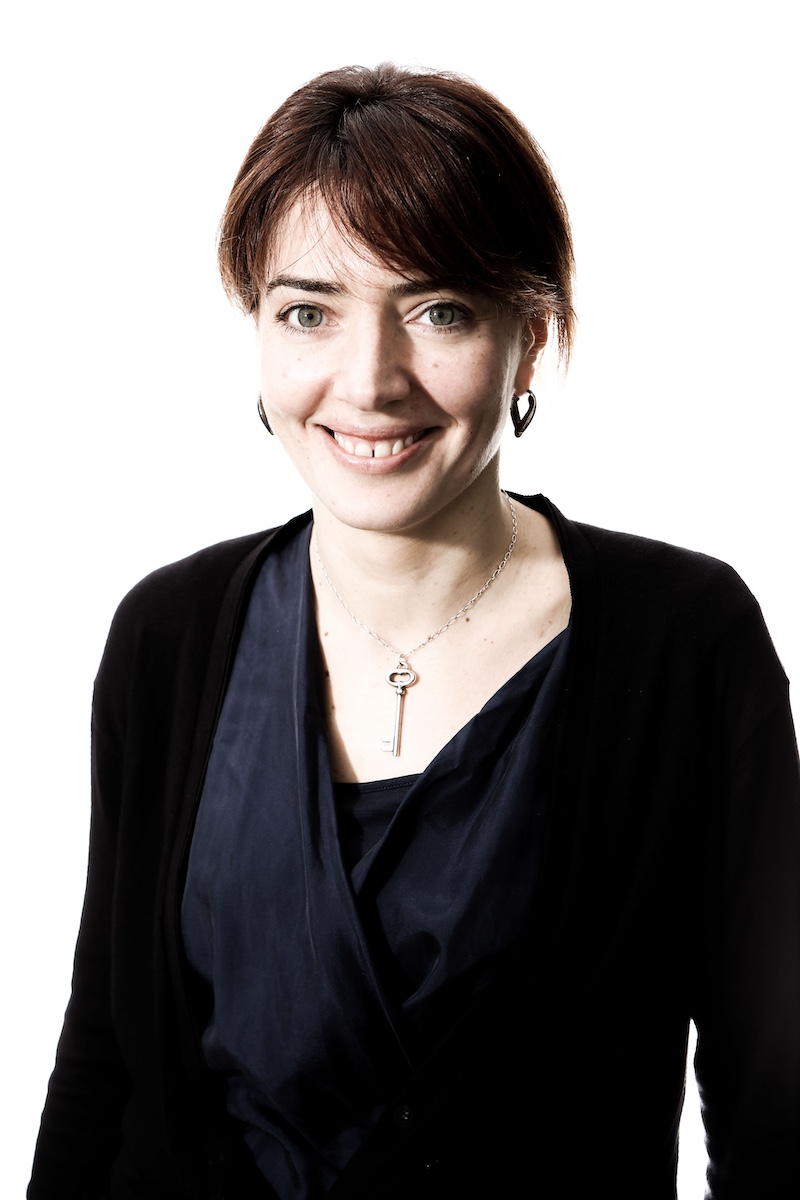
Yeva Hyusyan and the classroom that fit in a pocket
Before Sololearn reached millions, Yeva Hyusyan was its beginner. Her test for a coding lesson was disarmingly practical: could she understand it herself?
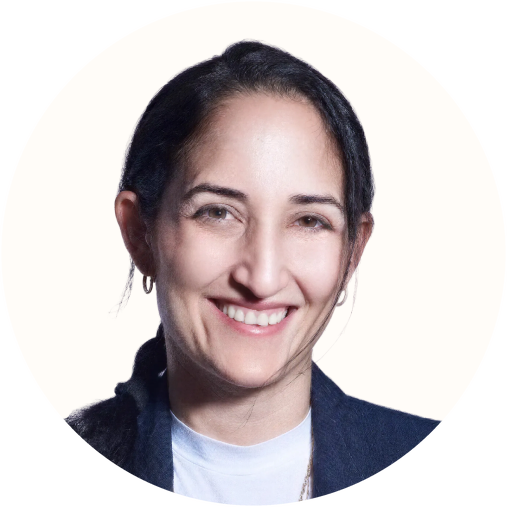
Sarah Levy and the trouble with a perfectly good number
Sarah Levy built Euno around a familiar office dispute: whose numbers can you trust? As AI agents join the argument, the physicist turned founder is giving the question a different kind of urgency.
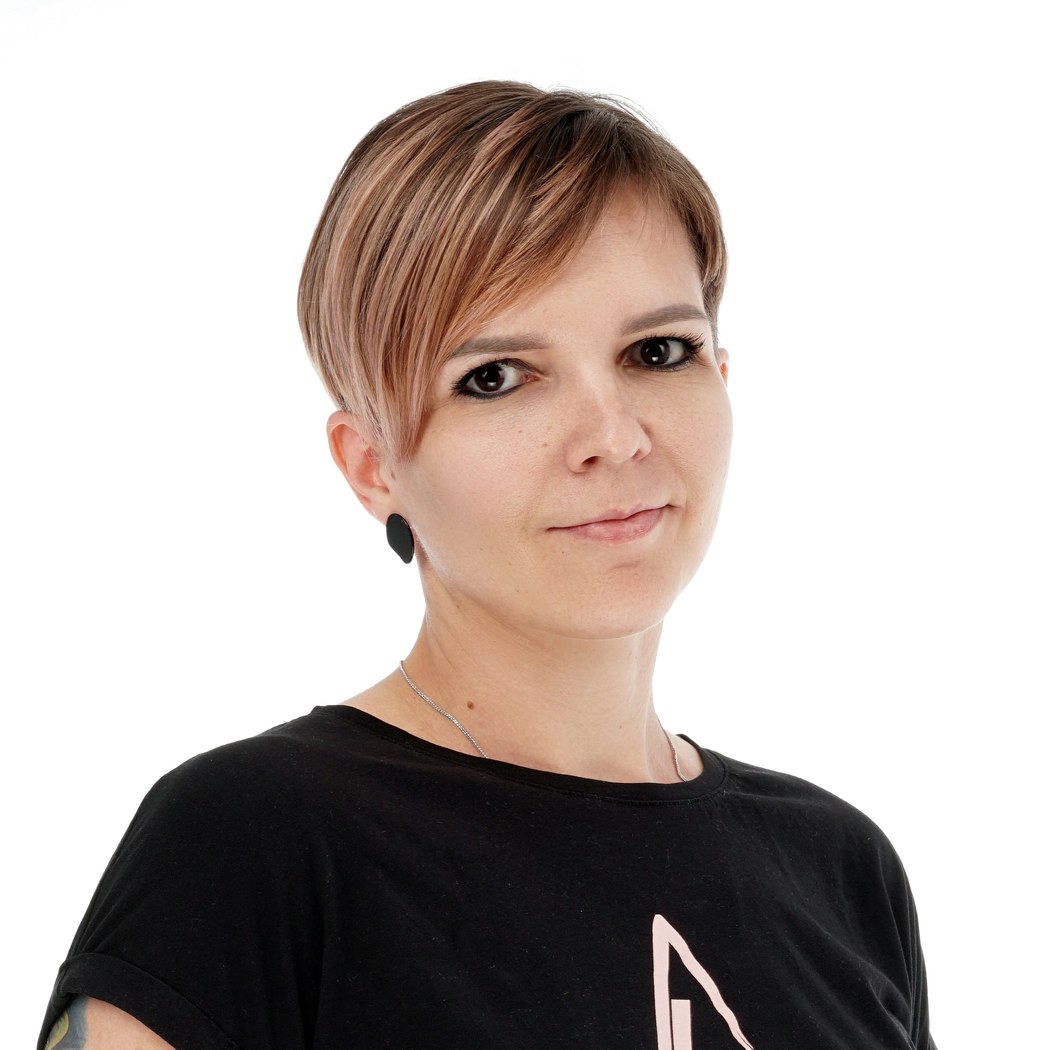
Alla Klimenko and the Business of Staying
A software career could have taken her away from Bishkek. Alla Klimenko helped build Mad Devs around a different possibility: bringing the work to the people, then making that work easier to understand.
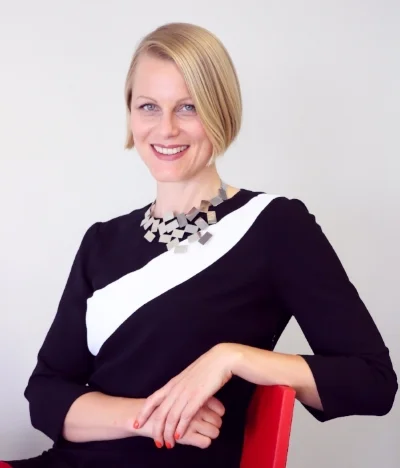
Claire Cockerton and the art of building a little city
Before Plexal had a high street, Claire Cockerton had a Toronto design business and a question: what helps people turn an idea into a company? Her answer has taken shape in fintech towers, an Olympic press centre and classrooms in Leeds.
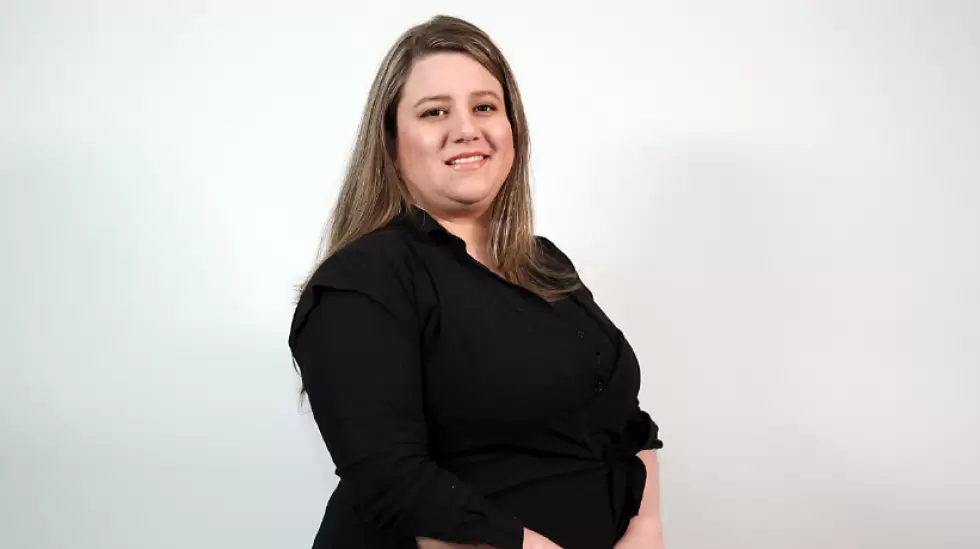
Gabriela Trueba and the art of making the hard part disappear
She learned 3D to make things, then spent years questioning why it was so difficult. With Womp, Gabriela Trueba is bringing the tools of fabrication closer to the people with the ideas.
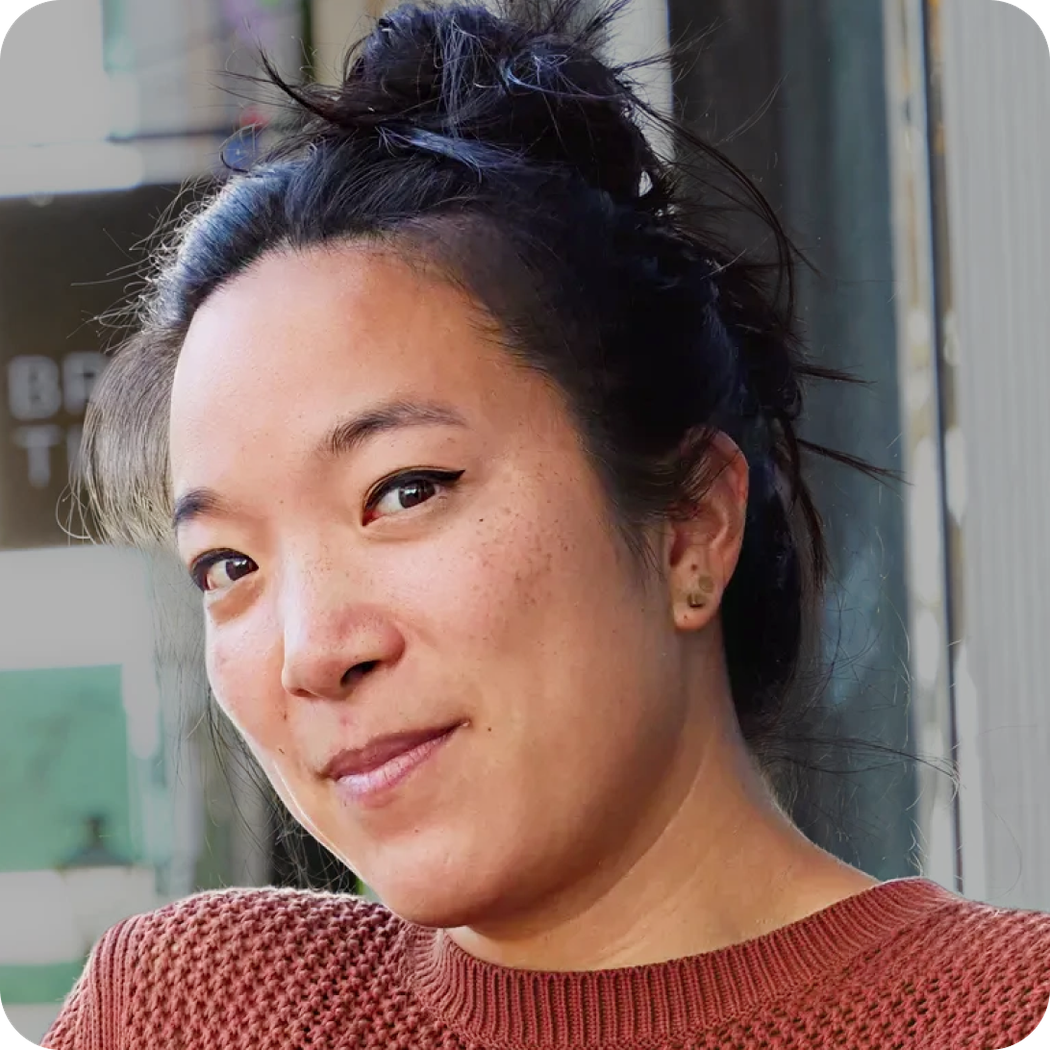
Christine Yen and the Trouble with Knowing in Advance
A Saturday failure helped Christine Yen see what software dashboards were leaving out. At Honeycomb, she has built a career around giving engineers room to ask the next question.
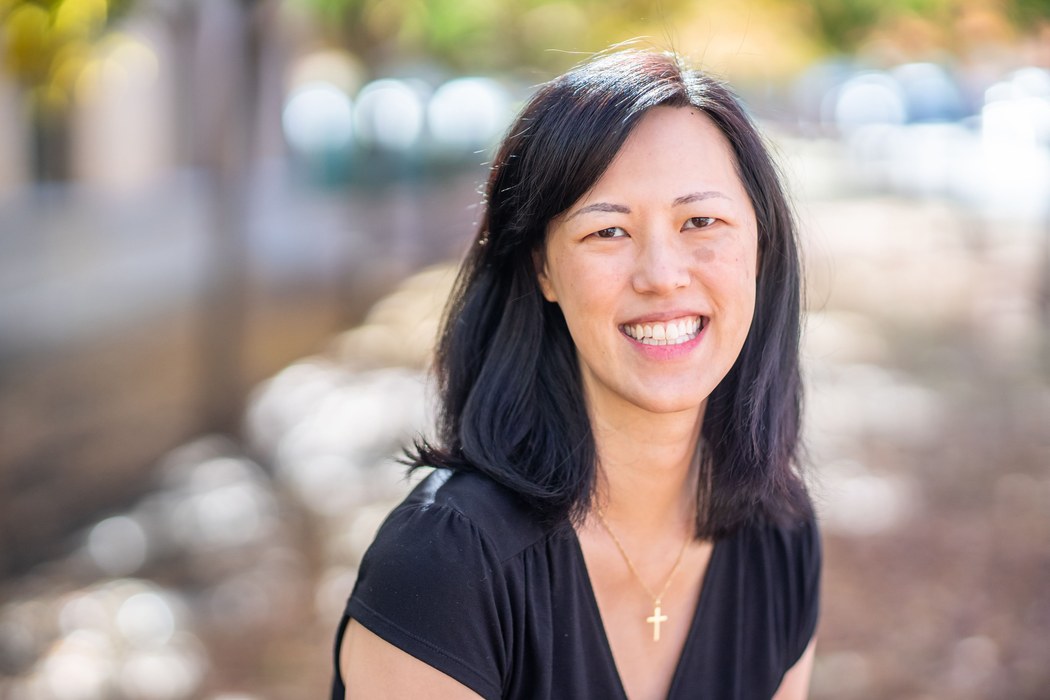
Deb Liu and the idea that waited seven years
She saw a marketplace in a social network and a community around a dinner table. Deb Liu’s career follows the patient work of turning everyday observations into places where people can participate.
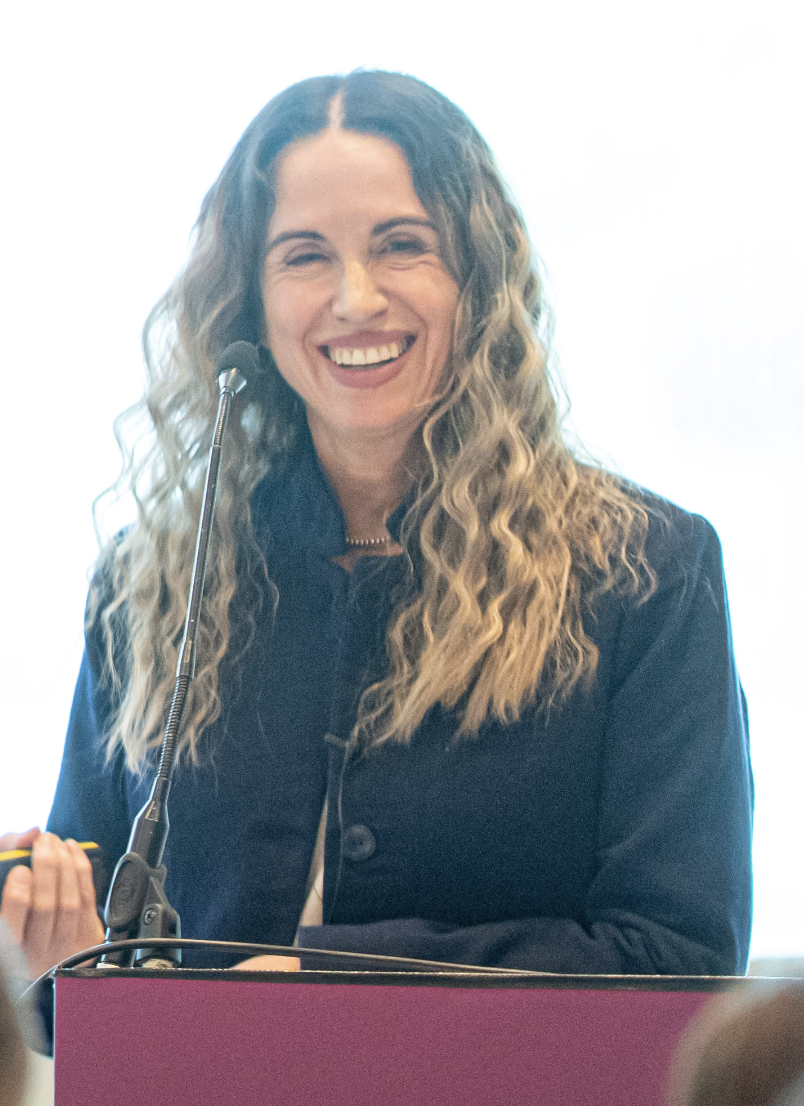
Heather Shoemaker had the code. Why did the pitch need a beard?
She wrote the first version of Language IO herself. Building a translation company in Wyoming meant learning another language: the language of people who decide which founders belong.
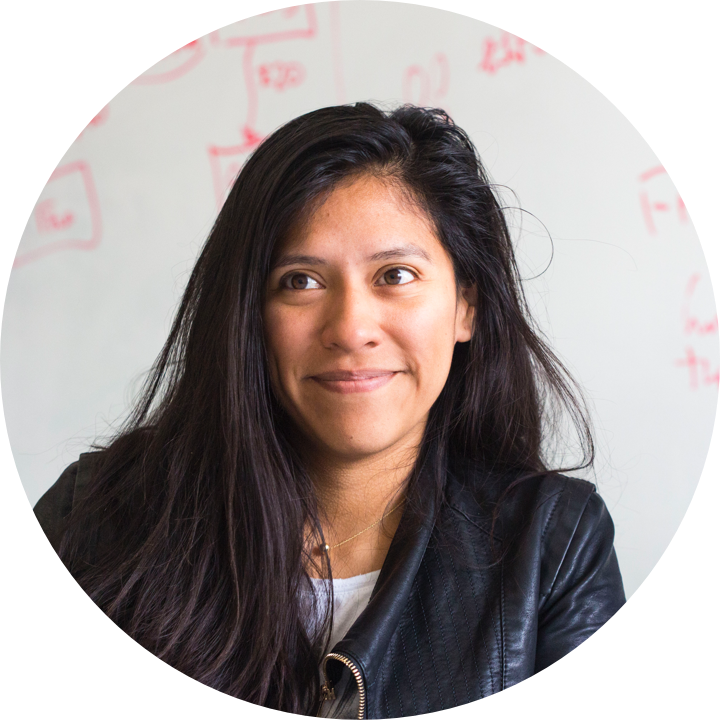
Adriana Vazquez Ortiz and the Six-Month Decision
A robotics summer brought her to Philadelphia. A return to product design led to Lilu - and a working life built through experiments, candid feedback and the decision to keep going.
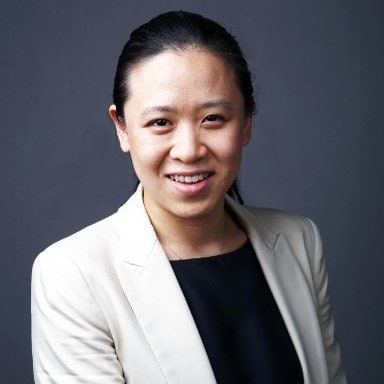
Dorothea Koh and the trouble with a bigger company
She left regional corporate leadership to build Bot MD over cold brew and weekends. Now Dorothea Koh is working through a different question: how to grow a company without slowing it down.
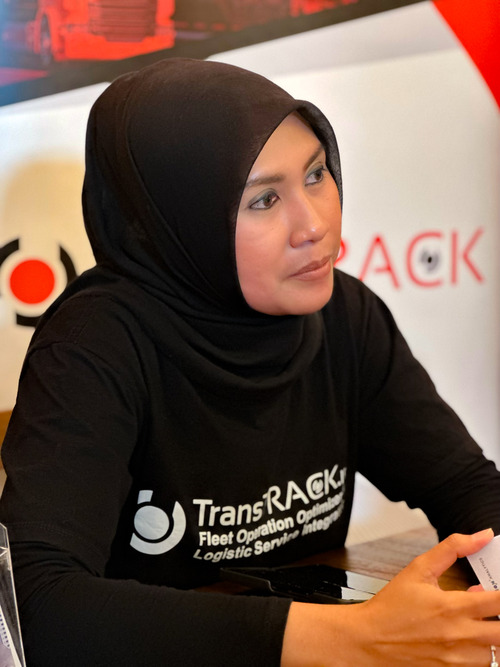
Anggia Meisesari and the freedom to change the machinery
After years teaching software and running technology businesses, Anggia Meisesari built TransTRACK around a practical frustration: fleet operators needed more choice. Her route from Bandung classrooms to regional logistics offers a lesson in knowing when to start again.
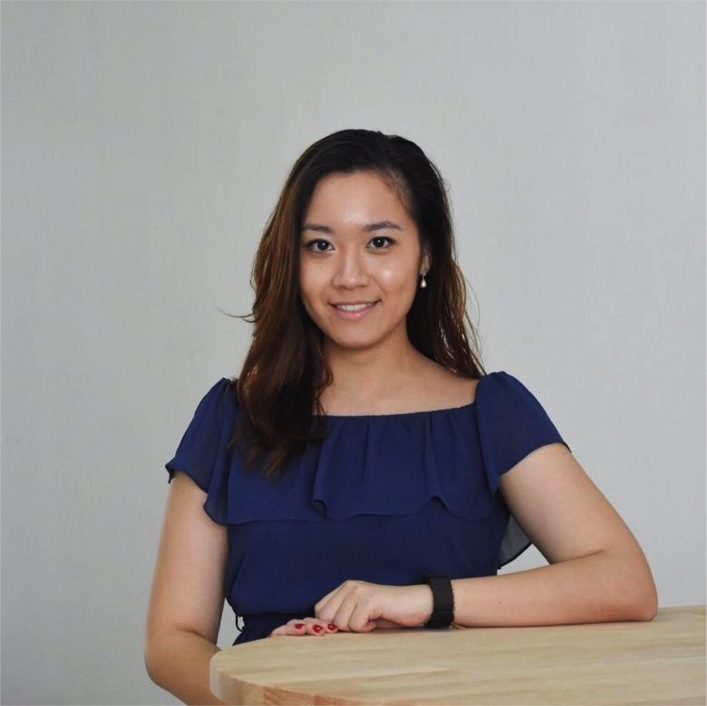
Lennise Ng and the Business of Making Luck
A lucky introduction helped her grandfather build a livelihood. Lennise Ng co-founded Borong to make useful connections easier for the next small shop - and kept following that idea into technology, trade and capital.
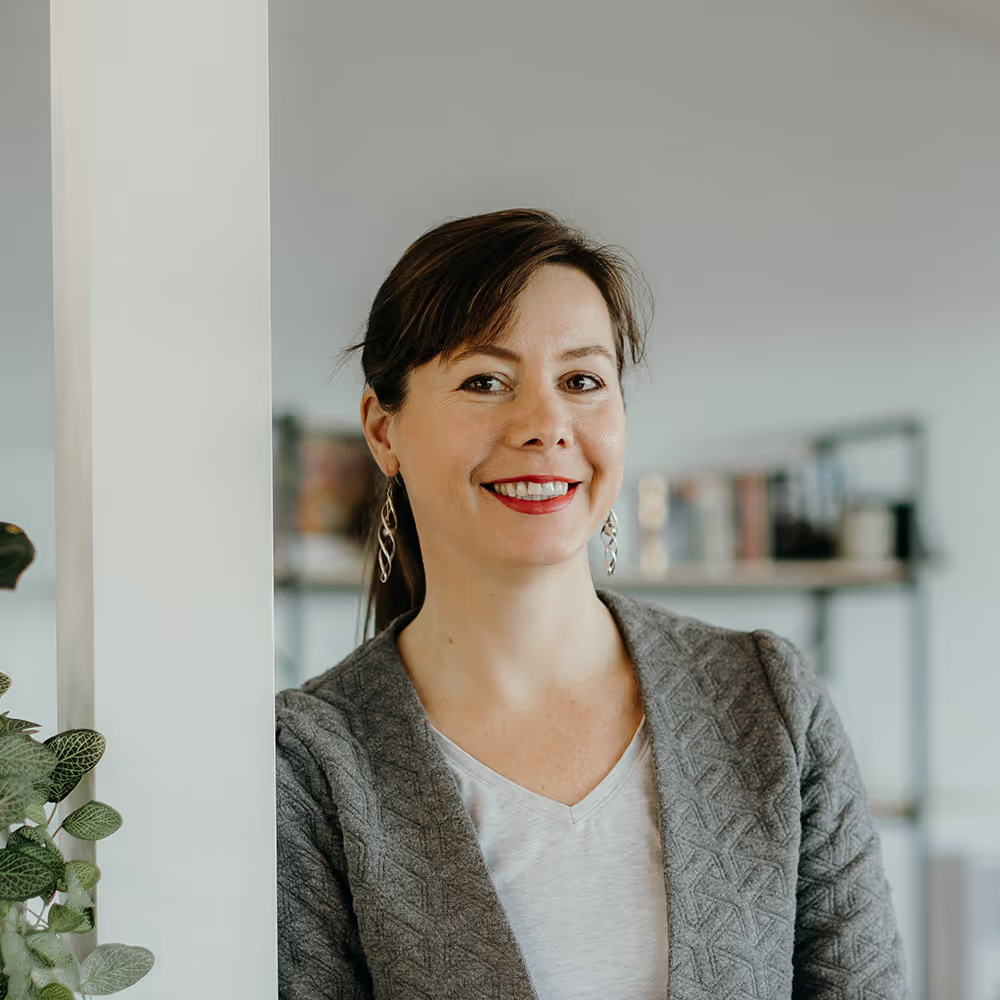
Alyona Medelyan and the problem hidden in plain text
Three companies asked Alyona Medelyan the same question. A Python script, a PowerPoint deck and years spent studying language became the beginnings of Thematic.
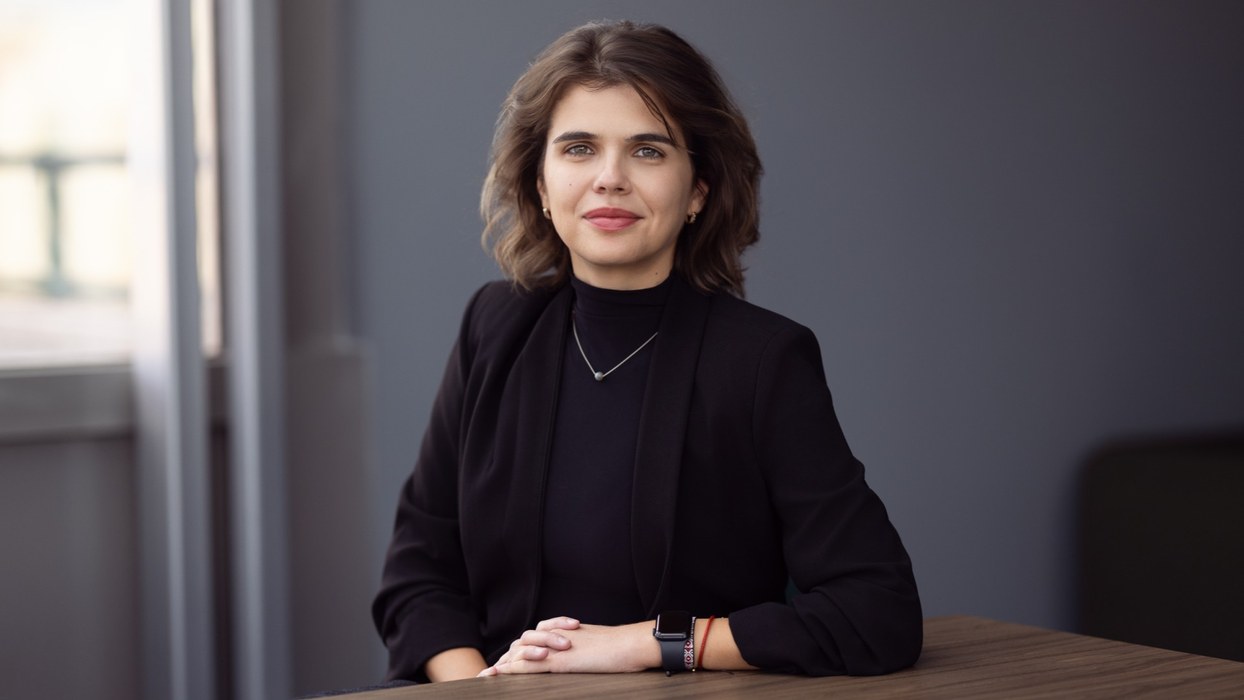
Andreea Plesea and the art of making things work
Years before co-founding DRUID AI, Andreea Plesea was researching how intelligent systems could work together. Her career has since taken her through code, customers and the CEO chair - with a few furniture knobs along the way.
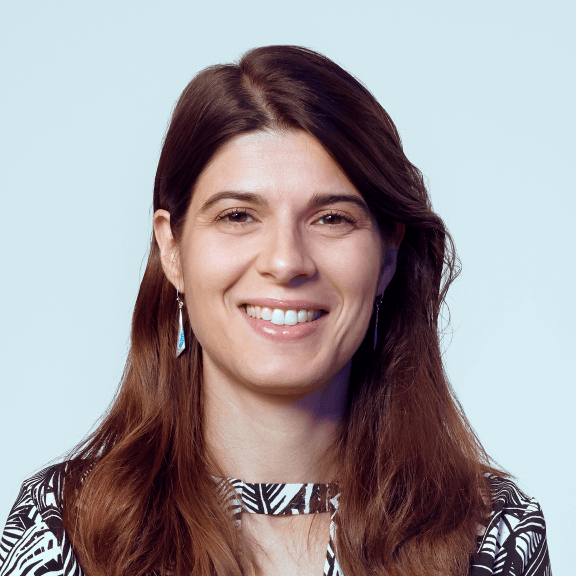
Kira Radinsky and the art of getting past the puzzle
A childhood game taught Kira Radinsky to look for another way through. The computer scientist carried that habit into news prediction, a startup acquired by eBay, and a career spent turning research into working software.
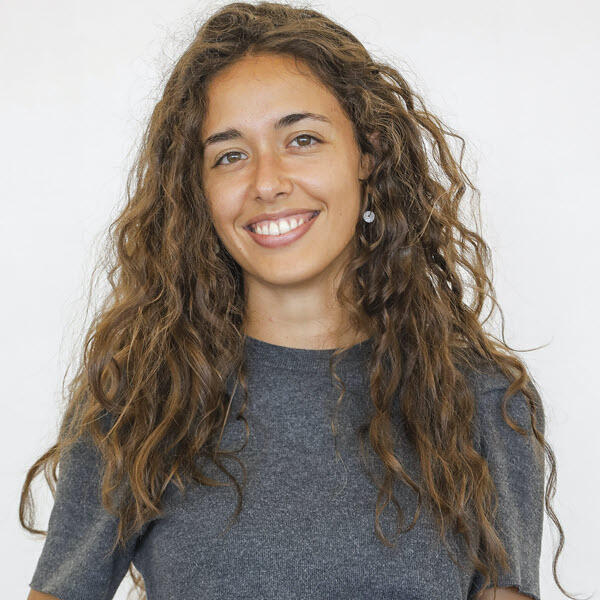
María González Manso and the future hiding in an ordinary phone
Before the European prize and the $20 million funding round, María González Manso made a practical choice: build around something people already knew how to use. Her path from engineering student to Tucuvi co-founder runs through Brazil, business lessons, and a belief that technology should make fewer demands on its users.
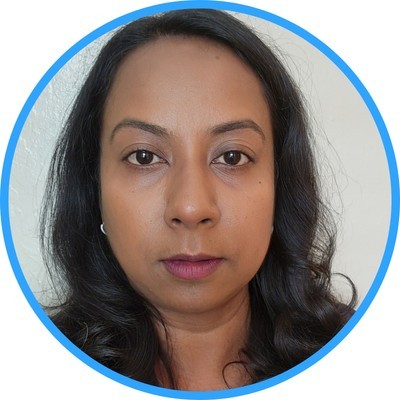
Jennifer Thangam Easwaramurthi and the case of the multiplying meetings
From TCS to Bank of the West/BMO to DataPattern, Jennifer Thangam Easwaramurthi has carried a practical question into company leadership: what do people need to know before they can do good work? Her answer begins with clarity.
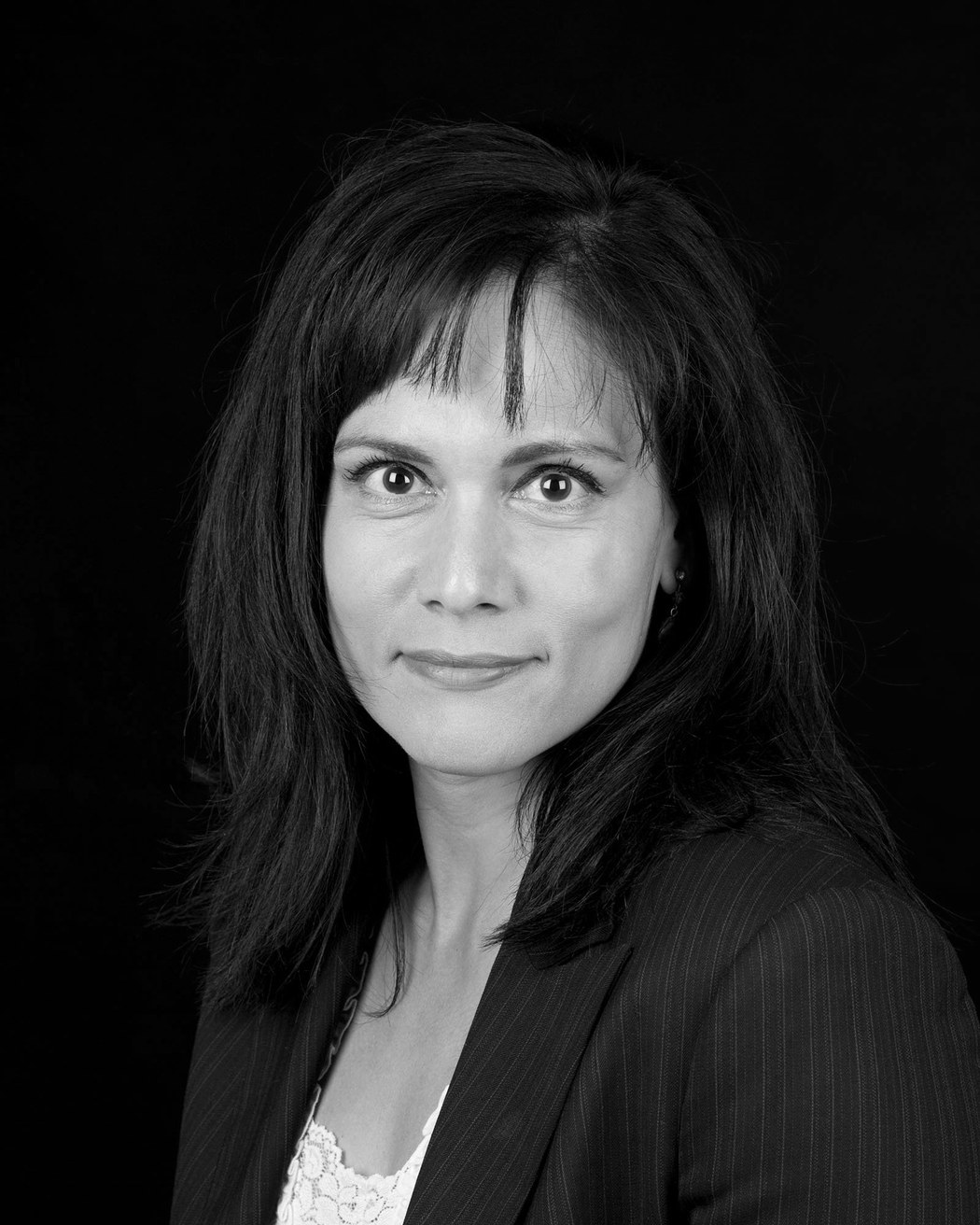
Sash Sunkara and the borrowed whiteboard
Before RackWare had enterprise customers, Sash Sunkara sketched its vision in her daughter's playroom. Her career connects networking hardware, cloud software and the complicated business of being a founder at home.
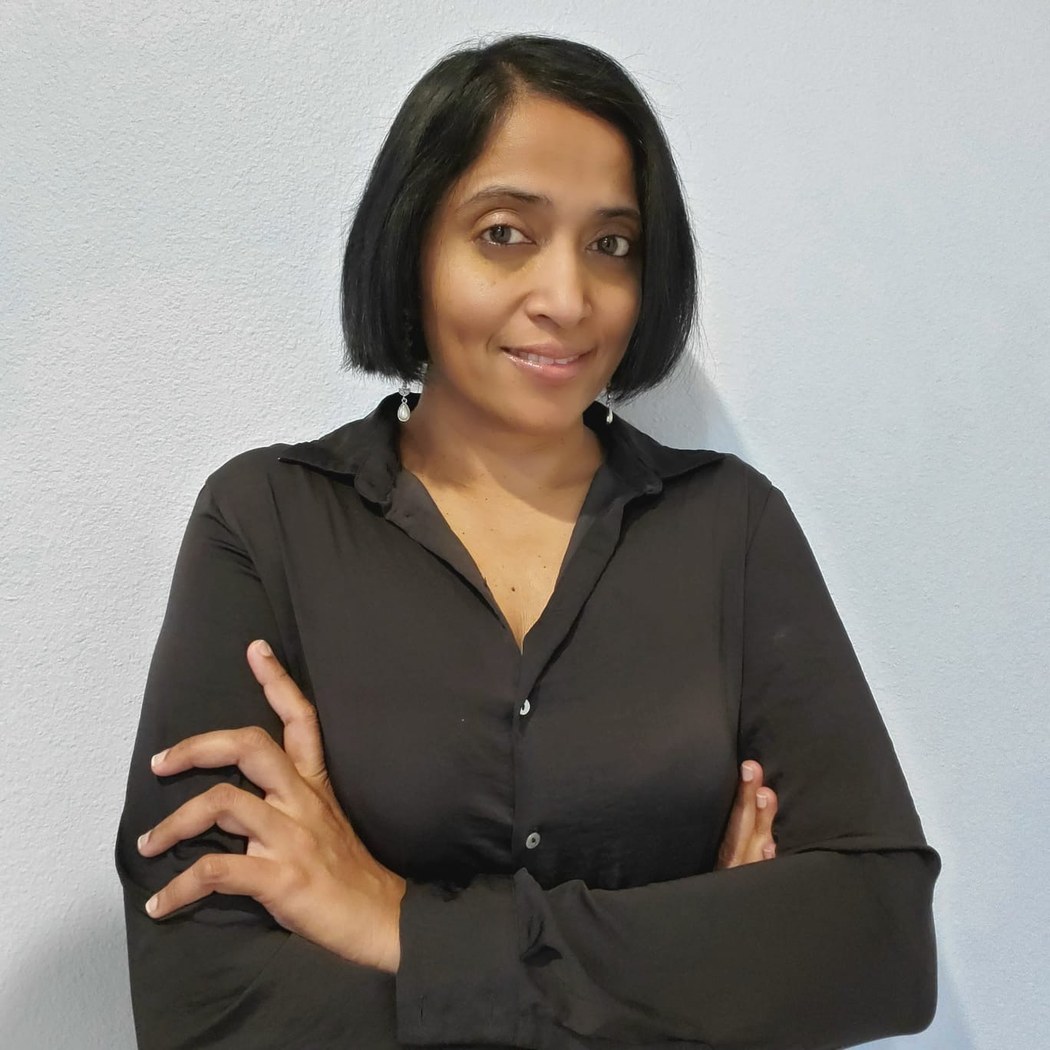
Vidya Narayanan and the problem of the first hundred
At Google, her work could reach millions of phones overnight. Rizzle co-founder Vidya Narayanan wanted to earn an audience from scratch - a question she is still pursuing as CEO of FinalLayer.
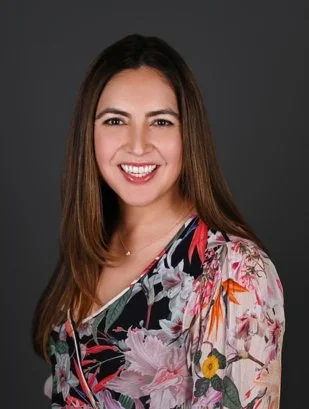
Daisy Sayre Garcia and the business that began with room to breathe
She wanted meaningful work and more time with her children. A solo Salesforce consultancy became ImagineCRM, where understanding grantmakers and making room for people became part of the same job.
Prospera Women opens the door to Silicon Valley
A good business can travel badly. Prospera Women helps women founders find the mentors, customers, and investors who can make an overseas ambition practical.
SheTO turns a room of strangers into a route to the top
A free network for women and non-binary engineering leaders tackles a peculiar career problem: the people who could help you may be people you have never met.
Cajigo knows a career can begin with a conversation
A Bristol social enterprise connects girls and women with the people already working in technology. Its wager: a clearer route and a useful mentor can make an unfamiliar career feel possible.

Jaymie Cutaia and the Story at the Other End of the Cable
A former MSNBC producer found her next beat inside telecom. Two decades after founding JSA, Jaymie Scotto Cutaia is still asking how the people building the digital world can explain themselves to everyone living in it.

PowerToFly found the people. Now AI needs them.
A hiring platform built around overlooked professionals is turning its community toward AI training and evaluation. Its wager: the people who know the work should help judge the machines doing it.

Jacqueline Samira Saved for Ten Years. Then She Bet It All on People.
A Wall Street plan met the 2008 crash. What followed was 19 months of rejection, a hard-won education in sales, and a company built to make geography less decisive than talent.