product-management
(307)
Olya Caliujnaia and the business of keeping play alive
She helped build games, then built Sanlo to help their makers finance the next move. Olya Caliujnaia’s career follows the work that happens after a good idea meets a difficult system.

Paul Koullick and the art of making things less taxing
Paul Koullick spent seven years building Keeper, then handed the CEO job to his co-founder. From tax software to Google Meet, his recurring concern is how much work a product asks of the person using it.

Aakrit Prasad and the morning of 5,000 tickets
A product change at AppDynamics brought a flood of support requests. Aakrit Prasad carried that lesson into AptEdge, where the work is making a company’s knowledge useful before the next escalation.
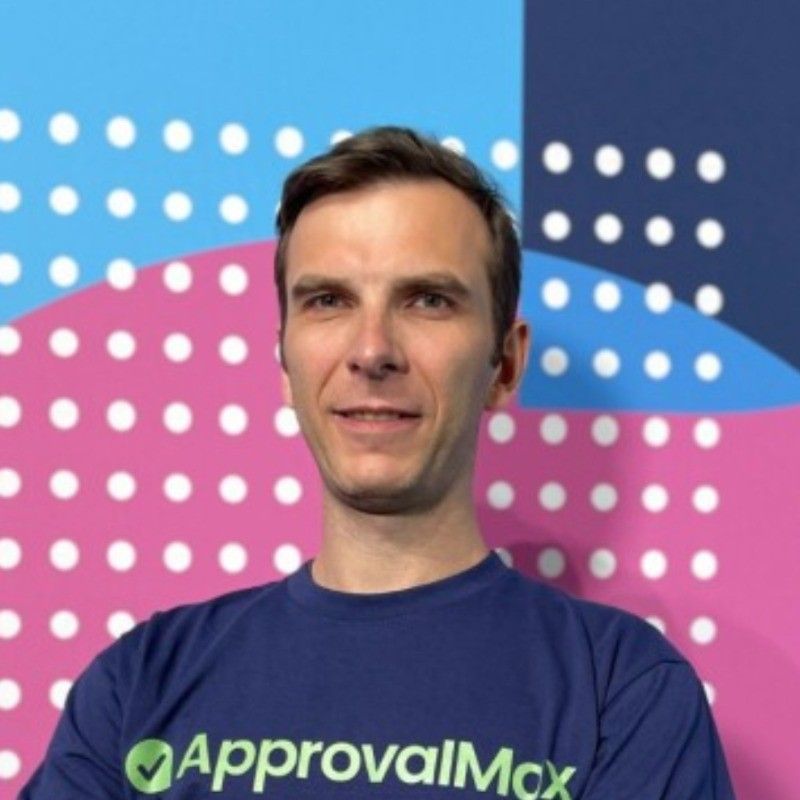
Konstantin Bredyuk and the decision before the bill
Before a payment leaves the bank, someone has already said yes. ApprovalMax co-founder Konstantin Bredyuk has built a career around making that small decision visible - and helping growing businesses keep track of who made it.
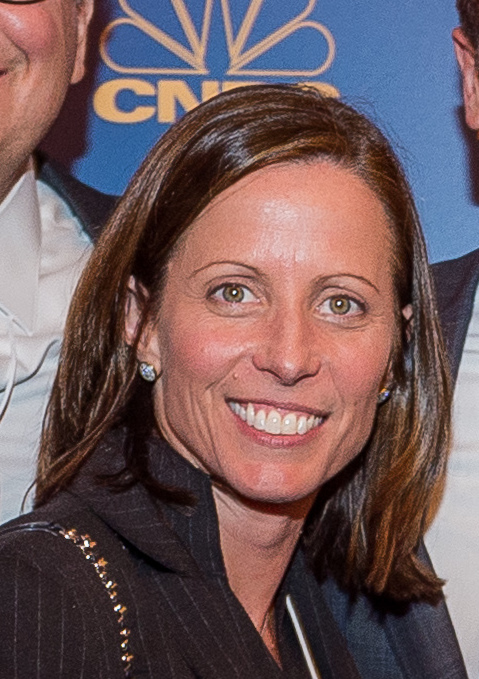
Adena Friedman and the business hiding inside the market
She joined Nasdaq as an intern with a taste for complicated products. Three decades later, Adena Friedman is applying the same curiosity to the machinery behind global finance.

Daniel Shapero and the advantage of starting over
Before he became LinkedIn’s CEO, Daniel Shapero traded a sales leadership job for a beginner’s place in product. His career makes a case for taking your ambition seriously enough to change direction.
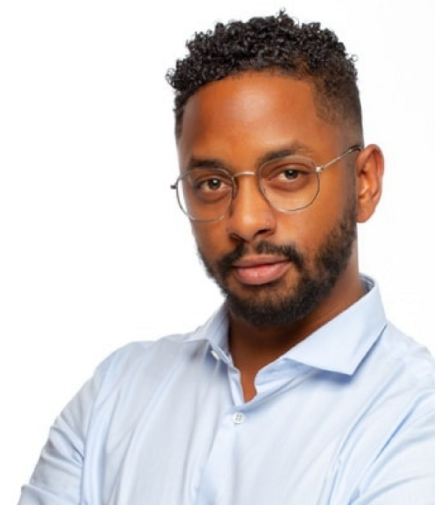
Allan Jones and the cost of doing it yourself
A family mini-market taught Allan Jones how expensive a missing HR department could be. After a clothing startup failed and a marketing career took off, he built Bambee for owners who could not afford one.
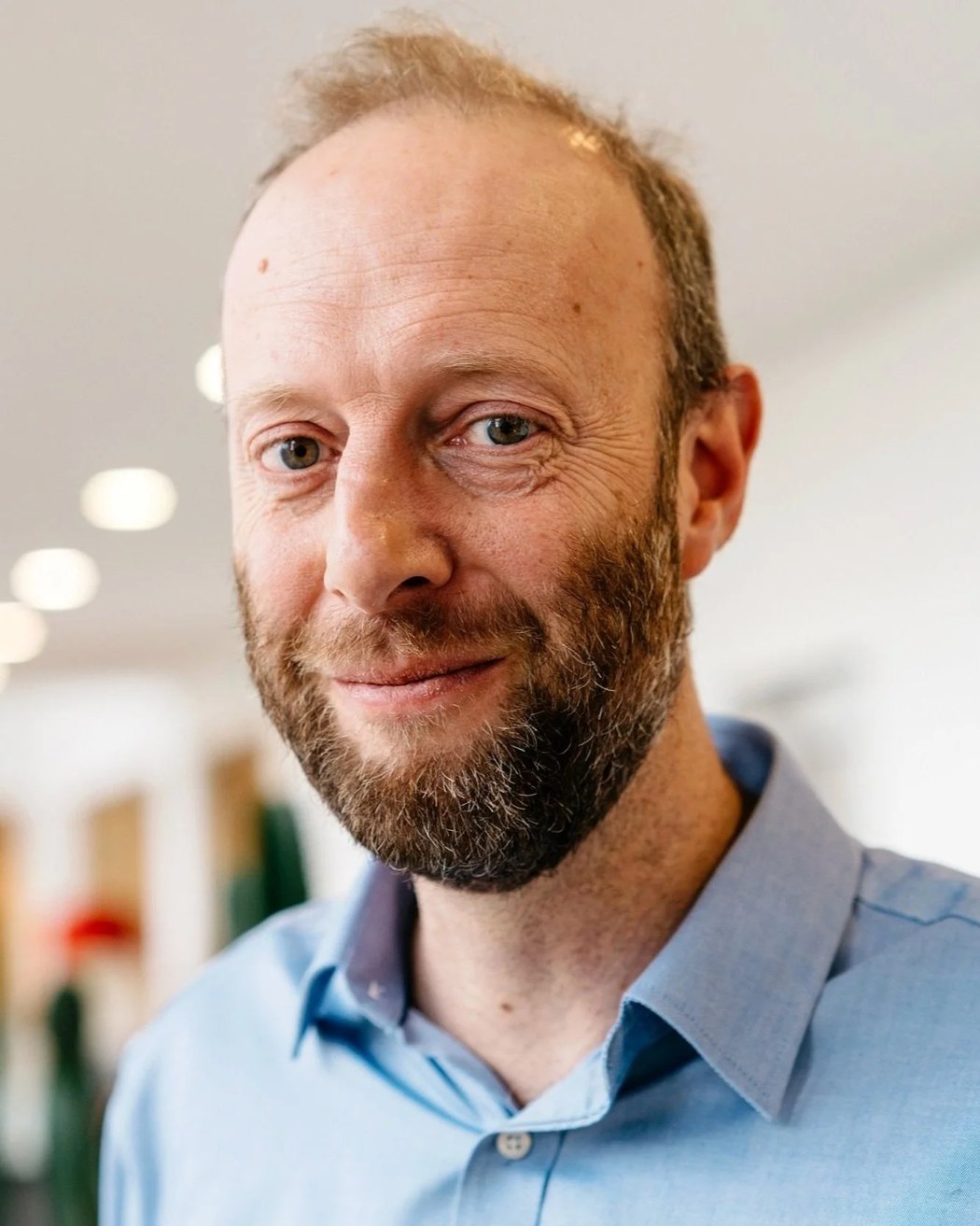
Simon Galbraith and the fine art of being wrong
A failed brainstorm helped Simon Galbraith find Redgate’s direction. Across two decades of database software, his recurring task was learning when somebody else had the better answer.

Ryan Millner and the Problem of Being Heard
At Amazon Alexa, Ryan Millner helped machines understand people. Building Unwrap meant confronting a more awkward question: why were the people building the machines still struggling to listen?
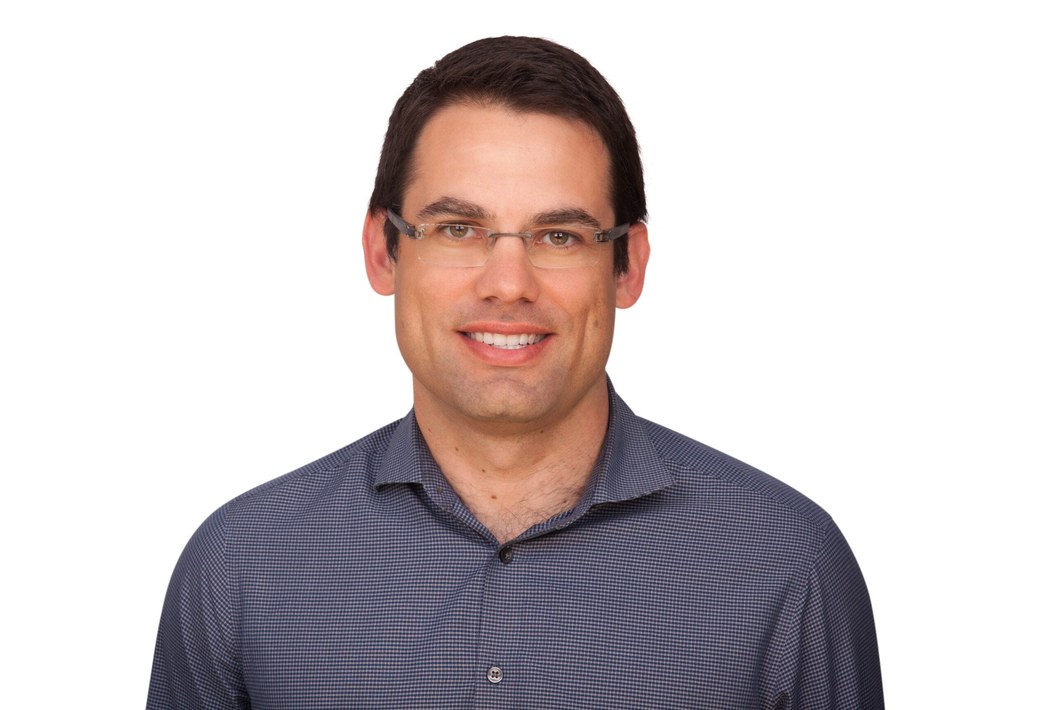
Tomer Shiran and the Homework Problem That Followed Him to Work
His daughter could get an answer about the solar system in seconds. Tomer Shiran wanted the same ordinary convenience for people trying to understand their own company’s data.
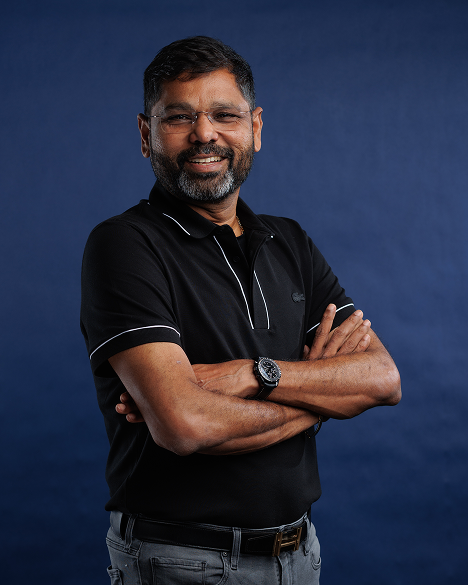
Girish Mathrubootham and the complaint that became a company
A broken television, an internet comment, and a product manager in Chennai. Before Freshworks reached Nasdaq, Girish Mathrubootham learned to pay attention to the things that annoyed people.
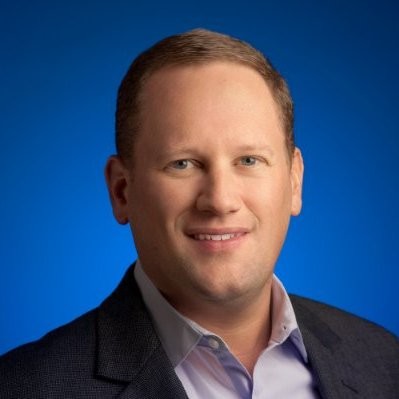
Jody Shapiro and the case for replacing yourself
He built Productiv to help companies question what their software was really doing. Then Jody Shapiro applied the same scrutiny to the CEO’s chair.
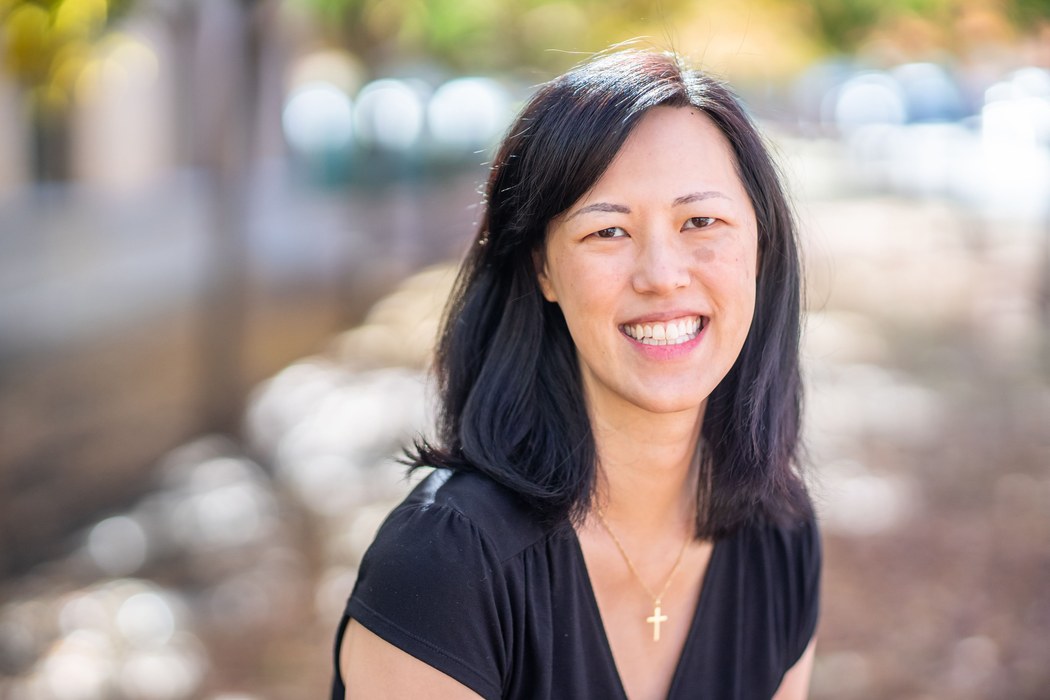
Deb Liu and the idea that waited seven years
She saw a marketplace in a social network and a community around a dinner table. Deb Liu’s career follows the patient work of turning everyday observations into places where people can participate.

Wei Lyu and the computer you choose with your clothes
Before co-founding Nirva, Wei Lyu studied film, art and fashion, then helped build augmented reality products. Her next bet is a personal computer that has to earn its place in your jewelry box.

Aaron Mitchell and the Price of Putting It Off
An eight-week software delay taught Aaron Mitchell what “free” could cost. Now the HeroDevs co-founder and CEO is building a business around the work everyone hopes can wait.

Ondrej Dobias and the business of getting unstuck
He helped build Usetiful across three countries, with an Estonian company he could run from a laptop. His career keeps returning to the same question: what makes a useful thing unnecessarily difficult to use?

BrainStation puts AI to work. Class starts here.
Before AI became everyone’s homework, BrainStation was teaching people to build things together. Its next bet is that working teams need the same thing: a practitioner, a project, and a room to ask the awkward questions.
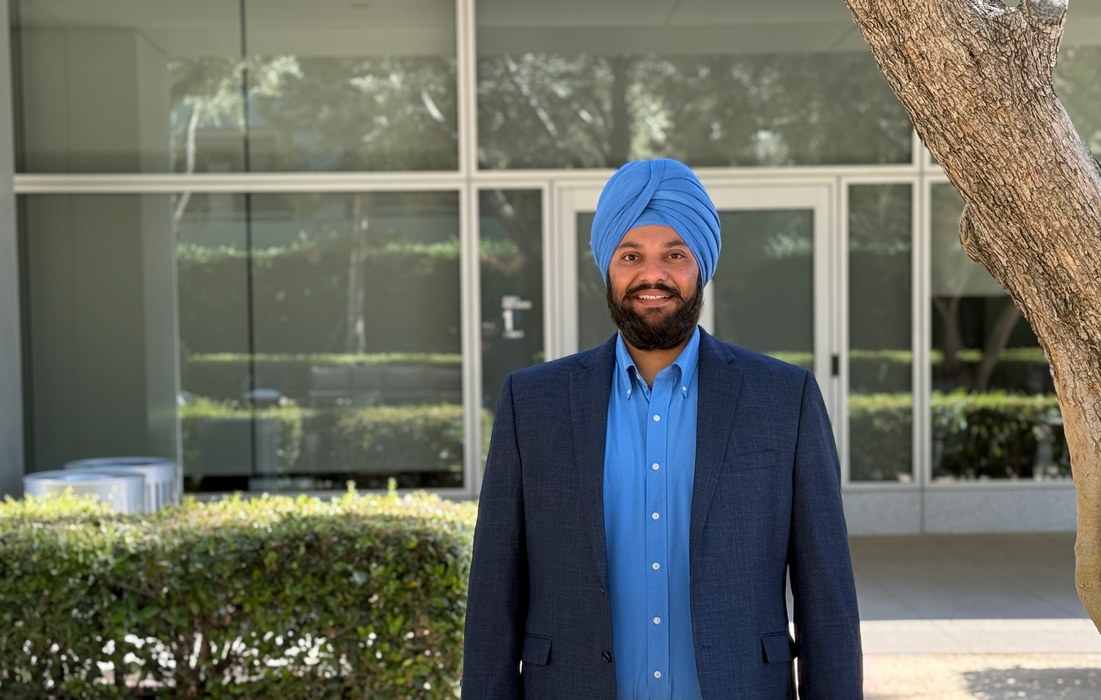
Tript Singh Lamba’s theory of the dropped ball
After Microsoft, Google and Expedia, Tript Singh Lamba built ProductNow with an intern and a question: why does so much work disappear between a decision and its delivery?

Jensen Wu and the question that gave an avatar hands
After more than 13 years at Alibaba, Jensen Wu co-founded Topview AI to help sellers make videos. A customer’s request for an avatar that could hold a product explains much of what came next.
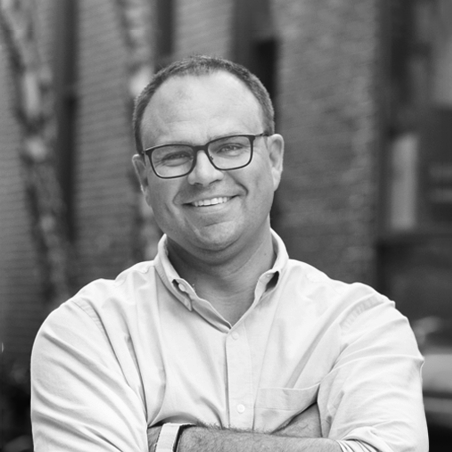
Christopher O'Donnell and the art of starting over
He helped build HubSpot’s CRM. Now the Day AI co-founder is revisiting the bargain that made it work: people do the remembering, software keeps the records. Along the way, there are guitars, a pirate flag, and a useful argument about who should be in charge.

Gabriel Frans and the notebook that refused to retire
The CrediBook co-founder started with the handwritten accounts of Indonesia’s small shops. Listening to their owners took him from recording debts to helping wholesalers sell.

Alexis Fogel and the trouble with knowing too much
After nearly a decade building Dashlane, Alexis Fogel started again with Stonly. His next problem was hiding in plain sight: experts write the instructions, but beginners have to follow them.
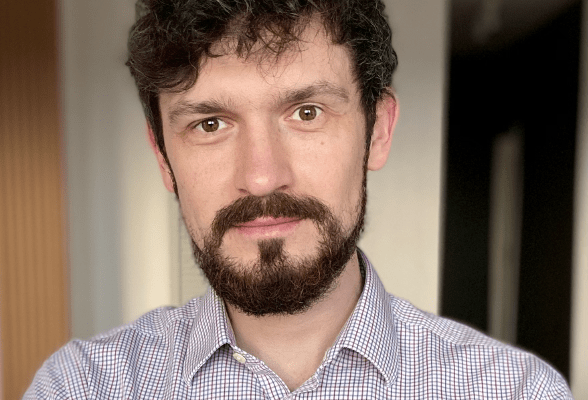
Kamil Rejent’s Very Premature Obituary
A competitor once put Survicate on a Halloween tombstone. Kamil Rejent kept building - and kept letting customers change his mind about what he was building.

Pavel Pavlenko’s business begins after the sale
Before he co-founded HelpCrunch, Pavel Pavlenko worked in customer support. His career has become an argument for paying attention to what happens after someone buys - and, sometimes, after someone says no.

Christoffer Haraldsson and the art of the handoff
From a three-hour business case in Hong Kong to the everyday complications of payroll, Christoffer Haraldsson has kept moving closer to the point where a good idea has to work for somebody else.

Aditya Kothadiya and the Work Worth Keeping
The Avoma co-founder wants software to handle the chores surrounding a conversation. His own habits reveal a more personal question: which kinds of work are worth keeping?
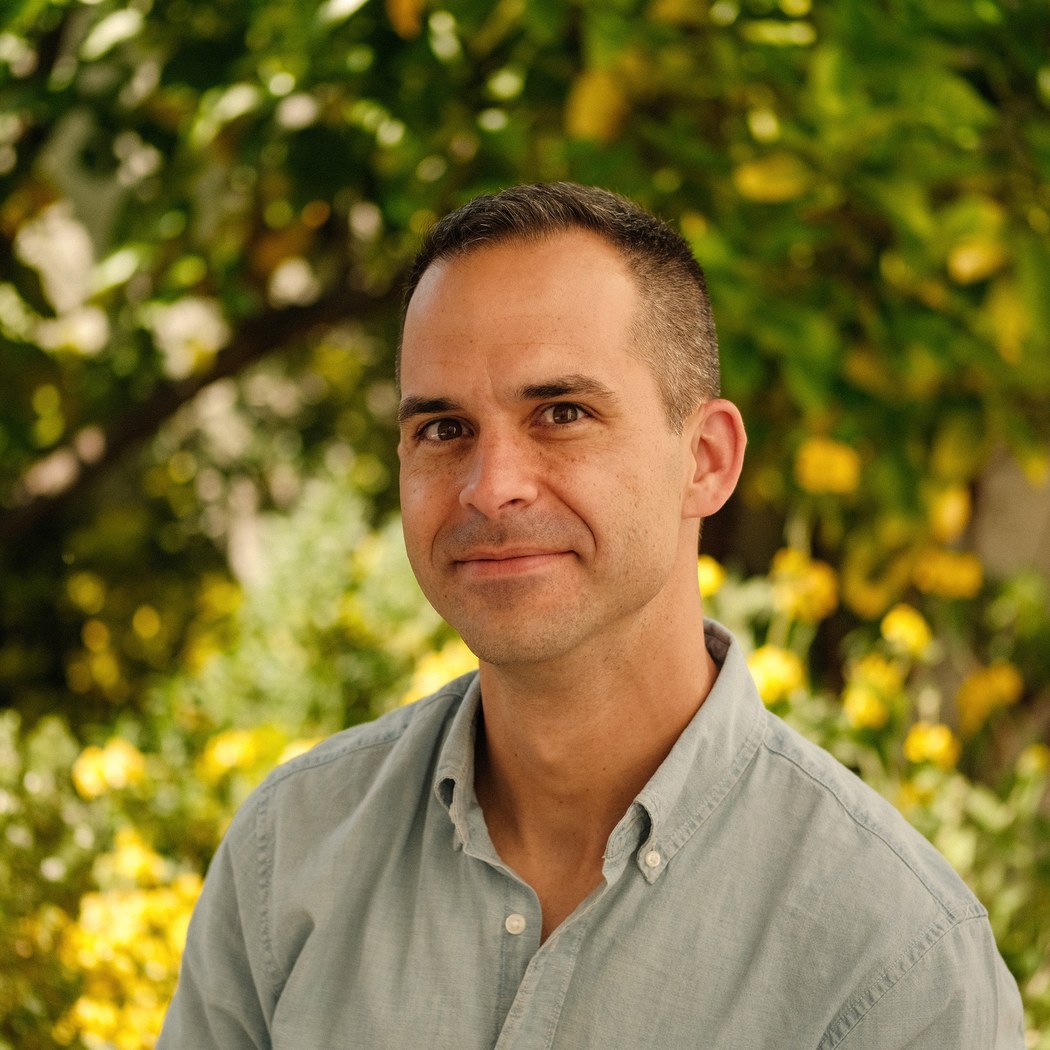
Paul Lambert and the problem worth ten years
After Learndot, Twitter, and Google, Paul Lambert gave himself a rule: only start another company if the problem deserved a decade. At Quilt, that promise has taken him from software to the rooms we live in.
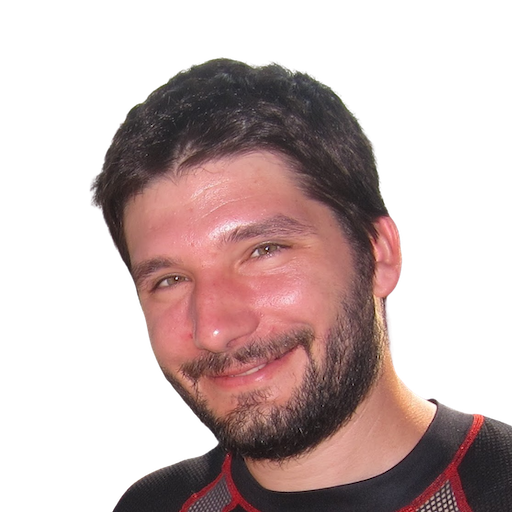
Jakub Sedlacek and the question a dashboard couldn't answer
A missing conversation at GoodData led Jakub Sedlacek to build SatisMeter with his brother. Their customer-feedback company joined Productboard in 2022; today, he is working at Sustainova.
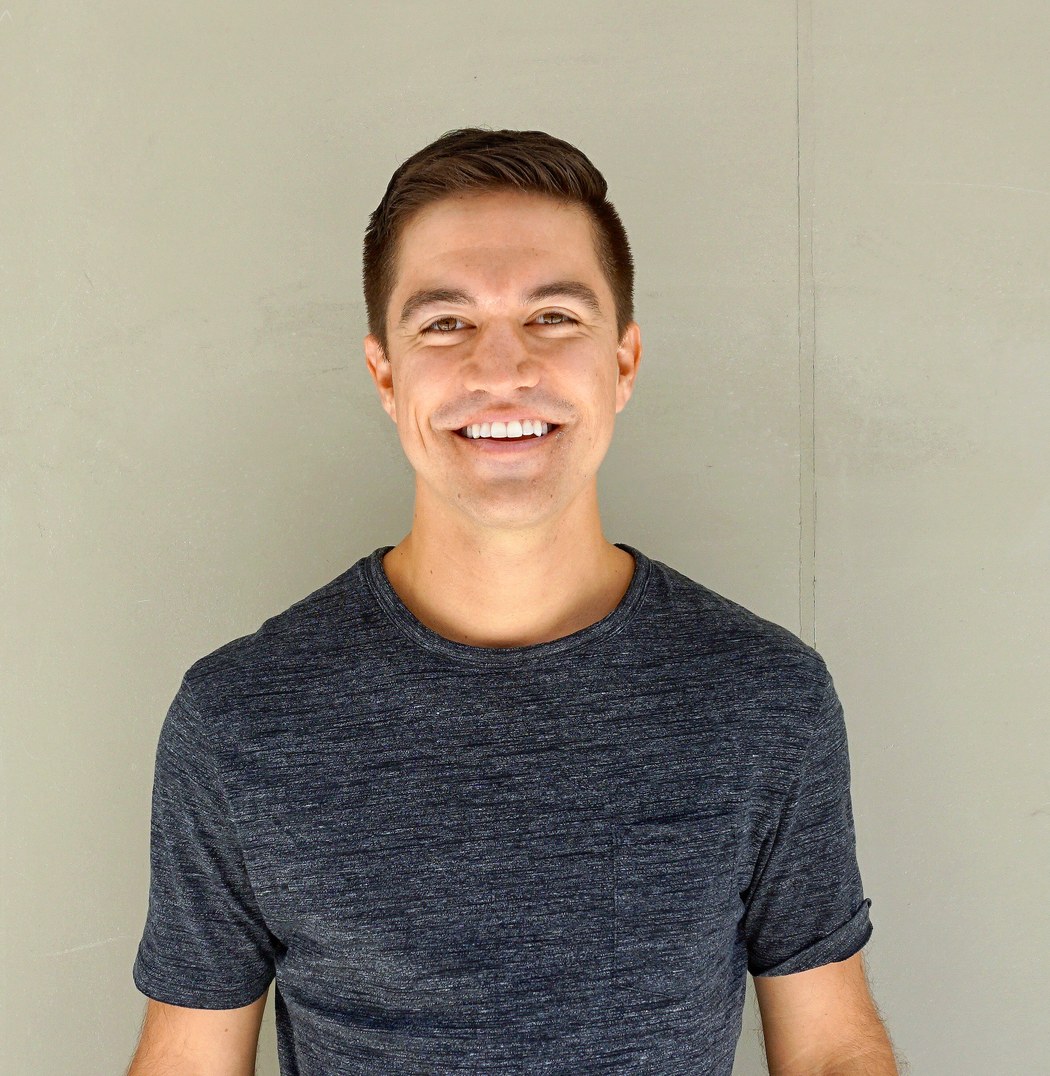
Ryan Glasgow and the question the dashboard couldn’t answer
At Weebly, Ryan Glasgow could see what customers did. Understanding why sent him from spreadsheets to Sprig - and into a continuing argument about how software teams should listen.
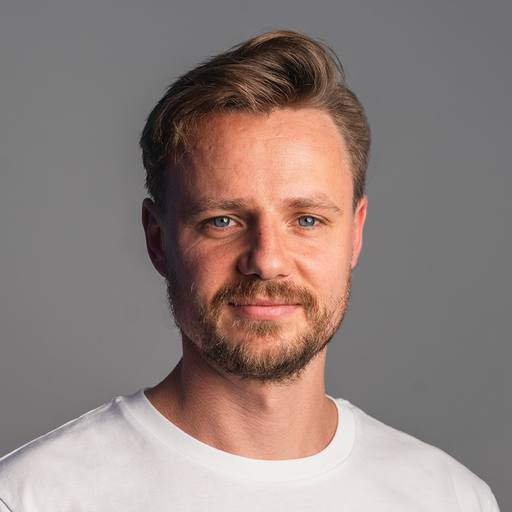
Malte Scholz and the expensive art of deciding
A frustrating product job in Hamburg sent Malte Scholz into business with two co-founders. After airfocus joined Lucid, he returned to the same stubborn question: what should a team build next?