Deb Liu once discovered that her pantry contained more than 20 cans of coconut milk, 24 cans of corn, and 15 packets of the same Vietnamese noodles. The executive who helped build Facebook Marketplace had a small inventory problem at home. She bought 30 containers, sorted the provisions, and gave away the surplus. Her household could stop shopping as though a siege were imminent.
It is a pleasingly domestic introduction to someone whose work has reached much larger numbers of people. Liu likes systems. She likes knowing what is there, what is missing, and what arrangement would make life easier. The pantry story is funny because the scale is wrong: a technology leader defeated by duplicate groceries. The method, though, is familiar. Look closely. Find the friction. Build a way around it that survives an ordinary Tuesday.
The view from the rummage sale
Liu was born in Queens, New York, and moved to South Carolina when she was six. Her parents were Chinese immigrants. In the small town where she grew up, being Chinese made her conspicuous in ways a child could hardly choose. People told her to go back where she came from. Her answer was New York, which was geographically accurate and apparently beside their point.
Community took effort. Her family drove long distances to gatherings that combined Chinese school, fellowship, and potluck dinners. A childhood friend from that circle eventually introduced her to her husband, David. Connections that looked incidental at six proved rather consequential at eighteen.
Shopping at garage sales and church rummage sales also belonged to her upbringing. Before 2000, she was already an active eBay power seller. Used goods had a practical value she understood before she had a professional vocabulary for markets. Years later, that experience would give her a different view of what Facebook could become.
She studied civil engineering at Duke, then earned an MBA at Stanford. Her early career included consulting at Boston Consulting Group and product work at PayPal and eBay, where she helped lead their product integration. These were businesses in which a customer had to move between systems without feeling the joints. It was a useful education for someone interested in connecting people who were already almost in the same place.
Seven years between the pitch and the shop window
In 2009, during her Facebook interview with Sheryl Sandberg, Liu pitched a marketplace. Work on the product began in 2015. It launched in October 2016. Put those dates beside one another and the familiar technology story about a flash of insight becomes a story about keeping an idea alive through a considerable quantity of calendar.
Her perspective included a category of customer who was unusually close at hand. She was a mother of three, buying and selling through parent groups. Friends in Asia described similar commerce in Facebook communities. From that vantage point, shopping on a social network seemed quite ordinary. Some colleagues needed more persuading.
Liu has been frank about her difficulty making the case. An insight can be useful and still fail to travel. Her eventual achievement depended on colleagues including product manager Bowen Pan and engineering lead Vijaye Raji, as well as the people already trading in groups. The product grew from behavior that existed before it had a dedicated destination.
At the public introduction, Facebook said more than 450 million people visited buy-and-sell groups each month. The new destination opened with nearby listings. People could search by price, location, or category, look at a seller’s profile, and send a message. The company left payment and delivery arrangements to the people making the deal.
The appeal was almost stubbornly familiar: somebody nearby had something somebody else needed. Facebook could make finding each other easier. For all the machinery underneath, the proposition could have been explained over a garden fence. A product born inside a large technology company still had to make sense to someone trying to clear a spare room.
A dinner reservation becomes an institution
While Liu was trying to create room for commerce, she and other women in product were creating room for one another. Quarterly dinners began in 2012. Over four years, the conversations became friendships and a network. Then came a question: why wasn’t there a conference for women doing this particular work?
When Liu and Ami Vora sought help from Facebook’s events staff, there was concern about filling the space. The concern did not survive contact with registration. In Liu’s recollection, 3,000 people applied for 300 places. The organizers had encountered a problem most conference planners would be delighted to acquire.
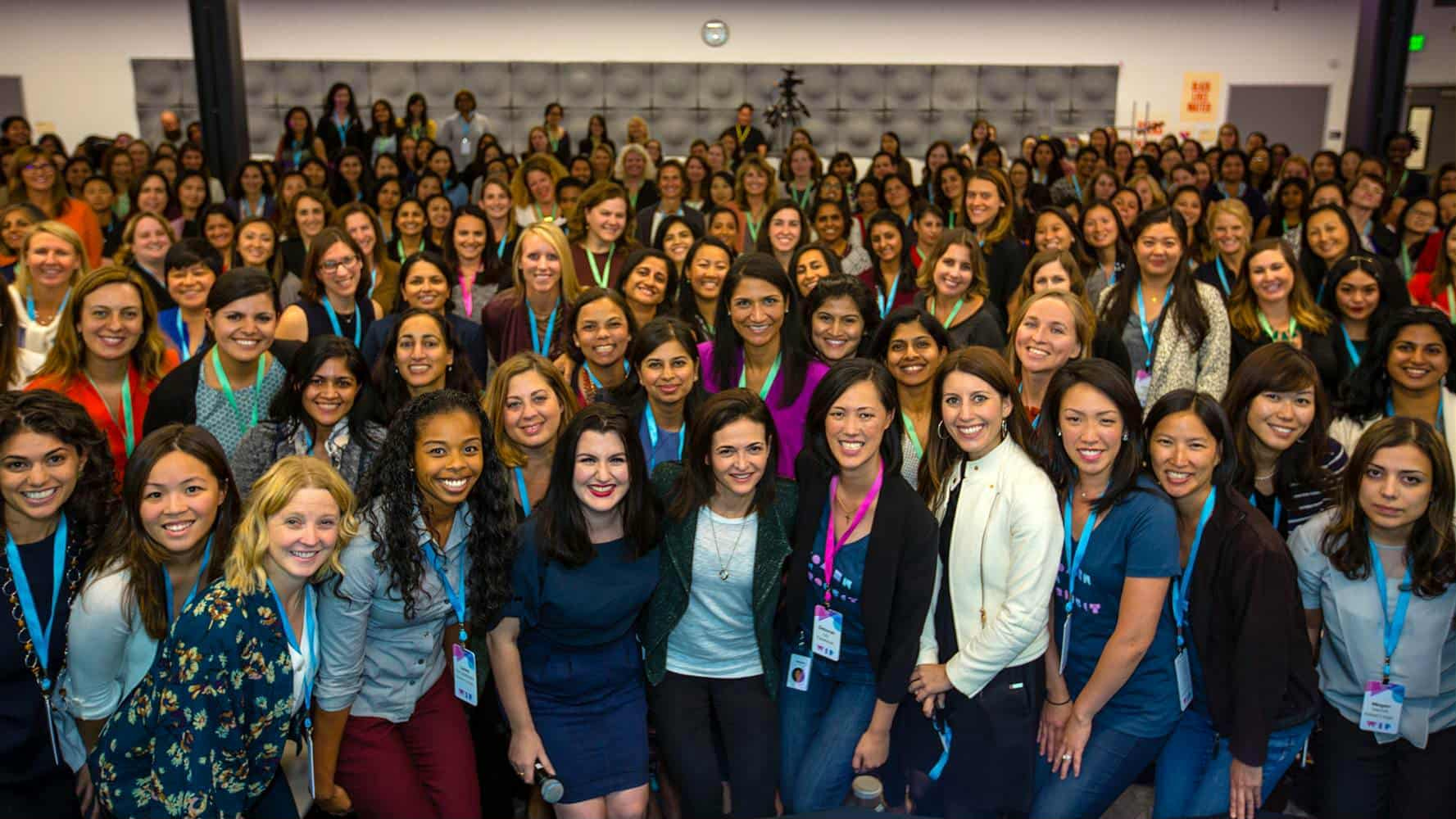
Women In Product was founded in 2016. It now describes a community of more than 30,000 women and nonbinary people in product. Liu remains a co-founder and board member. The scale matters, but so does the route: repeated, relatively small gatherings came before the organization. People had somewhere to bring the questions that can feel awkward in a room where almost nobody shares your experience.
The quiet person still needs the floor
Liu describes herself as an introvert. She remembers joining an executive meeting where the participants could debate almost anything with little preparation. The conversation moved too quickly for her to find an opening. It was a troubling discovery for someone trained to prepare carefully: the meeting had its own rules, and fluency carried considerable weight.
Her advice became specific. Prepare a contribution before the meeting. Set a modest goal for speaking. Practice answering the questions that might follow. For managers, the responsibility runs in the other direction too: make room for people who need time to think. Otherwise, the group can confuse speed of delivery with quality of judgment.
“Anything can be learned if you treat as a skill.”
Deb Liu, on learning to communicate
The appeal of that approach is its refusal to turn temperament into destiny. A person can prefer quiet and still learn to make a case in public. There is no requirement to enjoy every minute. Anyone who has watched a well-prepared colleague lose the floor to a confident improviser will recognize the practical stakes.
A career needs a product manager, too
Liu’s advice also contains a correction to her own habits. She spent six years without a promotion, across three jobs at three companies. She was building skills, making family choices, and raising children during that period. A stationary title concealed a life that was moving.
She also learned the cost of assuming that good work would explain itself. In one stretch, she went through seven managers in less than three years. Eventually, she and a manager wrote down what he needed to see for a promotion and reviewed it monthly. A vague hope acquired a shared definition.
Her writing asks product managers a question they would normally answer quickly about their products: where do you want this to go? A product gets goals, milestones, and a plan. Its manager’s career may get whatever remains after the meetings. Liu encourages people to apply some of that same care to themselves, and to identify the mentors, sponsors, and colleagues whose help they will need.
She has benefited from precisely that kind of help. Sandberg introduced her to Intuit’s then-chief executive Brad Smith and later put her name forward for a board opening. Liu joined Intuit’s board in 2017. The introduction opened a conversation; she still had to make something of it. She has since encouraged other leaders toward board service.
Before making decisions, compare notes
When Liu became Ancestry’s CEO in March 2021, she published an account of her transition plan. It organized the opening three months around learning, aligning, and executing. She shared a detailed draft with senior leaders and a higher-level version with the company. People could see what their new chief executive was trying to understand.
- 01 / LearnUnderstand the people, business, and culture.
- 02 / AlignAgree on priorities and the work ahead.
- 03 / ExecutePut those commitments into practice.
One episode from that tenure gives the plan some texture. Employees wanted an international feature that had long been available in the United States. Estimates made the work look expensive. Conversations with technology and legal leaders produced different pieces of the explanation. Eventually, everyone gathered in one room.
Within twenty minutes, they worked through the obstacle. The feature shipped within weeks. Liu’s account describes people acting earnestly on incomplete information. The delay had accumulated between them. A meeting, that much-maligned corporate instrument, finally earned its keep.
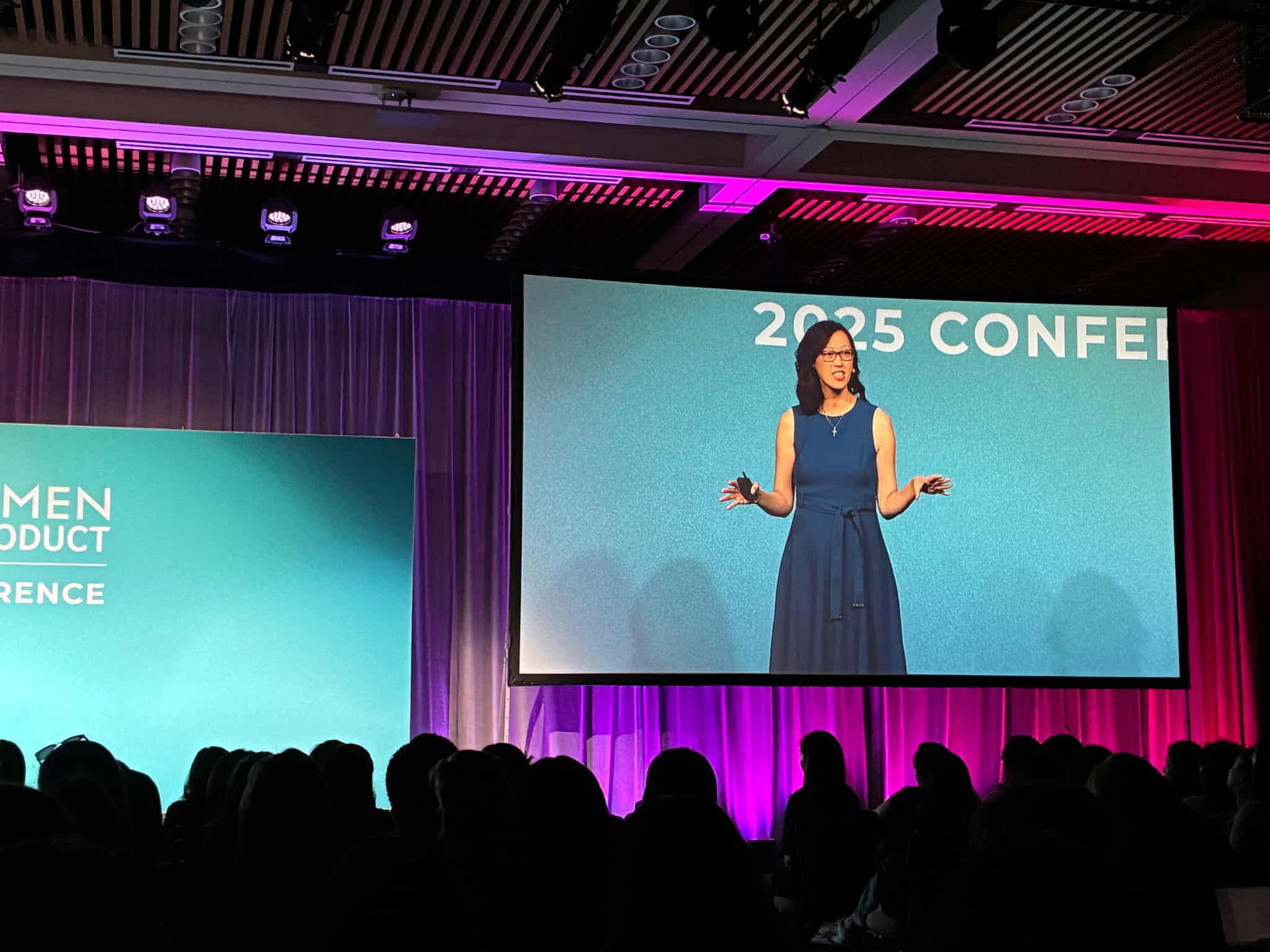
She left Ancestry in early 2025, with Howard Hochhauser succeeding her effective February 1. Her four years there added company leadership to a career previously defined by products and platforms. Her public work since then has continued to examine how people change direction, and what they carry forward when a familiar job ends.
The next idea still needs a first draft
Her 2022 book, Take Back Your Power: 10 New Rules for Women at Work, brings these concerns together: influence, allies, visibility, and navigating an uneven workplace. Even the cover became a product decision. Purple was her favorite color, but she chose a lighter design because the words were easier to read. Personal preference yielded to the job the cover needed to do.
Liu now works on another book about transitions, writes the Perspectives newsletter, and serves on boards including Intuit and Poshmark. She has also co-founded Ember AI. In February 2026, she spoke publicly about women’s participation in AI and the career consequences of learning to use the tools. The technology has changed; the question of who gets to participate remains close to her work.
The connecting thread is a willingness to start with an imperfect arrangement: a pantry nobody can navigate, a community that fits around a dinner table, an idea that has failed to win approval. Liu’s career suggests a useful place to look for the next project. Somewhere nearby, people are already trying to do something. Pay attention to the trouble they are taking.
Follow the next conversation
- Website Deb Liu’s books, writing, and speaking
- Newsletter Perspectives
- First person The inside story of Facebook Marketplace
- Watch Liu on Lenny’s Podcast: introversion, products, and careers
- Watch Office Drama: 30 Years of Career Advice in 1 Hour
- Interview Liu on AI and women’s participation at work
- Community Women In Product