ai-agent
(53)
HyperWrite Finishes Your Sentences - Then Opens the Browser
HyperWrite grew from a GPT-3 email trick into a writing desk, research aide and browser operator. Its signature feature is still the least theatrical one: a useful next sentence, waiting where you already type.

Tezi Hired an AI Recruiter - Then Headway Hired Tezi
Max could source, screen, email and schedule while the humans did the persuading. It was a sharp idea with a short shelf life: Headway acquired Tezi's team in March 2026, and the recruiting product shut down weeks later.

Spellbook Put Contract AI Where Lawyers Actually Work
Spellbook began as a useful little side panel in Word. Now it wants the whole contract journey, from the first nervous redline to the renewal nobody remembered.
The Orange Box That Bet the Smartphone Was Optional
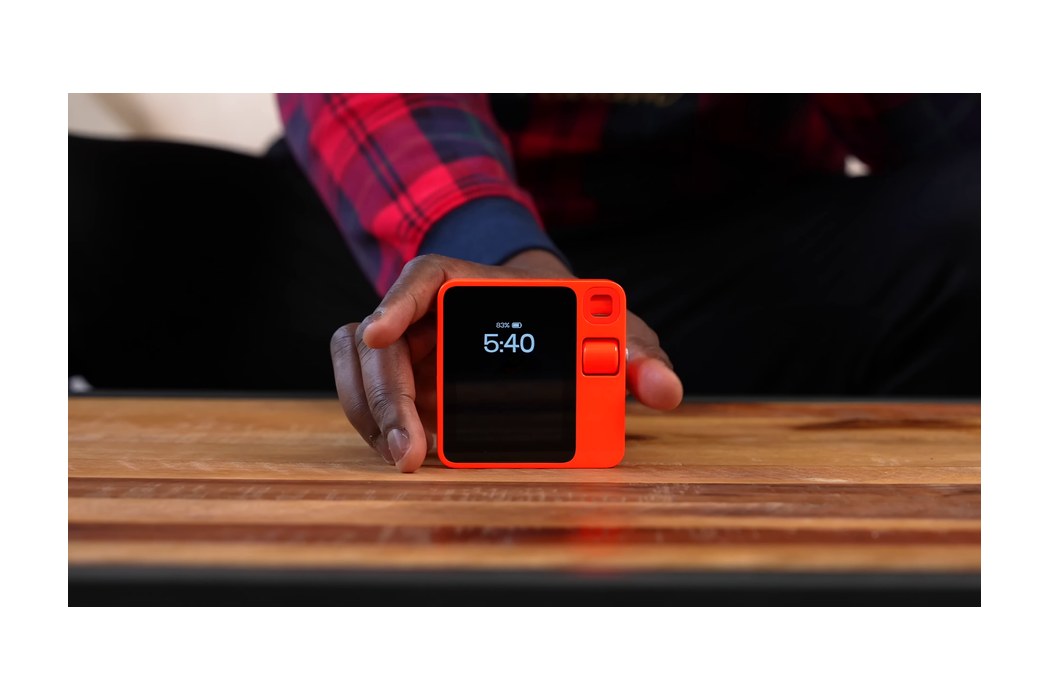
A $199 orange gadget promised to replace your apps with an AI that clicks the buttons for you. The launch went viral, the reviews went brutal, and rabbit is still shipping.

Tidio
Scale customer service without sacrificing customer trust or authenticity. Whether you want to improve support quality or automate up to 67% of conversations Tidio keeps support fast, reliable, and human.
Userpilot
Userpilot helps product and growth teams turn user signals into activation, adoption, retention, and revenue.
Chative Is Betting Your Next Sale Starts In The DMs
The Da Nang-built messaging platform grew out of a chatbot tool called BotStar. Now it wants to be the one inbox where AI and human agents close sales across Facebook, Instagram, WhatsApp and Shopify.
Olark
More than a chatbot - an AI agent that works your marketing funnel 24/7.
JivoChat
The bootstrapped live-chat tool that grew into an omnichannel inbox for 200,000 small businesses - and now wants its AI to handle the easy questions.
Comm100
Support That's Simply Better, for Everyone.
Intercom
Intercom is an AI-first customer service company best known for Fin, its AI agent that resolves customer support conversations automatically. Founded in 2011 by four Irish engineers in San Francisco, the company rebuilt itself around large language models after ChatGPT launched, shipping Fin in 2023. By 2026 Fin was resolving more than a million tickets a week for customers like Anthropic, DoorDash and Mercury, and in May 2026 the parent company rebranded itself Fin to reflect that the AI agent had become the core business.

Chatwoot
AI assistant, omnichannel support desk, knowledge base. Everything you need for seamless customer support, all in one place.

The Bot That Actually Shows Up for Work
UJET Virtual Agent is UJET's AI agent for self-service. It is in production today with real customers, not in preview. Turo runs it across its car-sharing marketplace, and it is answering customers right now.
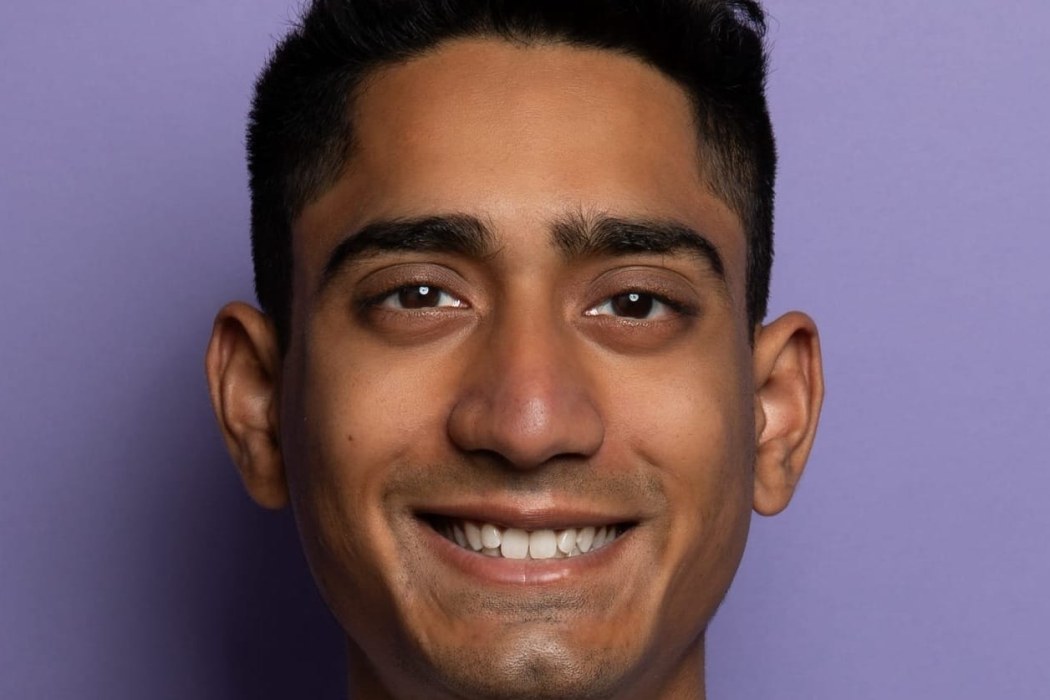
Shawn Shivdat
Shawn Shivdat is the co-founder and CEO of Penciled (YC W24), a San Francisco startup that builds an AI front office assistant for physical therapy clinics. Raised around a mother's private practice and trained in computational neuroscience at Harvard, he went from writing patient-outcome software at Massachusetts General Hospital to launching a company that fills canceled appointments and completes plans of care automatically. Penciled now serves 200+ providers across 50+ clinics and has raised over $2.6M.

BOND
BOND is a San Francisco startup building Donna, an AI Chief of Staff for CEOs, founders and busy executives. Donna plugs into the tools a company already runs on - Slack, Gmail, Notion, Linear, Jira, Asana and more - learns how the organization actually works, and surfaces the highest-leverage moves: what shipped, who is blocked, and the top priorities for the day. Founded in 2025 by Chloe Samaha and Rene Sultan and backed by Y Combinator's X25 batch, BOND aims to give every founder an executive right hand that used to cost a six-figure salary.

Caddy
Caddy is a personal AI for everyday work that lives in your text messages and responds to voice. Built by the team that led product and design for Loom's AI suite, it connects to the tools people already use - email, calendar, Slack, Linear, Notion - and gets work done without forcing anyone to open yet another app. You text or talk; Caddy handles the tickets, reminders, scheduling and follow-ups. The company is part of Y Combinator's Fall 2025 batch and is based in New York City.
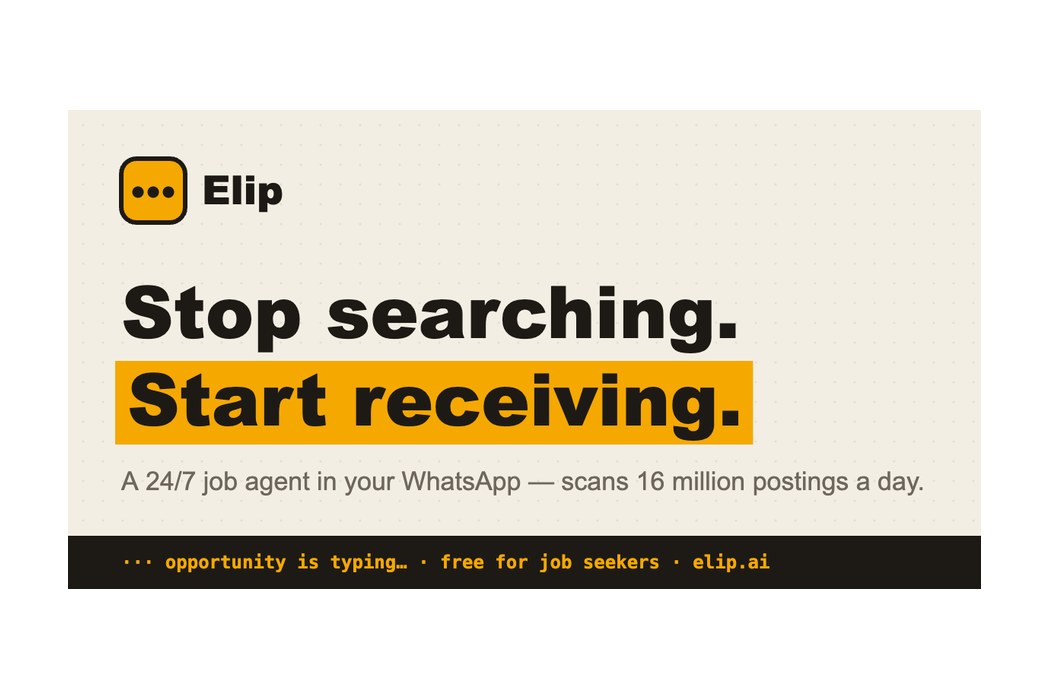
Elip AI
Elip AI is a Y Combinator (W25) startup building an AI job agent that lives inside WhatsApp. It reads through millions of job postings overnight, filters out ghost and duplicate listings, and sends each user a short list of ranked, personalized matches by morning - plus tailored, ATS-ready resumes. It is free for job seekers; employers pay when they hire. Founded by Gaurav Luhariwala, the company is based in San Francisco with an Indian entity in Jaipur.
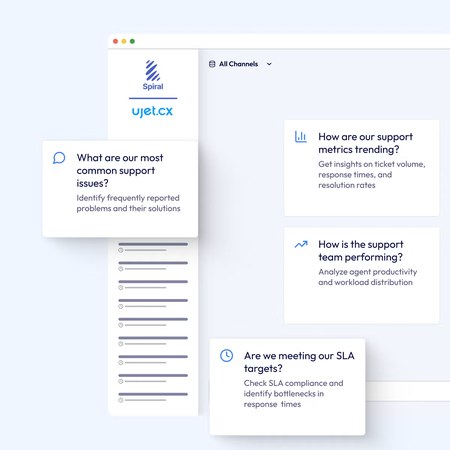
Stop Building AI Walls. Fix the Reason People Call.
Spiral by UJET is an AI-powered conversational analytics platform that uses Deep AI Research to autonomously analyze 100% of customer interactions across voice, chat, email, surveys, social media, and reviews. Rather than deflecting customers with AI walls, Spiral finds the root cause of why people contact support in the first place and helps teams eliminate avoidable contacts at the source. Founded by Elena Zhizhimontova and acquired by UJET on November 18, 2025, Spiral continues as a standalone product while feeding conversational intelligence into UJET's cloud contact center platform.

jo
jo is a voice-first personal AI agent for macOS that runs on your Mac and a private, per-user cloud machine. Rather than waiting to be asked, it proactively summarizes what is on your screen, drafts emails, manages your calendar, clips relevant content, and keeps up with the loose ends of work and life. Built natively in Swift for Apple Silicon and backed by Y Combinator (W24), jo reaches users across Mac, web, iMessage, Telegram, and WhatsApp while keeping personal data local and out of model training.
Letterbook
Letterbook is an AI-native customer support platform built for startups and lean teams. It connects to a company's inbox, database, and Stripe, then uses AI to triage tickets, draft resolutions, and build a knowledge base - all reviewed by a human before sending. Founded in 2023 by Dawson Chen and Ethan Hou and backed by Y Combinator (S23), it positions itself as the modern alternative to Zendesk, Freshdesk, Intercom, and Front.

Mesh
Mesh is a San Francisco fintech building AI agents for accounting teams. Founded in 2025 by Erin Kim and Nandini Ramakrishnan - who together scaled Carta's fund accounting business from $20M to $100M in ARR - Mesh automates the slow, spreadsheet-heavy parts of the close: bank reconciliation, accruals, and journal entries. It pulls real-time signals from AP inboxes, Slack, Teams, and historical journals to draft audit-ready outputs and cut month-end close by several days, with a chat interface that lets founders ask questions about their financials in plain language. Mesh is backed by Y Combinator's Winter 2025 batch.

Nebula Security
Nebula Security is an AI-native cybersecurity company from Y Combinator's Summer 2026 batch. Founded by world-class hackers - members of the world's #1 CTF team r3kapig, DEF CON finalists, Black Hat speakers, and a cybersecurity PhD - it pairs an autonomous code-scanning agent called VEGA with human expertise to audit software for vulnerabilities, from code-level bugs to architectural weaknesses. The team has earned $400K+ in bug bounties exploiting the Linux kernel and Chrome, and reported over a thousand vulnerabilities. Its pitch: 'Attackers already have AI. Get VEGA now.'

OneGrep
OneGrep (YC W24) is a New York-based developer-tools startup building AI agent infrastructure for DevOps. It began as a DevOps copilot that fine-tuned models on real-time telemetry to help engineers resolve incidents faster and cut observability costs, and has since expanded into tooling that lets AI agents discover, correlate, and safely operate the many SaaS and MCP-based tools engineering teams rely on. Founded by ex-Disney, Amazon, and Coinbase engineers Achintya Ashok and Brian Cripe, it went through Y Combinator's Winter 2024 batch.
Pango
Pango is an agentic operating system for e-commerce back-office operations. Founded in Stockholm in 2025 by Steve Rahimi and Lukasz Reszczynski, it connects a merchant's store, warehouse and carriers, then runs deliveries, tracking, returns, refunds and claims on autopilot. The company says it automates roughly 99% of returns and shipping operations and cuts operating costs by about 20%, and is part of Y Combinator's Summer 2026 batch.

Sherpa
Sherpa is a San Francisco startup building an AI agent that makes websites improve themselves. It installs with a single line of code, studies how visitors behave, generates on-brand variants of pages and flows, runs A/B tests on live traffic, and ships the winners - all without a designer, developer, or analyst in the loop. Founded in 2026 by ex-Lindy engineers Ethan Kinnan and Norbu Sonam and backed by Y Combinator (Spring 2026 / P26 batch), Sherpa also optimizes sites for AI agents, tuning agent-facing pages so that assistants recommend a company more often. Early customers report 15-35% lifts in their primary conversion metric within the first 30-60 days.
winfunc
winfunc (formerly Asterisk, YC S24) is an AI-native security engineering platform that behaves like an autonomous hacker: it finds, verifies, and patches vulnerabilities in codebases. Instead of dumping thousands of unverified SAST alerts on engineers, winfunc spins up sandboxes, writes working proof-of-concept exploits, and only reports bugs it can actually trigger - aiming for near-zero false positives. Its agent has surfaced real vulnerabilities in Node.js, React, NGINX, Supabase, Bun, Sentry, Gumroad, Anthropic's MCP SDK, and others. Founded by Mufeed VH and Vivek R, the team previously built Devika, a popular open-source AI software engineer.
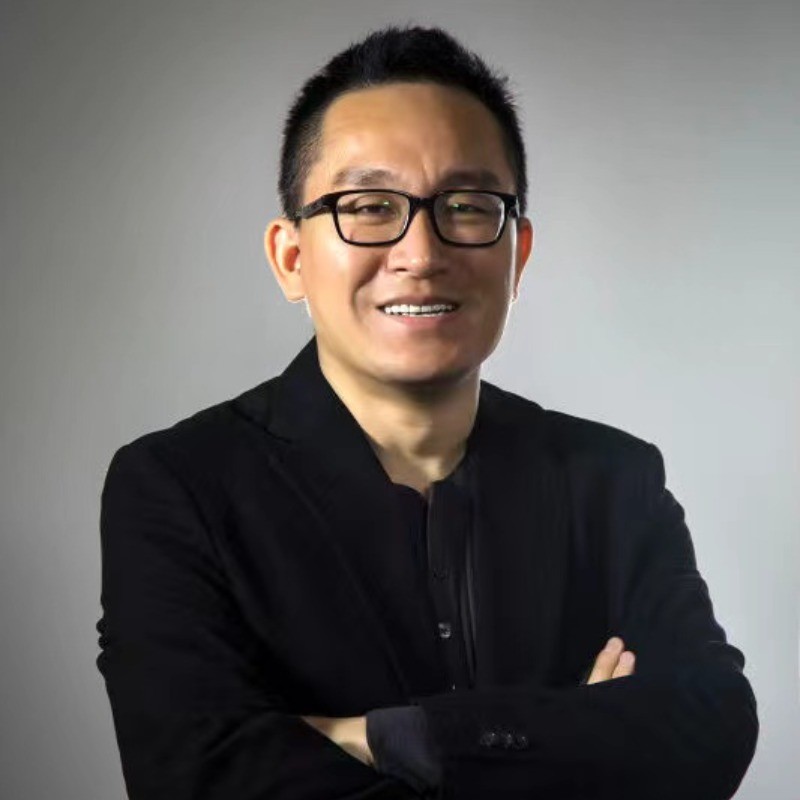
Stanley Wei
Stanley Wei is the CEO and co-founder of Pine AI (19pine.ai), a San Francisco startup building an autonomous AI agent that fights consumers' customer-service battles for them: negotiating bills, cancelling subscriptions, disputing overcharges, and chasing refunds through real phone calls and emails. A former Chief Strategy and Operating Officer at Nasdaq-listed Agora and a former investor at Hillhouse Capital, Wei founded Pine in late 2024 after a $200 dispute with his bank ate up 90 minutes of his life. Pine raised a $25 million Series A in December 2025 and reports more than $37 million in consumer savings.
Lucidya | لوسيديا
Lucidya is a Riyadh-based, AI-native customer experience management (CXM) platform built for Arabic-speaking markets. Using a proprietary Arabic NLP engine that understands 15+ dialects with roughly 92% sentiment accuracy, it unifies social listening, media monitoring, surveys, customer profiles and omnichannel support into a single system, and now deploys autonomous AI agents for customer-facing roles. Founded in 2016 by Abdullah Asiri and co-founders, the company serves enterprises and governments across the MENA region and in 2025 raised a $30M Series B, one of the largest AI funding rounds in Saudi Arabia.

Blooming Health
Blooming Health is a New York-based social care technology company using AI to automate access to social services for older adults and vulnerable populations. Its AI-assisted, multilingual platform engages people across text, voice, and email to detect needs, screen for benefits, and connect them to services like meals, transportation, housing assistance, and Medicaid or SNAP recertification. Sold to Area Agencies on Aging, government agencies, community-based organizations, and healthcare providers, the platform has connected over 1.5 million people across roughly two dozen states and raised $32.5 million to date, including a $26 million Series A led by Insight Partners in April 2025.

Mia Labs
Mia Labs is an Austin-based AI company building Mia, a voice-first conversational platform for automotive dealerships. Marketed as an 'AI super employee,' Mia answers inbound and outbound calls 24/7 across a dealership's sales, service, reception, and parts departments, syncing with dealer management systems, CRMs, and scheduling tools to capture leads, book appointments, and handle routine customer conversations. As of early 2026 the platform served more than 350 franchise dealerships and had raised a $20M Series A, bringing total funding to roughly $29M.