customer-experience
(760)
Scott Russell and the customer who never hangs up
From Ballarat to SAP’s executive board to the top job at NICE, Scott Russell has built a career around understanding customers. His next challenge is serving the ones who send an AI agent to do the talking.
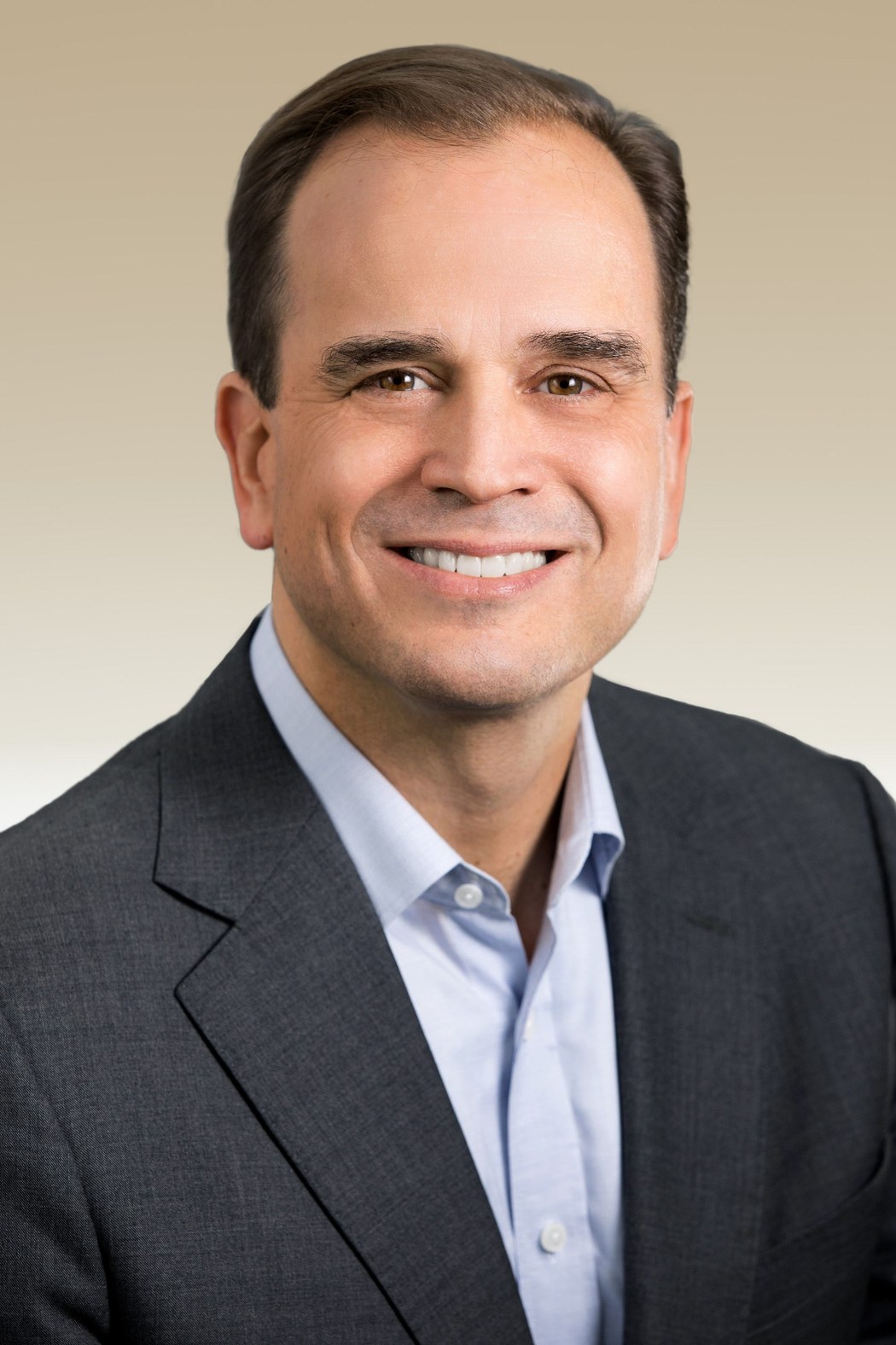
Jonathan Witter and the education of a customer
Before he led Sallie Mae, Jonathan Witter ran banks and helped Hilton think about its guests. A scholarship in his own family explains why the next chapter carries a different weight.
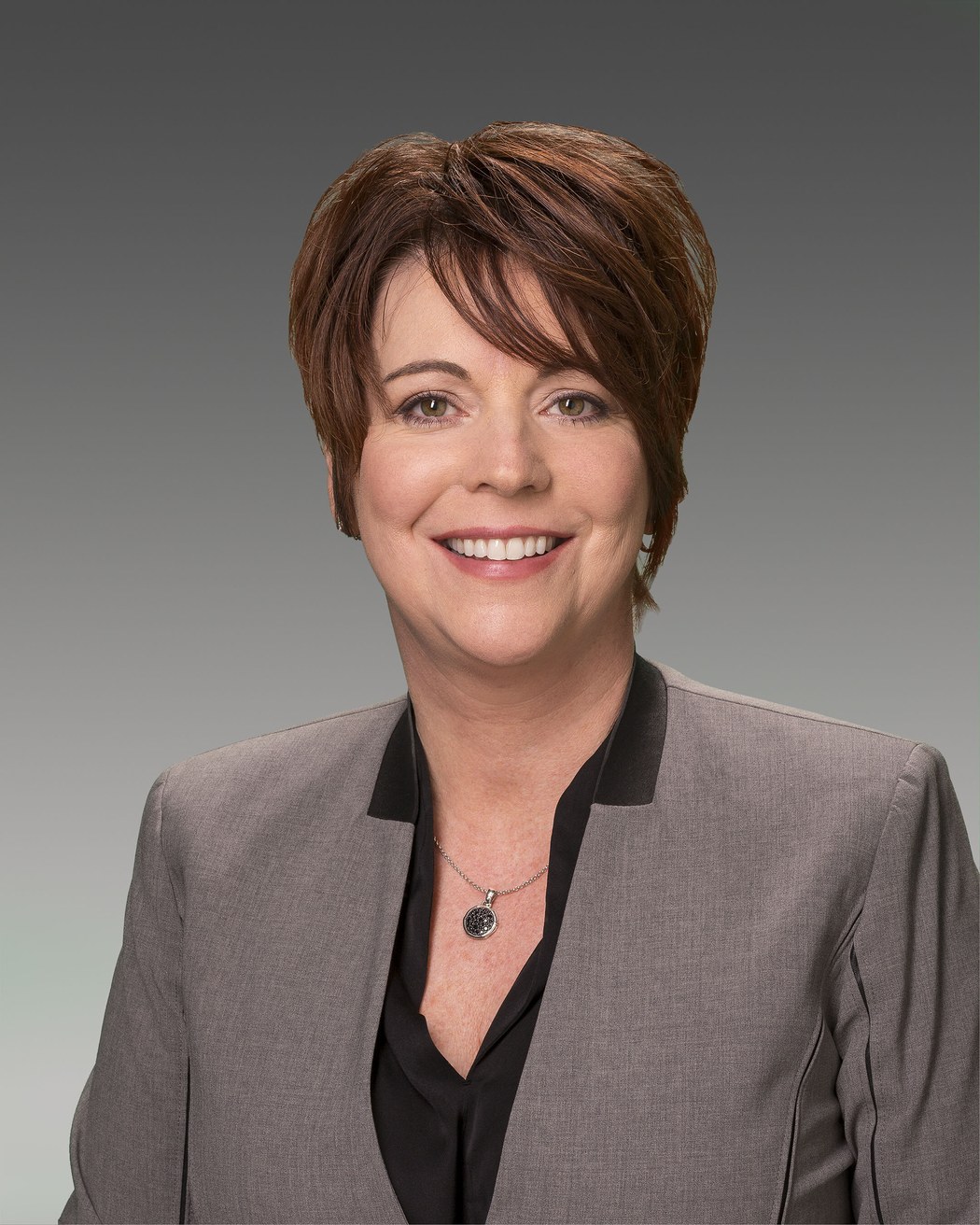
Robyn Hahn and the distance between a promise and a policy
She started as an independent insurance agent. Now Ford Credit’s chief insurance officer, Robyn Hahn has built a career around what happens between a company’s promise and a customer’s experience.
Brett McGill and the business of a better Saturday
He started in software and grew up around boats. At MarineMax, Brett McGill has spent his career connecting the parts that make a day on the water possible - and building a business around what happens after the sale.

Inge Smidts and the boss outside the boardroom
From the Benelux paper business to Caribbean telecoms, Inge Smidts has kept returning to the same question: what does the person buying the service actually need?
Chip Kahn and the trouble between things
Alfred “Chip” Kahn IV built businesses around payments and digital networks. At OvationCXM, he is tackling the awkward handoffs that stand between buying a product and getting it to work.
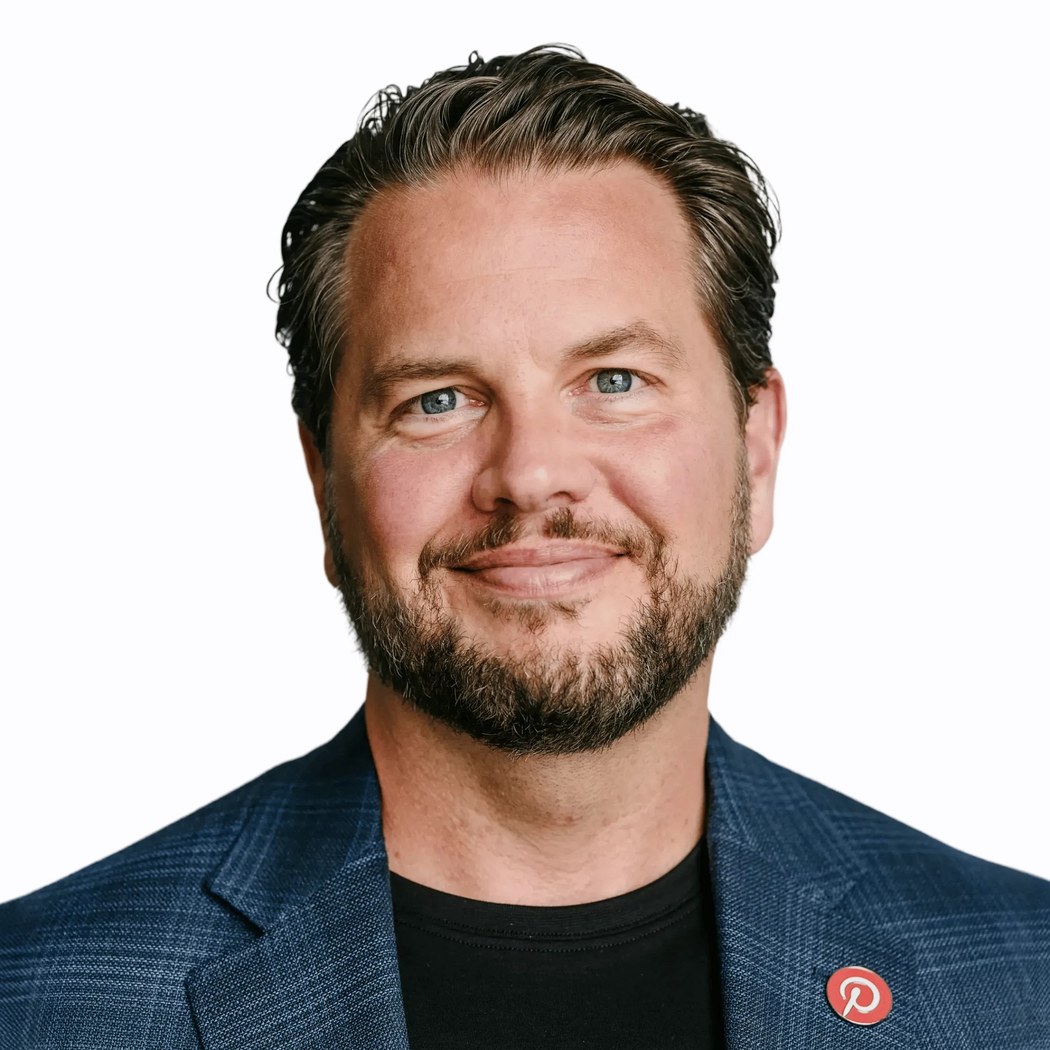
Bill Ready and the customer on the other side of the screen
A Kentucky auto shop taught Bill Ready to face the people affected by his decisions. After Braintree, PayPal and Google, he is applying that lesson to Pinterest - and betting that useful ideas can become a business worth returning to.
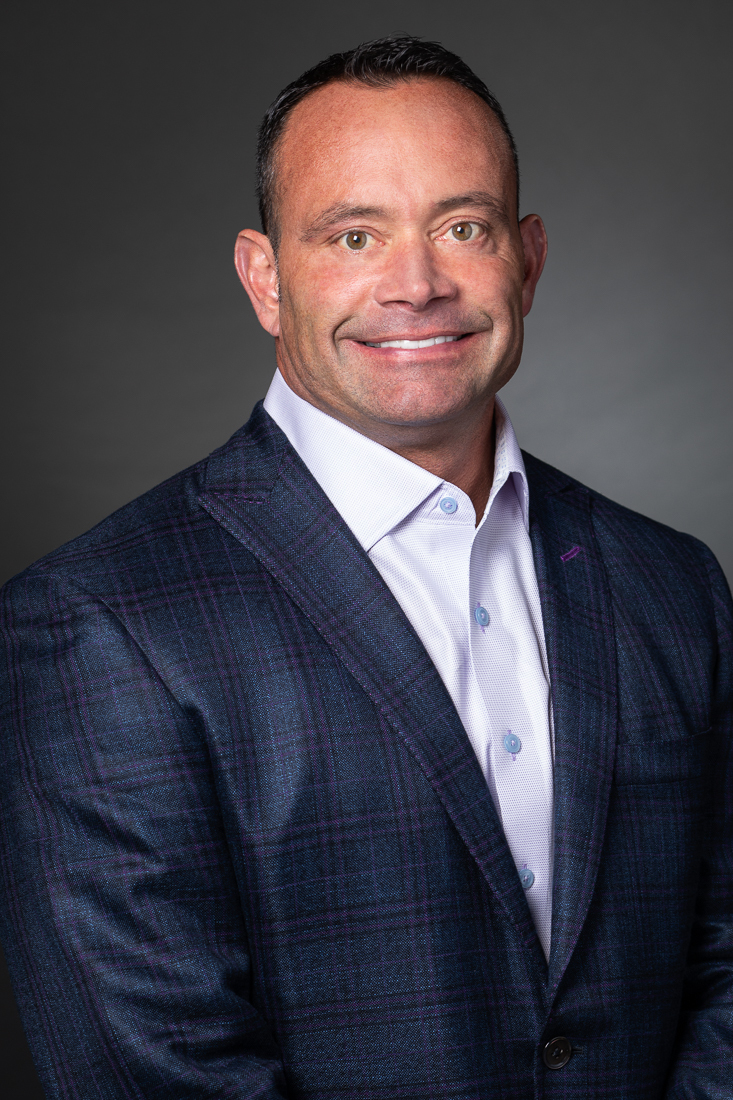
Christopher Rondeau and the customers outside the door
He started at a gym reception desk and helped take Planet Fitness public. Now Christopher Rondeau is testing what three decades of listening to customers can teach a new set of businesses.
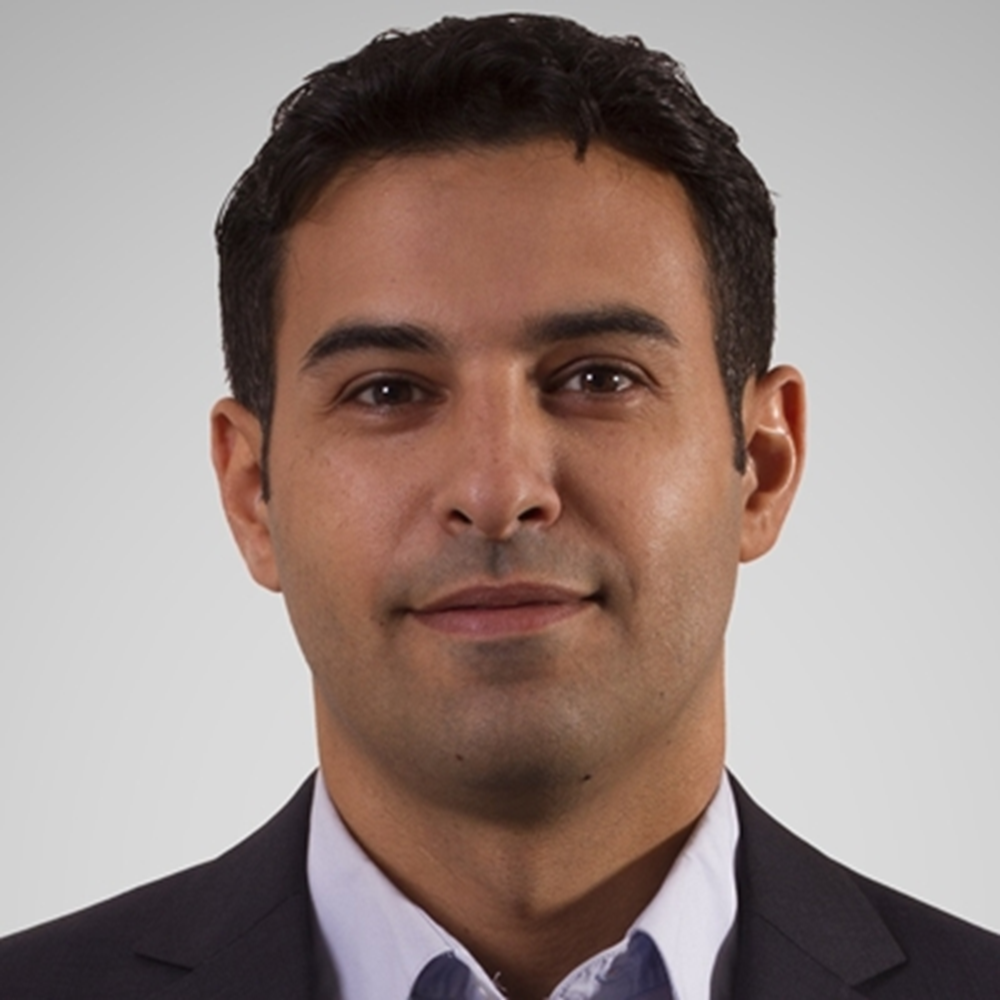
Ori Faran and the art of getting off the phone
The Callvu co-founder began with a simple observation: a phone has a screen. His career since has followed a harder question - how much work should a customer have to do?

Murthy Chintalapati and the value of a missed call
After building a network-security company in Silicon Valley, Murthy Chintalapati turned to a smaller frustration: the customer nobody answers. Ozonetel grew from his effort to make business communications easier to use, own, and improve.

Christoffer Klemming would like you to leave the line
After a decade at Google, Christoffer Klemming built a company around a small act of freedom: keeping your place without standing still. With his brother Jonas, he turned Waitwhile from a side project into a business acquired by Allegion.
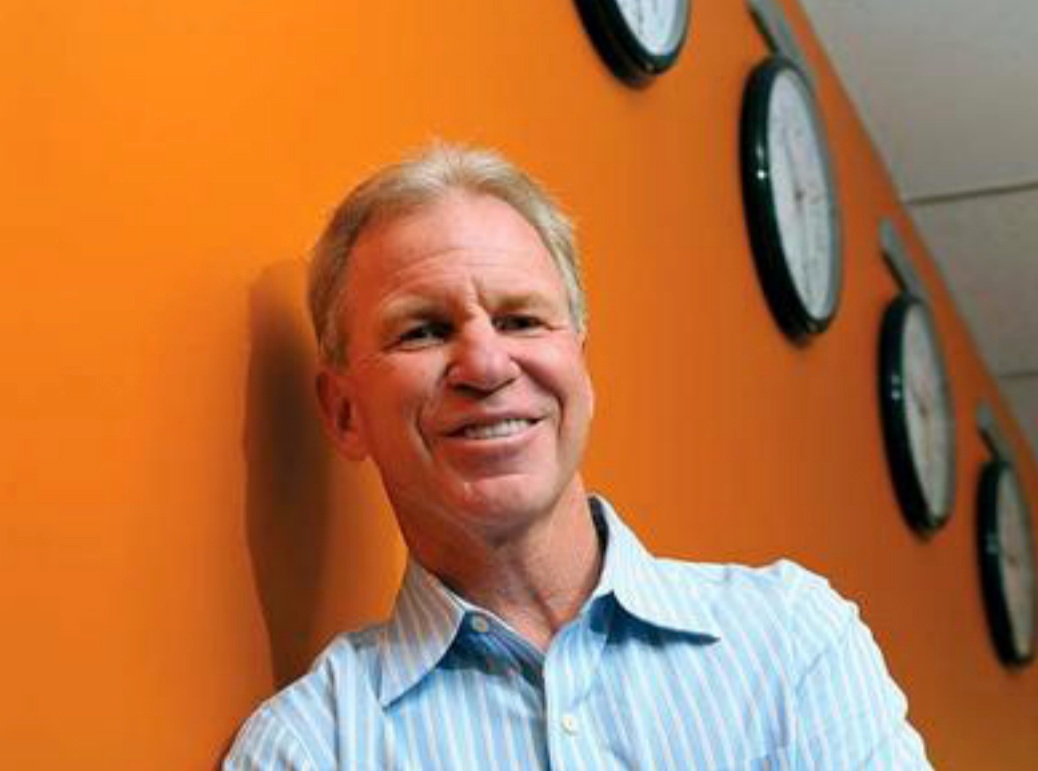
Michael McCloskey’s next move began twenty years earlier
At Bright Pattern, Michael McCloskey reunited with colleagues he had known since Genesys. His career offers a story about second acts, the usefulness of old working relationships, and the daily business of making software deliver on its promises.

Tushar Mishra and the last mile of getting things done
A customer review could tell him what had gone wrong. Building Delightree meant following the problem all the way to the person who could fix it.

Puneet Mehta and the case for a quieter machine
Before Netomi, Puneet Mehta built trading systems and an app for navigating New York. His next wager is that useful AI should leave customers with fewer reasons to ask for help.

Starbucks is buying back the coffeehouse
The company made coffee a place to go. Then convenience crowded the room. Its return to hospitality comes with a $500 million staffing investment and a lesson in what customers actually buy.

JetBlue made flying nicer. Now comes the expensive part.
Free Wi-Fi and a seatback screen made JetBlue easy to like. Turning that affection into a durable business has proved a much harder flight.

Maximus and the art of getting through
A government promise still needs someone to answer the phone. Maximus built a $5.43 billion business around that inconvenient little detail.
Chipotle Mexican Grill built a better line.
The burrito made Chipotle famous. The less obvious invention was a way to sell more of them without making every customer stand in the same queue.

Jeff Gallino heard a business in the background noise
A roomful of analysts had too many earnings calls to hear. Jeff Gallino saw the beginnings of CallMiner - and spent the next two decades working out what companies miss when they only listen to a little.
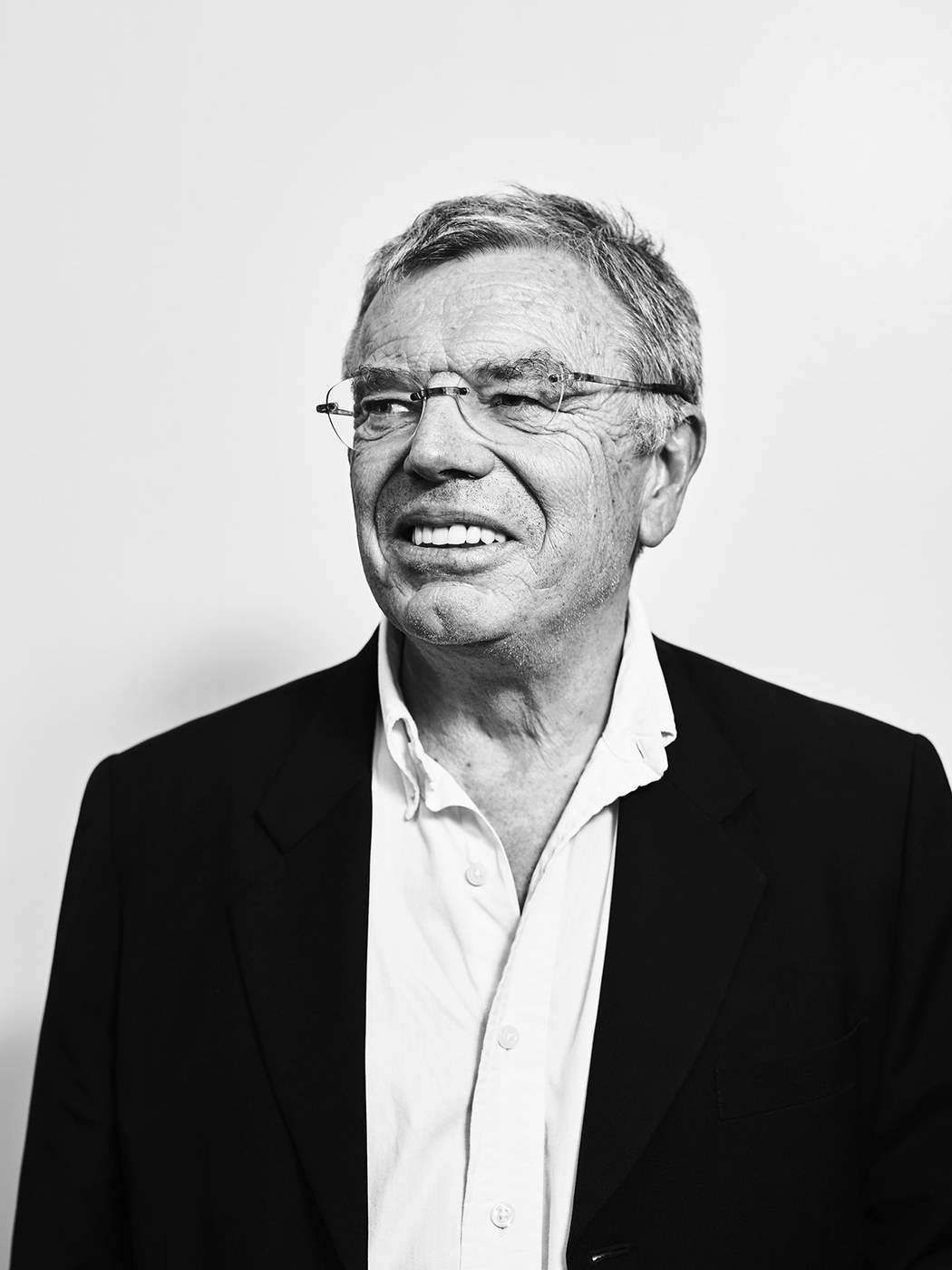
Daniel Julien and the ten lines that went around the world
His childhood hero was Marco Polo. With ten telephone lines in Paris, Daniel Julien began a business that would take him across the world - and keep him at TP for nearly five decades.
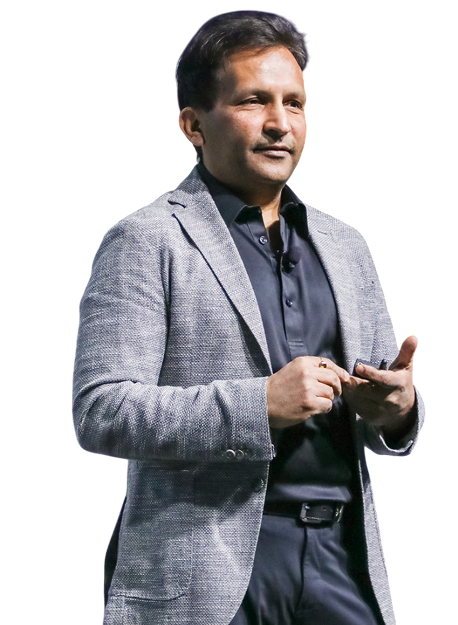
Deepak Garg and the Case of the Invisible Customer
A utility bill is an unlikely place to look for a grand ambition. Deepak Garg has spent years building a business around the people on the other side of it.
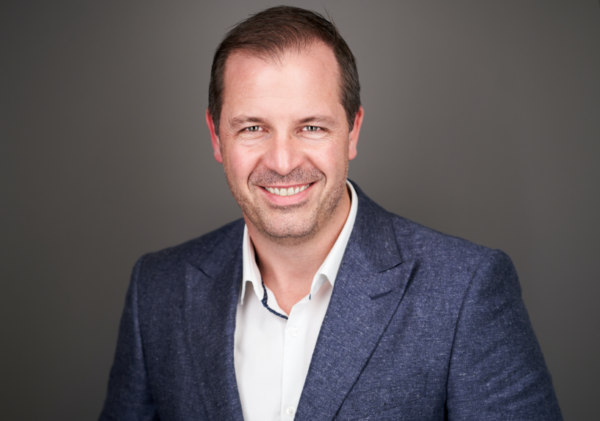
Richard Pennington and the promise that got bigger
FourNet began with four founders and one customer. Twenty-one years later, Richard Pennington is steering a business of around £65 million towards AI, with the same awkward question at its heart: who takes responsibility when the technology has to work?

Patrick Dennis and the art of keeping the line open
From digital forensics to Avaya, Patrick Dennis has made a career of changing businesses people depend on. Now executive chair, he brings a software enthusiast’s curiosity to the unglamorous work of making a company last.
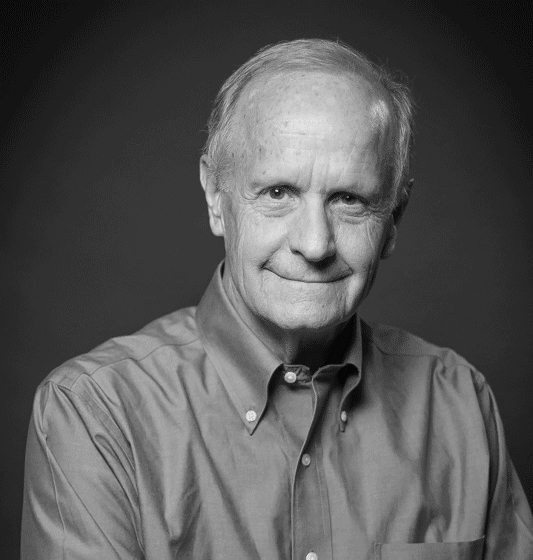
James F. Beré Jr. and the business behind the familiar voice
He built Ameritel, sold it, and started again with Alta Resources. Three decades later, Jim Beré’s work turns on a question that grows harder with scale: how do you help thousands of people speak for somebody else?
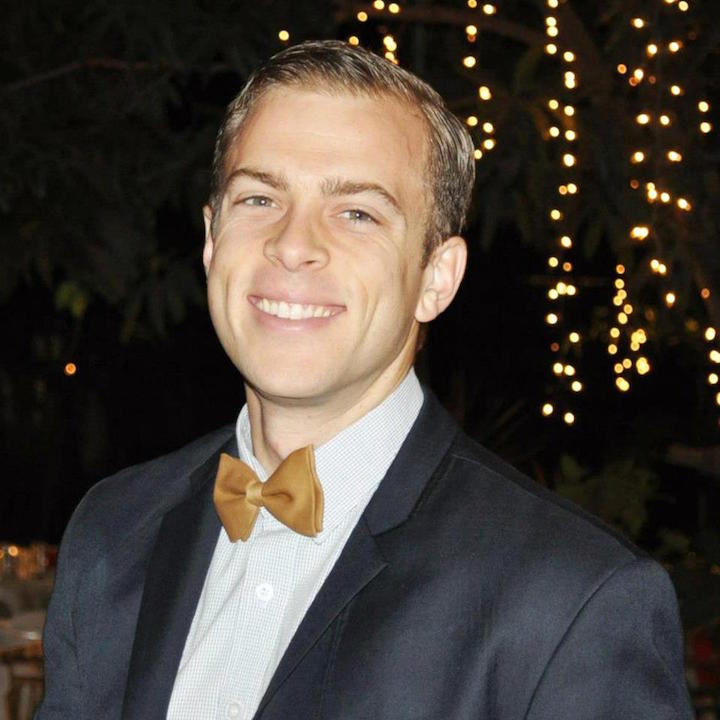
Bryce Maddock and the business he almost walked away from
Before TaskUs reached $1.18 billion in annual revenue, Bryce Maddock wanted out. A friendship, five computers in the Philippines, and a willingness to change the plan helped him stay.

Kiral Desai and the Business After the Sale
Kiral Desai built DynaNet around the work that begins when a customer needs help. From arcade-cabinet instructions to AI ventures, his business interests keep returning to a practical question: who has the information needed to act?
Özkan Erener and the bank that remembers you
From an internet-banking project in Turkey to financial institutions abroad, VeriPark’s co-founder has kept returning to one question: can the bank make what it knows useful to the person in front of it?

Eric Mayville and the two years before day one
Before Wondersauce became a company, it was two years of nights and weekends. Eric Mayville has since taken the lessons of building an agency into Fairgame, where the problem is as old as golf: finding your people and getting a game together.
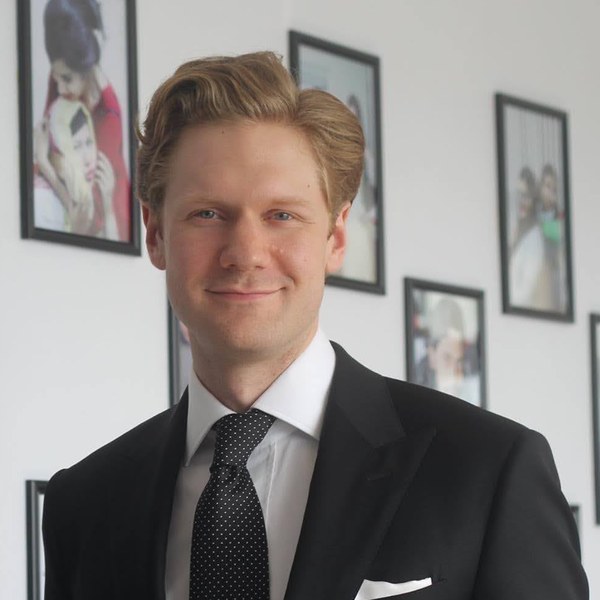
Mikko Tamminen and the Business of Getting Out of the Way
He built Taskeater around the work other companies needed off their desks. As Quantanite’s founder and chairman, Mikko Tamminen has had to make room for a successor, for software, and for ambitions beyond the office.
David Boone and the customers left in the aisle
When Joann and Party City closed their stores, their customers still had things to make and reasons to celebrate. At Michaels, David Boone moved to give them another place to go.