BREAKING
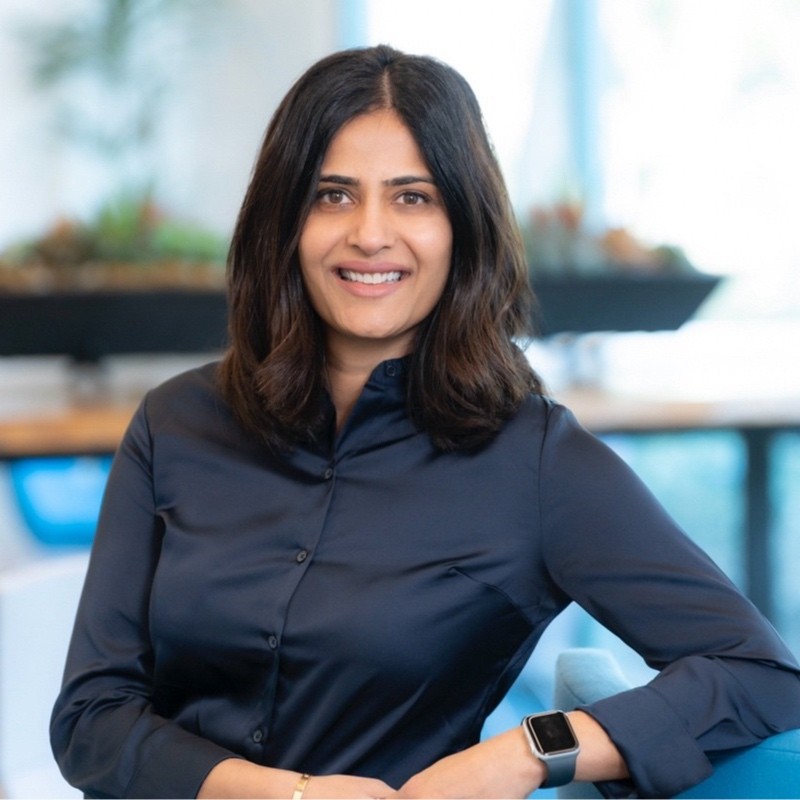
Ashraf Karim, SVP at ServiceNow
SVP @ ServiceNow

Technology Executive  •  San Francisco, CA

Ashraf
Karim

Senior Vice President, Connected Customer Experiences & Technology
ServiceNow

Two decades of moving through the rooms where enterprise software gets built - from Verizon's application layers to Google's prototyping labs, PayPal's commerce systems, and now ServiceNow's AI-powered customer experience platform. Karim doesn't just understand the stack. He decides what gets built on it.

Enterprise AI Product Strategy Customer Experience Digital Workflows ServiceNow
20+
Years in Tech
5
Major Companies Led
3
Advanced Degrees
$13B+
ServiceNow Revenue
450+
Conference Attendees Hosted

Engineering instincts, executive reach


At ServiceNow, a platform that 85% of Fortune 500 companies touch daily, Ashraf Karim holds a title that sounds simultaneously abstract and urgent: Senior Vice President of Connected Customer Experiences & Technology. What it means in practice: he decides how the company's customers engage with ServiceNow's AI-powered ecosystem, and how that ecosystem serves the humans behind the enterprise.

Karim arrived at this role through an unusual route - not the MBA-to-consulting-to-VP pipeline, but through code. He started at Verizon writing scripts in Perl, spent eight years moving through engineering and product roles before catching Google's attention in 2013. That detour through the weeds of actual software development shaped everything that came after.

At Google, he eventually ran Global Prototypes and Tools - the kind of role where you're building the tools other people use to build products. You don't get that job by knowing the right people. You get it by understanding what breaks first and why.

Engineers who think about not just the first use case, but the next 10 use cases, make effective product managers.

- Ashraf Karim, Leader Spotlight, LogRocket, 2024

From Google he moved to PayPal in 2019, overseeing product management through the company's push to modernize its commerce infrastructure. Then Affirm, then Cisco - a career that reads less like a ladder and more like a deliberately assembled toolkit. Each company added something specific: financial systems gravity at PayPal, BNPL scale dynamics at Affirm, enterprise hardware-software integration at Cisco.

By the time ServiceNow came calling, Karim had built an unusually complete picture of the enterprise technology landscape - from the consumer-facing checkout experience all the way back to the infrastructure holding it up.

AI/ML Strategy Enterprise Software Customer Experience Design Build vs. Buy Data Integrity Digital Transformation

From Perl to Platform Leadership


2004
Verizon
Application Support
Engineer → PM
2013
Google
Sr. Technology PM
→ Global Head
Prototypes & Tools
2019
PayPal
VP Product
Management
2022
Affirm
SVP Product
Management
2022
Cisco
VP Product
Management
2023
ServiceNow
SVP Connected
Customer Exp.

Twenty Years in Motion


The career makes more sense when you read it backward. ServiceNow needed someone who understood AI-powered workflows, enterprise architecture, consumer-grade experience, and financial systems. Karim had assembled exactly that background - not by planning for ServiceNow, but by following the problems that interested him most at each stage.

At Verizon, he started where a lot of engineers start: keeping things running. Eight years taught him what happens when software meets the scale of millions of users, real infrastructure debt, and organizational complexity. It is not glamorous. It is essential.

Google was the inflection point. Moving from telco to search giant in 2013, Karim shifted from maintaining systems to imagining them. The Global Head of Prototypes and Tools role is a fascinating waystation: you are not building products for end users, you are building the experimental infrastructure that lets other people test ideas faster. Meta-product work. It trains a particular kind of thinking.

Anecdote

In 2024, Karim described product management to LogRocket as "an art form" - then immediately got specific about the craft: honing product sense, developing technical aptitude, and learning to reduce cognitive load for customers at every touch point. It is the kind of answer that lands differently when you know the person giving it wrote Perl scripts for eight years first.

2004
Joined Verizon as Application Support Engineer. Spent 8+ years rising through engineering and product roles at the telecom giant.
2013
Joined Google as Senior Technology Product Manager.
2016
Promoted to Global Head of Prototypes and Tools at Google - building the experimental infrastructure behind the products.
2019
Joined PayPal as VP of Product Management. Led commerce modernization and financial services product strategy.
2022
SVP of Product Management at Affirm, then VP of Product Management at Cisco.
2023
Joined ServiceNow as SVP, Connected Customer Experiences & Technology. Leading AI-powered customer experience transformation.

The Art Form Problem


Karim's central argument about product management is worth sitting with. He calls it an art form, but not as a compliment. As a diagnosis. Most organizations treat PM work as coordination and prioritization - keep the engineers unblocked, write the PRD, run the sprint. Karim thinks that's the floor, not the ceiling.

The ceiling, in his view, is developing genuine product sense: the ability to look at a customer interaction and see not just what's broken, but what the interaction is trying to be. He argues that reducing cognitive load - making every touchpoint easier to navigate, removing friction before the customer feels it - is the fundamental discipline. Everything else is implementation.

This philosophy maps directly onto his work at ServiceNow. Connected customer experience is an inherently cognitive problem. Enterprise software has historically been designed for the people who deploy it, not the people who use it. Karim's team is trying to close that gap, using AI-powered workflows to make the experience feel less like enterprise software and more like something a person actually chose to use.

At TieCon 2023, he was direct about where generative AI fits in this vision - and equally direct about where it fails. The promise of Gen AI for customer experience is personalized, automated journeys at scale. The limiting factor isn't the model. It's the data. "Data completeness and integrity" were his words. Bad input produces confident-sounding garbage, regardless of how sophisticated the AI layer is.

Product is a very creative element, and every PM brings something unique.

// LogRocket Leader Spotlight, 2024

Embracing simplicity means reducing the cognitive load of the customer at every interaction.

// Ashraf Karim

Engineers who think about not just the first use case, but the next 10 use cases, make effective product managers.

// LogRocket Leader Spotlight, 2024

What Connected Customer Experience Actually Means


ServiceNow's pitch to enterprises is that digital workflows should span the entire organization - not just IT tickets, but customer service, HR, finance, security, and operations, all running on one platform. Karim's division sits at the intersection where all of that meets the customer.

In practice, this means building experiences where an enterprise customer can self-serve, escalate, track, and resolve issues without the runaround that has historically defined enterprise support. AI agents, virtual assistants, automated routing, real-time data access - the technical vocabulary is familiar. The hard part is making it feel seamless rather than assembled.

Karim's background gives him an unusual vantage point here. He has seen what consumer-grade experiences look like from the inside at PayPal and Google. He has seen what enterprise complexity looks like from the inside at Verizon and Cisco. The gap between those two worlds is where ServiceNow is trying to operate, and it is exactly the gap Karim's career has been, in retrospect, preparing him to close.

85%
Fortune 500 use ServiceNow
27K+
ServiceNow Employees
$13.3B
Annual Revenue
2023
Karim Joined ServiceNow

The Track Record


Three Disciplines. One Approach.


Karim's educational background spans Computer Science, Electrical Engineering, and Data Science - three disciplines that map directly onto the technical stack of modern AI-powered enterprise software. It is a curriculum that looks, in hindsight, almost designed for the work he is doing now.

University of California, Davis
Bachelor's in Computer Science & Engineering
Northwestern University
Advanced Degree in Data Science
San Jose State University
Advanced Degree in Electrical Engineering

Details Worth Knowing


01

Started writing Perl scripts early in his career - a language many engineers now consider charmingly retro. The scripting mindset stuck; the language did not have to.

02

Has led product teams at Google, PayPal, Cisco, and ServiceNow - four companies with a combined market cap that could buy a small country.

03

Holds advanced degrees in three distinct technical disciplines: CS & Engineering, Data Science, and Electrical Engineering. Karim collects domains like other people collect certifications.

04

Has been writing about software engineering on his blog since 2011 - before "thought leadership" became a LinkedIn genre and back when writing about technology online was still slightly unusual.

05

Believes the best product managers are, at their core, artists who happen to understand how compilers work. He has said this in public, which takes a certain confidence.

What Karim Is Up To


OCT 2025

Involved with ServiceNow World Forum 2025 in London - ServiceNow's flagship international event for enterprise customers.

MAY 2025

Attended Microsoft Build 2025 with 300+ sessions and 60+ product announcements - staying current on the AI platform landscape.

JAN 2024

Featured in LogRocket's Leader Spotlight series, sharing his philosophy on product management as a creative discipline and the art of simplicity.

MAY 2023

Panelist at TieCon 2023 on AI/ML in Customer Experience and Customer Success, calling out data integrity as the real constraint on Gen AI's CX potential.

URL copied to clipboard