minneapolis
(43)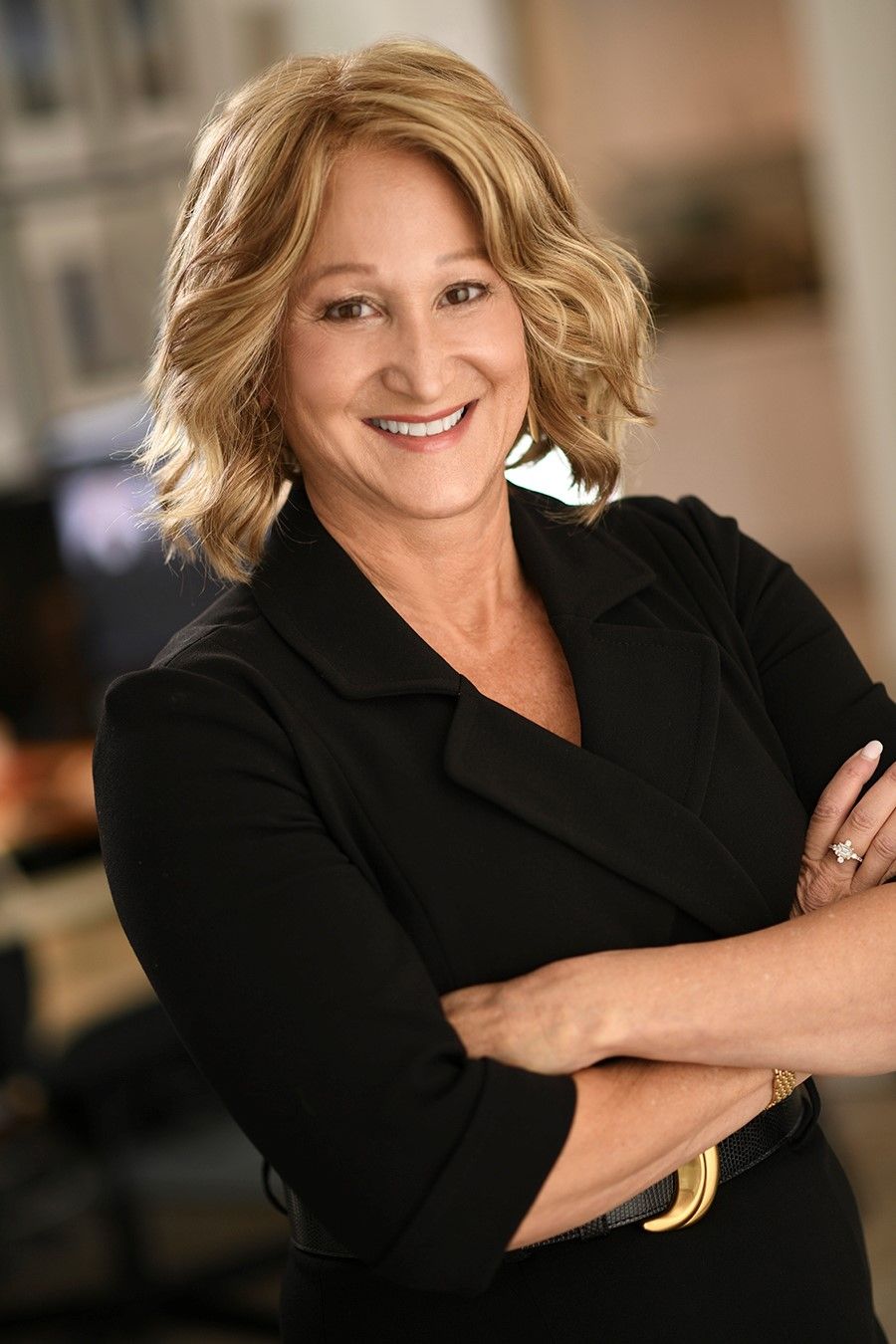
Suzanne Robinson Built a Career in the Room After Something Went Wrong
After three decades spent translating lawsuits, regulation and emerging technology into decisions, Suzanne Robinson took charge of an insurer built by lawyers for lawyers. Her career makes a quiet case for the executive value of claims work: judgment after the easy answers have run out.

Laurie Fleck Knew the Best Time to Leave
She spent nearly eight years turning an agricultural agency into a national specialist. Her final management decision was the rarest one: handing it over before anyone had to ask.
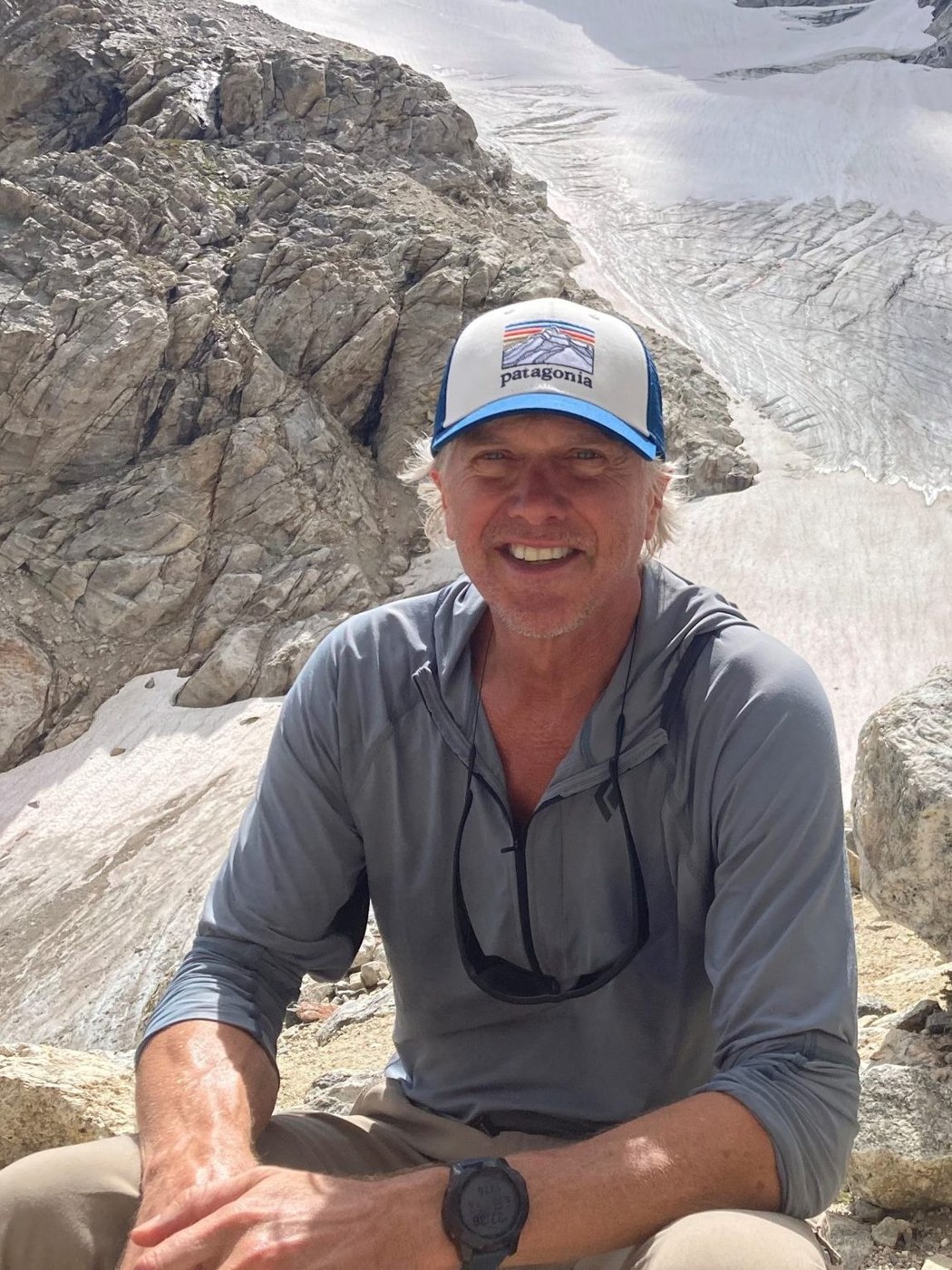
Eric Ewald Keeps the Boardroom Honest
For more than three decades, the Minneapolis association executive has worked on the quiet craft of making boards clearer, braver and more useful - one agenda, assessment and difficult question at a time.

The Company That Answers Someone Else’s Phone
Ewald Consulting runs the unglamorous machinery behind dozens of associations. Its smartest move was not adding more people, but making one system carry more of the load.

The Ad Agency That Chose Three Fields
Most agencies promise range. Curious Plot built its advantage by drawing a fence around food, agriculture and animal care - then learning nearly everything inside it.

Latitude Gave Half Away. Then It Lost Almost Everything.
A Minneapolis creative agency made generosity a fixed cost of doing business. When the pandemic erased 90% of revenue in a week, the rule looked reckless - until it became the reason to rebuild.

Level Mpls Found Its Edge in the Work Nobody Can Explain Quickly
A Minneapolis agency built a specialty out of the awkward brief: health warnings, fair-lending programs, workforce shortages and public services. Its trick is to make the complicated feel personal - then count what people do next.

The Infrastructure Firm That Brings Jenga to a Street Fight
Zan Associates works in the awkward space between a transportation plan and the people expected to live with it. Its trick is disarmingly practical: leave the hearing room, make participation tangible, and show residents where their fingerprints landed.

The Agency That Translates Before It Writes
Most agencies begin with a message and search for an audience. NewPublica begins with the audience - then lets six languages, 88 rules and a few thousand tacos decide what the message should become.

The PR Firm That Learned to Let Go
Kristi Piehl built a PR agency with newsroom instincts, a measurable promise and a peculiar idea about time: people might produce better work when the boss stops counting their hours.

The Firm That Came Home Before It Went Away
Rapp Strategies tried to expand beyond Minnesota. Then two early failures sent Todd Rapp back to the place where the firm already had trust, fluency and room to grow. The retreat became the strategy.

The PR Firm That Took a Sledgehammer to Its Own Status Symbols
Tunheim spent decades helping institutions explain change. Its more revealing campaign began when the agency admitted that hourly billing, corner offices and old-fashioned reviews were confusing its own value.
The Marketing Agency That Planted the Brief
Haberman grew a marketing agency by insisting that a good story must survive contact with a farm, a focus group and a sales chart. Thirty-two years later, its most persuasive product may be the habit of changing course.

The Ad Agency That Hands the Marker to the Audience
For forty years, Russell Herder has sold strategy, design and media. Its more interesting product is a way of listening - one that lets the people inside a problem help write the campaign.

Adventure Sold the Outdoors by Measuring the Dream
Adventure built ads for people who would rather be outside. Its sharper trick was proving that longing could be researched, aimed and counted.

YYES knows what a brand should keep
A 1925 letterhead, a Hollywood agency’s orange, a restaurant meal packed for the journey home: YYES finds new uses for familiar things. Inside the design studio that asks what a business should carry forward.
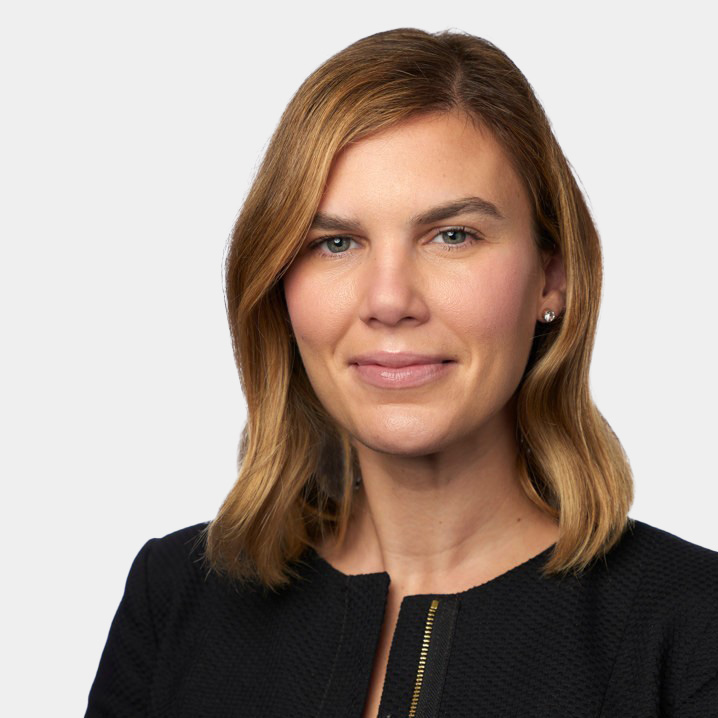
Madeline O’Phelan Makes the Numbers Tell a Better Story
The SpendHQ CMO built her career where narrative meets measurement - from Minnesota public affairs to private-equity-backed software and the new contest to make enterprise AI useful.

Ann Fellman Thinks Fundraising Software Should Make Room for the Human Part
After more than 25 years marketing enterprise technology, Bloomerang's CMO has arrived at a plainspoken thesis: better data matters most when it gives fundraisers more time to notice people.

Rob Nelson Built a Wealth Firm Around the Work Between the Work
For three decades, the NorthRock founder has followed one practical question: what keeps becoming the client’s problem after the experts leave the room? His answer became a financial firm built around coordination, continuity and generosity.
NorthRock Built a $12 Billion Firm Around the Rich Person's Worst Job: Coordination
Wealth creates options - and an absurd amount of administrative work. NorthRock's bet is that affluent clients will pay one team to make the investment manager, CPA, estate lawyer, insurance adviser and philanthropy plan behave like one system.

The Minneapolis Shop That Turns Lab IP Into Real Companies
Most venture firms write checks and wait. Invenshure hires the scientists, licenses the patents, and builds the company itself - one hard problem at a time.

Steven Cragle Built a Career by Staying Curious
Across city government, agencies, Medtronic, Merck and UnitedHealth Group, Steven Cragle kept returning to one deceptively simple idea: good communication begins with curiosity about the whole person.
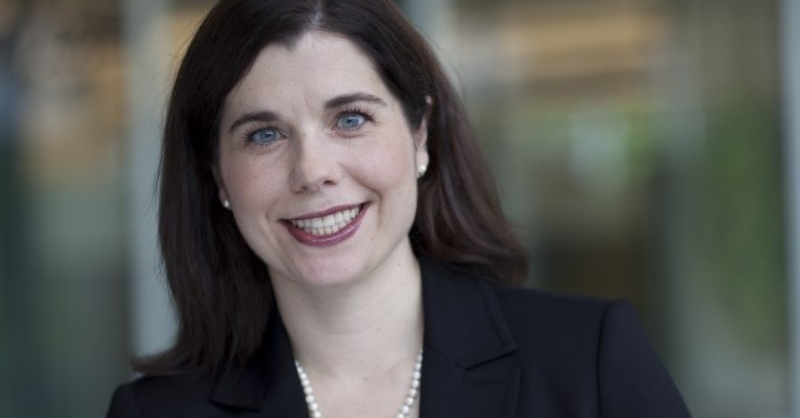
Amber Holm Is Teaching Old Brands New Routes
After Cheerios, Firestone and Rubbermaid, Amber Holm took on a different kind of household name. Her work at Winnebago Industries is a study in how research, retail reality and shared experience can keep legacy brands moving.
The Y Dropped the Map and Kept the Compass
One of North America's largest Ys traded a geographic name for a directional one - and kept doing the unglamorous work of raising kids, teaching swimming, and holding neighborhoods together.

Regis Corporation
The company that quietly cuts millions of heads of hair a year runs almost no salons of its own. Here is how a 100-year-old chain rebuilt itself around franchisees, royalties and the corner-strip haircut.

Minnesota Vikings
Minnesota's NFL franchise has spent six decades turning purple, ritual and recurring heartbreak into a durable consumer business. Its real product is bigger than football: a weekly reason for millions of people to belong.

Aurelius
A research repository built by two UX veterans in a Minneapolis basement, Aurelius helps product teams turn piles of interview notes into searchable, shareable insights - without losing a single finding to a forgotten spreadsheet.

Dave Schneider
Dave Schneider is Vice President and Chief Marketing Officer of Red Wing Shoe Company, the family-owned, Minnesota-based maker of iconic American work boots founded in 1905. He leads the company's global marketing practice, spanning brand management, digital and traditional communications, ecommerce, retail experience, brand protection, and corporate communications, reporting directly to the CEO. After years in senior roles at leading agencies including Digitas, Tribal DDB, and BBDO, he brought an agency creative sensibility to an operator's job, championing a marketing model that balances long-term brand equity with performance-driven revenue while putting the skilled-trades workers who wear the boots at the center of the brand's story.
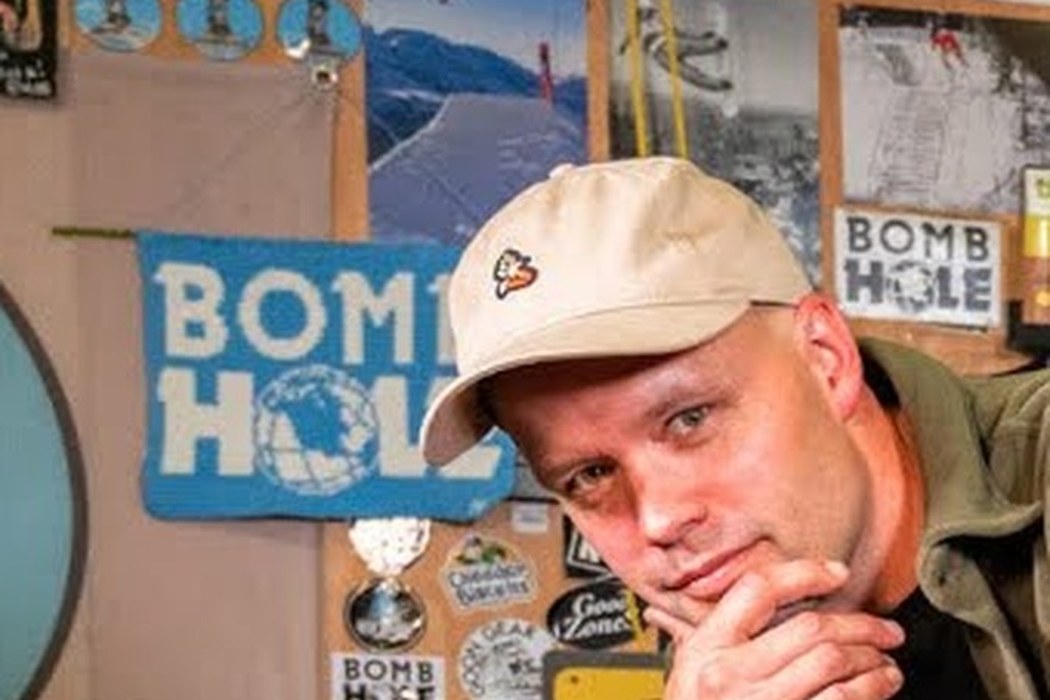
Knut Eliassen
Knut Eliassen is a Norwegian-American snowboarder turned marketing executive who serves as Chief Marketing Officer at Nitro Snowboards. Born in Minneapolis to a Norwegian father and a Minnesotan mother, he won a USASA national boardercross title at 15, moved to Norway at 16, and rode professionally for Nitro while completing a business degree at Handelshoyskolen BI. He joined Nitro in 2005 as a rider and rep, became the brand's global team manager, and worked his way up through sports marketing, marketing director, and VP of global marketing roles before being named CMO in 2025. Based in Salt Lake City, he oversees brand, media, social, video, and team departments for Nitro and L1 Outerwear, has produced and appeared in snowboard films including Hyped!, Boom, The Bad Seeds, and the documentary 28 Winters, and hosts Nitro's ten-part Learn To Snowboard tutorial series. His stated goal is simple: get more people onto snowboards.
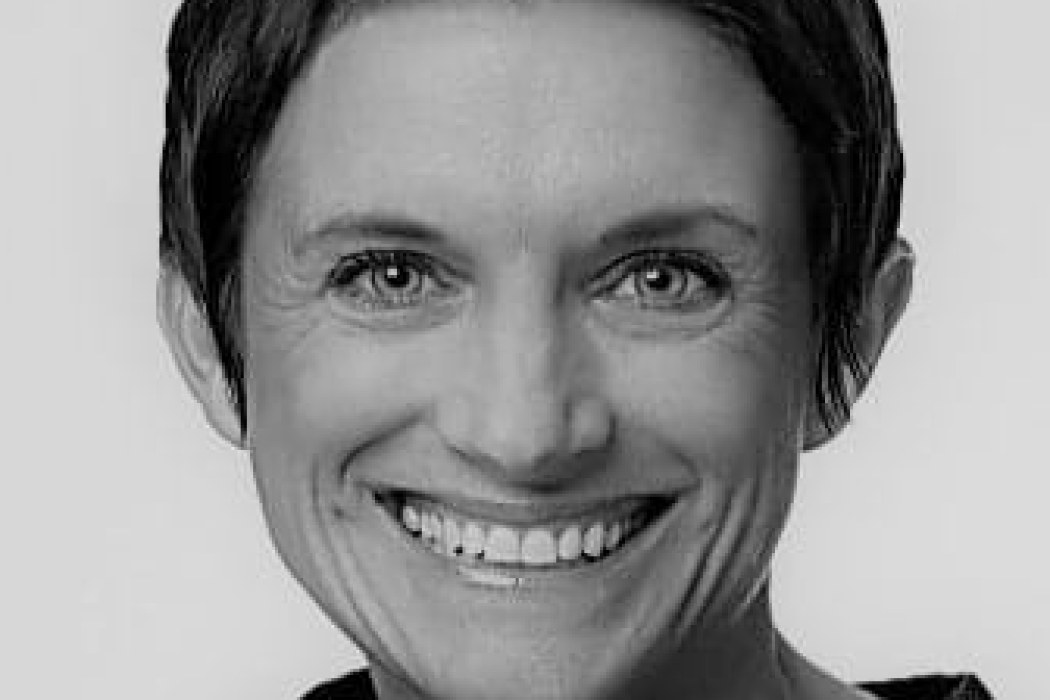
Tammy Redpath
Tammy Redpath is the Chief Marketing Officer of EVEREVE, the Edina, Minnesota-based women's fashion retailer, a role she stepped into in April 2026. She brings more than three decades of retail and brand leadership, most of it at Target Corp., where she rose from store management to senior vice president of marketing and served as president of Target's India operations. Before EVEREVE she was CEO of Inside Edge Commercial Interior Services, chief engagement officer at Lakeshore Learning Materials, and an independent leadership and brand consultant. At EVEREVE she leads global marketing strategy, brand positioning, and customer engagement across the retailer's stores and digital channels.