spend-management
(81)
ApprovalMax puts a checkpoint before the money leaves
The accounting software knows what you spent. ApprovalMax tackles who agreed to it - turning invoice chases, purchase orders and payment approvals into a record a finance team can actually follow.

Gatekeeper Wants Your Contracts to Stop Renewing Themselves
The vendor-management company connects contracts, supplier risk and spending in one place. Its most persuasive pitch is the money and hours customers say they recovered from work nobody wanted to own.
Webexpenses Wants the Receipt to Disappear Before Finance Has to Chase It
The Witney software company has spent 25 years turning the office's least-loved ritual into a controlled flow of data. Its bet is simple: catch the receipt, policy breach and coding error while the purchase is still fresh - not during month-end archaeology.

Airbase Put the Company Card on a Leash
The spend-management pioneer bundled approvals, bills, expenses and cards before that became the category’s house style. Now it lives inside Paylocity for Finance, with serious controls, quote-only pricing and a few rough edges worth testing.
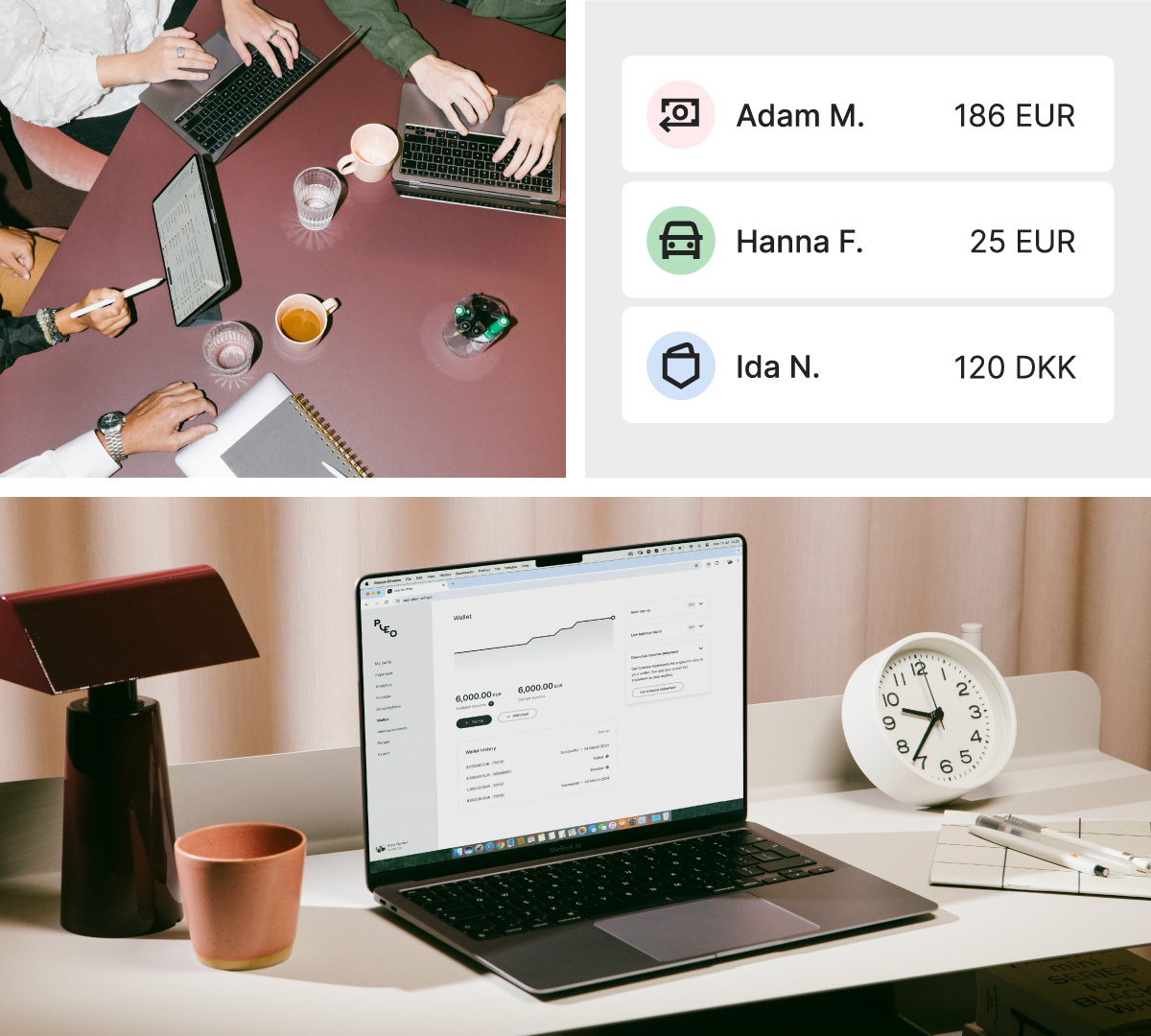
Pleo Makes Expense Reports Feel Like a Fax Machine
Give people a card, ask for the receipt while it still exists, and let finance watch the books assemble themselves. Pleo turns a monthly scavenger hunt into a daily habit - with a few fees and fine-print decisions worth making before you tap.

Brex Put the Expense Report on a Short Leash
The startup card grew into a control room for company money. Its best trick is catching bad spend before finance has to chase it, but the grown-up platform deserves a grown-up buying process.

David Hamilton Learned AI Before It Was Fashionable. Then He Spent 30 Years Making Technology Useful.
Long before artificial intelligence became a boardroom refrain, David Hamilton studied how machines and minds make sense of the world. Today, the SAP Concur CMO applies that old curiosity to a very practical brief: turning complicated enterprise technology into decisions people can use.

Spendesk Puts a Bouncer at the Company Wallet
Employees get a faster route to the company card. Finance gets to decide the route, the limit and who waves it through.
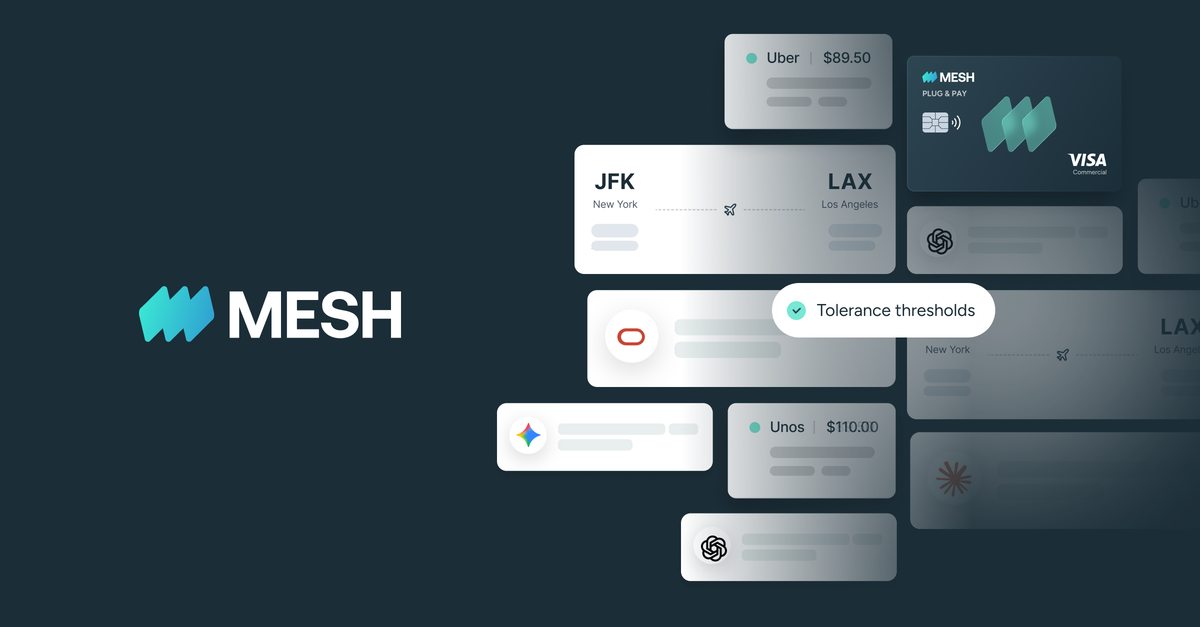
Mesh Wants Your Expense Report to Disappear
Mesh is trying to make travel and expenses vanish from the employee’s to-do list without making control vanish from finance. The idea is sharp; the buying decision still comes down to integrations, geography and whether the mobile experience can keep up.
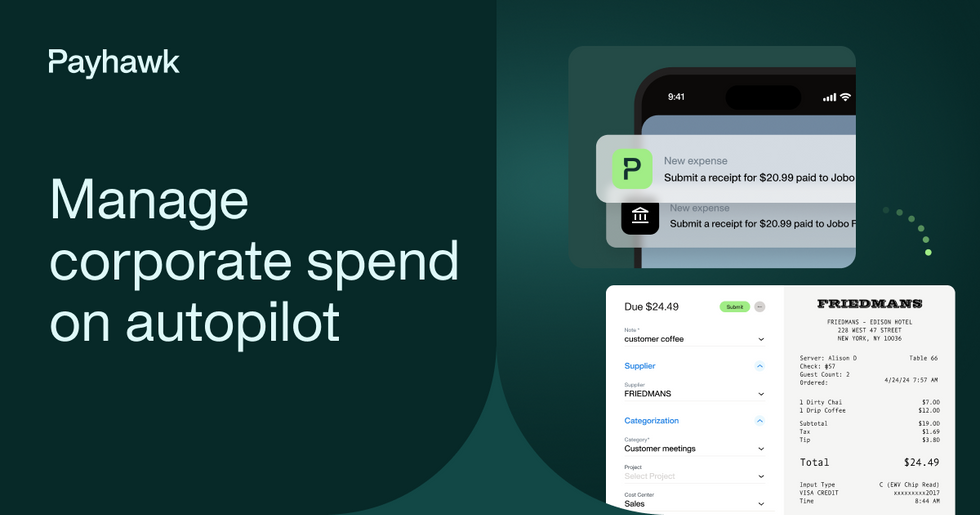
Payhawk Wants Your Company Card to Do the Paperwork
Payhawk bolts policy, receipts, approvals and accounting data to the moment money moves. For finance teams juggling countries and entities, that can turn the company card from a plastic problem into a useful control surface.

TravelPerk Grew Up. Your Expense Report Came Along.
The booking tool once known as TravelPerk now wants the whole awkward trip - approval, receipt, invoice and all. Here is where Perk earns its keep, where the fees bite, and who should put it on the shortlist.

The $10 Trillion Receipt: How Coupa Is Turning Corporate Spend Into an AI Advantage
Coupa spent 20 years persuading companies to put every purchase through one system. Now it is betting that the resulting data - roughly $10 trillion of it - can turn procurement from a back-office checkpoint into an autonomous operating layer.

Fairmarkit Found Billions Hiding in the Purchases Nobody Wanted to Touch
Fairmarkit started with the corporate purchases too small and tedious for anyone to love. Now its AI agents run sourcing work from intake to award - and customers say the bigger prize is not merely savings, but time.

BILL Put the Back Office on Autopilot - Then Turned It Into a $371 Billion Money Highway
Small businesses came for fewer checks and cleaner approvals. BILL stayed to build the payment rails - a network moving more than 1 percent of U.S. GDP while quietly turning accounting chores into transaction revenue.

The Expense Report That Refused to Die: How Concur Turned an $8 Million Near-Miss Into SAP’s $8.3 Billion Cloud Bet
Concur began with floppy disks and a universal workplace nuisance. Three pivots, one near-death cloud bet and a record SAP acquisition later, it is trying to make the expense report disappear altogether.

Rippling Wants One Employee Record to Run the Whole Company
The $16.8 billion software company started with onboarding and kept going - into payroll, laptops, app access, corporate cards, compliance, and AI. The wager is simple: if worker data is clean, the back office can finally stop copying and pasting.

The $1 Trillion Procurement Bet: Zycus Wants AI to Finish the Job, Not Just File the Form
Zycus spent more than two decades building the plumbing of corporate purchasing. Now it is betting that procurement's next interface is a sentence in Teams - and its next worker is an AI agent with guardrails.

Cristóbal Grinbergs Is Turning the Expense Report Into a Relic
A failed machinery marketplace taught the Chilean founder where to look: not for glamorous problems, but for the stubborn little tasks that quietly swallow a finance team’s week.

Brent Jackson Put the Corporate Card Inside the Bank
He began with a better card for small businesses. Then customer conversations led Torpago toward a quieter, more consequential job: helping banks issue modern cards under their own names.

Oded Zehavi Wants Expense Reports to Vanish
After three decades in payments, the Mesh co-founder is chasing an oddly radical outcome: business spending that explains itself before finance has to ask.

Bróna O'Connor Turns the Back Office Into a Story People Can Actually See
At Procurify, Bróna O'Connor markets the machinery most companies notice only when it jams. Her career shows how disciplined demand generation, plain language and a feel for tangible experiences can make operational software matter.
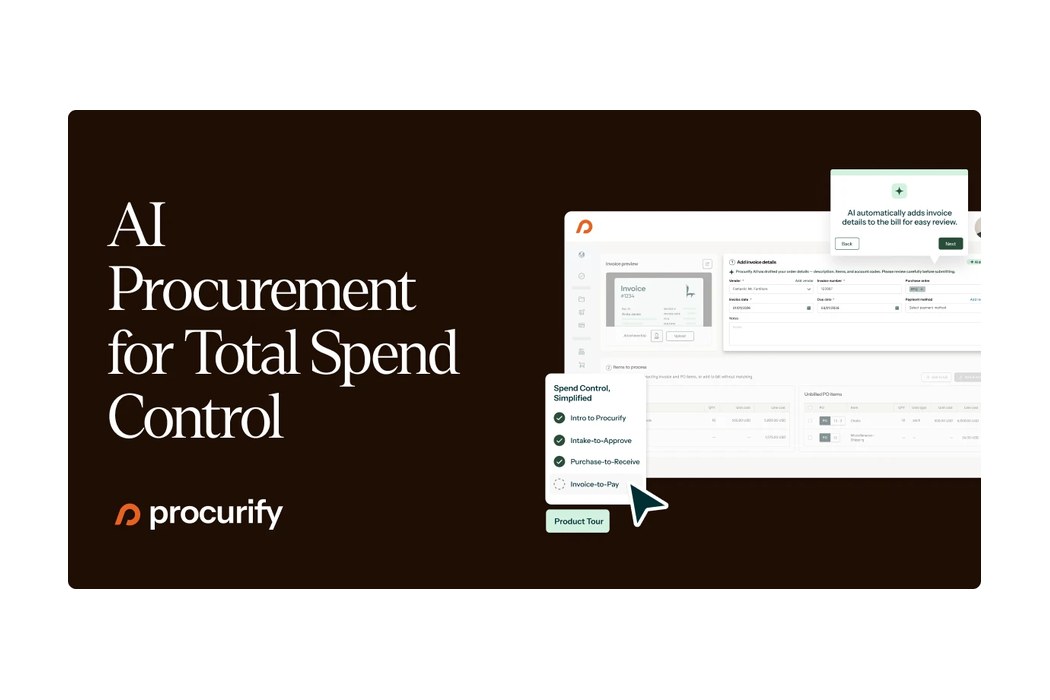
Procurify Wants to Catch Every Bad Purchase Before the Money Moves
The Vancouver company found a valuable gap between spreadsheets and enterprise procurement suites. Now it is betting that a decade of customer spend context can turn AI from a chatty assistant into a careful operator.

Torpago Quit Chasing Ramp - and Turned the Banks Into Customers
Brent Jackson built a credible corporate-card challenger, then decided he was fighting in the wrong arena. Torpago's sharper bet is to give community banks the software, controls and operational muscle to run modern card programs under their own names.

Rippling Wants the Whole Company. Gusto Starts With Payroll
The familiar payroll comparison misses the real choice. Rippling is built to make one employee record run HR, IT, and finance, while Gusto keeps its attention on the small-business people stack.

BILL and Brex Are Fighting for the Same Finance Desk
One began with invoices, the other with cards. Their race toward an all-in-one finance desk reveals what CFOs gain, what they risk, and why ownership now matters.

The Card Network Ate Center. Emburse Ate Everyone Else.
Two expense-software empires took opposite roads to the same prize. Emburse spent years stitching together aging brands like Certify and Chrome River; Center simply handed the keys to American Express - and finance teams are the ones who have to live with the difference.

Brex and Modern Treasury Belong in Different Rooms
Brex helps employees spend company money; Modern Treasury helps software and finance teams move and track it. The useful question is not which one wins, but where each one belongs in your stack.
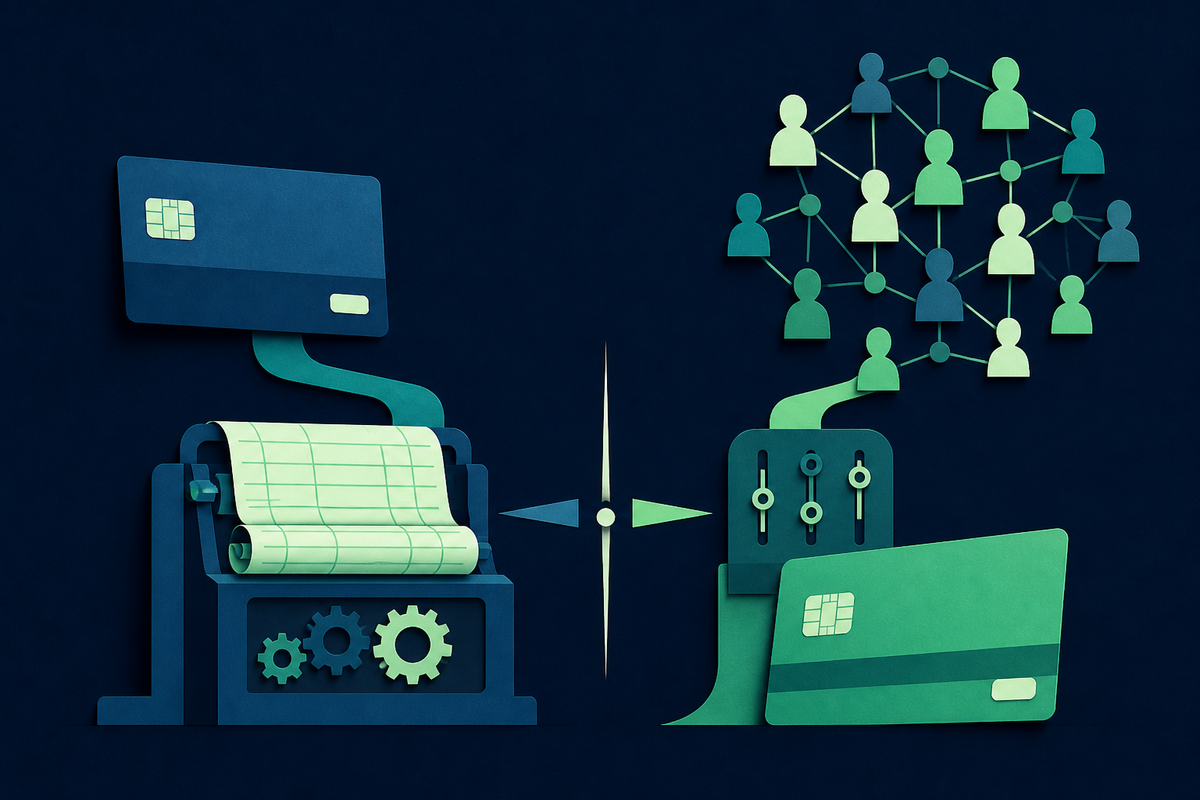
Brex and Rippling Want Your Spend for Different Reasons
Brex built a finance stack and learned to choose its customers. Rippling built a workforce system and turned spend into one more reason to stay.

Ramp and BILL Are Fighting to Own Every Company Dollar
BILL bought Divvy to move beyond paying invoices. Now its fight with Ramp is a contest over who gets to control business spending before, during, and after the swipe.
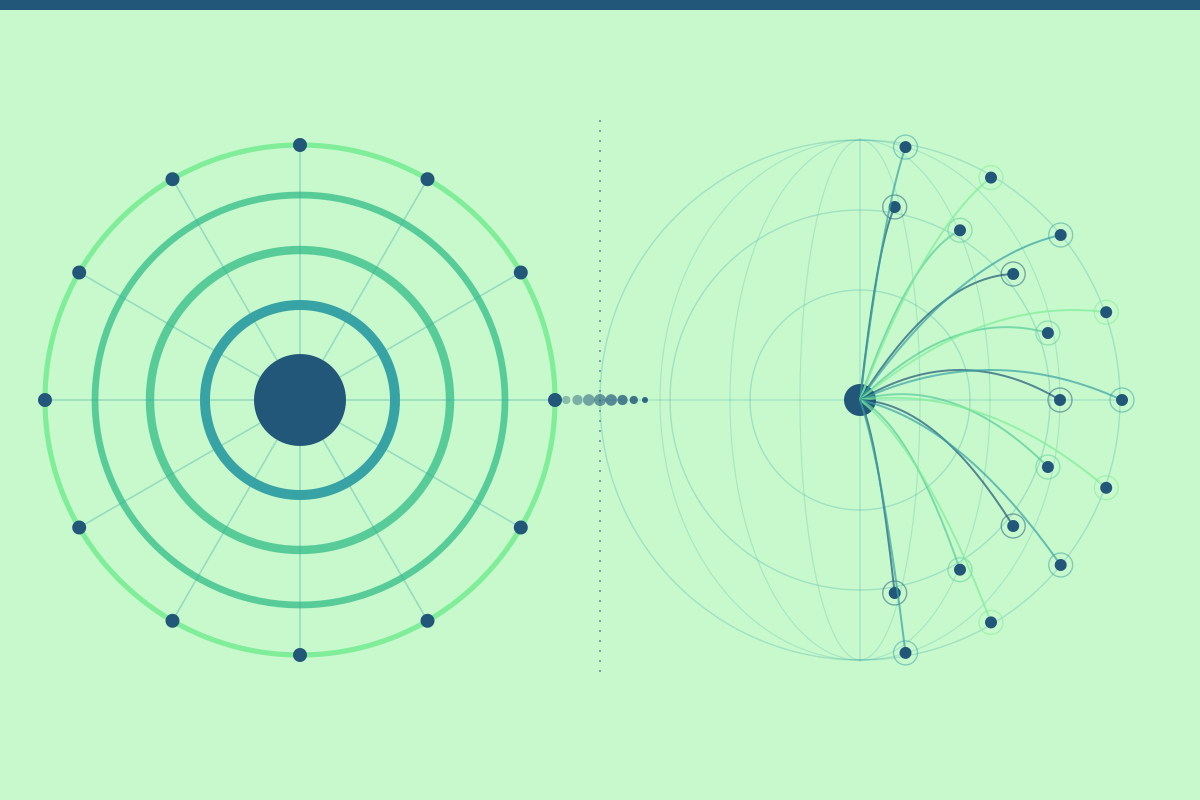
One Rang The Bell. The Other Went Everywhere.
Bill.com took the domestic route and the ticker symbol. Tipalti stayed private and wired money to nearly two hundred countries. Same problem, two very different bets on how businesses pay.