Brex is for the moment when the office card stops living in one founder's wallet and starts multiplying. A salesperson needs a flight. Engineering needs another cloud account. Someone bought twelve folding chairs at midnight and attached a receipt that looks like weather radar. The old answer was to let money escape, then send finance hunting. Brex moves the argument forward in time: set the limit, state the policy, and let the card decide at checkout.
That idea explains the whole product. Brex combines corporate cards, expense management, reimbursements, bill pay, travel, business accounts, approvals, budgets, and accounting connections. The employee gets one place to spend and tidy up the evidence. Finance gets controls tied to the payment itself. The cleanest value is not another dashboard. It is fewer transactions arriving at month-end with no owner, no receipt, and no plausible explanation.
Who should put Brex on the shortlist?
Start with organizations where spend is distributed but accountability still matters. A venture-backed startup issuing cards to a growing team is the obvious case. So is a mid-sized company replacing separate card, reimbursement, and travel tools. Brex now points squarely at multinational enterprises too: local-currency cards in more than 50 countries, multi-entity controls, direct ERP connections, and implementations measured in weeks rather than a five-minute signup.
The strongest buyer has a finance owner, a real expense policy, and enough transaction volume to benefit from automation. A tiny bootstrapped shop that only wants a card may find the platform broad, while a company with deep procurement, tax, or supplier-portal requirements should compare Brex's bill pay with dedicated accounts-payable systems. Reddit discussions among CFOs and accountants repeatedly praise the employee experience while debating reporting, approval logic, and AP depth. That disagreement is useful: Brex can be pleasant at the swipe and still require careful work behind the books.
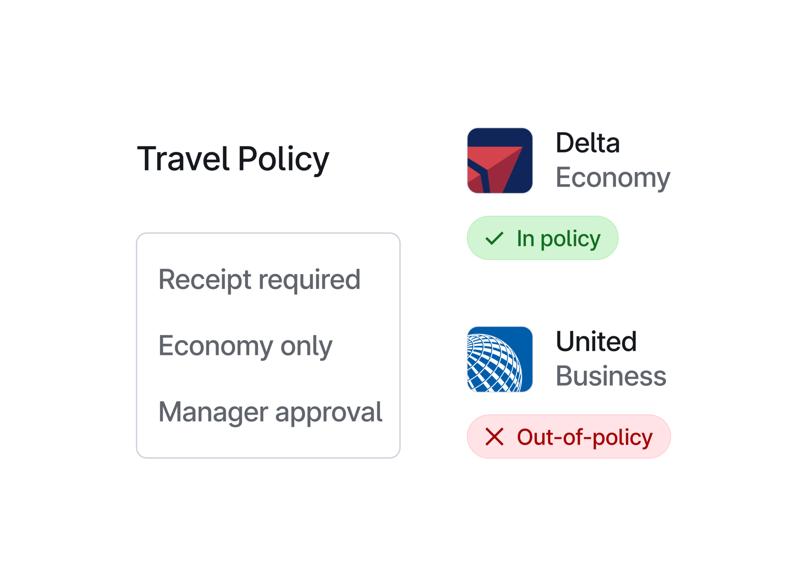
The trick happens before the receipt chase
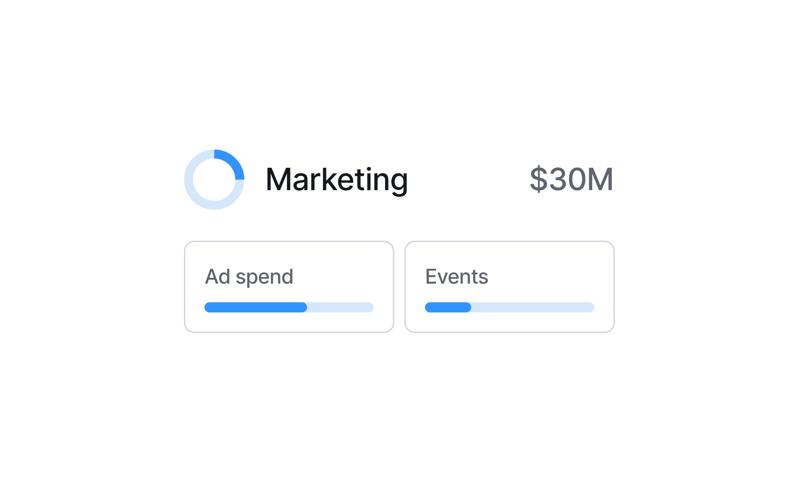
Traditional expense software often begins after the purchase. Brex starts with a spend limit attached to a purpose: travel, stipend, procurement, vendor, event, or whatever structure fits the company. Admins decide who can spend, how much, where, when, and what documentation is required. Employees can see the rules before paying. Out-of-policy purchases can be blocked, and valid transactions arrive already connected to the right limit.
Cards with context
Physical and virtual cards inherit merchant, category, time, and amount rules. One employee card can move between approved limits.
Receipt matching
Brex pulls documentation from card activity and connected channels, then nudges the employee when context is missing.
Policy at purchase
Rules and approval chains act while money moves, giving managers a chance to prevent exceptions rather than explain them later.
Books downstream
Accounting fields, coding rules, and exports connect activity to NetSuite, QuickBooks, Xero, Sage Intacct, Workday, and other systems.
The mobile app is the employee end of this bargain. It shows cards, limits, tasks, travel, and reimbursements, and it can accept receipt photos in the moment. Broad ratings are strong: G2 showed 4.8 from more than 1,500 reviews during our research, and the US App Store showed 4.8 from roughly 8,800 ratings. The details are less uniform. One recent iPhone reviewer complained that PDF receipts and reimbursement buttons made a simple task take several attempts. That is precisely the sort of edge case a pilot should include. A workflow used by everyone will eventually meet every strange hotel invoice on Earth.
“Traditional expense management requires you to chase money after it's been spent. Brex enables you to do the opposite.”Josh Pickles, DoorDash, in a Brex customer story
One platform, several jobs, many footnotes
Brex's breadth is practical when the pieces reinforce one another. A traveler books inside policy, pays with the card, gets a matched receipt, and sends coded data to the ERP. A vendor invoice can follow an approval path and draw against the same budget view. Reimbursements sit beside card spend rather than in a separate archaeological layer. Employees can answer prompts through Slack, Microsoft Teams, WhatsApp, text, or the app, depending on configuration.
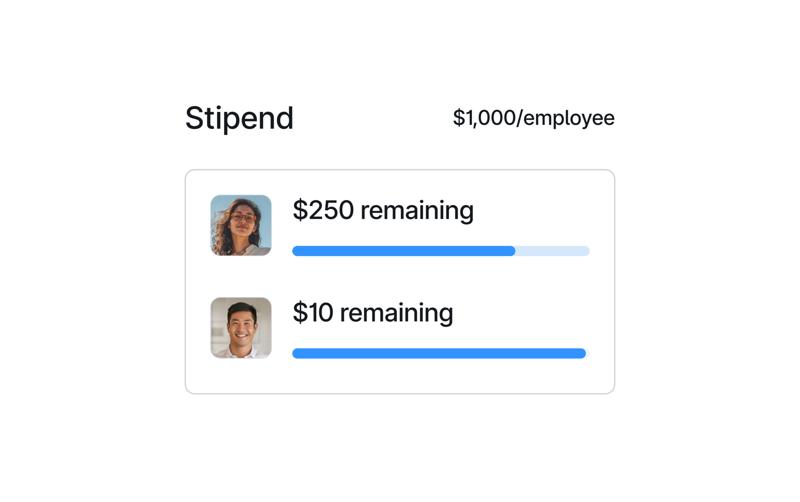
Brex AI is being threaded through those jobs. It can interpret policy, spot missing documentation, suggest coding, identify compliance exceptions, and automate ERP exports. In April 2026, Brex also released a beta MCP server so approved AI assistants can query expenses, users, cards, limits, and reimbursement timing with the same permissions a person has in Brex. That permission inheritance matters. “Ask the ledger” is only charming when the ledger does not gossip.
What the price page says, and what it cannot
Essentials is listed at $0 per user per month. It includes a local card program, up to two entities, travel booking, bill pay, reimbursements, reporting, accounting integrations, and API access. Premium is $12 per user per month and adds richer policies, dynamic review and approval chains, AI compliance analysis, multi-entity support, customizable ERP and HRIS connections, VAT documentation, live budgets, and advanced travel rules. Enterprise and Smart Card are quote-based.
| Plan | Published price | Useful for | Question to ask |
|---|---|---|---|
| Essentials | $0/user/month | Startups and lighter setups | Which payment, FX, travel, and partner fees apply? |
| Premium | $12/user/month | Policy and multi-entity complexity | Which ERP and global features are included versus add-ons? |
| Enterprise | Custom | Global programs and tailored rollout | What are implementation scope, support terms, and renewal caps? |
| Smart Card | Custom | Procurement and controlled vendor spend | How do card economics compare with your existing program? |
Free software does not mean free operations. Ask for a complete fee schedule and a modeled year-one cost using your actual users, transaction types, countries, currencies, travel patterns, integrations, and implementation needs. Rewards should be treated as a rebate, not the business case. They can change, and a shiny multiplier cannot rescue a slow close or a badly mapped chart of accounts.
The Capital One chapter changes the question
Brex began in 2017 after Brazilian founders Pedro Franceschi and Henrique Dubugras pivoted from a virtual-reality idea during Y Combinator. They had already built and sold the payments company Pagar.me. The new business became known for underwriting startups by their cash and funding rather than demanding a founder's personal guarantee. Cards expanded into cash management, then the Empower spend platform, travel, bill pay, and a push into large companies.
Its private valuation reached $12.3 billion in 2022. Four years later, Capital One agreed to buy Brex for $5.15 billion and completed the acquisition on April 7, 2026. Brex now operates as a wholly owned subsidiary. For a buyer, the interesting point is not the haircut from the old valuation. It is what bank ownership can do to product velocity, underwriting, global reach, reliability, and roadmaps. Capital One brings scale and balance-sheet experience. Integrations and priorities can still change. Put roadmap commitments in the contract when they matter.
Brex versus the crowded card drawer
Ramp is the direct comparison for US companies that want cards, spend controls, AP, and an aggressive automation pitch. Navan leads with travel and expense. SAP Concur carries enterprise familiarity and configuration depth. Expensify remains recognizable for expense reporting. Rippling ties spend to employee data; Mercury pairs startup banking with cards; Airwallex emphasizes international accounts and payments. Airbase, now part of Paylocity, is another reference point for procurement and AP workflows.
Do not choose from a feature checklist alone. Give each finalist the same ugly scenarios: a manager crossing two entities, a canceled international trip, a partial reimbursement, an invoice with three cost centers, a late-posting card transaction, a contractor who should see one budget but not another, and a month-end export that must land correctly without spreadsheet repair. Ask an employee, an approver, and an accountant to perform the test. The prettiest demo rarely contains a disputed minibar charge.
The verdict
Brex is compelling when the card, policy, travel, and accounting loop can replace several disconnected chores. Its employee experience is the hook; preventive controls and real-time data are the lasting case. Buy it for a demonstrated workflow, not for points, AI labels, or the memory of its startup billboards.
A buyer's pilot, with the boring parts included
Run the pilot through a real accounting period. Build policies before issuing cards. Import actual fields, not a tidy sample chart. Measure how many expenses arrive complete, how many need human review, how long reimbursements take, and how much repair the ERP export needs. Call support with a genuine problem. If you operate globally, test a local-currency card, an international reimbursement, VAT documentation, and an employee traveling outside their home entity.
- Map every required ERP field and confirm how corrections flow after export.
- Test PDF, emailed, photographed, and automatically matched receipts on web and mobile.
- Model approval exceptions, temporary limits, substitute approvers, and terminated users.
- Price travel support, foreign exchange, wires, card repayment, implementation, and add-ons.
- Document data access, SSO, roles, audit logs, retention, and AI permissions with security.
Brex publishes SOC 1 Type 2, SOC 2 Type 2, PCI DSS, and ISO 27001 materials through its trust center. That is the beginning of diligence, not the end. Confirm which entity holds funds, how deposit insurance is structured for the product you use, what happens during an account review, and how quickly your team can export its data. Brex is not a bank by itself, even though it is now owned by one; the relevant agreements identify the bank providing each service.
When the fit is right, the payoff is wonderfully ordinary: fewer reminders, clearer budgets, and a close that does not depend on collective memory. SeatGeek says it cut roughly 20 monthly close hours to under two while reaching more than 99 percent employee compliance. The Boston Celtics report a seven-day shorter close. Those are company case studies, not promises. Still, they point to the correct target. Good spend software should give finance less theater and more time.