finance-automation
(47)
Gabriel Rogoff and the job with no predecessor
After Oracle and Deloitte, Gabriel Rogoff joined Ramp as its first technical account manager. His story turns on a deceptively practical question: how much of your working day do you get to shape?

DualEntry wants to give finance its month back
An expensive ERP ordeal sent two founders into the accounting software business. Their wager: a better ledger begins with a less painful move.

The Accountant Who Arrived After the Work Was Done
Qurrent sells a peculiar kind of labor: software that finishes the back-office job, shows its work, and leaves the judgment calls to people. Its best proof is an accounting package ready before the accountants arrive.
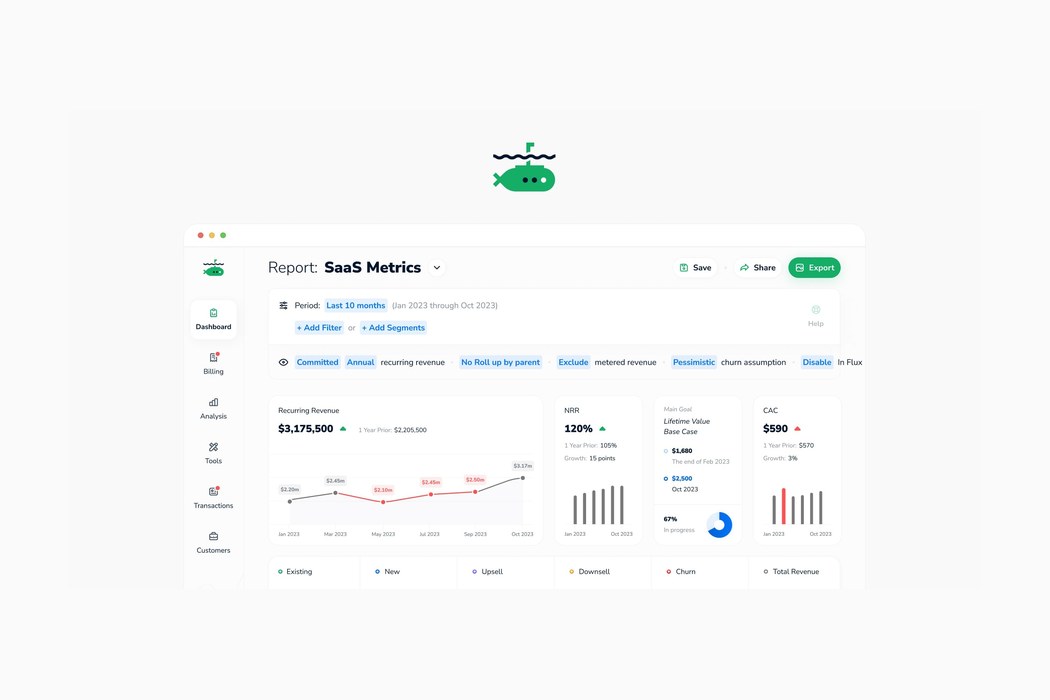
The Invoice Was the Clue: How Subscript Followed SaaS Money Back to the Contract
Subscript began by untangling subscription metrics. Then it followed the mess upstream - into bespoke contracts, hybrid billing, revenue schedules, and the awkward question of who still owes you money.

Karim Atiyeh and the Art of the Invisible Task
The Ramp co-founder built a career by noticing the tiny chores everyone else accepts. Now, as co-CEO, he is trying to make finance software do the work before anyone has to ask.

Prophix wants finance to stop chasing its own numbers
Budgets held together by spreadsheets made Prophix a business. Connecting planning, the financial close, and AI is its bid to win more of the CFO’s working day.

Tungsten Network and the art of getting an invoice accepted
The London-born invoice network tackles a stubborn business problem: getting different companies’ accounting systems to understand each other. Its history shows why persuading suppliers matters as much as moving data.

iplicit Spent Six Years Building. Then It Doubled Seven Years in a Row.
The British finance platform found a neglected customer: too complicated for small-business software, too sensible for a year-long ERP drama. Its answer was to build slowly, launch late and make the month-end close considerably less theatrical.
Webexpenses Wants the Receipt to Disappear Before Finance Has to Chase It
The Witney software company has spent 25 years turning the office's least-loved ritual into a controlled flow of data. Its bet is simple: catch the receipt, policy breach and coding error while the purchase is still fresh - not during month-end archaeology.

Lucanet Wants to Close the Books - and the Tabs
Lucanet turns the month-end maze into one governed finance workspace. The trade is classic enterprise software: serious accounting muscle, a real implementation, and a price you have to ask for.
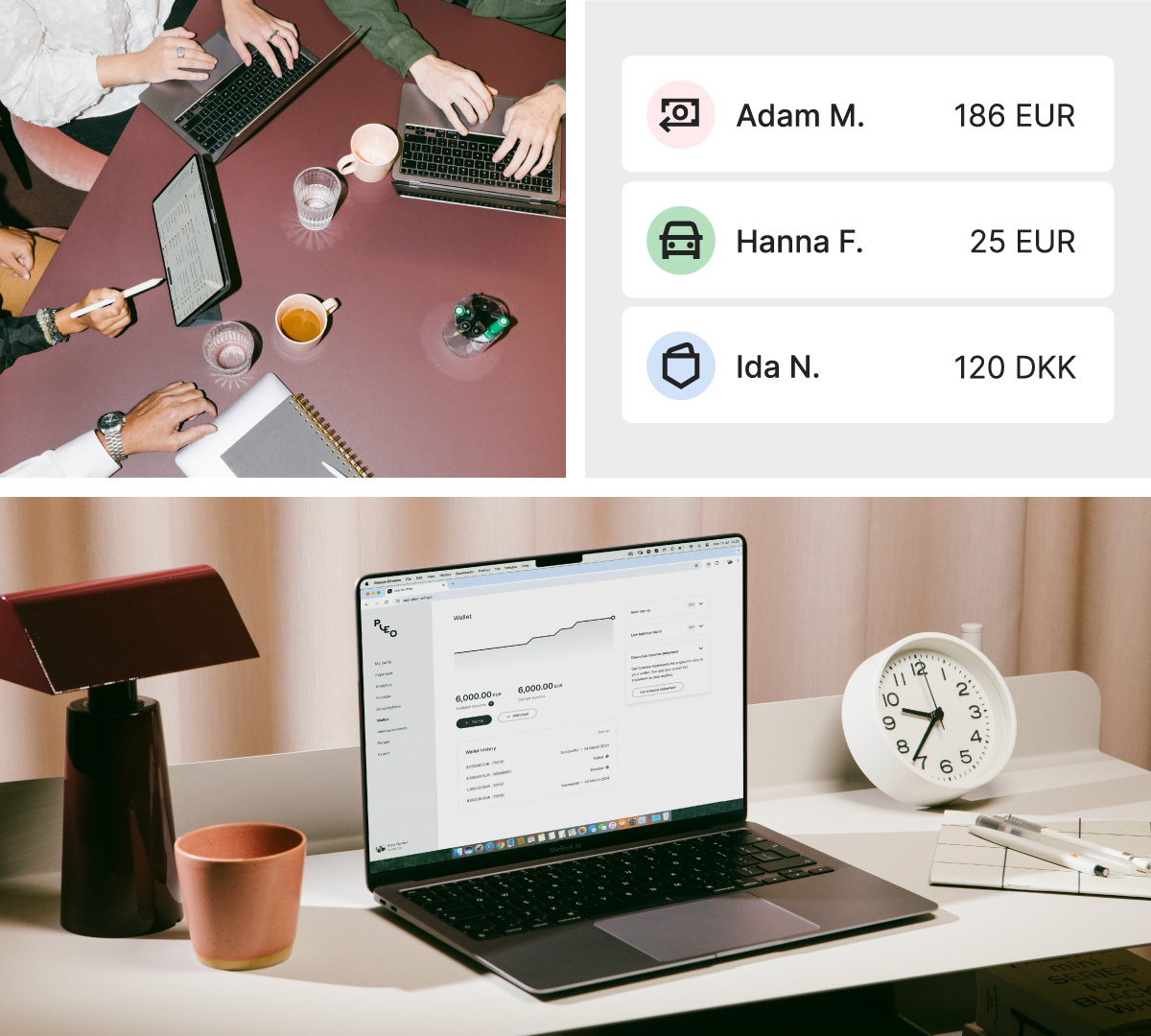
Pleo Makes Expense Reports Feel Like a Fax Machine
Give people a card, ask for the receipt while it still exists, and let finance watch the books assemble themselves. Pleo turns a monthly scavenger hunt into a daily habit - with a few fees and fine-print decisions worth making before you tap.

Brex Put the Expense Report on a Short Leash
The startup card grew into a control room for company money. Its best trick is catching bad spend before finance has to chase it, but the grown-up platform deserves a grown-up buying process.

Emily Campbell Builds Marketing Systems for the Messy Middle
After decades spent turning sprawling product catalogs and global brands into workable systems, BlackLine's CMO is applying the same practical instinct to finance software: simplify the machinery, protect room for experiments, and listen closely to the customer.

Spendesk Puts a Bouncer at the Company Wallet
Employees get a faster route to the company card. Finance gets to decide the route, the limit and who waves it through.
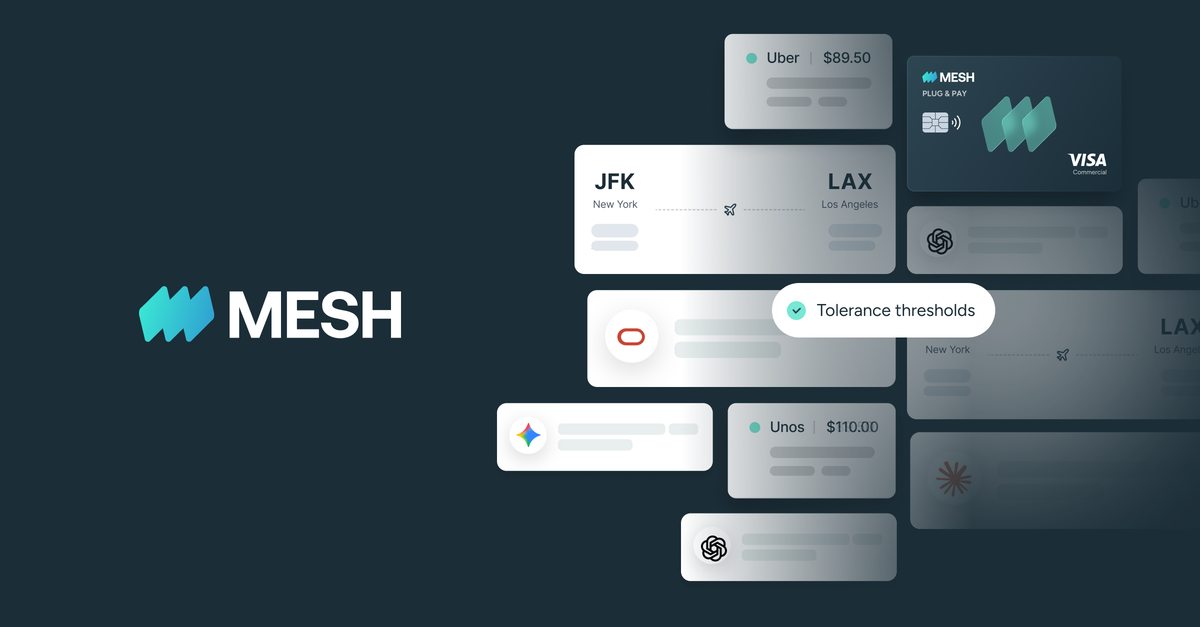
Mesh Wants Your Expense Report to Disappear
Mesh is trying to make travel and expenses vanish from the employee’s to-do list without making control vanish from finance. The idea is sharp; the buying decision still comes down to integrations, geography and whether the mobile experience can keep up.
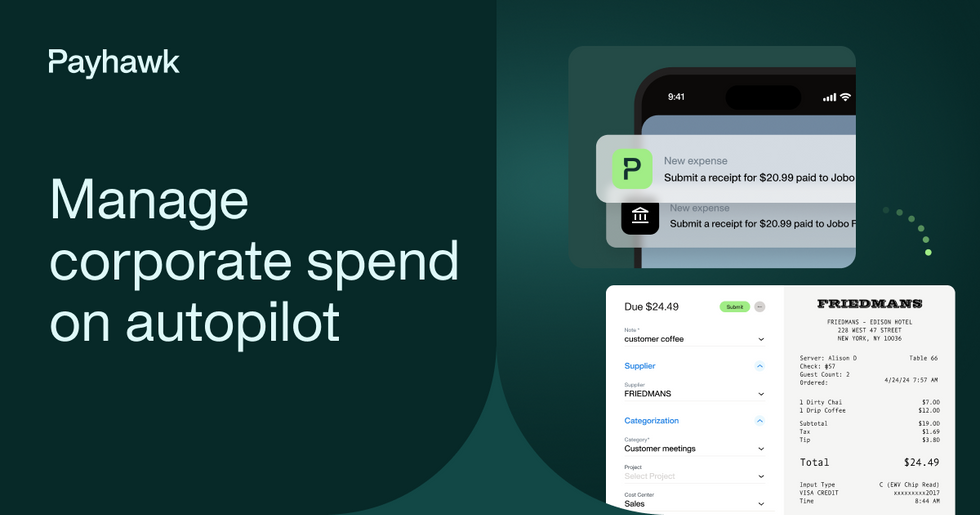
Payhawk Wants Your Company Card to Do the Paperwork
Payhawk bolts policy, receipts, approvals and accounting data to the moment money moves. For finance teams juggling countries and entities, that can turn the company card from a plastic problem into a useful control surface.

Trintech’s 23-Billion-Transaction Bet: Let AI Close the Books - But Keep It on a Leash
The 39-year-old finance-software specialist wants AI to chase mismatches, draft journals and explain variances. Its real product, though, is permission: proof that automation can move fast without making the auditors nervous.

Redwood Software Makes the Software Nobody Notices - Until It Stops
The 33-year-old automation company has turned midnight batch jobs, SAP dependencies and financial-close checklists into a sizable software portfolio. Its pitch is simple: the best critical process is the one your staff never has to rescue.

Lasse Kalkar Learned Finance the Hard Way - Then Built a Company to Make It Flow
Before LiveFlow served thousands of finance teams, its founder sold football tricks, ran a coffee shop without knowing its true margins, watched a crypto app fail and learned how Revolut moved at speed. The through-line is less glamorous than fintech usually sounds: find the tedious work, then remove it.

Parker Gilbert Is Teaching Accounting Software to Show Its Work
After living through the spreadsheet drag of month-end close, Numeric's co-founder turned an operator's irritation into a broader argument: financial software should preserve context, invite scrutiny, and give accountants time to think.

Erin Kim Is Teaching AI to Survive Month-End
The former banker spent years turning Carta's accounting rituals into software. Now she and a trusted collaborator are building Mesh around a harder promise: AI that shows its work.

Julian Rowlands Took the Scenic Route to the CFO’s Chair - Then Built the Software He Wished He’d Had
A history major became an accidental CFO in Jakarta, learned the job by assembling a personal board of mentors, and came home to build a governed data layer for finance. His career is a case study in turning an odd résumé into founder-market fit.

Saurabh Chauhan Is Teaching the Back Office to Run Itself
The Peakflo co-founder spent years watching businesses wrestle with spreadsheets. Now he is turning those stubborn workflows into work that software can actually finish.

Oded Zehavi Wants Expense Reports to Vanish
After three decades in payments, the Mesh co-founder is chasing an oddly radical outcome: business spending that explains itself before finance has to ask.

BILL and Brex Are Fighting for the Same Finance Desk
One began with invoices, the other with cards. Their race toward an all-in-one finance desk reveals what CFOs gain, what they risk, and why ownership now matters.

Caitlin Leksana Found a Startup in the Spreadsheet Nobody Wanted to Open
A mechanical engineer, a failed crypto startup and a hundred nervous cold messages led Caitlin Leksana to an overlooked corner of finance. Now she is building Fazeshift around a deceptively hard question: why is getting paid still managed by hand?

Aravind Gopalan Is Turning the Awkward Business of Asking for Money Into Software
After selling one startup and learning to scale products inside Freshworks, Gopalan went looking for an unglamorous, expensive problem. He found it in the gap between revenue on paper and cash in the bank.
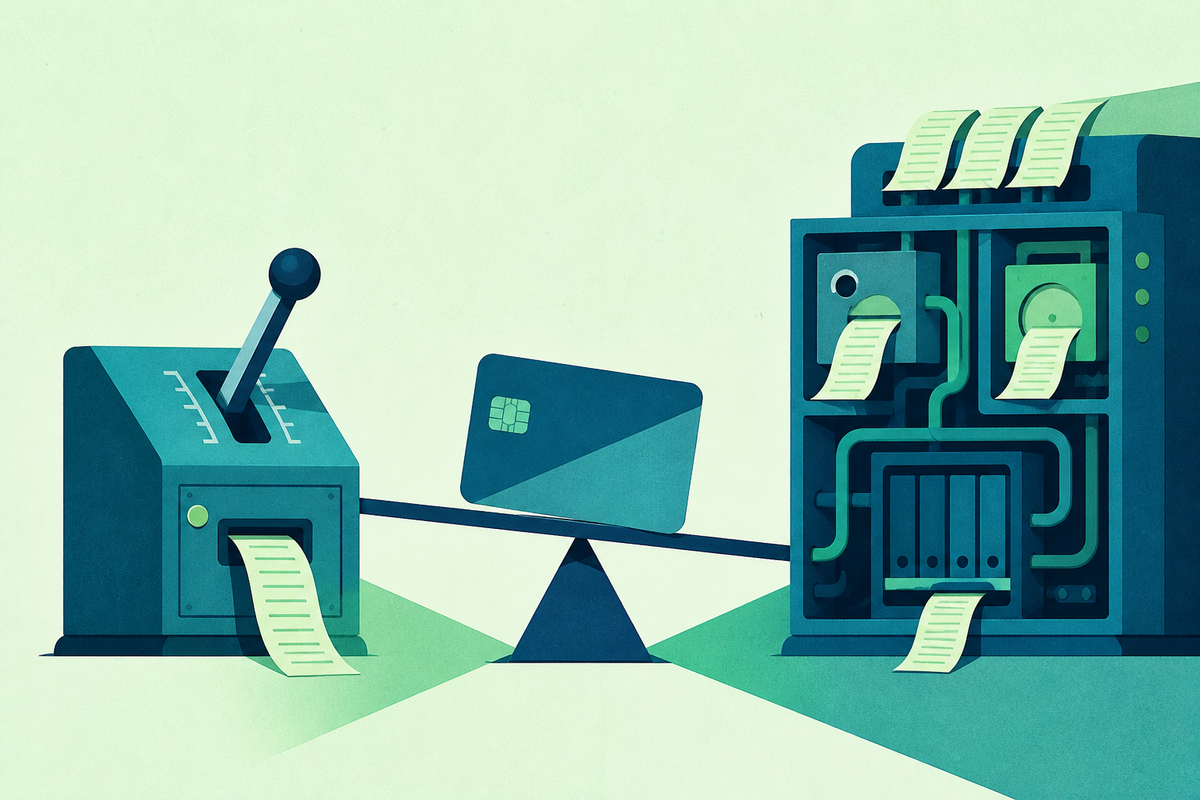
Ramp and BILL Are Selling Two Different Kinds of Control
The expense tools look increasingly alike. The choice comes down to whether finance wants a standalone command center or spend management inside a broader back-office suite.

Quadient
A century-old maker of postage meters quietly turned itself into a software company. Here is how Quadient bet its future on the mail nobody thinks about - the bills, statements and packages that decide whether a customer stays.

Peakflo
Peakflo is a Singapore-founded, Y Combinator-backed (W22) finance automation platform that puts B2B accounts receivable and accounts payable on autopilot. It connects to accounting systems and ERPs to automate invoice collections, bill payments, expense reimbursements and reconciliation, helping finance teams get paid faster, cut vendor payment time and reclaim thousands of hours a month. Positioned as the AI-native alternative to legacy AP/AR tools for the mid-market and Southeast Asia.