finance-automation
(17)
Gabriel Rogoff and the job with no predecessor
After Oracle and Deloitte, Gabriel Rogoff joined Ramp as its first technical account manager. His story turns on a deceptively practical question: how much of your working day do you get to shape?

Karim Atiyeh and the Art of the Invisible Task
The Ramp co-founder built a career by noticing the tiny chores everyone else accepts. Now, as co-CEO, he is trying to make finance software do the work before anyone has to ask.

Emily Campbell Builds Marketing Systems for the Messy Middle
After decades spent turning sprawling product catalogs and global brands into workable systems, BlackLine's CMO is applying the same practical instinct to finance software: simplify the machinery, protect room for experiments, and listen closely to the customer.

Lasse Kalkar Learned Finance the Hard Way - Then Built a Company to Make It Flow
Before LiveFlow served thousands of finance teams, its founder sold football tricks, ran a coffee shop without knowing its true margins, watched a crypto app fail and learned how Revolut moved at speed. The through-line is less glamorous than fintech usually sounds: find the tedious work, then remove it.

Parker Gilbert Is Teaching Accounting Software to Show Its Work
After living through the spreadsheet drag of month-end close, Numeric's co-founder turned an operator's irritation into a broader argument: financial software should preserve context, invite scrutiny, and give accountants time to think.
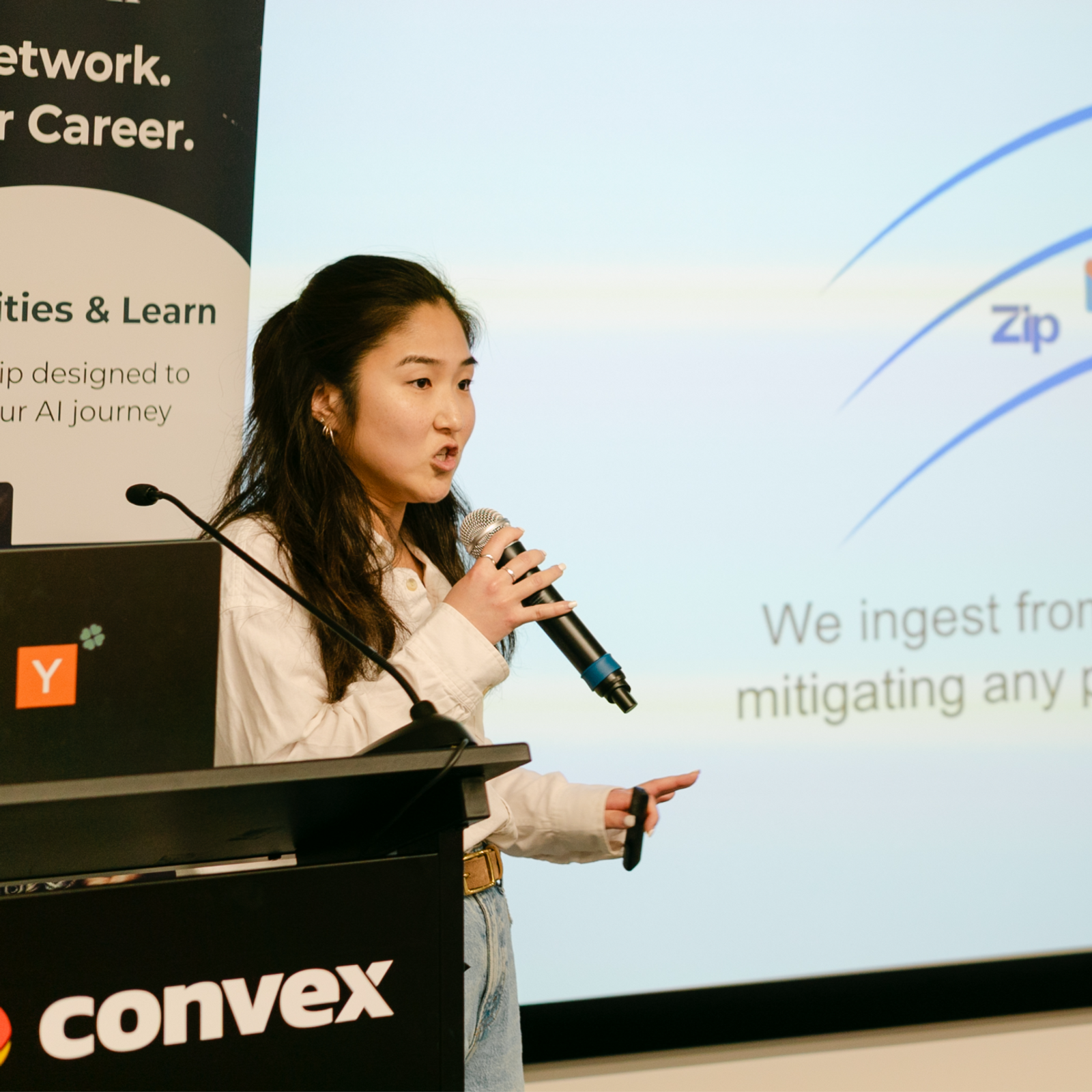
Erin Kim Is Teaching AI to Survive Month-End
The former banker spent years turning Carta's accounting rituals into software. Now she and a trusted collaborator are building Mesh around a harder promise: AI that shows its work.

Julian Rowlands Took the Scenic Route to the CFO’s Chair - Then Built the Software He Wished He’d Had
A history major became an accidental CFO in Jakarta, learned the job by assembling a personal board of mentors, and came home to build a governed data layer for finance. His career is a case study in turning an odd résumé into founder-market fit.
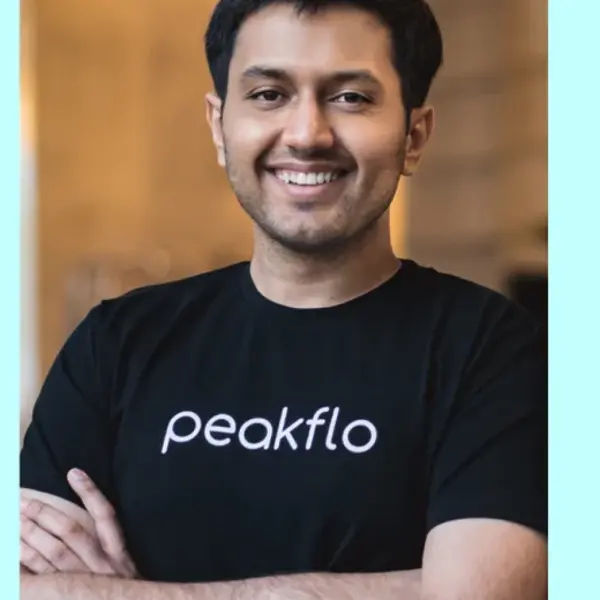
Saurabh Chauhan Is Teaching the Back Office to Run Itself
The Peakflo co-founder spent years watching businesses wrestle with spreadsheets. Now he is turning those stubborn workflows into work that software can actually finish.

Oded Zehavi Wants Expense Reports to Vanish
After three decades in payments, the Mesh co-founder is chasing an oddly radical outcome: business spending that explains itself before finance has to ask.

Caitlin Leksana Found a Startup in the Spreadsheet Nobody Wanted to Open
A mechanical engineer, a failed crypto startup and a hundred nervous cold messages led Caitlin Leksana to an overlooked corner of finance. Now she is building Fazeshift around a deceptively hard question: why is getting paid still managed by hand?

Aravind Gopalan Is Turning the Awkward Business of Asking for Money Into Software
After selling one startup and learning to scale products inside Freshworks, Gopalan went looking for an unglamorous, expensive problem. He found it in the gap between revenue on paper and cash in the bank.
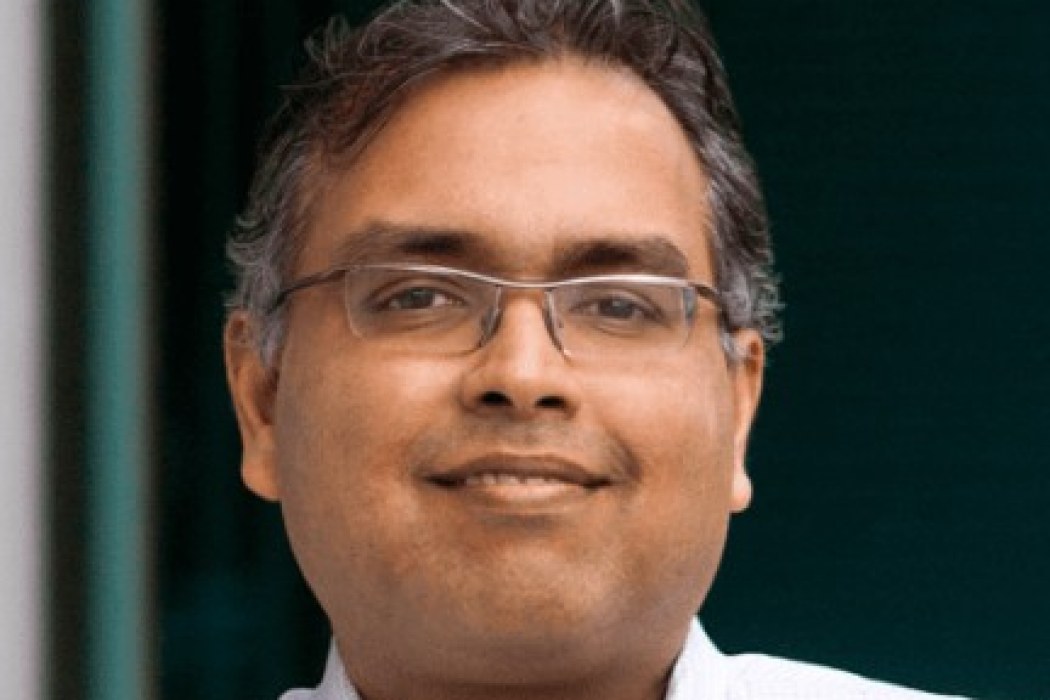
Rohit Gupta
Rohit Gupta is the co-founder and CEO of Auditoria.AI, a Santa Clara startup that builds AI agents for corporate finance teams. A serial entrepreneur with more than 25 years in enterprise software, he previously founded the cloud-security company Palerra (acquired by Oracle in 2016) and ran the Remedy IT Service Management division at BMC Software. He started Auditoria in 2019 to bring automation to the back office of finance, and in 2025 raised a $38M Series B to push the company into the agentic-AI era.
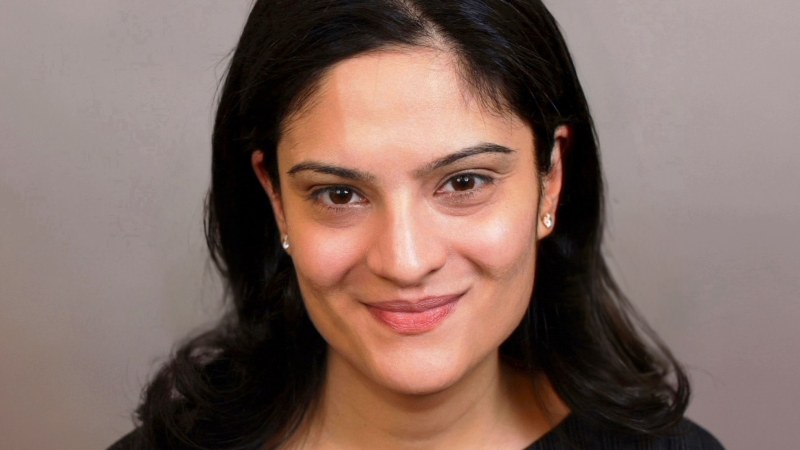
Matthieu Hafemeister
Matthieu Hafemeister is the co-founder and CEO of Concourse, a New York startup building AI agents for corporate finance teams. A former fintech partner at Andreessen Horowitz and head of growth at Jeeves, he started Concourse in 2023 with Ted Michaels and raised a $12M Series A led by Standard Capital in early 2026, bringing total funding to about $27M.

Eric Glyman
Eric Glyman is the co-founder and CEO of Ramp, the New York fintech that turned the corporate credit card upside down by rewarding companies for spending less, not more. A Las Vegas native and Harvard economics graduate, he first built the price-tracking app Paribus, sold it to Capital One in 2016, then launched Ramp in 2019 with Karim Atiyeh and Gene Lee. In under seven years he grew Ramp to more than 40,000 business customers and a $32 billion valuation, championing a vision of AI-run 'self-driving money' where finance work happens in the background without anyone asking.
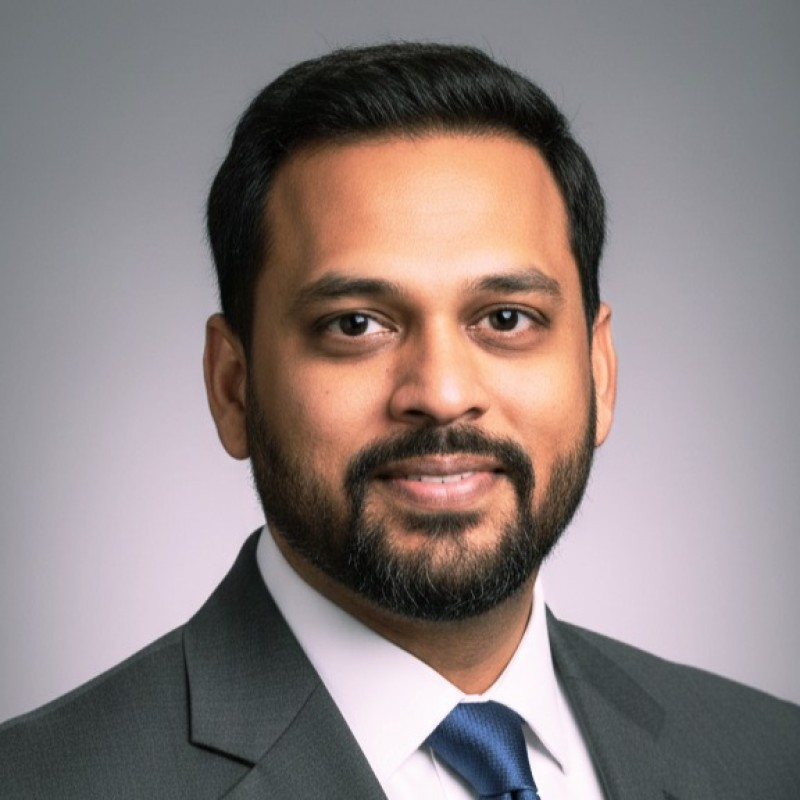
Madhu Tera
Madhu Tera is the founder and CEO of TERA (tera.cloud), an AI-powered finance automation platform that bundles corporate cards, expense management, accounts payable, procurement and payments into a single command center for finance teams. Before founding TERA in 2018, Madhu spent years as a solutions architect inside the engine rooms of American finance - Fidelity Investments and State Street - an experience that shaped a conviction that small and mid-size businesses are badly underserved by traditional banks. TERA today reports more than 1,200 customers across healthcare, manufacturing, e-commerce, agritech and logistics.

Gregg Mojica
Gregg Mojica is the founder and CEO of Kinter.ai, the AI-accounting company that grew out of Alloy Automation, the integration platform he co-founded with Sara Du in 2019 (YC W20). He started coding at 12, shipped three apps before he turned 18, got into Cornell and skipped it to build payments infrastructure at First Data/Fiserv, then helped build Alloy into the connective tissue for thousands of ecommerce and AI-agent workflows backed by a16z and Bain Capital Ventures. Today his AI Accountants close the books for enterprises including Amazon, Mastercard and UPS.

Andrew Antos
Andrew Antos is the Czech-born Founder and CEO of Klarity, a San Francisco-based AI platform that automates document-intensive workflows for enterprise finance and accounting teams. Born in Brno one year before communism fell, he grew up in a family of scientists, studied law in Europe, then pivoted to entrepreneurship after Harvard Law School and an MIT startup course. He co-founded Klarity in 2017 with Nischal Nadhamuni, raised $90M+ from Y Combinator, Scale Venture Partners, Nat Friedman, and Daniel Gross, and counts DoorDash, Zoom, Cloudflare, and OpenAI among his customers. Klarity's AI platform achieves 82%+ pass-through rates on contract and invoice processing, reduces month-end close by 2-3 days, and automates up to 87% of manual finance work.