ai-in-healthcare
(61)
The Company Selling Confidence Before a Medicine Can Be Sold
A drug can work perfectly and still fail to reach patients. OPEN Health built a global consultancy around the awkward middle - the evidence, access, education, and human judgment that turn a scientific result into a confident decision.
The Deck That Went Nowhere
A year of careful medical-communications work once died unused in the field. Kinetix Health Group is betting that pharma does not need another deck - it needs a system that keeps evidence moving.

Philips Bet the Whole Company on Hospitals - Then a CPAP Recall Almost Broke It
It made light bulbs, then TVs, then the CT scanner in your local hospital. The story of how a Dutch electronics giant reinvented itself as a pure health-tech company - and nearly lost the bet.

The Fund Betting That the Poorest ZIP Codes Are the Best Returns
Andy Slavitt ran Medicare. Now he runs a $1.4 billion fund arguing that the patients Wall Street ignores are where the money is - and the math, so far, agrees.

Redesign Health Turned Starting a Healthcare Company Into a Repeatable Process
The New York studio has launched more than 60 healthcare companies since 2018 by treating the messy work of starting one - ideas, diligence, hiring, capital - as a system you can run again and again.

Stacy Simpson Is Marketing What Technology Gives Back
After a career spent translating complicated technology, athenahealth CMO Stacy Simpson has arrived at a deceptively simple measure for AI: does it return time, attention, and clarity to the people using it?
Senan Ebrahim
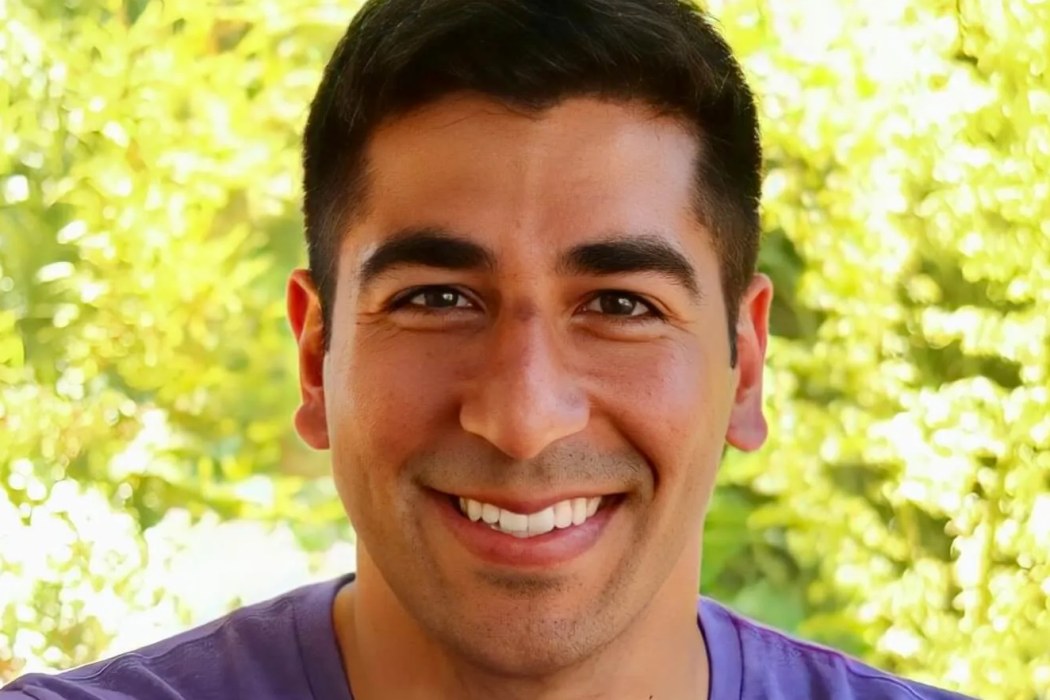
Senan Ebrahim is the founder and CEO of Delfina, a San Francisco digital health company using AI and data science to improve pregnancy care and close gaps in maternal health. A physician-scientist with an MD and a PhD in computational neuroscience from Harvard, he founded Delfina after witnessing a preventable stillbirth during medical training. He earlier founded Hikma Health, a nonprofit building free health-data tools for refugee and low-income patients. Delfina raised a $17M Series A in early 2025 led by U.S. Venture Partners.
Stas Sokolin
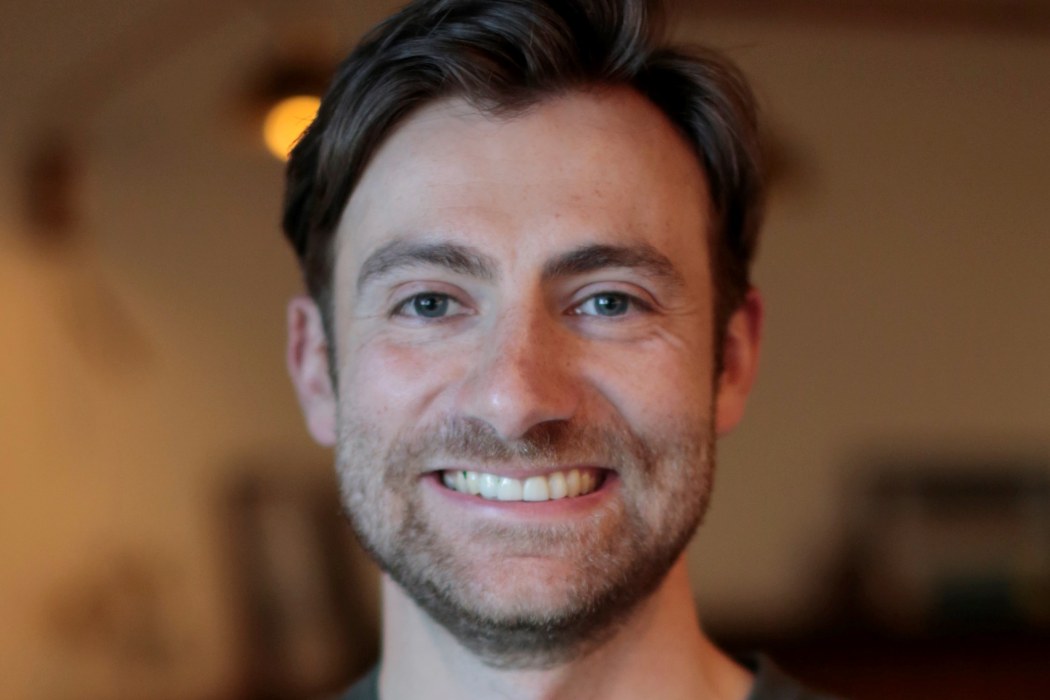
Stas Sokolin is the co-founder and CEO of Amae Health, a specialty integrated-care company for people with severe mental illness. A former impact investor at the Chan Zuckerberg Initiative with earlier stints at Google X and the American Medical Association's Health2047, he started his career as an investment banking analyst at BNP Paribas before setting out to rebuild how the hardest cases in behavioral health are treated - using in-person clinics, multidisciplinary teams, and a data platform built on Palantir. In November 2025 Amae raised a $25 million Series B led by Altos Ventures, pushing its total funding past $50 million.
Omniscient Neurotechnology (o8t)
Omniscient Neurotechnology (o8t) is a Sydney-based brain-mapping company that uses AI and machine learning to turn ordinary MRI scans into detailed maps of the brain's electrical networks, or connectomes. Its flagship FDA-cleared platform, Quicktome, gives neurosurgeons a patient-specific view of the pathways responsible for speech, movement and cognition before they operate, while its research platform, Infinitome, helps scientists study how diseases like Alzheimer's, epilepsy and schizophrenia disrupt brain connectivity. Founded in 2019 and led by CEO Stephen Scheeler, the company has raised roughly US$124 million to date and is expanding connectomics into stroke, movement disorders and brain-computer interfaces.

BostonGene
BostonGene is a Waltham, Massachusetts biotechnology company that applies AI-driven multiomics to cancer. Its Tumor Portrait platform integrates DNA and RNA sequencing with immune and tumor-microenvironment analysis into a single test, producing molecular profiles that help oncologists select therapies and help pharmaceutical partners design trials, identify biomarkers, and accelerate drug development. Founded in 2015 and led by CEO Andrew Feinberg, the company reached unicorn status in 2022.
Castor
Castor is a health-technology company that builds a cloud-based eClinical platform for running clinical trials - from electronic data capture (EDC) and eConsent to eCOA/ePRO and real-world evidence. Founded in 2012 in Amsterdam by physician-researcher Dr. Derk Arts, Castor set out to replace clunky, expensive trial software with a self-service, researcher-friendly system. Today it supports more than 15,000 studies across 90+ countries and is used by leading CROs and biopharma companies, while pushing decentralized trials and practical AI (Castor Catalyst, built with Google Cloud) into mainstream research.
Datos Health
Datos Health is an AI-driven remote care company that lets hospitals and health systems build and deploy personalized remote patient monitoring programs without code. Its OpenCare platform pairs a drag-and-drop Design Studio with patient-facing CareApps and a robotic-process-automation engine, so care teams can automate everything from cardiac rehab to hospital-at-home and oncology follow-up. Founded in 2015 by Uri Bettesh after a family cardiac emergency, the company is device-agnostic, integrates with existing EHRs, and was named to TIME's list of the World's Top HealthTech Companies of 2025.
H1
H1 is a New York-based healthcare data and technology company that maps the world's healthcare professionals, clinical trials and provider networks into a single platform. Founded in 2017 by Ariel Katz and Ian Sax, H1 aggregates billions of data points - peer-reviewed publications, clinical trial records, medical claims and provider directories - so pharmaceutical, biotech, medtech, health-plan and digital-health customers can find the right doctors, run better clinical trials, engage key opinion leaders and keep provider information accurate. Its stated mission is to create a healthier future by making healthcare information and evidence-based medicine accessible globally.

Lyfegen
Lyfegen is a Swiss health-tech company that builds software to manage value-based drug pricing and rebate agreements. Its platform helps health insurers, governments, hospital payers, pharmaceutical firms and medical device makers automate complex rebate contracts, run pricing simulations and tap the world's largest library of value-based agreements - reducing administrative burden while helping patients access innovative therapies.
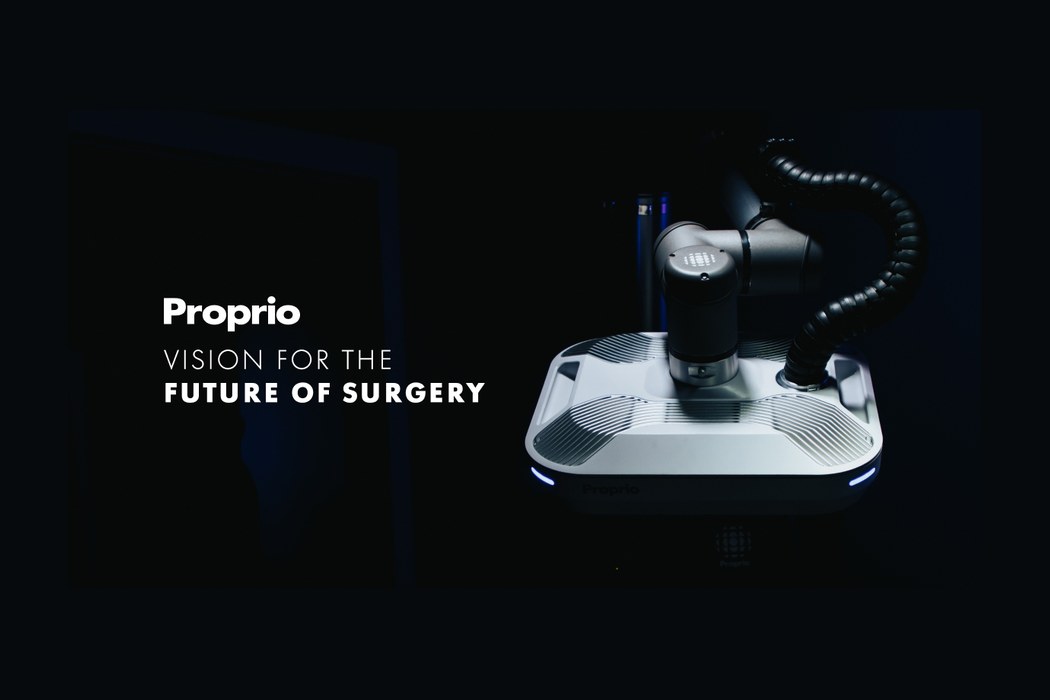
Proprio
Proprio is a Seattle medical technology company building an AI-powered surgical navigation platform, Paradigm, that uses light field imaging, computer vision, and machine learning to give surgeons a continuous, radiation-free 3D view of anatomy during spine surgery. Spun out of the University of Washington in 2016, the company fuses live intraoperative sensing with preoperative scans - a capability it calls Volumetric Intelligence - to improve precision, capture surgical data, and build a foundation model for surgery.
Reveal HealthTech
Reveal HealthTech is a New York-based AI transformation partner for U.S. healthcare and life sciences organizations. Founded in 2023 and incubated by W Health Ventures and 2070 Health, the company pairs clinical expertise with engineering and design to turn AI concepts into deployed products for hospitals, pharma, and digital health innovators. Its flagship products include BioCanvas for clinical trial recruitment, Prism AI for workflow automation, and CareIQ for care coordination. Reveal raised a $7.2M Series A led by Leo Capital in September 2025 and runs teams across the U.S. and Bengaluru, India.

Dushyant Mishra
Dushyant Mishra is the founder and CEO of RapidClaims, a New York-based company building an AI-first platform for healthcare revenue cycle management. After nearly five years in commercial operations at Abbott and two years as an early-stage investor at Together Fund, he started RapidClaims in 2023 with co-founders Abhinay Vyas and Jot Sarup Singh to attack the roughly $350 billion administrative burden in US healthcare. The company automates medical coding, clinical documentation, claim scrubbing and denial recovery across 25+ specialties, has raised about $11 million including an $8 million Series A led by Accel, and grew roughly sixfold in its first year.
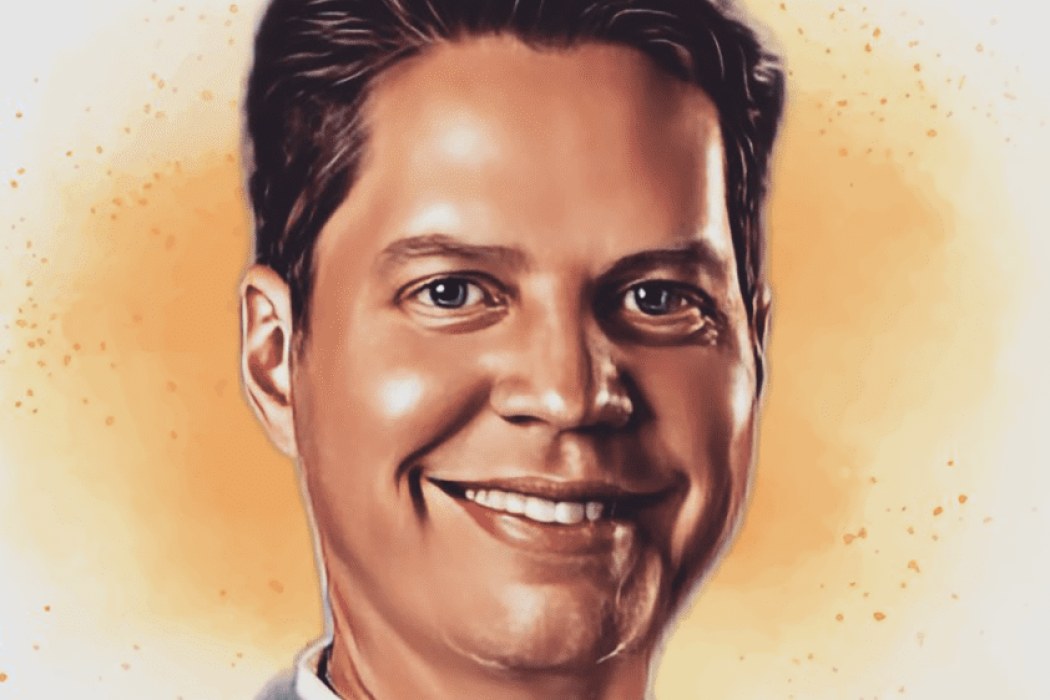
Eric Rock
Eric Rock is the co-founder and CEO of Percipio Health, a Dallas-based company using AI and an ordinary smartphone - no medical devices - to collect whole-person health signals for scalable population health monitoring. A serial healthcare and technology entrepreneur, Rock previously founded ProHost (acquired by OpenTable), MEDHOST (a pioneering touchscreen emergency-department EMR), and Vivify Health, which grew into one of the largest remote patient monitoring platforms before Optum acquired it. Percipio launched in 2025 with $20M in Series A funding and a mission to bring proactive, low-cost care to entire populations.
Cozeva
Cozeva is a cloud-based, real-time data platform built by Applied Research Works that helps health plans, physician organizations, and their partners move from fee-for-service to value-based care. It unifies quality measurement (HEDIS, Medicare Stars, P4P), risk adjustment (HCC coding and recapture), and population health analytics in a single, EHR-interoperable system that lets clinicians act on care gaps at the point of care. Founded in 2012 and based in San Ramon, California, Cozeva serves 25M+ lives and 97,000+ providers, holds NCQA and HITRUST certifications, and earned Best in KLAS recognition in 2025 and 2026. In October 2025 it merged with Vatica Health to combine top-ranked quality and risk-adjustment platforms.
Heartflow
Heartflow is a Silicon Valley medical technology company that uses AI and computational fluid dynamics to turn a standard coronary CT scan into a personalized, color-coded 3D model of a patient's heart. Its FFRCT, Plaque and RoadMap analyses help cardiologists diagnose and manage coronary artery disease non-invasively, reducing the need for invasive angiograms. Founded in 2007 and headquartered in San Francisco, Heartflow has analyzed hundreds of thousands of patients across more than 1,500 U.S. hospitals and went public on the Nasdaq (HTFL) in August 2025.

Collectly
Collectly is a San Francisco-based healthcare fintech that automates the patient side of revenue cycle management. Its AI platform plugs into more than 20 EHR and practice-management systems to run digital billing, eligibility checks, cost estimates, payments and follow-up, so medical groups collect more, faster, with fewer staff hours. Founded in 2017 and a Y Combinator graduate, Collectly says it serves 3,000+ healthcare facilities and has processed over $1 billion in patient payments. In 2025 it launched Billie, a 24/7 AI agent that answers patient billing questions and takes action across voice, chat, text and email.

Harae Dx Corp.
Harae Dx Corp. is a Pleasanton, California medical device startup building what it calls the world's smallest portable, automated system for early cancer detection. Founded in 2021 by serial medtech entrepreneur Sanjeev Saxena, the company pairs a proprietary lab-on-a-disc centrifugal microfluidic platform with a biomarker panel exclusively licensed from Lawrence Livermore National Laboratory to deliver a non-invasive early breast cancer test that returns results in roughly 30 minutes - without shipping samples to a third-party lab. Backed by SOSV/HAX and Fusion Fund, Harae Dx aims to make low-cost cancer screening portable enough to run at the point of care.
Human Longevity, Inc.
Human Longevity, Inc. is a San Diego- and South San Francisco-based genomics and precision-health company founded in 2013 by genome-sequencing pioneer J. Craig Venter, Peter Diamandis, and Robert Hariri. It pairs clinical-grade whole genome sequencing with whole-body MRI, hundreds of blood biomarkers, and AI analytics - delivered through its Health Nucleus platform - to detect cancer, cardiovascular disease, and other age-related conditions before symptoms appear. After a decade building one of the world's largest longitudinal genotype-phenotype datasets, the company in 2026 launched a $599 clinical-grade whole genome report and spun out Human Life Foundation Models, Inc. to build large-scale AI foundation models for longevity science.
Muse by Interaxon Inc.
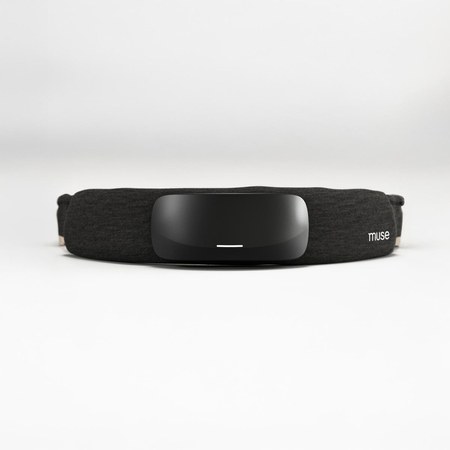
Muse, made by Toronto-based Interaxon Inc., is a brain-sensing headband that turns clinical-grade EEG into a consumer wearable. First shipped in 2014, Muse reads your brainwaves and, through a companion app, gives real-time audio feedback to guide meditation, track sleep, and train focus. The company has since layered on fNIRS and SpO2 sensing (Muse S Athena, 2025) and an AI brain-health platform trained on more than a billion minutes of EEG data, positioning Muse at the intersection of consumer wellness and clinical neuroscience.
Niamh O'Hara
Niamh O'Hara is the co-founder and CEO of Biotia, a New York healthtech company that pairs next-generation DNA sequencing with AI to identify pathogens causing hard-to-diagnose infections. An evolutionary biologist by training, she spun the company out of Cornell Tech with Weill Cornell geneticist Christopher Mason, runs a CLIA-certified metagenomics lab in Long Island City, and is building what she calls a global microbial sequence database to catch outbreaks before they spread.
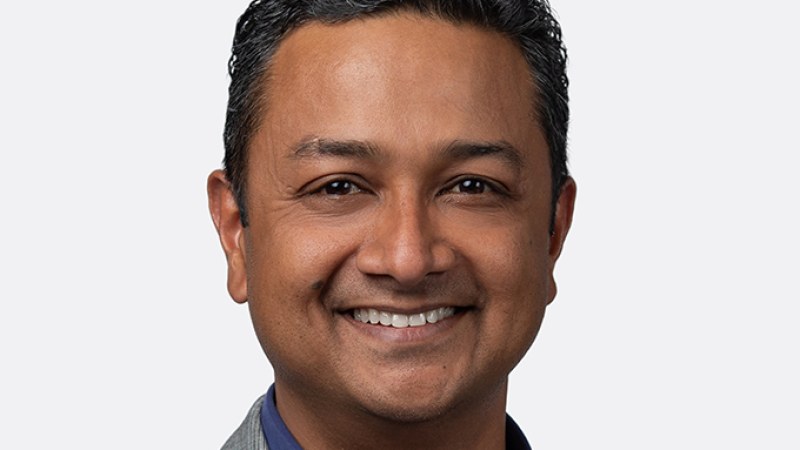
Sanchit Mullick
Sanchit Mullick is the co-founder and CEO of Reveal HealthTech, a New York-based AI transformation firm for U.S. healthcare and life sciences that closed a $7.2M Series A led by Leo Capital in September 2025. Before Reveal, he spent nearly two decades at Infosys, ending as global head of sales for AI & Automation, then led private-equity sales at GlobalLogic. He built Reveal in 2023 with clinician Dr. Salim Afshar and Andrew Bravo, incubated by W Health Ventures and 2070 Health, around two products: BioCanvas for multimodal clinical AI and Prism AI for workflow agents.
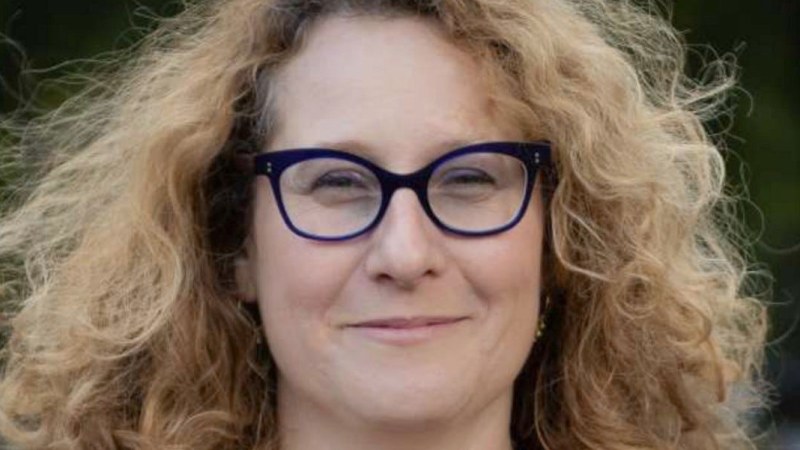
Tzvia Bader
Tzvia Bader is the CEO and co-founder of Leal Health (formerly TrialJectory), a New York-based, AI-powered decision support platform that matches cancer patients with FDA-approved treatments and clinical trials. A serial entrepreneur with roughly two decades in tech, she previously led a global business unit at Amdocs and founded startups Vocativ and KIDDOapp before turning to oncology after losing her mother to lymphoma and later facing her own melanoma diagnosis. She built Leal around a simple, insistent idea: patients, not geography or insurance, should decide which treatments they can reach.

Lamar Health
Lamar Health is a San Francisco software company that automates the paperwork behind expensive specialty medications. Its AI-driven platform handles unified intake, insurance verification, clinical and payor requirement checks, and prior authorization submission and tracking for specialty pharmacies, infusion clinics, and home infusion pharmacies - the drugs that average around $70,000 per patient per year. Founded by Ph.D. geneticist Eesha Sharma and backed by Y Combinator (W21), Lamar aims to get patients on therapy in days instead of weeks without forcing providers to add headcount.

Radial
Radial (Radial Analytics, Inc.) is a Concord, Massachusetts healthcare technology company that builds AI-driven decision support software for value-based care. Its flagship platform, Smart Placement, uses machine learning and natural language processing to help hospitals, health plans, and accountable care organizations decide - in real time - which patients can safely recover at home instead of in a skilled nursing facility after a hospital stay. Founded in 2014 by former Locately co-founders Thaddeus Fulford-Jones and Eric Weiss alongside physician Anant Vasudevan, Radial applies 'nudge theory' at clinical crossroads moments to lower costs and improve outcomes without overriding clinician judgment.

Verse Medical
Verse Medical is a New York-based healthtech company building the software infrastructure for in-home healthcare, starting with durable medical equipment (DME) and supplies. Its platform helps hospitals, payors, and care teams order and coordinate equipment like catheters, wound dressings, and diabetes supplies - replacing a fax-and-phone-call process with real-time insurance verification, medical-record-level documentation checks, and centralized order tracking. Founded in 2018 by Dhaivat Pandya out of Y Combinator, Verse today works with many of the largest U.S. health systems and is backed by investors including SignalFire, Sapphire Ventures, General Catalyst, and Abstract Ventures.