In 1891, in a small factory in Eindhoven, an engineer named Gerard Philips and his father Frederik started making carbon-filament light bulbs. The plan was simple: build a lamp that lasted and didn't cost a fortune. It worked. What happened over the next 134 years is stranger. The company that made your grandparents' radio, co-invented the cassette tape and the CD, and lit half of Europe eventually sold nearly all of it - to become a company that mostly builds machines you only meet when you're sick.
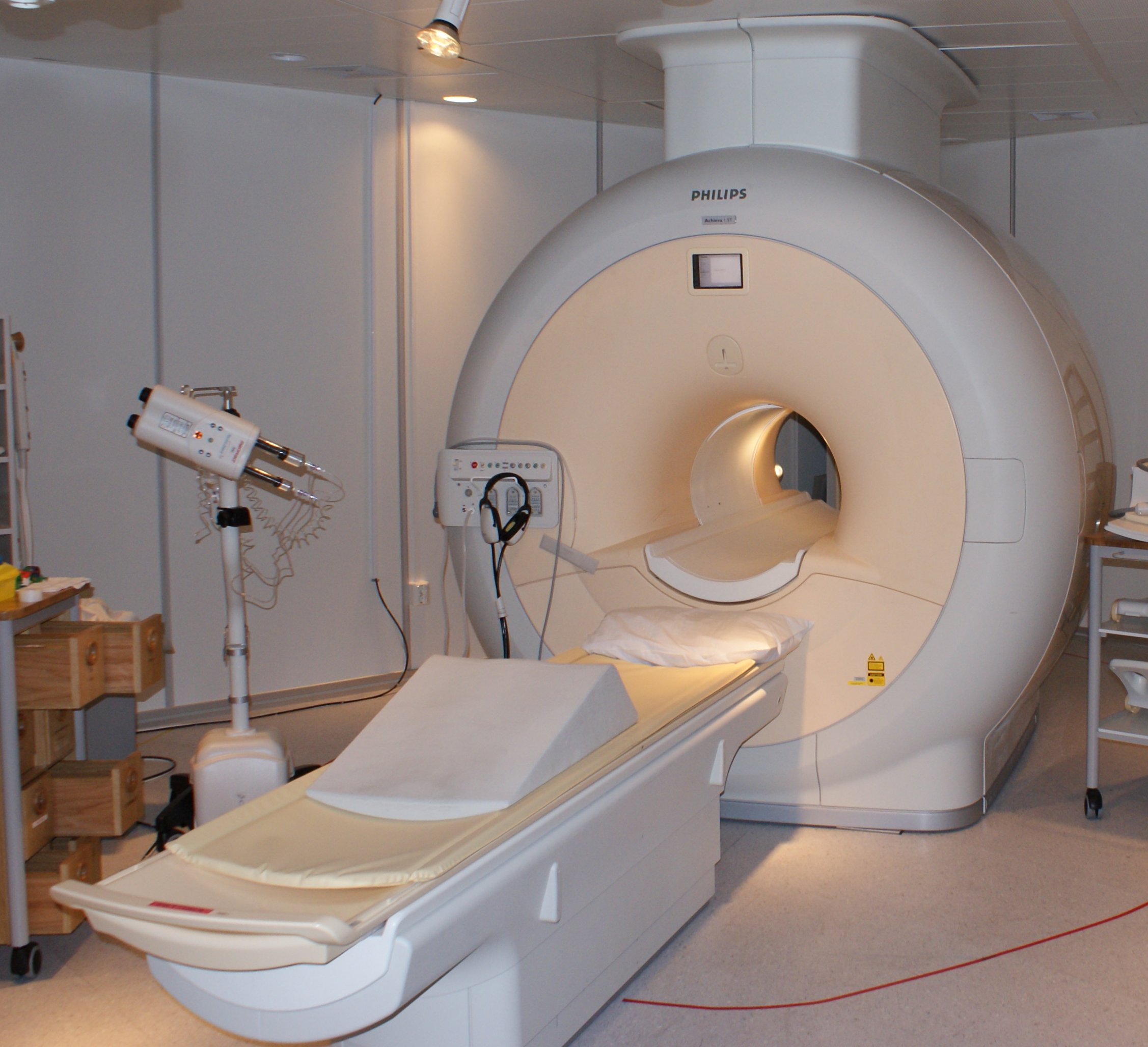
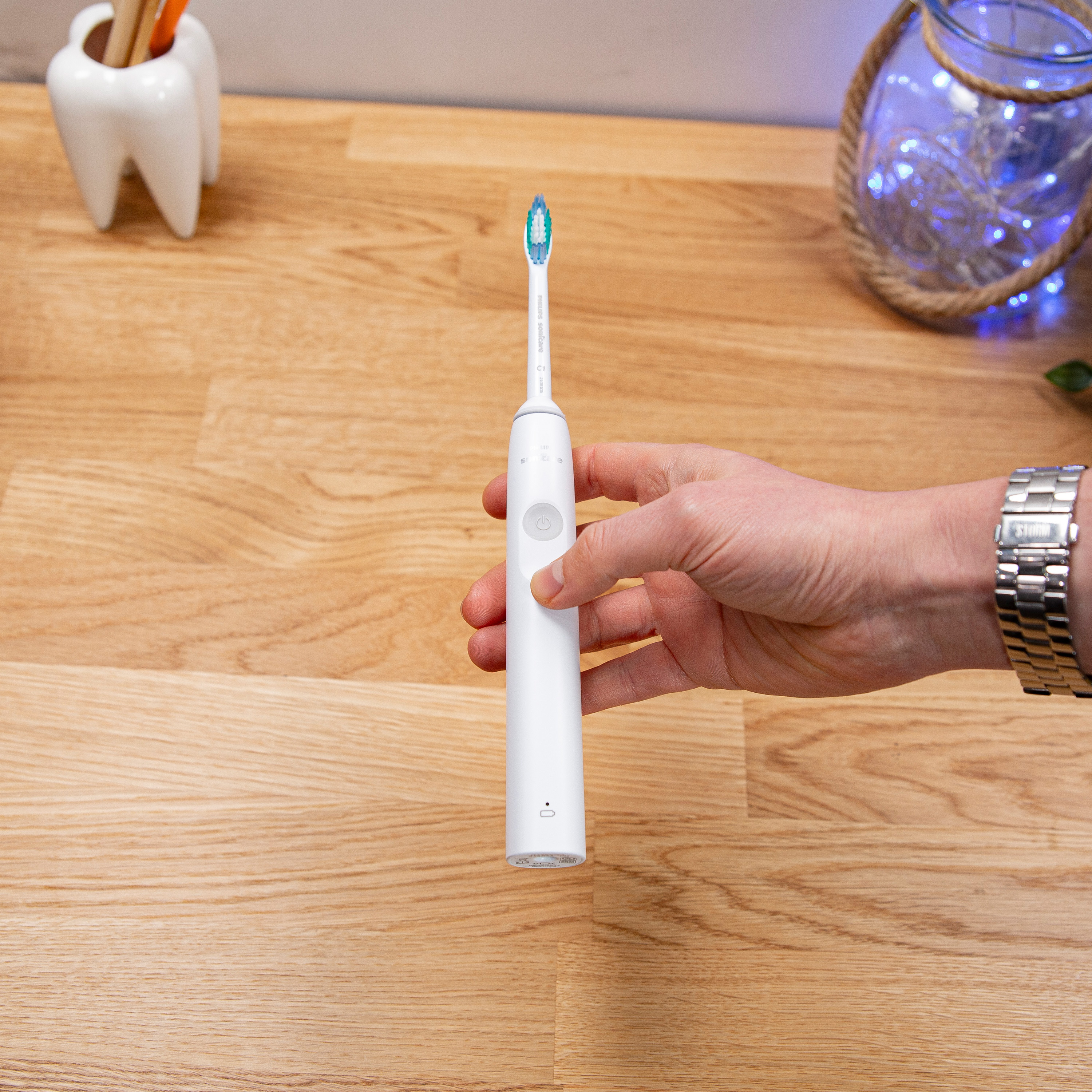
Today Philips is a health technology company. It makes the MRI scanner that photographs your brain, the monitor that watches your heartbeat in the ICU, the ultrasound that shows expecting parents their baby - and, yes, the Sonicare toothbrush on your bathroom shelf. In 2025 it reported roughly EUR 17.8 billion in group sales and employed about 64,800 people across more than 100 countries. It is one of a handful of companies that can outfit an entire hospital and also sell you a $200 electric shaver.
01 / WHAT IT DOESA hospital in a catalogue, and a bathroom shelf
Philips organizes itself around the health continuum - the idea that care runs from healthy living and prevention through diagnosis, treatment and recovery at home. That framing sounds like a slide, but it maps to real product lines. On the hospital side there is Diagnosis & Treatment: MRI, CT, X-ray, ultrasound, and the image-guided therapy platform (Azurion) that surgeons use to thread catheters through arteries in a cath lab. There is Connected Care: patient monitors, informatics, and the sleep-and-respiratory business. And there is Personal Health: Sonicare, the Avent mother-and-child range, shavers and grooming.
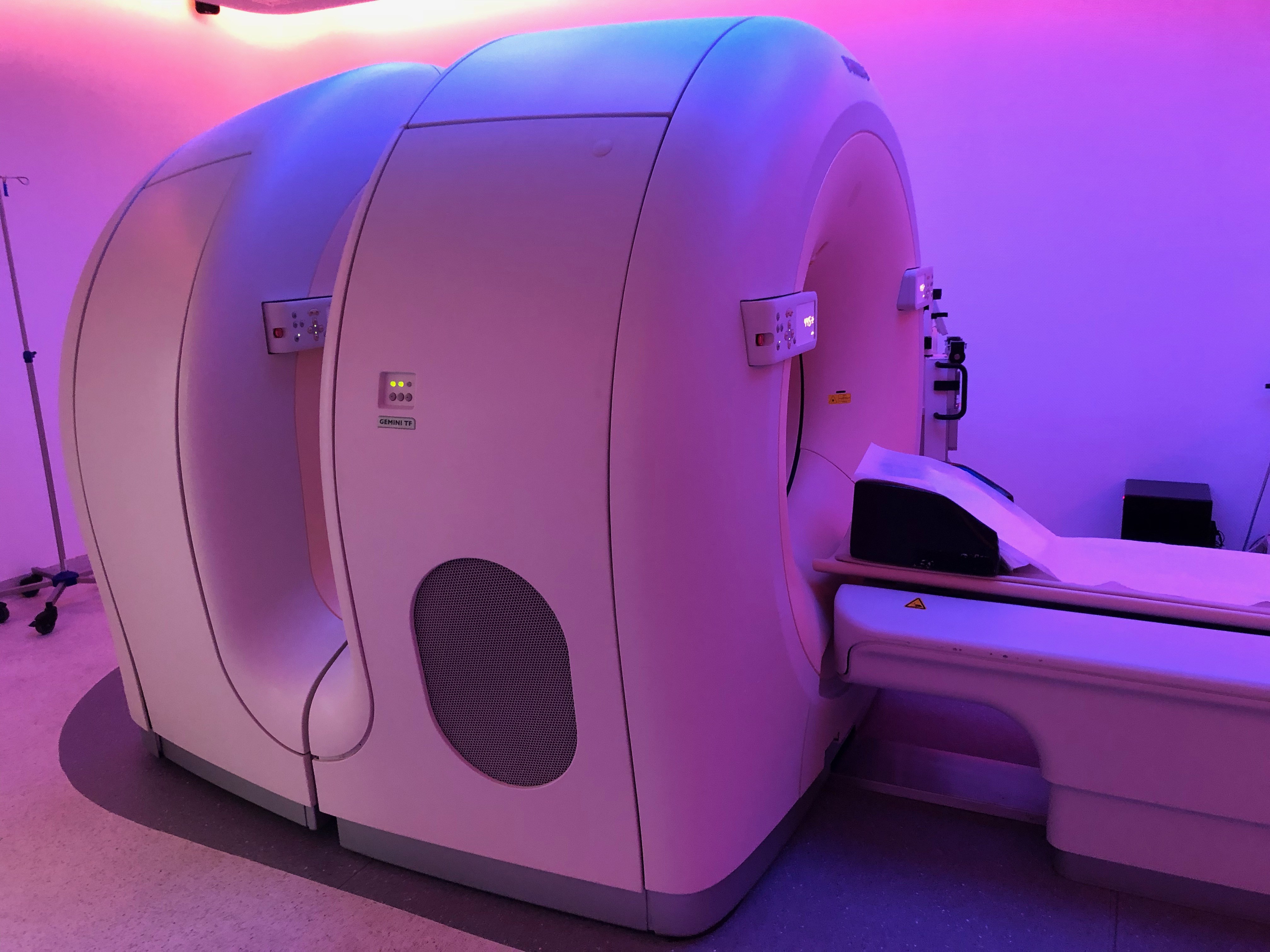
The through-line is diagnosis. Philips wants to be the company that tells you what's wrong - whether that's a spectral CT reconstructing tissue in software, an AI-assisted ultrasound, or a bedside monitor flagging a heart rhythm before a nurse can. It is a business built on turning bodies into data, and then making that data legible.
02 / THE CUSTOMERSTwo audiences that have nothing in common
Philips sells to two worlds that rarely meet. One is procurement committees at hospitals and health systems - the people who sign eight-figure orders for imaging suites and multi-year service contracts, and who care about uptime, throughput and total cost of ownership. The other is you, in a drugstore aisle, deciding whether the toothbrush is worth it. Governments and radiology and cardiology departments sit on the first side; hundreds of millions of households sit on the second.
03 / THE PROBLEMCare that costs too much for too few
The problem Philips claims to solve is the one every health system shares: better care, for more people, at lower cost. Imaging catches disease earlier. Monitoring keeps patients safe with fewer staff. Informatics stops a scan from being read three times. In underserved markets, the separately run Philips Foundation reported enabling access to healthcare for 69 million people in 2025 - a number the company likes to cite because access is, increasingly, the product.
What you can actually do with Philips
- See inside a body without cutting it open - MRI, CT, ultrasound, X-ray.
- Fix a heart through a pinhole - image-guided therapy in the cath lab.
- Watch a patient from the ICU to the general ward and beyond the bedside.
- Sleep and breathe - CPAP and respiratory therapy at home.
- Brush, shave, feed a baby - the personal-health range you meet at retail.
04 / THE BETThe most ruthless corporate diet in Europe
Here is the part worth stealing. Most companies cling to their cash cows until the market pries them loose. Philips did the opposite - repeatedly. It exited semiconductors. It spun off its lighting business, which became Signify. It walked away from televisions and audio, licensing the brand rather than making the sets. It sold domestic appliances. Each of those was a business Philips had once dominated. It sold them anyway, to fund a single bet: that health technology was the durable, high-margin future and everything else was a distraction.
05 / WHAT FAILED FIRSTThe recall that tested the whole strategy
Focus has a downside: when your remaining businesses stumble, there is nowhere to hide. In 2021 Philips recalled millions of Respironics sleep-apnea and ventilator devices over concerns about the sound-abatement foam inside them. It became one of the largest medical-device recalls on record. It brought years of remediation, regulatory scrutiny and major settlements, and it landed on a company that had just staked its identity on being trustworthy with people's health. The share price fell hard. The credibility hit was worse.
What changed after that is instructive. Roy Jakobs stepped in as CEO in 2022 and ran the recovery playbook in the open: settle, restructure, simplify the portfolio, replace what wasn't working, and - crucially - keep shipping. By the 2025 results, comparable sales growth had returned to positive territory and the adjusted EBITA margin had improved to 12.3%. The company guided toward accelerating, mid-single-digit growth. It is not a victory lap. It is a company that took its worst year and did not fold.
06 / THE BUSINESS MODELMachines, subscriptions, and toothbrushes
Philips makes money three ways, and the mix is the point. First, capital equipment: the big imaging systems and cath-lab platforms hospitals buy outright. Second - and increasingly the interesting part - recurring revenue: software, service contracts, consumables and multi-year managed-equipment agreements that turn a one-time sale into a decade-long relationship. Third, consumer: Sonicare, Avent and grooming sold direct and through retail, a steadier cash engine with none of the procurement drama.
Segment shares are approximate and shown to illustrate the mix, not to report exact figures.
07 / THE COMPETITIONThe imaging arms race
Philips does not have the market to itself. In imaging and monitoring it goes head to head with GE HealthCare and Siemens Healthineers - the other two members of the big three - plus Canon Medical. In parts of image-guided therapy it brushes up against Medtronic and Abbott. In sleep and respiratory care, ResMed is the rival. And in the bathroom, its Sonicare line fights Procter & Gamble's Oral-B and Braun for the same molars. The differentiator Philips leans on is the combination: an installed base of machines, the software that ties them together, and the service relationship that keeps them running.
08 / WHERE IT FITSAn incumbent that still ships world-firsts
The most surprising thing about a 134-year-old company is that it still puts out world-firsts. At the RSNA radiology meeting, Philips showed the first helium-free 3.0T BlueSeal MR magnet, a detector-based spectral CT (Verida) it describes as fully powered by AI, and a next-generation Vue PACS with a zero-footprint, web-based viewer. In early 2026 it completed the SpectraWAVE acquisition to deepen its coronary imaging portfolio, and it opened up its patient-monitoring ecosystem so outside partners can plug in and follow patients beyond the bedside.
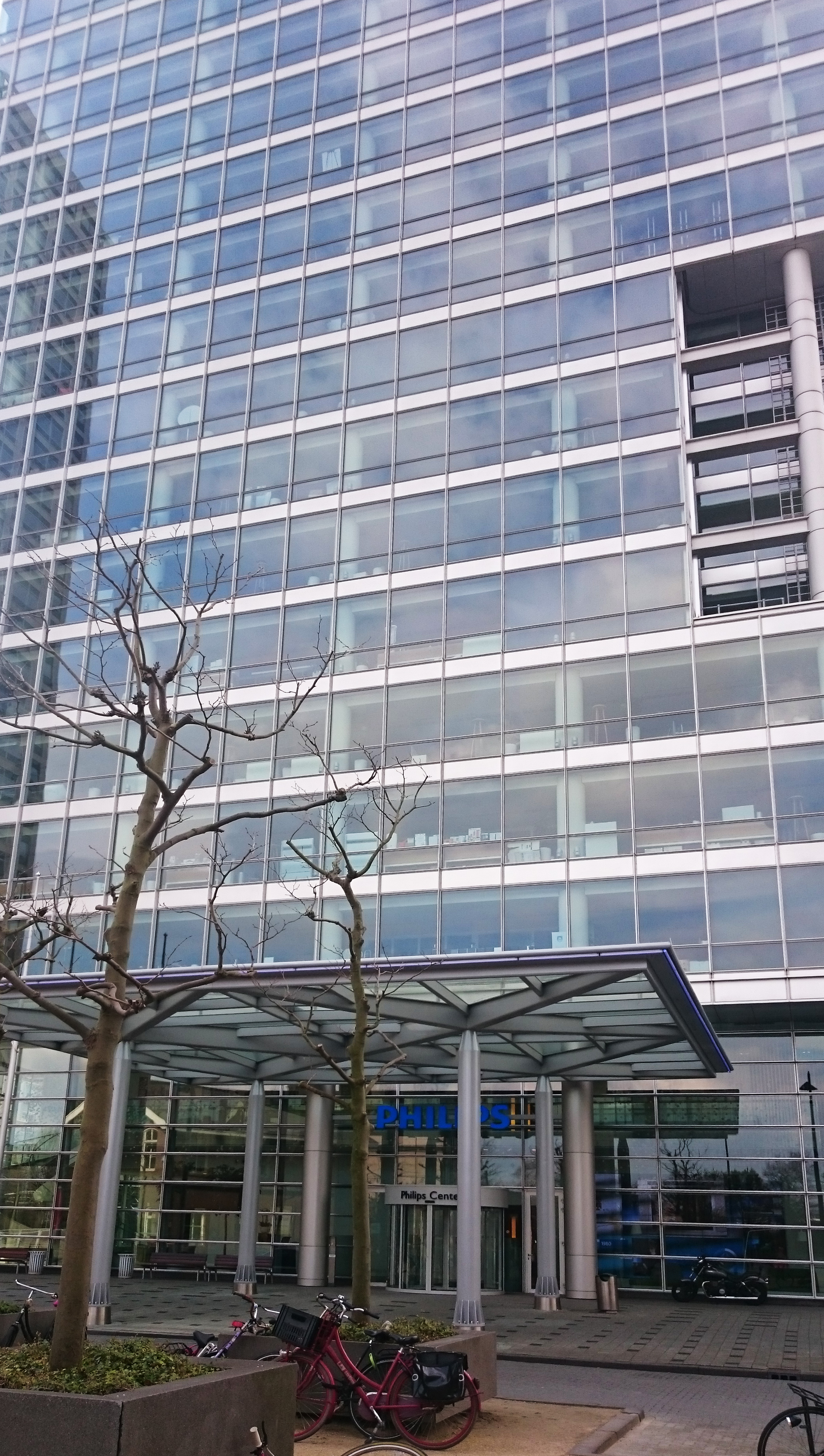
Where does it fit in the market? Philips sits at the center of a slow, structural shift: aging populations, staff shortages, and health systems that need to do more with less. Its answer is diagnosis plus data plus service - the unglamorous infrastructure of modern medicine. It is not the flashiest company in health tech. It is one of the few that has been reinventing itself for long enough to make you wonder what it will be in another 30 years.