medical-imaging
(90)
The Company That Watches the Drug and Runs the Trial
Perceptive can trace a molecule in a scanner, standardize images across hundreds of hospitals, and keep the right study drug moving to the right patient. Its wager is that the handoffs between those jobs matter as much as the jobs themselves.

CapeStart's Real Product Is the Last Mile of Enterprise AI
Most AI projects do not die in the demo. They stall in the unglamorous stretch between a clever model and a system that regulated teams can trust. CapeStart has built a 600-plus-person business around crossing that gap.

CitiusTech Bet Everything on Healthcare. Now It Has to Make AI Behave.
For two decades, CitiusTech refused to become a general-purpose IT shop. That stubborn focus built a valuable healthcare specialist - and now gives it a credible shot at making enterprise AI survive contact with clinical reality.

Kevin Quennesson Has Spent 20 Years Teaching Machines to See
Before Braid Health, there was a camera that remembered movement, an Apple graphics engine, a beloved photo startup that failed in public, and Twitter’s AI lab. The connecting thread is an engineer’s stubborn question: how can software make an image easier to understand?

David Specht Waited for the Chips to Catch Up
A former Air Force pilot spent nearly two decades helping turn his father’s telescope insight into a new kind of ultrasound. The useful lesson is less about inspiration than patience: some ideas have to wait for computing power, regulators and the market to arrive.

Lucas Takahashi Bet on the Space Between an Order and an Answer
The Medmo co-founder turned a stubborn trail of phone calls, faxes and missing follow-ups into a coordination business. His route there runs through finance, a discarded mail idea, and the cool concentration of a junior skeet champion.

Pelu Tran Left the White Coat for the Last Mile of AI
Four months from a Stanford MD, Pelu Tran chose a startup over a diploma. Two companies later, he is still working on the same stubborn problem: getting useful technology into the hands of clinicians without making their work harder.

Sandeep Akkaraju Put Ultrasound on Silicon. The Bigger Idea Is Where It Can Go.
A backpacking year in West Africa gave a semiconductor entrepreneur a more demanding brief: build technology that travels. At Exo, Sandeep Akkaraju has spent a decade turning that conviction into a pocket-sized imaging system.

Alex Zimmerman Is Making Brain Chemistry Legible
An engineer met a spectroscopy scientist in a hospital brainstorm. A decade later, their software is turning unruly signals into something clinicians and researchers can read.
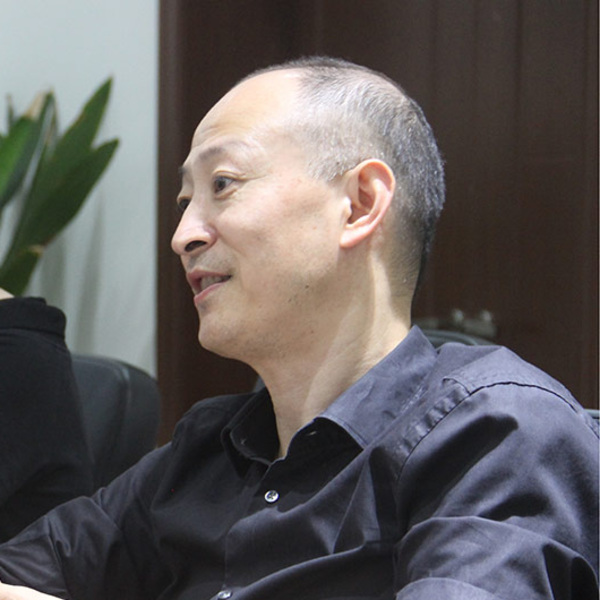
Zhengrong Ying Spent a Career Seeing Inside Things. Then He Built a Company Around the View.
From a prize-winning computer-vision poster in Boston to a CT company in Suzhou, Zhengrong Ying’s career is a study in one patient idea: better images can change what people are able to see, decide and build.

John Steidley Left the CT Scanner for the Kitchen Table
After three decades around medical-imaging machines, the engineer and Philips executive built his second act around a humbler diagnostic problem: helping an HVAC contractor explain a five-figure decision at a homeowner’s kitchen table.
MAUI Imaging Waited 17 Years for Chips to Catch Up. Now It Wants Ultrasound to See What It Used to Miss.
A father-son garage project spent nearly two decades turning telescope logic into a portable ultrasound system. The first serious proof is in, but the most interesting claims still have to survive larger clinical trials.

Videa Put AI in the Dentist’s Chair. The Real Product Is Trust.
Dentists do not need another dashboard blinking in the corner. Videa’s bet is that AI wins only when it slips into the X-ray, the patient conversation and the paperwork already on the schedule.

The Company That Turned Video Games Into a Cancer Lab
An Allen, Texas company spent years convincing gamers that tracing a line in Minecraft could help fight cancer. Then it had to figure out how to get paid for it.

InsiteOne Put Medical Images in the Cloud Before the Cloud Had a Name
The Connecticut company bet on off-site medical-image archiving in 1999, survived two giant owners, then returned with a broader plan: make radiology data portable, resilient and useful without forcing hospitals into another proprietary corner.

Gestalt Spent Eight Years Building the Boring Layer of Pathology - Now AI Has Somewhere Useful to Work
Most pathology AI companies sell the clever answer. Gestalt sells the place where the slide, the case, the pathologist and competing algorithms can finally meet - a workflow-first bet backed by a $7.5 million Series A.

Canon U.S.A. Sells You a Camera. It Also Prints Your Office, Scans Your Chest, and Etches the Chips in Your Phone.
Everyone knows the red logo from the camera strap. Almost nobody knows Canon also builds hospital scanners, factory-floor optics, and chip-making machines - and files more U.S. patents than almost anyone. Here is the whole company behind the shutter.

Philips Bet the Whole Company on Hospitals - Then a CPAP Recall Almost Broke It
It made light bulbs, then TVs, then the CT scanner in your local hospital. The story of how a Dutch electronics giant reinvented itself as a pure health-tech company - and nearly lost the bet.
Hospitals Bought the AI. Ferrum Health Is Selling the Part That Makes It Work.
Clinical algorithms were multiplying while hospital adoption stayed stuck. Ferrum built the missing last mile - one private route to deploy many models, test them on local patients, and keep watching after launch.

The MRI Wasn't Broken. The Referral Was.
Medmo built a business around the least glamorous part of radiology: everything between a doctor's order and a usable result. After more than one million patient journeys, that connective tissue became valuable enough to reshape the company.

The Ultrasound Machine Wants to Become a Stethoscope
Exo squeezed three ultrasound probes, real-time AI and the paperwork of a hospital imaging program into one pocket-sized system. The harder trick is making bedside scanning routine rather than exceptional.

The MRI Already Has a Chemistry Lab. BrainSpec Wants Doctors to Use It
Most MRI scans show anatomy. BrainSpec reads the chemical signals hiding in the same machine - and turns an expert-only technique into a report designed for clinical use.
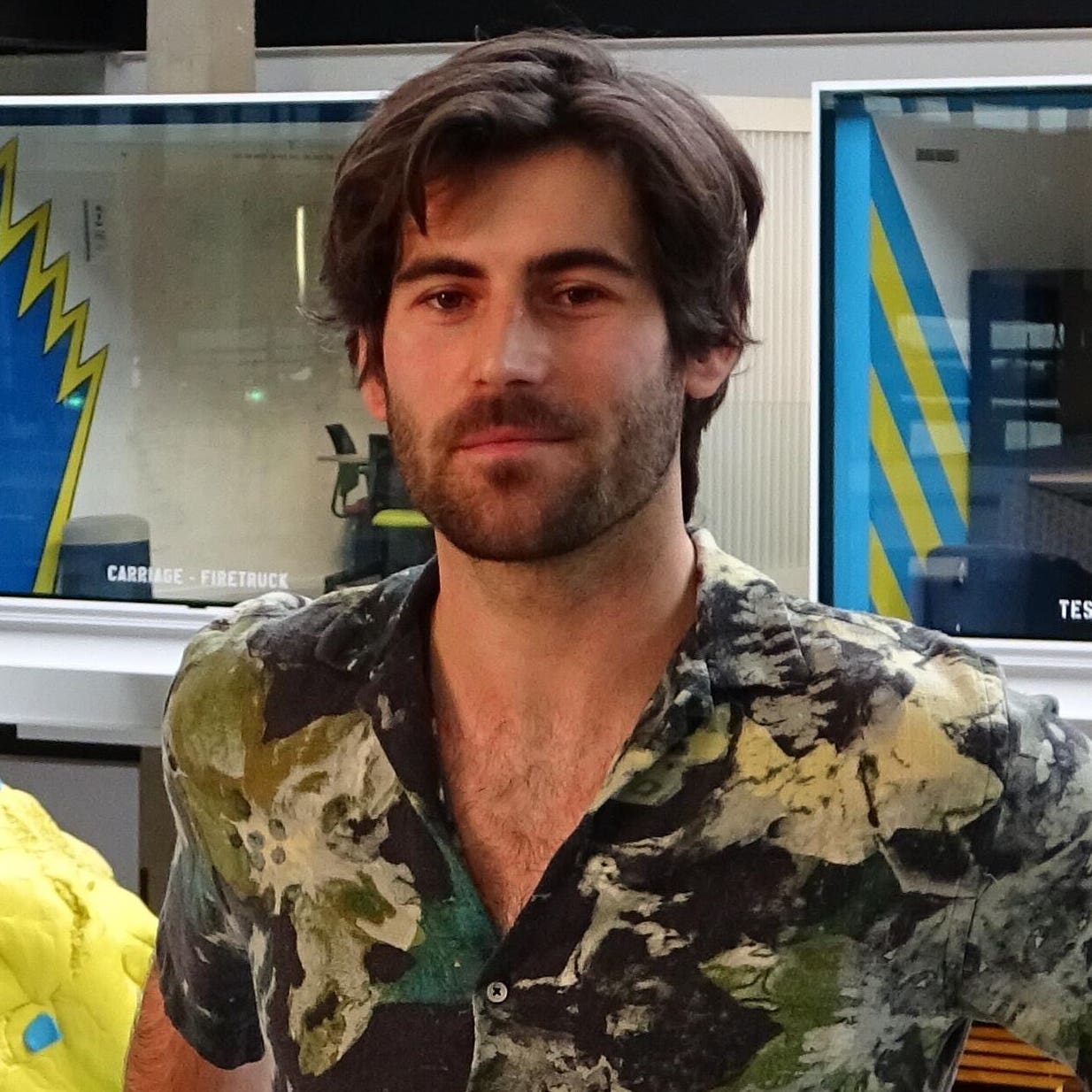
Evan Kervella Is Taking MRI Out of the Basement
A failed first startup taught Evan Kervella to rebuild his circumstances. Now he is pairing quantum sensors, software and patient hardware in a long campaign to make MRI easier to place where people already receive care.

Daniel Hawkins Is Building the MRI Department a Bigger Door
After helping turn surgical robotics, intravascular lithotripsy and operating-room telepresence into working markets, Daniel Hawkins has chosen a quieter bottleneck: the MRI scanner itself. His method is consistent - find the constraint, simplify the experience, and build until adoption feels natural.

Aegis Ventures Is Building Startups Inside Healthcare's Front Door
The New York venture studio has turned 14 health systems into a company-building network - giving young healthcare AI businesses something money alone cannot buy: trust, workflow access and a credible first customer.

The New York Fund That Bet on Robots Before the Robots Could Walk
Parkway keeps a short list of bets and a long memory of building companies. That combination led a New York firm of about 15 people to the front of the humanoid-robot and quantum-computing races.
The Person Selling Certainty in a Business Built on Doubt
A marketing job at a company whose products live or die on trust, sold to buyers who read the footnotes. Here is what that work looks like from the inside.
GE HealthCare
The 130-year medical-technology lineage is no longer selling scanners alone. Its bet is that imaging hardware, diagnostic drugs, cloud software and AI can work as one connected care system - without asking clinicians to become IT departments.
Siemens Healthineers
Its scanners see disease, its lab systems measure it, and its therapy platforms help treat it. Siemens Healthineers has quietly assembled one of healthcare's broadest portfolios - and a business model designed to remain in the hospital long after the machine arrives.
Tri Vu
Tri Vu is the co-founder and CEO of Lumius, a Durham, North Carolina medical imaging startup building fast, smart, accessible 3D ultrasound - what the team calls a 3D camera for the body. A Duke-trained biomedical engineer with a doctorate in ultrasound and photoacoustic imaging and more than 1,900 research citations, Vu left an academic track to turn a decade of imaging research into a device clinicians actually want to pick up. Lumius went through Y Combinator's Spring 2026 batch and is starting with vascular access, where roughly half of first attempts fail.