customer-service
(168)
Pegasystems knows the next move
A chess master built Pega to make business decisions executable. Four decades later, its wager is that AI needs a workflow before it needs more freedom.

Puneet Mehta and the case for a quieter machine
Before Netomi, Puneet Mehta built trading systems and an app for navigating New York. His next wager is that useful AI should leave customers with fewer reasons to ask for help.
Chewy sells the second order.
The first bag of dog food is a sale. The next hundred are a business. Chewy built around that difference - then followed its customers into the vet’s office.
Daniel Julien and the ten lines that went around the world
His childhood hero was Marco Polo. With ten telephone lines in Paris, Daniel Julien began a business that would take him across the world - and keep him at TP for nearly five decades.
James F. Beré Jr. and the business behind the familiar voice
He built Ameritel, sold it, and started again with Alta Resources. Three decades later, Jim Beré’s work turns on a question that grows harder with scale: how do you help thousands of people speak for somebody else?

Tom Hyde and the Fine Print of Getting Bigger
Tom Hyde co-founded ProCare LTC with Paul Meyeroff in 2007. As the business grew into the organization now known as Clarest Health, his recurring concern was how to expand without losing the service that made customers choose it.
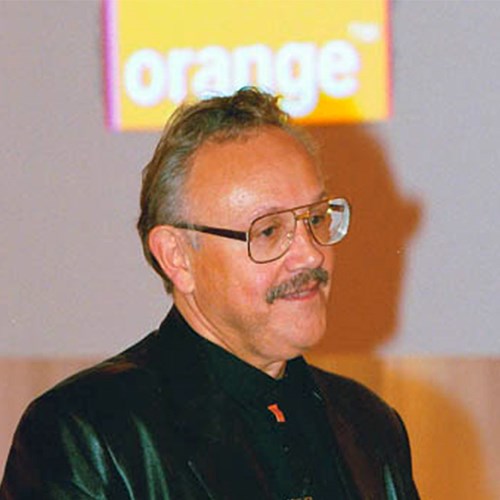
Hans Snook and the advantage of changing your mind
He doubted the name Orange, then helped persuade Britain to put it in its pocket. Hans Snook’s unlikely route from hotels to mobile phones offers a lesson in conviction - and knowing when to revise it.
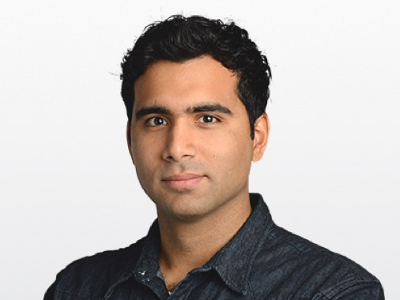
Timoor Taufig and the small question that became a company
An online cosmetics shop gave Timoor Taufig a reason to rethink customer service. From Userlike to sports fundraising, his work keeps returning to a practical question: how do you make it easier for people to take part?

John Gibson and the business of showing up
Before John Gibson became Paychex’s fourth CEO, he spent years running the part of the company customers call when something needs fixing. His bet on combining software with human advice now reaches from a $4.1 billion acquisition to the details of payday.

Padraig McDonnell and the value of showing up
Before he became Agilent’s CEO, Padraig McDonnell spent evenings on the roads of Ireland helping customers. His next assignment is to make a global company work with that same sense of proximity.
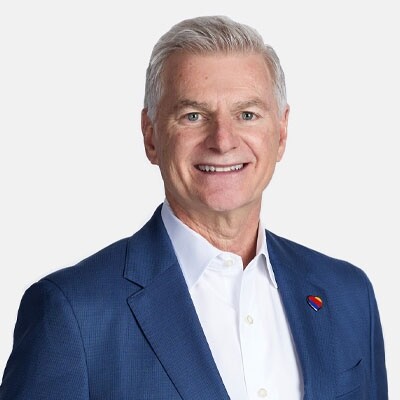
Bob Jordan and the price of keeping a promise
He joined Southwest as a programmer in 1988. Now Bob Jordan is changing the airline he grew up in, testing how much a company can alter its habits while keeping its character.
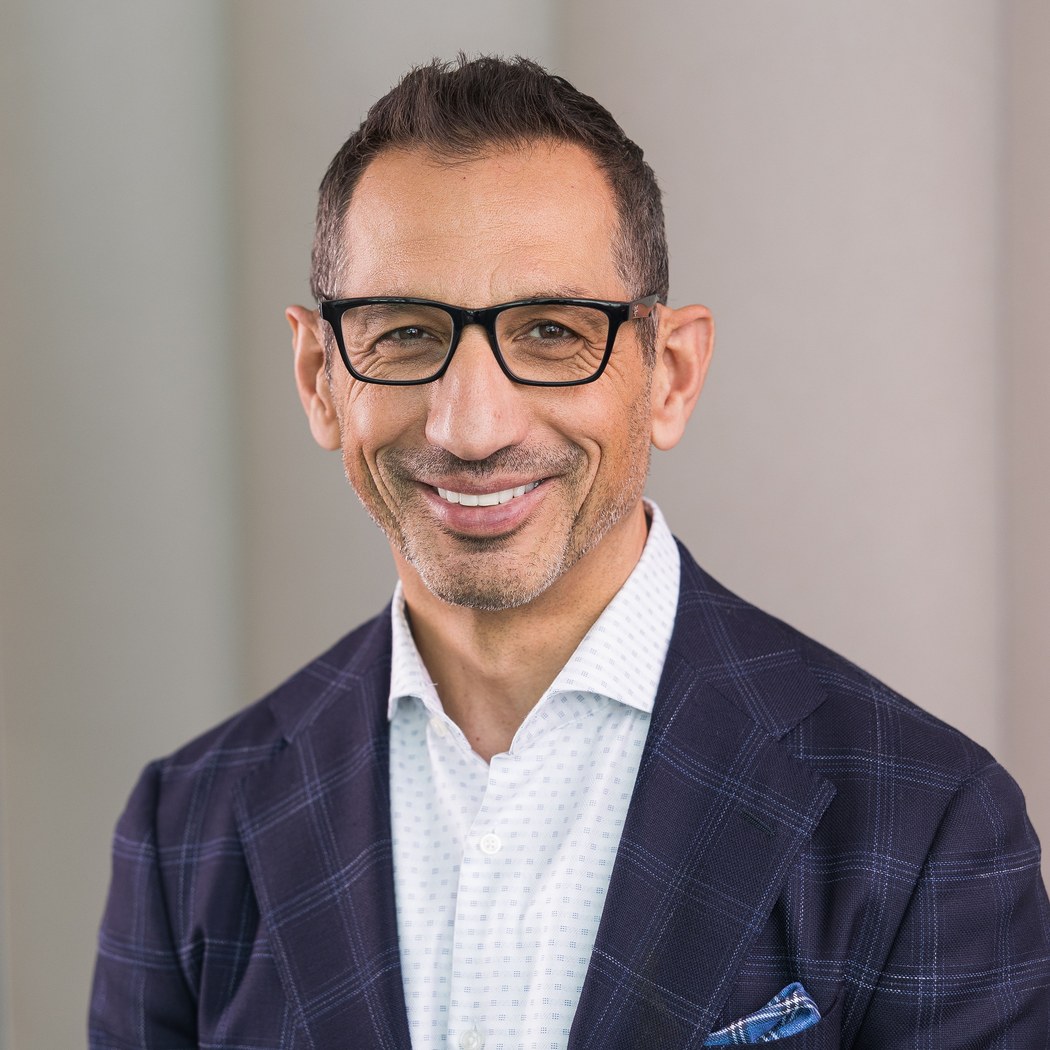
Ben Minicucci and the trouble with a perfect scorecard
He helped Alaska Airlines run on time, then confronted what his own system had missed. Now Ben Minicucci is taking the airline farther from home, with a lesson about the people who make it work.
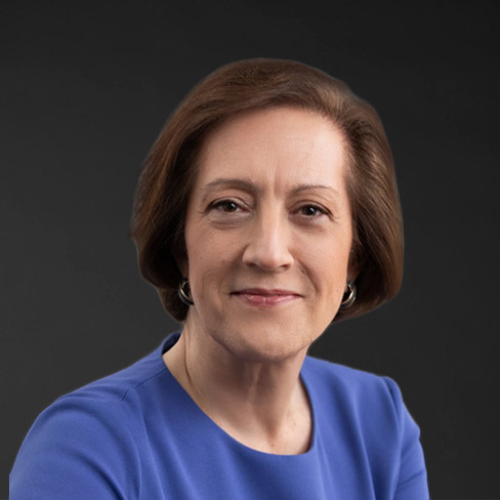
Judy Marks and the customer on the ground floor
Before she led Otis, Judy Marks worked behind the counter at her father’s department store. Four decades into an engineering career, she is still asking what it takes to keep a customer.

Oren Butansky and the art of starting at the bottom
After leading customer service at El Al, Oren Cohen Butansky joined AIG Israel as deputy CEO. His preferred introduction to a new industry involves the work its newest employees have to learn.

Mads Fosselius and the trouble with being a ticket
Before he co-founded Dixa, Mads Fosselius worked the phones. His long argument with customer-service software has taken him from the call-centre floor to the chairman’s seat.
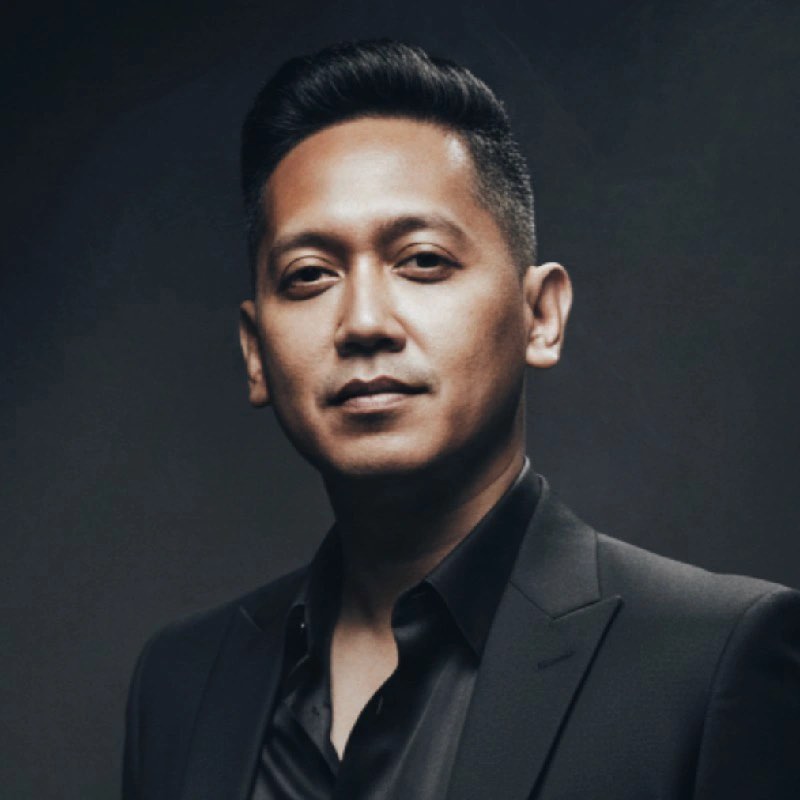
Ditto Anindita and the Customer Who Would Rather Chat
He made airline booking simpler. Customers kept asking questions anyway. Ditto Anindita built Botika around that stubborn preference, then followed the conversation from travel agents to railway stations and voice AI.

Michael Kansky and the price he almost corrected
A reviewer put the wrong price on Michael Kansky’s software. Leaving it alone became an early lesson in a career spent figuring out what customers actually need.
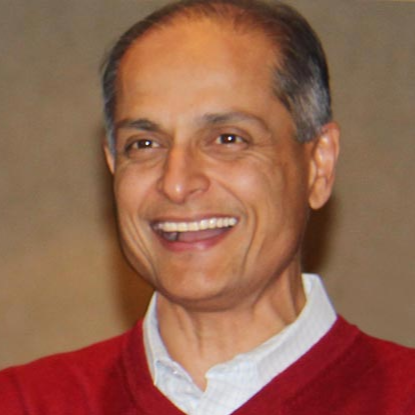
Ashutosh Roy and the Question That Wouldn’t Go Away
An overflowing inbox helped give eGain its start. Nearly three decades later, co-founder Ashutosh Roy is asking a harder version of the same question: how does a business give an answer people can trust?
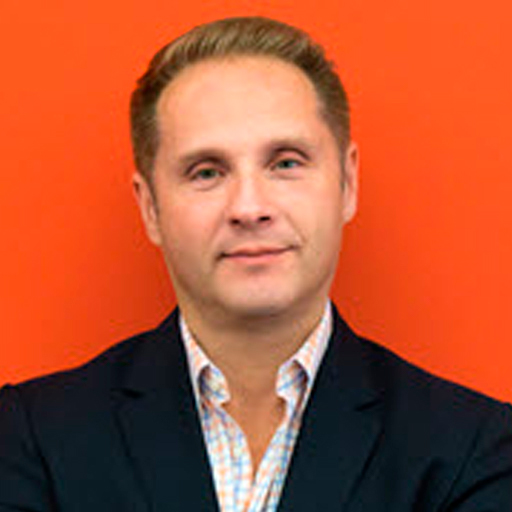
Alex Stein’s Case Against the Straight Line
From document imaging to AI-assisted case work, Eccentex founder Alex Stein has kept returning to the same problem: real work refuses to follow a tidy script. His answer starts with the people who have to finish it.
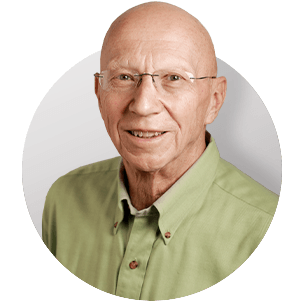
Bill Crutchfield and the Art of Explaining the Obvious
Bill Crutchfield nearly lost his car-stereo business because he knew too much about stereos. Learning what his customers didn’t know became the work of a lifetime.
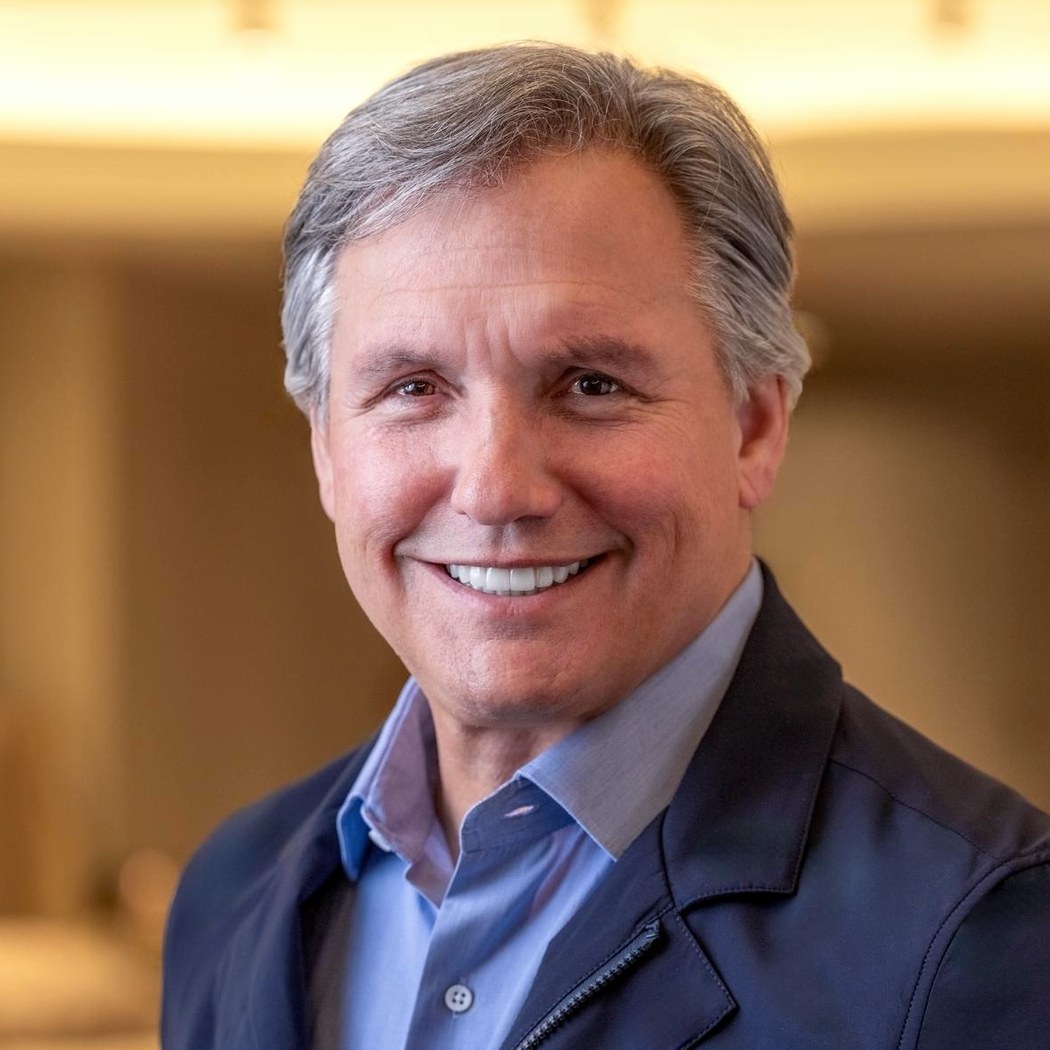
Ron Rudzin and the store that never quite closed
He helped build a 219-store furniture chain, then took the mattress business online. At Saatva, Ron Rudzin keeps finding new uses for an old retail skill: knowing when a customer needs a person.

Mike Murchison and the art of answering
Before building Ada, Mike Murchison and his co-founder joined seven customer service teams. The experience still shapes how he builds software, leads people and thinks about AI.

Kevin Gao and the art of doing less
He started Comm100 with six products, then put his resources behind one. Kevin Gao’s long pursuit of better customer conversations has depended on knowing when to narrow the job.
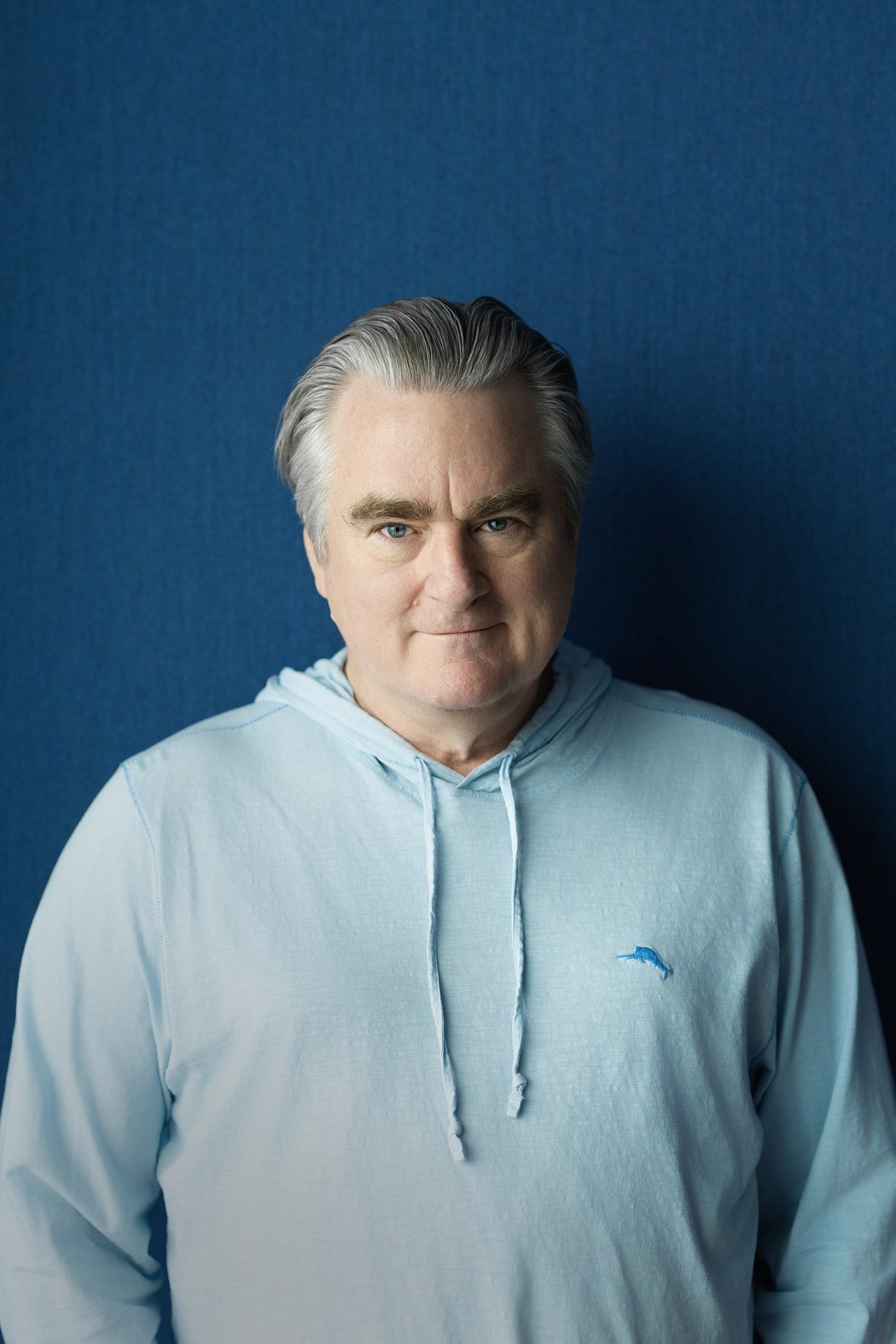
Paul English and the trouble with making things easy
At Kayak, he put a ringing red phone among the engineers. At Gumdrop, he is taking on the calendar. Paul English keeps returning to the same question: why should ordinary people have to work so hard to use the things we build?
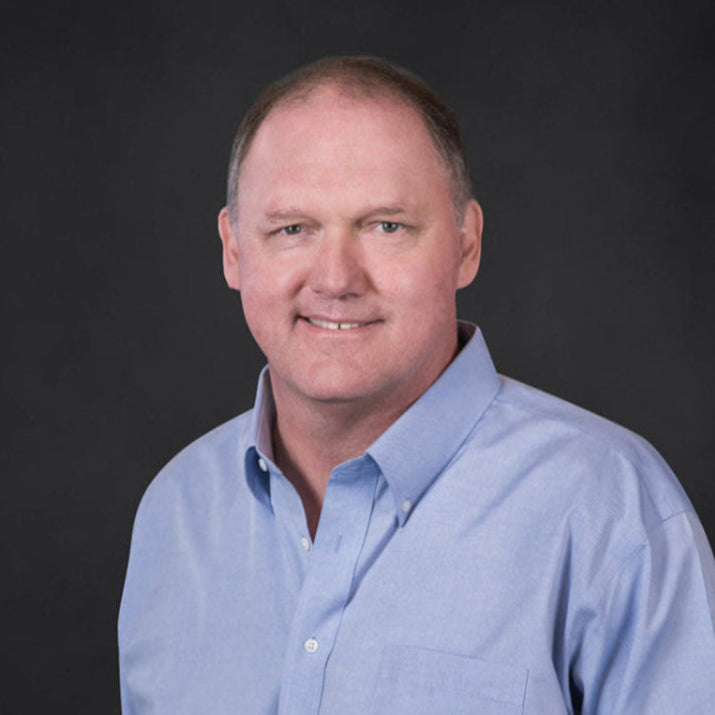
Dan Hawkins and the Extra Second at the Window
His mother named The Human Bean. With his wife and a high school friend, Dan Hawkins helped turn an Oregon coffee stand into a national franchise - while trying to keep the exchange at the window personal.
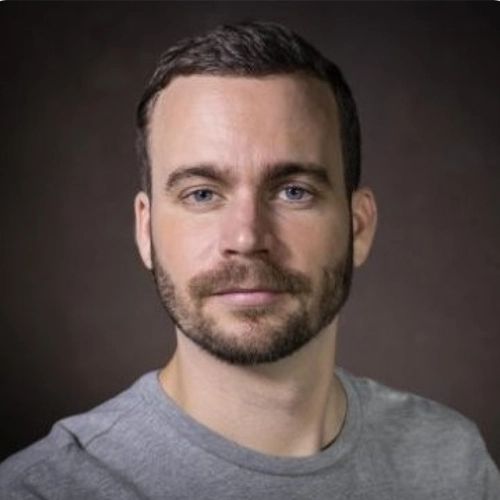
Cory Brown Would Like a Little More Criticism
At Pronto Marketing, Cory Brown wanted customers to tell him what was going wrong. That wish became Simplesat - and a career spent making feedback easier to give, harder to ignore, and occasionally rather fun.

Brad Birnbaum and the unfinished business of hello
He helped put customer support on the internet, sold companies to Salesforce and Meta, and kept coming back. For Kustomer co-founder Brad Birnbaum, the next chapter begins with a familiar question: does the business remember who is asking?
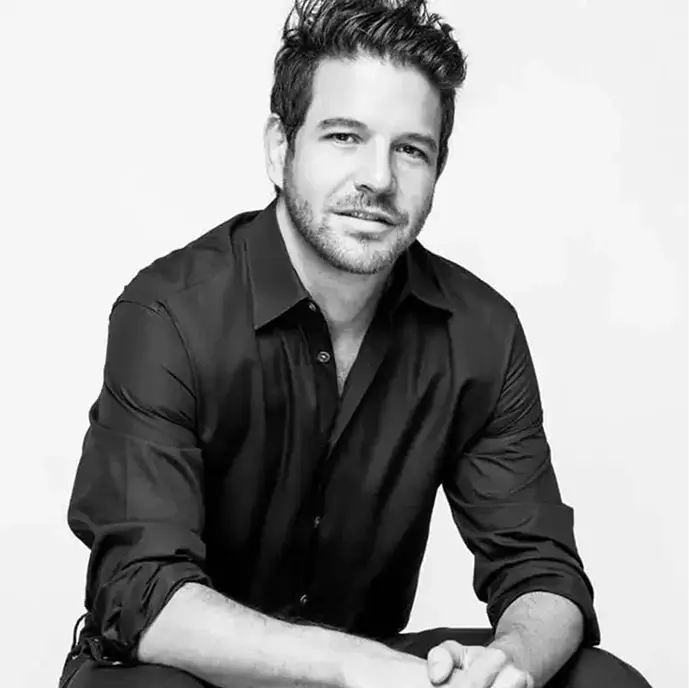
Richard Smullen and the business of getting dinner back
A flight change, a WhatsApp message to his sister, and a stubborn question about customer service. Richard Smullen has spent the years since building Pypestream around what happens after a customer asks for help.
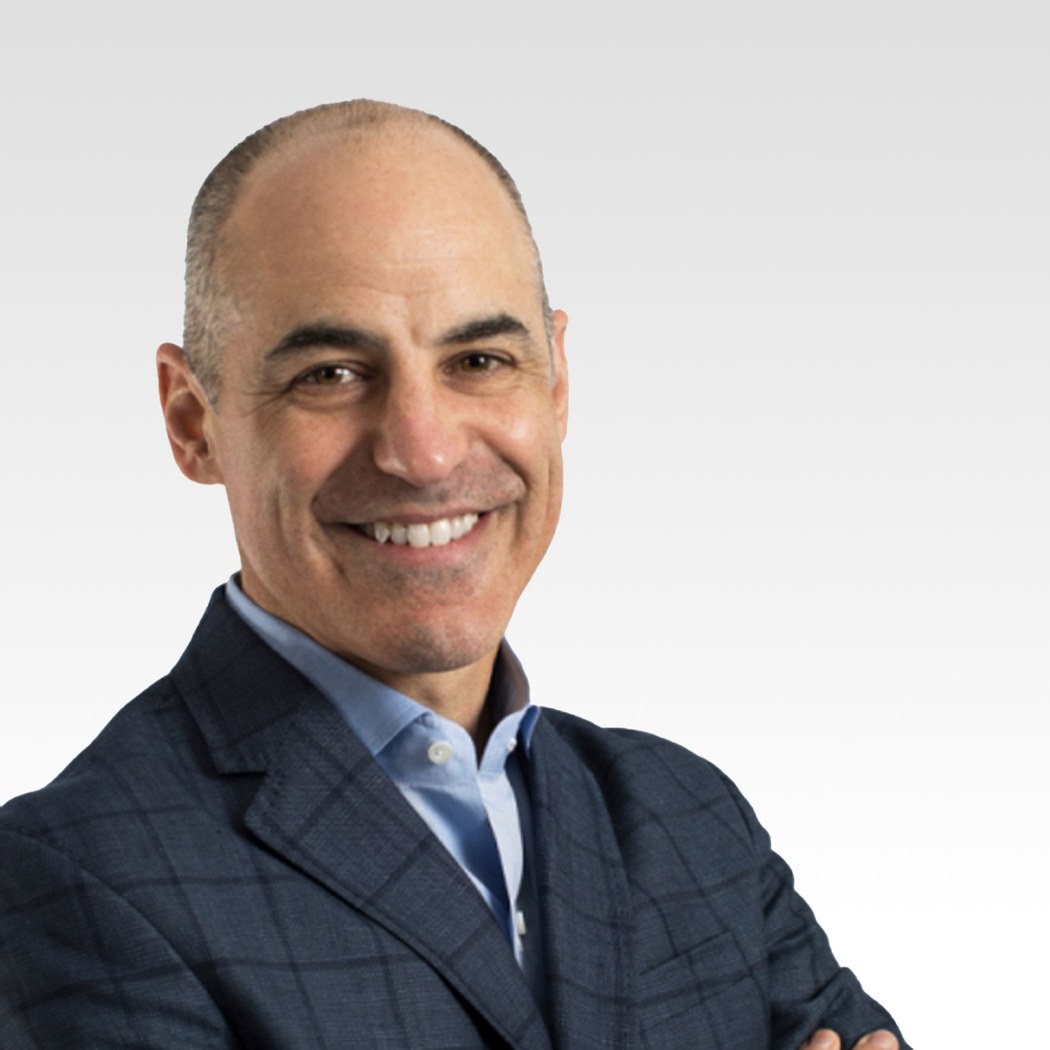
Joseph Ansanelli and the trouble with starting over
He built companies that reached Apple, the public markets and Symantec. At Gladly, Joseph Ansanelli returned to an old problem: why does a customer have to tell the same story twice?

Gustavo Sapoznik and the three-hour business opportunity
A miserable call to his cable company sent Gustavo Sapoznik looking at the other end of the line. At ASAPP, he built a business around the people, screens, and wasted minutes hidden inside customer service.