marketing-automation
(338)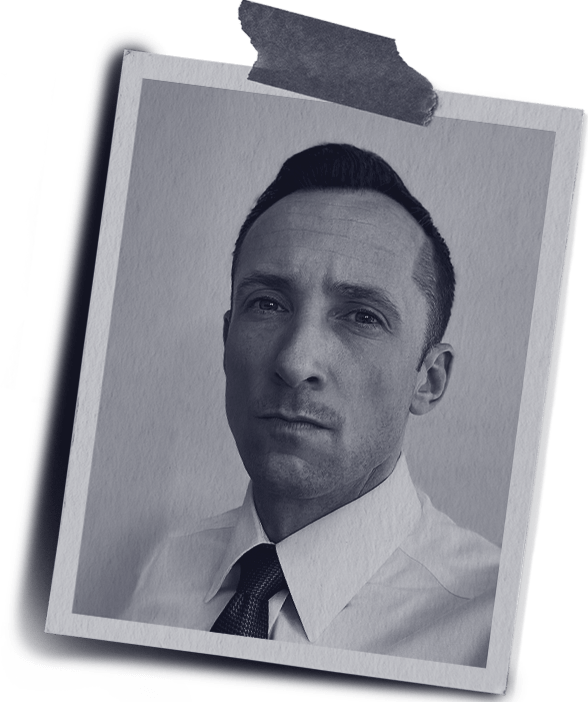
Evan Lamont and the business of getting people through the door
At 22, Evan Lamont handled personnel and accreditation for the U.S. Olympic trials in Long Beach. His career since then has followed a related problem: helping the right people find their way to a business.
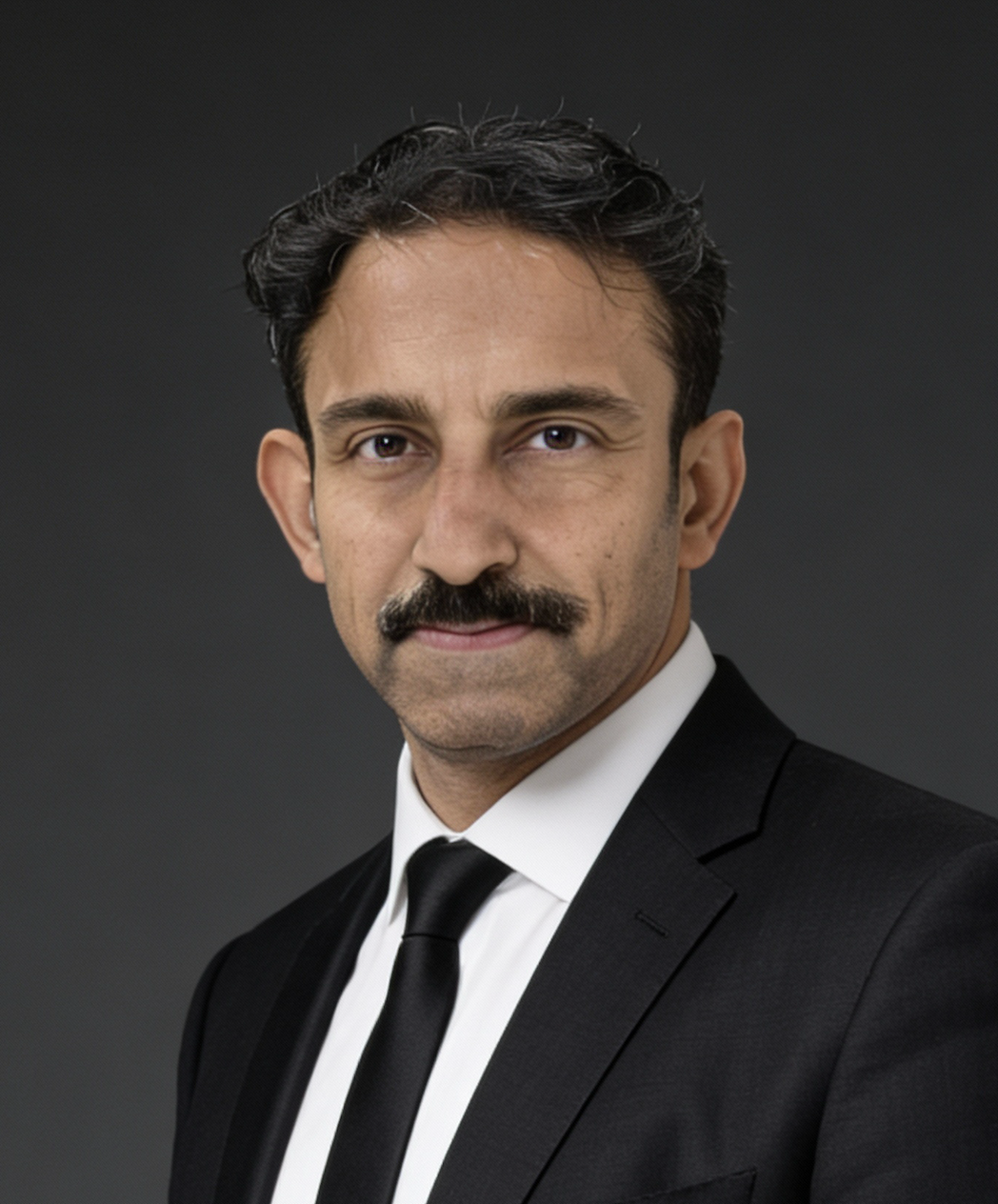
Alex Roy Rajan and the Art of Paying Attention
A ski instructor watched him fall and changed the lesson. The SalesboxAI founder wants business software to learn the same courtesy.

Peter Friis and the business hiding in the follow-up
Before PR Volt, Peter Friis had a shower product to sell. The work of getting people to notice it became a second business - and a continuing experiment in how much of publicity can be put into a system.

Leafbuyer figured out the second visit.
A cannabis deals directory grew into a toolkit for getting shoppers to come back. Leafbuyer’s story runs through loyalty points, the humble text message, and a business that outgrew its original public-company identity.
Carpe Diem Team sells a shorter wait
A remote workforce in Pakistan. A payment foothold in Dubai. Carpe Diem Team puts the unglamorous business of getting work moving at the center of its offer.

airSlate makes the paperwork move.
The signature is only one stop. airSlate built a business around everything that happens before it, after it, and while somebody is supposed to be looking for it.

SpotHopper gives restaurants their evenings back
The Milwaukee software company puts websites, promotions and guest follow-ups in one place. Its wager: independent restaurants need fewer marketing chores between them and the next full table.

Your car dealer has amnesia. Team Velocity has a fix.
The dealership already knows your car, your payments, and your service history. Team Velocity’s Apollo platform asks a useful question: why should its website make you start over?
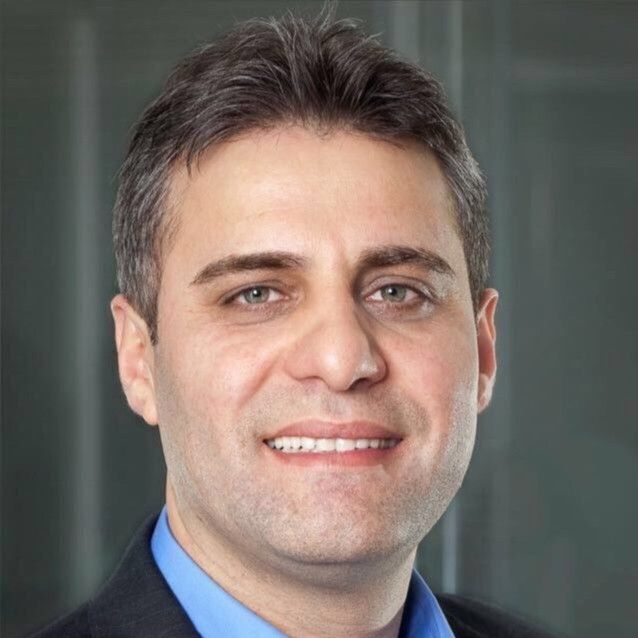
Aman Dotani and the art of knowing when to say nothing
After years in email marketing, Aman Dotani co-founded Dengage to bring customer data and action closer together. His argument for better technology begins with a surprisingly human skill: knowing when to leave someone alone.
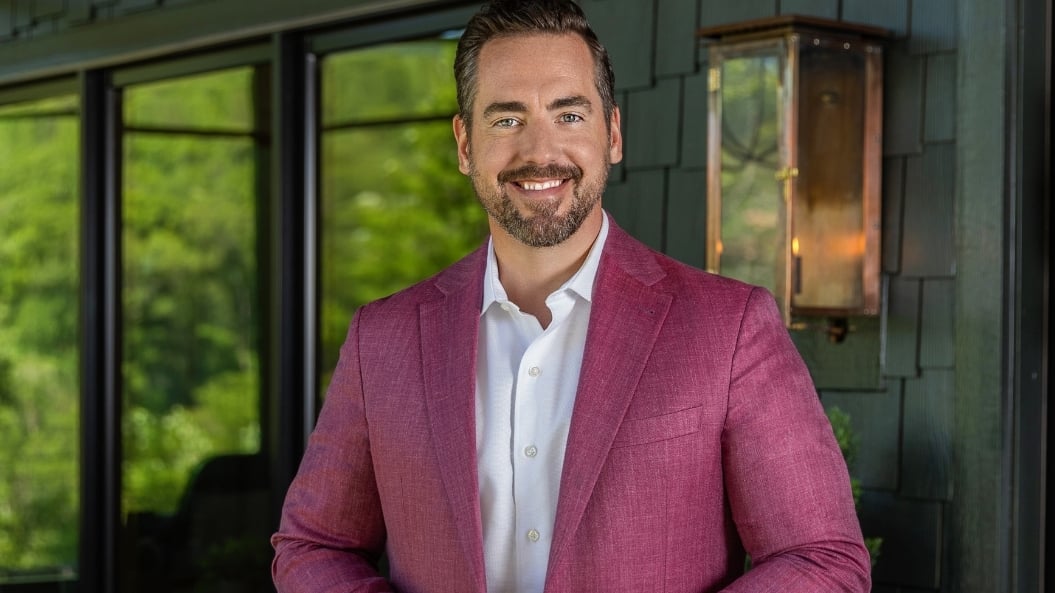
Robert J. Sofia and the Trouble with Blending In
He left automotive marketing for financial advice, then traded a consulting business for software. Along the way, Robert J. Sofia gave a serious industry a sea monster - and a persistent question about whether its marketing actually works.

Vishu Ramanathan and the $100 education
Before automating a broker’s marketing, Vishu Ramanathan did the work himself. The Buildout co-founder’s education in software kept turning into an education in people.
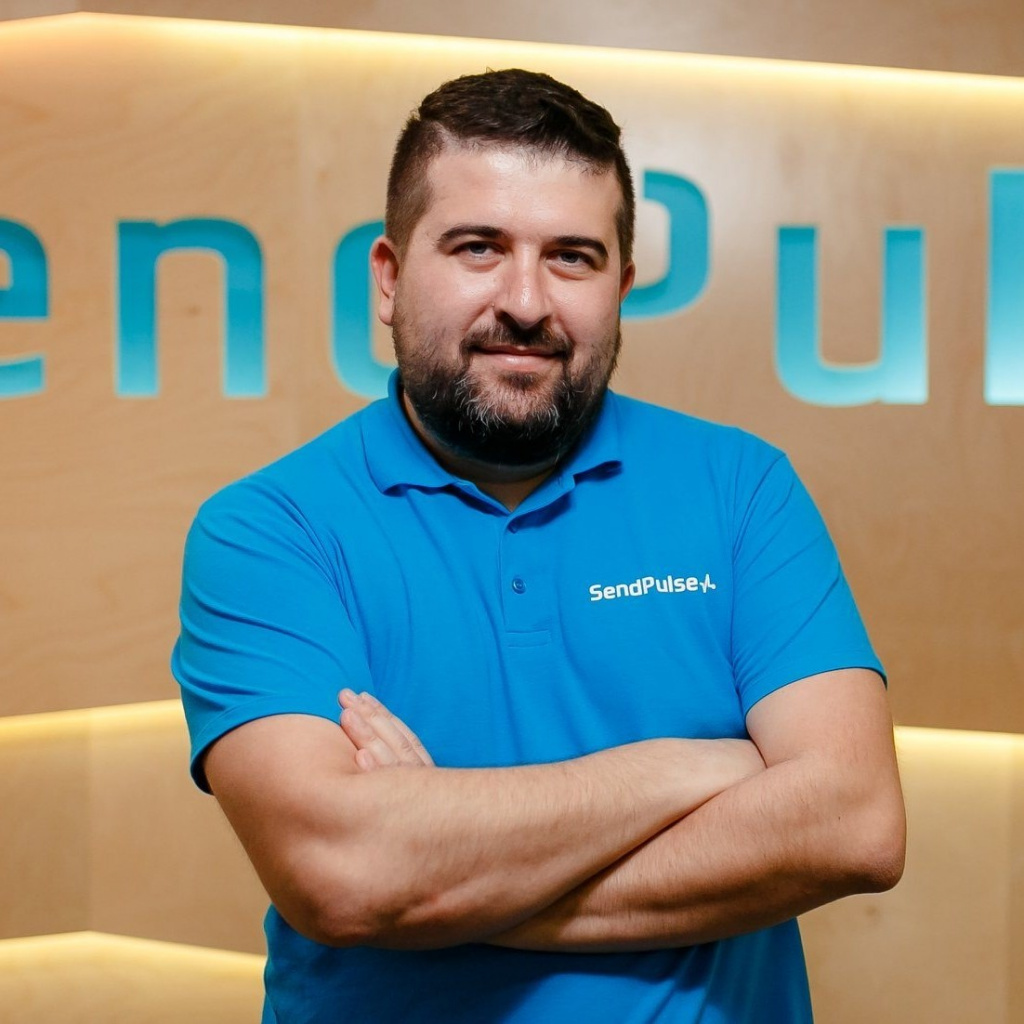
Kostyantyn Makarov’s $100,000 change of course
Kostyantyn Rozenshtraus-Makarov took SendPulse to New York and learned how expensive a reluctant customer can be. His path from Chernihiv programmer to software co-founder runs through Brazil, shared offices and a habit of reconsidering the plan.

EJ Cho and the work left between the tools
Before Tofu, Eunjoon “EJ” Cho discovered that building a product meant learning a second profession: getting anyone to notice it. His answer grew out of the awkward spaces between marketing tools.

Hearst DMS makes the next town your market
A countertop shop wanted to grow without annoying its best customers. Hearst Digital Marketing Services shows how local marketing gets interesting when geography, trust and follow-up work together.

Software Experts and the art of following up.
The California listing promotes Thryv, a platform built around an ordinary business problem: getting the next customer is only useful if you can handle what happens next.
Cendyn wants your next guest to come back direct
A hotel can know your name and still lose track of you. Cendyn connects the records, campaigns, and booking tools that turn a past stay into the next reservation.

Stream Companies and the four-hour advantage
A car dealer can buy more advertising. Or it can stop making shoppers wait. Stream Companies has built an agency and a software business around connecting those two ideas.

Linda Blair makes software a people business.
A small business can buy a dashboard in minutes. Linda Blair’s work with Thryv shows why getting someone to use it can take a much more human investment.

OneTouchPoint makes the last mile of marketing work.
A campaign is only as good as its arrival. OneTouchPoint connects the software, print shops and fulfillment work that get a national brand into local hands.
DRB keeps the car wash moving
A car wash sells a clean car. DRB connects the payment, the membership and the moving machinery - where a small delay can become everybody’s problem.

SenText and the art of the second visit
A text message can fill a quiet afternoon. SenText’s more interesting business is teaching Main Street how to earn the next visit - and giving someone a reason to help.

Marigold and the art of sending less chaos
A Sunday fundraiser. A campus drowning in email. Marigold’s three remaining platforms tackle the surprisingly human problem behind the send button.

Boulevard puts the gaps to work
A salon sells time one appointment at a time. Boulevard built a business around the minutes that slip between them.
Sarah Jenkins and the trouble with too many tools
Before she ran Genesis Digital, Sarah Jenkins knew the nuisance of selling online with software that would not work together. Her career traces what happens when a customer helps build the tools, leads the company, and eventually hands over the CEO’s chair.

Getsvision Solutions: First, reach the inbox.
The Noida company puts email delivery beside campaign strategy, SEO, and website design. Its proposition starts with a practical question: what good is a message that never arrives?

Ross Andrew Paquette and the business that outgrew its business plan
He set out to win ten customers and spend more time by the pool. Maropost grew into a global software business, leaving Ross Andrew Paquette with a harder assignment: building a company that could sell without him.

Raghavender Rao Jitta and the art of getting to the point
Before Gist, Raghavender Rao Jitta helped students prepare for the GRE. His work since then keeps returning to a deceptively difficult problem: helping people understand what to do next.

Pini Yakuel’s lesson in AI: check the freezer
Before Pini Yakuel built Optimove, he carried customer data between shops on a USB stick. The lesson he brought back has followed him from bootstrapped software to a bigger question: how much should a founder decide for everyone else?

You Mon Tsang and the Trouble With a Happy Ending
Signing the customer was supposed to be the happy ending. For ChurnZero co-founder You Mon Tsang, it became the beginning of a question that has occupied his working life: what happens next?

Andrew Boni and the long way back to the code
He left Boston for Google, co-founded Iterable in a small San Francisco office, and spent four years as CEO. Now Andrew Boni is building AI agents and finding browser bugs, with a guestbook on the side.