Dreamforce 2025 Keynote: The Agentic Enterprise
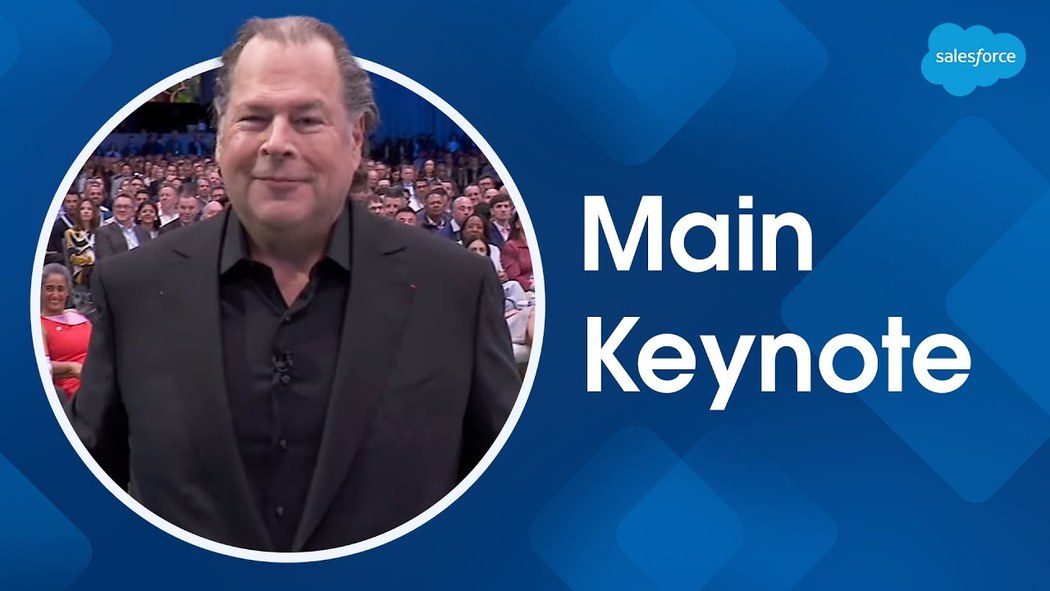
At Dreamforce 2025 in San Francisco, Salesforce CEO and Chair Mark Benioff unveiled the Agentforce 360 platform and declared the arrival of 'the agentic enterprise' — a new era where humans and AI agents drive customer success together. The keynote positioned Agentforce as the fastest-growing product in Salesforce history, having handled more than 1.5 million customer service conversations in nine months. Benioff framed the moment around a central choice: whether AI replaces people or elevates them, arguing that AI built on trust and deep data context amplifies human potential. The keynote featured new products including Agentforce Vibes (vibe-coding), Data 360, Agentforce Voice, and Agent Script, alongside five customer stories from Williams-Sonoma, Pandora, PepsiCo, FedEx, and Dell.
Featured
This month's top stories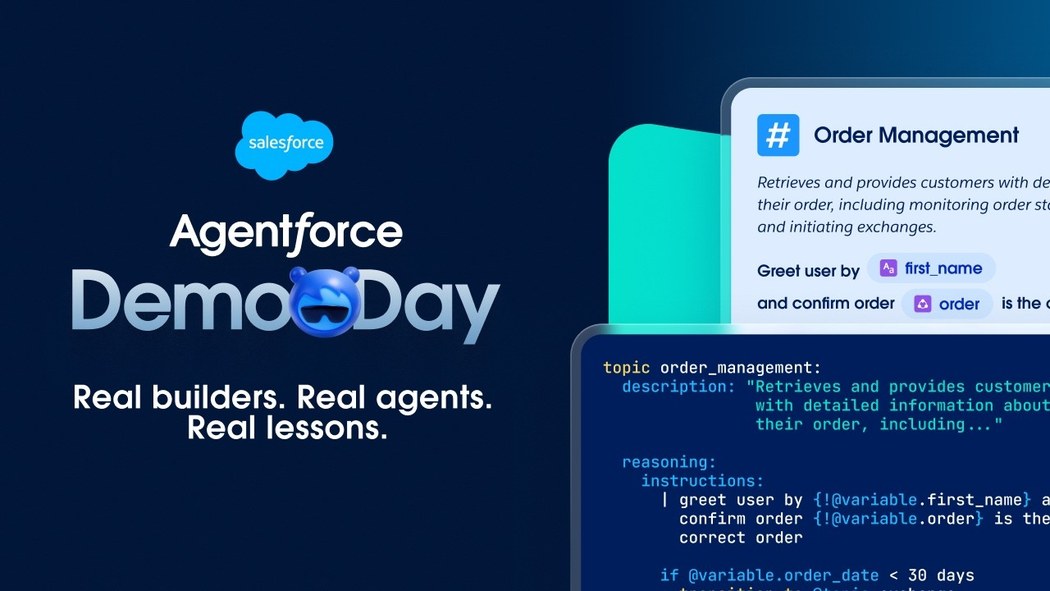
Agentforce Demo Day: Building the Digital Workforce
In this Agentforce Demo Day broadcast from Salesforce HQ in San Francisco, host Leah McGowen-Hare sits down with builders from Indeed, LIV Golf, and SharkNinja, plus Salesforce product leader Nathan Price, to show how they build, test, deploy, and observe AI agents with Agentforce. The episode centers on Agent Script — a newly open-sourced scripting language that blends deterministic logic with the reasoning of large language models — and Headless 360, an open, extensible platform for the full agent development lifecycle. Through live demos, the guests reveal real metrics, best practices like playbooks and human-in-the-loop logging, and the shift toward self-healing agents built with coding tools.
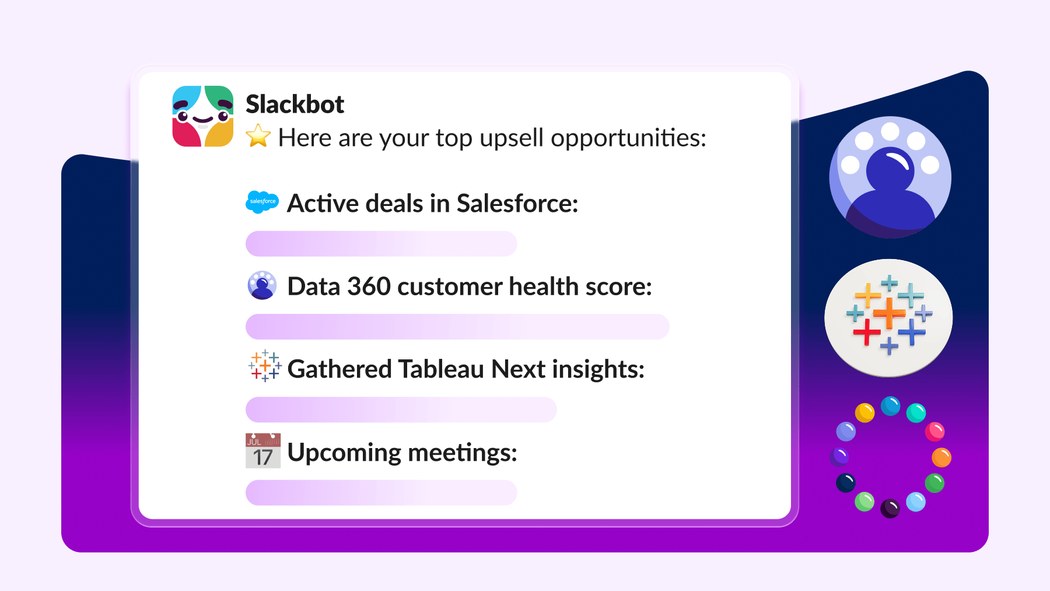
The CRM That Left the Building: Slackbot Just Swallowed Salesforce Whole
Salesforce announced new Model Context Protocol (MCP) servers that connect Salesforce CRM data, Tableau Next analytics, Data 360, and AI agents directly into Slackbot, Slack's built-in personal agent. Users can now query customer records, surface live Tableau visualizations, view unified Data 360 profiles, update pipelines, and trigger workflows across partner apps like Jira, Box, DocuSign, and Zapier — all from a Slack conversation, with no tab-switching, custom code, or separate logins. The Slackbot MCP Client is generally available on any Slack plan that includes Slackbot, and Salesforce-hosted MCP Servers are GA for Enterprise Edition organizations and above, with over 25 compatible partner apps listed in the Slack Marketplace's dedicated MCP registry.
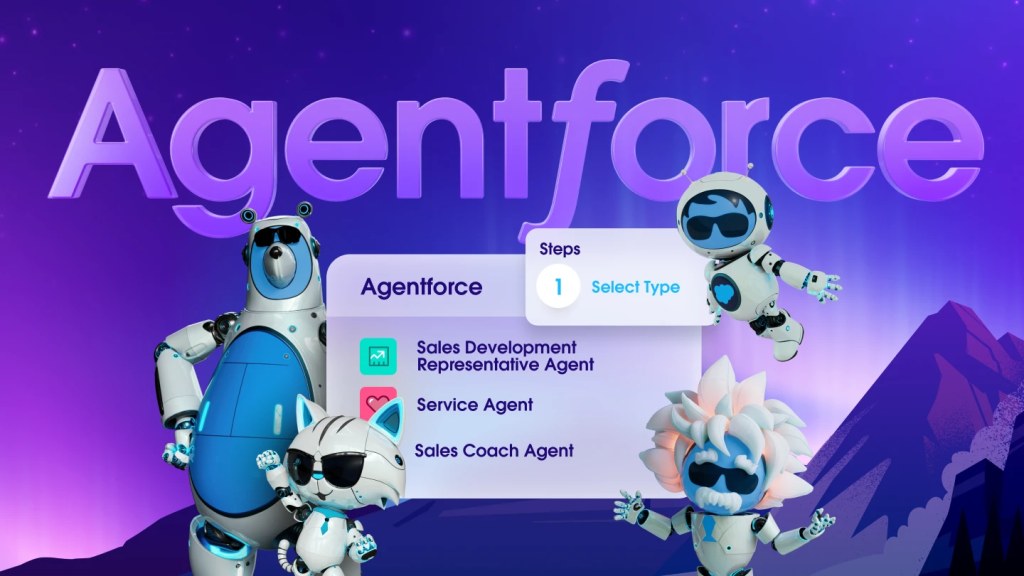
The Workforce That Never Clocks Out
Agentforce is Salesforce's platform for building and deploying autonomous AI agents that work alongside humans across sales, service, marketing, and commerce. Launched at Dreamforce in September 2024 and powered by the Atlas Reasoning Engine, it lets companies stand up agents that resolve customer queries, qualify leads, and complete tasks grounded in their own CRM data. It has become the fastest-growing product in Salesforce history, reaching a $1.2 billion annual recurring revenue run rate by April 2026.

The Agent Scored a Hat Trick. The Business Still Lost 3-Nil.
A Salesforce editorial arguing that the AI agent conversation has moved past task completion and into 'loop engineering' — handing an agent an objective plus a way to measure progress so it plans, checks its own work, learns, and adjusts. Using a World Cup analogy, the piece contends that a brilliant individual agent (a coding agent shipping pull requests, a service agent resolving cases) means little unless it moves the business forward. Salesforce positions its 27 years of encoded CRM business rules — pipeline stages, service levels, qualified-lead definitions — as the ideal scoreboard for agents to optimize against, supported by four systems (controls, context, traceability, analytics) that form the Agent Development Lifecycle (ADLC). Customers Zing Health, Telepass, and Indeed illustrate agents running the loop at scale.
People
On the Salesforce team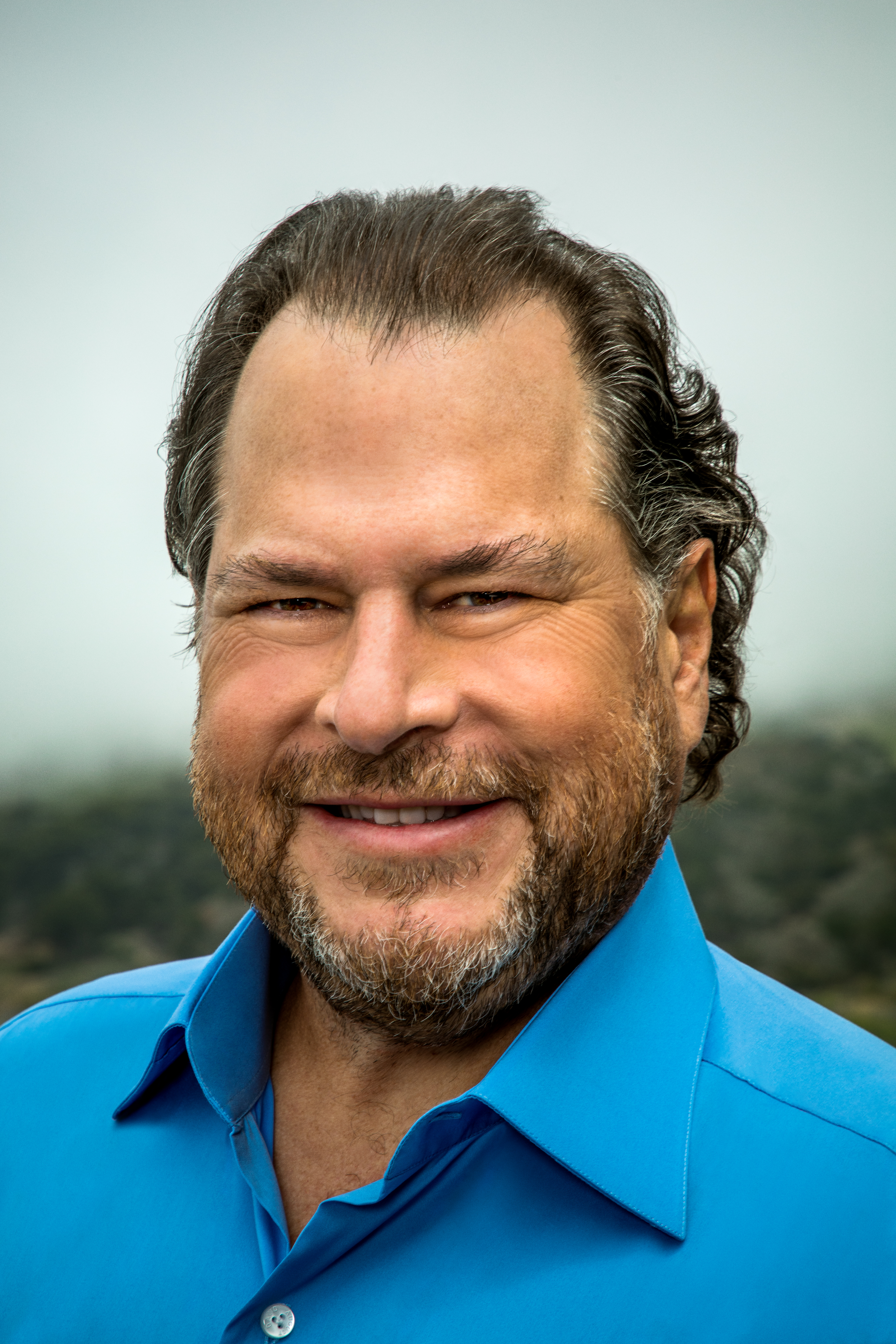
Marc Benioff
Marc Benioff is the co-founder, chairman, and CEO of Salesforce, the company that invented cloud-based CRM and pioneered the SaaS model. He built Salesforce from a San Francisco apartment in 1999 into the world's largest enterprise applications company, while simultaneously pioneering the 1-1-1 corporate philanthropy model that has been adopted by thousands of companies globally. Owner of Time magazine since 2018 and a vocal advocate for stakeholder capitalism, Benioff sits at the intersection of tech innovation, spiritual practice, and social activism — swimming with dolphins in Hawaii one day, staging fake protests outside competitor conferences the next.
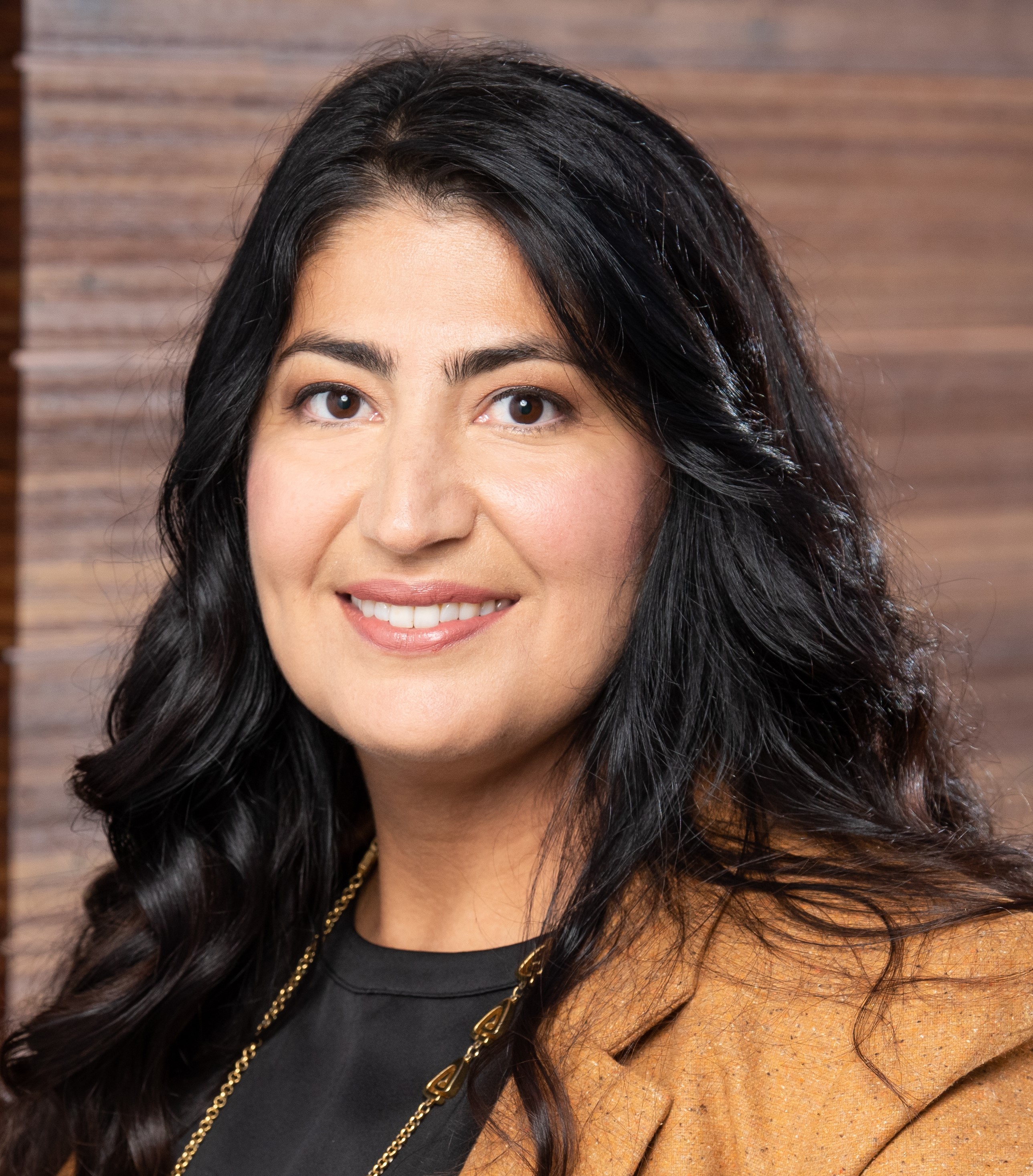
Armita Peymandoust
Armita Peymandoust is Senior Vice President of Engineering, AI Cloud at Salesforce, where she leads development of Einstein AI and Agentforce - Salesforce's next-generation autonomous AI agent platform. A Stanford-trained electrical engineer with a PhD, she built her career from Intel chip design through Yahoo's ad algorithms to becoming one of the most influential voices in enterprise AI. A self-described mom, optimist, and immigrant, she champions the idea that AI should be accessible to everyone - not just engineers.
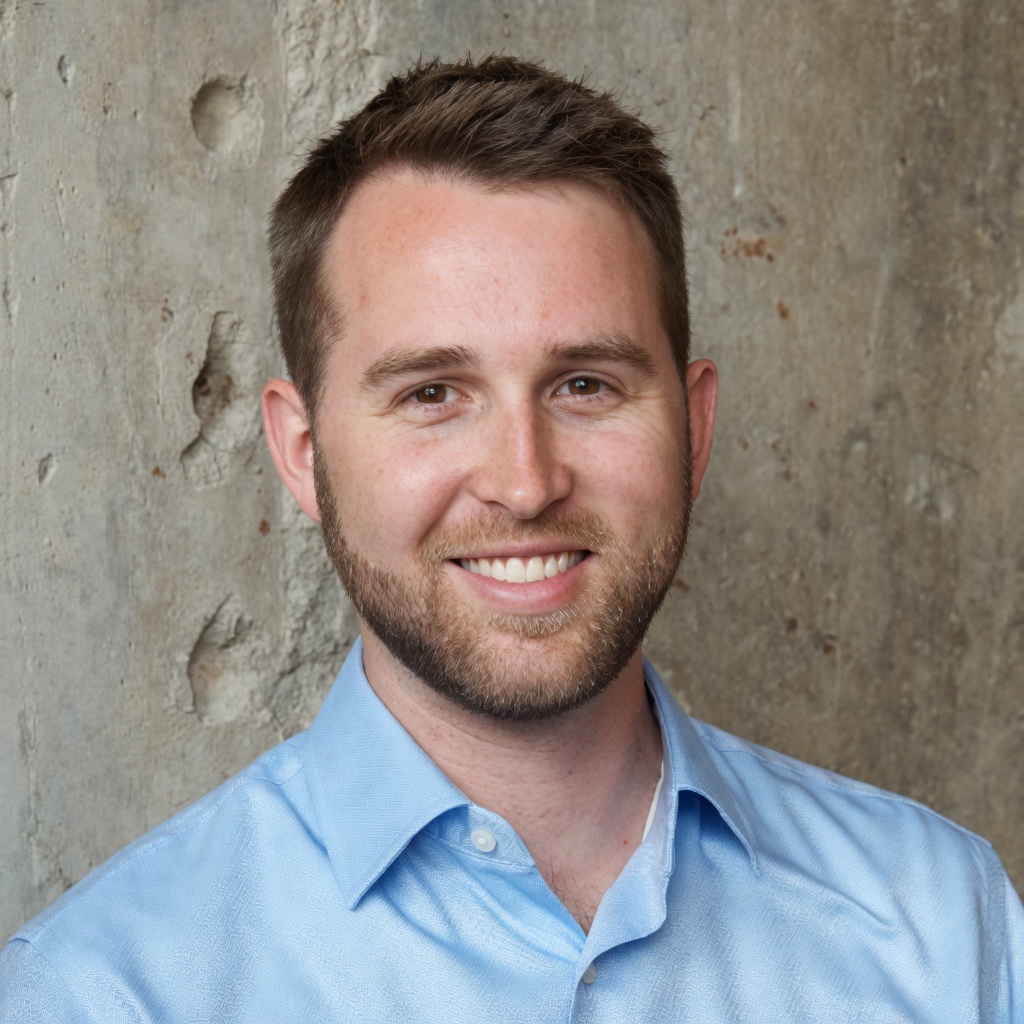
Rob Kittleson
Rob Kittleson is Vice President of Pricing & Product Strategy at Salesforce, where he has spent over a decade architecting how the world's leading CRM company packages and prices its products. A Stanford grad and Kellogg MBA, he built his career across foreign policy, clean energy, and finance before landing in enterprise SaaS pricing - a discipline he has mastered through 12+ years of progressive leadership at Salesforce.
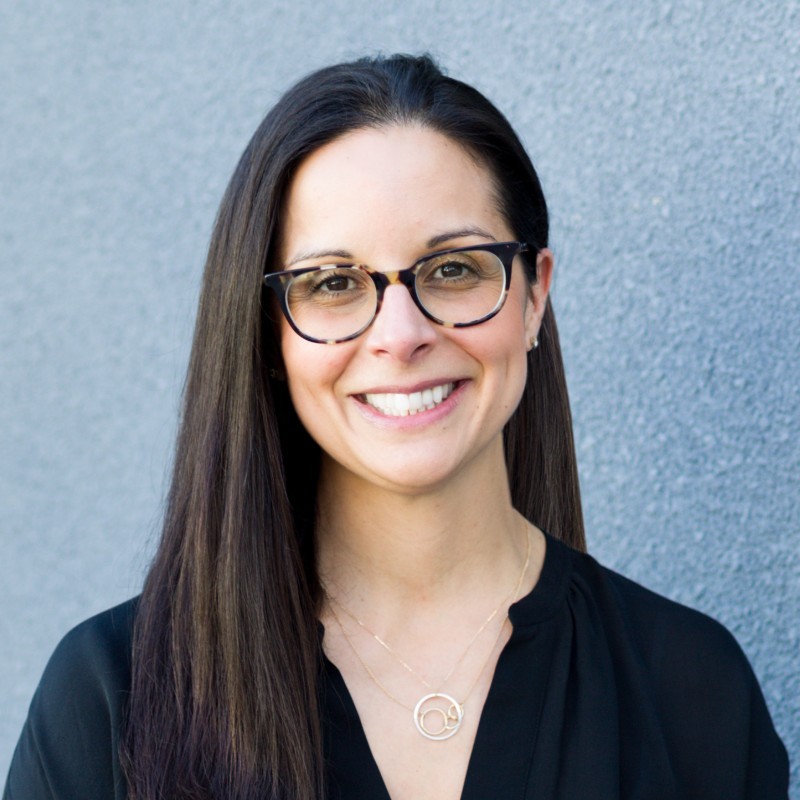
Katy Allen
Katy Allen is EVP of Professional Services Strategy & Operations at Salesforce, where she has spent over a decade steadily ascending through the company's professional services organization. A Harvard-educated East Asian Studies graduate who added a Stanford MBA, she crossed from economic research to Deloitte consulting to fintech at Metromile before landing at Salesforce - where she has since helped manage a $2.5 billion revenue professional services business, overseeing P&L, strategy development, and M&A. She is a rare operator who combines analytical rigor with enterprise-scale execution.
Amy Hurlbut
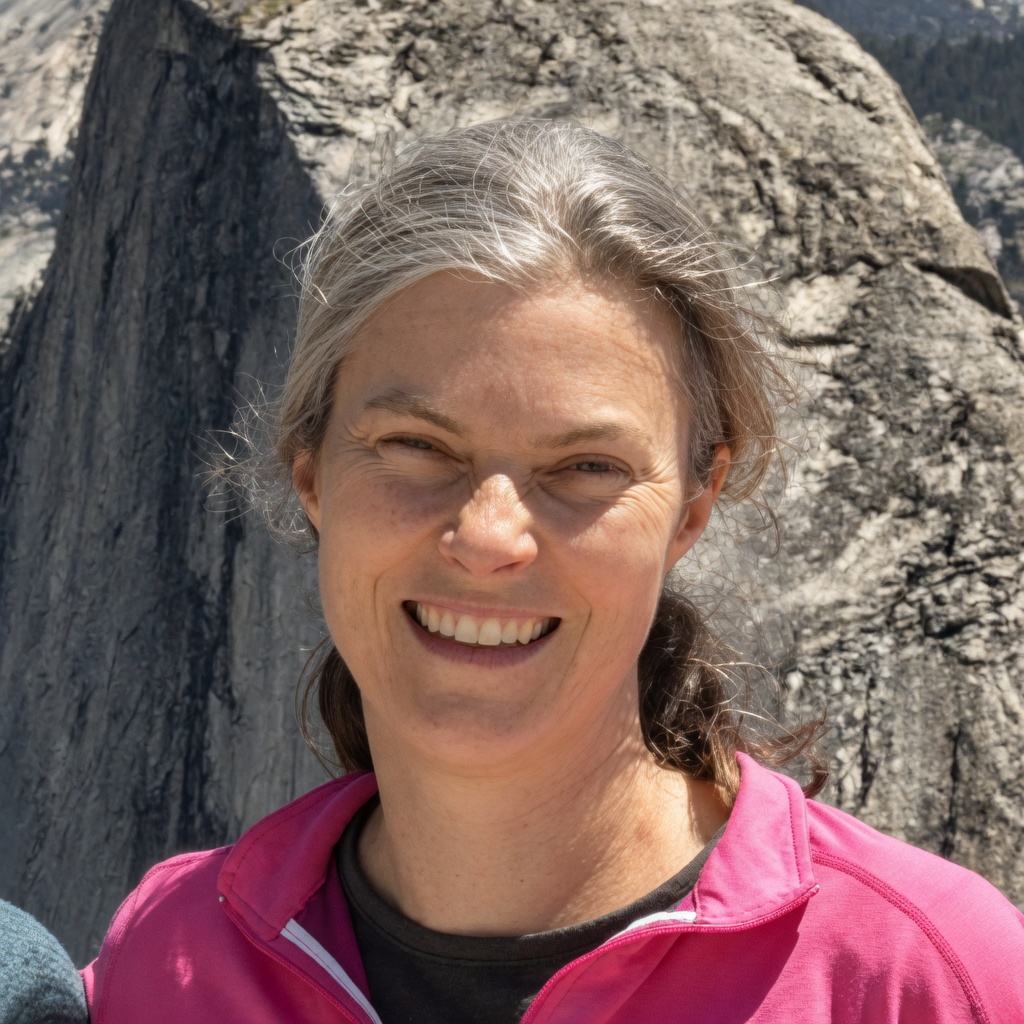
Amy Hurlbut is Executive Vice President of Software Engineering at Salesforce, where she leads the Hyperforce initiative - the company's next-generation public cloud infrastructure platform handling tens of billions of transactions daily. A Harvard and Stanford-trained engineer with over 35 years in tech, she spent 23 years at Echelon Corporation before joining Salesforce in 2013, rising steadily from Senior Director to EVP. Recognized by Girl Geek X as one of '60 Engineering Leaders to Watch in 2020,' she is a quiet force behind some of the most consequential infrastructure work in enterprise software.
Kimen Warner
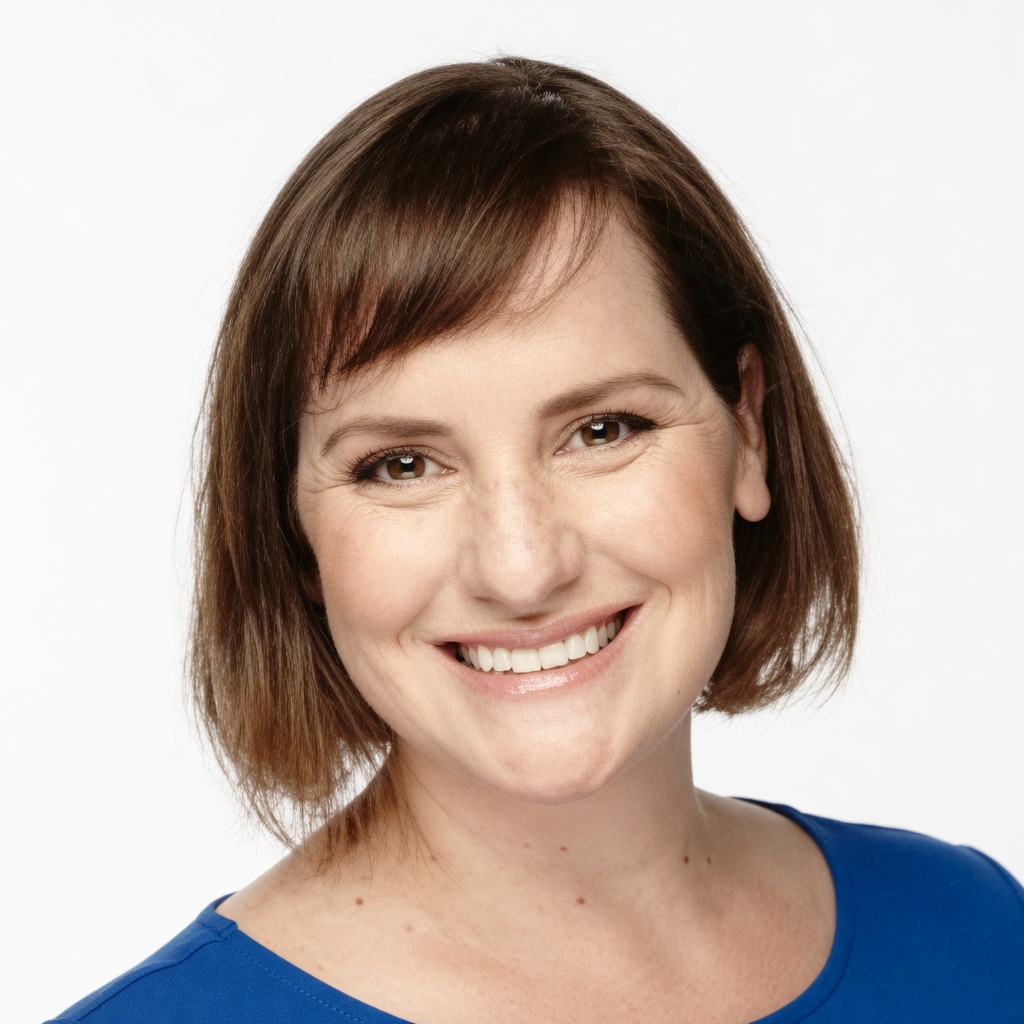
Kimen Warner is SVP of Product Management for Personalization and Marketing Intelligence at Salesforce, where she leads the AI-powered unification of Marketing Cloud's fragmented ecosystem into a coherent platform. A veteran of nearly two decades in personalization and optimization technology, she rode one product from Offermatica through Omniture to Adobe — spending over a decade building Adobe Target into a leading A/B testing and personalization platform — before joining Drift as VP of Product and then Salesforce. A Stanford-educated product designer and former varsity fencer, she is now one of the most prominent voices shaping how enterprise marketers adopt AI agents and autonomous campaign optimization.
Kevin Wilson
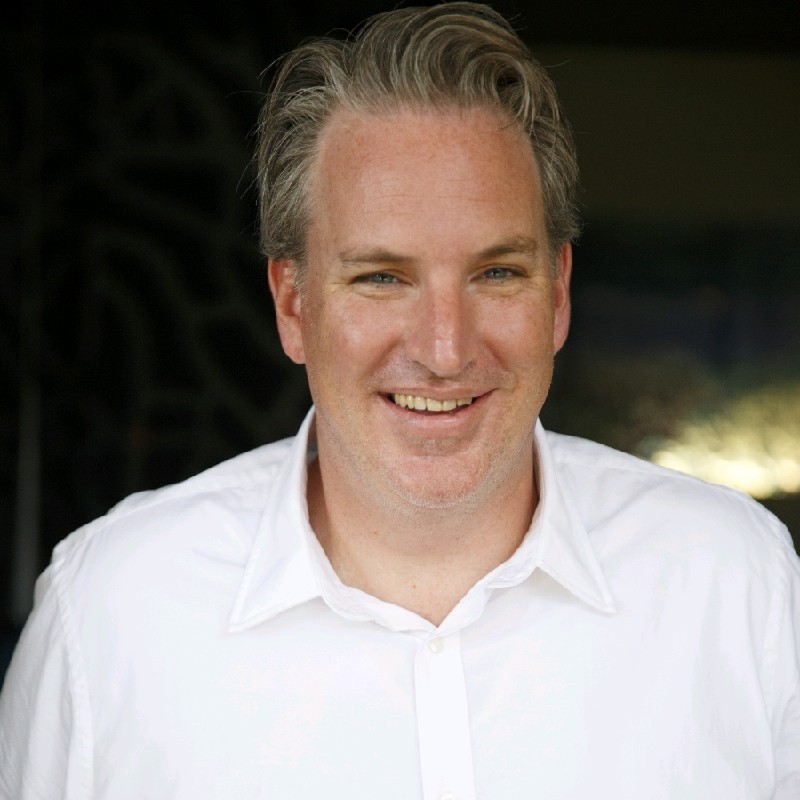
Kevin Wilson is the Vice President of Global Security Operations at Salesforce, where he leads the teams responsible for protecting one of the world's largest enterprise cloud platforms. Operating at the intersection of physical security, cyber threat intelligence, and global operations, Wilson oversees 24/7 security operations centers that guard Salesforce's infrastructure, data, and workforce across the globe. His career reflects the modern security executive: part operator, part strategist, always one step ahead of adversaries targeting the trust economy.

Cameron Christoffers
Cameron Christoffers is VP of Strategy, Programs & Sales Development at Salesforce's Next Gen Platform Org - the team behind Agentforce, Data Cloud, MuleSoft, and Heroku. A Stanford-trained engineer and Division I volleyball player turned tech executive, Cameron carved an unlikely path from Raytheon labs to TechCrunch intern desks to leading sales strategy at one of the world's largest enterprise software companies. He bridges the technical and the commercial with rare fluency, having built his career at the intersection of platform thinking and revenue execution.
Megan Mackh
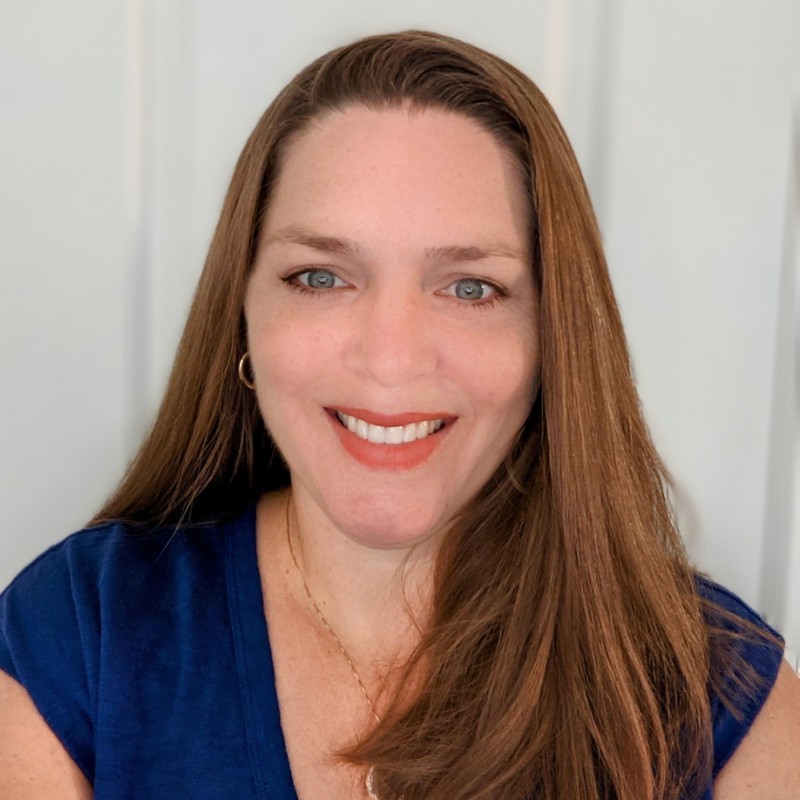
Megan Mackh is Vice President of Commercial Sales at Salesforce, where she leads teams driving customer success across cloud solutions. A Stanford and UC Berkeley Haas School of Business alumna, she spent nearly 15 years at Google - rising through AdWords, inside sales, and ultimately heading Global Telecommunications Partnerships for Google Cloud across 60+ telco partners worldwide. Named to CRN's Women of the Channel in 2020 and 2021, she is known for building high-performing teams and taking bold leaps into leadership from an unusually early age - she managed 18 people at AT&T at 22. She is currently pursuing a Doctorate in Public Health at Johns Hopkins Bloomberg School of Public Health.
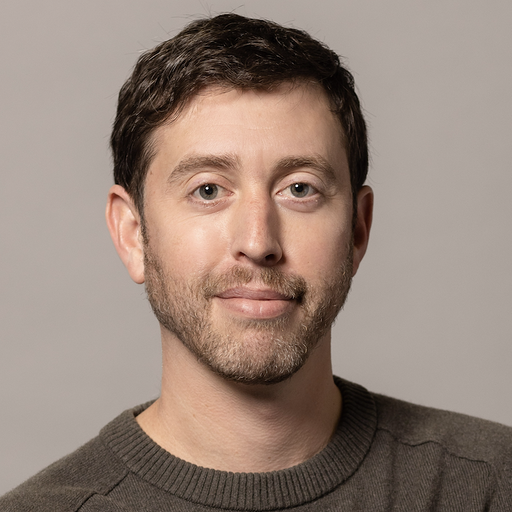
Gary Lerhaupt
Gary Lerhaupt is VP of Product Architecture at Salesforce leading Agent Interoperability and Orchestration for Agentforce. He co-founded Clockwise, the AI calendar company used by Uber, Netflix, and Atlassian, and was a founding engineer at RelateIQ (acquired by Salesforce for ~$390M). Earlier in his career he created DKMS, the Linux kernel module framework still baked into most Linux distributions today. He holds a BS from Ohio State and an MS in Computer Science from Stanford.
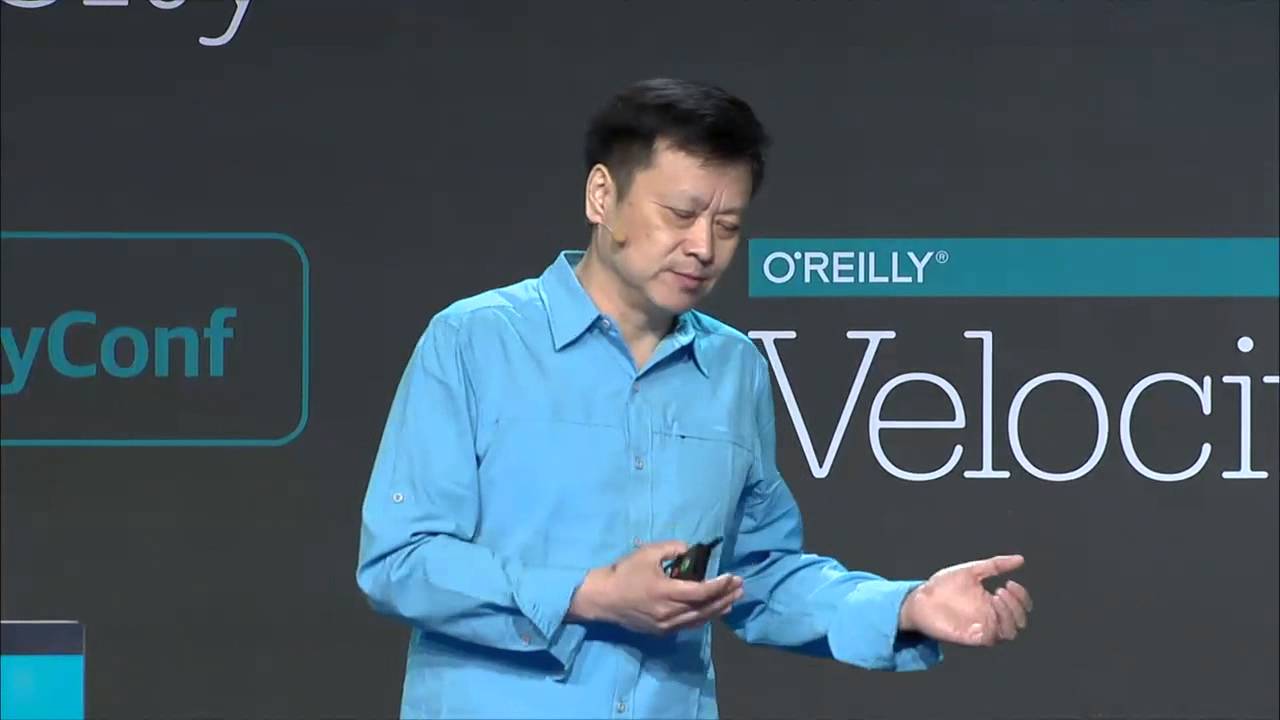
Jason Ding
Jason Ding is the Senior Vice President of Engineering at Salesforce, leading the engineering teams behind Sales Cloud, Service Cloud, and Revenue Cloud — the backbone of the world's largest CRM platform. A PhD computer scientist turned performance engineering pioneer, he set nine SPEC benchmark world records at Cisco, helped drive UCS to $1 billion in revenue in under three years, and is now steering Salesforce's engineering toward a future of AI agents and billion-transaction-per-day scale. With 14+ years at Salesforce and deep roots in academia and chip-level performance work at Intel, Ding brings a rare combination of theoretical rigor and enterprise execution.
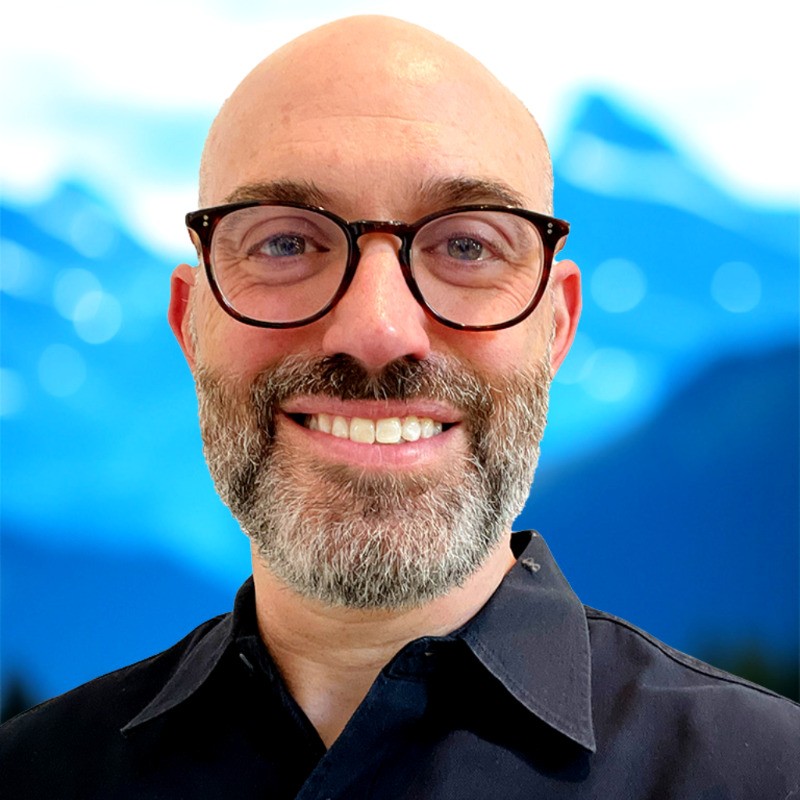
Jon Plax
Jon Plax is a Vice President of Software Engineering (Customer Centric Engineering) at Salesforce, where he has spent the bulk of a 23+ year career building and leading globally distributed engineering teams. Known internally as a technically deep yet empathy-driven leader, he has tackled some of Salesforce's most complex scaling challenges - JVM tuning, database bottlenecks, and multi-continent team coordination. He spent five years in Salesforce's Dublin office, briefly detoured to Bumble, then returned to Salesforce. A photography hobbyist with a consistent 'spaceman1066' handle across the internet, he is married to Talia Bailey Plax, a product marketing leader at Atlassian.

Nancy Xu
Nancy Xu is VP of Agentforce at Salesforce, the architect behind one of enterprise AI's most-watched platforms. A Stanford CS PhD and MBA dual-degree holder, she founded Moonhub in 2022 — the world's first AI recruiter — raised $10M+, landed on TIME's 100 Most Influential People in AI in 2023, and then joined Salesforce in 2025 when the company brought her entire team aboard. She also runs Xu Ventures, an early-stage AI-focused fund, and co-founded The Gradient, a respected AI research publication. A first-generation immigrant, Knight-Hennessy Scholar, and relentless builder, Xu is now leading Salesforce's charge to make autonomous AI agents accessible to every business user on the planet.

Sireesh Bodireddygari
Sireesh Bodireddygari is Executive Vice President of Software Engineering at Salesforce, where he leads a global team of 1,000+ engineers building Tableau and CRM Analytics products. Promoted to EVP in March 2025 after nearly a decade of rising through Salesforce's analytics engineering ranks, he is the engineering force behind Tableau Next — an AI-native, full-stack agentic analytics platform unveiled at Tableau Conference 2025. A 25-year software veteran who started at L&T Infotech and cut his teeth at Yahoo! and DIRECTV before joining Salesforce as Director of Wave Analytics, he has become one of the most consequential engineering leaders in enterprise data and AI.
Latest
LiveCompany Facts
At a glanceUpdates
Recent updatesProduct History
What shipped, and whenAgentforce
AI agent platform that lets companies build and deploy autonomous agents across sales, service, marketing and commerce. Crossed $1.2B ARR, growing 169% YoY.
Sales Cloud
The original CRM product - pipeline management, lead tracking, forecasting, and automation for sales teams worldwide.
Service Cloud
Customer service and support platform with case management, contact center tools, and AI-powered self-service.
Marketing Cloud
Omni-channel marketing automation platform with email, mobile, social, advertising, and analytics capabilities.
Commerce Cloud
Unified commerce platform for B2C and B2B businesses, supporting digital storefronts, order management, and personalization.
Data Cloud
Real-time customer data platform that unifies data across every touchpoint into a single, actionable customer profile. ARR exceeded $1.2B.
Slack
Business messaging and collaboration platform acquired for $27.7B in 2021, now the primary interface for work across 1M+ customers.
Tableau
Business intelligence and analytics platform acquired for $15.7B in 2019, now integrated with Agentforce for AI-powered data analysis.
MuleSoft
Integration platform acquired for $6.5B in 2018; connects applications, data, and APIs across cloud and on-premises environments.
Trailhead
Free online learning platform that has trained millions of Salesforce developers and admins worldwide.