email-marketing
(137)
Brilliant Ads and the work between the ads
Brilliant Ads puts team coordination beside campaign creation. Its pitch raises a useful question: how much of better marketing begins before an ad goes live?
Designer Web Agency Looks Beyond the Website
The Atlanta agency pairs web design with search, advertising, and marketing follow-up. Its service mix offers a useful way to think about what happens before a click - and after it.
the Loft makes the next step obvious
A baklava guide. A better product picture. A shorter route to checkout. The Missouri creative agency turns the small details of buying into the substance of a brand.

Totaligent wants marketing to remember
The next marketing advantage may be a system that remembers the last conversation. Totaligent is testing that idea with live campaigns, a shared audience record, and a business still working to turn software into sales.
Intellitech Solutions: The right name. The right moment.
A giant contact database gets you only so far. Intellitech Solutions sells the research, targeting and human follow-through that can turn a name on a list into a useful sales conversation.

Oleksii Kratko and the Trouble With a Cheaper Yes
The Snov.io founder thought a $9 option would help customers take the first step. The experiment went the other way - a useful clue to how he builds, tests and changes his mind.

Martha Bitar and the business of being understood
Before Flodesk reached $36 million in annual recurring revenue, Martha Bitar was making coffee for prospective customers in her living room. Her next company asks what those same people might build for themselves.

Jeremy Swift and the price of admission
Before he co-founded Cordial, Jeremy Swift paid to work at a startup. His education continued through an acquisition, a difficult payroll meeting, and the discovery that asking questions beats pretending to know.

Liviu Tanase and the Expensive Art of Changing Your Mind
He arrived in America with four businesses behind him. At ZeroBounce, Liviu Tanase spent roughly $3 million learning which ideas to abandon - and found a company he wanted to keep.

SpotHopper gives restaurants their evenings back
The Milwaukee software company puts websites, promotions and guest follow-ups in one place. Its wager: independent restaurants need fewer marketing chores between them and the next full table.

Span Global Services sells the missing context
A name gets you an inbox. Knowing what a company runs, buys, and needs gets you a reason to be there. Span Global Services sells the difference.

Digitalzone wants the person behind the lead.
A full contact list can conceal an empty pipeline. Digitalzone’s bet is that following individual buyers across content, email, and advertising can help marketers tell the difference.

Aman Dotani and the art of knowing when to say nothing
After years in email marketing, Aman Dotani co-founded Dengage to bring customer data and action closer together. His argument for better technology begins with a surprisingly human skill: knowing when to leave someone alone.

Anik Singal Has Spent Twenty Years Trying to Be in More Than One Place
He began by turning online marketing lessons into a business. Now the UgenticAI founder wants to make digital copies of experts - after a career that has tested the distance between a persuasive promise and a provable result.
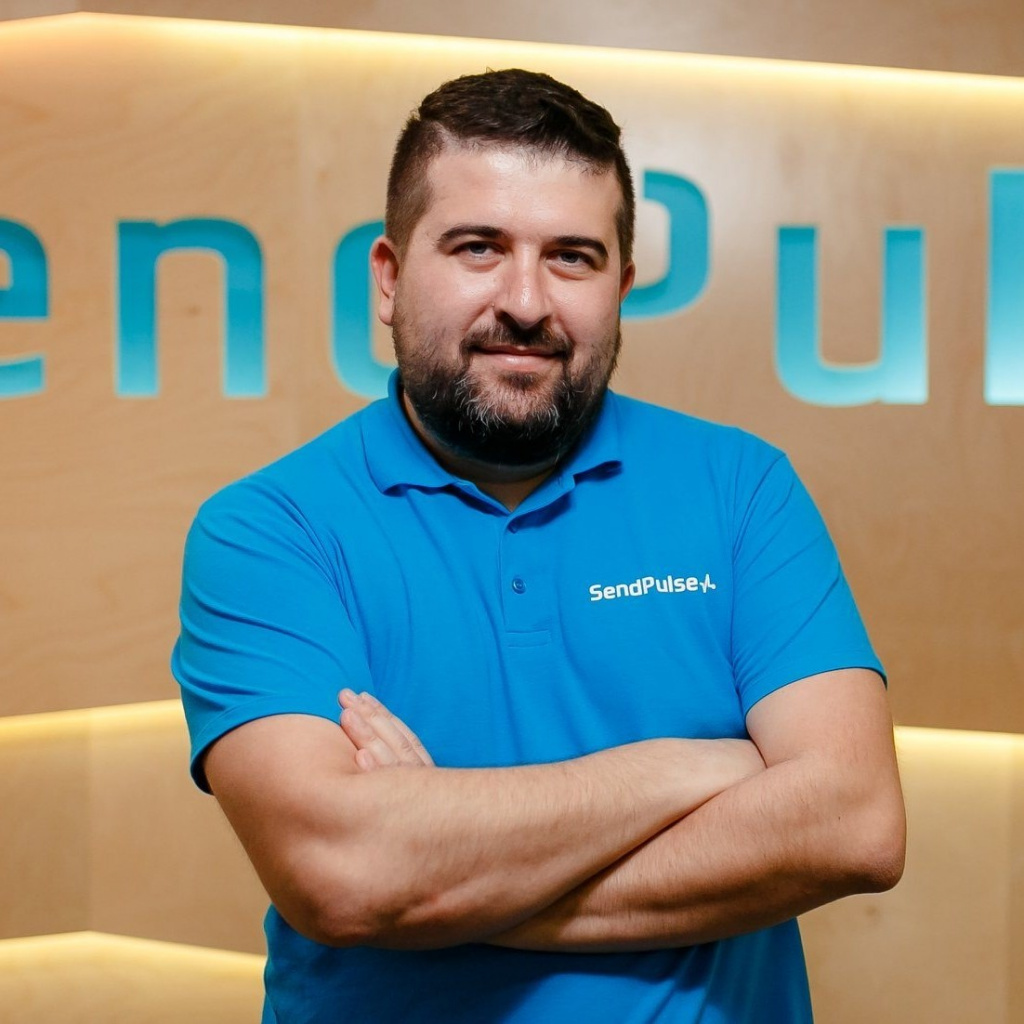
Kostyantyn Makarov’s $100,000 change of course
Kostyantyn Rozenshtraus-Makarov took SendPulse to New York and learned how expensive a reluctant customer can be. His path from Chernihiv programmer to software co-founder runs through Brazil, shared offices and a habit of reconsidering the plan.

Marigold and the art of sending less chaos
A Sunday fundraiser. A campus drowning in email. Marigold’s three remaining platforms tackle the surprisingly human problem behind the send button.

Manlitics and the art of the qualified yes
A name in a database is easy. A buyer ready to talk is harder. Manlitics puts people, data and persistent follow-up into the gap.

Getsvision Solutions: First, reach the inbox.
The Noida company puts email delivery beside campaign strategy, SEO, and website design. Its proposition starts with a practical question: what good is a message that never arrives?

Ben Jabbawy and the value of one more conversation
A failed sale left Privy with $1,000. Ben Jabbawy kept calling customers, rebuilt around small online stores, and eventually sold the company to Attentive. Now he is back where he started: helping independent businesses reach their next customer.

Noah Dinkin’s unlikely route to the Send button
A radio internship, a hip-hop label, and a tool for musicians led Noah Dinkin to a stubborn corporate problem: the wait before an email could leave the building. After a decade leading Stensul, he has handed over the CEO chair.

Brice Douglas and the distance between a pitch and a paying customer
A BYU hackathon brought Brice Douglas and his co-founders together. Building Zaymo taught him to put an attractive idea through a less forgiving test: what customers actually do.

Chris Hexton and the value of starting over
An invoicing idea brought Chris Hexton to Startmate. Letting it go led to Vero - and a career spent asking what customers actually need, even when the answer changes the business.
Press play. Then get to work.
The DigitalMarketer Podcast turns marketing problems into conversations you can use. Behind the microphone is a training company wrestling with a harder question: how do you turn good advice into work that actually gets done?

The business of teaching you to need less help
The Amy Porterfield Show turns business advice into a weekly habit. Behind the microphone, its founder is testing a harder proposition: helping successful women grow without making their working lives bigger.

CustomersAI and the expensive art of recognizing a stranger
Larry Kim built a business around finding customers. Its most revealing turn came when he started asking whether the names it found belonged to the right people.

Listrak and the art of the second chance
A shopper leaves. A retailer remembers. Listrak has built a business around the delicate interval between those two events, connecting customer data with email, text and the next useful nudge.

Persado sells the words that make customers act
A home-equity ad helped expose the limits of marketing intuition. Persado has spent the years since turning that lesson into a system for producing, testing and checking the messages regulated brands send.

Validity knows why your email never arrived
A splendid campaign is wasted in the spam folder. Validity has spent its acquisition budget assembling the less glamorous machinery that gets customer data clean and email seen.

Cheetah Digital’s quiet trick: ask, then remember
A Danish supermarket made loyalty easier to use. Cheetah Digital’s larger wager is that useful questions and a good memory can outperform another indiscriminate offer.
Bluecore gives shoppers a reason to come back
A laptop is an awkward thing to sell twice. Bluecore turns that retail problem into a data problem, matching shoppers with products and moments that make another purchase worth considering.