email-marketing
(36)
Oleksii Kratko and the Trouble With a Cheaper Yes
The Snov.io founder thought a $9 option would help customers take the first step. The experiment went the other way - a useful clue to how he builds, tests and changes his mind.

Martha Bitar and the business of being understood
Before Flodesk reached $36 million in annual recurring revenue, Martha Bitar was making coffee for prospective customers in her living room. Her next company asks what those same people might build for themselves.

Jeremy Swift and the price of admission
Before he co-founded Cordial, Jeremy Swift paid to work at a startup. His education continued through an acquisition, a difficult payroll meeting, and the discovery that asking questions beats pretending to know.

Liviu Tanase and the Expensive Art of Changing Your Mind
He arrived in America with four businesses behind him. At ZeroBounce, Liviu Tanase spent roughly $3 million learning which ideas to abandon - and found a company he wanted to keep.

Aman Dotani and the art of knowing when to say nothing
After years in email marketing, Aman Dotani co-founded Dengage to bring customer data and action closer together. His argument for better technology begins with a surprisingly human skill: knowing when to leave someone alone.

Anik Singal Has Spent Twenty Years Trying to Be in More Than One Place
He began by turning online marketing lessons into a business. Now the UgenticAI founder wants to make digital copies of experts - after a career that has tested the distance between a persuasive promise and a provable result.

Kostyantyn Makarov’s $100,000 change of course
Kostyantyn Rozenshtraus-Makarov took SendPulse to New York and learned how expensive a reluctant customer can be. His path from Chernihiv programmer to software co-founder runs through Brazil, shared offices and a habit of reconsidering the plan.
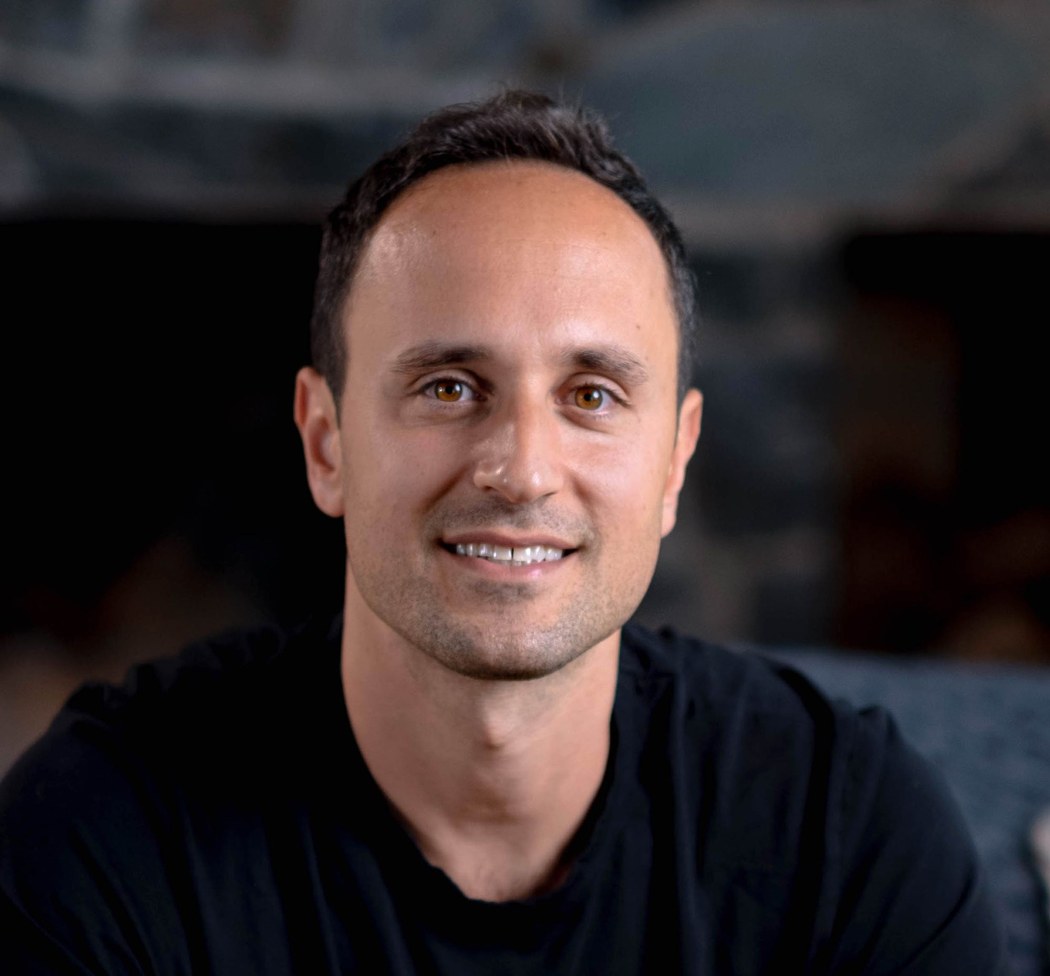
Ben Jabbawy and the value of one more conversation
A failed sale left Privy with $1,000. Ben Jabbawy kept calling customers, rebuilt around small online stores, and eventually sold the company to Attentive. Now he is back where he started: helping independent businesses reach their next customer.
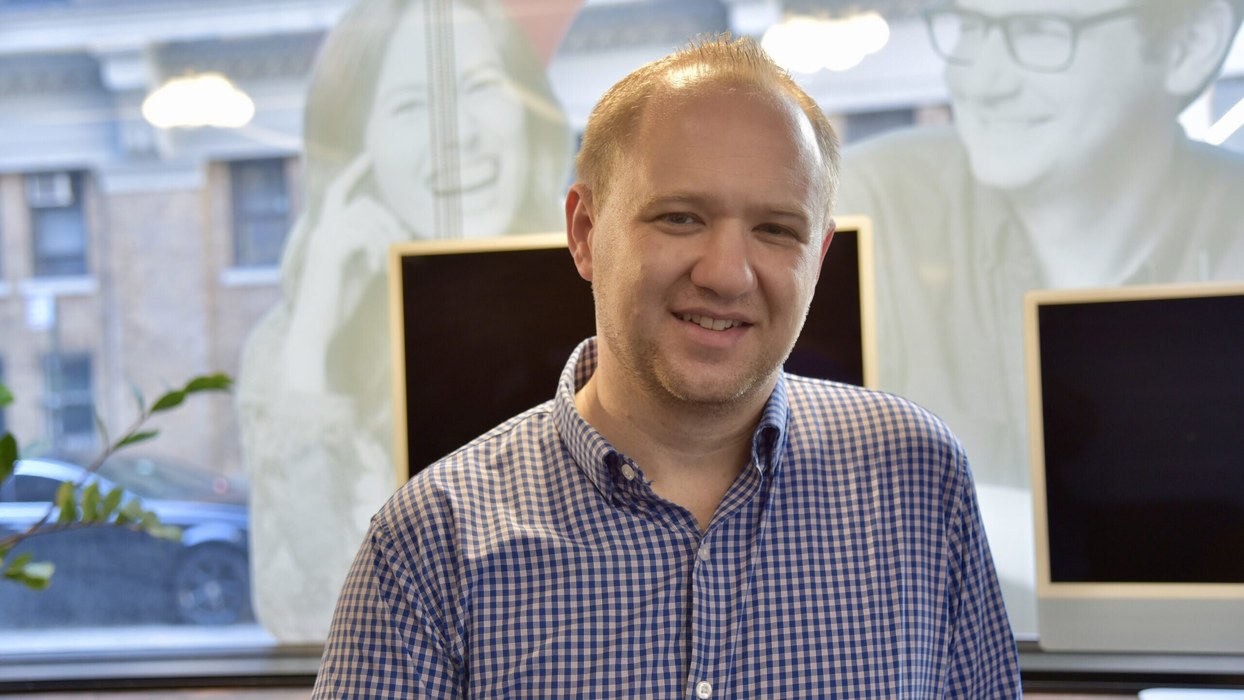
Noah Dinkin’s unlikely route to the Send button
A radio internship, a hip-hop label, and a tool for musicians led Noah Dinkin to a stubborn corporate problem: the wait before an email could leave the building. After a decade leading Stensul, he has handed over the CEO chair.

Brice Douglas and the distance between a pitch and a paying customer
A BYU hackathon brought Brice Douglas and his co-founders together. Building Zaymo taught him to put an attractive idea through a less forgiving test: what customers actually do.

Chris Hexton and the value of starting over
An invoicing idea brought Chris Hexton to Startmate. Letting it go led to Vero - and a career spent asking what customers actually need, even when the answer changes the business.

Alina Dykuha Turns Marketing Into a System People Can Actually Use
From chatbot flows to conference floors, the Ukrainian marketing executive has built a career around one practical question: how can a complicated system become useful to a real person?

Anne Ghaltchi Keeps the Machines Honest - and the Marketing Human
ZeroBounce's CMO built her career on paid-search precision, creative pivots and one durable suspicion: automation is useful, but somebody still has to check the work.

Curt Keller Built a Global Email Business From Graph Paper
Before Benchmark Email became a global SaaS platform, its product plans crossed an ocean as scans of Curt Keller's graph-paper sketches. The durable lesson is less glamorous and more useful: choose a real market, control the burn, and make distant collaborators feel like owners.

Adam Stambleck
He walked into Movable Ink in 2013 when it had fewer than 15 employees. Thirteen years later, he is running it.
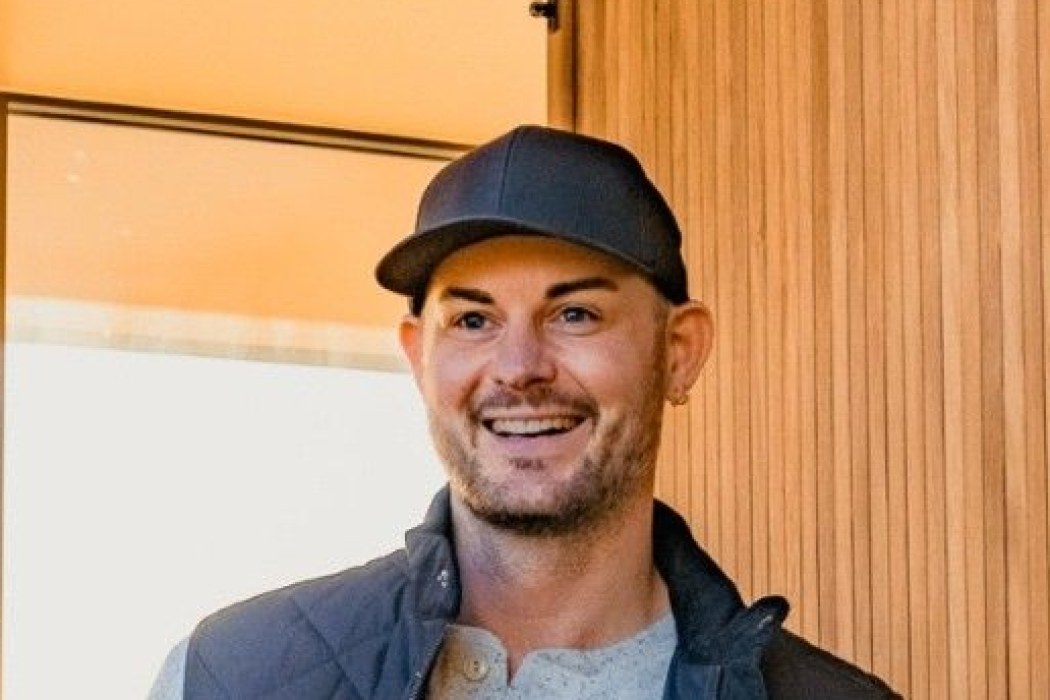
Jordan Hauser
Jordan Hauser is a New York-based retail marketing and merchandising executive who leads marketing and creative at Paul Fredrick, the Pennsylvania menswear company founded in 1986 that built its name on dress shirts sold with exact sleeve lengths and a fit guarantee. Listed publicly as Senior Vice President of Marketing & Creative (and as Chief Marketing Officer in some directory listings), he sits at the junction of two disciplines that rarely share an office: the merchandising side that decides what gets made, and the marketing side that decides how it gets told. His track record runs through department-store scale and startup scrappiness alike - director-level digital and merchandising roles across Macy's men's business and Market by Macy's, then VP of Merchandising & Marketing at Offe Market, the off-price marketplace for brand overstock. At Paul Fredrick he inherited a brand with roughly 88 employees, around $21 million in annual revenue, a Shopify Plus storefront, and forty years of accumulated customer trust in a category that has spent the last decade being told it was dying.

Mark Bietz
Mark Bietz is a marketing and ecommerce executive best known for helping build HalloweenCostumes.com and FUN.com into one of the largest online costume and pop-culture merchandise retailers in the world. As Chief Marketing Officer of the Mankato, Minnesota-based company, he led digital growth that scaled revenue roughly 10x-20x, championing data-driven email personalization and short-form video. A self-described curious operator who learned the business from brand to CRM to operations, he now also works as a fractional CMO and advisor to venture-backed and private-equity-backed brands, and speaks widely on modern ecommerce and the rise of agentic commerce.
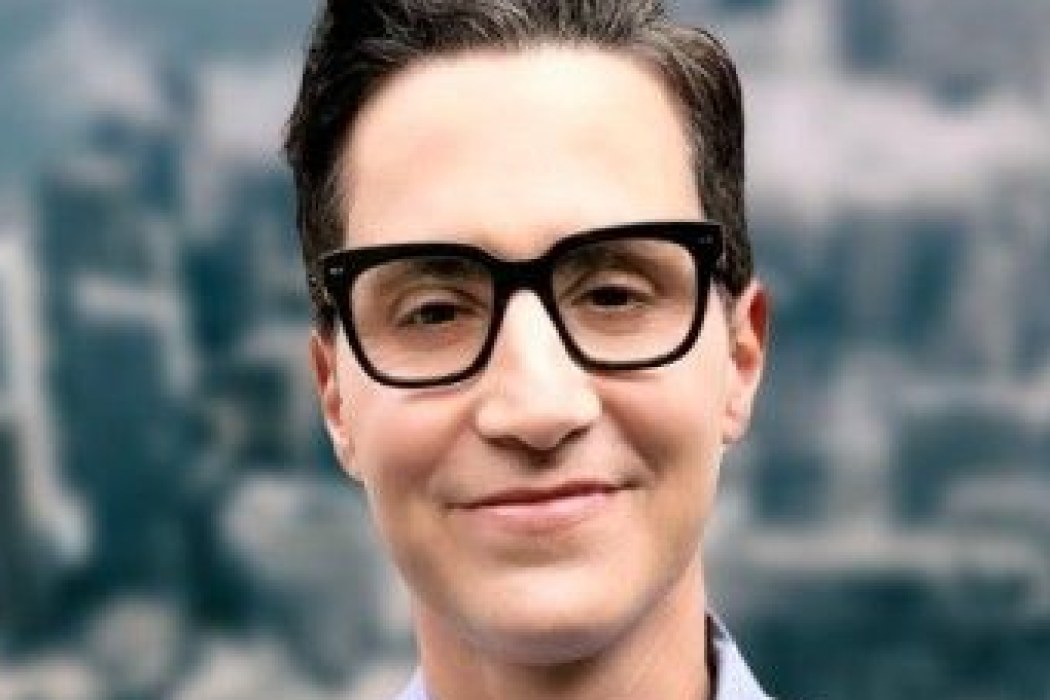
Manlio Carrelli
Manlio Carrelli is the Chief Executive Officer of Stensul, the New York based marketing creation platform that helps enterprise teams build governed email and landing page campaigns at scale. Appointed in May 2026, he arrived from CB Insights, where he led the AI predictive intelligence company and launched one of the industry's first AI agent workforces. With roughly two decades leading consumer and enterprise software companies - including revenue leadership at LivePerson and product and marketing roles at Intermedia - Carrelli has built a career at the intersection of AI, growth, and go-to-market. At Stensul he is focused on a single idea: as AI floods the enterprise with content, governance and compliance are no longer optional.

Eitan Winer
Eitan Winer is the co-founder and CEO of Maverick, a San Francisco startup that uses generative AI to send personalized videos and AI-optimized email at scale for ecommerce brands. Raised in La Paz, Bolivia and trained in Management Science & Engineering at Stanford, he spent eight years building products at mobile gaming company Pocket Gems and ran an alpaca-apparel store on Shopify before teaming up with engineer Debarshi Chaudhuri in 2021. Maverick records a merchant once, then uses lip-sync and face-sync models to generate thousands of customer-specific videos, aiming to make online shopping feel as personal as walking into a store.

Alex Persson
Alex Persson is the CEO of Privy, the email and SMS marketing platform built for founder-led, scrappy ecommerce brands rather than enterprise giants. A former technology investor at Jefferies and ex-CEO of WeCommerce, he took the helm of Privy in 2024 and steered its 2025 acquisition of conversational SMS pioneer Emotive, betting that growing merchants want a partner and not just another dashboard.

Ben Ho
Ben Ho is the Singapore-based founder of Hex (hex.sg), a web design and development studio, and the creator of Sendy - a widely-used self-hosted email newsletter application powered by Amazon SES. A self-taught designer and programmer, Ben co-founded Hex with Melly Fong in 2007, building websites and web applications for major brands like Sony, Nokia, Levi's, Changi Airport, and Tiger Beer. His best-known product, Sendy, launched in August 2012 and transformed the email marketing economics for thousands of businesses by offering a one-time $69 fee to send newsletters at a fraction of the cost of platforms like Campaign Monitor - roughly $1 versus $150 per 10,000 emails via Amazon SES.

Rebecca Shostak
Rebecca Shostak is the co-founder and CEO of Flodesk, a design-first email marketing platform that reached $36 million in annual recurring revenue without a single dollar of outside funding. A Silicon Valley native who taught herself Photoshop at 10, designed merchandise for Rihanna and Linkin Park, and built a company that Y Combinator rejected - then outgrew - Shostak turned a template shop frustration into a platform serving over 100,000 small businesses worldwide. Now steering Flodesk into AI, she spent five months in Vietnam with her engineering team building proprietary technology and filing seven patents.

Suhail Abidi
Suhail Abidi is the Co-Founder and CEO of Cube (cubehq.ai), an autonomous AI marketing platform serving multi-location brands like KFC and Taco Bell. A chemical engineer from IIT Kanpur who won the Stanford Reliance Dhirubhai MBA Fellowship - full ride, no internship - he spent his Stanford summer learning to code instead of collecting a consulting paycheck. Before Cube, he built Tinystep into a 600,000-user parenting network that Flipkart backed with $2M and BabyChakra eventually acquired. He is a serial entrepreneur with a consistent pattern: spot a real problem, learn whatever skill is missing, build the company.

Brian Dean
Brian Dean is the founder of Backlinko and co-founder of Exploding Topics, two companies he built and sold to Semrush. He invented the Skyscraper Technique, one of SEO's most widely replicated link-building frameworks, and turned a nutrition PhD dropout's basement hustle into a $4M+ exit running a 7-person contractor team. Now based in Berlin, he's a sought-after voice on building media businesses that don't depend on algorithmic luck.

Josh Spector
Josh Spector is a content strategist, newsletter creator, and solopreneur who helps businesses and creative entrepreneurs get more clients from their content. He runs For The Interested, a newsletter with 35,000+ subscribers, and previously spent 5.5 years growing the Oscars' social media following from 300K to 10 million — including overseeing the Ellen DeGeneres selfie that broke Twitter. He now operates a multi-six-figure consulting and creator business with zero outbound marketing.
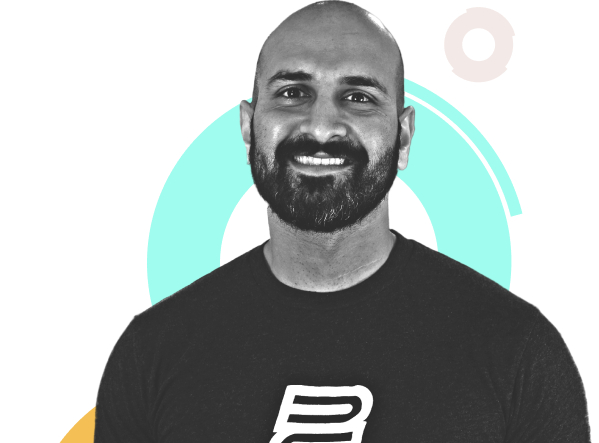
Sujan Patel
Sujan Patel is a serial entrepreneur, growth marketer, and SaaS operator best known as co-founder of Mailshake (a sales engagement platform used by 38,000+ professionals) and managing partner of Ramp Ventures, a B2B SaaS acquisition firm. A college dropout who earned $200K/year through SEO expertise, he has co-founded and scaled multiple companies, co-authored '100 Days of Growth' (50,000+ copies sold), contributed 200+ articles to Forbes, Inc., and Entrepreneur, and built a portfolio of bootstrapped SaaS businesses acquired through Ramp Ventures.

Nathan Barry
Nathan Barry is the founder and CEO of Kit (formerly ConvertKit), a $45M+ ARR bootstrapped email marketing and creator platform serving 60,000+ creators. A former self-taught designer who dropped out of Boise State, Barry built ConvertKit from $0 to a $200M valuation without a dollar of venture capital, turned down a $200M acquisition from Spotify, wrote viral frameworks like 'The Ladders of Wealth Creation,' and is now building Kit as the operating system for the creator economy while also flying a Cirrus SR22T, farming, and investing in a historic ghost town.
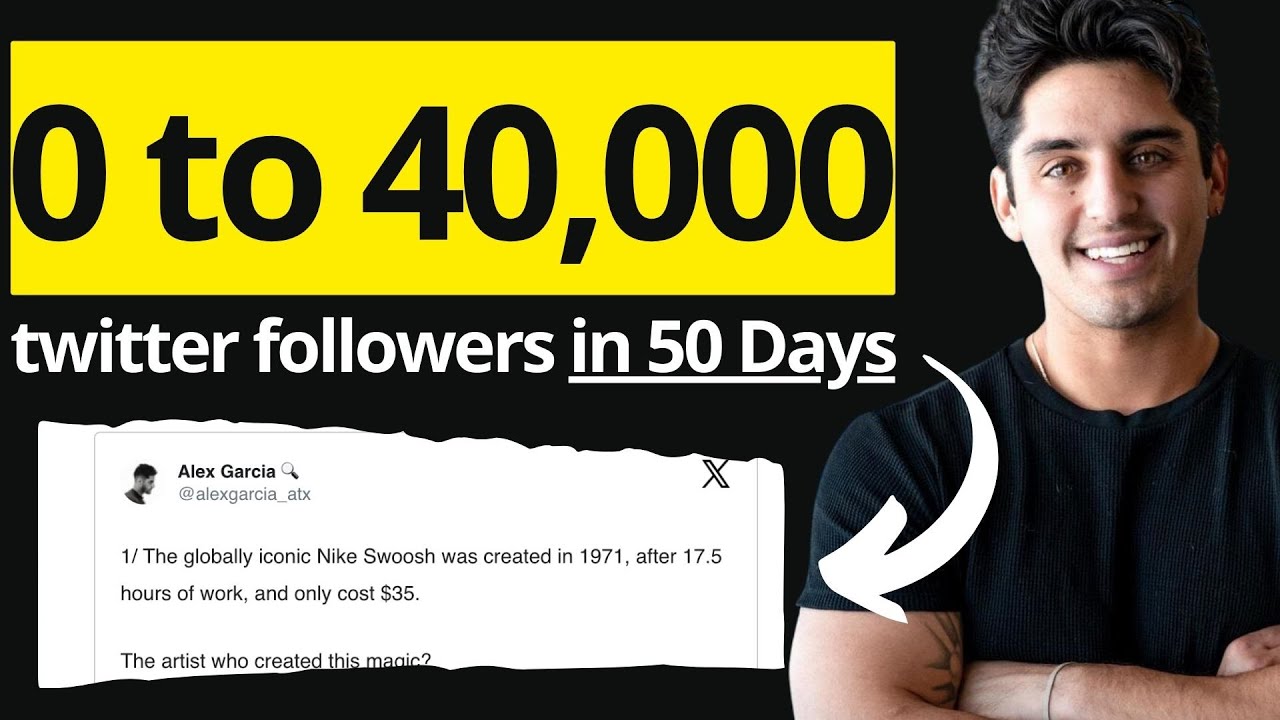
Alex Garcia
Alex Garcia is the Austin-based founder of Marketing Examined, a growth marketing newsletter he bootstrapped into a 7-figure media company with 200,000+ subscribers across 5 newsletters. A former CMO and agency founder, he built a social commerce agency that generated $100M in TikTok Shop attributable revenue in 18 months, co-founded the short-form video course Cut30, and hosts the Sweat Equity podcast. He's aiming to build a 9-figure media empire to rival Harvard Business Review.

Chase Dimond
Chase Dimond is a partner at Structured, a full-stack ecommerce marketing agency, and one of the most-followed email marketing experts on the internet. He co-founded Boundless Labs in 2018, grew it into a 7-figure agency generating $35M+ in email-attributable client revenue, and sold it to Structured in 2020. Today he runs a media empire with 750,000+ cross-platform followers, a 100K-subscriber newsletter with a 46% open rate, and has helped ecommerce brands collectively generate $200M+ in email revenue. Shopify named him the #1 influencer to follow in ecommerce.

George Ten
George Ten is a copywriter, educator, and strategist known online as @GrammarHippy. He invented the 'CopyThinking' philosophy — the contrarian belief that great copy is 90% strategic thinking and 10% actual writing. With 11 years in marketing, he has helped build 8-figure info-product funnels, sold over 500,000 products online, and spent $10M+ profitably on Facebook ads. He teaches thousands of entrepreneurs on X/Twitter and through his courses and community.