activewear
(36)
Abercrombie grew up. So did the clothes.
The old mall uniform became a wardrobe for adult life. Behind Abercrombie & Fitch Co.’s $5.3 billion year is a surprisingly practical story about fit, wedding invitations and learning to listen.

Michelle Wahler and the $400 Million Slow Build
Before Levi Strauss & Co. bought Beyond Yoga, Michelle Wahler spent sixteen years making the small decisions: softer fabric, better fit, another wholesale relationship. Stepping away brought a different question: what should she build with her time?
Joe Kudla and the shorts that outgrew their business plan
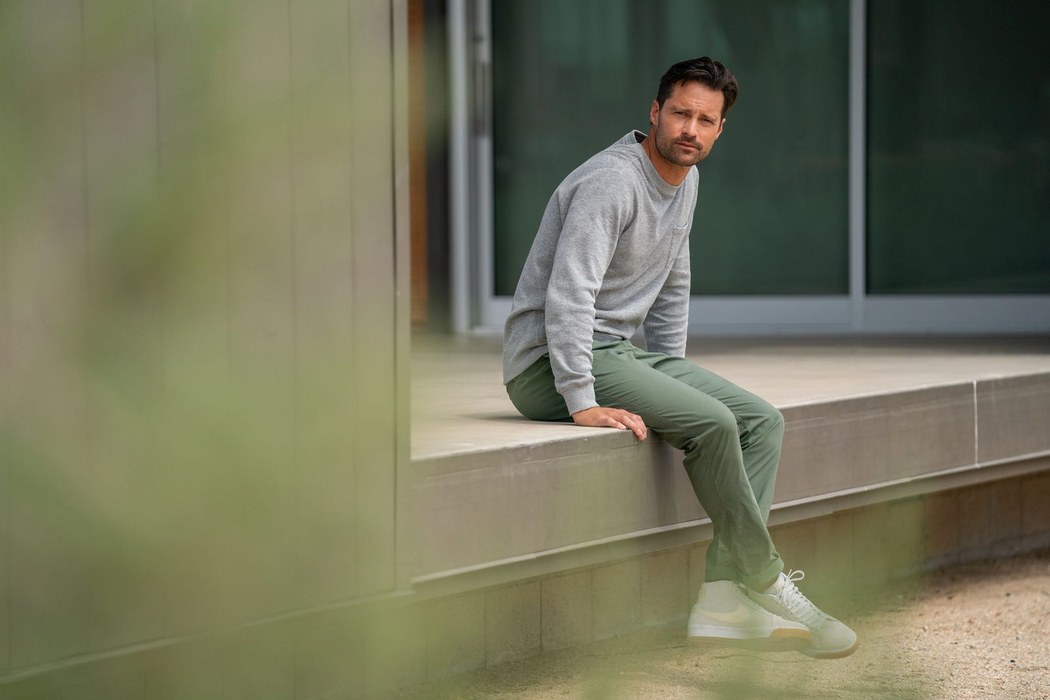
Joe Kudla set out to dress men for yoga. His customers had other plans - and listening to them helped turn Vuori from a garage venture into a global apparel business.
SKIMS made the underwear the outfit
Kim Kardashian started with the layer nobody was supposed to see. SKIMS built a business by making fit, skin tone and everyday comfort part of the fashion conversation.
Greyson Clothiers makes golf clothes with somewhere else to go
A Ralph Lauren veteran saw a wardrobe problem hiding in plain sight: golf clothes that belonged only on a golf course. Greyson built its answer around Italian stretch fabric, sharp tailoring and a wolf with social ambitions.
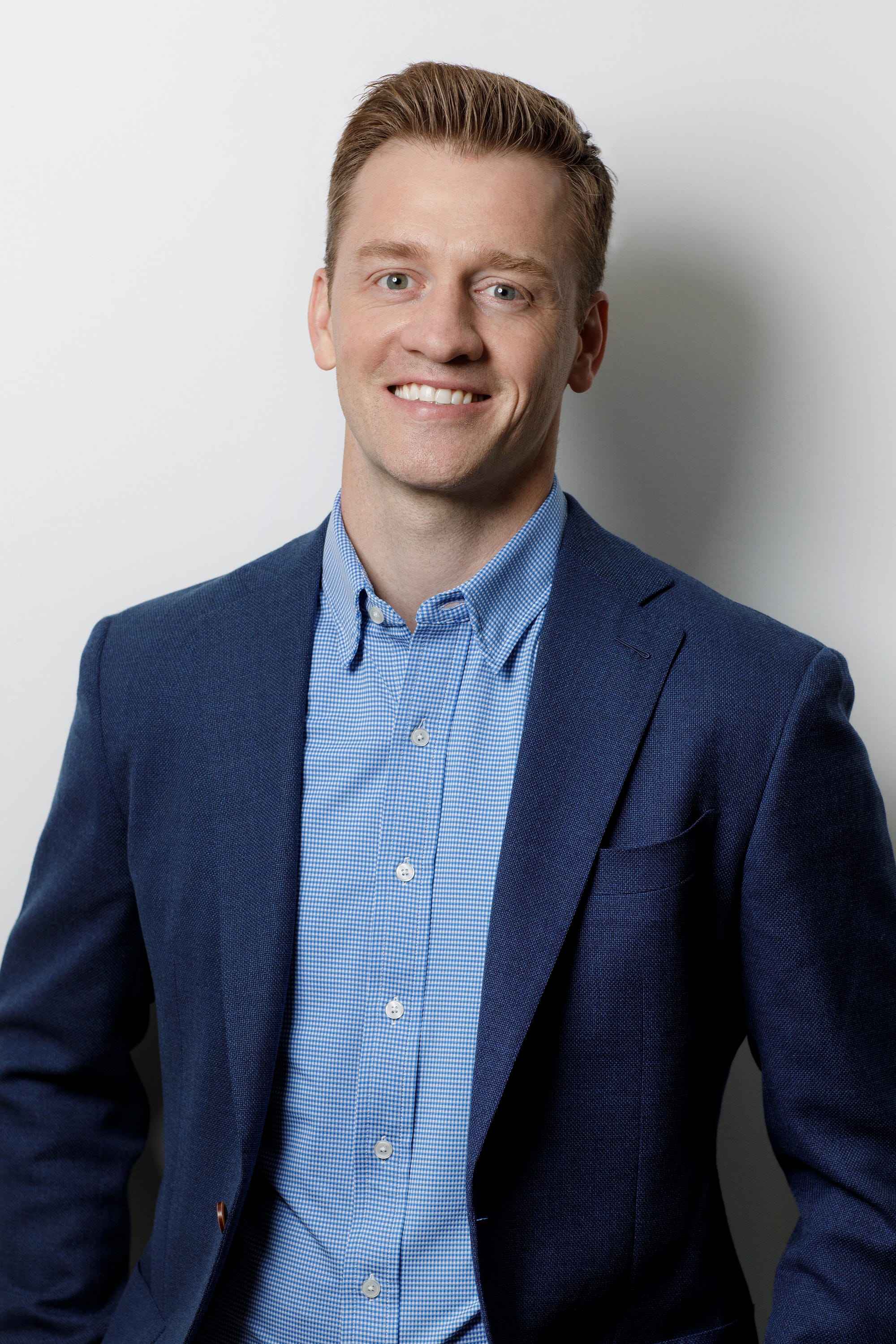
Nate Checketts Built Rhone Between Train Stops. Now He’s Playing the Long Game.
A childhood camp, an in-seat ordering startup and a briefcase full of fabric swatches all led to Rhone. A useful lesson from Nate Checketts lives beyond the clothing: small irritations can become durable systems.

The Retail Empire You Never See Is Behind the Brands You Do
Stream Empire Holdings spent four decades learning the unglamorous machinery behind desirable brands. Now the Malaysian family business runs a regional playbook that stretches from baseball caps and running gear to wine rooms and Korean pastries.
Coolmate Made Men’s Shopping Boring - Then Built a Growth Machine
The Hanoi startup removed the browsing, bargaining and return anxiety from buying basics. Now it is testing whether a frictionless menswear formula can travel across categories, storefronts and borders.
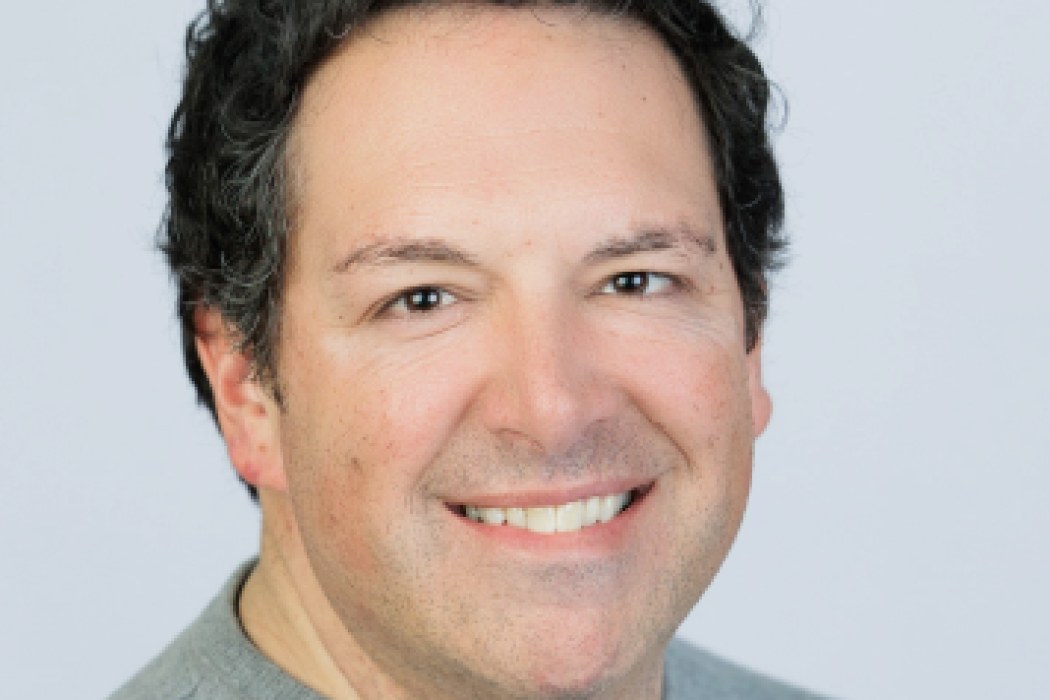
Davide Mattucci
Davide Mattucci is the Chief Marketing Officer of BYLT Basics, the Irvine, California premium essentials label known for its structured tees and loyalty-driven direct-to-consumer model. He has spent more than 20 years across global apparel brands - prAna, Brixton, adidas, Under Armour and Fanatics - moving fluidly from design and product creation into brand marketing and digital commerce. At BYLT he is helping steer the company's shift from an online seller of product into a full lifestyle brand with physical stores, bringing a 360-degree view of how product, storytelling and marketplace strategy connect with real customers.
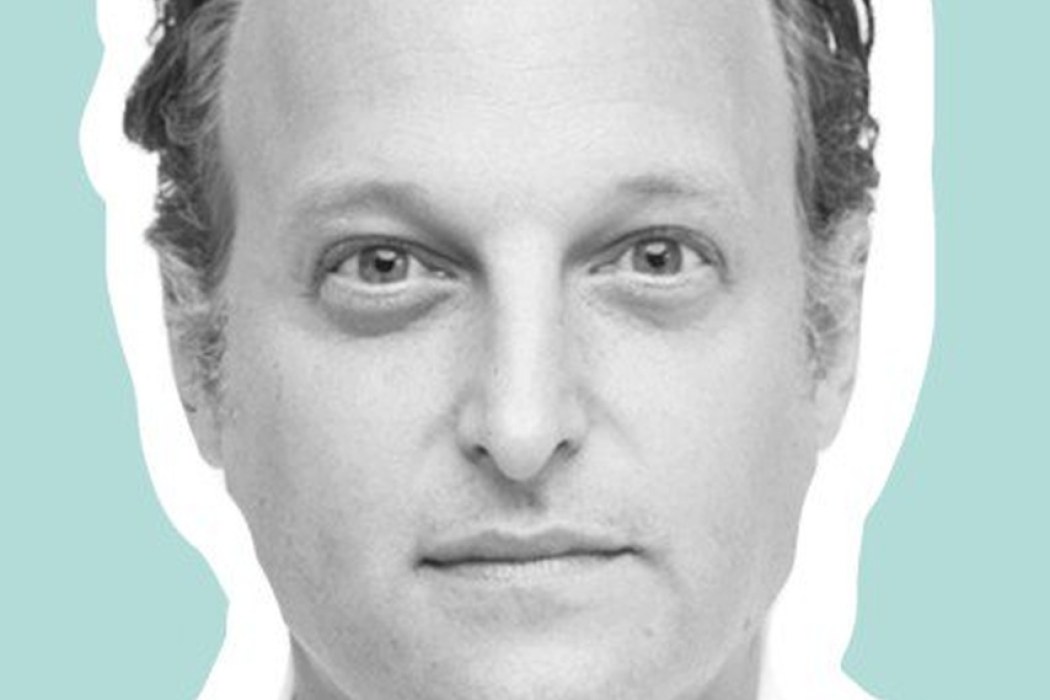
Jack Reynolds
Jack Reynolds is the Chief Marketing Officer of Free People and its activewear offshoot FP Movement, both part of Philadelphia-based Urban Outfitters, Inc. (URBN). He was promoted to the CMO role in April 2021 after several years running e-commerce and digital marketing for the brand, and before that spent roughly 13 years at Bertelsmann Media Group managing online and direct programs. He studied English and Philosophy at Dickinson College and originally wanted to work in music as an A&R representative, drifting into marketing while figuring out how to promote artists. Under his marketing leadership, FP Movement has grown from a single 2020 store into a fast-expanding activewear label, backed by campaigns like the 2024 Anomaly-created "Stand Out, Never Still" (starring a pink sheep named Tilly and five Olympic hopefuls) and the 2025 signing of snowboarder Bea Kim as the brand's first winter-sports ambassador ahead of the 2026 Winter Olympics.

Katie Babineau
Katie Babineau is the Chief Marketing Officer of Beyond Yoga, the Culver City premium activewear brand acquired by Levi Strauss & Co. in 2021. She spent roughly fifteen years in consumer technology - Sony Electronics, GoPro, Apple via TBWA\Media Arts Lab, and Snap Inc., where she was Global Head of Marketing - before joining Beyond Yoga as VP of Marketing in 2024 and stepping up to CMO. In 2025 she led the brand's first full reset, a platform called Seek Beyond built around the idea of progress over perfection, with actor and writer Issa Rae as the brand's first celebrity partner writing and performing a spoken-word anthem. She brings a test-and-learn technology mindset to apparel, argues loudly that brand and growth marketing should never be separated, and prefers hyperlocal, in-person community events to another round of picture-perfect ad creative.
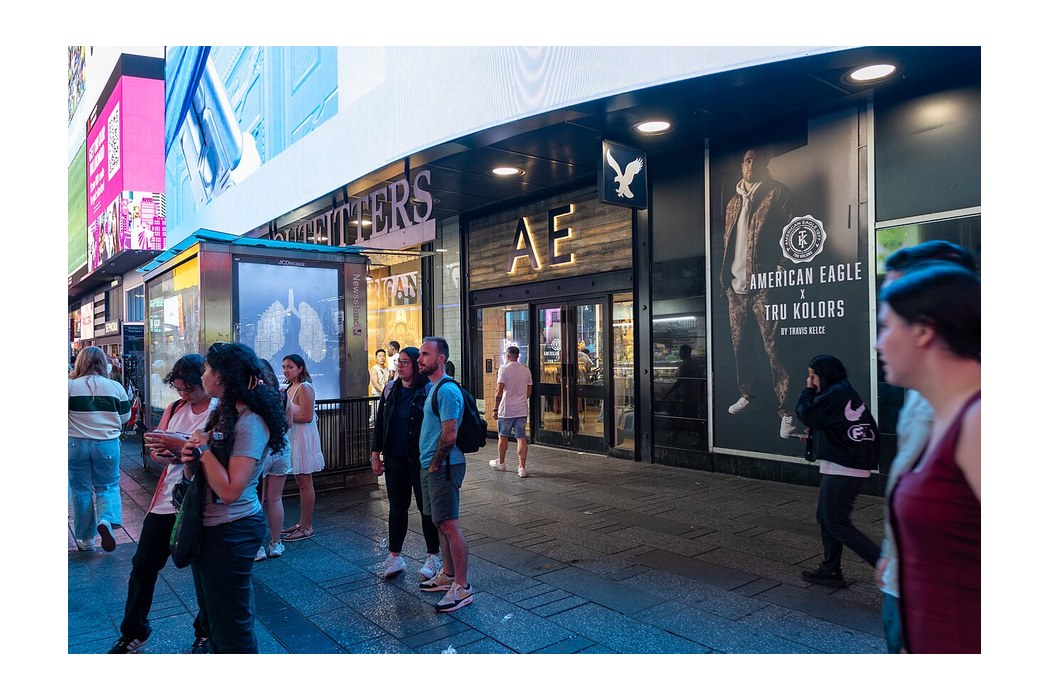
American Eagle Outfitters Inc.
American Eagle Outfitters, Inc. (NYSE: AEO) is a Pittsburgh-headquartered specialty apparel retailer that has spent nearly five decades selling jeans to teenagers and young adults - and, more recently, learning how to sell a great deal more than jeans. Founded in 1977 by brothers Jerry and Mark Silverman, the company now runs a five-brand portfolio: the namesake American Eagle denim and casualwear label; Aerie, the intimates and swim brand built on unretouched imagery; OFFLINE by Aerie in activewear; Todd Snyder in premium menswear; and Unsubscribed, a slow-fashion experiment. Fiscal 2025 revenue reached roughly $5.5 billion across about 1,168 company-operated stores, 357 internationally licensed locations, and a digital business spanning ae.com, aerie.com and toddsnyder.com. The company describes its flagship as the leading jeans brand for US shoppers aged 15 to 25. Its recent story is one of divergence: Aerie crossed $2 billion in trailing-twelve-month revenue and posted 25% comparable-sales growth in the first quarter of fiscal 2026, while the American Eagle brand has been flatter - even after the widely debated Sydney Sweeney denim campaign of July 2025 delivered what management called unprecedented new-customer acquisition.
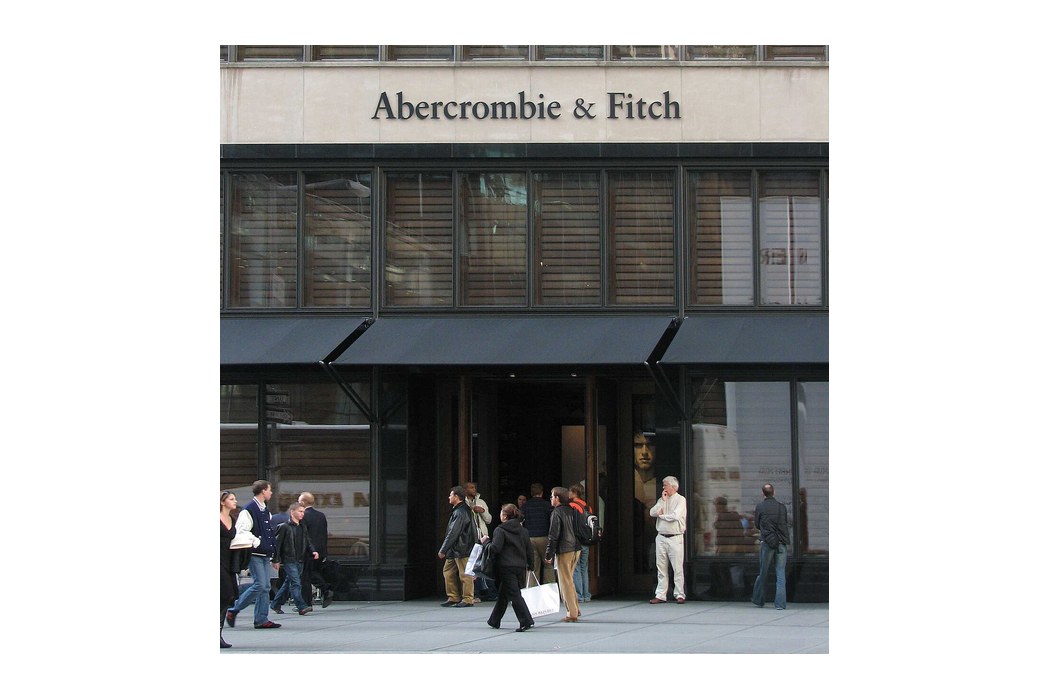
Abercrombie & Fitch Co.
Abercrombie & Fitch Co. (NYSE: ANF) is a Columbus, Ohio-based global specialty apparel retailer that operates a family of brands - Abercrombie & Fitch, abercrombie kids, Hollister, Gilly Hicks, Social Tourist and the YPB activewear line - across roughly 840 company-operated stores, a franchise network and a digital business that accounts for close to half of revenue. Founded in 1892 as a Manhattan outfitter that supplied Theodore Roosevelt's safaris and counted Ernest Hemingway among its customers, the company spent the 2010s dismantling the exclusionary teen-mall identity it had built in the 1990s and 2000s. Under CEO Fran Horowitz, who took over in 2017, it split its two flagship brands into distinct demographic lanes - Abercrombie for millennials in their twenties and thirties, Hollister for teenagers - shrank store footprints, and rebuilt merchandising around a lean-inventory 'chase' model that reads early demand signals and reorders fast. The approach produced record fiscal 2025 net sales of $5.27 billion, a third straight year of double-digit operating margin, and one of the more complete reputational reversals in modern American retail.

Adore Me
Adore Me is a New York-based intimates brand that set out in 2011 to sell well-made bras and lingerie at prices a student could afford, and ended up rewriting how the category is merchandised. Founded by Harvard MBA Morgan Hermand-Waiche, the company paired a wide size range (30-46 bands, A-I cups) with a monthly membership, an at-home try-on box, and an unusually large in-house engineering group in New York and Bucharest that built roughly 15 internal tools for planning, sourcing, and personalization. It reached an estimated $250 million in sales and more than 1.2 million active customers before Victoria's Secret & Co. acquired it in a deal announced November 2022 at $400 million cash upfront plus earnouts, closing January 2023. Adore Me became the only US lingerie brand certified as a B Corporation in 2022. Under its parent it has since narrowed: the founder departed in August 2025, the VIP subscription that defined the model ended in February 2026, and Victoria's Secret recorded a $120 million impairment on the business that same quarter.

Bandit Running
Bandit Running is a Brooklyn-born, community-first performance running brand founded in 2020 by Tim and Nick West with designer Ardith Singh. Starting with a single pair of cushioned running socks packed by hand, Bandit grew through New York run clubs into a full head-to-toe running apparel line - shorts, tights, singlets, sports bras, socks and lifestyle wear - sold direct-to-consumer. The brand is known for co-designing product with its running community, high social engagement, and The Unsponsored Project, which backs professional runners without shoe deals. Bandit raised a $14.25M Series A in 2023.

Beyond Yoga
Beyond Yoga is a Culver City, California activewear and athleisure brand founded in 2005 by Jodi Guber Brufsky and Michelle Wahler. Built around a body-positive, size-inclusive philosophy (XXS to 3X) and its signature buttery-soft Spacedye fabric, the female-founded label makes leggings, sports bras, loungewear, and lifestyle apparel designed to move from studio to street. Acquired by Levi Strauss & Co. in 2021 for roughly $400 million, Beyond Yoga has grown past $100 million in annual revenue and is expanding its physical retail footprint under CEO Nancy Green.
BYLT Basics
BYLT Basics is a Southern California premium apparel brand that reengineers everyday wardrobe staples - tees, polos, joggers and outerwear - with heavier, longer-lasting performance fabrics and tailored fits. Founded in 2016 by Eric Mear, who was frustrated that basic black T-shirts fell apart after a few washes, the direct-to-consumer label built its reputation on its flagship Drop-Cut silhouette and has grown into an omnichannel business spanning men's, women's and kids' lines sold online, in retail stores, and at wholesale partners like Nordstrom, shipping to over 50 countries.

Cupshe
Cupshe is a California-inspired, direct-to-consumer beachwear brand for women that sells trendy, affordable swimwear, bikinis, cover-ups, activewear and loungewear. Founded in 2015 by former Alibaba CEO David Wei, the internet-first label pairs a Shopify-powered DTC website and app with a strong Amazon presence, reaching millions of customers across more than 100 countries. Known for vibrant prints, size-inclusive fits and $15-$30 price points, Cupshe grew into a roughly $150M-plus swimwear business and has expanded into recycled, GRS-certified sustainable collections.

Fabletics
Fabletics is a membership-based activewear brand founded in 2013 and headquartered in El Segundo, California. Built on a VIP subscription model that pairs monthly credits with data-driven personalization, it sells women's and men's activewear, footwear, swimwear, loungewear, and medical scrubs across e-commerce and 120+ retail stores. In 2025 the company crossed $1 billion in annual revenue with more than 3 million active customers, roughly 2.7 million of them VIP members.
Free People
Free People is a Philadelphia-based bohemian lifestyle brand for women, part of Urban Outfitters, Inc. (URBN). Rooted in the counterculture store that Dick Hayne opened near Penn's campus in 1970 and relaunched as a wholesale label in 1984, it now sells eclectic, vintage-influenced apparel, accessories, shoes, intimates and beauty across its own boutiques, wholesale accounts and freepeople.com. Its fast-growing activewear spin-off, FP Movement, has made Free People URBN's second-largest brand, with roughly $1.5 billion in annual revenue.
Just For Kix
Just For Kix is a Minnesota-based youth dance company that pairs hands-on dance instruction with a full retail catalog of dancewear, costumes, shoes and custom team apparel. Founded in 1981 by coach Cindy Clough in Brainerd, it runs more than 200 community dance programs across a dozen states, hosts summer camps and the ReliaQuest Bowl performance tour, and outfits dancers through its shop and in-house Alexandra Collection - all built on a team-first, confidence-building philosophy rather than a competition-only model.
Knix
Knix is a Toronto-based direct-to-consumer intimate apparel company that pioneered the leakproof underwear category. Founded in 2013 by Joanna Griffiths, it designs machine-washable, reusable period and leakproof underwear, bras, activewear, swimwear and shapewear built for the realities of menstruation, bladder leaks, postpartum and body changes. Known for size-inclusive design and a mission to empower women to be 'unapologetically free,' Knix grew into the #1 leakproof brand in North America and was acquired by Swedish hygiene giant Essity in 2022 in what was reported as the largest exit by a Canadian female founder.
Kohl's
Kohl's is one of the largest department store chains in the United States, operating roughly 1,100 off-mall stores across 49 states plus Kohls.com. Founded in Wisconsin, it sells moderately priced apparel, footwear, accessories, beauty, and home goods to value-conscious families, anchored by its Kohl's Cash and Kohl's Rewards loyalty programs. In recent years it has leaned on partnerships - hosting Sephora shops inside its stores and accepting Amazon returns - to drive traffic while working to reverse a multi-year sales decline.
Mugsy
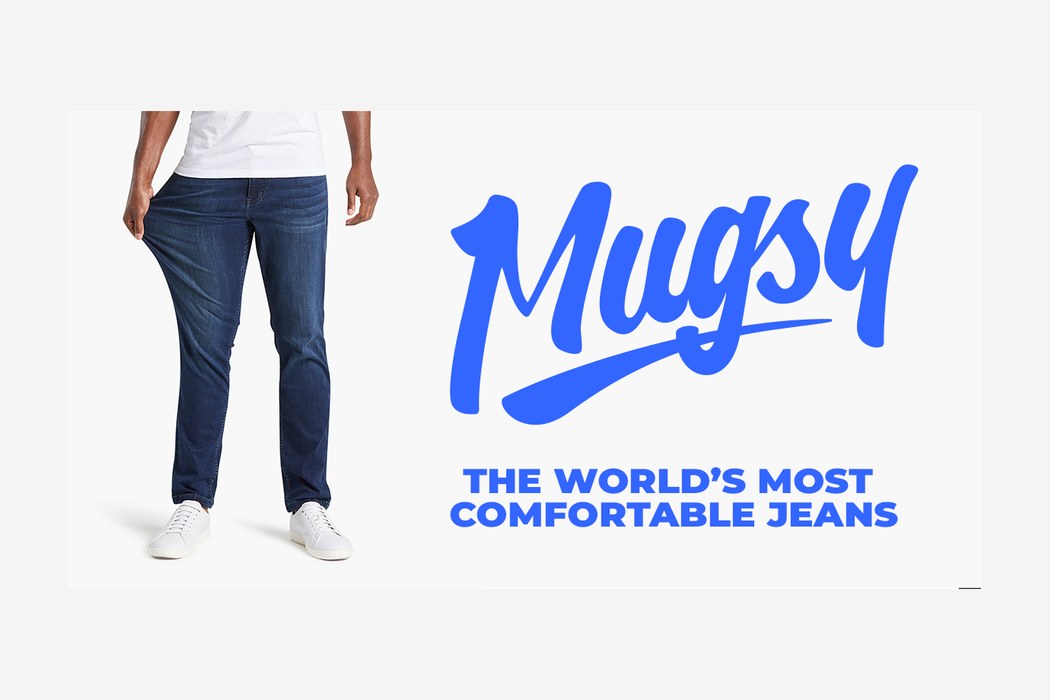
Mugsy is a Chicago-based direct-to-consumer menswear brand built around a single idea: men shouldn't have to trade comfort for style. Founded in 2015 by Leo Tropeano, the company designs stretchy, athletic-fit jeans, chinos, shorts and shirts using a custom performance-denim blend that adds more spandex and softer cotton than typical stretch jeans. Sold almost entirely online with free shipping and returns, Mugsy has grown into one of the fastest-growing apparel companies in the U.S., earning more than 40,000 five-star reviews and a spot on the Inc. 5000.

Pair of Thieves
Pair of Thieves is a Culver City, California men's basics brand that reimagines everyday essentials - socks, underwear, undershirts, tees and loungewear - with a focus on fit, performance fabrics and playful design at accessible prices. Founded in 2012 by three friends (film producer Cash Warren, designer Alan Stuart and operator David Ehrenberg) who each put in $1,500 to start a sock company, the brand grew into a roughly $100 million business sold at Target, Kohl's, Nordstrom, Amazon and direct-to-consumer. Its 'Give a Pair' and 'Good Fits' programs have donated millions of pairs of socks to people experiencing homelessness and to causes spanning mental health and LGBTQ+ youth support.
Rebel Athletic
Rebel Athletic is a Carrollton, Texas-based designer and manufacturer of couture cheerleading, dance, and athletic apparel, known for crystal-embellished 'luxury athletic wear for those that sparkle.' Founded in 2012 by Karen Noseff Aldridge, the company built a vertically integrated model - designing like a fashion house and producing in its own offshore factory - to challenge market leader Varsity Brands with faster service, deep customization, and better value. It serves allstar gyms, school and youth programs, dance studios, and pro cheer squads, and has expanded into direct-to-consumer retail and e-commerce, including a flagship store at The Shops at Willow Bend in Plano.
Rhone
Rhone is a Stamford, Connecticut premium performance apparel brand founded in 2014, best known for pioneering men's activewear that bridges the gym, the office and everyday life. Built around proprietary technical fabrics and its signature Commuter collection, Rhone sells direct-to-consumer online and through a growing retail footprint while championing men's mental health through its Mind & Muscle events and partnerships with the NBA and LPGA.

Sendero Provisions Co.
Sendero Provisions Co. is a Waco, Texas apparel brand that makes story-driven, Western-inspired clothing and gear - from its signature performance pearl snap shirts and t-shirts to hats, denim and accessories. Founded in 2014 around a single hat inspired by the landscapes of Big Bend country, Sendero blends outdoor performance fabrics with a distinctly Texan sense of humor and craft, selling direct-to-consumer online and through a growing wholesale network of Western, outdoor, boutique and surf retailers.

Torrid
Torrid is a California-based direct-to-consumer retailer of plus-size women's apparel and intimates, designing trend-driven clothing in sizes 10 to 30. Launched in 2001 as a Hot Topic concept and public on the NYSE since 2021 under ticker CURV, the brand pairs a digitally led e-commerce business with a fleet of specialty stores, and builds fit authority by developing garments on live plus-size fit models rather than grading up smaller patterns.

Tory Burch
Tory Burch is a New York-based luxury lifestyle brand founded in 2004 by designer Tory Burch. Blending preppy American sportswear with bohemian and eclectic details, it sells ready-to-wear, handbags, shoes, accessories, jewelry, fragrance, beauty, home decor and the Tory Sport activewear line through roughly 400 stores worldwide, wholesale partners and multi-language e-commerce. The privately held, family-run company generated an estimated $1.8 billion in retail sales in 2024. From the start the brand was built to fund a mission: the Tory Burch Foundation, launched in 2009, advances women's entrepreneurship through access to capital, education and a fellowship program.