Consider a pair of jeans that fits through the hips but leaves a gap at the waist. A shopper can size down, tolerate it, or leave. Abercrombie’s Curve Love offers another answer: two additional inches through the hip and thigh, with a proportional waist. A company once associated with deciding who belonged was now adjusting the clothes. The distinction is small enough to measure with a tape, and large enough to explain a business.
- The namesake brand followed young adults into work, weekends and weddings.
- Hollister kept its teen audience, giving the group a different growth engine.
- Better fit came with hard decisions about stores, costs and distribution.
This is the useful way into Abercrombie & Fitch Co.: through a customer’s ordinary inconvenience. Its expertise combines merchandising, fit development, brand management and selling across stores and screens. The turnaround becomes more interesting when you stop treating “cool again” as an explanation and ask what, exactly, the customer can buy now.
The customer left the mall
Reinvention predates the moose. David Abercrombie founded the original business in 1892 to sell camping, fishing and hunting gear. Ezra Fitch joined later; the two-name business incorporated in 1904. Ownership changed. The Limited acquired it in 1988. The publicly traded company arrived in 1996, followed by abercrombie kids in 1998 and Hollister in 2000. The heritage is real. So is the repeated change of audience.
The mall-era identity carried a heavy liability: exclusion. Dark stores, loud music and sexualized imagery made the brand recognizable, while discriminatory practices and legal battles damaged its reputation. Those problems preceded the latest turnaround. A fresher photograph could hardly settle the underlying question: why should a customer who felt unwelcome come back?
Fran Horowitz joined in 2014 and became CEO in February 2017. Her answer involved listening closely enough to change the merchandise. In a company account of her WWD summit discussion, she identified customer requests behind both Curve Love and YPB activewear. These were concrete changes in what shoppers could wear, rather than a request that they reconsider an advertisement.
“keeping the customer at the center of everything we do”
Fran Horowitz · WWD summit recap, 2023
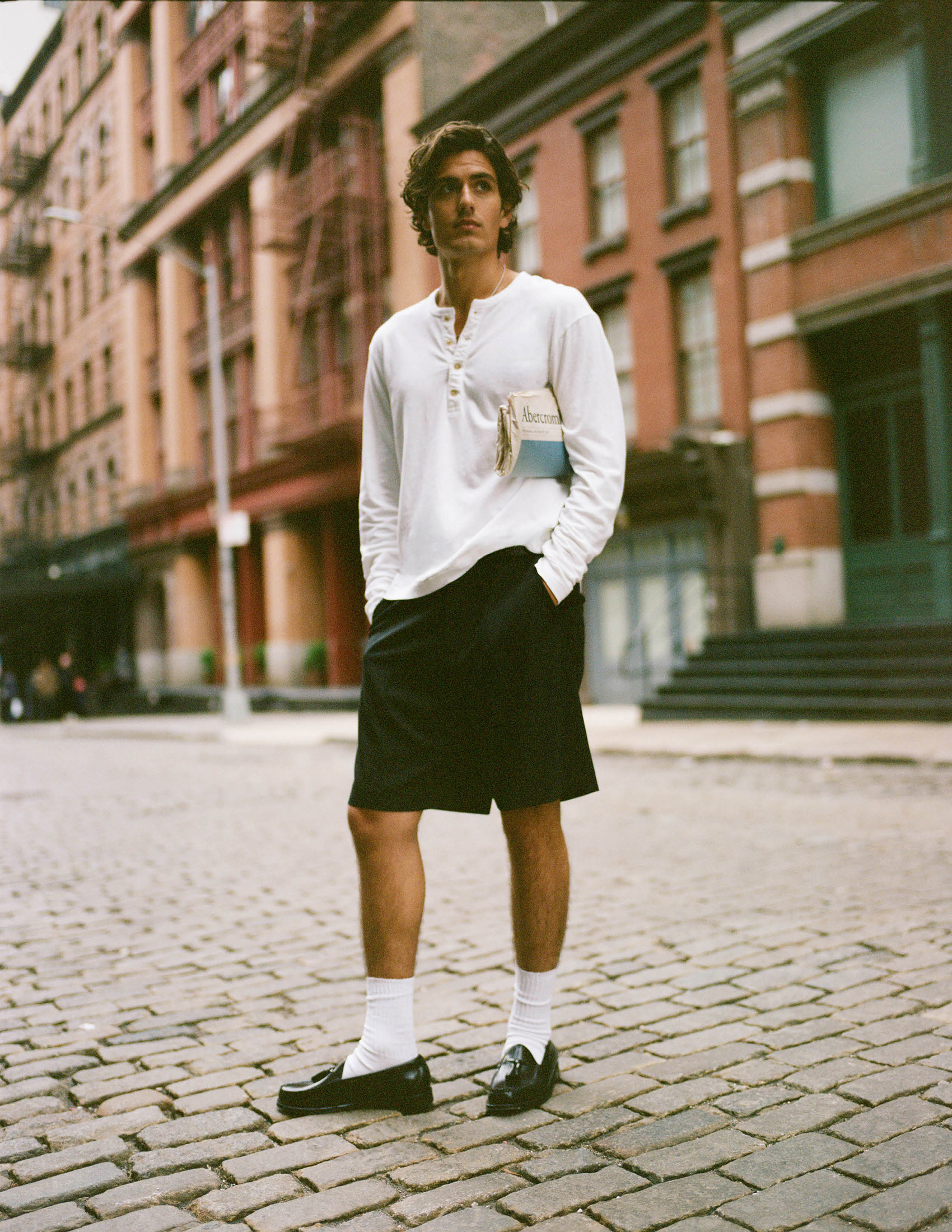
There was also a cultural claim to back up. The company now describes coaching, mentoring and giving associates a voice as workplace expectations. That is management’s account, rather than a verdict on every store. For the customer, the more testable promise is on the rack: whether different bodies and different plans have been considered in the design.
Dress for the invitation
Today the namesake brand offers young adults denim, dresses, tailoring, casualwear, accessories and fragrance. Hollister addresses teens with its California-inspired identity. Children have abercrombie kids; YPB covers workouts and the hours around them. That separation matters. A portfolio can serve several life stages without asking one label to explain everybody.
The Wedding Shop makes the adult strategy unusually legible. Customers discussing their long weekends kept mentioning weddings and the surrounding events. In March 2024, Abercrombie launched more than 100 pieces, including dresses, pantsuit separates, pajamas and cover-ups. The invitation had become an assortment. The launch announcement put prices at $80 to $150: a historical range that explains the proposition, not a promise about today’s checkout.
For shoppers, this creates practical choices: try Curve Love when waist gap is the problem; browse occasionwear when the calendar fills up; compare lengths and fits before committing. Alternatives depend on the errand. American Eagle competes for denim spending, J.Crew for casual polish, Zara for fashion and Lululemon for activewear. Abercrombie’s appeal lies in assembling several of those errands under a familiar name.
Through the hip and thigh.
A proportional waist. Less gap.
The bill for changing your mind
There was a physical bill. Moving away from large flagship stores meant unwinding commitments, not simply changing window displays. Fiscal 2019 brought $47.3 million in flagship exit charges, primarily associated with Hollister’s SoHo location. Eight more flagships closed in fiscal 2020. The annual report describes the destination as smaller, more productive stores supporting shopping across channels. Those charges document one part of the work, not its total cost.
The commercial model remains straightforward: sell owned-brand clothes through company stores and digital channels, supplemented by third-party arrangements. Success depends on choosing merchandise customers want, controlling inventory and earning enough margin after fulfillment, marketing and occupancy. The company’s 2022 strategy also called for customer analytics and digital investment. Listening requires systems as well as conversations.
Its investor plan made the customer work explicit: improve analytics to understand shoppers, then invest in people, systems and processes to improve the experience. The sequence is useful. Information needs to reach the people choosing the assortment and running the stores. Otherwise, a retailer can collect plenty of customer data and still send the same disappointing pair of jeans back into the fitting room.
Annual net sales USD billions · fiscal years
Group sales, including Hollister. Fiscal 2025 ended January 31, 2026. Values rounded.
Fiscal 2025 net sales reached $5.266 billion, up 6%, with a 13.3% operating margin. But the brand split complicates the comeback poster: Hollister brands grew 15%; Abercrombie brands declined 1%. A successful parent company and an endlessly accelerating namesake are different propositions. The figures reward keeping track of which business is doing the growing.
More doors, fewer assumptions
Expansion increasingly includes someone else’s doors. A 2024 Haddad Brands agreement broadened abercrombie kids’ distribution; by August 2025, the company reported launches at retailers including Nordstrom and Galeries Lafayette. The 2026 NFL collection represents all 32 teams and extends into NFLShop.com and stadium stores. In September 2026, YPB announced a multi-season Barry’s collaboration, with instructor input and October distribution through both companies.
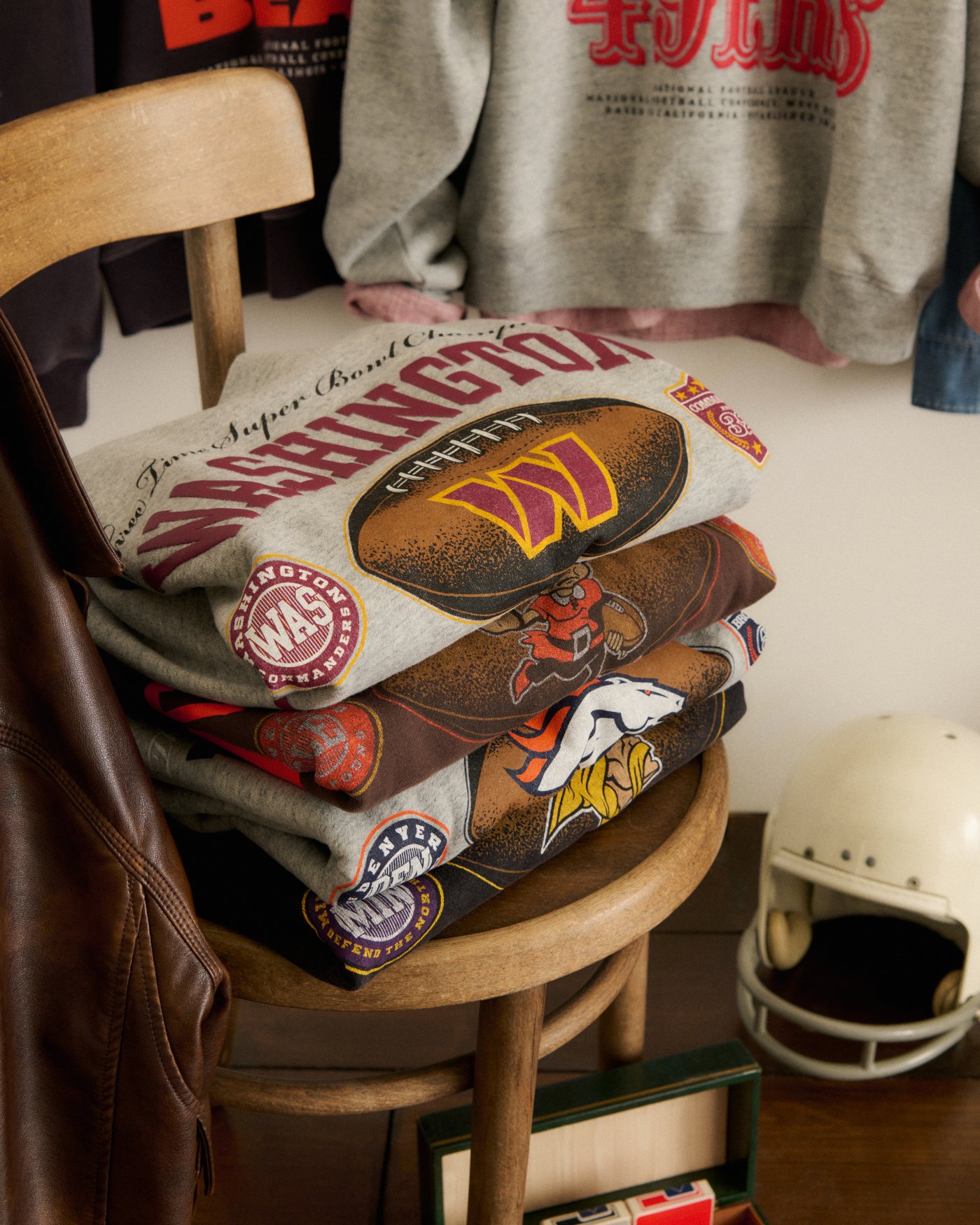
The latest reported quarter adds a caution about measurement. Fiscal Q2 2026 sales rose 5% to roughly $1.3 billion, while comparable sales were flat. Reported operating income included approximately $100 million in tariff refunds. That benefit matters to profit, but it cannot demonstrate stronger customer demand. The quarterly release separates the effects; readers should too.
What can another business copy? Translate a recurring complaint into a product specification, give each brand a clear customer, and make the store economics fit the strategy. It requires time, investment and customers willing to reconsider. A new message alone cannot repair disappointing fit; a desirable assortment cannot erase an unaffordable lease. Abercrombie’s lesson is tangible: start with the gap the customer can actually feel.