health-insurance
(67)
The Insurance Plan That Learned the Hard Part Was the Paperwork
Pooja Ika built a Medicare Advantage insurer around a simple complaint: coverage can be generous and still be miserable to use. A 2021 application fight and a renewed 2026 enrollment freeze show just how much of this business turns on the machinery behind the benefits.
The Doctor in Your Pocket Had to Learn Your Name
Doctor On Demand began with a $40 video house call. The lasting business emerged when a quick answer became a continuing relationship with a clinician, a health plan, and the care that happens after the screen goes dark.

Patrick Quigley Put a Price Tag on the Waiting Room
A $970 gap between two prices for the same scan gave the engineer and operator a question worth building a company around: what if insurance showed its work?
Sidecar Health wants you to shop for care - and keep half the savings
A $970 MRI price gap helped inspire an insurer built around visible prices, open provider choice and money back. Its move into employer coverage puts that idea to a much bigger test.
Compare Club sells relief from the bills you keep putting off
The Australian comparison business pairs digital tools with people who help finish the switch. Its opportunity lies in the gap between finding a cheaper deal and actually doing something about it.
HealthEdge Is Building the Operating System Health Plans Were Too Scared to Replace
The dullest machinery in American healthcare may be the most expensive to leave untouched. HealthEdge spent 20 years turning claims rules, care workflows and provider records into one payer platform - then merged with the operator that knew how to move insurers onto it.
The $0 Commission Error Is the Product: How e123 Is Rewiring Health Insurance's Messy Front Office
Health plans spent decades polishing claims and billing while agent onboarding and commissions lived in spreadsheets. e123's bet is that fixing that neglected front office can turn accurate payouts, cleaner data and faster onboarding into growth.

HealthAxis Wants to Make Health Insurance’s Boring Back Office Actually Work
HealthAxis runs the machinery most members never see: claims, eligibility, provider data and the audit trail behind them. Its bet is that health plans will buy software and operational help together - if the savings arrive without a compliance hangover.
The Mental-Health Company You Used Without Knowing It - and the Cost of Disappearing Into the Parent Brand
For decades, MHN sat between an insurance card and a therapist's door. Then Health Net moved much of the machinery under its own name - a case study in what happens when a useful company becomes infrastructure.
Remodel Health’s $100 Million Bet: Make Employees Shop for Insurance - Without Leaving Them Alone
Employers get a ceiling on health-benefit costs. Workers get a market full of choices - and a licensed human to call. Remodel Health raised more than $100 million on the belief that this awkward trade can become mainstream infrastructure.
The Insurance Broker That Turned Itself Into an API
Born inside the world's largest independent broker, Mylo spent a decade turning insurance advice into software other companies can plug in. Here is how a Kansas City team quietly became the insurance layer behind small-business platforms.

Healia Found a $20,000 Leak in Family Health Benefits - Then Built a $4,000 Fix
Most benefits software helps employees choose from the plans on one screen. Healia asks a more profitable question: should the family be on the other employer's plan instead? Its answer has attracted hundreds of employers, a $14 million Series A and a useful lesson about why good math still needs good operations.
AnswersNow Bet Five Virtual Hours Could Challenge the 30-Hour Autism Therapy Week - 504 Families Put It to the Test
The Richmond company replaced a scrappy text-support service with insurance-funded, BCBA-direct virtual care. A new 504-participant study suggests the lower-hour model is feasible and well liked - while also showing exactly what still needs proving.
The $40,000 Bet That Turned Bilingual Insurance Into a 280-Office Machine
Ivan and Ania Herrera bought a name with no customers in the middle of a financial crisis. Their useful insight was less glamorous than disruption: speak the customer’s language, compare more carriers and turn the neighborhood agent into a repeatable franchise.
Tenure Health Bet That Medicare Needed a Better Front Door - Then Sold the Blueprint
Tenure Health started with a consumer problem - retirement healthcare feels like paperwork with a pulse. Three years, roughly $7 million and several stops and starts later, NCD bought the company for the product machinery behind the promise.

The Surgeons Who Taught Software to Argue With Insurance Companies
Prior authorization is the paperwork chokepoint that delays surgeries and burns out staff. ClinicalBox built an AI that does the arguing - reading the chart, matching the policy, and building the case in about a minute.
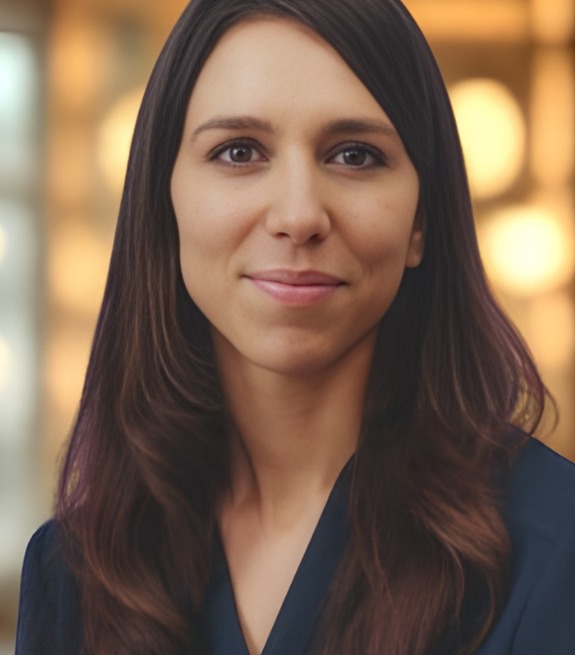
Kristen Prestano Is Teaching Health Insurance to Talk Like a Person
How a communications lifer became the marketing chief at one of health insurance's most watched companies, and why she keeps betting that clear beats clever.

The Drugstore That Swallowed the Health-Care Map
CVS Health has assembled a pharmacy, an insurer, a benefits manager and a care network under one red heart. The result is a $402 billion experiment in whether scale can make American health care feel less fragmented.
GHI
GHI pioneered the broad doctor network before the term PPO became everyday insurance language. Nearly nine decades later, its name survives inside EmblemHealth - and inside the health benefits of generations of New Yorkers.
Humana
How a 1961 nursing-home bet in Louisville became a Medicare Advantage powerhouse - and why Humana is now buying the clinic, the pharmacy and the house call instead of just the insurance card.

The Cigna Group
The insurance card is only the front door. Behind it sits a $274.9 billion machine spanning pharmacy benefits, specialty medicine, behavioral care and digital health - built to make a fragmented system behave more like one business.
UnitedHealth Group
UnitedHealth Group has built a vast loop around American health care - paying claims, delivering care, managing prescriptions and supplying the data beneath it all. The same integration that gives it unusual reach also puts every friction point under a brighter light.
Oscar Health
Oscar Health began with a friendly app and an unfriendly problem: American health insurance. Fourteen years later, its bigger bet is that the individual market can become the operating system for how people buy care.

Curacel
Curacel is an AI-powered insurance infrastructure company building the rails for insurance in emerging markets. Its cloud APIs let insurers automate claims processing and catch fraud, waste and abuse, while its Grow product lets banks, fintechs and e-commerce platforms embed insurance into their own apps. A Y Combinator Winter 2022 company founded in Nigeria, Curacel works with insurers such as AXA Mansard, Old Mutual and Jubilee across roughly ten African markets.

Insurf
Insurf is an AI-native decision and data layer for U.S. health insurance. Its first product, Inveto, turns denied healthcare claims into source-cited, physician-attested appeals so medical practices recover revenue they would otherwise write off. Each resolved claim feeds a proprietary coverage-decision graph of real payer behavior, which powers a second product, Surely, that prices the true cost of a health plan for employers and brokers. Founded in 2026 by Chang Lu and Bryan Chung, the company is part of Y Combinator's Summer 2026 batch and is based in San Francisco.
Halodoc
Halodoc is a Jakarta-based digital health platform that lets Indonesians consult licensed doctors, order medicine for home delivery, book lab tests and appointments, and buy insurance from a single mobile app. Founded in 2016 by Jonathan Sudharta and Doddy Lukito, it connects more than 20 million monthly active users with over 20,000 doctors, 4,000+ pharmacies and 1,400+ hospitals, and has raised roughly US$258 million led by Indonesian conglomerate Astra, Temasek and Novo Holdings.
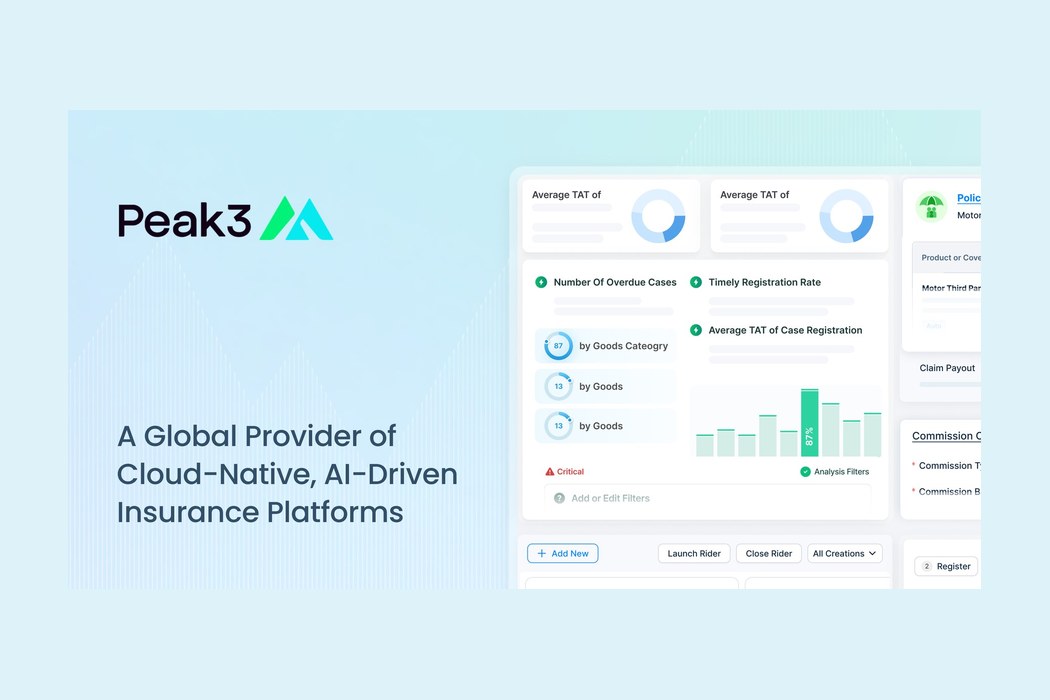
Peak3
Peak3 (formerly ZA Tech) is a Singapore-headquartered insurtech that builds cloud-native, AI-ready core software for the insurance industry. Its modular platform - spanning policy administration, distribution, claims and orchestration - lets insurers, MGAs and brokers launch and run life, health and property & casualty products across many markets. Founded in 2018 out of Chinese insurtech ZhongAn and rebranded to Peak3 in 2024 alongside a US$35M Series A led by EQT, the company powers global insurers such as AIA, Generali, Prudential and Zurich, and embedded-insurance programs for digital platforms including Grab, Klook, Lazada and PayPay. Its software has supported over a billion policies across 20-plus countries.
TachyHealth
TachyHealth is a UAE-based healthcare AI company that helps hospitals, clinics and insurers close the gap between clinical care and payment. Founded in 2018, it builds AI-driven tools for medical coding, claims review and auditing, and clinical decision support - branded AiCode, AiReview and AiGuide - aimed at reducing administrative burden, controllable revenue loss and claim denials while advancing value-based care across the Middle East and Africa. In October 2025 it raised a $5M Series A led by Saudi insurer Tawuniya.
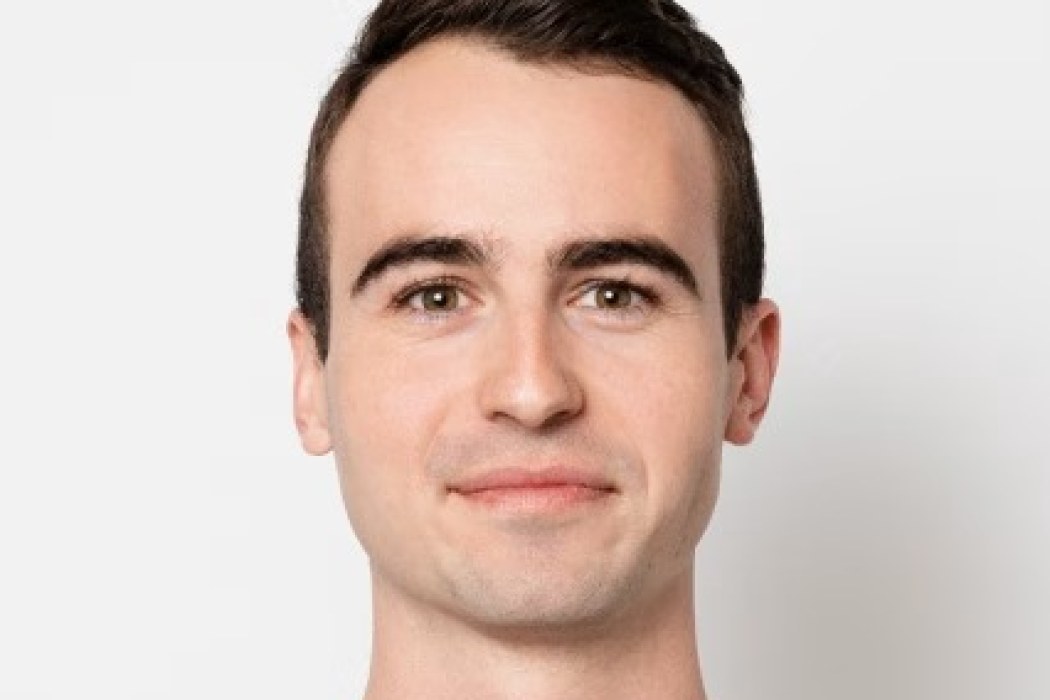
Cédric Kovacs-Johnson
Cédric Kovacs-Johnson is the founder and CEO of Flume Health, a New York-based software company that connects the fragmented healthcare data ecosystem so payers and employers can build and run health plans more efficiently. A chemical engineer by training, he first made his name as co-inventor of Spectrom, a full-color 3D printing technology that won the 2014 Collegiate Inventors Competition and was acquired by MakerBot. He founded Flume Health in 2017 and has raised more than $40 million in venture funding, including a $30 million Series A in 2022.

CoverGo | Insurtech
CoverGo is a global enterprise insurtech that gives insurers, MGAs, and brokers a no-code, API-first platform to build, distribute, administer, and process insurance products across life, health, and P&C lines. Founded in Hong Kong in 2017 by Tomas Holub, it runs on 500+ open insurance APIs and a patented drag-and-drop product builder, letting carriers launch new products in hours rather than months and modernize legacy core systems without ripping them out. Customers include AXA, Bupa, MSIG, Dai-ichi Life, and Bank of China Group Insurance, served from offices across Silicon Valley, New York, Dubai, Singapore, and Hong Kong.