brain-health
(23)
Magnus and the fifty-minute pause
A five-day depression treatment sounds like a story about speed. Magnus Medical’s SAINT system makes a more interesting wager: where you stimulate the brain, and when you stop, can matter as much as how hard you try.

The Clinic That Wants to End the Mental Health Referral Maze
Salma Health is betting that patients with complex brain conditions need fewer handoffs and a longer view. Its California clinics combine deep assessment, interventional treatments and follow-up care while building a research engine alongside them.

Amen Clinics puts a picture at the center of psychiatry
Daniel Amen built a national clinic network around the promise of seeing the brain. The appeal is easy to understand. The argument over what those pictures prove is harder to settle.
Qualia Put 32 Ingredients Into Six Capsules - Then Made Science Its Sales Pitch
The former Neurohacker Collective learned that a grand mission does not make seven capsules easier to swallow. Its second act pairs dense formulas with human trials, subscriptions and a growing shelf presence - a useful playbook with an expensive catch.
BeCareLink Put a Neurologic Exam in Your Pocket - Now It Has to Prove the Data Travels
A family tragedy sent two founders after one of medicine's most subjective rituals. Their bet: short phone tests can make the months between neurology visits visible - if patients, doctors and drug developers trust the measurements.
Neurogazer Turns a 40-Minute Brain Scan Into a Report Card for Who You Might Become
A Johns Hopkins neuroscientist and his CEO brother built a company that reads 169 things out of a single MRI - cognition, temperament, aptitude, risk. From Baltimore, they are betting families will pay to see it.

The Psychedelic Fund That Grew Into a Bet on the Whole Brain
PsyMed Ventures started with a podcast and a narrow question about psychedelic medicine. Six years later, its portfolio makes a broader wager: that the next important health companies will treat the brain as biology, data and lived experience at once.
The Medical-Food Company That Learned to Own the Last Mile
Alfasigma USA sits in the narrow lane between prescription medicine and everyday nutrition. Its advantage is not one miracle ingredient, but control of the route from formulation and factory floor to clinician and customer.

Russ Lebovitz
Russ Lebovitz is the co-founder and CEO of Amprion, a precision brain diagnostics company that built the first commercial seed amplification assay for detecting misfolded alpha-synuclein - the protein at the root of Parkinson's disease and other synucleinopathies. An MD/PhD trained at Washington University in St. Louis and a former research physician at Baylor and Fox Chase Cancer Center, Lebovitz spent years chasing prions after the mad cow scare, then pivoted the same detection science toward common neurodegenerative diseases. His SYNTap test won an FDA Breakthrough Device Designation and is now used in clinical trials and patient care to spot brain disease years before symptoms appear.
Omniscient Neurotechnology (o8t)
Omniscient Neurotechnology (o8t) is a Sydney-based brain-mapping company that uses AI and machine learning to turn ordinary MRI scans into detailed maps of the brain's electrical networks, or connectomes. Its flagship FDA-cleared platform, Quicktome, gives neurosurgeons a patient-specific view of the pathways responsible for speech, movement and cognition before they operate, while its research platform, Infinitome, helps scientists study how diseases like Alzheimer's, epilepsy and schizophrenia disrupt brain connectivity. Founded in 2019 and led by CEO Stephen Scheeler, the company has raised roughly US$124 million to date and is expanding connectomics into stroke, movement disorders and brain-computer interfaces.
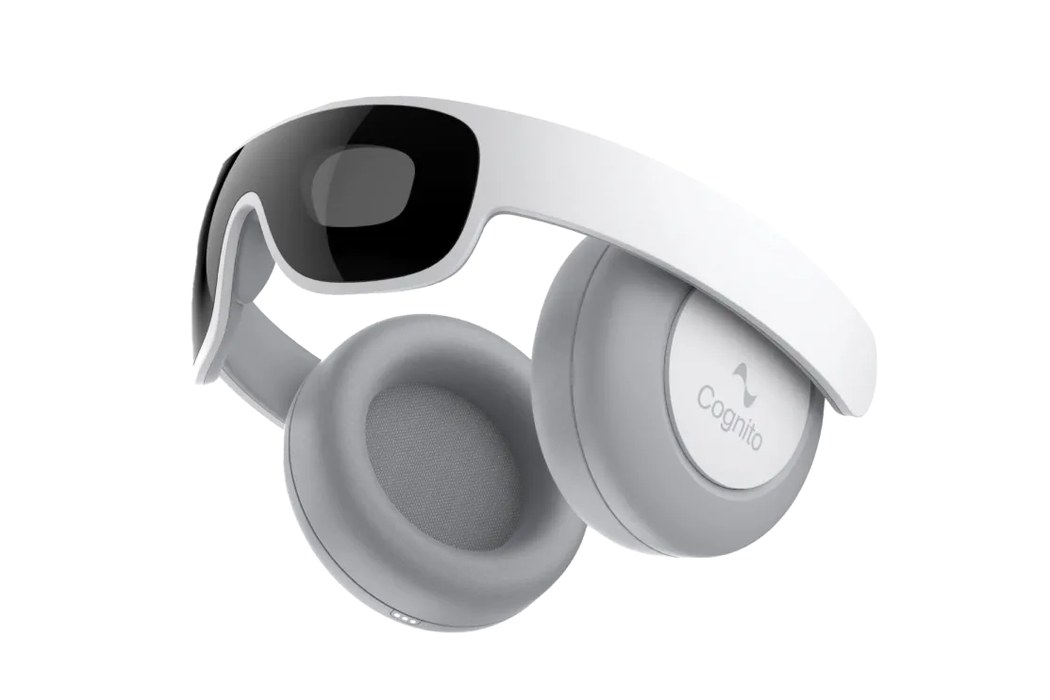
Cognito Therapeutics, Inc.
Cognito Therapeutics is a Cambridge, Massachusetts clinical-stage neurotechnology company spun out of MIT that develops non-invasive, wearable therapy for neurodegenerative disease. Its lead product, Spectris, delivers precise gamma-frequency light and sound stimulation through connected glasses and headphones to evoke gamma brain oscillations, with the goal of slowing cognitive and functional decline in Alzheimer's disease. Spectris AD holds FDA Breakthrough Device Designation and is being evaluated in the HOPE Study, described as the largest medical device trial focused solely on Alzheimer's disease.

Neurable
Neurable is a Boston-based neurotechnology company building non-invasive brain-computer interfaces (BCIs) that fit inside everyday consumer hardware. Its AI cleans and interprets EEG brain signals captured by soft sensors embedded in products like the MW75 Neuro headphones, translating brain activity into real-time measures of focus, mental fatigue and cognitive recovery. Spun out of University of Michigan research, Neurable aims to make understanding your own brain as natural as checking your step count - starting with headphones and expanding into gaming and enterprise wearables.
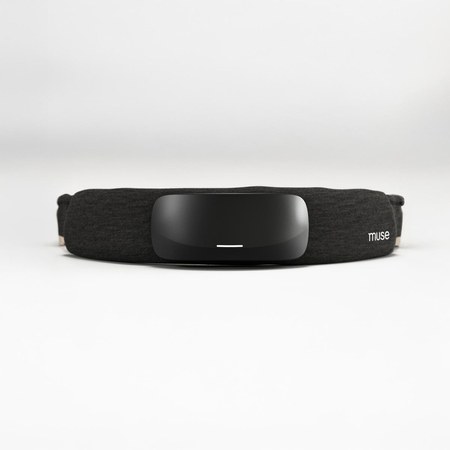
Muse by Interaxon Inc.
Muse, made by Toronto-based Interaxon Inc., is a brain-sensing headband that turns clinical-grade EEG into a consumer wearable. First shipped in 2014, Muse reads your brainwaves and, through a companion app, gives real-time audio feedback to guide meditation, track sleep, and train focus. The company has since layered on fNIRS and SpO2 sensing (Muse S Athena, 2025) and an AI brain-health platform trained on more than a billion minutes of EEG data, positioning Muse at the intersection of consumer wellness and clinical neuroscience.
Attune Neurosciences, Inc.
Attune Neurosciences is a San Francisco-based, clinical-stage medical device company building what it calls the first wearable, non-invasive focused-ultrasound system for deep brain therapy. Its investigational headband, ATTN201, uses low-intensity transcranial focused ultrasound (tFUS) to reach precise deep-brain targets - like the central medial thalamus - while recording EEG and head movement, aiming to treat sleep and wake disorders, depression, addiction recovery, and other neurological and psychiatric conditions without drugs or surgery.
BodyBio
BodyBio is a family-owned, third-generation supplement company based in Millville, New Jersey that builds health at the cellular level. Founded in 1998 by biochemist Ed Kane, it grew out of a blood-chemistry diagnostics practice into a maker of phospholipid, electrolyte and short-chain fatty acid products - most notably BodyBio PC (phosphatidylcholine) and e-lyte electrolyte concentrate - manufactured in-house and sold to consumers and to a network of more than 35,000 healthcare practitioners.
JuneBrain Inc.
JuneBrain Inc. is a Baltimore medtech startup building a wearable, AI-powered eye-scanning system that brings optical coherence tomography (OCT) out of the eye clinic and into neurology, primary care, and the home. Its flagship Neuro-i SS-OCT captures high-resolution retinal images without a technician, and its AI software turns those images into quantitative biomarkers clinicians can use to monitor diseases like multiple sclerosis, Alzheimer's, and Parkinson's between visits. Founded in 2017 by neuroscientist Samantha Scott after her own diagnosis with a neuromuscular disorder, the company is a WBENC-certified women-owned business on track for FDA submission in 2026.
Circular Genomics
Circular Genomics is a San Diego biotechnology company turning circular RNA (circRNA) into a new class of blood-based biomarkers for brain health. Spun out of the University of New Mexico in 2021, the company uses brain-enriched circRNAs that cross the blood-brain barrier and stay stable in whole blood to detect and predict neurological and psychiatric conditions, from Alzheimer's disease to major depressive disorder. Its goal is to replace guesswork in brain care with measurable, actionable data, starting with early Alzheimer's detection and SSRI treatment-response testing for depression.
Elysium Health
Elysium Health is a New York-based cellular health company that turns peer-reviewed aging research into consumer products. Founded in 2014 by entrepreneur Eric Marcotulli, operator Dan Alminana, and MIT aging biologist Leonard Guarente, it pairs a scientific advisory board stacked with Nobel laureates with a direct-to-consumer model. Its flagship supplement Basis raises NAD+ levels tied to cellular energy, and its Index test estimates biological age from a saliva sample using epigenetic methylation analysis.
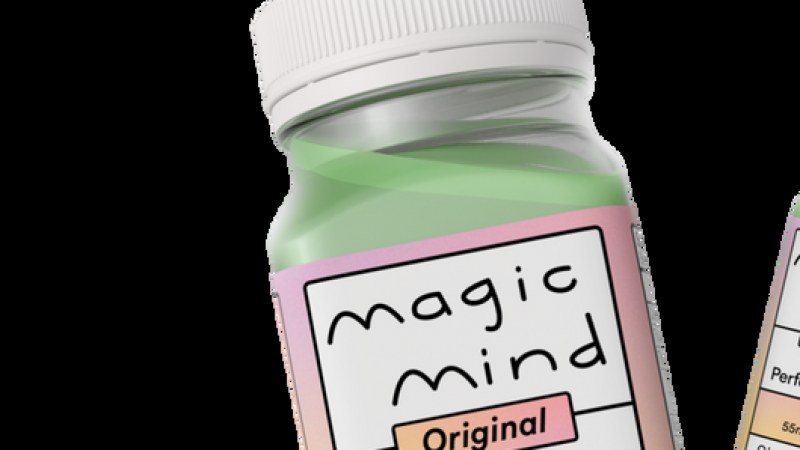
Magic Mind
Magic Mind makes a 2-ounce 'mental performance shot' built from a blend of around a dozen nootropics, adaptogens, vitamins and antioxidants - think lion's mane, ashwagandha, L-theanine and ceremonial matcha - designed to deliver calm focus without the jitter-and-crash cycle of a big cup of coffee. Founded in 2020 by James Beshara and William Hicks, the brand started in a San Jose commercial kitchen, grew through direct-to-consumer subscriptions, and has since pushed into national retail including Whole Foods, Erewhon, Sprouts and Albertsons. It raised a $12.4M Series A in September 2025.
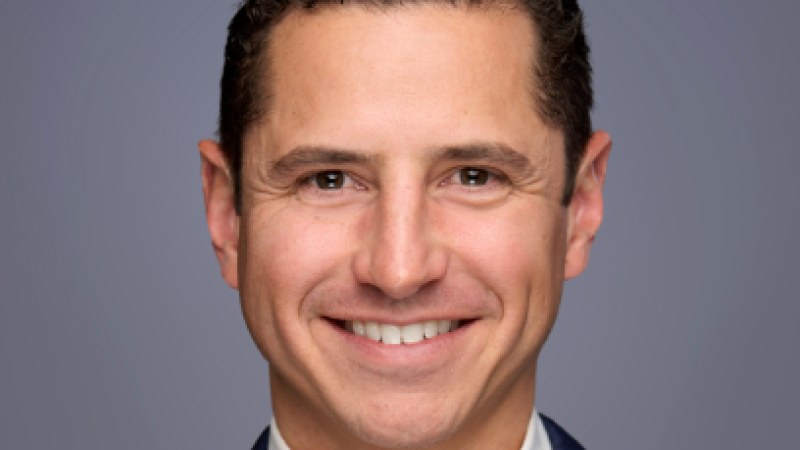
David Matthews
David Matthews, PhD, is Chief Business Officer at Beacon Biosignals, the computational neurodiagnostics company turning EEG brain data into AI-powered biomarkers for neurological and psychiatric disease. A computational neuroscientist by training, he spent two decades moving between the lab, the boardroom, and the market - from NIH- and NSF-funded research at the Salk Institute to a partnership at Boston Consulting Group to commercial leadership at digital-health platform BrightInsight. He now drives partnerships and commercial growth at a company betting that the brain can be measured at home, at scale.

Plant People
Plant People is a plant-based functional wellness brand making science-backed, zero-sugar supplements built around functional mushrooms, adaptogens, and vitamins. Founded by Hudson Gaines-Ross and chef Gabe Kennedy, the company sells a line of 'Wonder' gummies and chews - WonderDay, WonderSleep, WonderFocus, WonderCalm and more - direct-to-consumer and through major retailers including Whole Foods, Sprouts, Target, REI and Amazon. A Certified B Corporation, Plant People grew profitably for roughly seven years before raising a Series A led by Manna Tree Partners in November 2025.
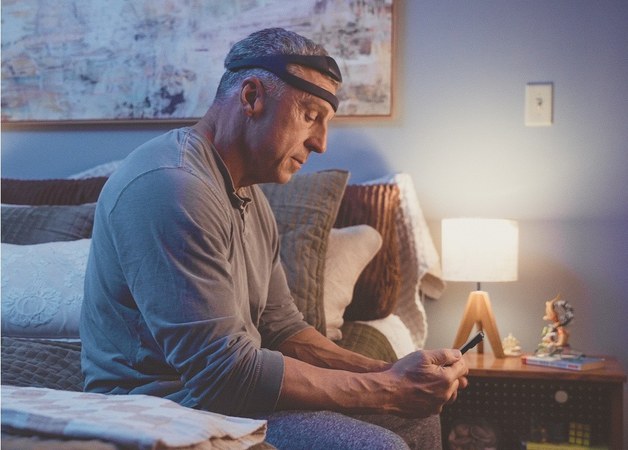
Beacon Biosignals
Beacon Biosignals is a Boston-based neurotechnology company that pairs FDA-cleared wearable EEG hardware with AI to turn brain electrical activity - especially during sleep - into scalable, at-home neurodiagnostics. Its platform powers drug development, clinical trials, and precision medicine across neurology, psychiatry, and sleep medicine.

Jacob Donoghue
Jacob Donoghue is a physician-scientist and the co-founder and CEO of Beacon Biosignals, a Boston company applying machine learning to EEG brain data to build neurobiomarkers for psychiatric, neurological, and sleep disorders. Trained with an MD from Harvard Medical School and a PhD in neuroscience from MIT, he started Beacon in 2019 on the bet that decades of overlooked brainwave recordings could be turned into a precision-medicine engine for drug development and diagnosis. Under his leadership the company has raised over $116M, secured FDA clearance for a wearable EEG headband, acquired home sleep-testing firm CleveMed, and partnered with more than half of the world's top ten biopharma companies.