data-analytics
(419)
Roman Stanek and the trouble with being early
He helped turn a Czech student project into NetBeans, sold his next company for $105 million, and founded GoodData in 2007. Now Roman Stanek is asking what happens when the next customer for business intelligence is a machine.

Ramendra Shukla and the last mile of intelligence
Before the AI boom, Ramendra Shukla was already asking how businesses could put their data to work. The Exponentia.ai co-founder’s career keeps returning to the distance between an answer on a screen and a decision someone can use.
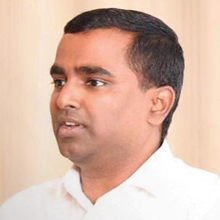
Krishna Reddy and the business of letting go
Before he asked enterprises to trust AI, Krishna Reddy had to persuade people to trust one another. The Amnet Digital founder’s story runs through operations, a teacher’s example and the everyday work of giving a team room to think.
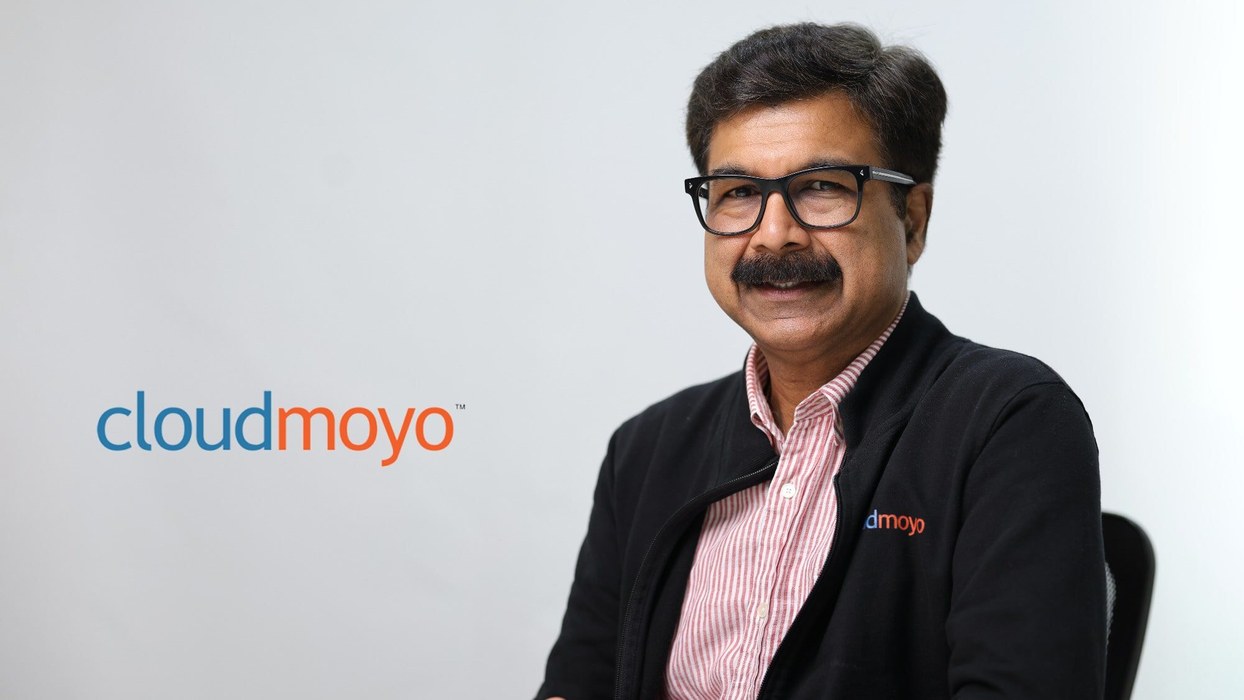
Manish Kedia and the software that has to work on Monday
From databases to railroad operations to enterprise AI, CloudMoyo’s co-founder has kept returning to the work that happens after the software is bought. A new owner brings his oldest business question into sharper focus: what did the customer actually gain?

Gaurav Rewari and the one-year break that never ended
He left MIT for a year in a small software company. Three decades, two startups and a succession of analytics businesses later, Gaurav Rewari is still working on how to turn information into a useful decision.
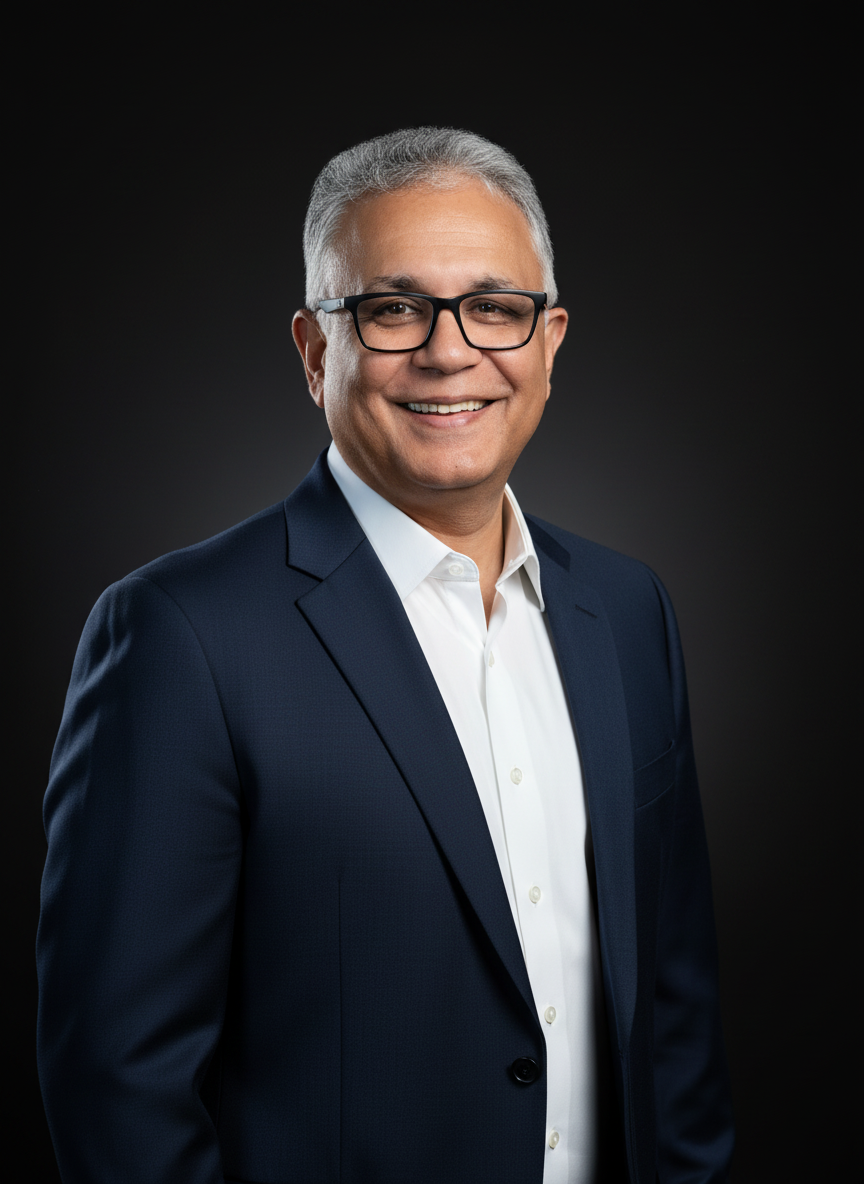
Naveen Miglani and the art of making things connect
A diplomat’s son became a software founder with a persistent interest in crossing boundaries. At SplashBI, Naveen Miglani is carrying that interest from business reporting into enterprise AI.

Anil Kaul and the problem with being right
At Absolutdata, Anil Kaul built a business around better decisions. His journey from Cornell neural networks to a new real estate venture keeps returning to a more awkward question: what will people actually do with the answer?
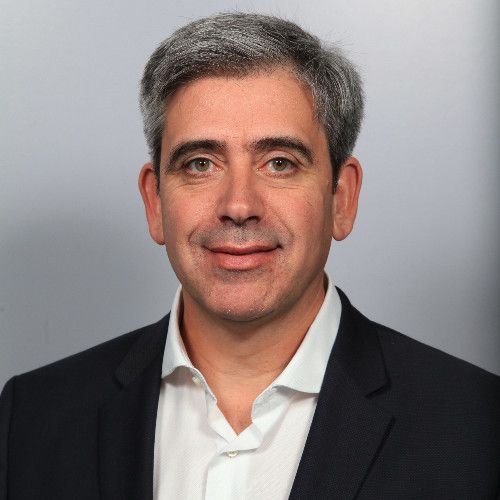
Julio Ardiles and the value of a human signature
From telecommunications to Strata Analytics Group, Julio Ardiles has built a career around making technology useful. His next chapter asks who takes responsibility when AI does the work.

Guayerd teaches the part a résumé can’t show
A coding school tried to become its own employer. The more interesting business emerged when Guayerd stopped trying to do both.

ORIL makes the data usable
An address list. An energy model. A building full of sensors. ORIL builds the software that turns them into something people can use.

The software between a promise and a payment
Creative Information Technology builds the systems that turn public policy into working services. Its most revealing work happens where records, rules, and real people meet.

Korcomptenz makes the pieces work together
A stalled ERP rollout. A costly shipping error. Twenty-seven databases that need to agree. Korcomptenz works where enterprise software meets the untidy business of running a company.

I.T. Solutions fixes the space between systems
A clinical batch can travel through sophisticated software and still get stuck in a spreadsheet. I.T. Solutions builds its business around the handoffs that enterprise technology leaves unfinished.

Adroitent wants AI to clock in
The enterprise services firm is putting AI inside the work of building software, hiring teams and running operations. Its most revealing story starts with a mechanic missing a data entry.

Calance makes the systems talk.
The software is already there. Calance works on the awkward space between it - connecting project teams, finance departments and the people keeping the business running.

iCrossing fixes what happens after the click.
A search agency grew into a marketing and technology business by following a stubborn problem: getting people to a website is only the beginning.
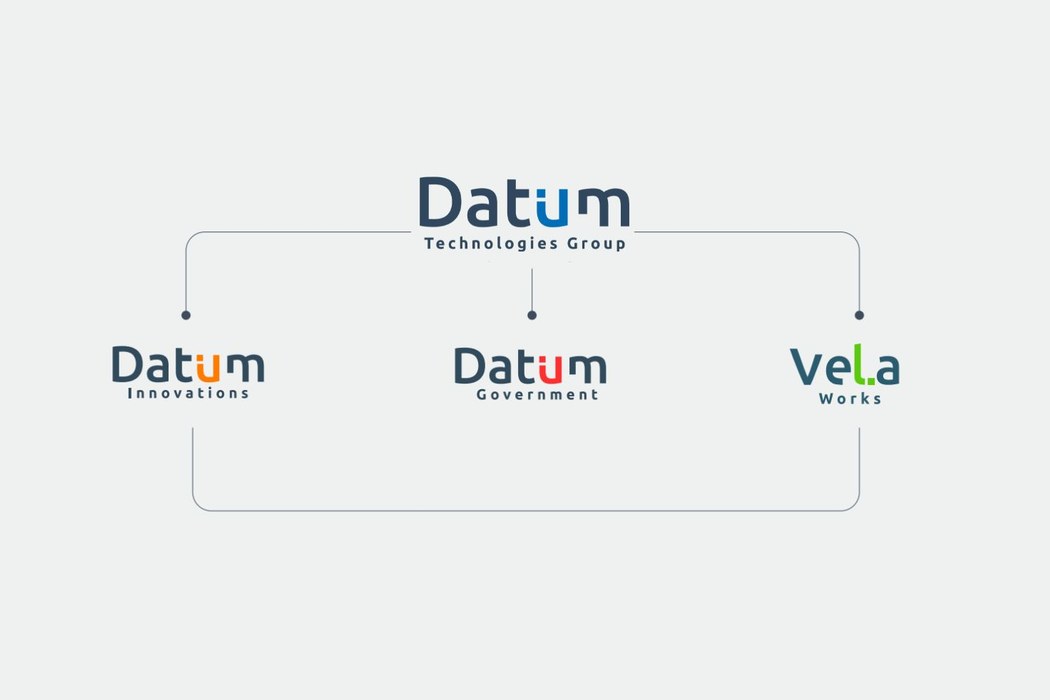
Datum Technologies Group makes the connections count
A staffing firm, a federal technology contractor, and a payments platform share one roof. The common thread is the hard work of getting people and systems to work together.

Winfo Solutions makes the boring work disappear.
Quarterly updates. Month-end close. Another cloud migration. Winfo Solutions builds its business around the enterprise chores that refuse to go away.

Direct Marketing Solutions makes the mailbox measurable
A letter is easy to print. Getting the right person to act takes a much larger machine. Inside DMS, data, design and production share the same deadline.

PanApps makes knowledge work.
A grant, a harvest, a policy report: each is a test of whether information reaches the person who needs it. PanApps builds the software for that handoff.

Lee Shavel and the cost of a first impression
The Verisk chief executive studied English and economics, built a career in finance, and found a business in helping insurers see more clearly. His reading list offers a useful clue to how he thinks.

ActioHX and the art of making AI useful
The Texas consultancy builds AI around the awkward parts of business: scattered data, broken handoffs, and customers who just want an answer.

OneData Software Solutions: The work behind the AI
An exposed password. An unanswered solar inquiry. OneData Software Solutions builds its cloud and AI business around the small operational gaps that become expensive problems.

Technogen makes the handoffs work
Enterprise software can do remarkable things. Technogen works on the less glamorous problem: getting the systems, people, and processes around it to cooperate.

Mobius by Gaian wants the parts to work together
From television spectrum to enterprise AI, Mobius by Gaian keeps returning to the same problem: useful technology stranded in separate systems. Its answer is a software factory that connects data, decisions and the screens people actually use.

Utiva goes beyond the classroom
Learning a skill is one hurdle. Getting hired across a border is another. Utiva is building a business around the distance between the two.
Neev makes the handoffs work.
The expensive part of enterprise software often lives between the applications. Neev Systems has built a business connecting the pieces - and, sometimes, handing the team back to the customer.

Mythri Consulting makes the connections
Software needs people. People need a way in. Mythri Consulting works on both sides of that equation, from IT training and placement to the systems enterprises depend on.

Joshua Halpern and the business between the numbers
A Princeton history graduate helped build IntegriChain around the overlooked details of commercial data. Twenty years later, its co-founder and CEO is giving customers a new way to ask questions.

Srini Ramaswamy and the people who outlast the platform
At Systech, Srini Ramaswamy has moved from architecture and operations to international growth. After three decades of changing technology, he counts the leaders he has mentored among his proudest achievements.