The trouble at Royal Medical Center began with something small enough to overlook: a configuration file sitting where the public could reach it. Inside were credentials for sending email through Amazon’s cloud. According to OneData Software Solutions’ account, an unfamiliar IP address began using a compromised key, and outbound email volume spiked. A healthcare business had acquired an urgent problem through a very ordinary mistake.
- The business: custom software, AWS cloud operations, data engineering and AI integration.
- The customers: organizations with systems to modernize, from healthcare providers to solar installers.
- The useful idea: begin with a broken workflow and measure the repair.
The password in the wrong place
OneData says its response included revoking the credential, removing the exposed file, securing services and preserving evidence. The incident was contained within four hours of identification, without interrupting healthcare operations. The less cinematic work followed: patching servers, tightening access, expanding logging and establishing continuing monitoring. There was no single switch marked “secure.” There was a sequence of jobs.
The same engagement tackled cloud waste. OneData removed unused resources and adjusted workloads to demand, reporting a 35% reduction in overall cloud costs and monthly savings above $3,700. Those figures describe this customer’s outcome. They are useful because they connect engineering work to a bill someone actually pays.
Royal Medical Center results reported by OneData; customer-specific outcomes.
The episode is a good entrance to a company whose service menu could otherwise resemble an entire technology conference. OneData offers cloud consulting, custom applications, analytics, IoT, enterprise systems, design and digital marketing. The common thread becomes clearer when the brochure closes: businesses need someone to connect their tools, repair weak spots and keep the resulting system working.
A solar question after dinner
Consider MidKnight Solar, a Florida residential solar company. Its prospective customers needed explanations, documents, a place to submit an electricity bill and an appointment. The original phone-and-email process depended on the availability of a lean team. Interest could arrive after hours; the next useful action had to wait.
OneData built a customer engagement platform using Amazon Connect and Apple Messages for Business. Its case study dates production to May 2025. A homeowner could ask a question, receive material, upload a bill or book a consultation inside a messaging conversation. Google Calendar supplied appointment availability. OneData continued operating the platform as its managed service provider.
Approved knowledge
Book or upload
Human with context
The revealing design choice was to separate questions from actions. Amazon Q in Connect handled knowledge-based assistance using approved content. Amazon Lex V2 handled defined transactions. AWS Lambda coordinated the interaction. Asking how a solar component works and choosing Tuesday at three are different tasks, even when they occur in the same chat window.
OneData reports that approximately 85% of conversations were resolved through self-service, with average handle time down approximately 26%. Human assistance remained available, with the conversation’s context preserved. The practical lesson is in that handoff: automation earns its place when the customer can finish something, or reach someone who already understands the question.
Selling the work between the tools
Founder and CEO Raja Marimuthu leads this combination of engineering and continuing operations. OneData’s public leadership biography describes experience across software engineering, data architecture and cloud computing. That breadth suits a business in which the customer’s problem rarely respects the boundary between an application, its data and the infrastructure underneath.

Its AWS Marketplace listing makes the commercial arrangement plain: professional services, with custom pricing through private offers. Customers buy expertise, implementation and support scoped to their requirements. The cloud savings in a case study are therefore one part of the economics; assessing a project also means counting engineering fees and ongoing operation.
There are plenty of alternatives: a specialist AWS consultancy, a software development agency, a larger systems integrator or an internal team. OneData’s proposition combines those responsibilities across a broad service range. Its website identifies an AWS Advanced Tier relationship and a ThingsBoard Silver partnership. In April and May 2026, it announced AWS AI Services and DevOps Services competencies; in June, a Colombia office added to its international footprint.
“Every organization’s cloud journey is unique”Srinivasan Lingaraj, Solutions Architect, OneData
The breadth also extends beyond cloud contact centers. ThingsBoard publishes a OneData hospital case involving connected devices and visual maps for tracking equipment and patients. The partner reports a 60-70% reduction in tracking time. Here, the data problem takes a physical form: staff need to locate equipment without turning the ward into a search party.
For customers, that range means a project can begin in several places. A company with scattered operational data can commission analytics and reporting. A business whose standard software does not fit its process can commission an application or integration. A team already running on AWS can seek monitoring and cost optimization. These are distinct purchases, which is why a specific scope matters more than the length of the service menu.
The useful things to copy
Another company-published case, EvaFiberz, concerns a telecommunications provider serving more than 50 countries. Its old contact center could show queue depth, but supervisors lacked live transcripts and sentiment insight. Quality reviewers replayed whole recordings. OneData migrated the operation from Mitel MiVoice to Amazon Connect and built a custom workspace; it reports approximately 80% less quality-review time.
There is a useful detail beneath that percentage. The legacy environment remained available as a tested rollback option during the cutover, and its configuration was stored in Amazon S3. Progress included a way back. Agent-controlled recording addressed differing consent requirements, another reminder that a technically elegant system still has to fit the people using it.
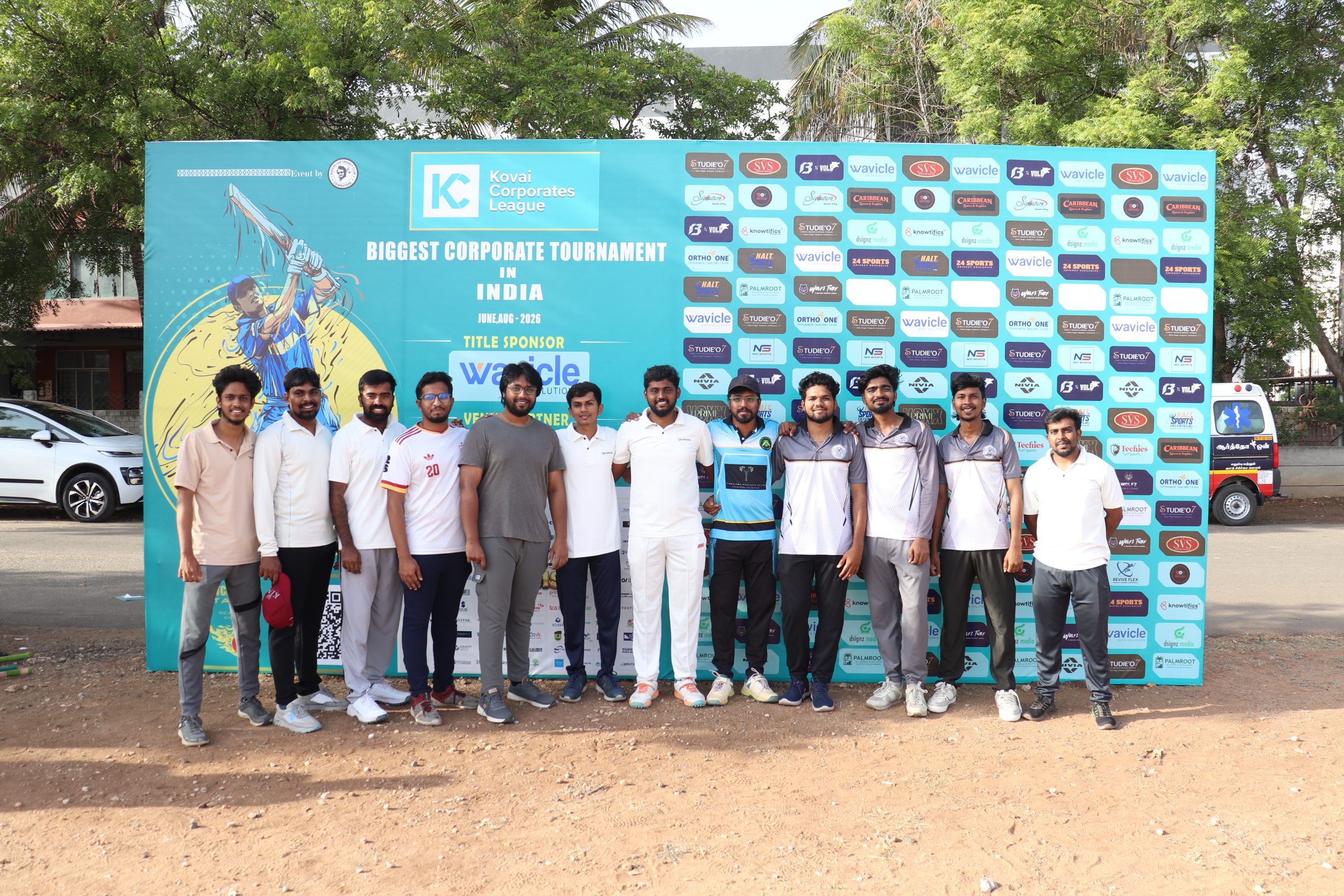
Its public gallery offers a less technical glimpse of the organization: festival celebrations, industry events and a cricket team at the Kovai Corporates League. The careers page describes collaboration, employee ownership and career growth. Those are the company’s stated values; the photograph supplies a more tangible detail. Here is a distributed technology business whose colleagues also turn up together on a playing field.
For a buyer, the transferable method is straightforward: name the recurring delay, establish its baseline, connect the necessary systems and keep a person accountable after launch. Approved knowledge needs maintenance. Recording needs consent controls. Sensors need dependable connectivity. A cloud saving needs to survive the full project bill. OneData’s most instructive examples make those conditions visible. The compelling part is the ordinary work, done closely enough that the customer notices what has stopped going wrong.