data-analytics
(173)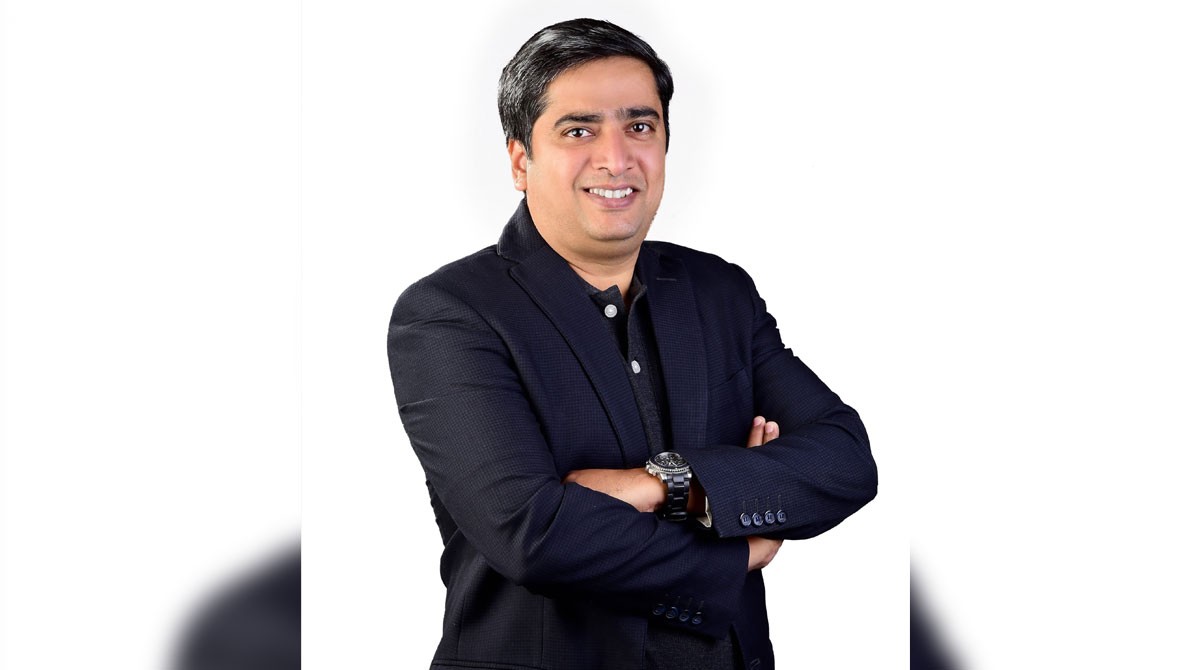
Manas Agrawal keeps asking what the data can do
From co-founding Affine to building Origamis AI and joining NuSummit, Manas Agrawal has pursued a practical question: how does clever analysis become useful work?
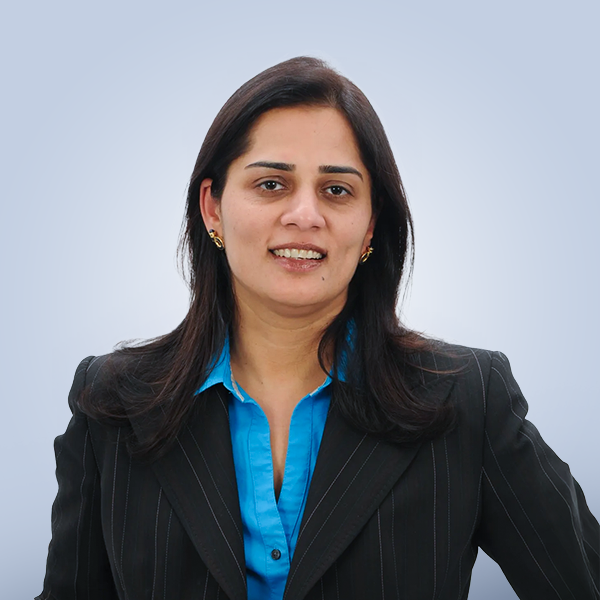
Neetu Seth found a business in the data others left behind
After a decade as a stay-at-home mother, Neetu Seth founded NITS Solutions at 38. Her path from family backing to automotive analytics runs through an unusually practical question: what can a client actually use?
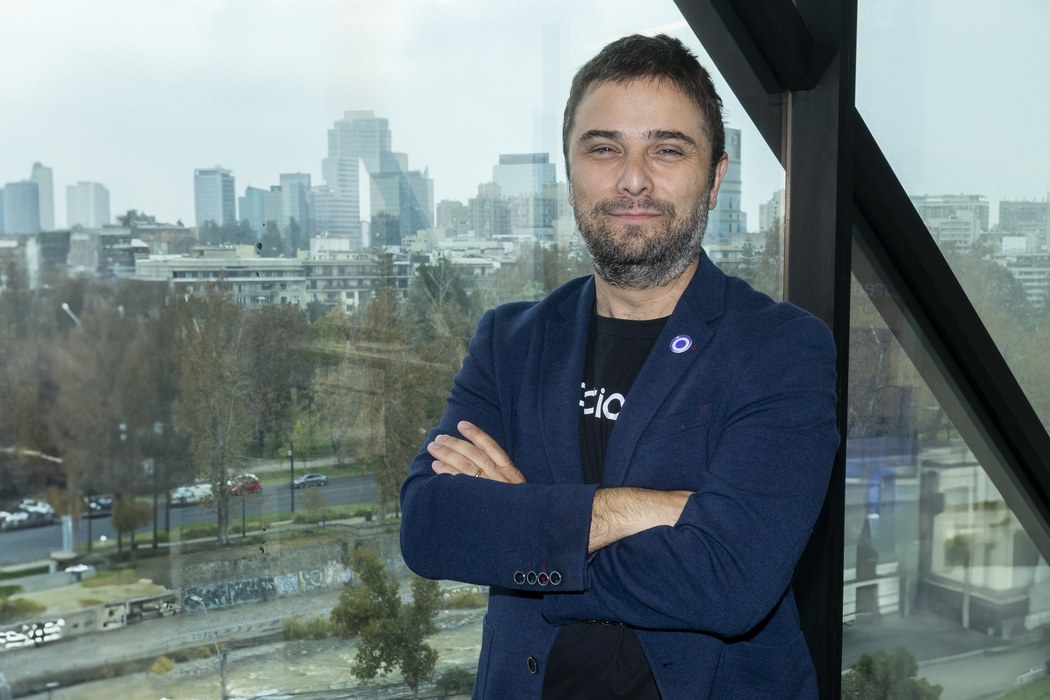
Raimundo Page and the art of starting again
A borrowed university room, a birthday email and a beard grown for business. How Option’s co-founder built a career by finding the next useful thing to make.
David Soloff went shopping. The numbers didn’t add up.
A grocery bill helped set the co-founder and original CEO of Premise on a quest to measure the economy closer to the ground. His route there ran through ancient history, Wall Street and a very expensive breakfast.
Daren Trousdell and the business of the next move
A fantasy football frustration became a sports startup. For the founder of NowVertical, now building through KOAT Capital, the next business often begins with an awkward everyday task.

Uday Hegde and the $20 million test of one island
Before USEReady grew across borders, Uday Hegde set himself a test between 100th Street and Battery Park. Fifteen years later, his questions about AI still come down to who will use it, what it will cost, and whether it works.

Steve McCanne and the trouble with invisible things
From Berkeley packet tools to Riverbed and Jut, Steve McCanne has spent his career making computer systems easier to see, question, and use. At Brim Data, the coding CEO is still working on the question behind the machinery.
Anshu Prasad and the trouble with an empty truck
Anshu Prasad spent years helping companies buy transportation. Building Leaf Logistics meant asking a harder question: what happens between one company’s delivery and the next company’s pickup?

Richard Gliklich sold the company. The question stayed.
Outcome’s sale in 2011 could have been a comfortable ending. Richard Gliklich went through venture capital and back to the beginning, founding OM1 in 2015.
Gopal Krishnamurthy sold the business. He kept the unfinished idea.
After selling Visual BI’s consulting business in 2021, Gopal Krishnamurthy used the proceeds to build Lumel. His bet on bringing planning closer to enterprise data has become a collaboration with Microsoft - and a test of how far patience can take a founder.
Theodore Search and the value of a smaller circle
The Skipta founder built his business around people with something specific to say to one another. His move into data and analytics brings a familiar question: why should you trust the answer?

Kent Sacia and the work before the breakthrough
From mainframe migrations to cloud platforms, Kent Sacia has spent decades turning complicated systems into working businesses. The MedInsight founder’s story begins where the polished software demonstration usually leaves off.

Andre Garber and the work after the handshake
He built a legal program for startups, then helped assemble NowVertical through acquisitions. As its CEO, Andre Garber faces the part of company building that begins when the deal is done.

Scot MacGillivray and the work between the big ideas
Before Cervello joined Kearney, Scot MacGillivray was building a business around getting systems to cooperate. His career shows how much of the data revolution happens between the announcement and the working result.
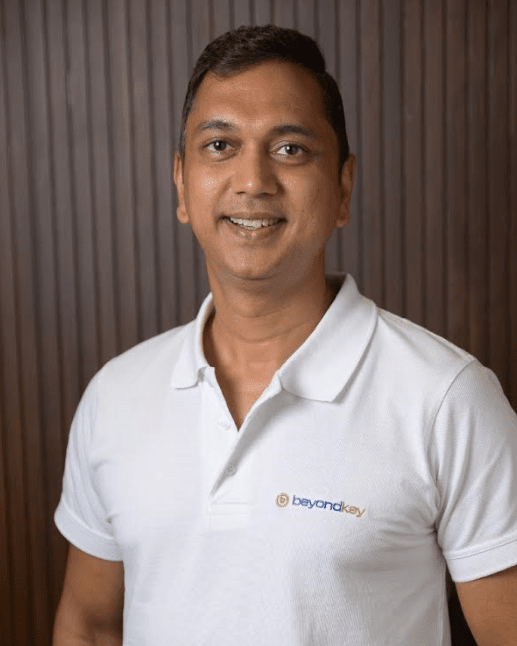
Piyush Goel and the business of making complexity disappear
A chartered accountant who kept studying, Piyush Goel built Beyond Key around practical business problems. From Indore to Chicago, his career follows a persistent interest in simpler systems, involved clients and people who keep learning.

Joan Butters and the business of getting along
She joined AIM as employee number 20, then co-founded Xsolis in 2013. Joan Butters has spent the years since turning a stubborn business problem - getting organizations to work together - into a company.

Jeremy Rassen and the long way to a useful answer
He built database software in Silicon Valley, returned to Harvard, and co-founded Aetion. Across the changes in title and company, Jeremy Rassen kept returning to the same practical problem: making complicated work usable.
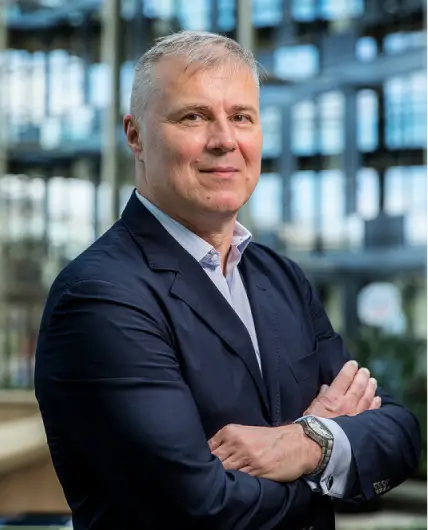
Roman Stanek and the trouble with being early
He helped turn a Czech student project into NetBeans, sold his next company for $105 million, and founded GoodData in 2007. Now Roman Stanek is asking what happens when the next customer for business intelligence is a machine.

Ramendra Shukla and the last mile of intelligence
Before the AI boom, Ramendra Shukla was already asking how businesses could put their data to work. The Exponentia.ai co-founder’s career keeps returning to the distance between an answer on a screen and a decision someone can use.
Krishna Reddy and the business of letting go
Before he asked enterprises to trust AI, Krishna Reddy had to persuade people to trust one another. The Amnet Digital founder’s story runs through operations, a teacher’s example and the everyday work of giving a team room to think.
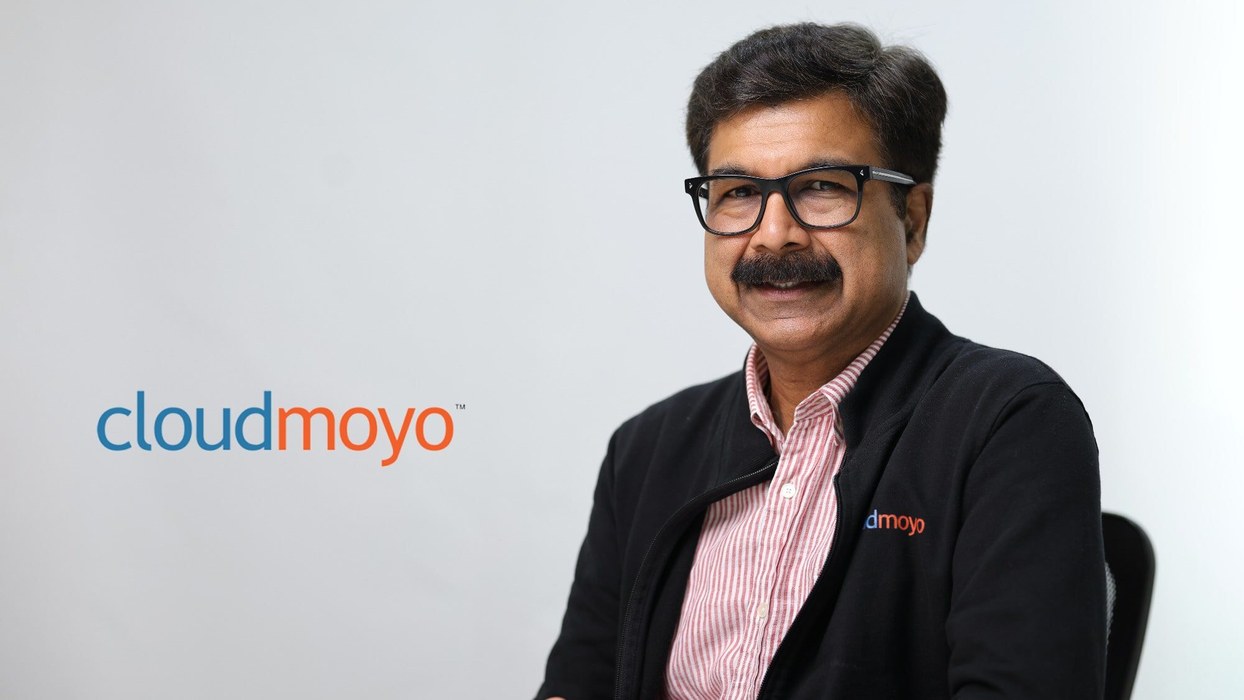
Manish Kedia and the software that has to work on Monday
From databases to railroad operations to enterprise AI, CloudMoyo’s co-founder has kept returning to the work that happens after the software is bought. A new owner brings his oldest business question into sharper focus: what did the customer actually gain?
Gaurav Rewari and the one-year break that never ended
He left MIT for a year in a small software company. Three decades, two startups and a succession of analytics businesses later, Gaurav Rewari is still working on how to turn information into a useful decision.
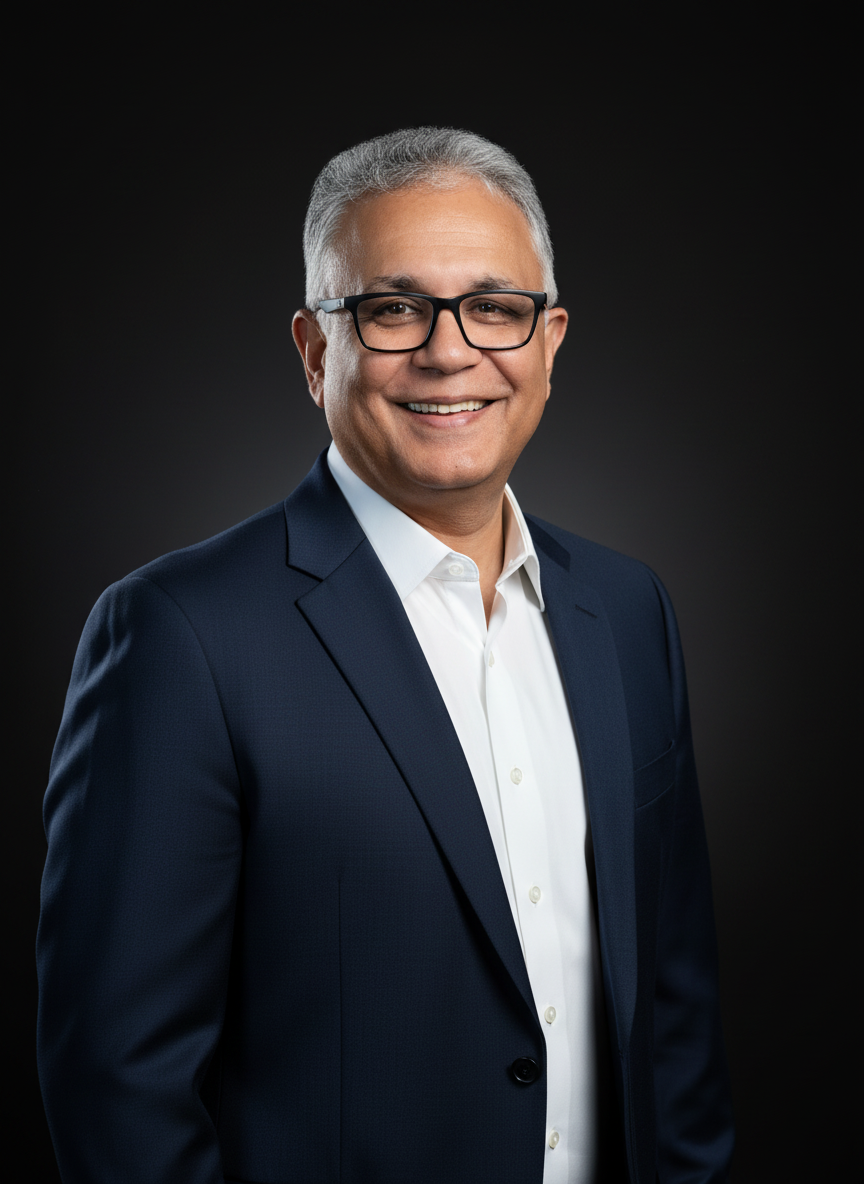
Naveen Miglani and the art of making things connect
A diplomat’s son became a software founder with a persistent interest in crossing boundaries. At SplashBI, Naveen Miglani is carrying that interest from business reporting into enterprise AI.
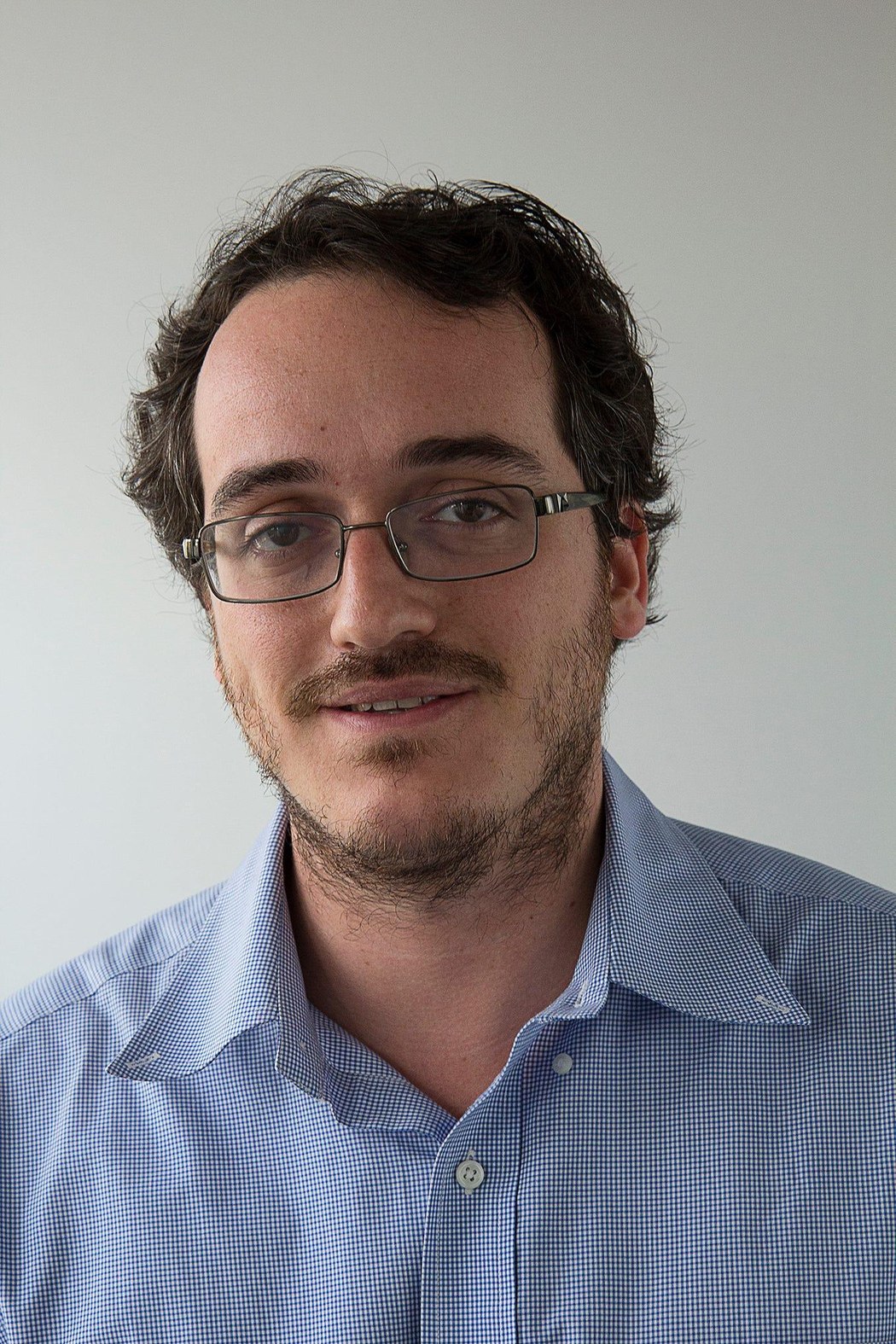
Anil Kaul and the problem with being right
At Absolutdata, Anil Kaul built a business around better decisions. His journey from Cornell neural networks to a new real estate venture keeps returning to a more awkward question: what will people actually do with the answer?
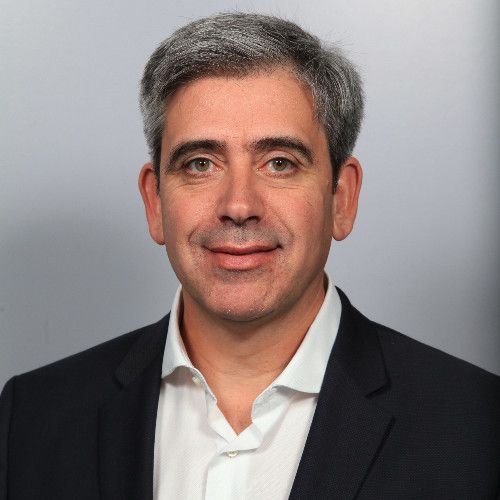
Julio Ardiles and the value of a human signature
From telecommunications to Strata Analytics Group, Julio Ardiles has built a career around making technology useful. His next chapter asks who takes responsibility when AI does the work.
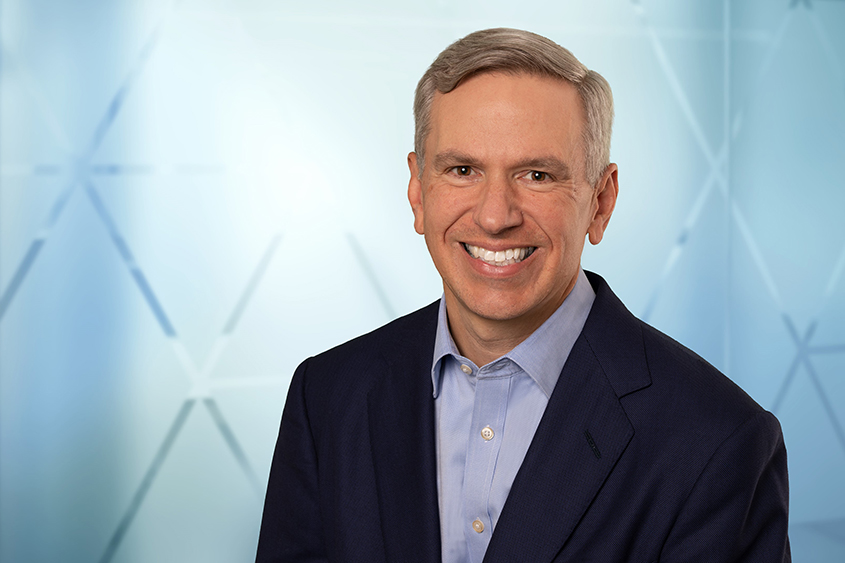
Lee Shavel and the cost of a first impression
The Verisk chief executive studied English and economics, built a career in finance, and found a business in helping insurers see more clearly. His reading list offers a useful clue to how he thinks.

Joshua Halpern and the business between the numbers
A Princeton history graduate helped build IntegriChain around the overlooked details of commercial data. Twenty years later, its co-founder and CEO is giving customers a new way to ask questions.
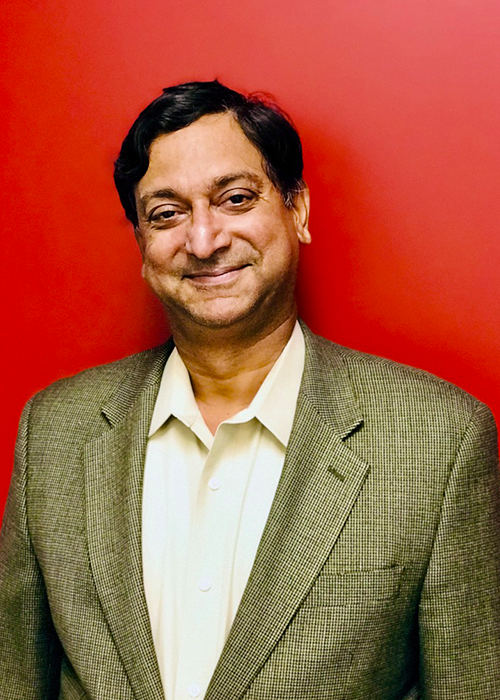
Srini Ramaswamy and the people who outlast the platform
At Systech, Srini Ramaswamy has moved from architecture and operations to international growth. After three decades of changing technology, he counts the leaders he has mentored among his proudest achievements.
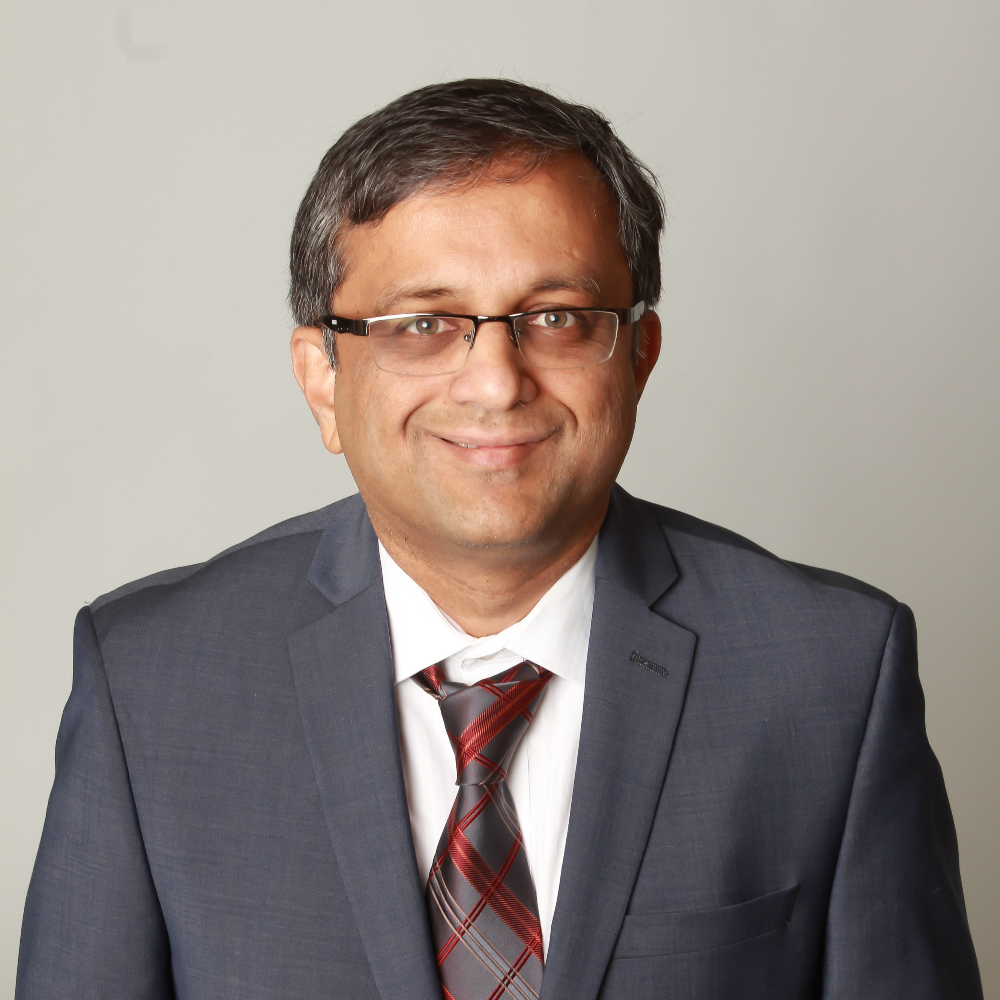
Ravikiran Dharmavaram and the trouble with a good idea
A career in analytics taught the Exafluence founder that useful technology has to survive contact with everyday work. His answer runs from old banking systems to a classroom at his former university.
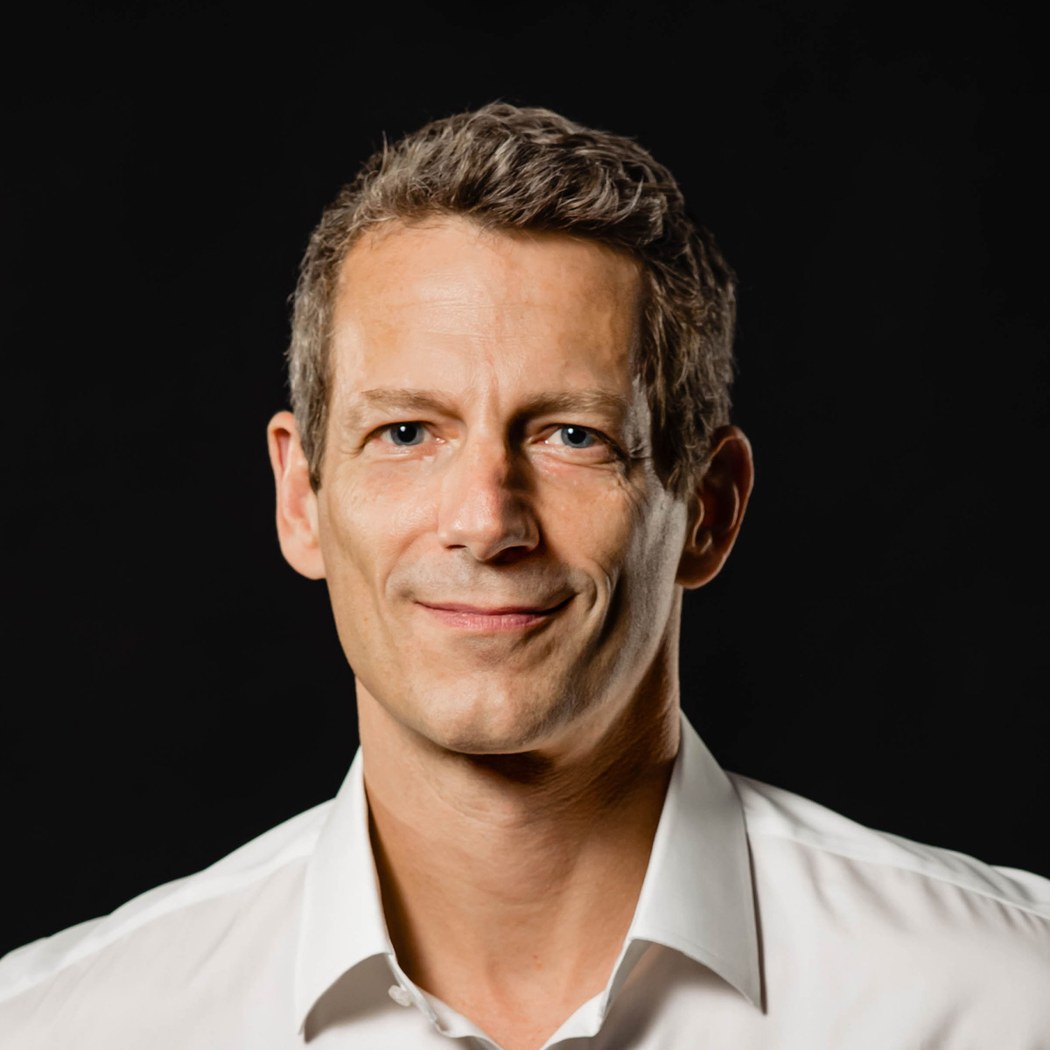
Trevor Kaufman and the price of a good story
He sold his house to help fund a business built on the belief that readers would pay. From Tinypass to Piano, Trevor Kaufman spent thirteen years working on the economics of publishing. Now he runs KNIME.