angel-investor
(392)
Jason Weingarten and the value of a seat at the table
A delayed flight brought the future Yello co-founder a mentor from Subway. Two software ventures later, Jason Weingarten is running The Alinea Group, where the next opportunity comes with a dinner reservation.

Omri Lavie and the problem of too many locks
After co-founding NSO, Omri Lavie set out to make corporate cyber defenses work together. His career runs through a difficult question: what happens after a powerful tool leaves its maker’s hands?

Matt Mickiewicz and the business hiding in the message board
Before co-founding Hired, Matt Mickiewicz helped turn a web-development community into 99designs and Flippa. His career began with advertising calls between high-school classes and kept returning to the transactions people were struggling to arrange.
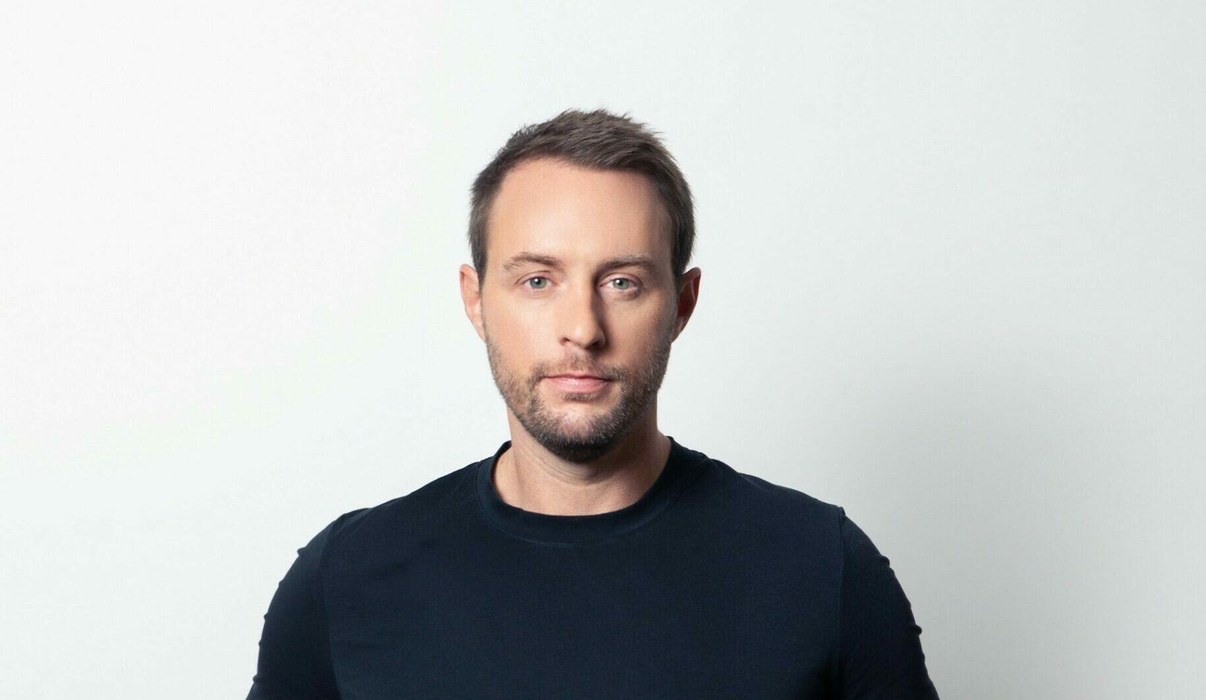
Clément Benoit keeps finding room for another business
At Fithouse, he turned vacant New York storefronts into studios. With Clone, the French entrepreneur took the idea into other people’s kitchens - after deciding to give up his own.
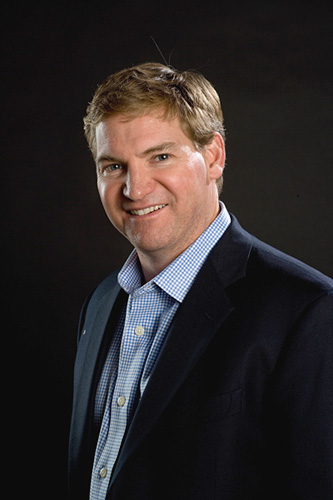
Dan Hobin and the business of staying put
He moved to Bend for the life outside work. Then Dan Hobin built G5 into a business serving 8,300 properties, sold it to RealPage, and found a new reason to call his old colleagues.

Steven Fitzsimmons and the trouble with looking busy
Before Freshpaint raised millions, Steven Fitzsimmons lost three hours trying to deposit a check. His route from product marketing to co-founder offers a useful education in what actually moves a company forward.

Phil Chambers and the trouble with a quiet room
He helped build Peakon so employees could tell their bosses the truth. After a $700 million sale, a spell building rockets and a move into venture capital, Phil Chambers is still learning what happens when people speak up.
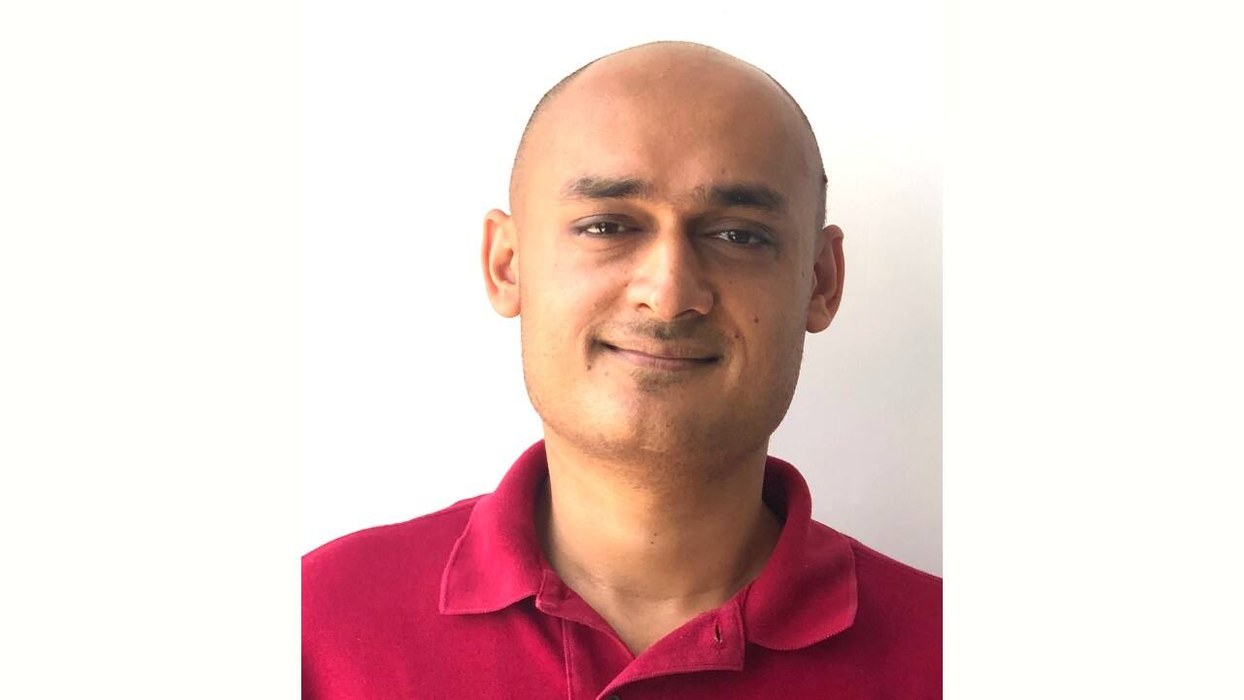
Samar Singla and the value of an empty seat
A physicist who went into poultry feed, then auto-rickshaws, kept finding the same problem: useful things sitting idle. His route to JungleWorks began with putting them to work.
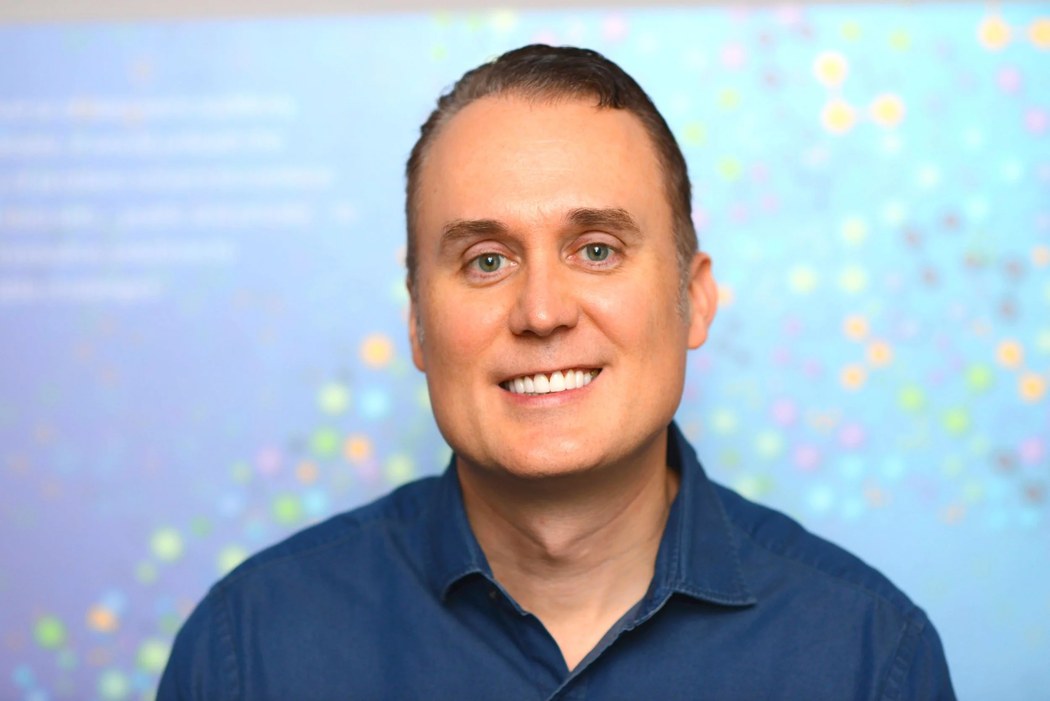
Brett Hurt’s Next Move Began With a Game
Before Coremetrics, Bazaarvoice, and data.world, Brett Hurt built an online world where strangers became friends. After three decades of companies, he is still working on the same question: what happens when technology helps people find each other?

Andreas Bodczek and the business of getting through
Before Fyber connected app developers to advertisers, it was almost called Bacon. Andreas Bodczek’s career runs through a more durable idea: making the complicated exchanges behind everyday digital life work.
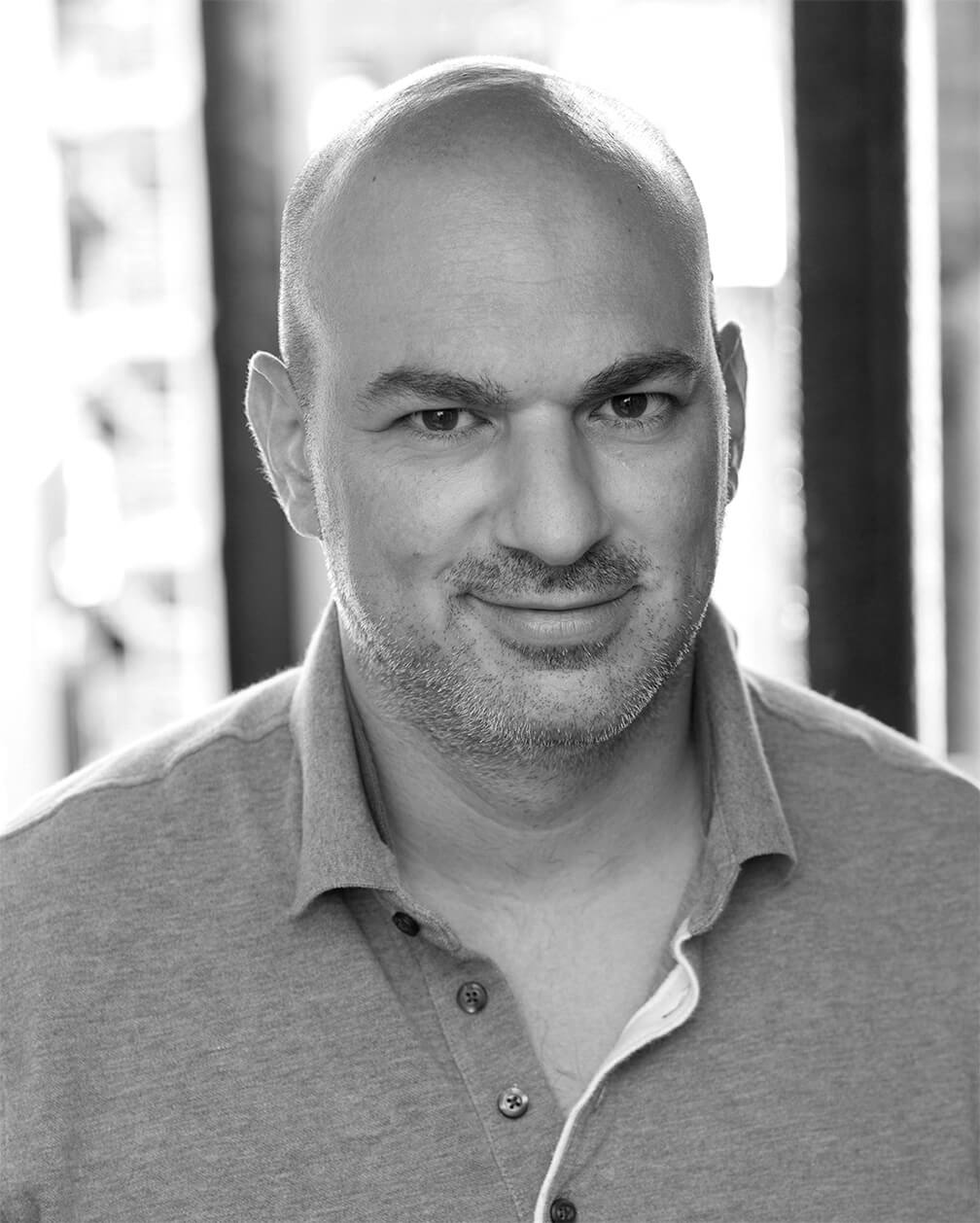
Alex Vratskides and the arithmetic of a better sentence
A small change in a text message sent Alex Vratskides down a long mathematical road. From Upstream to Persado, he has built a career around a deceptively human question: which words make us respond?

Yoav Vilner and the trouble with a perfect pitch
After helping hundreds of startups get noticed, Walnut co-founder Yoav Vilner focused on the moment buyers finally saw the product. His next chapters involve backing founders, challenging familiar stories, and making an indie rock record.
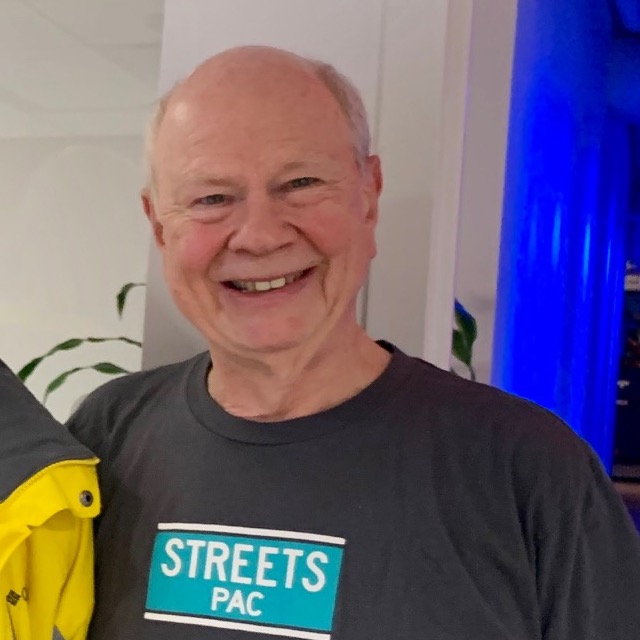
Peter Frishauf and the Art of Making Room
He helped put publishing on the web. On New York’s West 103rd Street, the Medscape founder has been working on another kind of opening: more room for people.

David Politis and the value of paying attention
A crowded browser helped David Politis see what BetterCloud could become. After years of building software for IT teams, he is turning the same close observation toward the people who run companies.

Piyush Goel and the business of making complexity disappear
A chartered accountant who kept studying, Piyush Goel built Beyond Key around practical business problems. From Indore to Chicago, his career follows a persistent interest in simpler systems, involved clients and people who keep learning.
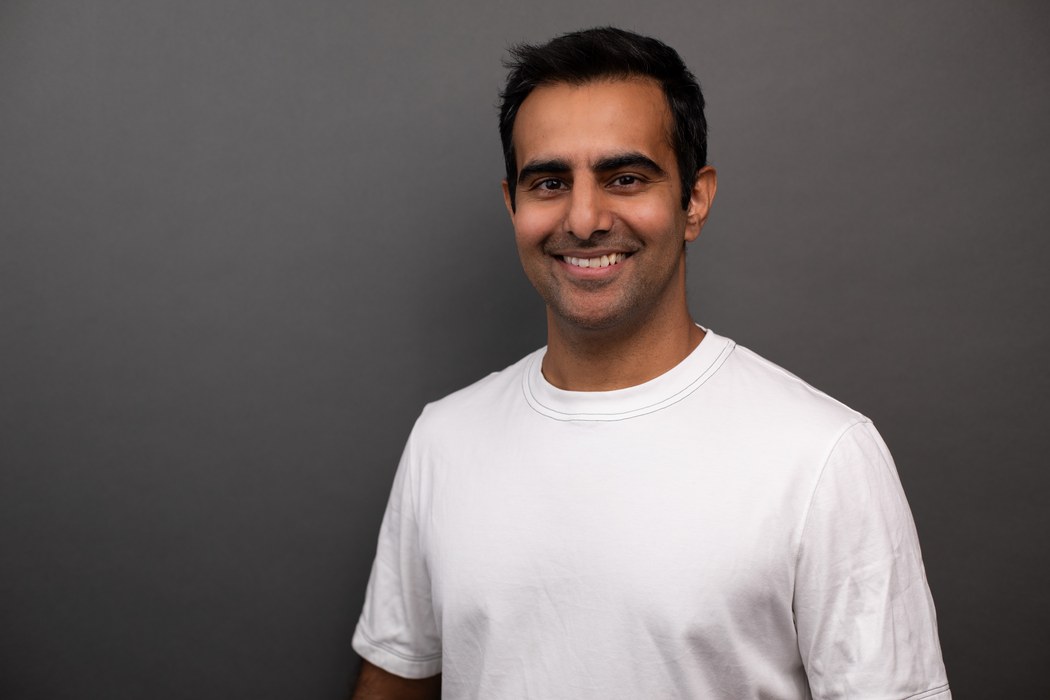
Kulveer Taggar and the twenty-year question
He sold Auctomatic at 24, spent years building Zeus Living, and returned to Y Combinator on the other side of the table. Kulveer Taggar’s career keeps coming back to how long a good idea deserves.

Robin Chan and the case for asking a human
Before shopping became a conversation with software, Robin Chan built a business around conversations with people. His path from Beijing games to Operator and Stash keeps returning to the same question: who can help you get what you came for?

Kai Huang and the business of playing along
Before Guitar Hero came game rentals, dance pads, and a series of awkward decisions. Kai Huang’s career is a story about listening closely enough to change the plan - and knowing when to give someone else the stage.
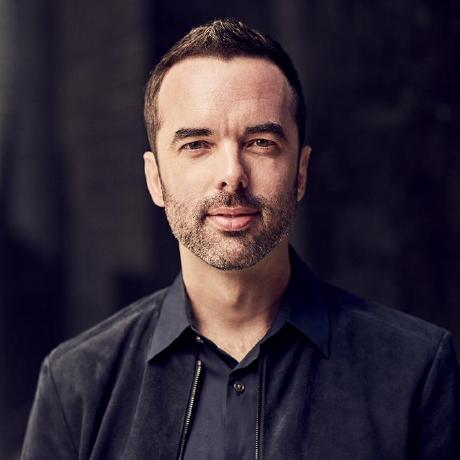
Adam Smith and the useful art of being wrong
He helped turn an inbox into a map of human relationships. From Xobni to an early bet on AI coding, Adam Smith has kept a more revealing record: the decisions he learned to reconsider.
Sangarsh Nigam and the story a credit score leaves out
At American Express, Sangarsh Nigam assessed commercial credit risk. At bluCognition, he is working to give lenders a fuller picture of the businesses asking for a chance.
Kishore Ganji and the price of a good idea
Kishore Ganji has built IT businesses, delivered groceries and backed a first-time filmmaker. His latest venture puts a deadline on an old conviction: a good idea should find a paying customer.

Daphne Carmeli and the art of arriving on time
She came out of semi-retirement to help stores deliver to their neighbours. Along the way, Deliv founder Daphne Carmeli made a case for a less frantic kind of speed: knowing when the doorbell will ring.
Yuval Bar-Gil and the Value of Knowing Where Things Are
A school friend’s missing-child scare helped set Yuval Bar-Gil on a wireless detour. He went on to lead AeroScout through a change of technology, a recession and a $238.8 million acquisition.

Rami Tamir and the trouble with a good idea
After companies acquired by Cisco, Red Hat and Oracle, Rami Tamir started again with Salto. His recurring lesson: a good idea still has to survive its customers.

Jeremy Cai and the price of a name
He grew up around factories, left college to build software, and returned to manufacturing with an awkward question: how much of luxury are we paying for after the product is already made?
Joel Wishkovsky and the useful art of taking things apart
A childhood tinkerer left GE to sell greeting cards, then helped recruit talent into climate work. Now known as Joel Wish, the Bright Harbor founder is working on the long, complicated journey home after a disaster.
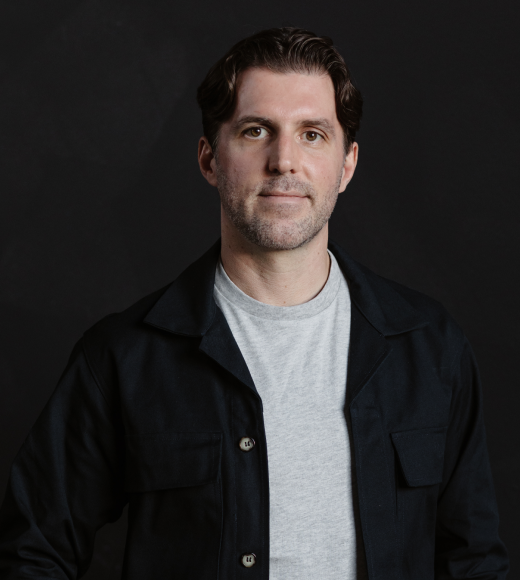
Ryan Denehy’s problem with success
He learned to sell by pitching bike films as a teenager. Two exits and a billion-dollar valuation later, Ryan Denehy faced a harder assignment: deciding which parts of his success to give up.
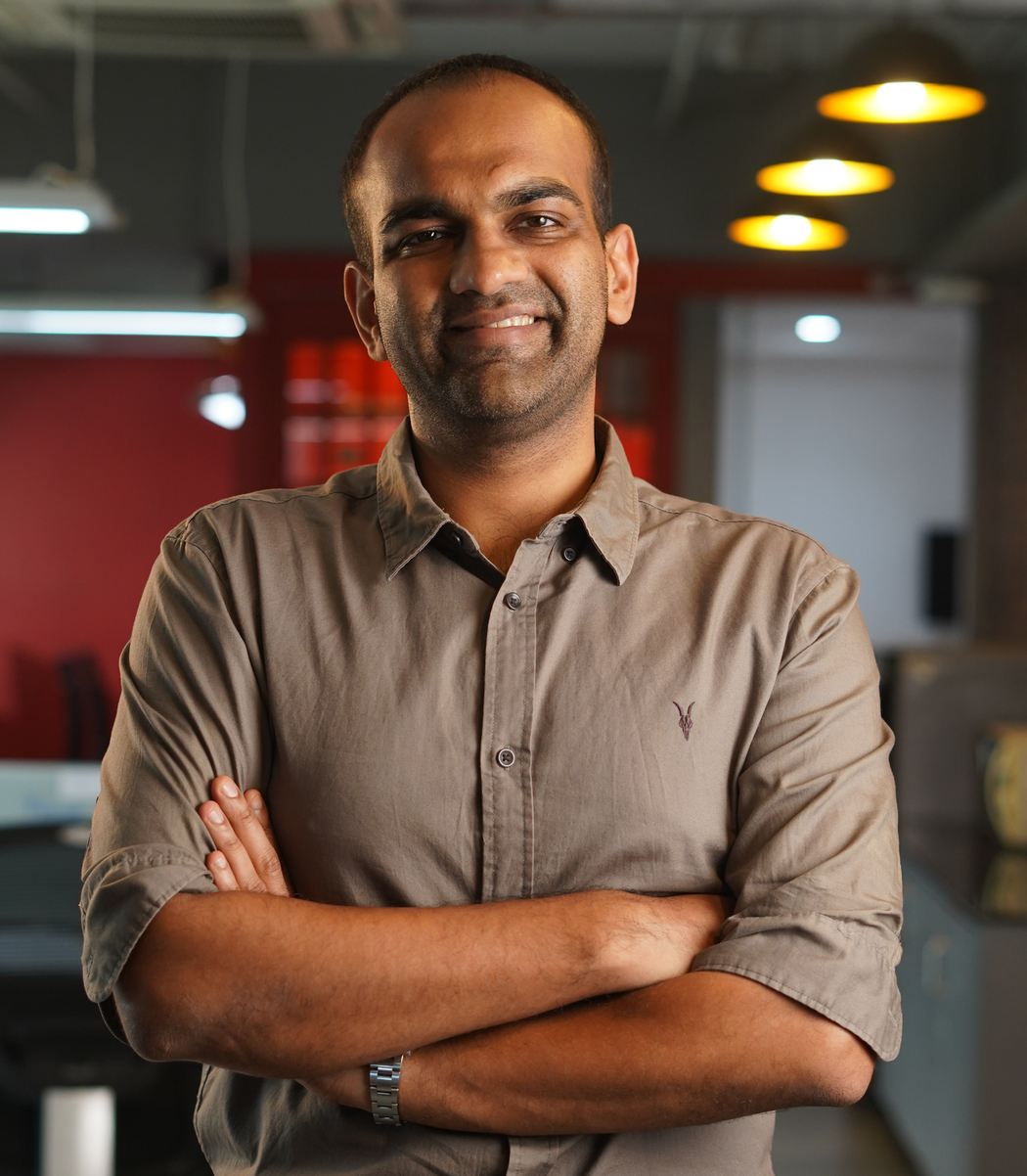
Aakrit Vaish and the trouble with being early
He built Haptik before conversational AI became an everyday habit. Now, with Activate, Aakrit Vaish is backing the founders trying to arrive at just the right moment.
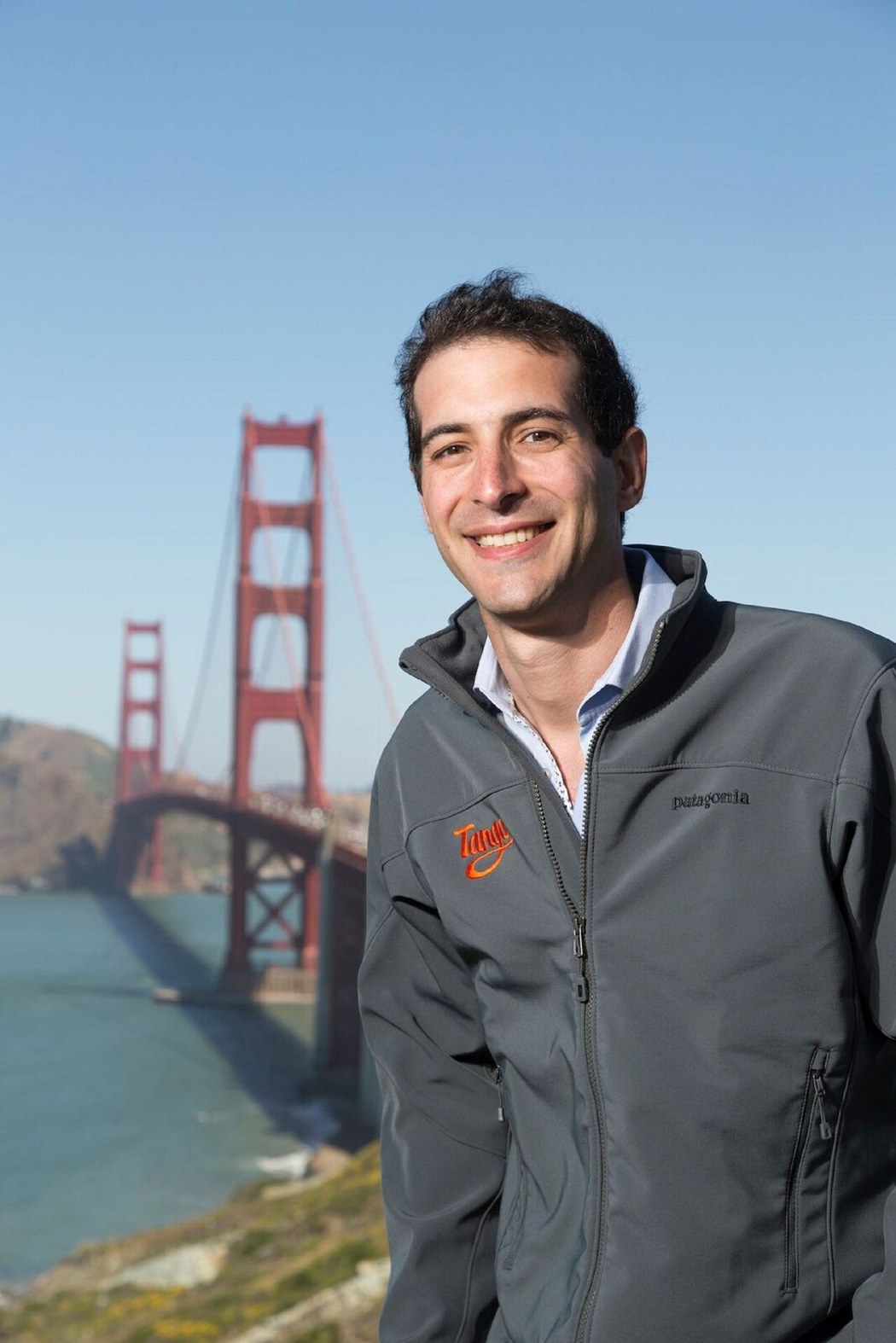
Eric Setton and the distance between two phones
A family in France gave Tango a reason to exist. Eric Setton’s years as a video researcher, co-founder and chief executive show how much work goes into making a small screen feel close.
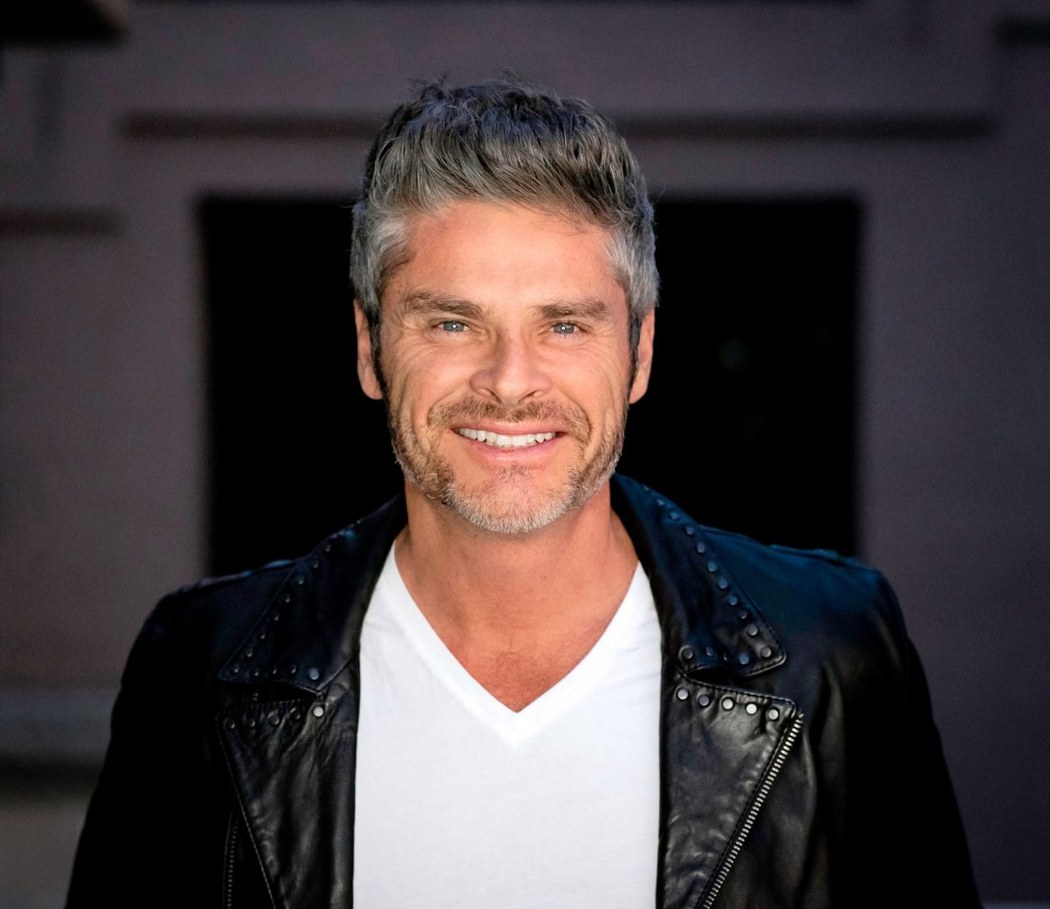
Steven Cox wanted to keep the drummer
A bandmate needed a steadier income. Steven Cox helped build TakeLessons around that problem, sold the company to Microsoft, and eventually found his way back to being a student.