uc-berkeley
(339)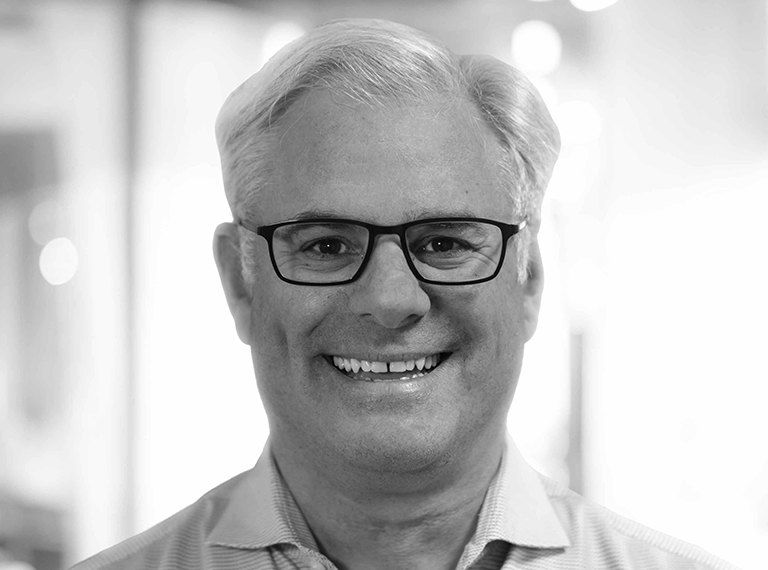
Robert Wahbe and the case of the missing sales pitch
At Microsoft, Robert Wahbe discovered how easily good ideas disappear between headquarters and the sales floor. He spent his next chapter building Highspot to close that distance.
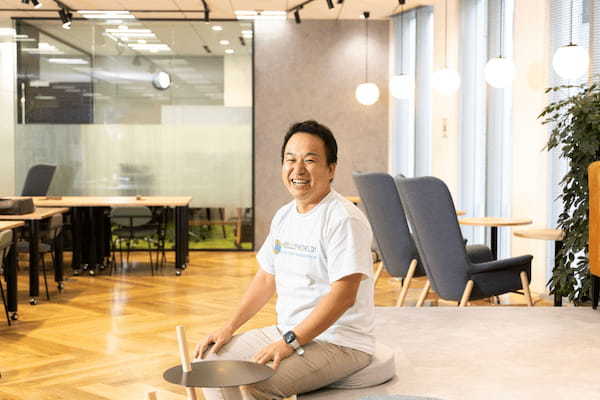
Keisuke Tomida and the world next door
A Berkeley detour took Keisuke Tomida out of employment law and into international education. From Okinawa, the HelloWorld co-founder is working to make meeting the world an ordinary part of growing up.
Abhay Kalra and the business of getting time back
Growing up in an industrial distribution family, Abhay Kalra saw salespeople spend their days processing business instead of finding it. At Avent, he is building software around the work that kept getting in their way.
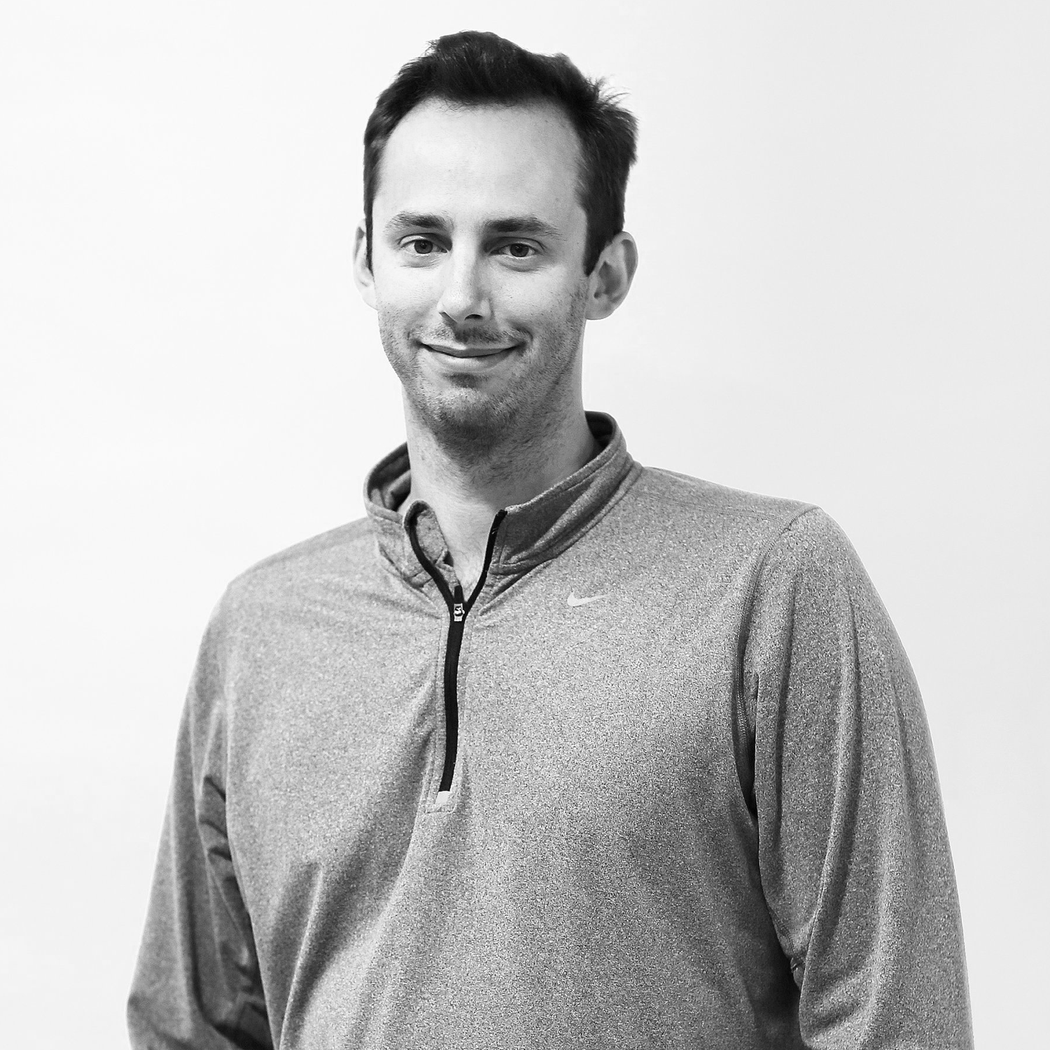
Anthony Levandowski and the road back to dirt
He helped put self-driving cars on the map, then became the central figure in a trade-secret scandal. At Pronto, Anthony Levandowski has returned to a more bounded problem: teaching quarry trucks to move rock.
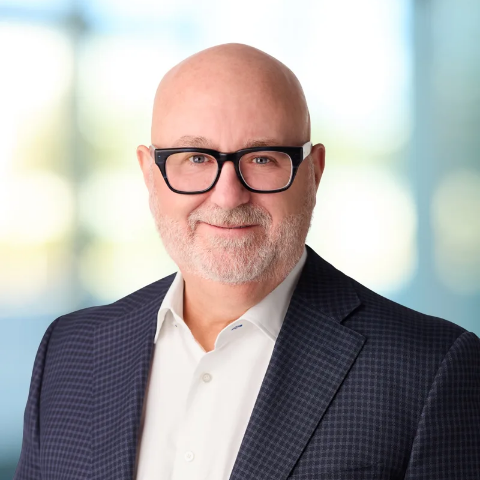
Brad Weston and the education of a merchant
From a department-store training program to Petco, Party City and At Home, Brad Weston built a career around what customers want. Then came the harder question: what does it take to keep the store open?
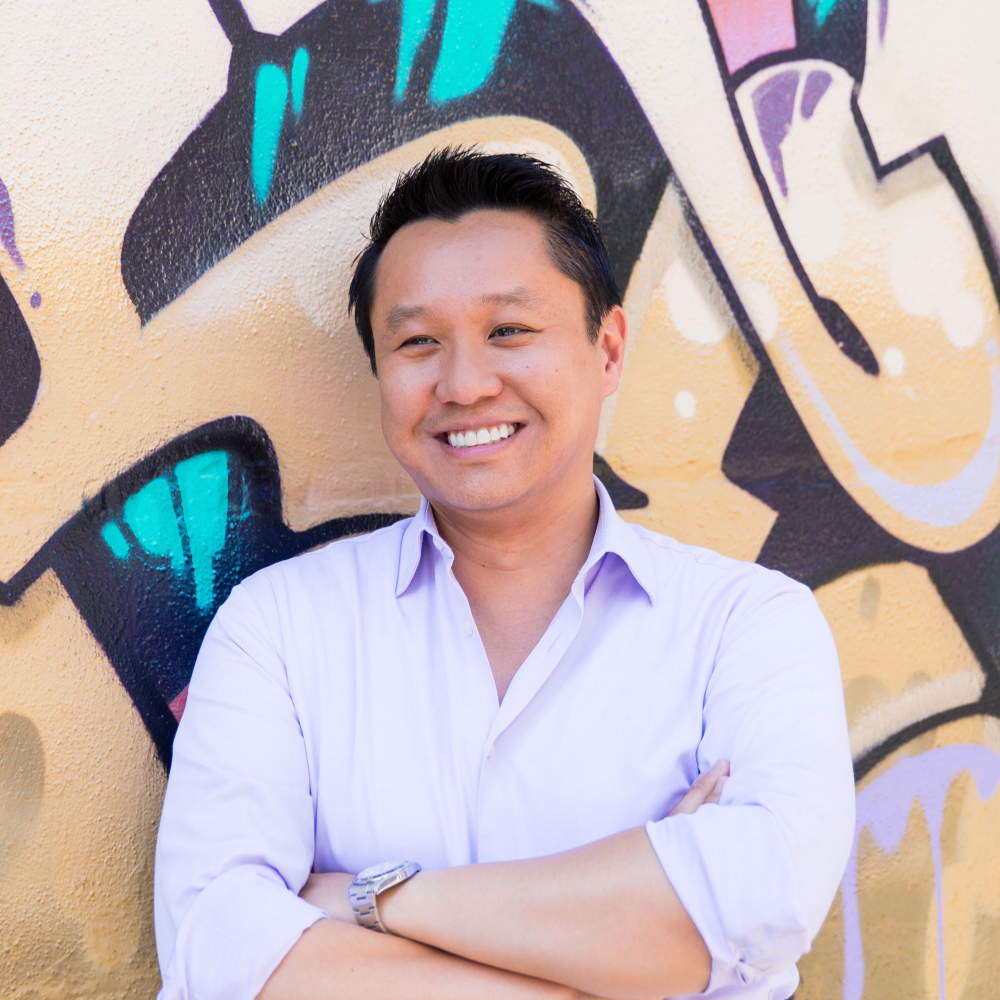
Roy Andrew Ng and the credit history that began at Sears
A department-store card helped his family get started in America. Decades later, the Bond co-founder would build the software behind other people’s financial beginnings.
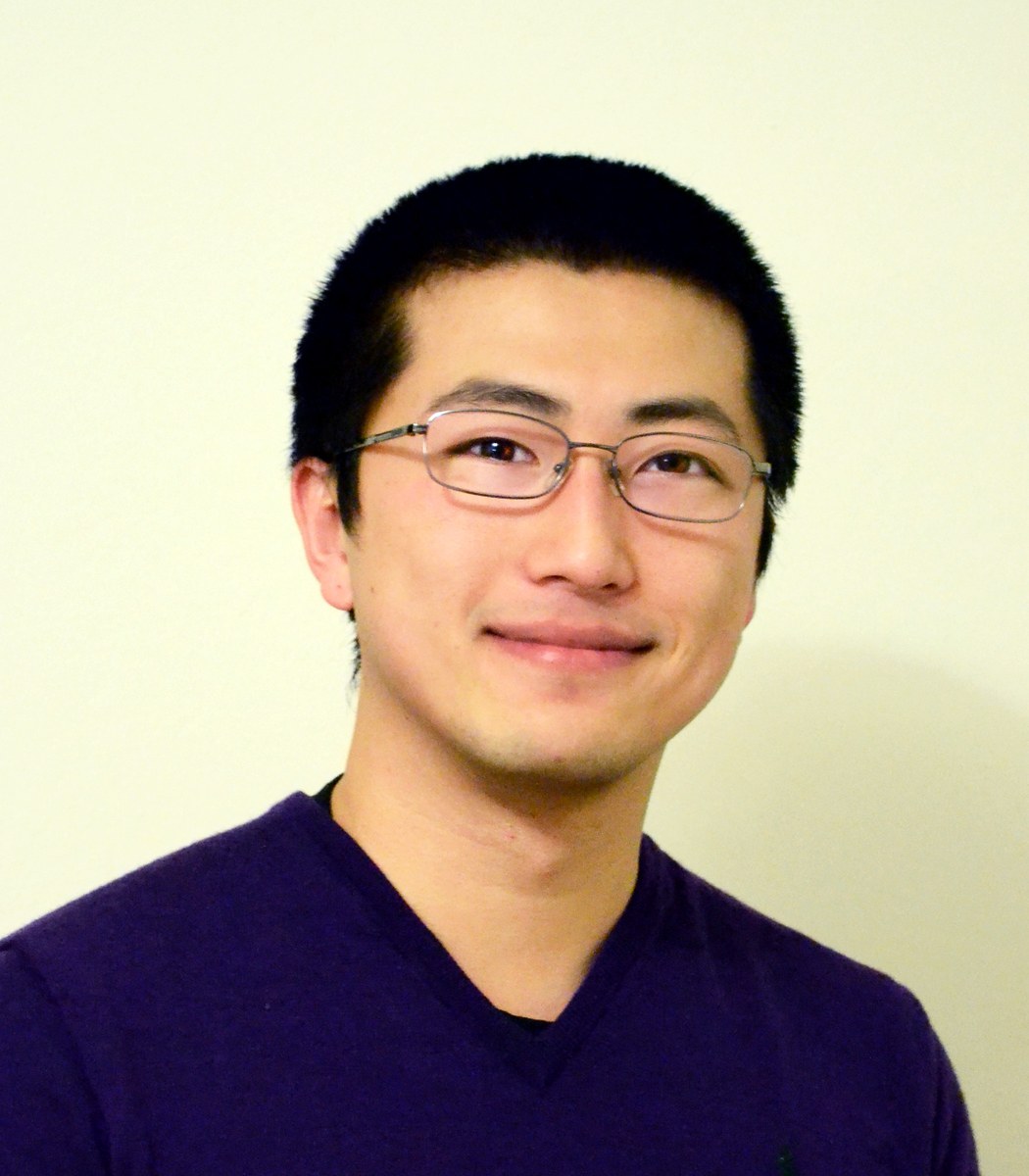
Haoyuan Li and the problem of keeping fast machines fed
A Christmas coding project became Alluxio. Haoyuan (H.Y.) Li has spent the years since working on a stubborn problem: getting data to the machines that need it, before the waiting gets expensive.

Peter Chen and the education of a robot
A Berkeley friendship led Peter Chen from AI research to warehouse floors. His bet at Covariant, and now Amazon, is that useful robots learn by getting to work.
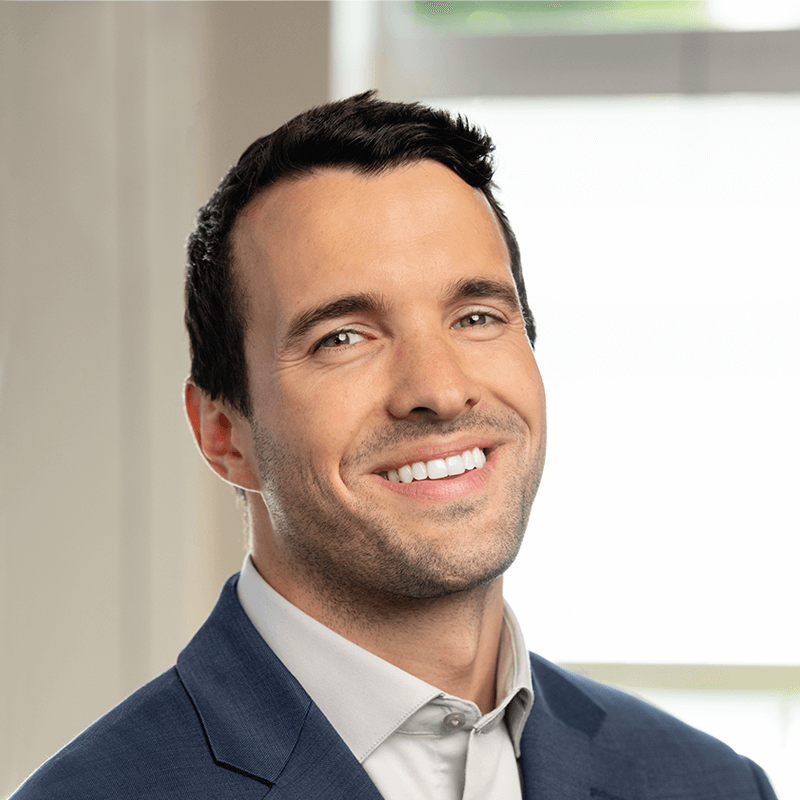
Connor Landgraf’s Other Education
Robotics gave Connor Landgraf a taste for building. Berkeley gave him a different problem: finding the people, language and patience to turn an idea into a company.

Chris Wang and the trouble with being early
He helped build Playdom into a business Disney agreed to buy for $563.2 million. At ThunderCore, Chris Wang returned to a harder question: what makes people actually use a new technology?
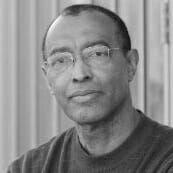
Ronald Fortune and the Trouble With Clever Machines
In 1991, Ronald Fortune was telling Congress about portable computers and AI tutors. The future Education.com co-founder kept returning to a more practical question: how would any of it help children learn?
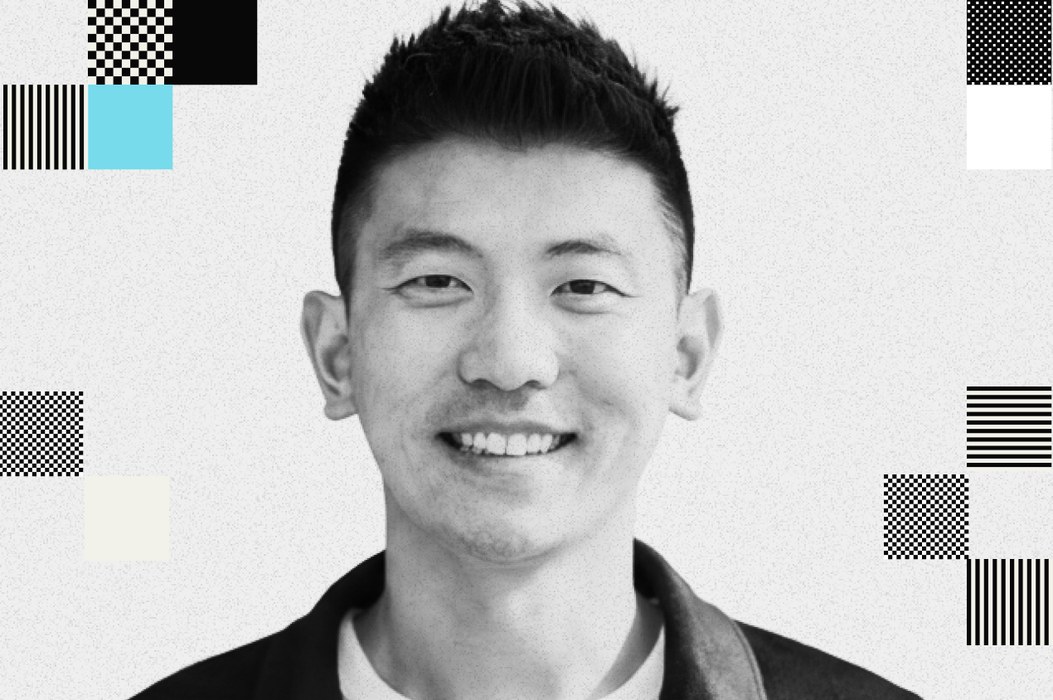
David Zhu and the value of a long memory
At Reevo, David Zhu is betting that sales software should remember what people learn. His founding team has a head start: some of its relationships go back to the schoolyard.
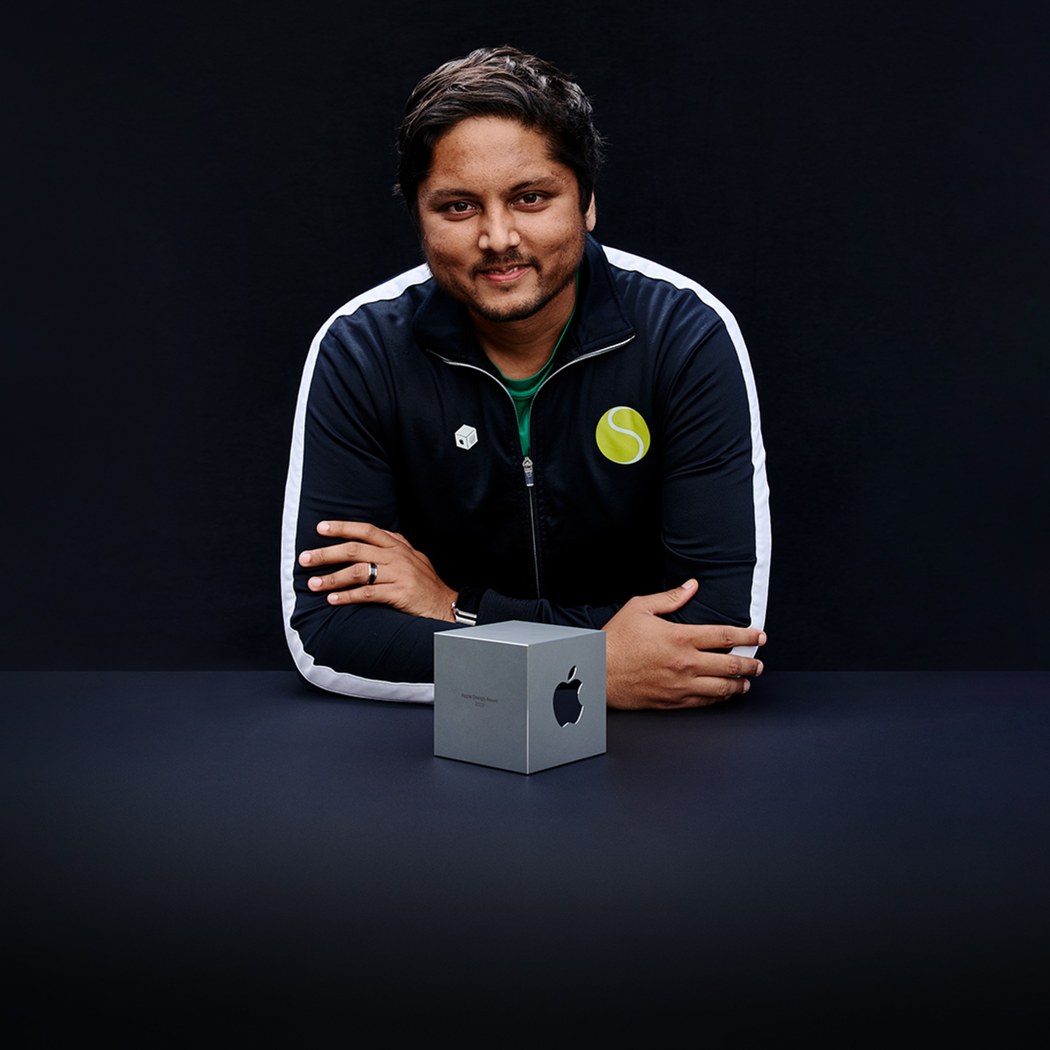
Swupnil Sahai and the case of the missing tennis data
He wanted the match statistics he saw on television. A watch app, a stint at Tesla and a locker-room pitch to Andy Roddick sent Swupnil Sahai toward a different kind of tennis career.
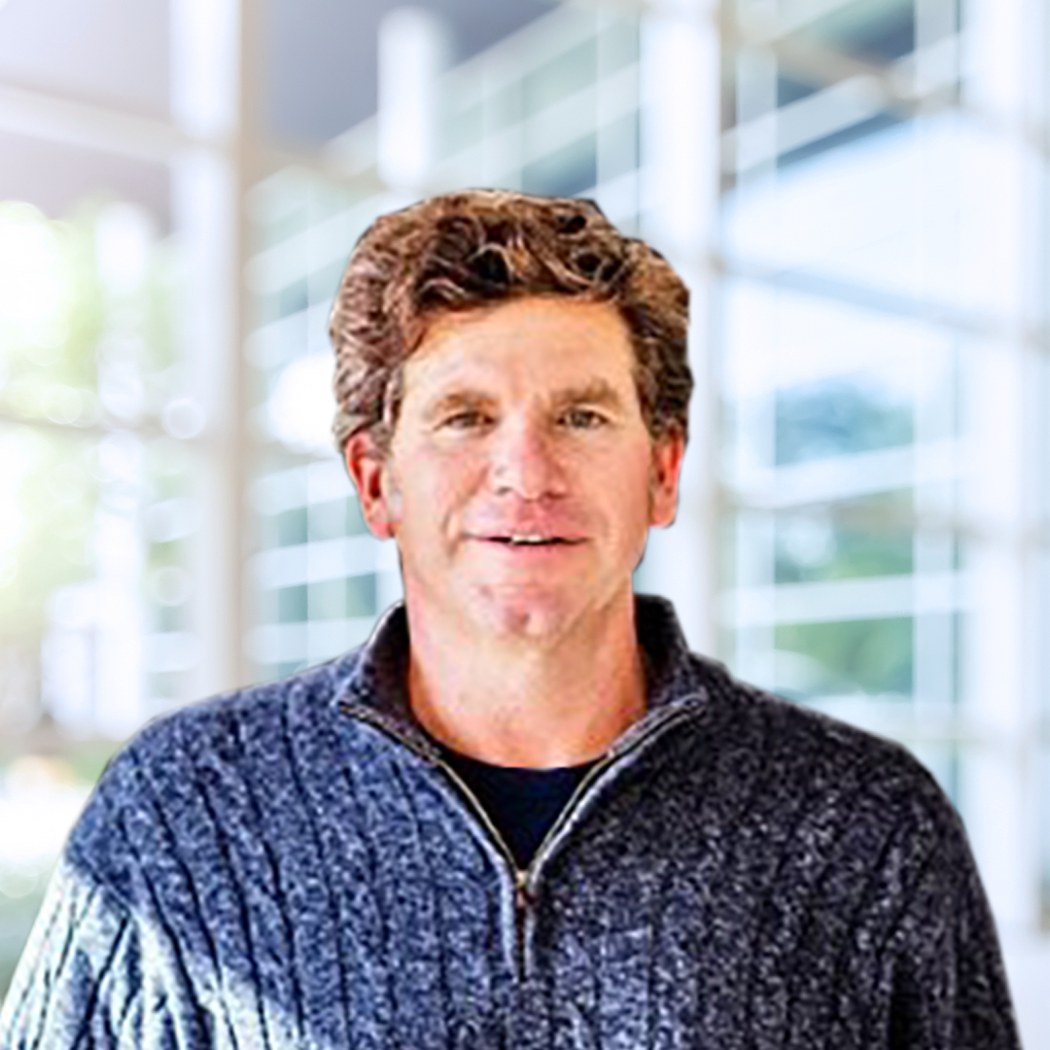
Rob Solomon and the trouble with getting bigger
From Yahoo and Groupon to GoFundMe, Kite and H55, Rob Solomon has spent his career working out what happens when an idea has to become an organization.
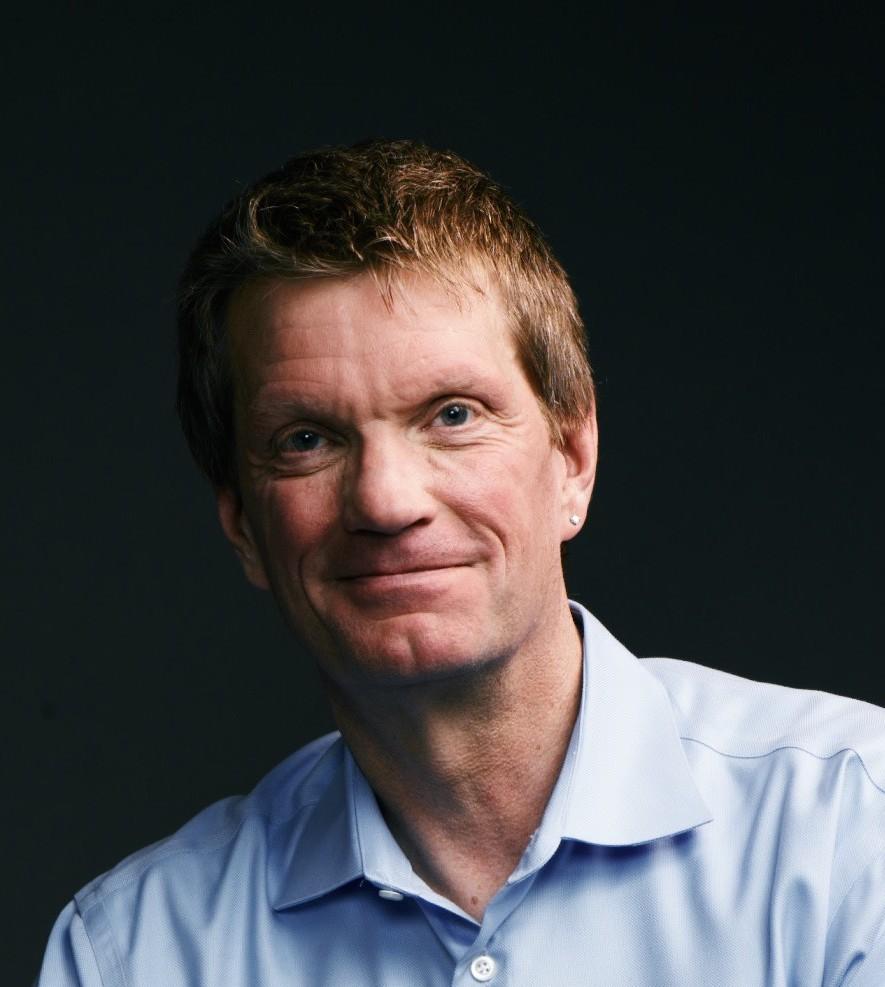
Mike Olson has a different idea of good timing
Cloudera’s founding CEO spent decades helping people make sense of data. These days, his interests run from local news and climate investing to a Berkeley café clock that counts the day differently.
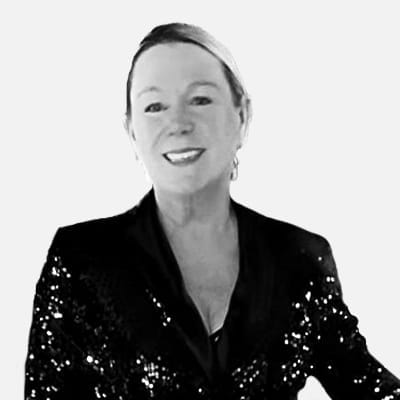
Kathleen Shanahan and the business of being understood
A London business trip in 2008 captures Kathleen Shanahan’s early ambition for BOCA. Her work since has joined technology storytelling to the practical demands of running an agency.
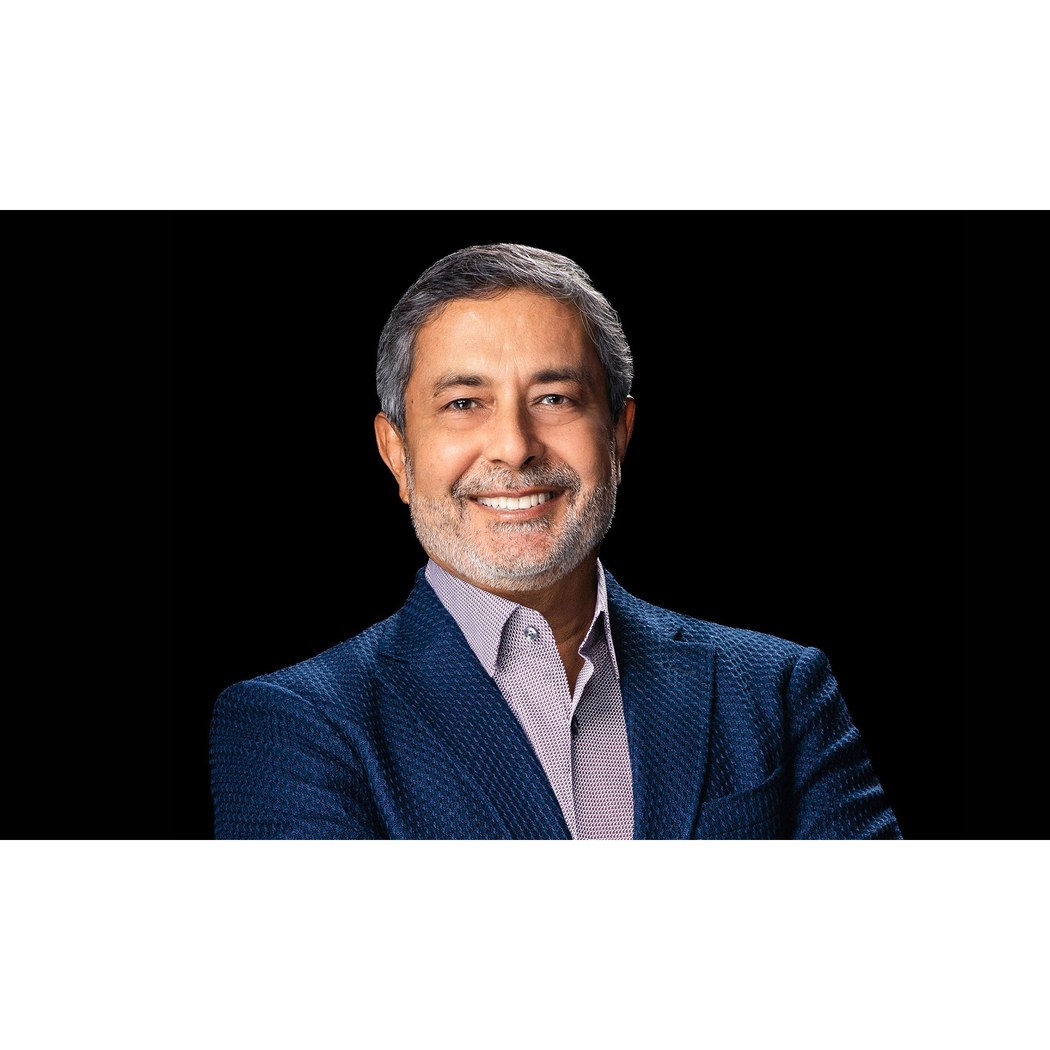
Sanjay Mehrotra and the value of one more try
Three visa refusals nearly kept Sanjay Mehrotra from Berkeley. A career spent making memory chips helps explain why the Micron chief still talks about the day his father refused to go home.

Young Zhao and the feature that refused to be small
Before OpusClip reached millions of creators, Young Zhao was paying people to try a product they kept abandoning. The useful part was hiding inside it.

Howard Wu and the Case for Keeping a Secret
The Aleo co-founder and Provable CEO has spent years turning zero-knowledge research into working software. His next test is making financial privacy feel ordinary.
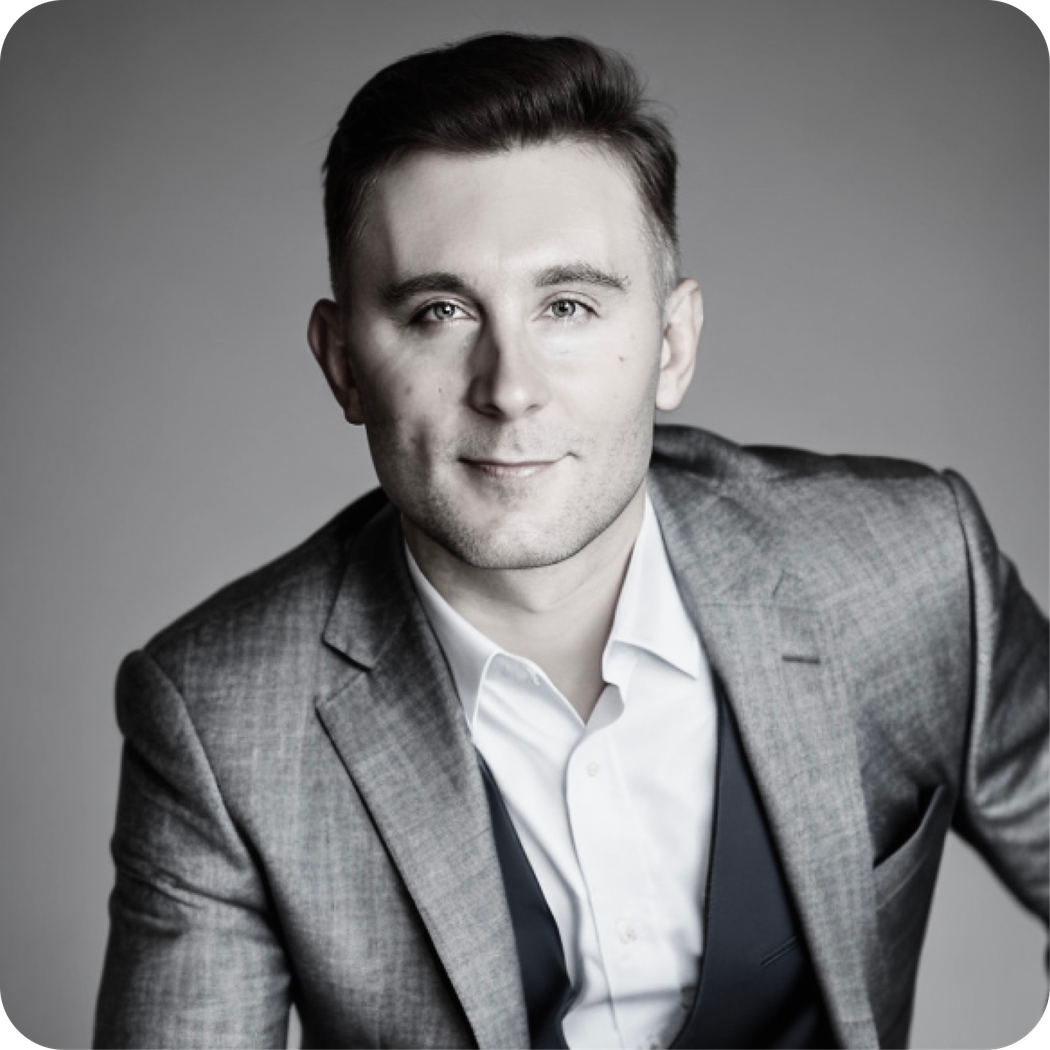
Pete Birsinger and the useful thing his failed app left behind
His podcast player reached 40,000 users and ran out of money. The technology underneath it helped Pete Birsinger find a different business: checking what advertisers actually bought.
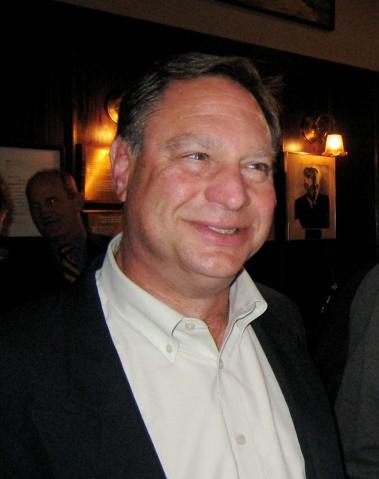
Gary M. Goldstein and the Case for Starting Small
After building BISNet and returning to HR software with Insynctive, Gary M. Goldstein has a practical proposal for the future of work: begin with one process that needs fixing.

Alina Rui Su and the education after class
Before Generation Lab, there was a Berkeley pitch competition, a circle of mentors, and a student willing to ask. Alina Rui Su’s route into company building began with a practical discovery: the conversation after class could matter as much as the class itself.
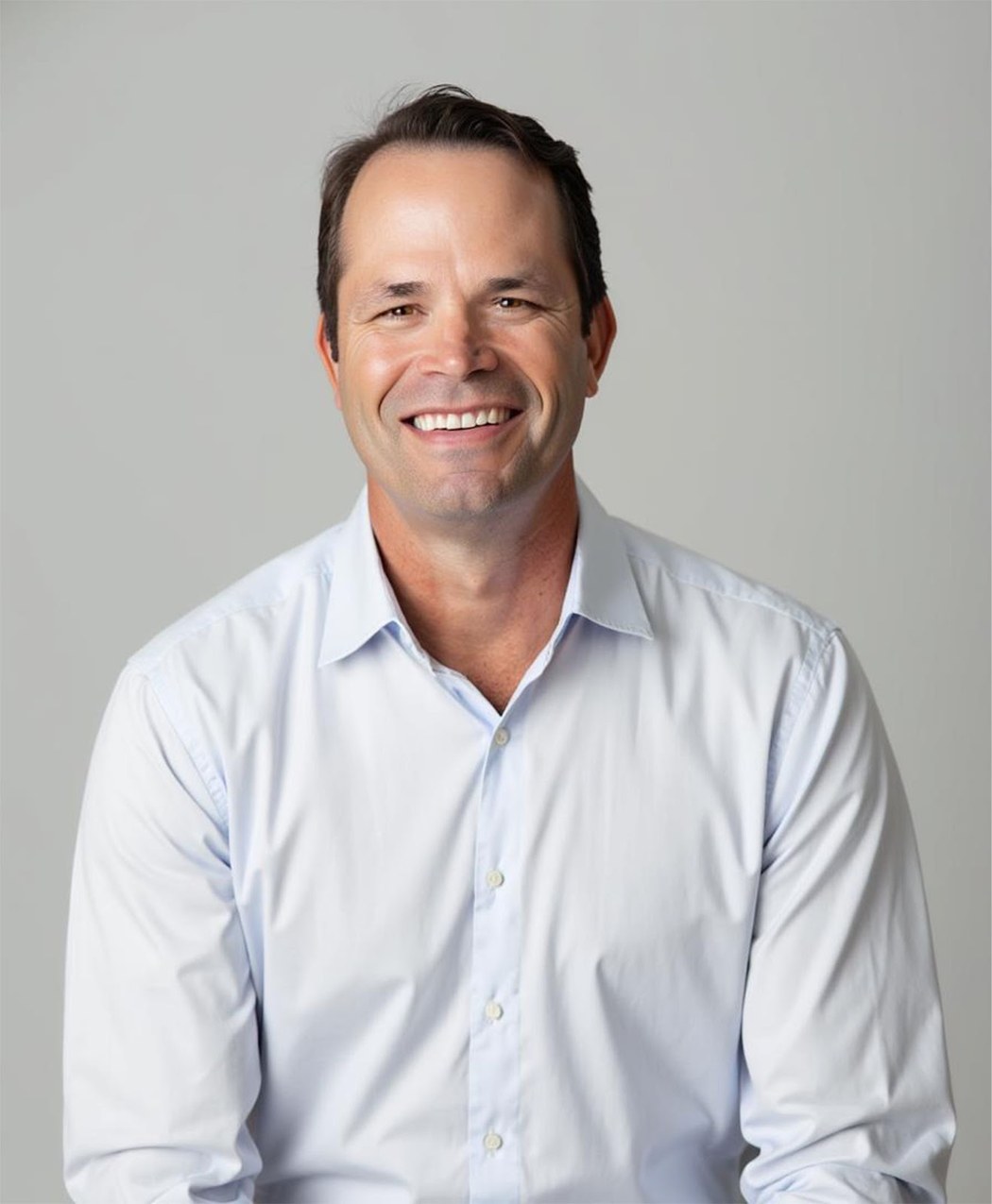
Craig Walker keeps answering the same call
He helped turn one Dialpad into Yahoo Voice and GrandCentral into Google Voice. With another Dialpad, Craig Walker is still working on a familiar irritation: why talking to a business takes so much work.
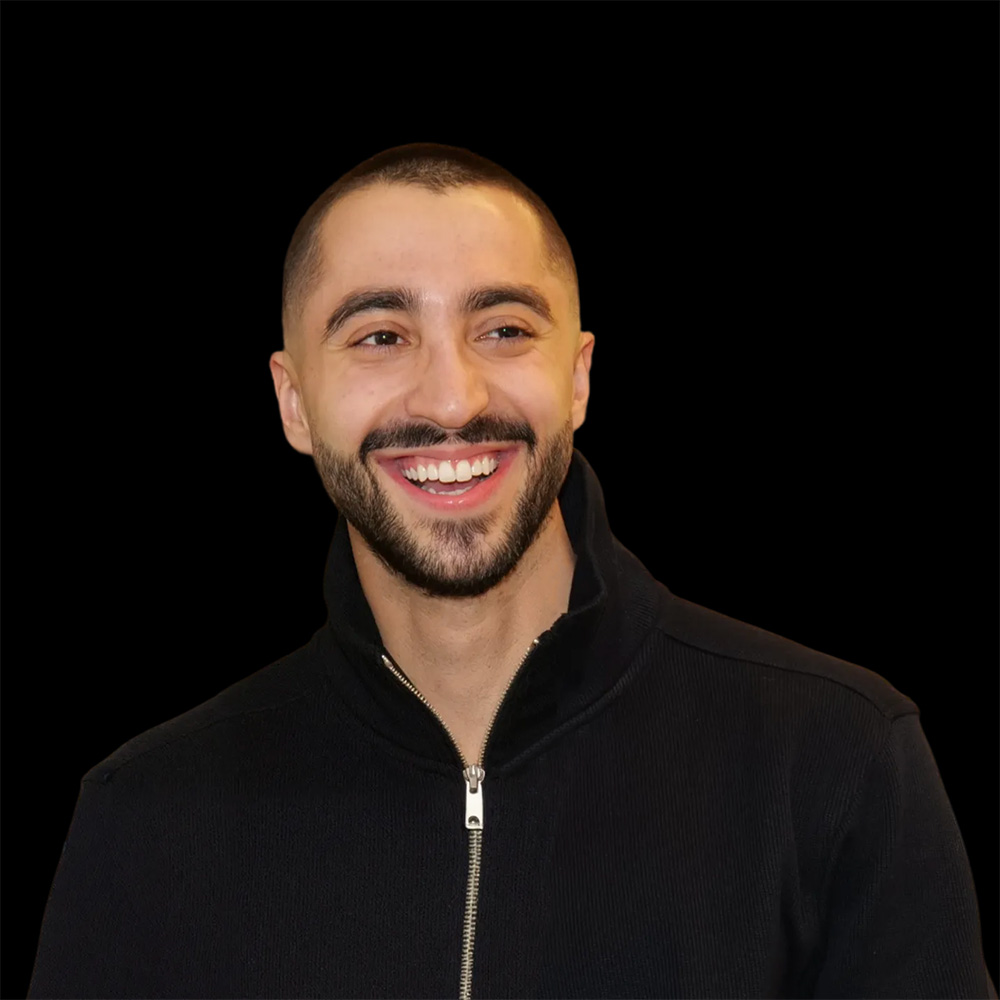
Ali Ansari Keeps Finding the Business Inside the Business
A textbook reseller became a software builder, then an AI recruiter, then a supplier of human expertise to AI labs. Each turn began when Ali Ansari noticed what his customers were really buying.
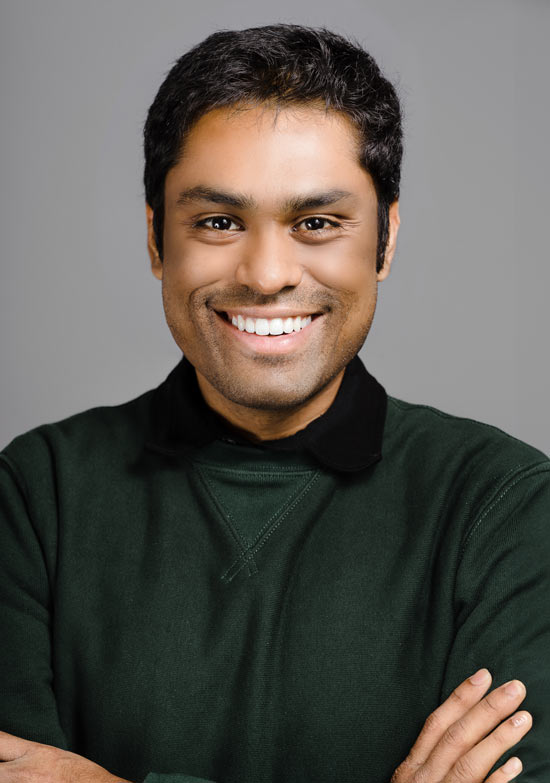
Ritankar Das and the trouble with staying in one box
At 18, Ritankar Das left Berkeley with its University Medal and a minor in creative writing. His path through poetry, AI companies and a $1.25 million gift suggests that the interesting part was never simply finishing early.
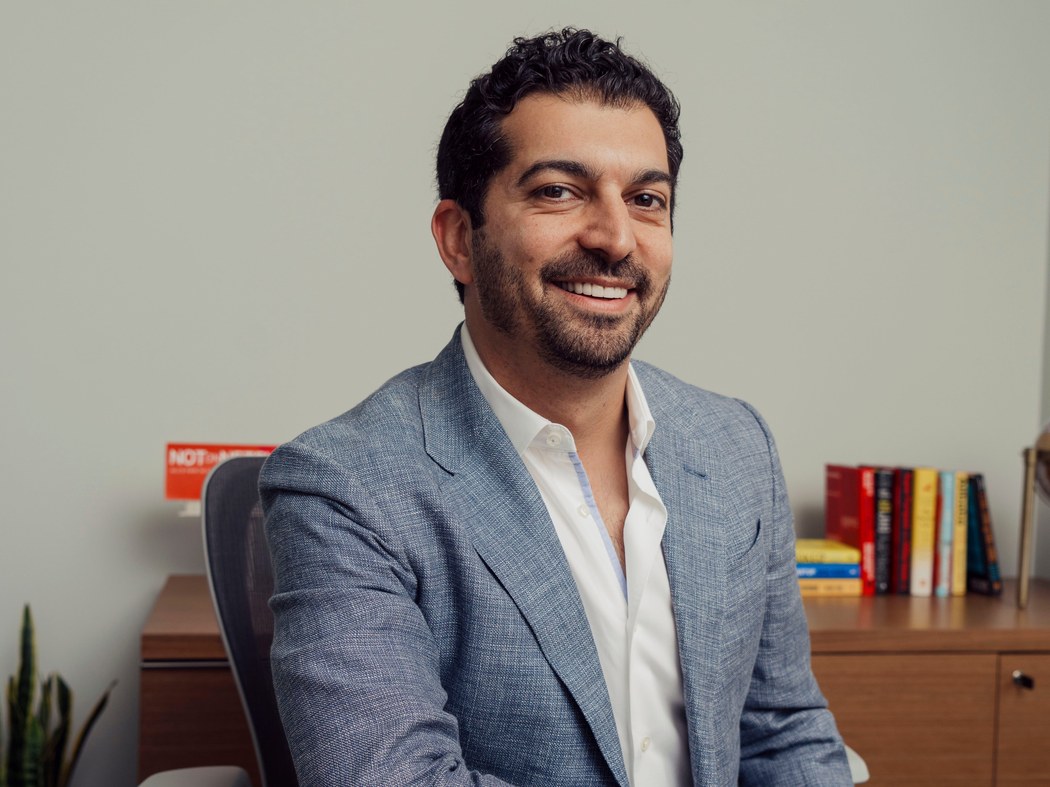
Farhad Massoudi and the price of free
Farhad Massoudi built Tubi around the films people wanted to watch, even when investors wanted something else. His bet on free television led to a Fox acquisition, a changing catalog and a new seat beside other founders.
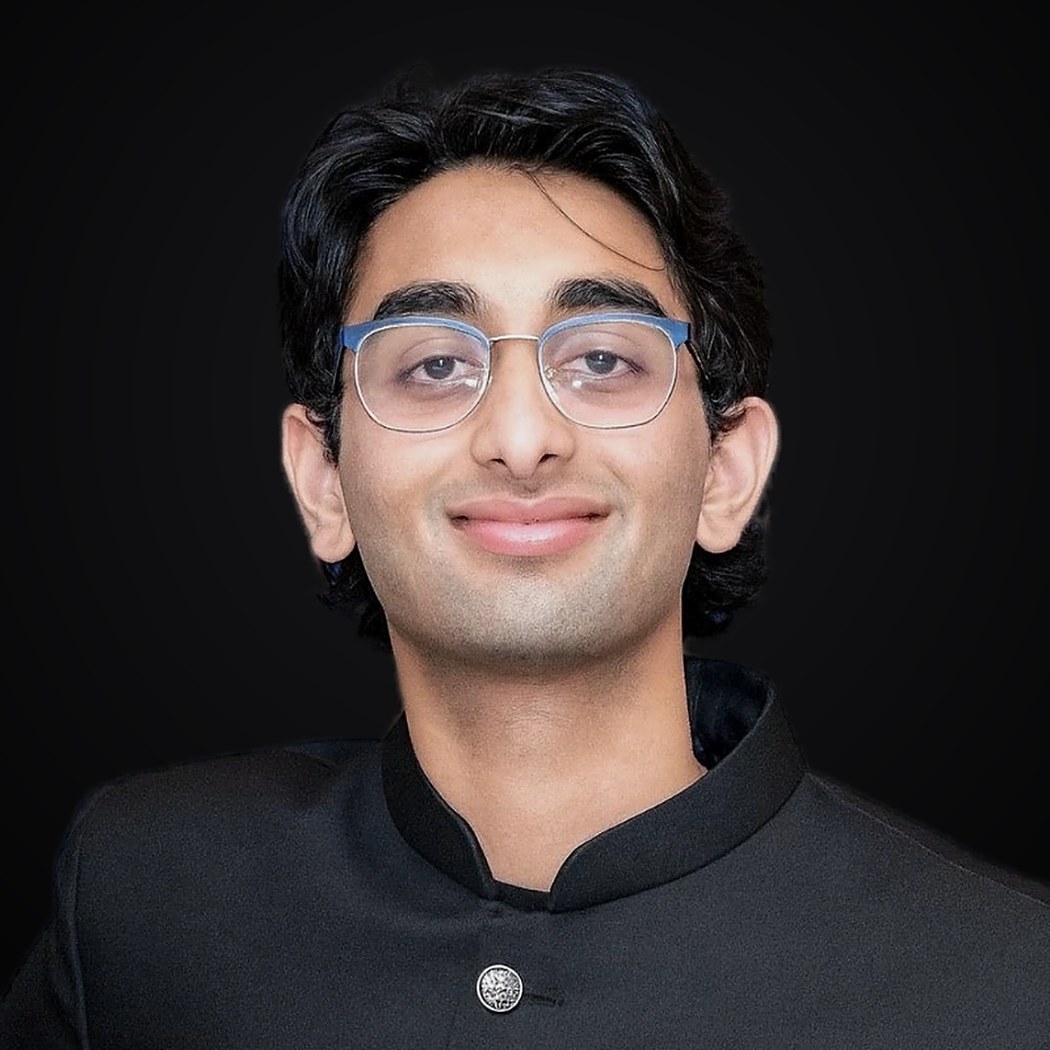
Rishabh Dhariwal and the work after the pitch
A 3 a.m. conversation helped start Zarna. For its co-founder and CEO, the harder education has come from the meetings, follow-ups and unfinished work that followed.
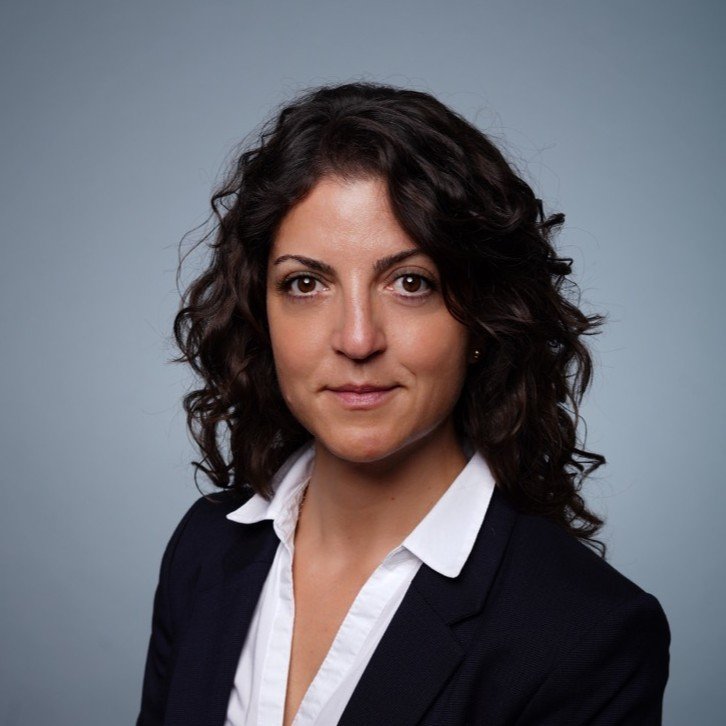
Vicky Demas and the Art of Making Things Work
At ten, she wanted to become an astronaut. Today, the engineer, physics illustrator, and identifeye HEALTH CEO is still interested in what happens when an ambitious idea meets an actual person.
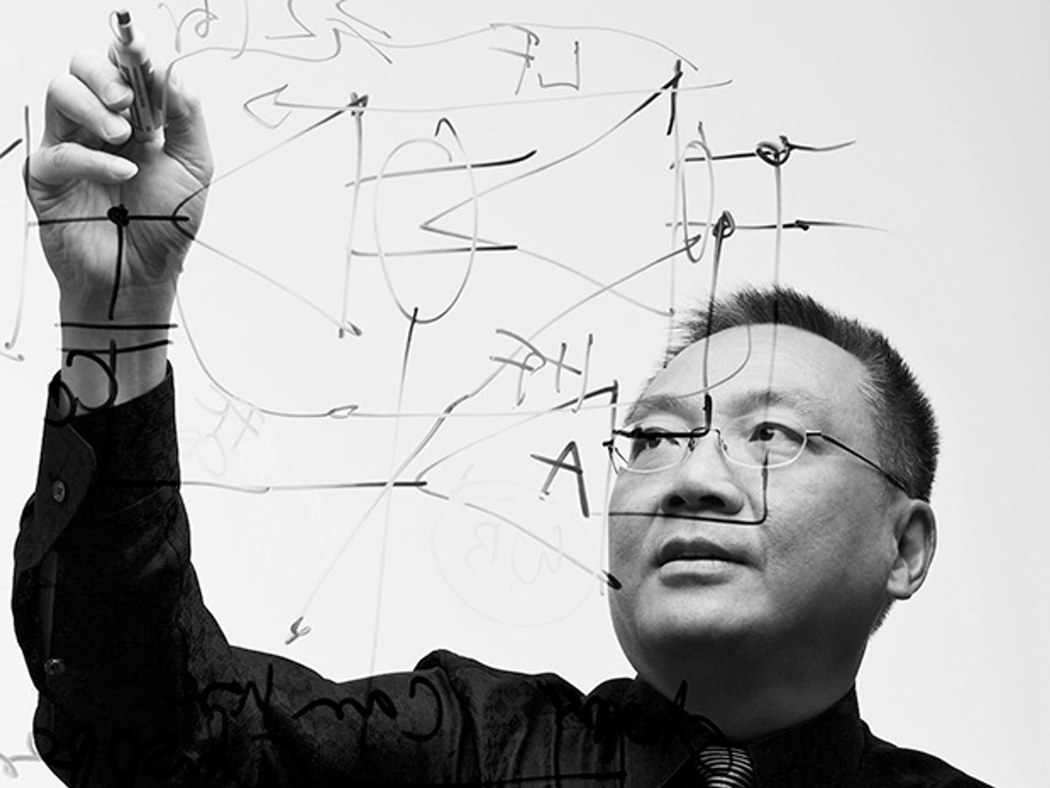
Sehat Sutardja and the pleasure of taking things apart
A Jakarta radio repairer became Marvell’s co-founder by looking closely at the parts other people overlooked. His favorite gadget was usually the one he had yet to build.
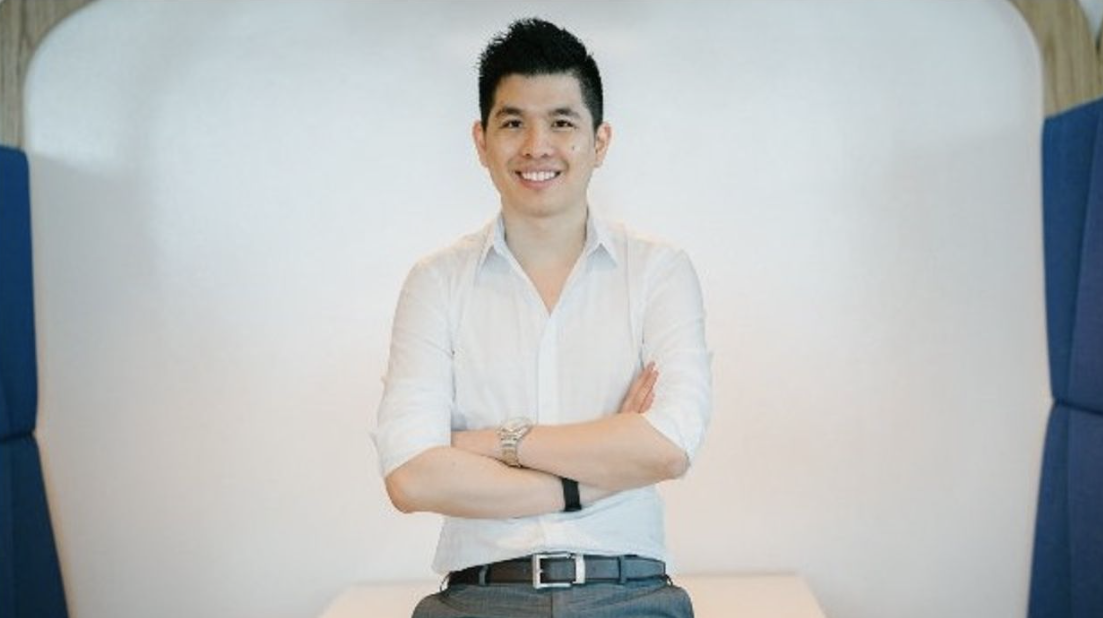
Aaron Lim and the software people would actually use
After building CRMs for BlackRock and GIC, Aaron Lim turned his attention to salespeople living in WhatsApp. Privyr began with a question about their working day - and grew by taking the answer seriously.