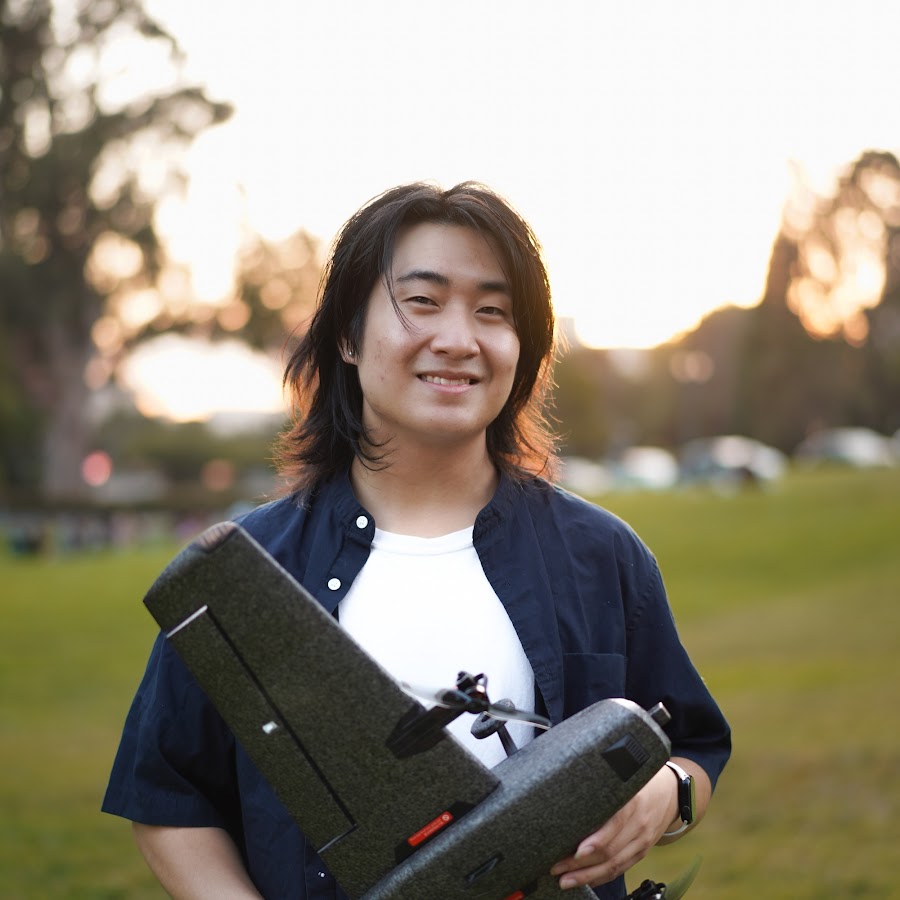
A Garage in Diamond Bar, 18 Kids, One Flying Machine
September 20, 2021. Alan Zhang is 17. He and 17 classmates at Diamond Bar High School in Los Angeles County make a decision: they're going to build a passenger-carrying electric aircraft. Not a model. Not a simulation. A real machine that could lift a person off the ground.
The vehicle got its name from a running joke. Club officer Leelyn Shih was so light, someone suggested she'd make the safest first passenger. The name stuck. Project Leelyn was born.
Three hundred and twenty-seven days later - after 12-hour weekly sessions, sponsor pitches that raised $25,000, and a learning curve that included CAD design, laser cutting, soldering, thrust calculations, and drone simulator training - the team had built something unprecedented: a single-passenger electric vertical takeoff and landing (eVTOL) aircraft with 280kg of thrust, a 30-minute flight time, and full autopilot capability.
At the time, no other high school group in the United States had done this. Possibly no other group in California. Zhang, the club president and project lead, wasn't comparing them to high school projects. He was comparing them to the history of personal aviation.
While they're replicating technology from 100 years ago, we're pioneering into a new field that will be increasingly relevant in the future: personal aircrafts, electric vehicles, autopilot transportation.
- Alan Zhang, 2021Eight Propellers. One Cockpit. Fits in a Garage.
The Leelyn Drone Prototype 1 was not a toy. It featured eight electric motors powering eight propellers, a battery-powered distributed electric propulsion system (chosen specifically for redundancy - lose a motor, keep flying), an X-shaped aluminum frame with quadricycle landing gear, and a maximum payload of 180 pounds. The open cockpit could hold a person.
Prototype 2, developed after Zhang enrolled at UC Berkeley, went further: a 3D-printed fuselage, a roll-bar safety cage, navigation lights for night operations, and a footprint designed to fit in a standard two-car garage. Prototype 3 followed - each iteration cleaner, safer, more capable.
The design philosophy is deliberate. Zhang wants personal aircraft to be as mundane as a car. Storable. Accessible. Clean. The garage-sized constraint isn't a compromise - it's a statement about where this technology is supposed to end up.