andreessen-horowitz
(165)
Lauren Berson’s theory of the open door
Before founding Conceive, Lauren Berson built partnerships at Google, worked with founders at a16z, and hosted weekly family dinners in San Francisco. Her career keeps returning to a practical question: how do you help people find their way in?
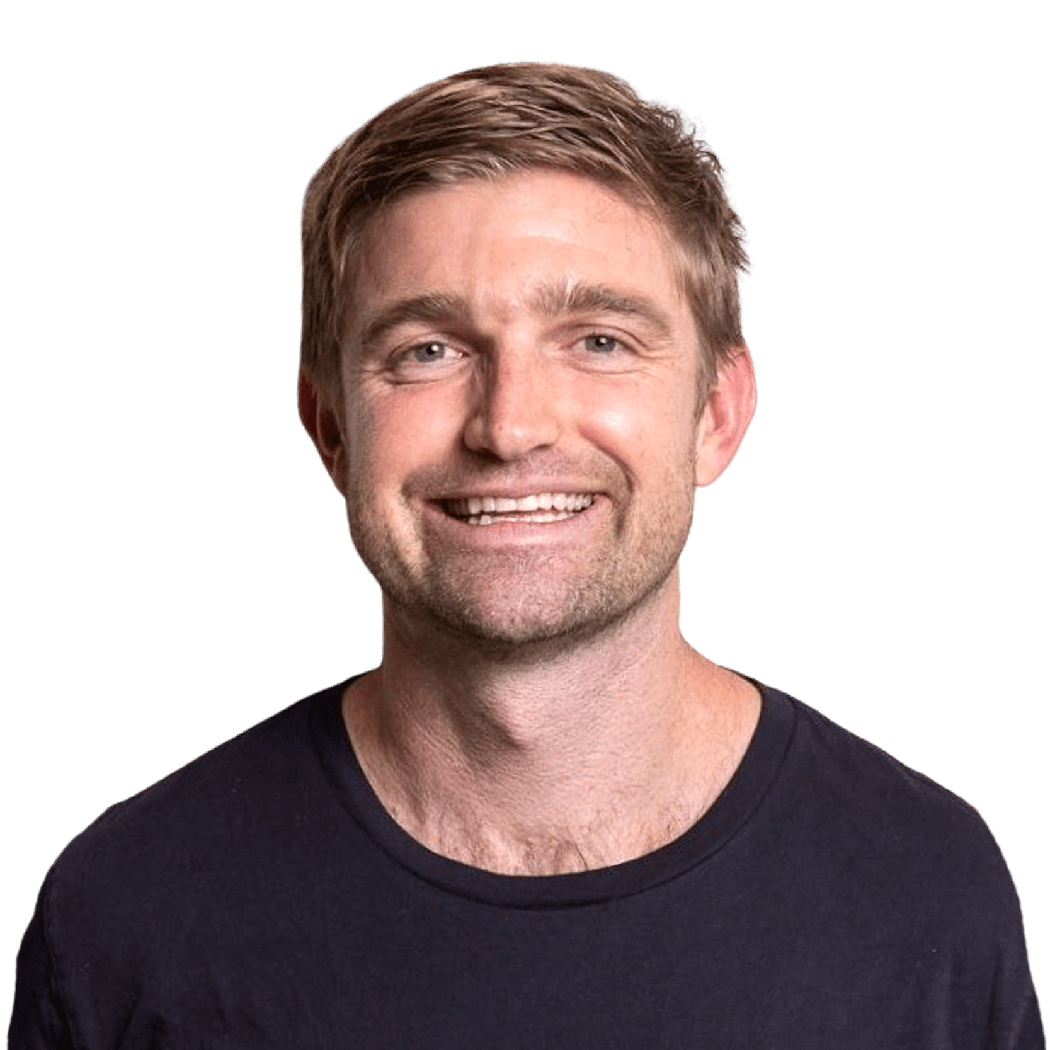
David Booth and the business of being in the right room
From a teenage iPod venture in New Zealand to On Deck and a16z, David Booth keeps returning to one question: who could build something together, if only they met?

a16z Podcast opens the room.
A venture firm put its conversations on the internet. The interesting part is how it learned to make those conversations worth your time.
Andreessen Horowitz
Andreessen Horowitz did not become a $100 billion venture firm by treating a check as the finished product. Its real wager is that founders will choose the investor with the strongest machine behind the money.

Vitally Made Keeping Customers the Whole Game
The Brooklyn software company built a business on a plain bet: in B2B SaaS, the money isn't in the first sale, it's in never losing it. Here's how customer success turned into a category worth fighting over.
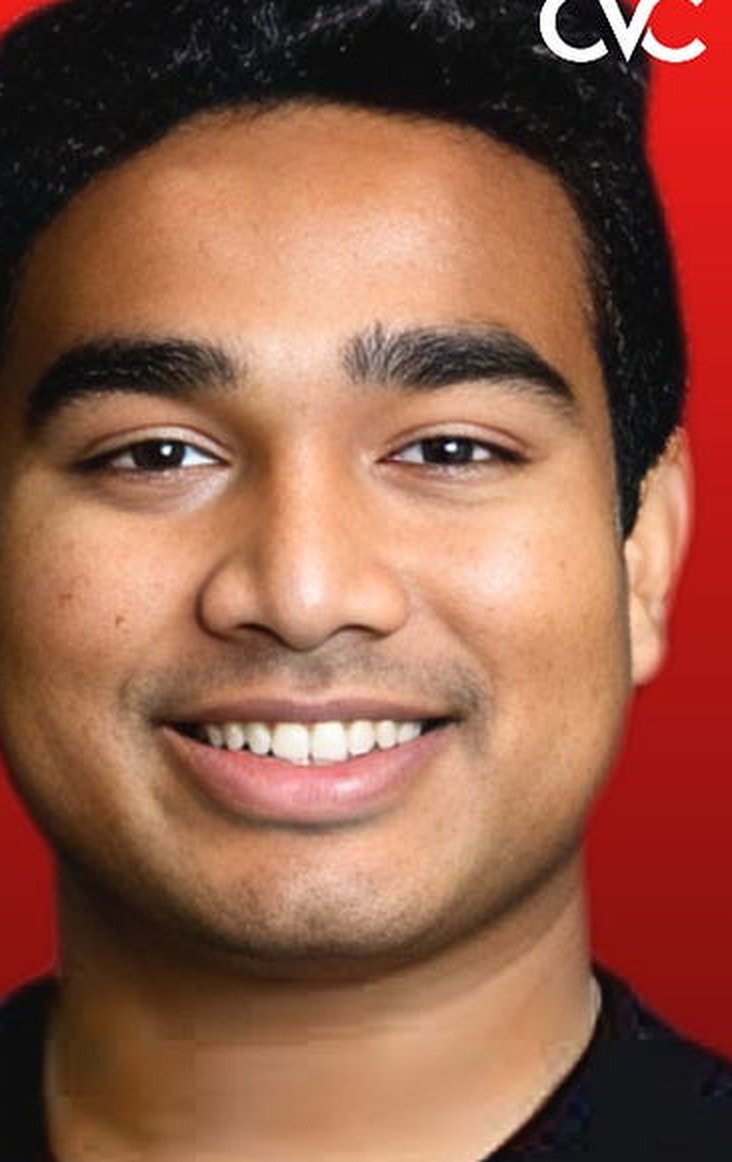
Akash Raju
He made Forbes 30 Under 30 for a company he then threw away. The second version of Glimpse - AI that fights retail's most boring, most expensive fee - just raised $35 million.
Rohan Chopra
Rohan Chopra is the co-founder and CEO of Convey, a San Francisco enterprise AI company that lets non-technical operators build and manage autonomous 'digital teammates' to run repetitive business operations. An early DoorDash engineer who spent roughly eight years there building the logistics and dispatch systems behind its delivery network, Chopra started Convey in 2024 with childhood friends Diego Canales and Will Harvey. In June 2026 the company raised a $38 million Series A led by Andreessen Horowitz, with Khosla Ventures and Pear VC participating, after its platform logged more than one million hours of automated work for customers including NBCUniversal, Samsara, TelevisaUnivision, Unity, Faire and ChargePoint.
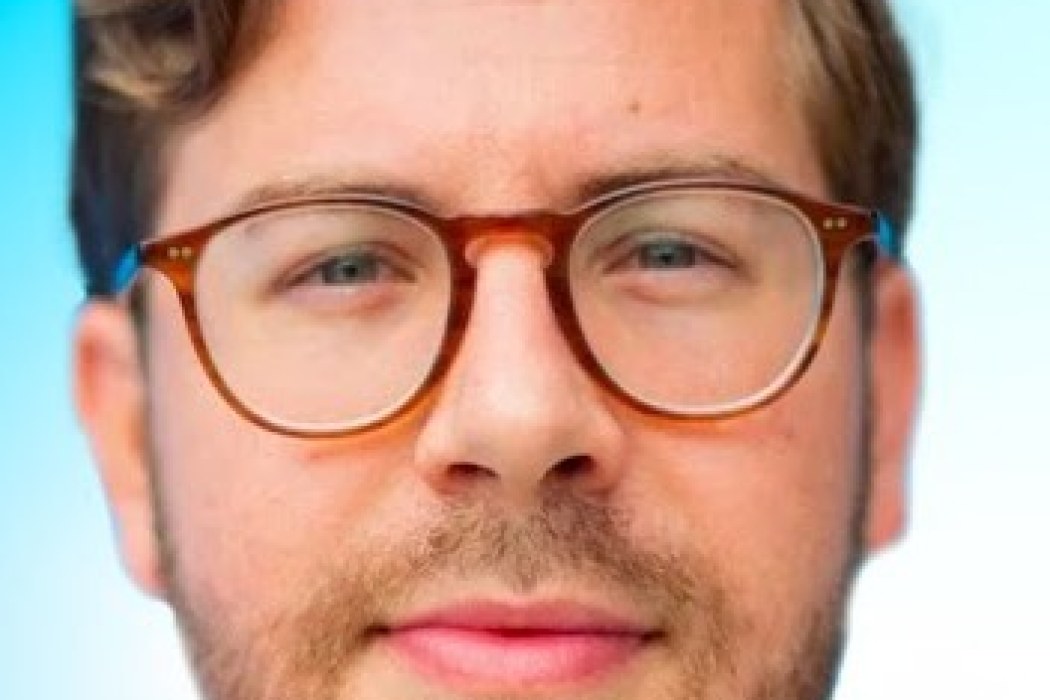
Steijn Pelle
Steijn Pelle is the co-founder and CEO of Lassie, a San Francisco AI company building an autonomous back-office worker that runs the financial admin of independent businesses, starting with dental and medical practices. A Dutch transplant to Silicon Valley with roughly 15 years in startups, he cut his teeth on consumer growth at HealthTap, Coinbase and Robinhood before founding Lassie in 2021. In June 2026 the company raised a $35M Series A led by Andreessen Horowitz, bringing total funding to $47M, while operating in more than 700 practices across 49 states.
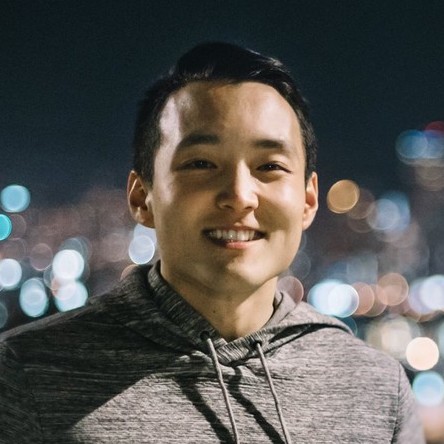
Wonjun Jeong
Wonjun Jeong is the co-founder and CEO of Supermove, a San Francisco software company that replaces the paper contracts and typewriters still common in the moving industry with a single cloud platform for sales, dispatch, scheduling, signatures, payments, and payroll. A UC Berkeley computer science graduate who wrote code at Facebook and Pinterest, he started Supermove in 2019 after moving 21 times and watching movers scratch his credit card number into a paper form with a fingernail. The company raised an $18 million Series A led by Andreessen Horowitz in 2022 and works with more than 100 moving and storage firms.

Camber
Camber is a New York-based healthtech company building AI-driven revenue cycle management (RCM) software for specialty care practices. Formerly known as Juniper, it automates medical claims processing, denial prevention, and payment reconciliation for ABA therapy, physical therapy, ENT and allergy, and other high-recurring care specialties. Trained on more than $2.5 billion in claims data, Camber helps providers reach roughly 95% first-pass paid rates and get reimbursed faster, replacing the manual, call-center-heavy processes of traditional billing firms.

Glimpse
Glimpse is an AI-native platform that automates deduction management for consumer packaged goods (CPG) brands. Its AI agents log into retailer portals, gather scattered documents, classify and validate deductions against internal data like promotion calendars and supply-chain records, then file disputes and recover cash that brands would otherwise write off. Founded in 2024 by three Purdue classmates after pivoting from an Airbnb product-placement startup, Glimpse works with 200+ brands and retail partners including Suave, Chapstick and Lemon Perfect, and raised a $35M Series A led by Andreessen Horowitz in March 2026.
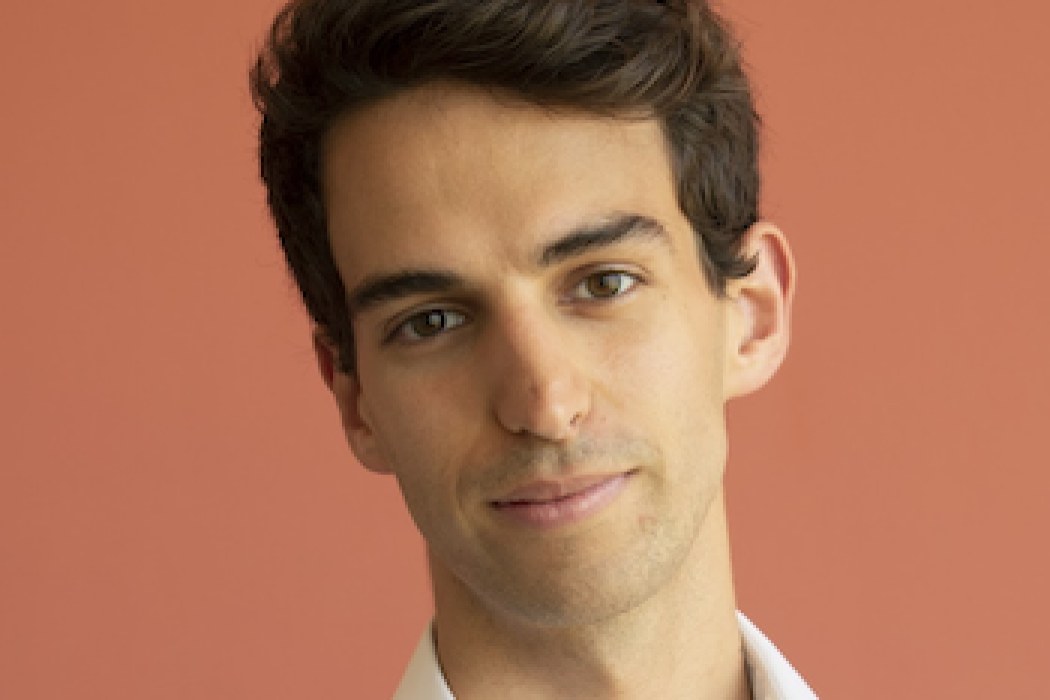
Davide Asnaghi
Davide Asnaghi is the co-founder and CEO of Diode Computers, a startup rebuilding how printed circuit boards are designed and manufactured. An Italian-born engineer trained at UC Berkeley, he spent years building hardware at Apple's Special Projects Group and medical-device companies before starting Diode to replace legacy EDA tools with open-source, AI-friendly software: a Python design language backed by a Rust compiler that turns requirements into manufacturable circuit boards in a fraction of the usual time. Diode raised an $11.4M Series A led by Andreessen Horowitz and partners with Anthropic to make Claude a more capable electrical engineer.
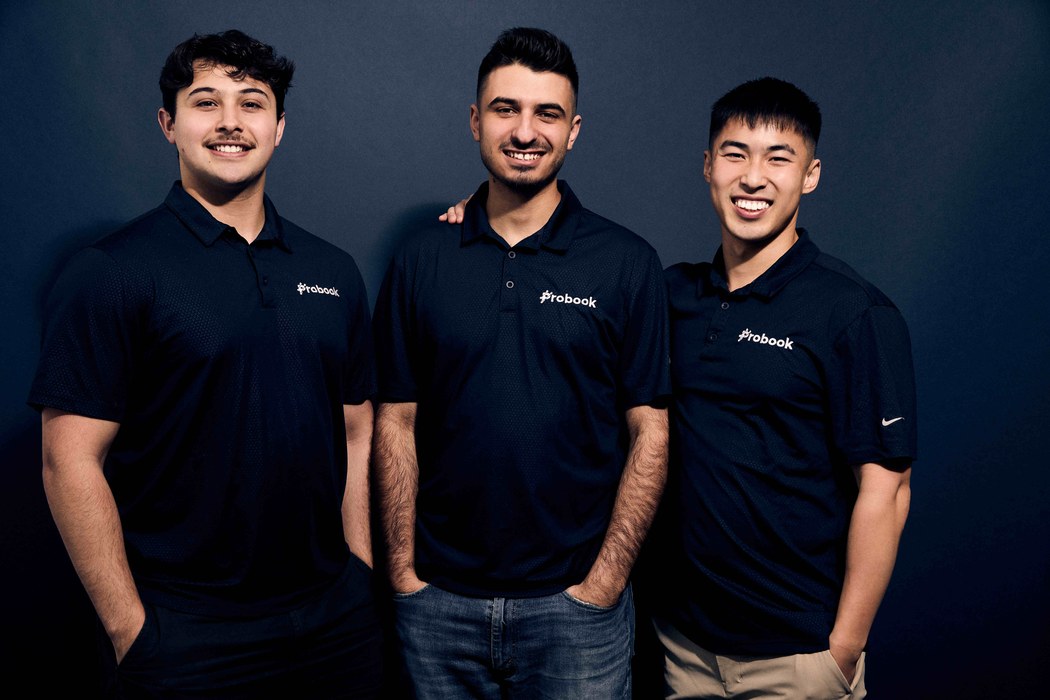
George Eliadis
George Eliadis is the co-founder and CEO of Probook, a New York based company building an AI operating system for home services businesses such as HVAC, plumbing, and electrical contractors. A 24-year-old Wharton graduate who spent six summers pressure washing homes in upstate New York with his father, he started Probook to fix the operational problems he lived through in the field. In June 2026 the company raised a $40 million round, combining a $34 million Series A led by Andreessen Horowitz and a $6 million seed led by Sequoia Capital, and it now serves hundreds of clients across more than 35 states.
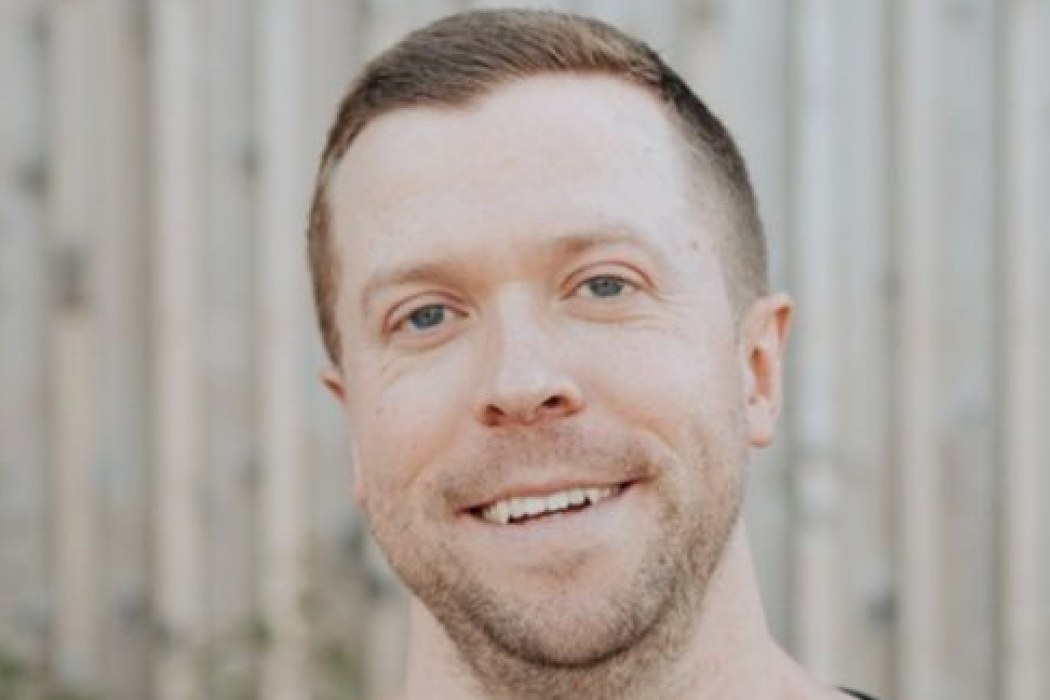
Jamie Davidson
Jamie Davidson is the co-founder and CEO of Vitally, a New York-based customer success platform used by more than 600 B2B software teams including Segment, Productboard, and Calendly. A two-time CTO with a computer science background, he shifted from engineering into customer-facing work at his previous startup Pathgather, concluded that customer success software was overdue for a rebuild, and launched Vitally in 2017. He has raised roughly $39 million across seed, a $9.2M Series A led by Andreessen Horowitz, and a $30M Series B, positioning Vitally around analytics, automation, and workflow tooling for customer success teams.
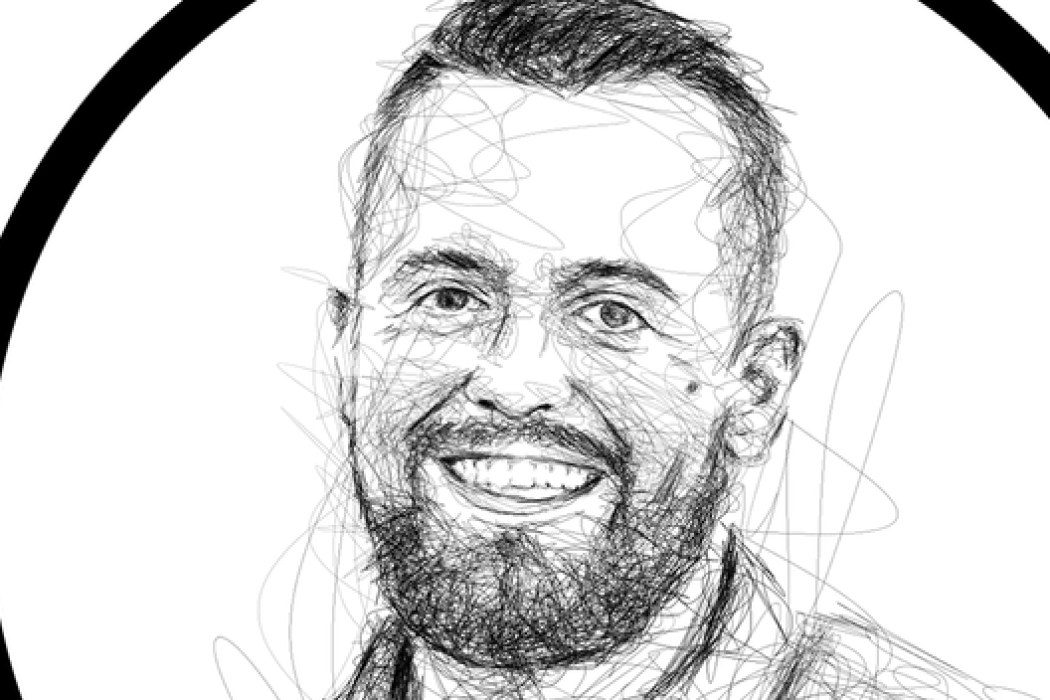
Joel Anderson
Joel Anderson is the founder and CEO of ZeroMark, a New York defense-technology startup building an AI-and-robotics fire control system that turns ordinary infantry rifles into auto-aiming counter-drone weapons. A U.S. Navy veteran who went on to help scale MongoDB from a small team to a public company as a senior technical and security leader, Anderson founded ZeroMark in 2022 after an 'epiphany' driving his Tesla to a shooting range: consumer machines could aim and track better than a soldier could. Backed by Andreessen Horowitz's American Dynamism fund and Ground Up Ventures, ZeroMark markets what it calls a 'handheld Iron Dome' - a motorized buttstock and sensor pod that make hitting a small drone at 200 yards, in Anderson's words, 'as easy as hitting a 60-foot-diameter circle.'

AirGarage
AirGarage is a San Francisco-based, full-stack parking management company that helps real estate owners turn parking lots and garages into higher-yielding assets. It combines software - dynamic pricing, license plate recognition cameras, mobile payments and a real-time owner dashboard - with on-the-ground operations like enforcement, maintenance and marketing, all under a revenue-share model. Founded in 2017 by three Arizona State University students, the company manages 400+ parking locations across 40+ states and has served more than 11 million drivers.

Chariot Defense
Chariot Defense is a South San Francisco defense-technology company building hybrid-electric power systems for the battlefield. Its Amphora platform delivers quiet, high-density, software-controlled power to distributed military hardware - drones, sensors, radios, electronic-warfare and directed-energy systems - so that energy never becomes the limiting factor in a fight. Founded in 2024 by former Anduril and Archer engineer Adam Warmoth, the company raised a $34M Series A led by Andreessen Horowitz in February 2026, bringing total funding to roughly $41-42M, and has fielded its systems with the U.S. Army and the Defense Innovation Unit.
Stefan Bauer
Stefan Bauer is the co-founder and CEO of Marker Learning, a New York City telehealth company that connects families and schools with licensed psychologists for learning disability evaluations, cutting the traditional cost and turnaround time of assessments. A Yale School of Management MBA and former McKinsey and Morgan Stanley professional, Bauer co-founded the company with Emily Yudofsky in 2021; it has since raised $19.7 million in total funding, including a $15 million Series A led by Andreessen Horowitz in 2023.

Tim Lupo
Tim Lupo is the co-founder and CEO of Deeptune, a New York startup that builds high-fidelity reinforcement learning environments - which he calls 'training gyms' or 'flight simulators' - where AI agents learn to do real digital work across enterprise software like Salesforce and Slack. In early 2026 the company raised a $43M Series A led by Andreessen Horowitz. Deeptune started life as an AI video-dubbing tool that landed Lupo and co-founder Lukas Schmit on the Forbes 30 Under 30 list, then pivoted to become RL infrastructure for frontier AI labs. A former founding engineer at Hebbia and a full-merit USC scholar, Lupo pitches the roughly 20-person, in-person team as one of the only early-stage places in New York to work on AGI.
OpenInvest, a J.P. Morgan company
OpenInvest is a San Francisco fintech that built the first automated platform for values-based investing, letting advisors and their clients tilt portfolios toward causes like decarbonization, deforestation-free supply chains and workforce diversity while tracking measurable impact. Founded in 2015 as one of the very few VC-backed Public Benefit Corporations and backed by Y Combinator, Andreessen Horowitz and QED, it was acquired by J.P. Morgan in 2021 and folded into the bank's Private Bank and Wealth Management offerings, where its technology powers personalized ESG customization and impact reporting at scale.
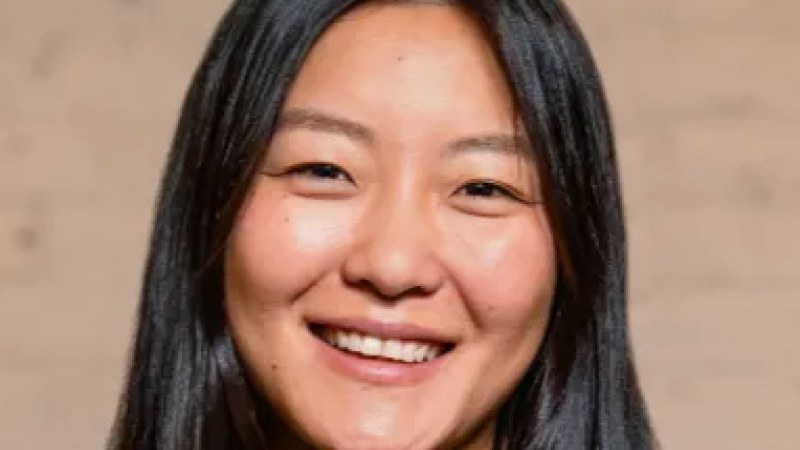
Jamie Serota
Jamie Serota (Jamie Niu Serota) is the co-founder and CEO of Podium Automation, a Brooklyn-based company rebuilding the way industrial control panels are designed and manufactured. After leading commercial strategy and business operations at Tesla, Blue Origin, and Bowery Farming, she and co-founder Jacob Buser started Podium in 2024 to become the supplier they always wished they had. Podium ships UL 508A control panels in under four weeks - roughly a third of the industry's standard lead time - by replacing hand-drawn schematics with software. In June 2026 the company raised an $18M Series A led by Construct Capital, bringing total funding past $23M.
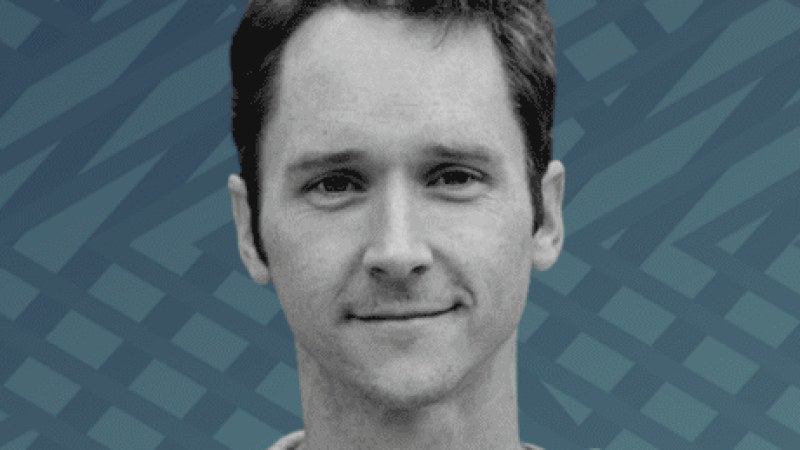
Conor Murray
Conor Murray is the cofounder and CEO of OpenInvest, the values-based investing platform acquired by J.P. Morgan in 2021. An MIT-trained mathematician and computer scientist, he built portfolio-optimization technology at Bridgewater Associates managing more than $150 billion before starting OpenInvest in 2015 to let everyday investors align their money with their ethics. He now guides ESG innovation inside J.P. Morgan Wealth Management.
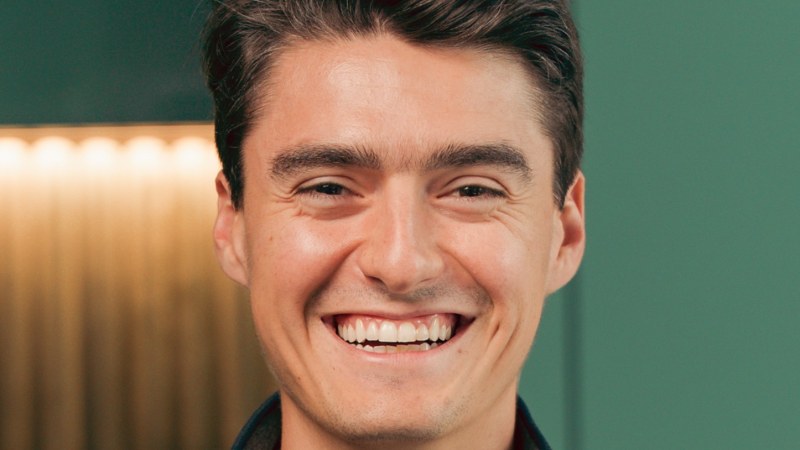
Nicolas Abad
Nicolas Abad is the co-founder and CEO of Telepatia, a Latin American healthtech company building AI healthcare workers - starting with an 'AI Doctor' that transcribes consultations, reviews records, flags drug interactions, and surfaces clinical guidance in real time. Named after his late father's nickname, the company grew from a Stanford MBA side obsession to a venture backed by Andreessen Horowitz, reaching more than 14 million patients across five countries inside its first year. Abad's stated ambition is audacious to the point of comedy: win Latin America's first Nobel Prize in Medicine since 1984 by turning healthcare from scarcity into abundance.

Chris Severn
Chris Severn is the co-founder and CEO of Turquoise Health, a San Diego company building software to make healthcare pricing transparent and to simplify the way hospitals and insurers contract and pay each other. After a decade modeling hospital managed-care contracts and running machine learning for payment integrity, he started Turquoise in 2020 with engineer Adam Geitgey, pivoting into federal price-transparency rules just as they took effect. The company has aggregated price data from thousands of hospitals and, in March 2026, raised a $40 million Series C led by Oak HC/FT to become what Severn calls the operating system for healthcare contracts and payments. He also teaches improv comedy and has testified before Congress on price transparency.
Darshan Shankar
Darshan Shankar is the founder and CEO of Bigscreen, the VR company that started as a social movie theater you could share with strangers and grew into a hardware maker shipping the Bigscreen Beyond, billed as the world's smallest VR headset. A self-described VR obsessive and UC Berkeley EECS graduate, he sold his first Y Combinator startup before turning the whole company toward virtual reality in 2014. Today Bigscreen builds quarter-pound headsets with custom 3D-scanned facepads and OLED microdisplays, ships to eight regions, and is on track to cross $100M in annual revenue.

Partiful
Partiful is a free event-planning platform built for the way people actually invite their friends: a link sent over text, a customizable invite page, and effortless RSVP tracking. Founded in 2019 by Palantir alumni Shreya Murthy and Joy Tao, the New York company turned the unglamorous chore of organizing a birthday or a housewarming into something people genuinely enjoy. It became a Gen Z staple, was named Google Play's Best App of 2024, landed on TIME's 2025 list of the 100 Most Influential Companies, and now reaches users in more than 100 countries.
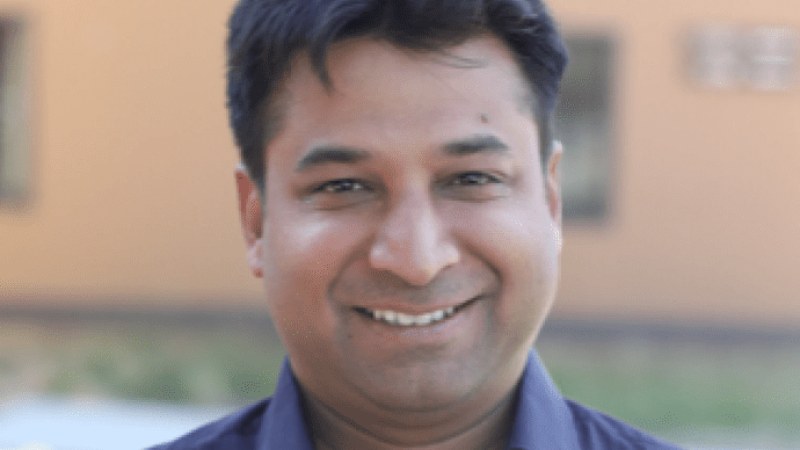
Manu Bansal
Manu Bansal is co-founder and CEO of Lightup, an AI-powered data quality and observability platform for the enterprise data stack. A Stanford EE PhD and IIT Kanpur alum, he first co-founded Uhana, a machine-learning analytics company for mobile carriers that VMware acquired in 2019. The grind of debugging bad data at Uhana became the seed for Lightup, which now runs hundreds of thousands of daily data-quality checks across petabytes of customer data and is backed by Andreessen Horowitz.

Hebbia
Hebbia is a New York-based enterprise AI company that builds Matrix, an agentic platform for analyzing huge volumes of documents. Instead of a single chatbot guessing at an answer, Matrix dispatches a swarm of AI agents across thousands of files - PDFs, spreadsheets, presentations, emails - and returns structured, fully cited answers in a grid. It is used by asset managers, investment banks, law firms and Fortune 100 companies to compress work that took analysts days into minutes. Founded in 2020 by Stanford PhD dropout George Sivulka, Hebbia raised a $130M Series B led by Andreessen Horowitz in 2024 at a reported $700M valuation.
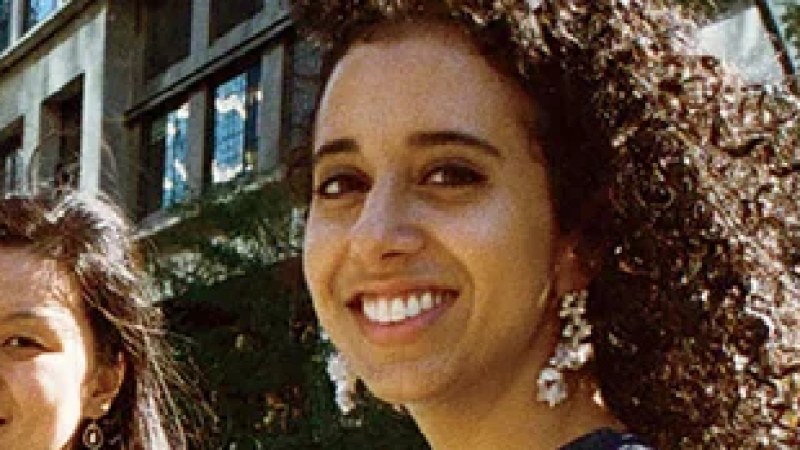
Shreya Murthy
Shreya Murthy is the cofounder and CEO of Partiful, the text-first party invitation app that became Gen Z's default way to gather. Launched in 2020 during pandemic lockdowns, the New York company has grown past millions of users, raised a $20M Series A led by Andreessen Horowitz, won Google's Best App of 2024, and landed Murthy on the 2025 TIME100 Next list. A Princeton politics grad and ex-Palantir operator, she left mission-fatigued tech jobs to build the social layer for offline life, betting that parties are not frivolous but infrastructure for community.
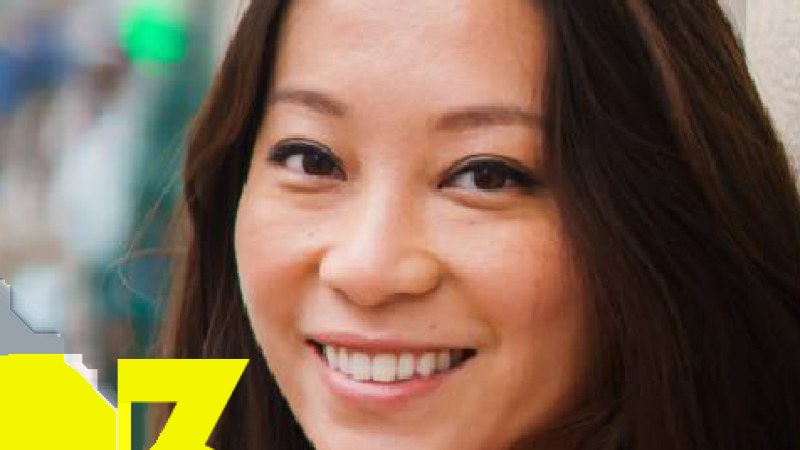
Cheryl Liu
Cheryl Liu is the founder and CEO of Raspberry AI, a New York generative-AI platform that turns fashion designers' sketches into retail-ready, photo-realistic images, technical drawings, and CAD files in minutes instead of months. A former KKR retail private-equity analyst who later built product and machine-learning teams at Amazon and DoorDash, she spotted the opening for fashion-specific image generation the moment DALL-E and Stable Diffusion arrived in late 2022. Raspberry AI now serves brands including Under Armour, J.Crew, Tapestry, and Li & Fung, raised a $24M Series A led by Andreessen Horowitz, and was named one of CB Insights' 2026 AI 100 as the only creative-AI application on the list.