forbes-30-under-30
(304)
Vladyslav Podoliako built his next business inside his first
Belkins taught him how to find customers. Its email problems gave him Folderly. Vladyslav Podoliako’s story follows the work, the missteps and the businesses that grew between them.
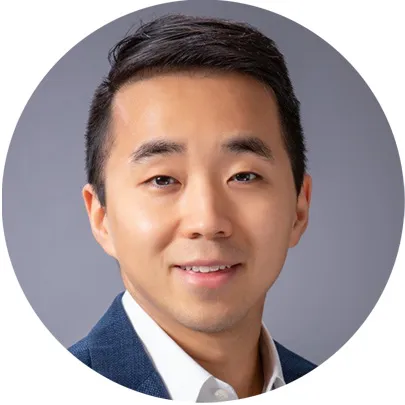
Tony Liu and the long wait for a simple job
Helping his mother find kitchen work showed Tony Liu how much time hiring could waste. JobGet grew from that frustration into a network spanning hourly workers and early-career candidates.

Bolun Li had a plan. Then the banks said no.
At 13, Bolun Li wrote down his plan to leave Beijing and start a company. Zogo taught him how much a plan could change - and why he wanted to build again after selling it.

Mir Hwang and the Trouble Before the First Note
A drummer learned that getting onstage could be harder than playing the show. With GigFinesse, Mir Hwang is working on everything that has to happen before the music starts.
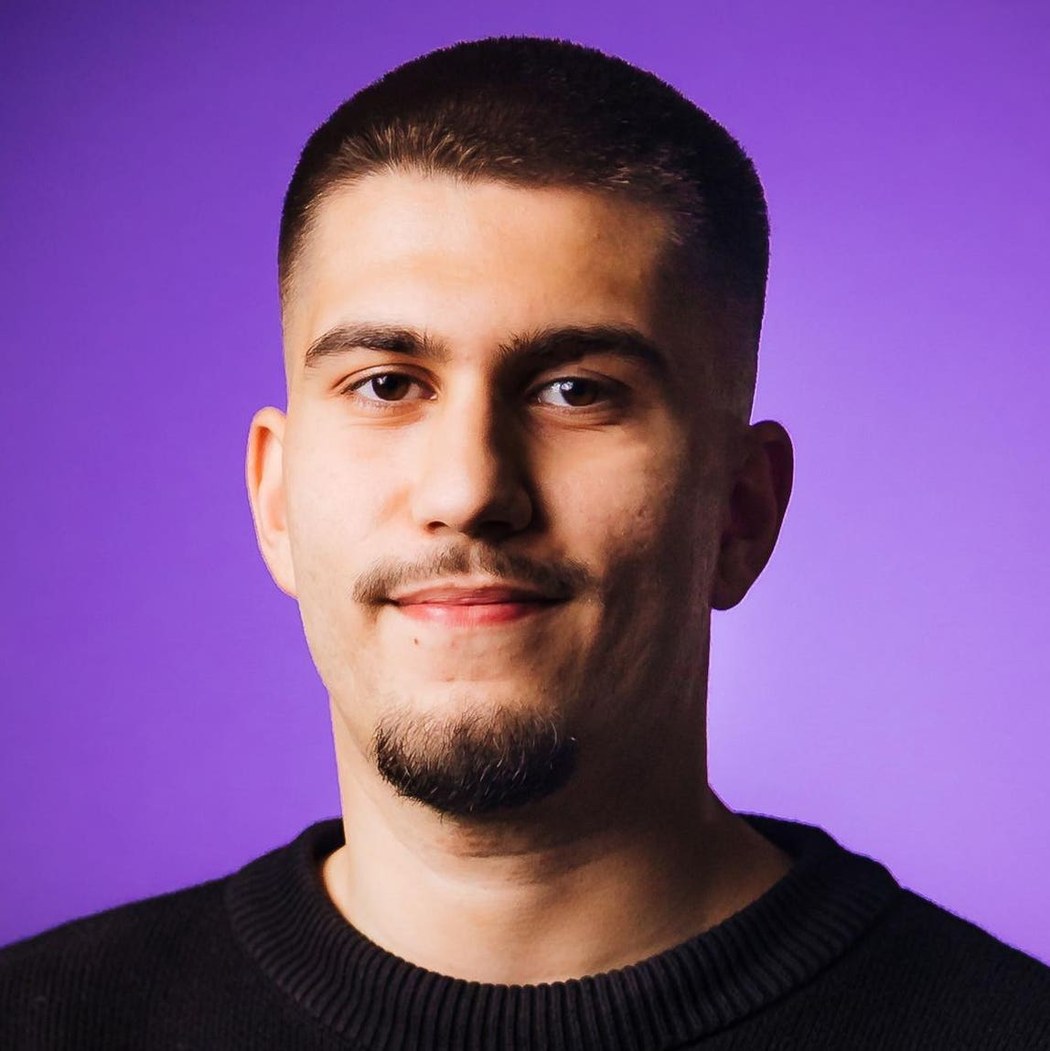
Fabian Kamberi and the case for a shared penguin
From cold emails at 18 to the company behind Pengu, Fabian Kamberi has kept returning to one question: what gives people a reason to do something together? At Born, the answer has grown feathers, found investors and acquired a larger cast.

Scott Hempy and the Value of a Second Visit
He co-founded Filld to take the gas station out of a driver's day. At Oilstop and Happy's, Scott Hempy is working on a different question: what makes someone want to come back?
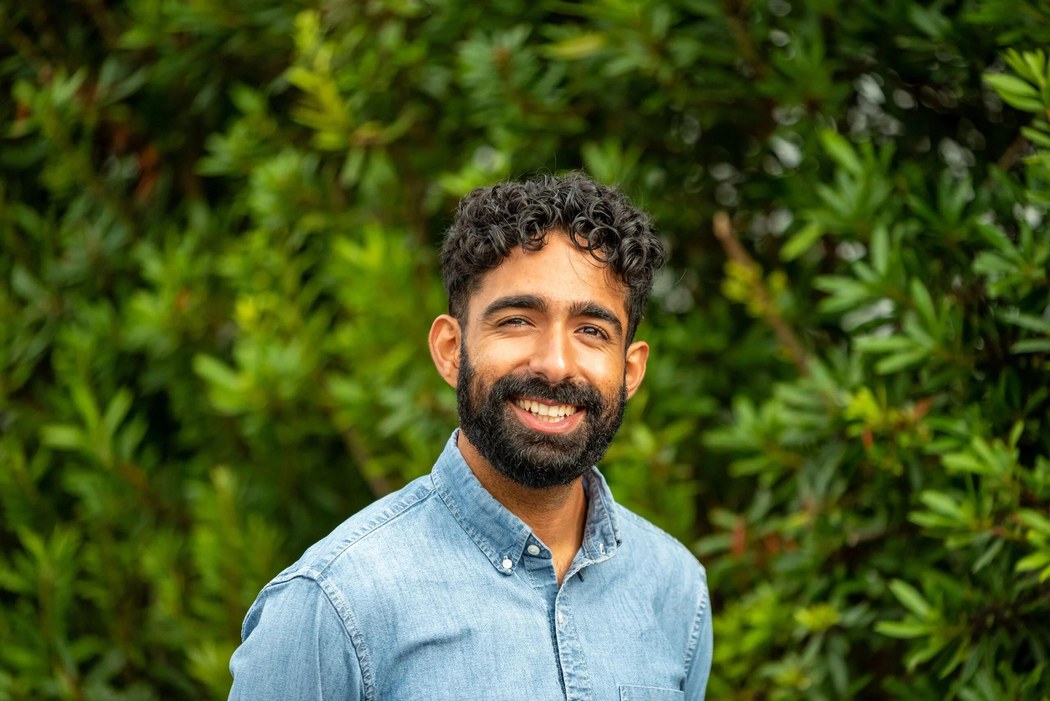
Arman Jaffer and the case of the extra tab
Before Brisk Teaching reached more than two million teachers, Arman Jaffer threw away his first approach. The lesson was sitting in the browser all along.
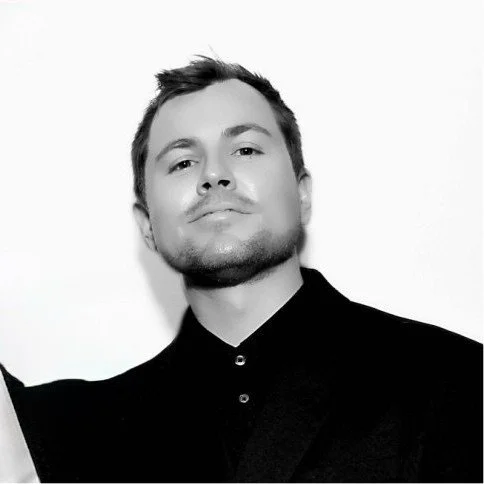
Kyle Kuhns and the value of one day off
Before XX Artists had 125 people and a place inside Media.Monks, Kyle Kuhns negotiated a day a week to build his own business. His path from artist management to social marketing still runs through the same question: how do you make room for someone else’s talent?
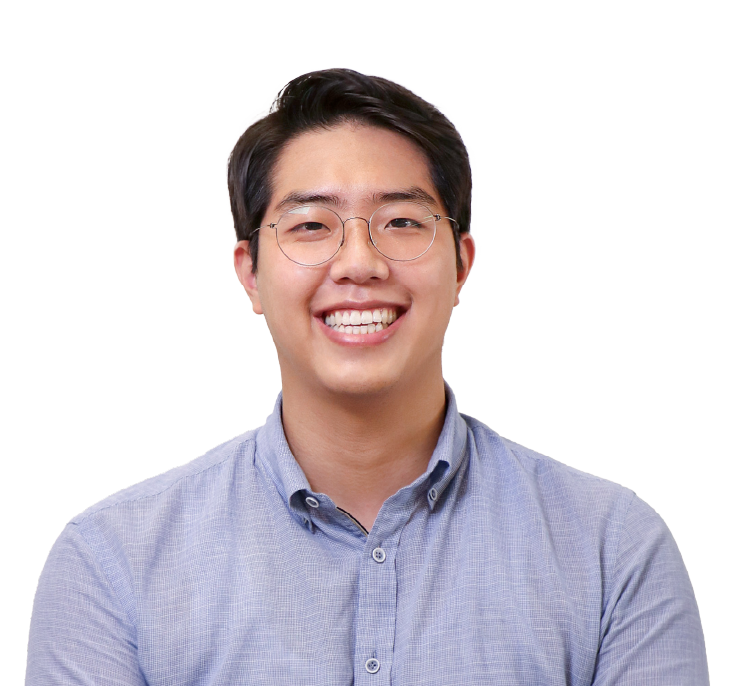
Roi Nam and the trouble with a good number
Roi Sungpil Nam has spent a decade helping marketers work out what their numbers mean. Now the Airbridge co-founder is sharing the CEO role and asking how much of the work software can do for itself.

Shaily Garg and the Distance Between an Order and a Promise
Raised around a family quartz business, Shaily Garg helped build GlobalFair into a cross-border supplier for U.S. construction. Her route from factory floors to Walmart runs through customer visits, a wedding-eve funding close, and the work of getting things where they belong.
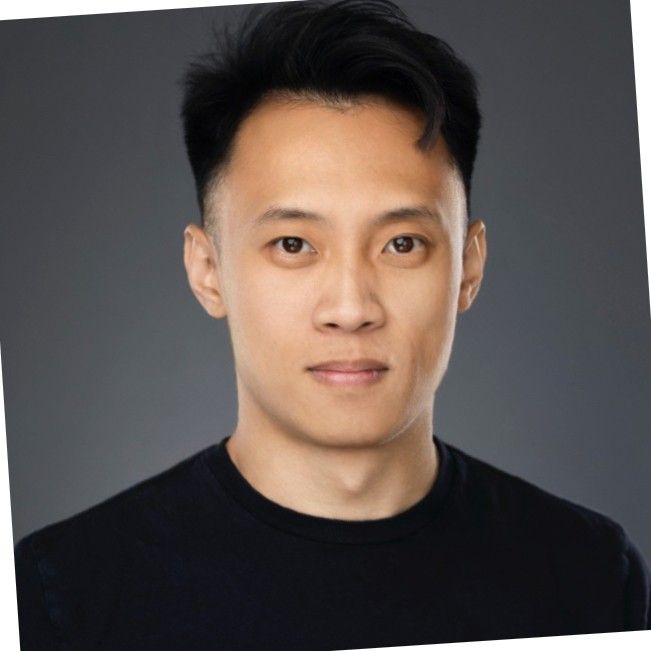
Gregg Ratanaphanyarat and the parking-lot test
At Viabot, Gregg Ratanaphanyarat has spent a decade turning a college robotics idea into an outdoor maintenance service. His test for the technology is refreshingly concrete: does the work get done?
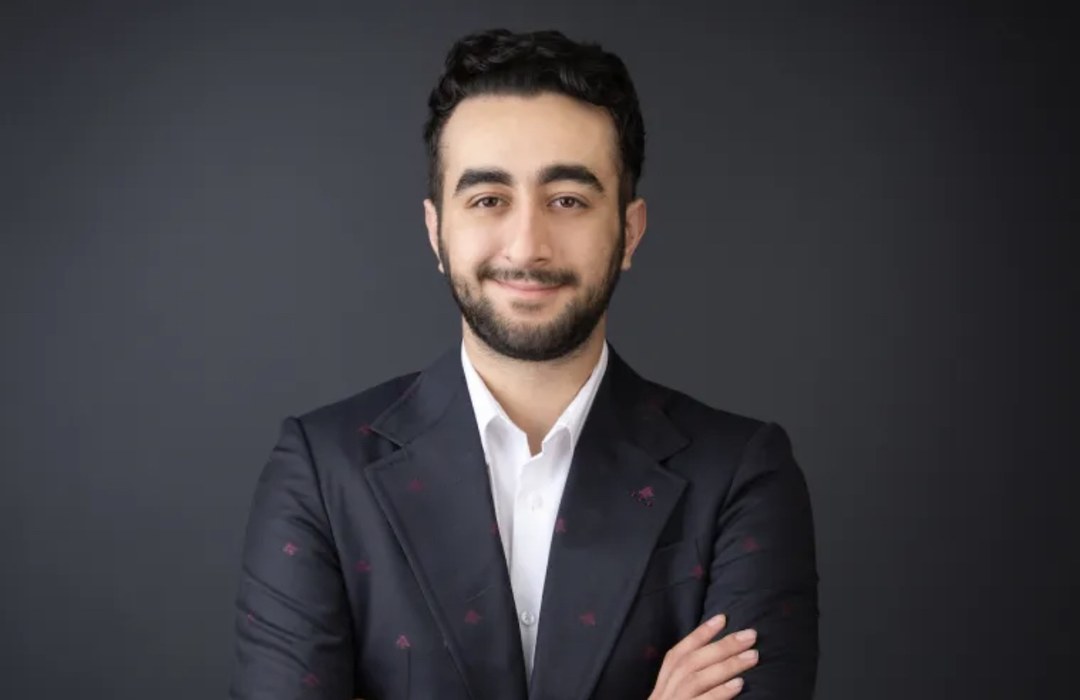
Jonathan Jadali and the Price of Being Noticed
Before he founded Ascend Agency, Jonathan Jadali studied how attention moves online. He turned that curiosity into a public relations business built around a very concrete promise: a placement that actually appears.

James Hu and the room with no windows
A Stanford friendship became a company in a Boston room barely big enough for two desks. For James Hu, the route to Illuminant Surgical ran through a two-year detour, an unfinished degree, and a very poorly packed suitcase.
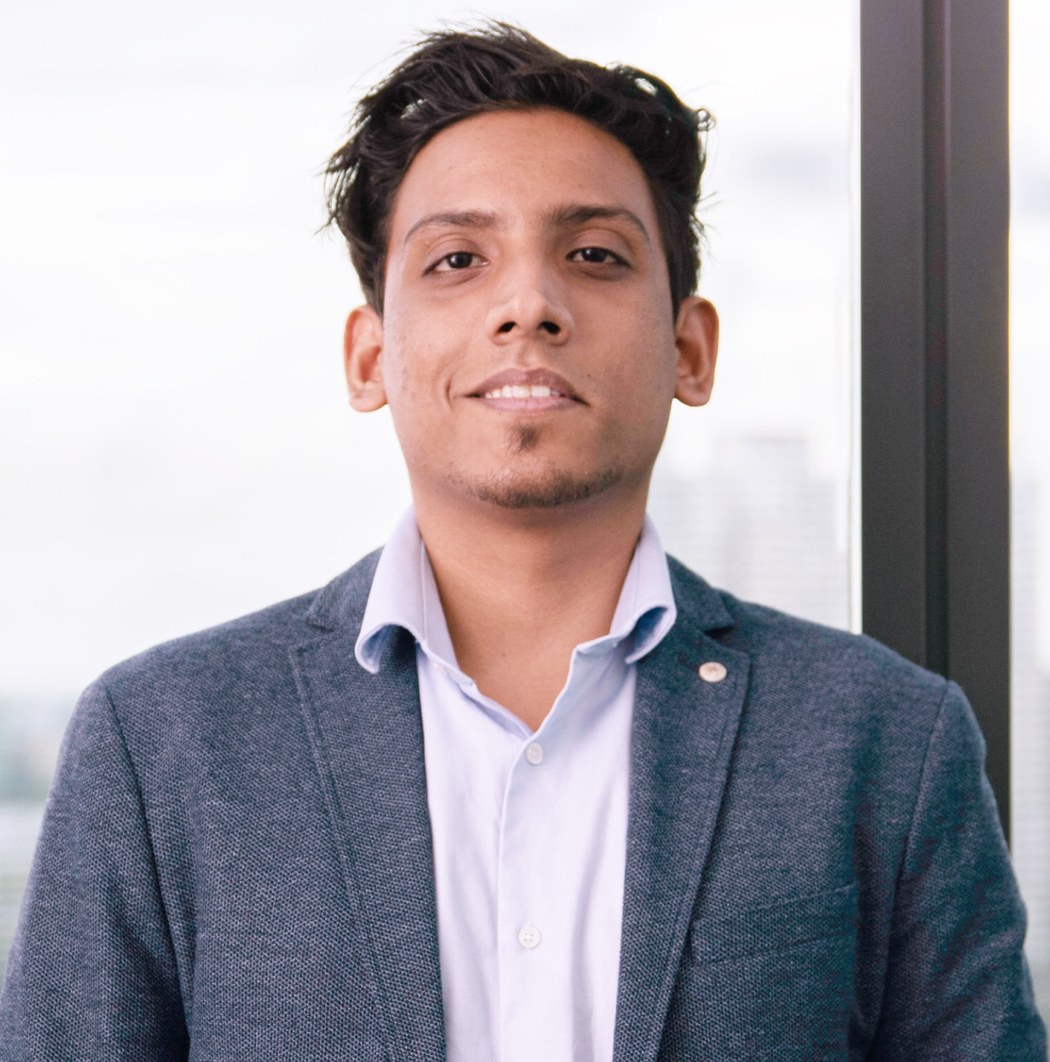
Aniket Singh Rajput and the Art of Taking a Step Back
He left doctoral research to start Neuroglee, then moved its headquarters from Singapore to Boston. Along the way, Aniket Singh Rajput has made a case for a quieter kind of founder: one who thinks before he moves.

Martin Suryohusodo and the price of not knowing
A red Honda Jazz gave Martin Reyhan Suryohusodo an expensive education in workshop trust. With Otoklix, he turned that frustration into a business connecting car owners, mechanics and the parts between them.
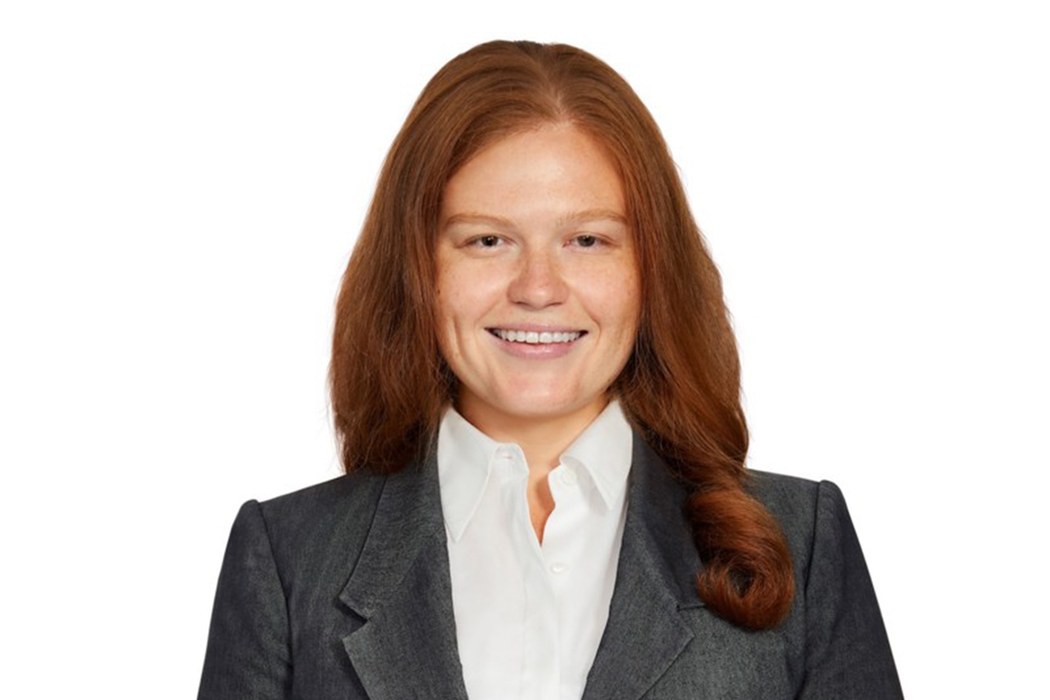
Tamara Zubatiy and the trouble with a single word
Raised in Kharkiv and trained in cognitive science, Tamara Zubatiy is building a business around the difference between hearing a word and understanding a conversation. At Barometer, that distinction helps decide which podcasts get paid.
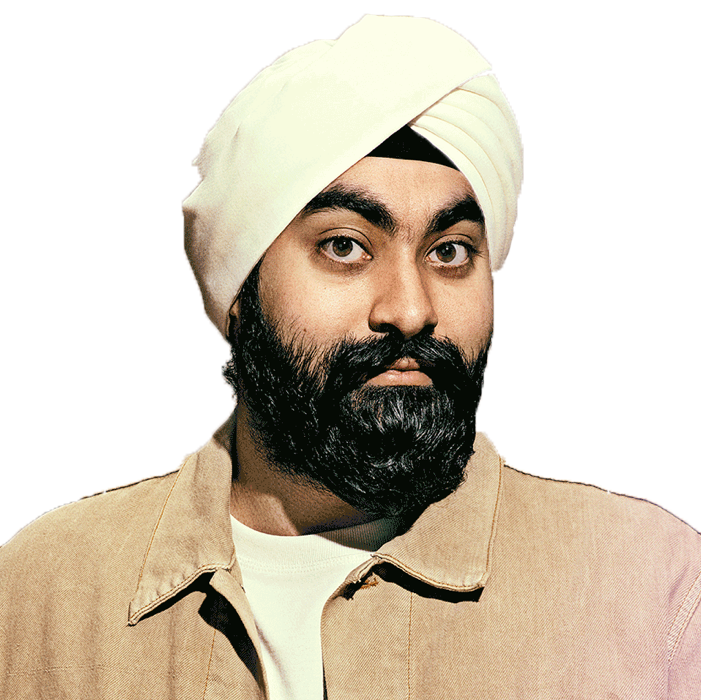
Raunak Nirmal and the experiment that became a career
An Amazon selling experiment led Raunak Nirmal into brands, reimbursement software, and finally Acquco. His wager: knowing how a business works is a useful place to start before buying it.
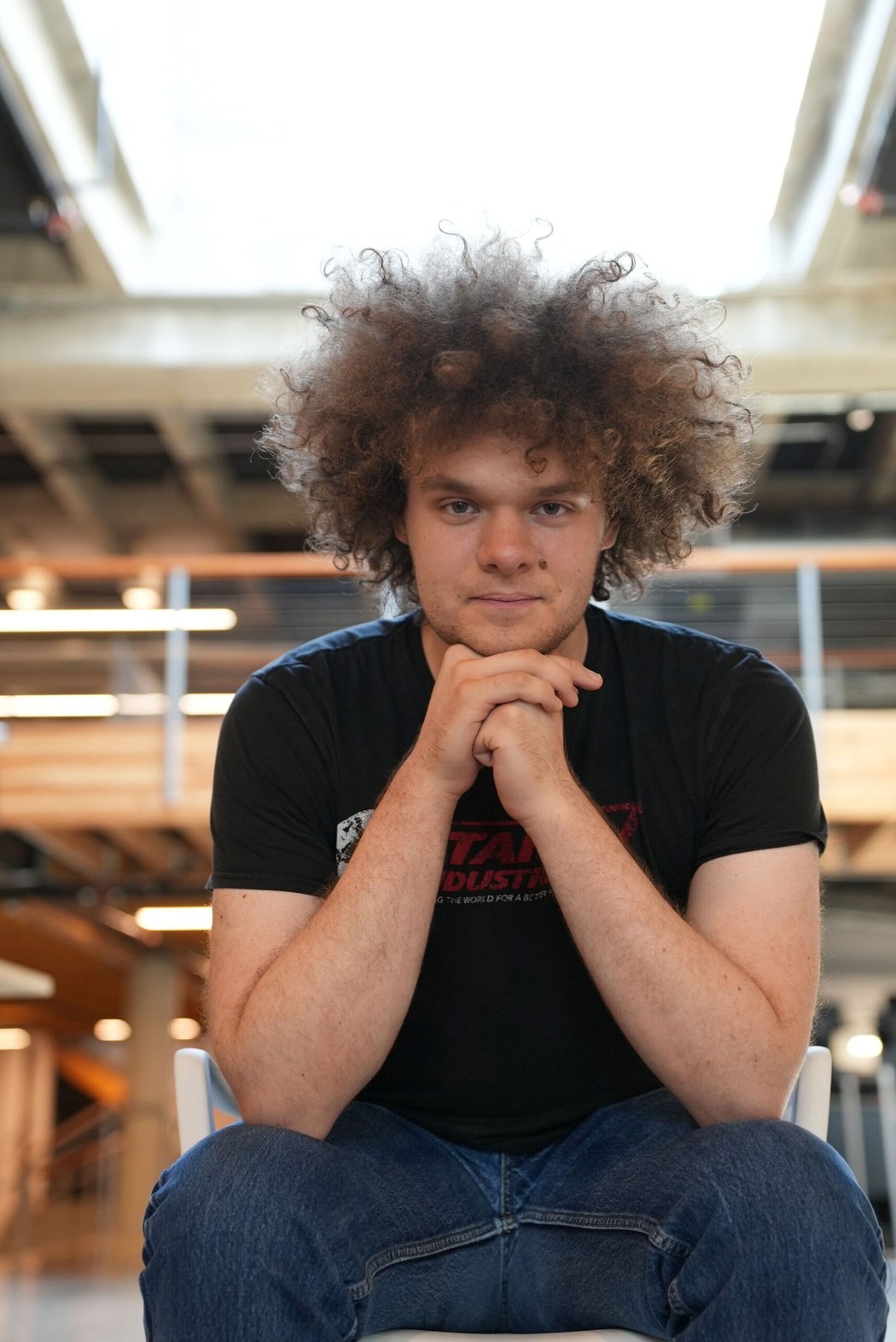
Blake Resnick and the Seventy-Second City
He began by building a machine that could enter a room too dangerous for a person. Now the BRINC founder wants to compress emergency response from minutes into seconds - and make judgment, not speed, the technology's hardest problem.
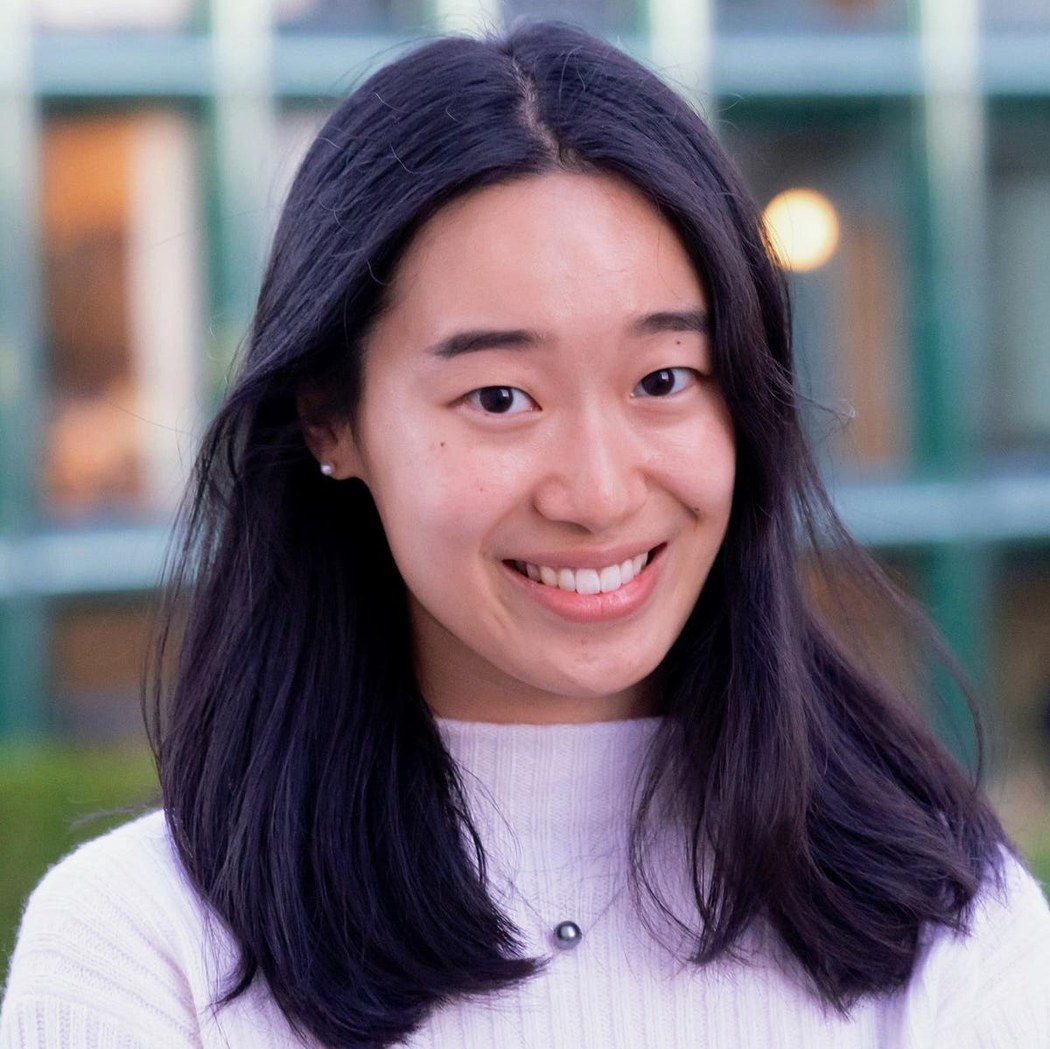
Linda Du Took the Long Road Through Mortgage Servicing
She helped build the software by first doing the stubborn, regulated work it was meant to replace. Seven years later, Valon has sold the operating company and kept the operating system.
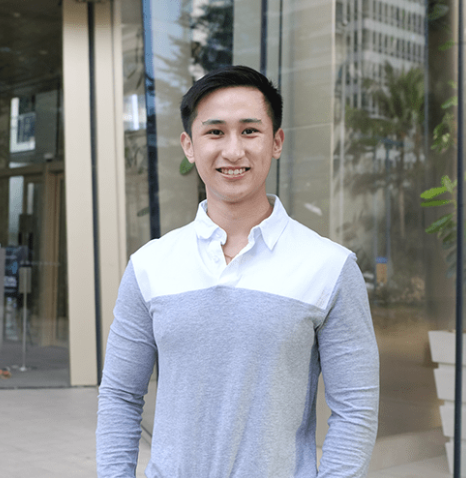
Jeff Tan Learned the Freight Business One Stubborn Document at a Time
Before he helped automate freight paperwork, Jeff Tan lived with its consequences. His route from Philippine forwarding floors to a San Francisco startup explains why Expedock was built around operations, not spectacle.

Jordan DeCicco and the Second Shift at Super Coffee
A college point guard solved an 8 a.m. problem with a dorm-room blender. A decade later, Jordan DeCicco is back at the controls, learning that the harder trick is not starting a company - it is teaching one to endure.

Rohan Shah and the Expensive Little Moment After Checkout
A failed first startup taught Rohan Shah to study the machinery of large companies. Then a fantasy-football joke became Extend, a serious bet on everything retailers used to neglect after the sale.
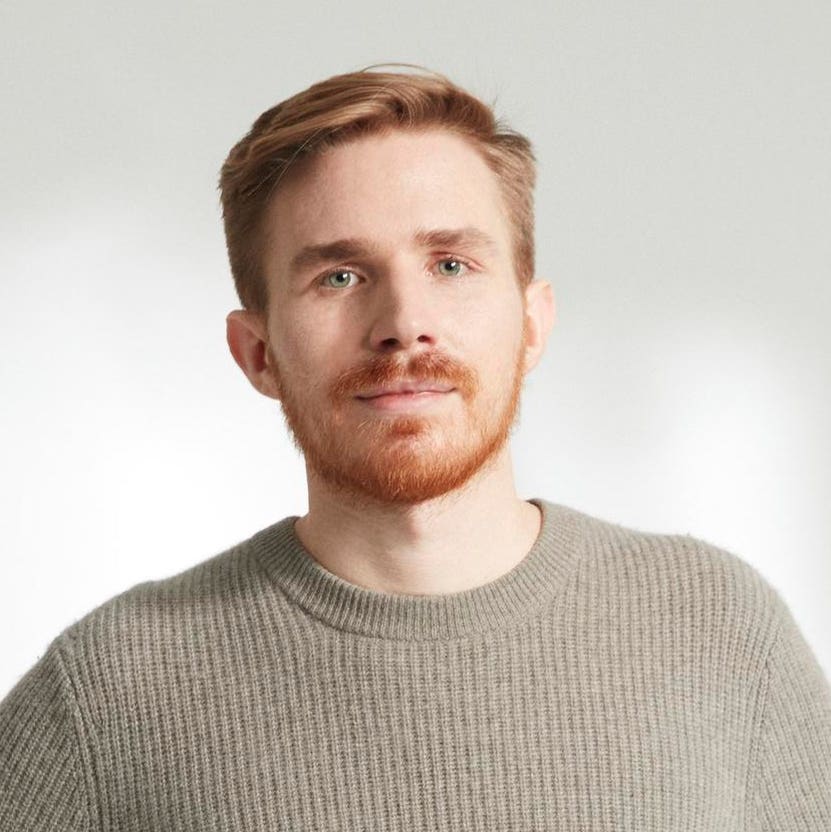
Marco Cancellieri and the Prototype That Became a Bank
He met two founders at a Munich hackathon and started coding their broker app the next day. A decade later, Marco Cancellieri’s quiet obsession with mobile design sits inside a bank used by 10 million Europeans.
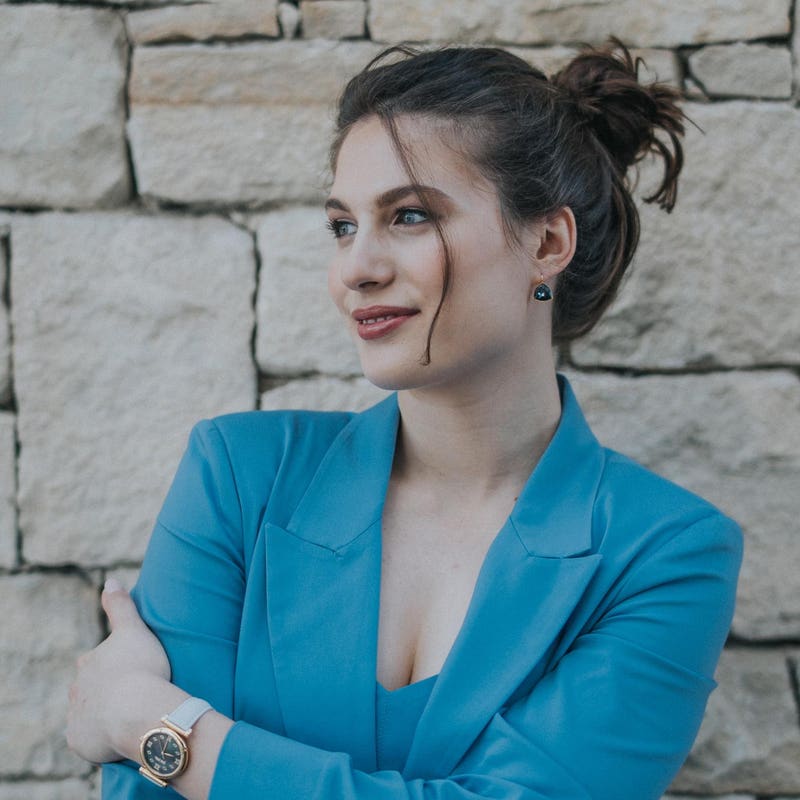
Konstantina Psoma Turned a Cathedral-Sized Headache Into Kaedim
A crashed laptop, a stubborn student project and six Y Combinator applications led from Athens to San Francisco. Her more useful lesson was simpler: when the AI fell short, put an artist in the loop.

James Kawas Keeps Finding the Work Inside Other People’s Closets
Before Flyp became a toolkit for thousands of resellers, Kawas learned the secondhand trade by trying to sell a PlayStation 3, skipping class to send business emails and building a marketplace in two days.
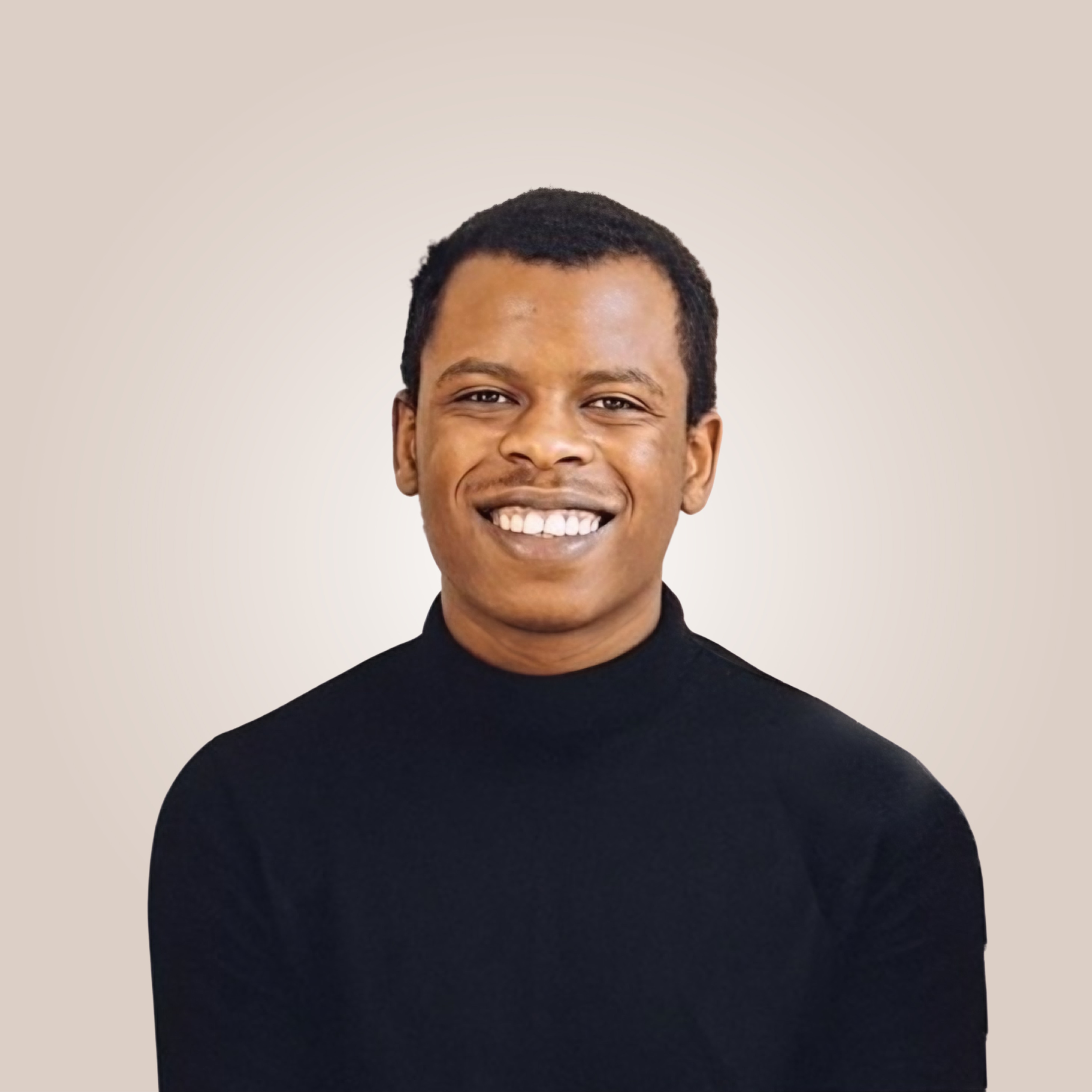
Joseph Kitonga Put a Healthcare Idea in a Mall Kiosk - Then Took It Nationwide
A family business exposed the gap. A $10,000 student prize funded the first attempt. Joseph Kitonga built Vitable by meeting workers face to face, then kept widening the map.
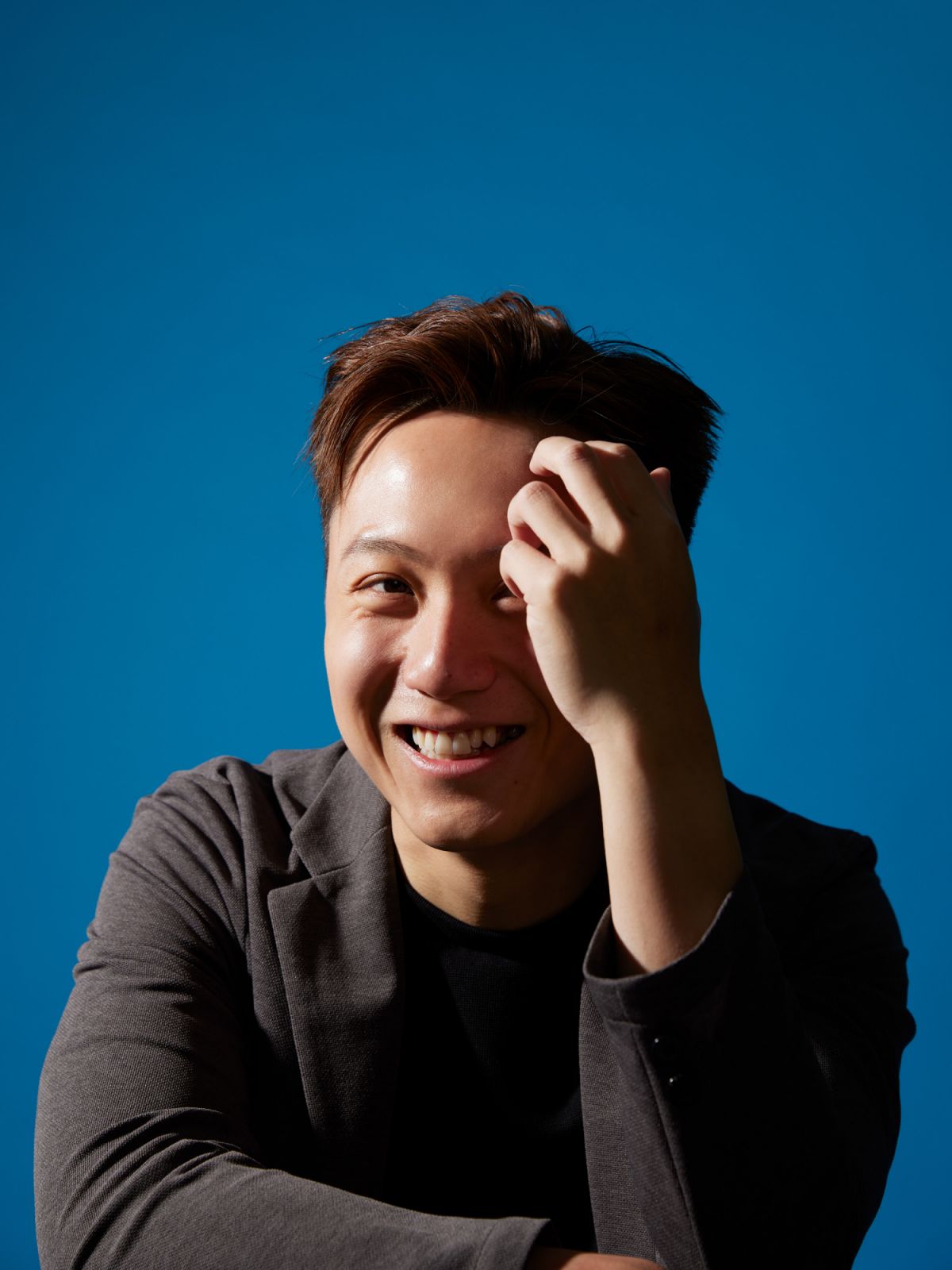
Henson Tsai Bet Everything on the Wrong App - Then Learned to Listen
A failed food app emptied his savings. A hotel pitch went nowhere. Henson Tsai kept the two engineers, changed the customer in a day, and built SleekFlow by treating rejection as data.

Chloe Samaha Spent 206 Days Doing the Work Her Software Would Later Automate
Before BOND became an AI chief of staff, Chloe Samaha was its human infrastructure - sending prompts by hand, listening closely, and learning that useful automation begins with work someone understands in embarrassing detail.
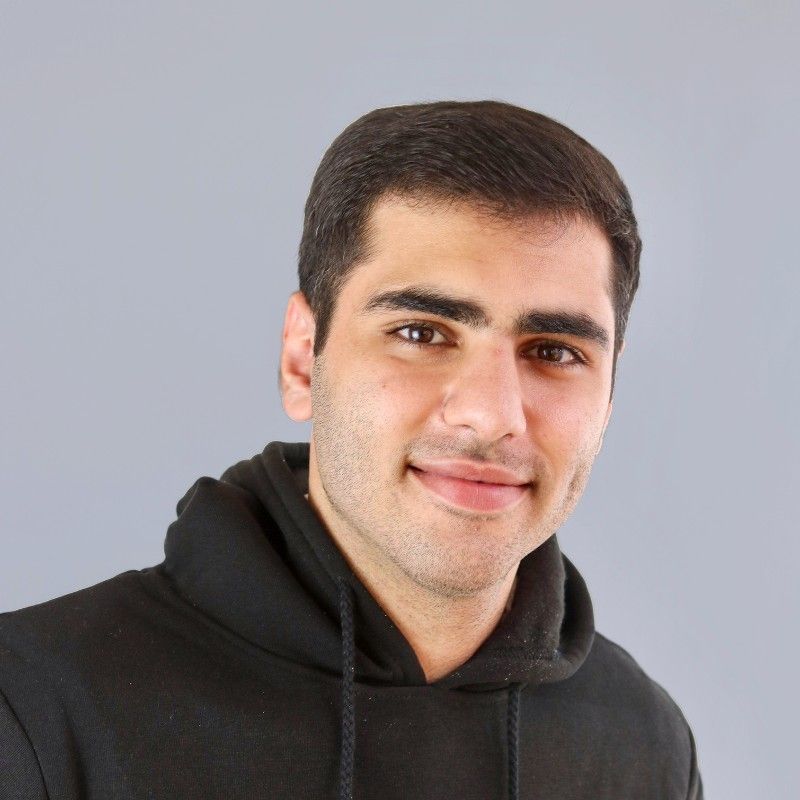
Khaled Alhaj Is Turning the Front Desk Into Software
From a hotel finance desk to Y Combinator, Khaled Alhaj has spent his twenties making the small frictions of communal living visible - then turning them into a product.
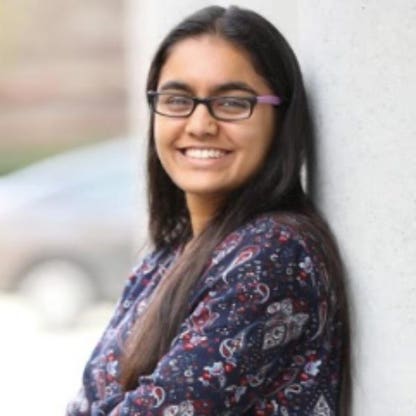
Charu Sharma Keeps Choosing the Rooms Where Trust Is Hardest to Earn
Before Fenrock AI began putting agents inside bank operations, Sharma spent years learning how institutions grant access, absorb risk and decide whom to trust. Her career is a study in choosing difficult rooms - then building a useful way through them.