adas
(50)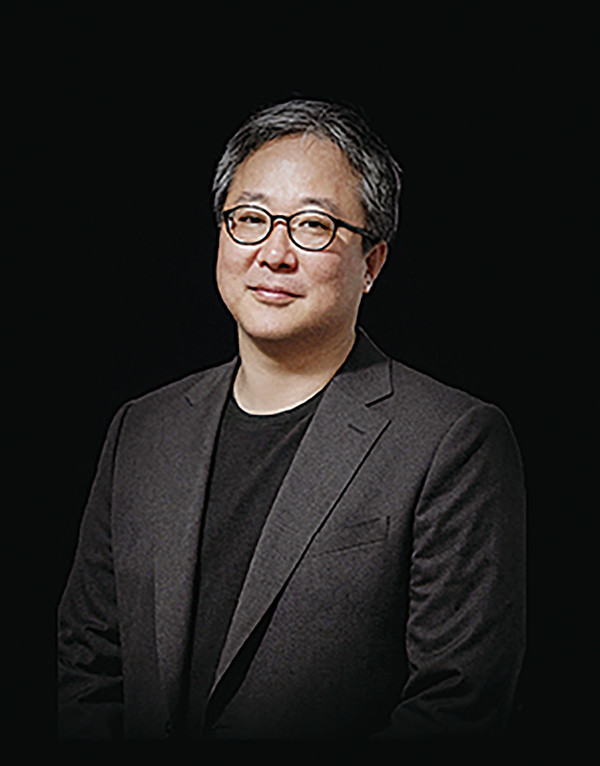
Bongjin Jun and the surprising afterlife of smart glasses
Before STRADVISION put vision software into cars, Bongjin Jun helped computers read the world through smart glasses. His story follows a research team, a promise to start again, and an idea that found another place to work.
Applied Intuition sells the road you can repeat
A late lane change reveals the business behind Applied Intuition: turn the messy physical world into tests engineers can run again. Now the company is moving from the simulator into the vehicle itself.
Uhnder wants your car to see the cyclist beside the truck
A tiny radar chip takes on a large problem: telling a small hazard from its imposing neighbour. Uhnder’s route from a laboratory idea to automotive hardware shows why the invention is only half the work.
The Car of Tomorrow Has a Payroll Department
INSTART group brings battery engineers, vehicle-testing software, data specialists, brand experiences, and shared administration into one network. Its most revealing innovation may be the way those businesses connect.
Innoviz and the long wait to look away
A laser sensor helped BMW let drivers look away from the road. For Innoviz, the harder task is turning years of engineering into a business that can afford the wait.
The Boring Part That Makes a Car Smart
Apex.AI sells the software beneath the clever features: the part that moves data on time, survives a safety audit, and still works when a prototype becomes a production vehicle.
The Camera With Sixteen Eyes Found a Different Road
Light built a pocket camera with sixteen lenses, then discovered that machines had a more urgent use for its eyes. The road from a $1,950 gadget to John Deere runs through one stubborn question: how far away is that thing?
The Little Camera That Wanted to Change the Price of Risk
CARVI began with a puck-sized windshield coach and a $299 promise: give an ordinary car some of the judgment of a new one. The more interesting business emerged behind the warning beep - a record of why risk happened, built for fleets and insurers.
ECARX wants to own the brains behind your dashboard
Its technology rides in roughly 12 million vehicles. Now ECARX is betting on richer cockpit computers and a $266 million software deal to make more of the money behind the screen.

Marc Bolitho Bet the Company on the Expensive Part of AI
After 28 years in automotive electronics, Marc Bolitho left the predictable road for a semiconductor startup - then redirected that startup when ChatGPT changed the map. His operating idea is simple enough to remember: stay level, work as one team, and follow the economics all the way down to the math.
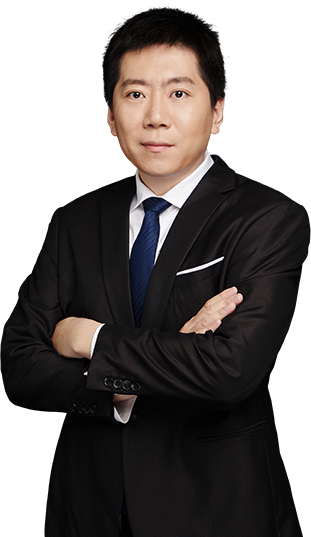
Lei Xu Is Teaching Cars to See - Then Asking What Sight Is For
The former Tesla Vision engineer built Nullmax around a stubbornly practical idea: autonomous driving only matters when the software can leave the demo, fit the car and survive the road.

Volkswagen Tried to Build One Brain for Nine Car Brands. CARIAD Learned Where Not to Do It Alone
CARIAD was supposed to give Volkswagen a single software spine. Delays, executive turnover and billions in annual losses forced a more useful idea: own the layers that create leverage, and partner for the ones that do not.
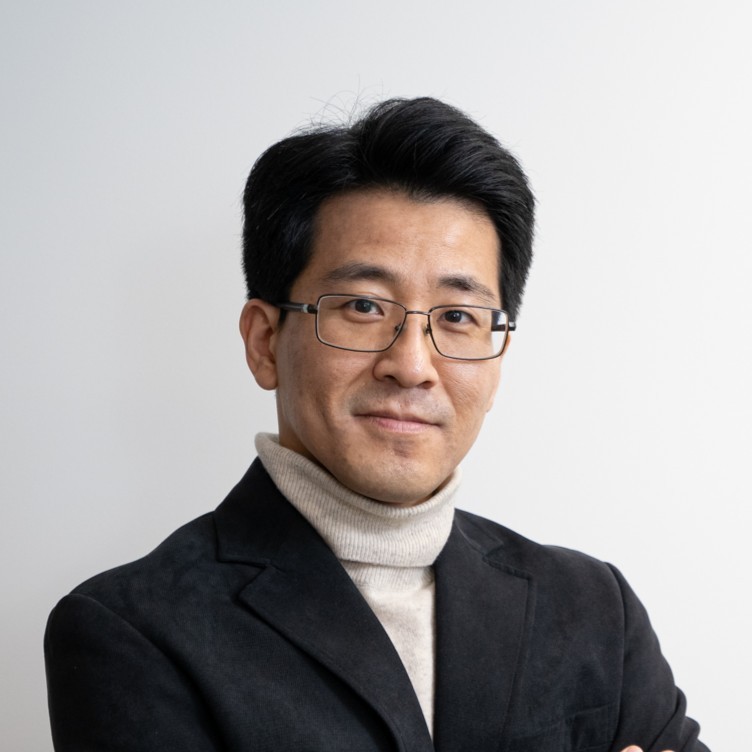
Hyunggi Cho Bet on the Part of Self-Driving That Had to Ship
A cafeteria conversation became a nine-year lesson in automotive patience. Hyunggi Cho built Phantom AI around the unfashionable idea that the road to autonomy begins with driver assistance people can actually use.
NODAR Is Teaching Cheap Cameras to Do LiDAR's Expensive Job
The autonomous-vehicle industry spent years putting lasers on roofs. NODAR's contrarian pitch is simpler: spread two cameras apart, keep them calibrated through every pothole, and let software recover the world in 3D.
The Company That Builds Your Laptop and Never Puts Its Name On It
It is the world's #2 notebook maker, ships Apple Watches when demand spikes, and quietly assembles the laptop on your desk. Now Compal wants 40% of its revenue to come from AI servers - and its name still won't be on the box.
ArcSoft
ArcSoft spent three decades teaching cameras to do more than record a scene. Now its code improves phone photos, reads the cabin and helps cars understand the road - usually without the person using it ever seeing the name.
EdgeTensor
EdgeTensor is a Dallas, Texas-based deep-tech company building Gen AI-powered video telematics and fleet-management software that runs at the edge and in the cloud. Founded in 2017 by computer-vision researchers Rajesh Narasimha and Soumitry Ray, the company makes AI affordable and scalable on low-cost cameras and embedded chips, turning raw dashcam and in-cabin video into structured safety, compliance and risk insights. Its hardware- and sensor-agnostic platform serves fleets, telematics service providers, automotive Tier-1s/OEMs and insurers who want driver-safety analytics without being locked to a single device vendor.
Nexar Inc.
Nexar is a New York-based mobility technology company that turns connected dashcams into a real-time sensing network for the physical world. Founded in 2015 by Eran Shir and Bruno Fernandez-Ruiz, it sells LTE-connected 4K dashcams to consumers while aggregating anonymized road imagery into CityStream, a platform that gives cities, mapmakers, insurers and autonomous-vehicle developers a minute-by-minute, ground-level view of streets. In July 2026 Nexar agreed to merge with Nauto to form an independent infrastructure platform for physical AI, backed by more than 10 billion historic miles of driving data across 50+ countries.
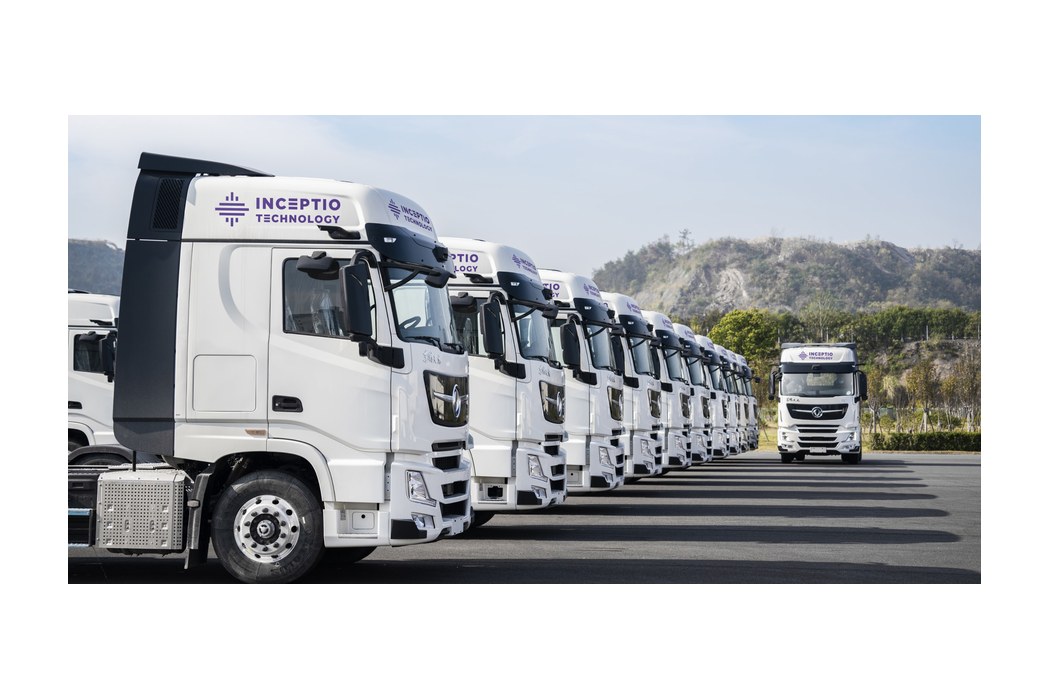
Inceptio Technology
Inceptio Technology is a developer of full-stack autonomous driving systems for heavy-duty trucks, headquartered in Shanghai with an R&D center in Fremont/Santa Clara, California. Founded in 2018 by Julian Ma, it works with truck OEMs to mass-produce Level 3 highway-capable trucks and operates one of the largest real-world autonomous freight fleets in the world. Its proprietary XUANYUAN and T-NOA systems power more than 4,000 trucks that have logged over 400 million kilometers of commercial operation for customers including JD Logistics, Nestle, Budweiser and Deppon Express, as it charts a data-driven roadmap toward scalable Level 4 autonomy.
IntelliVision
IntelliVision is a San Jose-based developer of AI and deep-learning video and audio analytics software for smart cameras. Founded in 2002, its software runs on the edge, on-server and in the cloud to power face detection and recognition, license plate recognition, object detection and classification, intrusion detection, and driver-assistance (ADAS/DMS) systems. Sold primarily to camera makers (ODMs), chipset vendors, security integrators and OEMs, its analytics have shipped in millions of cameras across smart home, smart city, retail, banking/ATM, transportation and automotive markets. The company was acquired by Nortek Security & Control in 2018 and now operates as part of Nice.
Ethernovia
Ethernovia is a San Jose semiconductor company building a new class of high-performance automotive and edge packet processors, Ethernet PHY transceivers and switches in 7nm. Its chips act as the deterministic 'nervous system' for software-defined vehicles and physical-AI machines, scaling from 1 Gbps to 10 Gbps to move sensor and compute data with low latency and low power. Founded in 2018 by veterans of Aquantia, the company has raised more than $150 million from backers including Porsche SE, Qualcomm Ventures and AMD Ventures.
MicroVision, Inc.
MicroVision, Inc. (NASDAQ: MVIS) is a Redmond, Washington-based developer of lidar and perception technology built on more than three decades of MEMS laser beam scanning. Once known for pico-projection and its PicoP scanning engine used in consumer displays, the company has pivoted to become a supplier of automotive-grade and industrial lidar sensors - the MAVIN and MOVIA lines - plus perception software, targeting ADAS, autonomous vehicles, robotics, and a fast-growing security and defense business.
Nullmax
Nullmax is an AI company building vision-only, map-free autonomous driving software for mass-produced cars. Founded in Silicon Valley in 2016 by former Tesla Autopilot engineer Lei Xu and headquartered in Shanghai, it develops MaxDrive, a chip- and sensor-agnostic driving stack, and Nullmax Intelligence (NI), an end-to-end, multimodal system that reads the road with cameras instead of lidar or high-definition maps. Its technology ships in production vehicles from major Chinese automakers.
Owl Autonomous Imaging
Owl Autonomous Imaging (Owl AI) builds Monocular 3D Thermal Ranging cameras and AI perception software that let vehicles and machines see people, animals and obstacles in total darkness, blinding glare, fog, rain and snow. Founded in 2018 by Chuck Gershman and Gene Petilli, the Fairport, New York company pairs its own HD long-wave infrared focal plane array with thermal CNNs to deliver both classification and distance from a single passive camera - aimed at pedestrian automatic emergency braking, ADAS and defense.
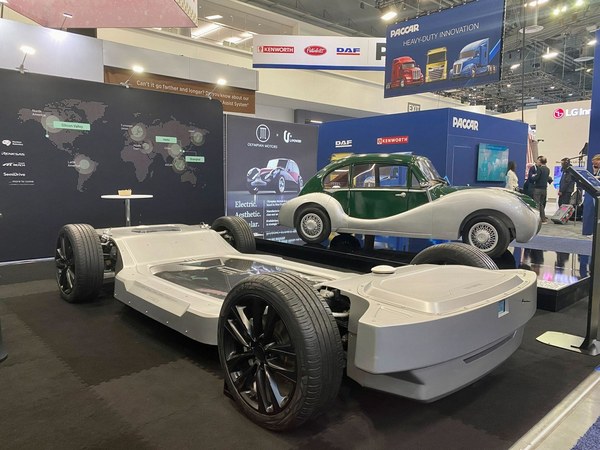
U POWER Tech
U POWER Tech is an electric-vehicle technology company building the UP Super Board, a mass-producible 'skateboard' chassis-by-wire that packages propulsion, steering, braking, suspension, thermal management and Level 2+ ADAS into a single plug-and-play platform. By decoupling the chassis from the vehicle body, U POWER lets automakers and fleet operators design custom EVs - vans, pickups, SUVs, specialty vehicles - on top of a validated base, cutting development time by at least six months. Founded in 2021 with offices in Silicon Valley (Sunnyvale) and Shanghai, the company sells to OEMs and commercial fleets and has expanded aggressively into North America with products like the UP VAN for last-mile delivery.
Rajesh Narasimha
Rajesh Narasimha is CEO and co-founder of Edgetensor, a Dallas-based startup building a multi-camera, edge-AI video telematics platform for fleets, insurance, and automotive OEMs. A Georgia Tech ECE PhD with 16+ years in computer vision and machine learning, he previously worked at Texas Instruments, Samsung Research America, and helped stand up US R&D at metaio (later acquired by Apple).
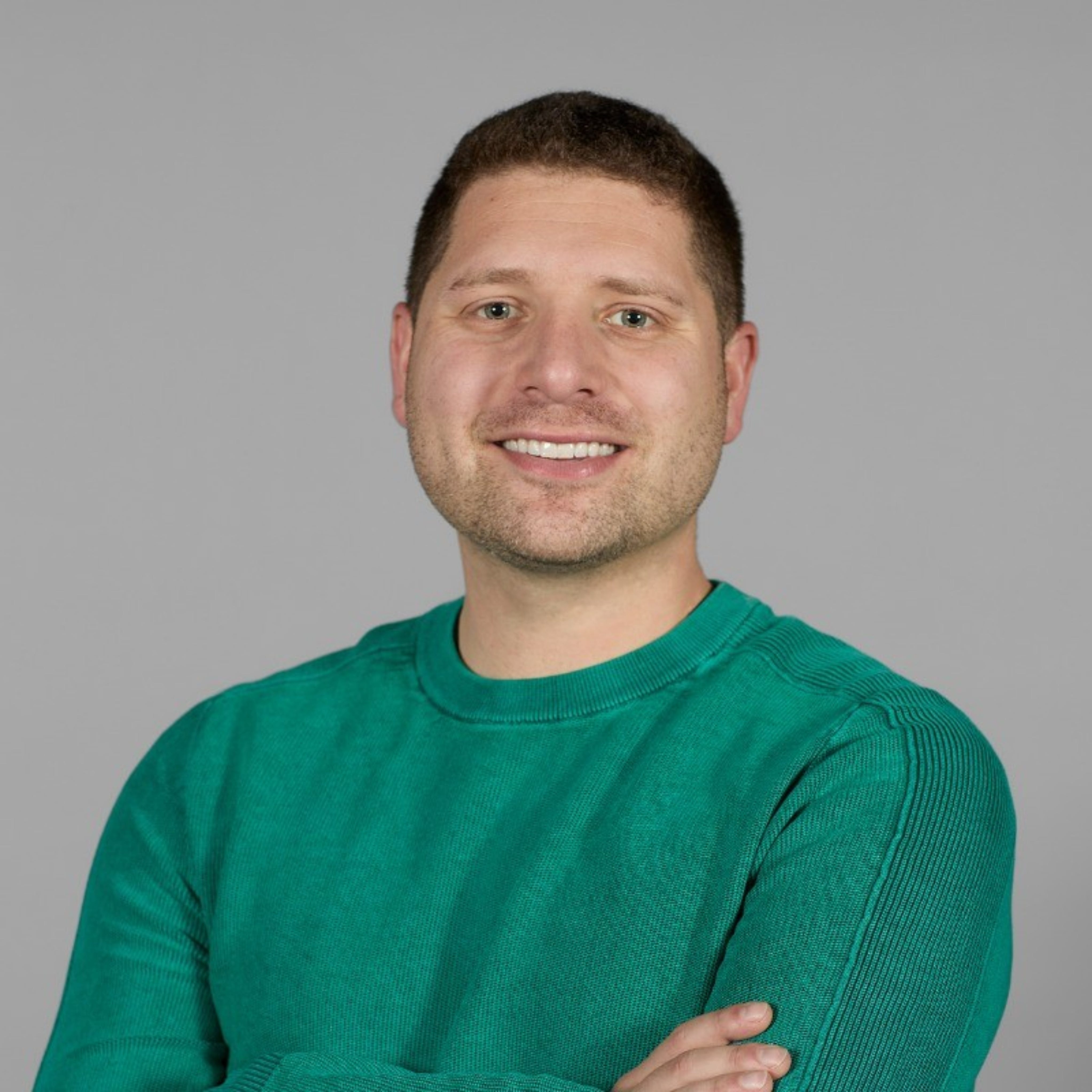
Zach Greenberger
Zach Greenberger is the CEO of Nexar, the New York-based real-world intelligence platform building the data backbone for the Physical AI era. A self-described non-engineer who taught himself the technology, he came up through IBM, Tesla, and Lyft (where he was Chief Business Officer) before taking the top job at Nexar in September 2024. Under his watch Nexar agreed to merge with Nauto in July 2026, uniting a dataset of more than 10 billion driving miles and creating an independent platform of record for how the physical world actually behaves.
Deepen AI
Deepen AI is a Silicon Valley company building the data lifecycle infrastructure for autonomous systems and physical AI. Its platform combines multi-sensor data annotation, sensor calibration (LiDAR, camera, radar, IMU), and validation tools that carmakers, robotics firms, and AV developers use to turn raw sensor data into reliable training data. Founded in 2017, Deepen also co-created Safety Pool, a global scenario-sharing initiative launched with the World Economic Forum and WMG at the University of Warwick.
AXONNE
AXONNE is a fabless Silicon Valley semiconductor company building high-speed Automotive Ethernet connectivity for the software-defined, AI-defined vehicle. Founded by ex-Marvell engineering leaders, it designs PHY transceivers and bridge chips - led by its Cyton PHY implementing IEEE 802.3ch Multi-Gigabit Automotive Ethernet - that move 1Gbps to 10Gbps over a single twisted pair or coax, wiring cameras, radar and lidar into the compute clusters that drive ADAS and autonomous systems.
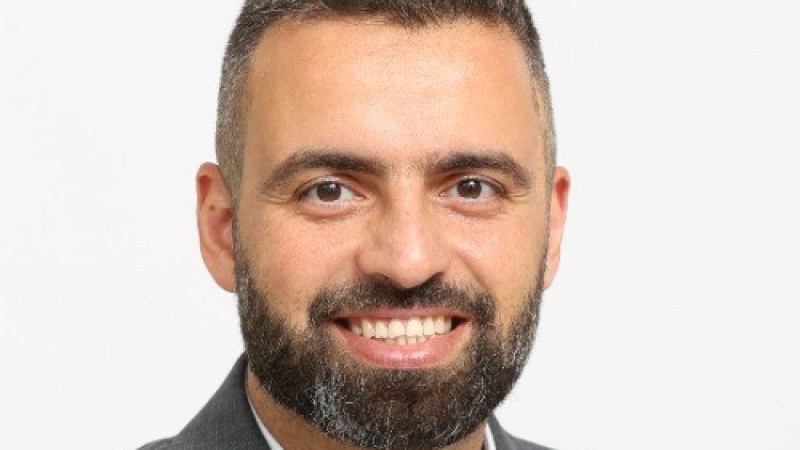
Mohammad Musa
Mohammad Musa is the founder and CEO of Deepen AI, a San Jose company building the data engine for Physical AI - tools and managed services that handle collection, calibration, annotation, validation, and synthetic data for autonomous vehicles and robotics. A Santa Clara University-trained computer engineer who once ran launch readiness for Google Apps, Musa co-founded Deepen in 2017 and has spent nearly a decade arguing that machines, like people, need many senses working together to move safely through the world. He also teaches product management at his alma mater.