autonomous-vehicles
(94)
Anthony Levandowski and the road back to dirt
He helped put self-driving cars on the map, then became the central figure in a trade-secret scandal. At Pronto, Anthony Levandowski has returned to a more bounded problem: teaching quarry trucks to move rock.
Lyft sells the next five minutes.
A pink mustache got strangers into cars. Keeping them coming back takes something harder: a ride they can plan a life around.

Forterra takes the driver out. Then the real work begins.
A self-driving vehicle is only the start. Forterra is building the software, communications and controls that turn an empty driving seat into a working mission.
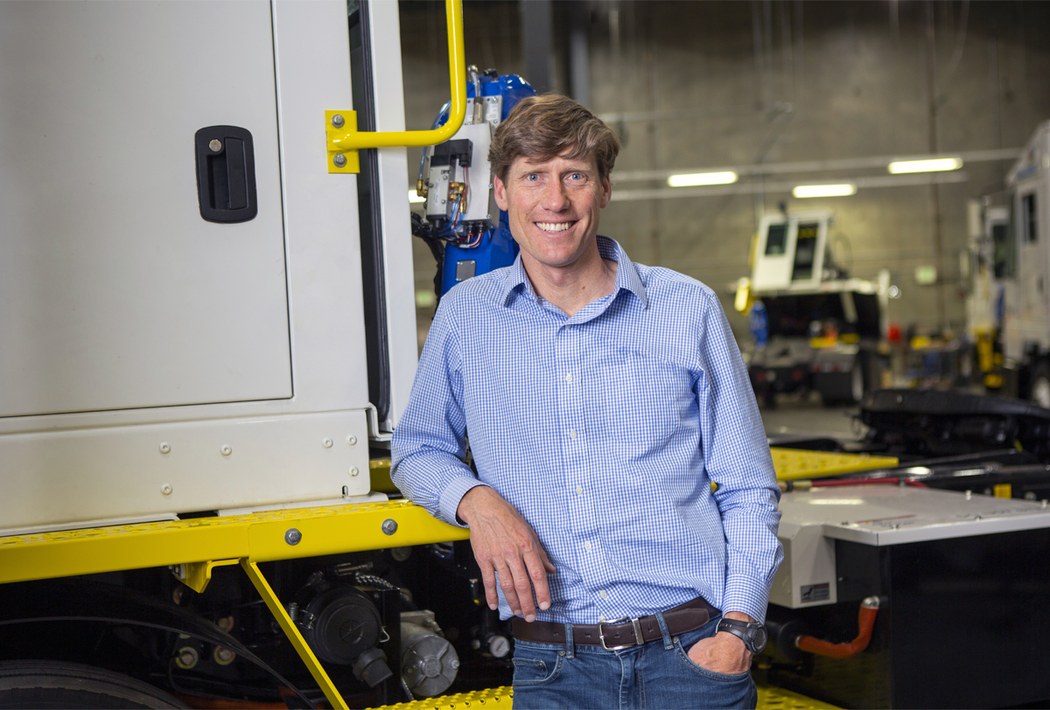
Andrew Smith and the art of going nowhere
He grew up dreaming of Ferraris. He built a business around trucks that stay in the yard. For Outrider founder Andrew Smith, the short trip between a parking space and a loading dock is a place to change how freight moves.

Ladi Delano and the business of handing over the keys
He built Moove around a driver’s route to owning a car. Now Ladi Delano is backing autonomous fleets while closing the company’s Nigerian chapter with a vehicle handover.

Angelo Yu and the room that learned to move
An architect’s question took Angelo Yu from small drones to autonomous spaces. At PIX Moving, he is testing what happens when a city’s rooms can come to its people.

Kenji Nakashima and the last turn before arrival
From Oracle and Google Cloud to Applied Intuition, Kenji Nakashima has spent his career bringing software into Japan’s automotive business. His current work reaches a particularly revealing destination: the loading bay.

Applied Intuition sells the road you can repeat
A late lane change reveals the business behind Applied Intuition: turn the messy physical world into tests engineers can run again. Now the company is moving from the simulator into the vehicle itself.

May Mobility bets the robotaxi on the ordinary trip
The autonomous driving company learned its trade connecting people to everyday destinations. Now it is taking that experience onto ride-hailing apps, with a proposed public listing and a very real cash bill.

Compound Eye teaches machines to see without giving themselves away
Ordinary cameras, some careful geometry, and an unusual customer: Compound Eye is turning passive 3D vision into a way for vehicles to navigate when GPS cannot be trusted.
Autonomous Solutions bets on the fleet you already own
A tractor, a haul truck and a mower have more in common than their owners think. ASI has spent 25 years turning that observation into a business - and SoftBank has just invested $225 million in it.

The Camera With Sixteen Eyes Found a Different Road
Light built a pocket camera with sixteen lenses, then discovered that machines had a more urgent use for its eyes. The road from a $1,950 gadget to John Deere runs through one stubborn question: how far away is that thing?

The Boring Route That Made Driverless Trucks Useful
Gatik started with the least glamorous trip in retail: warehouse to store, again and again. The bet was that a truck with a modest itinerary could become a serious business.

The Company That Fired Its Imaginary World
Parallel Domain spent six years inventing roads for autonomous machines. Then it decided reality was the better author - and rebuilt the company around the moments when machines get things wrong.
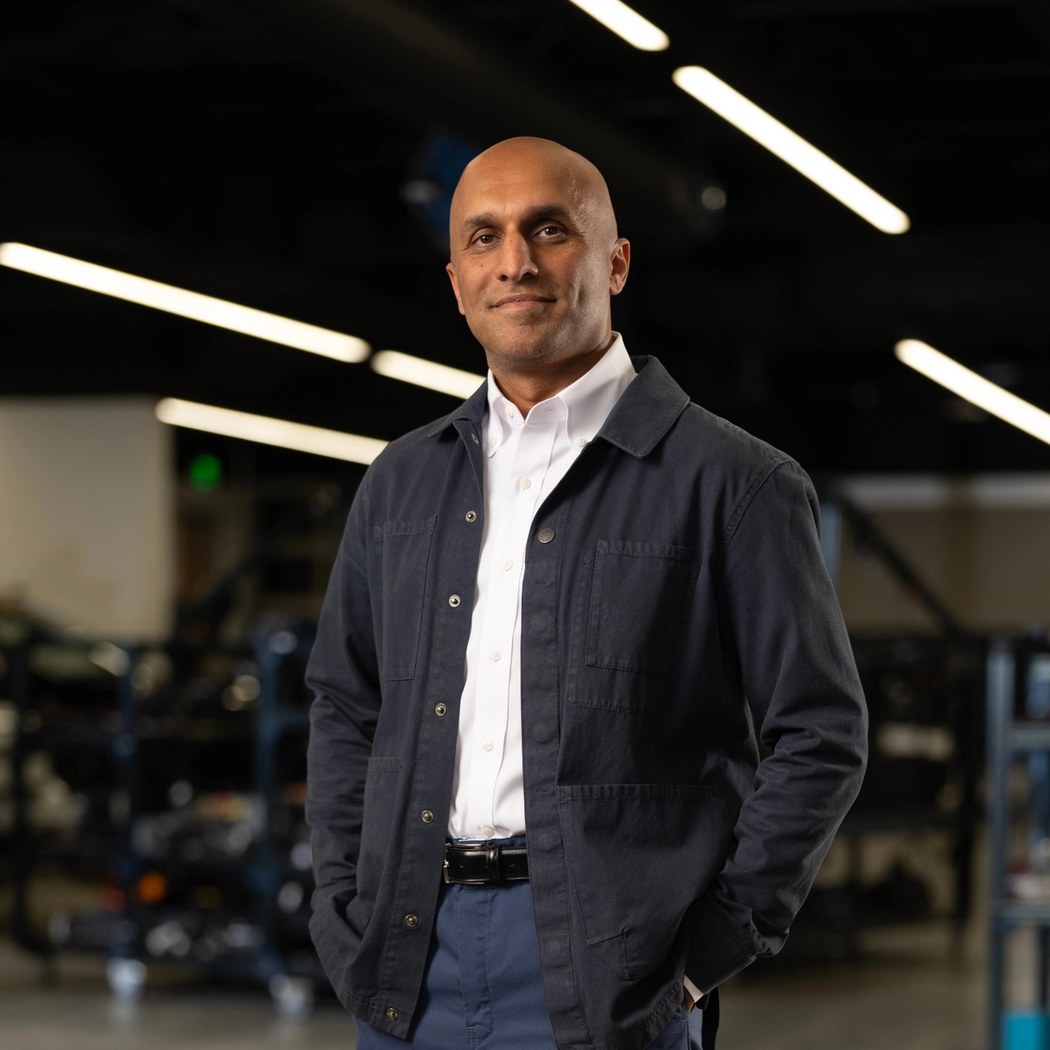
Qasar Younis Took the Long Road Back to the Car
A farm childhood, a Detroit engineering education and a tour through Google and Y Combinator led Qasar Younis back to moving machines - this time with software meant to teach them how to think.
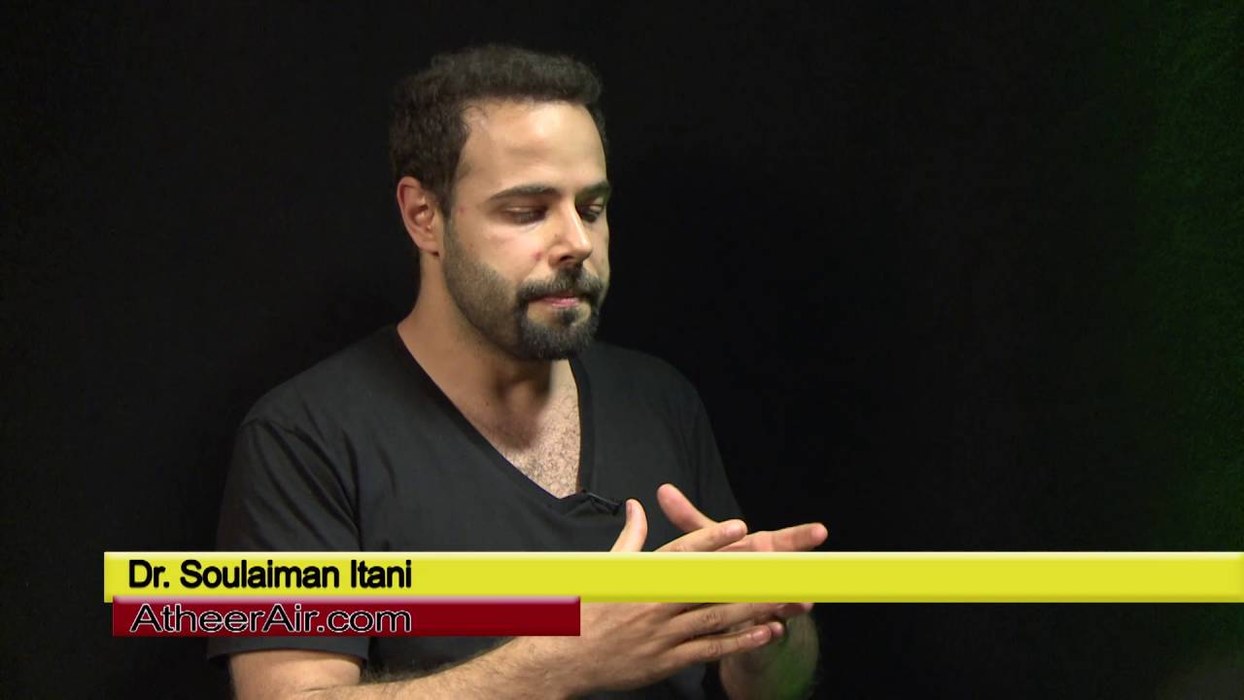
Soulaiman Itani Has Spent a Career Moving Intelligence Off the Screen
From drones and gestural glasses to autonomous trucks, the engineer’s work keeps returning to one question: how does intelligence leave the screen and enter the physical world?

Londonne Corder Is Giving the Overlooked Logistics Yard a Name
After decades marketing enterprise technology, Londonne Corder found her most literal challenge yet: explain the robots moving 80,000-pound trailers through the neglected space between warehouse and highway.

Nalin Gupta Built Cars That Drove Themselves. Now He Wants Customer Support to Think for Itself
After taking Auro Robotics from an IIT lab to a Silicon Valley exit, the engineer-founder has returned to autonomy - this time inside the conversations where companies win, lose, and occasionally misplace their customers.

Leaf Jiang Spent 12 Years Building LiDAR. Then He Bet on Two Cameras.
The NODAR founder knows laser ranging from the inside. His contrarian wager is that autonomy will scale when inexpensive cameras learn to hold their geometry in a vibrating, rainy world.

Neha Palmer Is Building the Places Where Electric Fleets Get Their Power
The former Google energy strategist learned that scale begins long before a machine switches on. At Terawatt, she is turning land, grid connections and dependable operations into the quiet infrastructure of electric transport.

NODAR Is Teaching Cheap Cameras to Do LiDAR's Expensive Job
The autonomous-vehicle industry spent years putting lasers on roofs. NODAR's contrarian pitch is simpler: spread two cameras apart, keep them calibrated through every pothole, and let software recover the world in 3D.

The Goldman Banker Who Built a Different Kind of Cap Table
Deborah Jackson left Wall Street to fund the founders it kept overlooking. A decade later, Plum Alley has put $100M-plus into CRISPR, wastewater sensors and autonomous freight - and turned its members into the people writing the checks.

TaskUs Built a 63,200-Person Business for the Work AI Still Can’t Do
The outsourcing company grew up answering tickets for tech startups. Now it is training models, testing robots and moderating the messiest corners of the internet - while teaching its own 63,200-person workforce to work beside AI.
Waymo Has Left the Lab. Now It Has to Teach Cities to Trust an Empty Driver’s Seat
Alphabet’s robotaxi company has turned autonomous driving into a service people can summon. Its next test is less cinematic and more difficult: making safety, fleet economics and public trust work in city after city.

Zinny Weli
Zinny Weli is the co-founder and CEO of RoboDock, a Y Combinator (W26) startup building robots that run the depots for autonomous and electric vehicle fleets - handling charging, plug-in, and post-trip inspection without human labor. A mechanical engineer trained at the University of Michigan and Stanford, she previously owned the charging system for Amazon's Astro home robot at Lab126 and led the autonomous charging tower for Zipline's delivery drones from concept to multi-city deployment. She started RoboDock with Celine Wang, whom she first met at Stanford as her teaching assistant.
RoboDock
RoboDock is a San Francisco robotics startup (Y Combinator W26) building the physical automation layer for electric and autonomous vehicle depots. Its robots plug in chargers, align to charge ports with vision guidance, and run post-trip inspections using visual and thermal sensing - turning depots that still rely on people walking rows of vehicles into self-running infrastructure. Founded in 2025 by Stanford classmates Zinny Weli (CEO) and Celine Wang (CTO), the company offers its system as a retrofit that drops into existing facilities without layout changes.

Marakeb Technologies
Marakeb Technologies is a Sharjah-based UAE company specializing in platform-agnostic autonomy for marine, ground, and aerial vehicles. Its patented MAP Pro conversion kit turns almost any manned vehicle - from boats to cars to drones - into a remotely operated or fully autonomous system. With roots in GRP boat building since 2007, the company now builds unmanned surface vessels, ground control stations, and combat management systems for defense, security, oil and gas, environmental, and transportation customers, and is majority-owned by Tawazun's Strategic Development Fund.

Moove
Moove is an African-born global mobility fintech that finances vehicles for gig-economy drivers who are shut out of traditional bank lending. Using alternative, revenue-based credit scoring built on ride-hailing and delivery earnings, Moove lets drivers on platforms like Uber lease brand-new cars and pay them off through a share of their weekly income - a 'drive it, own it' model. Founded in Lagos in 2020 by Ladi Delano and Jide Odunsi, it now operates one of the world's largest managed ride-hail fleets and has become Waymo's autonomous-fleet operations partner across major US and UK cities.

Nexar Inc.
Nexar is a New York-based mobility technology company that turns connected dashcams into a real-time sensing network for the physical world. Founded in 2015 by Eran Shir and Bruno Fernandez-Ruiz, it sells LTE-connected 4K dashcams to consumers while aggregating anonymized road imagery into CityStream, a platform that gives cities, mapmakers, insurers and autonomous-vehicle developers a minute-by-minute, ground-level view of streets. In July 2026 Nexar agreed to merge with Nauto to form an independent infrastructure platform for physical AI, backed by more than 10 billion historic miles of driving data across 50+ countries.

Commsignia
Commsignia is a vehicle-to-everything (V2X) technology company that builds the software stacks, on-board units, roadside units and cloud platforms that let cars, road infrastructure and traffic operators talk to one another. Founded in Hungary in 2012 and now headquartered in Santa Clara, California, the company supplies standards-compliant C-V2X and DSRC solutions used by automakers, road operators and departments of transportation across more than 20 countries, with the goal of reducing collisions and smoothing traffic flow under the banner 'Trust for the road ahead.'