physical-ai
(177)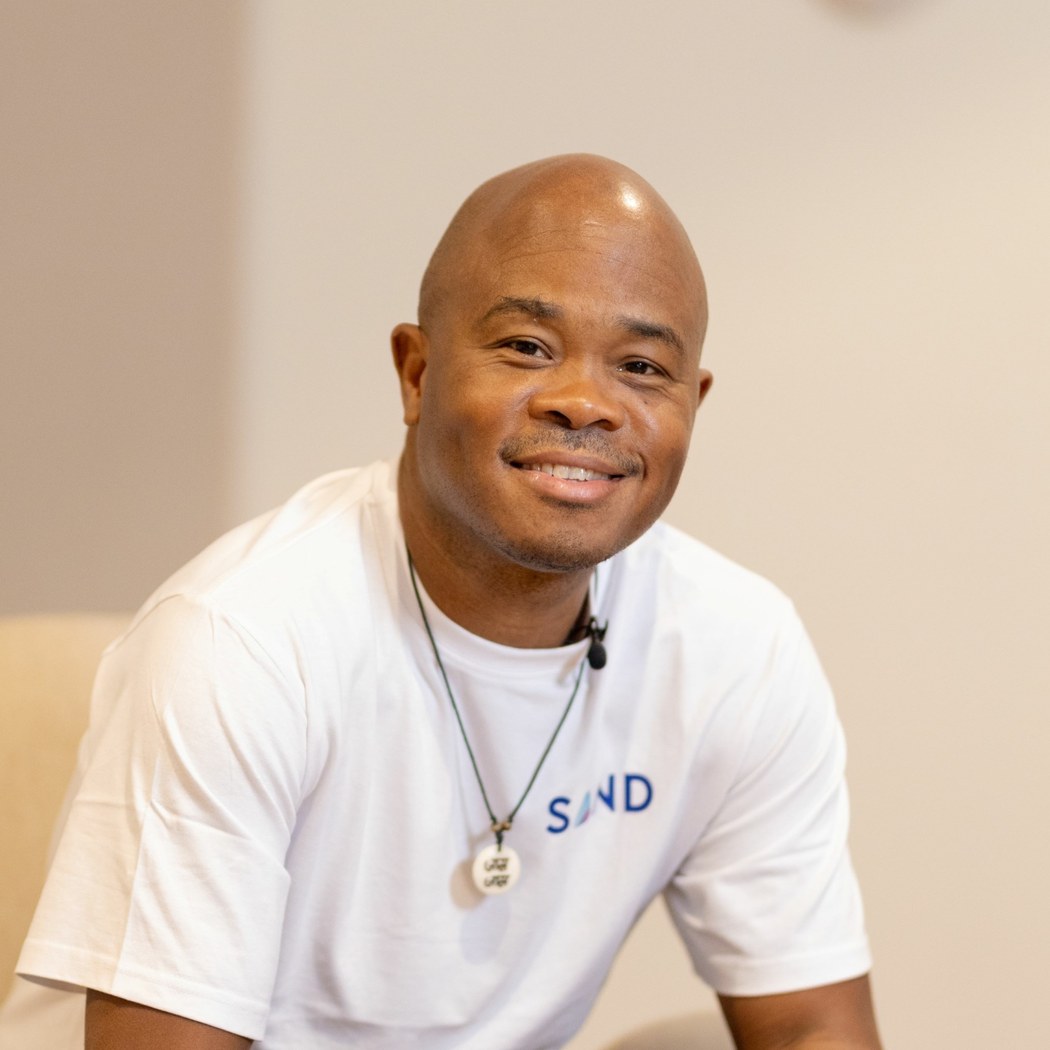
Fred Swaniker and the headmaster’s unfinished assignment
At 18, he was running a school in Botswana. Now the founder of Sand Technologies is connecting African talent with global infrastructure problems, while pursuing a goal of developing three million leaders by 2035.
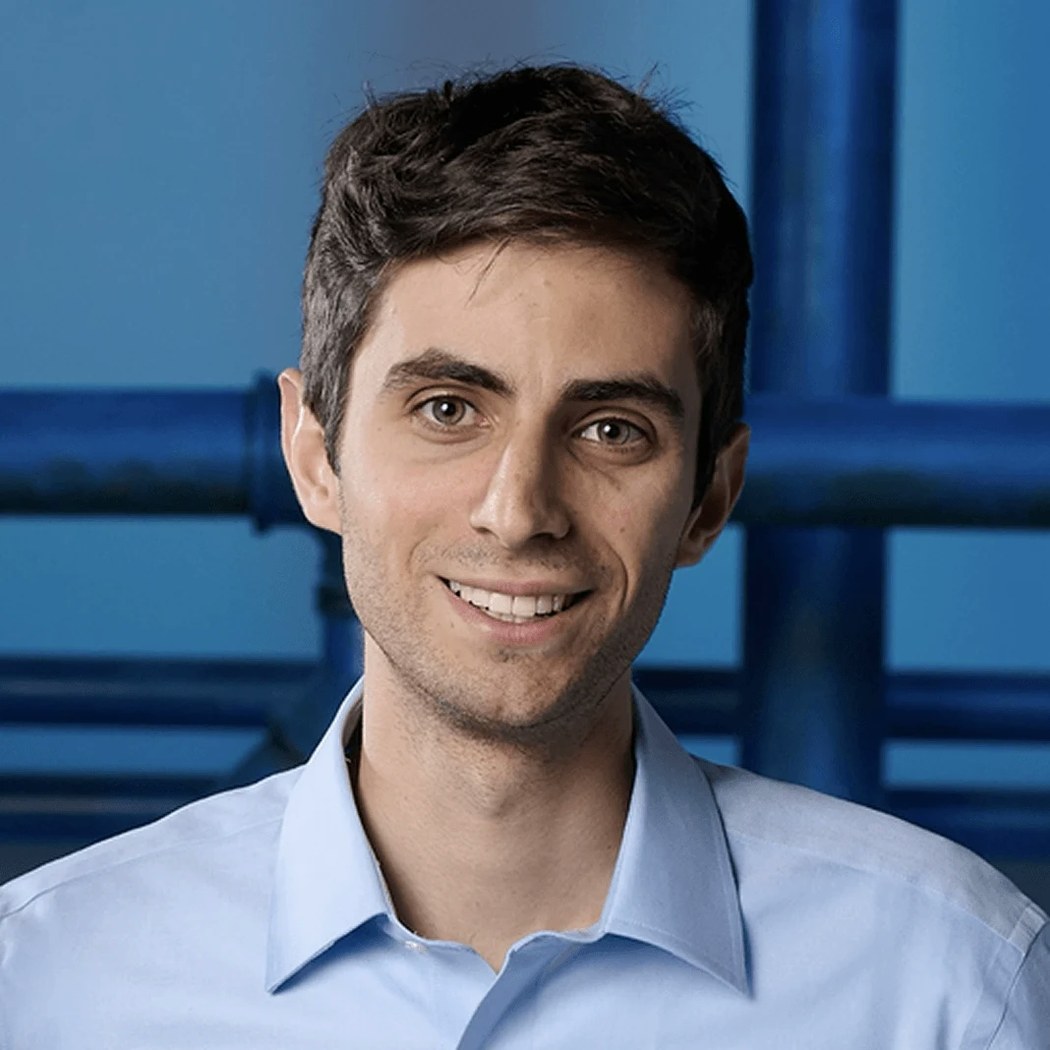
Igor Marinelli and the value of an uneventful day
His father spent 35 years keeping factory machinery running. Igor Marinelli built Tractian around the people who get called when it stops.

Abaka AI and the art of teaching machines
Before an AI can do the work, someone has to decide what good work looks like. Abaka AI sells the data, human judgment, and production tools behind that decision.
Sand wants to fix the world beneath your feet
Water pipes, mobile towers and treatment plants have a data problem. Sand is building AI that helps the people running them decide what to do next.

Brightpick puts the warehouse on the night shift
A robot that picks while it rolls. A warehouse that keeps working after people leave. Brightpick’s bet is that the biggest gains come from redesigning the ordinary parts of fulfillment.
Shaip teaches AI to pay attention
A voice assistant needs more than a voice. Shaip supplies the recordings, labels, and human judgment that help AI make sense of the world - from a doctor’s dictation to a robot’s next move.
Asad Tirmizi and the education of a robot
Before he co-founded Trener Robotics, Asad Tirmizi studied how machines communicate through touch. Now he wants factory robots to learn enough about a job that people can stop explaining every movement.
Pete Florence and the trouble with ordinary things
A shoe, a drawer, a block that must fit into a slot. The Generalist co-founder has built a research career around teaching robots the physical skills people rarely stop to explain.

Alexandre de Vigan and the trouble with a perfect picture
Alexandre de Vigan left mergers and acquisitions law to change how people see products online. Building Nfinite led him to a harder question: what does a machine need to know about the world behind the picture?

Hamza Derbas and the case for starting on the factory floor
After nearly nine years at Apple, Hamza Derbas founded Maven Robotics with his brother Khalid. His wager begins with a warehouse job, a pair of wheels, and a willingness to change the machine when the work demands it.
Jacomo Corbo and the cost of one more experiment
A Formula One strategist learns to make decisions before the opportunity disappears. At PhysicsX, Jacomo Corbo is applying that lesson to the time engineers spend waiting for answers.
Symbotic knows where the box goes.
The clever part of Symbotic’s warehouse robots is what happens after the warehouse. Every mixed pallet is a plan for the store at the other end.
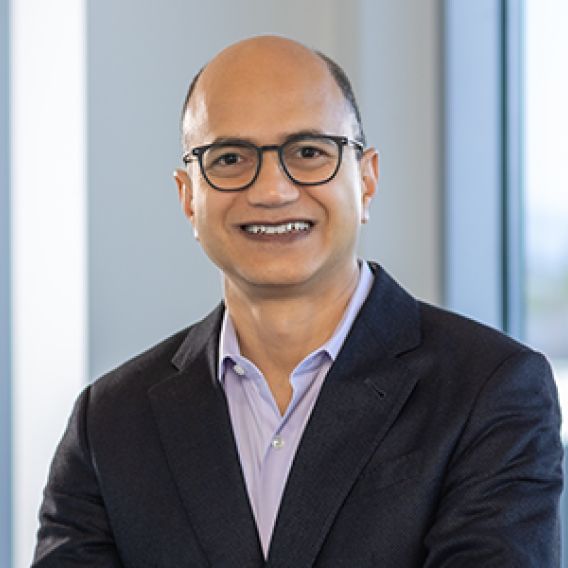
Raghib Hussain and the value of a second beginning
After building Cavium and helping steer Marvell toward data infrastructure, Raghib Hussain took on an older company with a fresh start. At Altera, his wager is that programmable chips need a more predictable business behind them.

Teach the truck. Move the mountain.
Pronto took self-driving technology off the highway and into the quarry. Its bet: the trucks you already own can learn a new job.
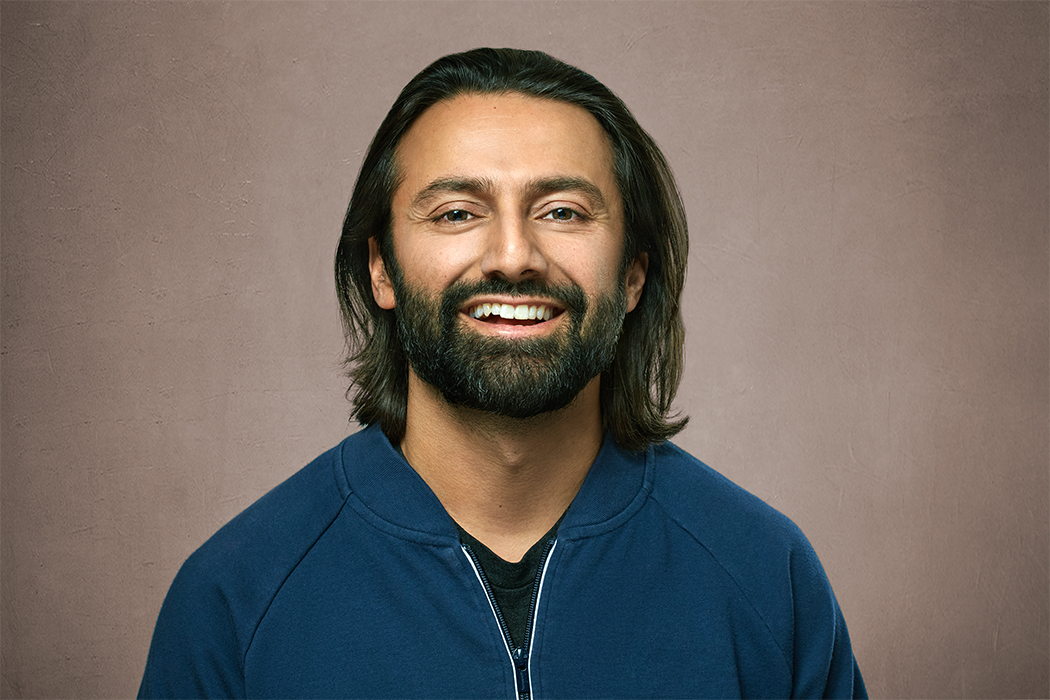
Vijay Chattha would like a word. Six, preferably.
Before he helped startups find their voice, Vijay Chattha helped Philadelphia find a night out. The VSC founder, investor and Punjabi funk rapper has been working on the same problem ever since: giving people a reason to pay attention.
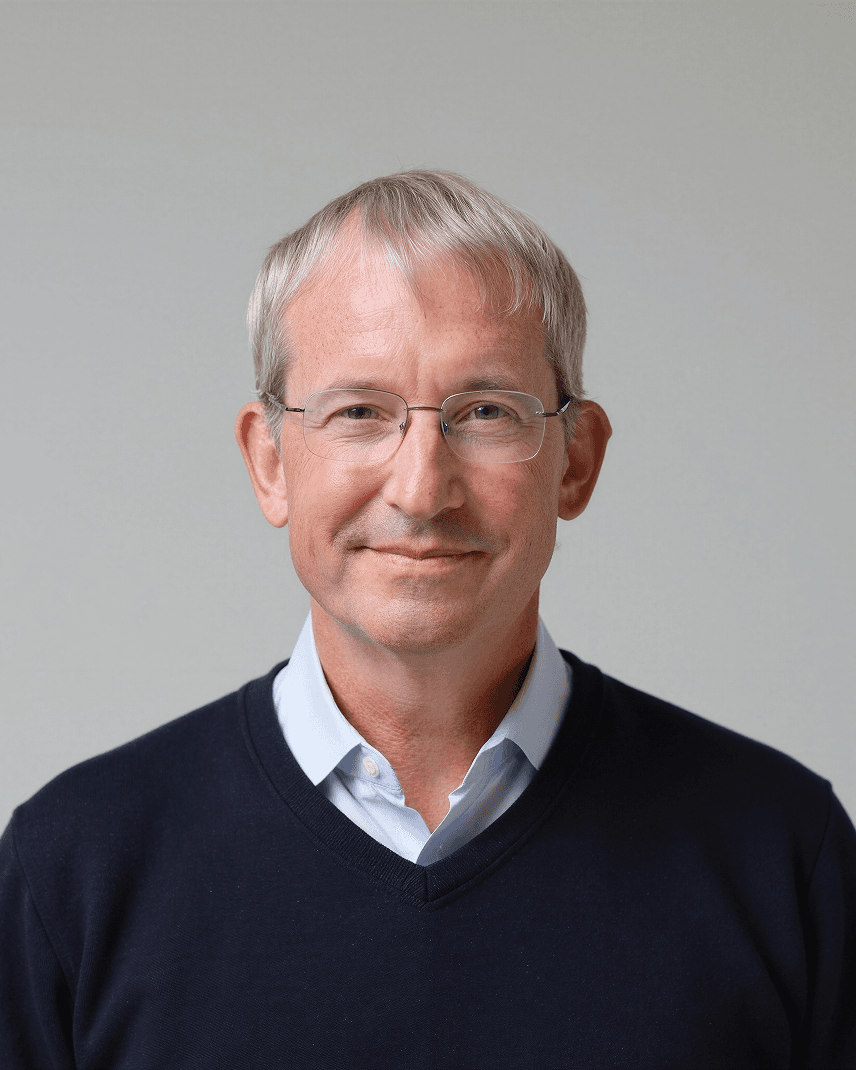
Colin Angle’s unfinished business with the living room
He helped put the Roomba in millions of homes. With Familiar Machines & Magic, Colin Angle is returning to an older ambition: a robot people want around for its company.

Hitachi Digital knows which valve to check.
Industrial AI has a homework problem: it needs to understand the machinery. Hitachi Digital brings the factory knowledge, the software teams, and a very large testing ground.
Path Robotics gives the robot a second look
A welding robot can repeat a movement all day. Path Robotics is building one that notices when the metal has moved - and changes its plan.

Felipe Chávez Cortés and the trouble with the last 200 meters
He brought delivery robots to Berkeley. Every job they finished revealed another one waiting - and helped turn Kiwibot into Robot.com.
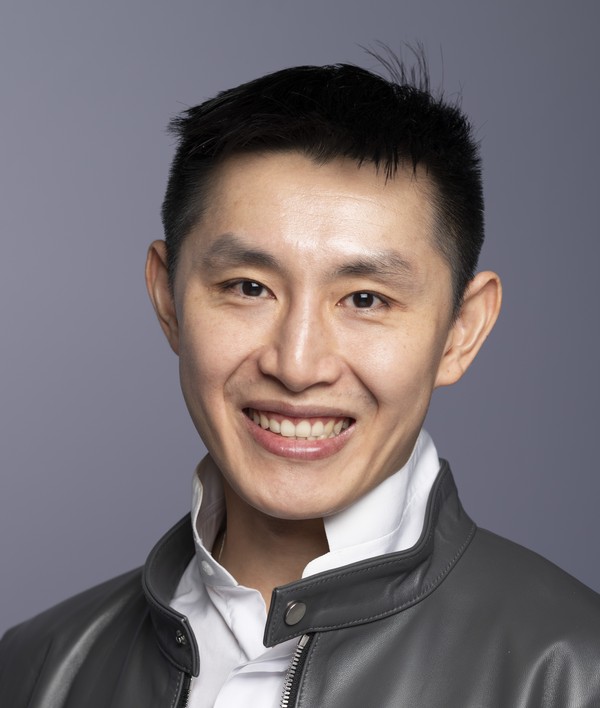
Jackie Wu and the problem of knowing what you own
Before Corvus Robotics, Jackie Wu tried to put a flying camera in the home. His next bet took indoor drones into warehouses, where a misplaced pallet can make a perfectly good computer tell a perfectly bad lie.
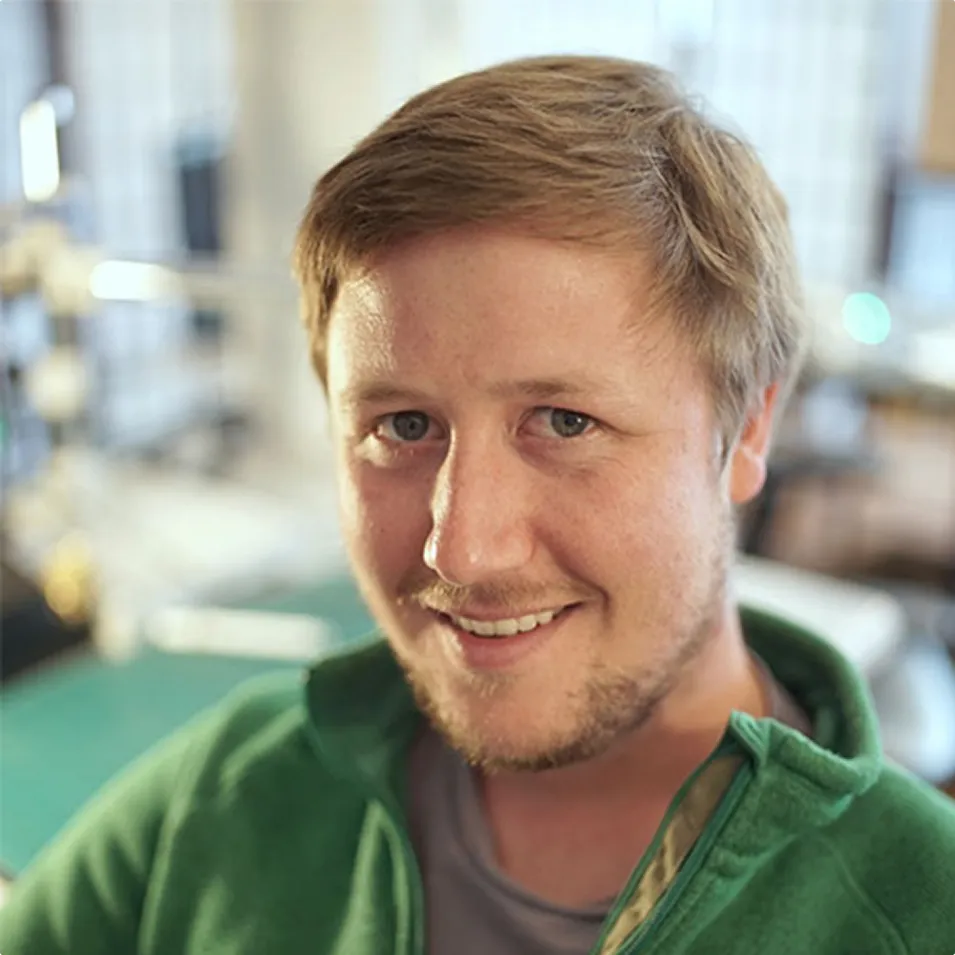
AJ Meyer and the education of a box picker
AJ Meyer went looking for a robot business and found a stubborn job at the warehouse door. Building Pickle Robot has required him to teach machines how to handle boxes - and teach himself how to keep a company’s promises.
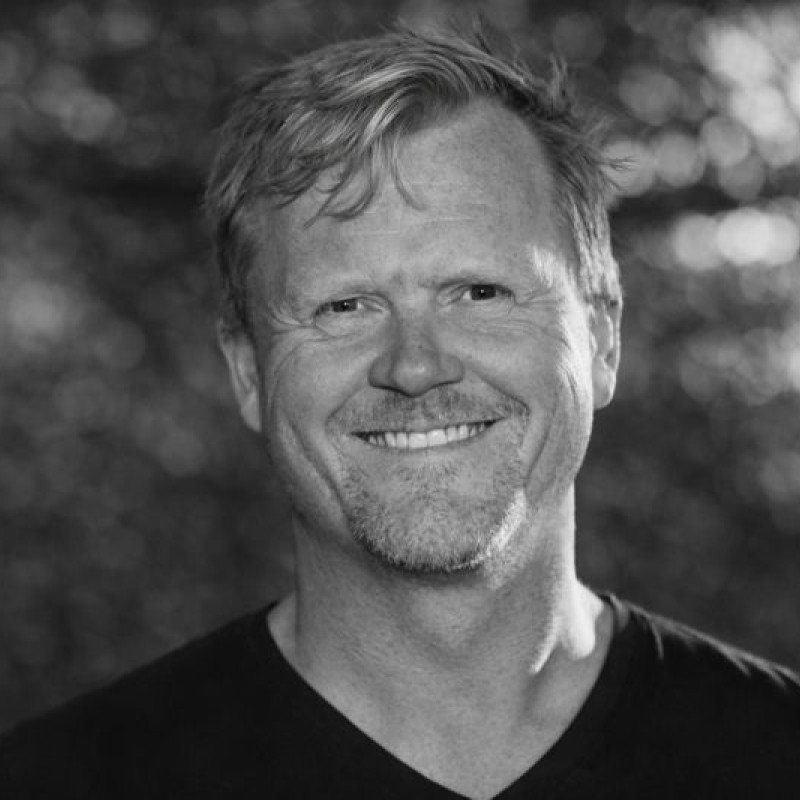
Henrik Bennetsen and the distance between an idea and a business
From a Danish music career to virtual worlds, drywall robots and butter made without farming, Henrik Bennetsen keeps returning to the same problem: getting an invention into everyday life. The Savor co-founder now works on the business of physical AI at Formant.

Megazone Corp makes complexity disappear
A car manual that reads the dashboard. A television platform rebuilt while viewers keep watching. Megazone’s work starts with the things people should never have to think about.
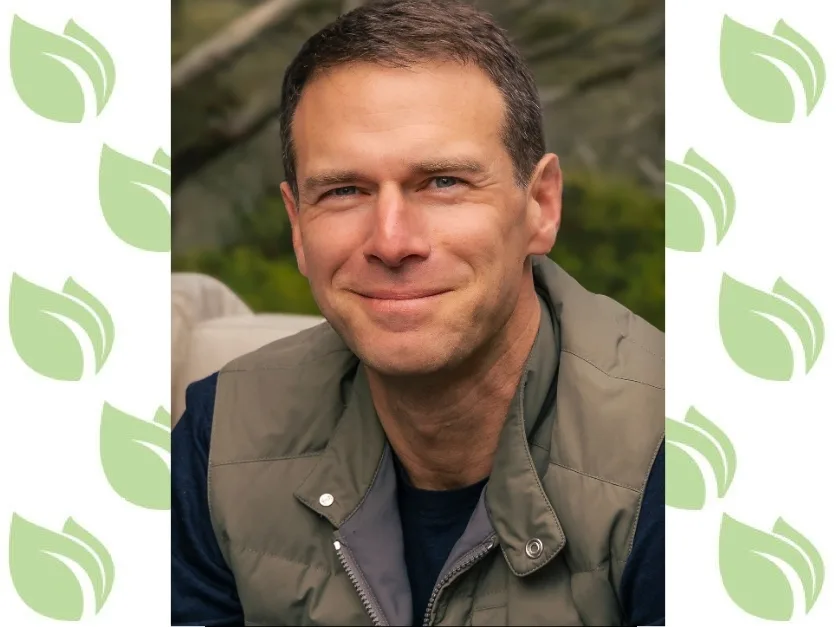
Danny Bernstein and the distance between a robot and a strawberry
After a decade at Google and a turn at Microsoft, Danny Bernstein put his next venture on working farmland. At Reservoir, the shortest route from an idea to a useful machine runs through the people who grow the crop.
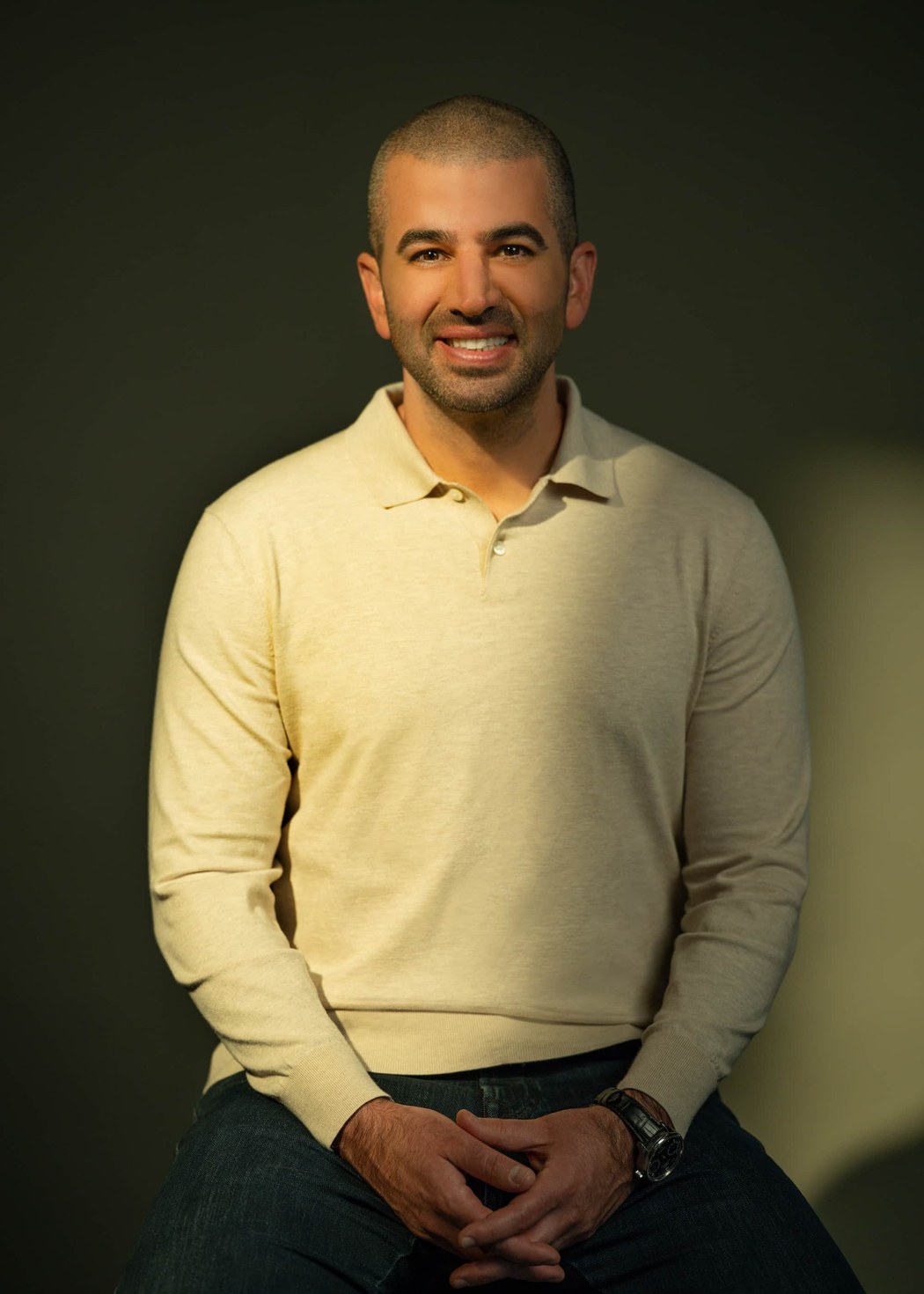
Lior Susan and the unfinished business of the factory
A banana farm, a mobile-network startup, and a factory floor led Lior Susan to Eclipse. His wager: the next generation of technology companies will have to build the physical world, too.
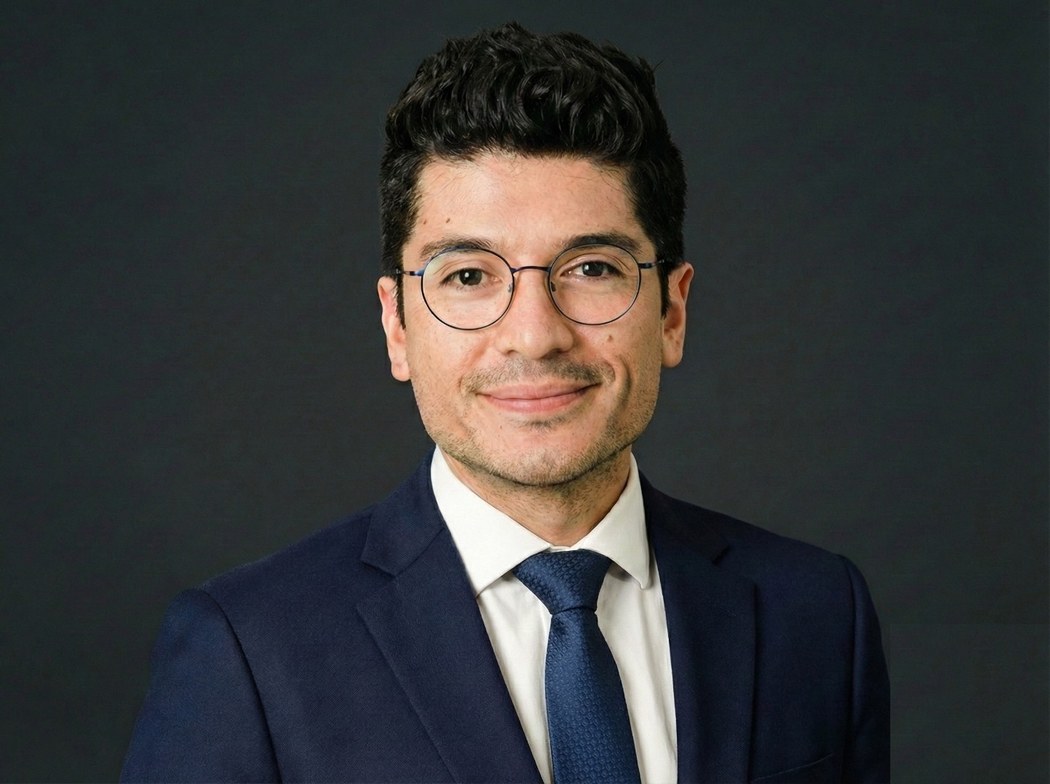
Alexander Torrey and the trouble with the empty bottle
A box of hand soap sent Alexander Torrey looking for a better supply chain. After children’s art and reusable deliveries, the AIC co-founder is taking his argument about wasted potential to America’s factory floors.

Chris Carson and the city hiding in a camera
A bus driver’s camera button gave Chris Carson an idea for Hayden AI. His next company, EchoTwin AI, widens the view to city infrastructure, while a dispute with his former company complicates the picture.
Kenji Nakashima and the last turn before arrival
From Oracle and Google Cloud to Applied Intuition, Kenji Nakashima has spent his career bringing software into Japan’s automotive business. His current work reaches a particularly revealing destination: the loading bay.

Applied Intuition sells the road you can repeat
A late lane change reveals the business behind Applied Intuition: turn the messy physical world into tests engineers can run again. Now the company is moving from the simulator into the vehicle itself.

Inspiren wants to catch the fall before it happens
A nurse-founded company is turning the quiet minutes between care rounds into useful information. The wager: better senior care begins with seeing what everyone else misses.