buy-now-pay-later
(29)
The Company Loaning Cannabis the Money Banks Won't Touch
Cannabis is legal in most of the country and still can't get a bank loan. FundCanna built a lending machine inside that gap - and now the institutions that stayed away are quietly following it in.

Sunbit Bet That the Best Place to Approve a Loan Is the Dentist's Chair
The Los Angeles fintech approves about nine of ten shoppers for the purchases nobody plans for - car repairs, root canals, new glasses, the dog's surgery - and charges no fees of any kind. Here is how a rejected loan application became a billion-dollar company.
The Credit Card Company Hiding in America’s Shopping Bags
Bread Financial sits behind the cards, rewards and payment plans of brands from Ulta to the NFL. Its quiet advantage is not a flashy app - it is the machinery that turns a checkout into a long-term financial relationship.
The Company That Taught Nigeria to Buy Online
Jumia built warehouses, a payment wallet and a fleet of delivery riders to sell phones and rice to a continent the big retailers skipped. Fourteen years in, Nigeria is the market deciding whether the bet finally pays off.
PayPal Wants to Be the Internet's Cash Register Again
The blue button helped teach the web to pay. Now PayPal is stitching checkout, Venmo, Braintree, credit, ads and AI agents into a new wager on how money will move.

The Checkout Is the Product: Inside Pine Labs' Quiet Commerce Machine
Pine Labs began at the petrol pump and grew into the machinery behind a purchase - the terminal, the installment, the gift card, the gateway and, increasingly, the banking rails beneath them all.
Kredivo Is Turning a Two-Click Loan Into a Southeast Asian Financial System
The company that made checkout credit feel almost invisible is building something much larger: a portfolio that follows customers from the shopping cart to payday, savings and everyday banking across Southeast Asia.
Synchrony
Synchrony rarely gets top billing, yet it finances the couch, the crown, the car repair and the checkout behind many familiar brands. Its real product is a vast, carefully wired bridge between the moment people need something and the moment they can pay for it.

RentFlow
RentFlow is a New York fintech, part of Y Combinator's Summer 2024 batch, that builds a 'Buy Now, Pay Later' layer for commercial rent. It pays landlords their full rent on the 1st of the month, then lets business tenants repay in smaller installments synced to their real cash flow. The company pairs payments infrastructure with AI underwriting that reads transaction-level and behavioral signals to price flexibility, aiming to keep otherwise-healthy small and medium businesses from being pushed into default by a single fixed lump-sum bill.
Fluid
Fluid is a Singapore-based B2B payments platform that lets suppliers and marketplaces offer their business buyers flexible credit terms and installments at the point of purchase. Its AI underwriting engine approves buyers in seconds, pays suppliers on day one, and automates reconciliation - bringing consumer-grade buy-now-pay-later mechanics to business commerce across Southeast Asia. Founded in early 2023 by former Atome and Uber operators, Fluid has raised US$7M and serves 3,000+ businesses across Singapore and Malaysia.

MNT-Halan
MNT-Halan is an Egyptian fintech that digitally banks the unbanked and underbanked across emerging markets. Founded by Mounir Nakhla, it combines microfinance, consumer and business lending, buy-now-pay-later, mobile wallets, payments and an FMCG/appliance e-commerce marketplace into a single app, all powered by its proprietary Neuron core-banking technology. It became Egypt's first fintech unicorn in 2023 and now operates across Egypt, Turkey, Pakistan and the UAE, having disbursed billions of dollars in loans to millions of customers.
SuperAtom Fintech
SuperAtom Fintech is a Singapore-based financial technology company founded in 2018 as a spin-off from Cheetah Mobile. It builds digital lending and buy-now-pay-later products for underserved and unbanked consumers in emerging markets, using AI and big data to approve and disburse small, collateral-free loans quickly. Its flagship product UangMe operates in Indonesia under an OJK license, and the company has expanded toward the Philippines and Latin America with its Peso Chido brand. SuperAtom reports around 9 million registered users and over US$684 million in cumulative loan disbursements.

ChargeAfter
ChargeAfter is a fintech company that runs an embedded lending platform and multi-lender network for point-of-sale financing. Through a single integration, merchants and banks can offer shoppers personalized Buy Now Pay Later and installment options across the full credit spectrum, using a real-time waterfall engine that routes declined applications to alternative lenders to lift approval rates. Founded in 2017 by Meidad Sharon and headquartered in New York with R&D in Tel Aviv, it serves enterprise merchants and tier-one banks including partnerships with Visa, Citi, Wells Fargo and Synchrony.

Block
Block, Inc. is a global financial technology company that builds tools for economic empowerment. Founded in 2009 as Square by Jack Dorsey and Jim McKelvey, it renamed itself Block in 2021 to reflect a broader mission spanning commerce, consumer finance and bitcoin. The company operates a portfolio of ecosystems - Square for sellers, Cash App for individuals, Afterpay for buy-now-pay-later, plus TIDAL, Bitkey and Proto - and trades on the NYSE under the ticker XYZ.

Ascend
Ascend is a San Francisco-based financial operations platform purpose-built for the insurance industry. It automates the money workflows brokers, agencies, wholesalers, MGAs and carriers deal with every day - billing and invoicing, premium collection and financing, cash application, commission reconciliation and carrier payables - so businesses close their books faster and cut manual accounting work. Founded in 2021 by Andrew Wynn and Praveen Chekuri, the company is trusted by more than 4,000 insurance businesses, including over half of the 50 largest brokers in the US, and in 2026 agreed to merge with premium finance firm Honor Capital to form what the companies describe as insurance's first fully vertically integrated, AI-powered financial operations platform.

Meidad Sharon
Meidad Sharon is the founder and CEO of ChargeAfter, a white-label embedded consumer financing platform that connects merchants to a network of lenders and routes each shopper to the best available offer in real time. He started the company in 2016 after six years running sales at SafeCharge (now Nuvei), where merchants kept asking him the same thing: help us finance our customers. ChargeAfter has raised roughly $62M and counts Citi Retail Services among its partners.

Movemint
Movemint is a San Francisco software company building a modern operating system for endurance events. Founded in 2024 by former Strava engineering leader Zack Isaacs and designer Taylor Peliska, it gives race organizers one hub for registration, e-commerce, timing, results, email marketing, volunteers, and sponsors, while giving athletes a social, Strava-connected place to sign up, share results, and celebrate friends. It has grown fast, tripling its business roughly every quarter since launch, and now powers hundreds of events worldwide.

GlossGenius
GlossGenius is a New York-based vertical SaaS and fintech platform that gives independent beauty and wellness professionals - hair stylists, nail techs, estheticians, spas and medspas - one app to run the whole business. It combines online booking, a built-in card-processing POS, client CRM, marketing automation, payroll, inventory and AI agents, replacing the patchwork of spreadsheets, paper books and generic tools that solo operators and small salons relied on. Founded in 2016 by Danielle Cohen-Shohet, it crossed roughly $100M in revenue, serves tens of thousands of businesses, and reached unicorn status with a reported $1.12B valuation after its January 2026 Series D.

PatientFi
PatientFi is a healthcare fintech that lets patients pay for elective medical treatments over time through simple monthly payment plans. Its point-of-sale platform partners with medical practices - across plastic surgery, dermatology, dentistry, ophthalmology, fertility and medical spas - to offer instant, soft-credit-check financing so patients can afford care without upfront strain, while practices grow revenue. Headquartered in Irvine, California, the company markets itself as 'The Friendly Way to Pay.'
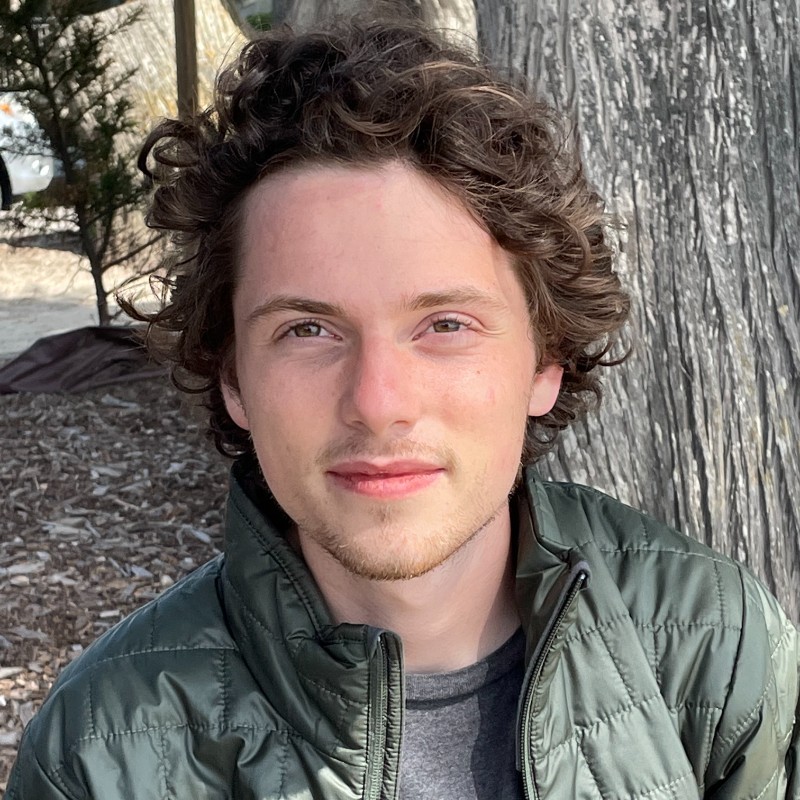
Griffin Dunaif
Griffin Dunaif is the co-founder and CEO of Halliday, a San Francisco blockchain startup building the first agentic workflow protocol - infrastructure that lets developers ship onchain applications without writing smart contracts. A Stanford computer science graduate (2023) who left to build, Dunaif started Halliday in 2022 as a buy-now-pay-later tool for gamers, then pivoted to the broader bet that workflows, not contracts, are how AI agents will safely operate onchain. The company has raised $26 million total, including a $20 million Series A led by a16z crypto in March 2025.

BlueTape
BlueTape is a payments and financing platform built for the construction industry. It gives material suppliers, manufacturers, dealers and contractors the tools larger firms take for granted - trade credit, net terms up to 120 days, buy-now-pay-later for building materials, automated accounts receivable, factoring, early-payment programs and lines of credit. The goal is simple: help small and midsize construction businesses get paid faster, sell more, and finance the materials they need without the paperwork and cash-flow crunch that has long defined the trade.
Bolt
Bolt is a San Francisco fintech building a one-click checkout network for online retailers. It connects merchants and shoppers through a single, cross-site identity, layering payments, fraud prevention, and AI-personalized flows on top. After a turbulent stretch following its 2022 peak, Bolt has been rebuilding through partnerships with Palantir, Klarna, Affirm, and Checkout.com, and a return of founder Ryan Breslow to the CEO seat.
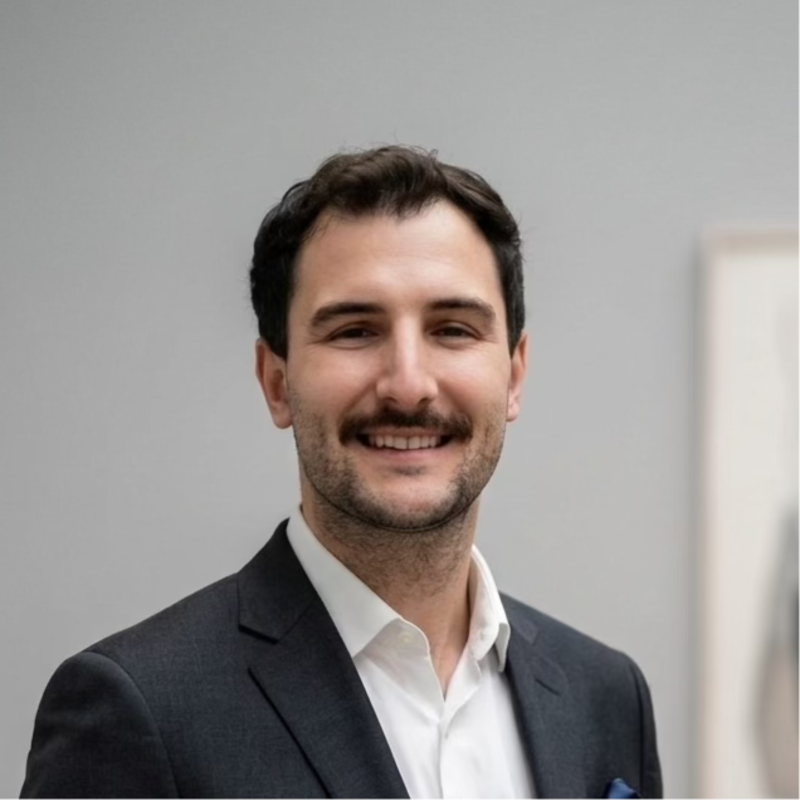
Chris Boudreaux
Chris Boudreaux is a fintech professional and co-founder associated with Cherry (withcherry.com), a San Francisco-based healthcare financing platform trusted by over 60,000 medical providers across the United States. Cherry enables patients to access flexible, interest-free payment plans for elective medical procedures - dental, plastic surgery, medspas, and veterinary care - while giving providers same-day upfront payment. Based in Chattanooga, Tennessee, Boudreaux operates at the intersection of financial technology and healthcare access, helping expand Cherry's reach across the healthcare provider ecosystem.
Felix Steinmeyer
Felix Steinmeyer is the CEO and Co-Founder of Cherry, the leading buy-now-pay-later platform built specifically for healthcare and wellness providers. A Stanford MBA with dual master's degrees, he previously co-founded and sold Mason Finance before turning his attention to the underserved gap between patients who need care and their ability to pay for it. Under his leadership, Cherry has grown to serve 60,000+ providers, raised a Series B of $44M in 2022, and in April 2025 achieved a valuation exceeding $2 billion with a Series C round - making it one of the most significant vertical BNPL players in healthcare.
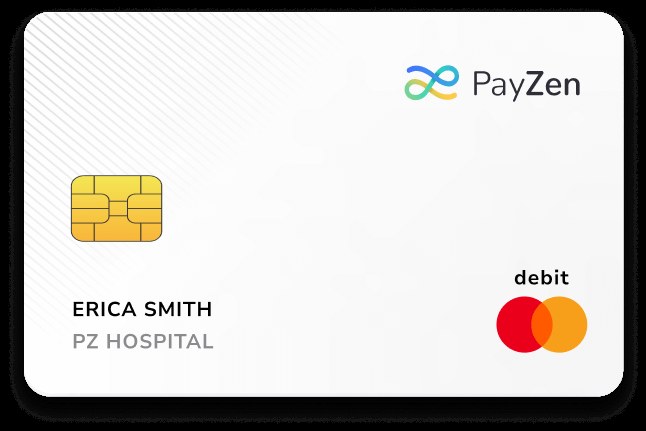
PayZen
PayZen is a San Francisco-based healthcare fintech that gives patients interest-free, fee-free payment plans for their medical bills while paying providers up front. Founded in 2019 by Itzik Cohen, Tobias Mezger, and Ariel Rosenthal, the company uses AI-driven underwriting to embed personalized financing inside the revenue cycle of hospitals and health systems.
Alex Rampell
Alastair 'Alex' Rampell is a General Partner at Andreessen Horowitz (a16z), where he leads the firm's $1 billion Apps practice with a focus on fintech, payments, and B2B/B2C software. A serial entrepreneur who started selling shareware at age 10, Alex co-founded seven startups before joining a16z in 2015, including TrialPay (acquired by Visa for $116M), FraudEliminator (acquired by McAfee for $75M), Affirm (NASDAQ:AFRM co-founded with Max Levchin), and TXN (acquired by Envestnet). His rare combination of operator experience, deep financial services expertise, and fluency in Russian and Japanese makes him one of the most distinctive investors in Silicon Valley.
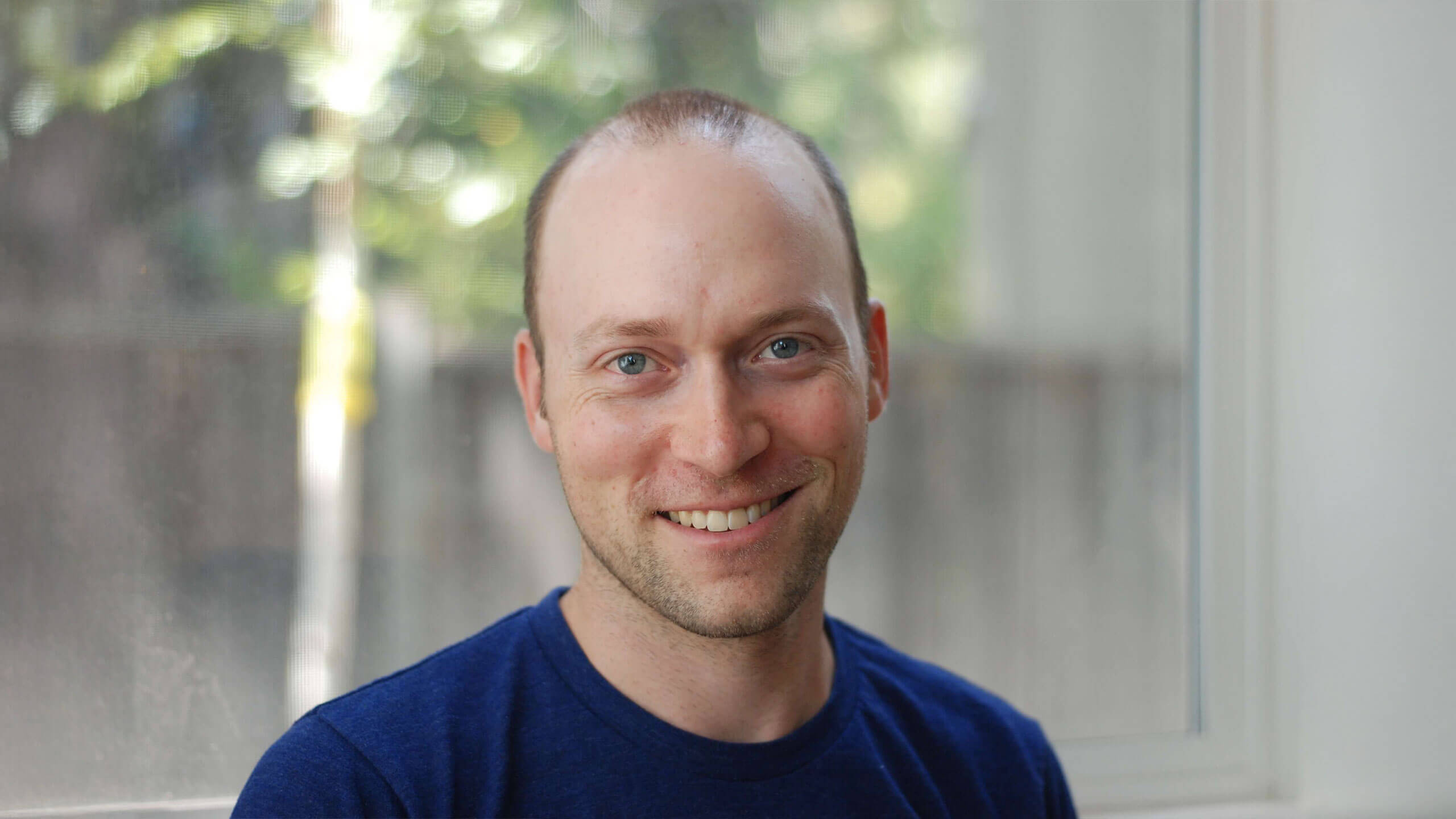
Alex Rampell
Alex Rampell is a General Partner at Andreessen Horowitz (a16z), where he leads the firm's $1 billion Apps practice investing in fintech, payments, e-commerce, and enterprise software. A serial entrepreneur who started selling shareware at age 10 (and got banned by AOL), he co-founded TrialPay (acquired by Visa in 2015), co-founded Affirm with Max Levchin (now NASDAQ: AFRM), coined the term 'O2O' (Online-to-Offline), and has backed companies including Mercury, Earnin, Descript, and Rocket Companies. He is perhaps best known for the investment framework: 'The battle between every startup and incumbent comes down to whether the startup gets distribution before the incumbent gets innovation.'
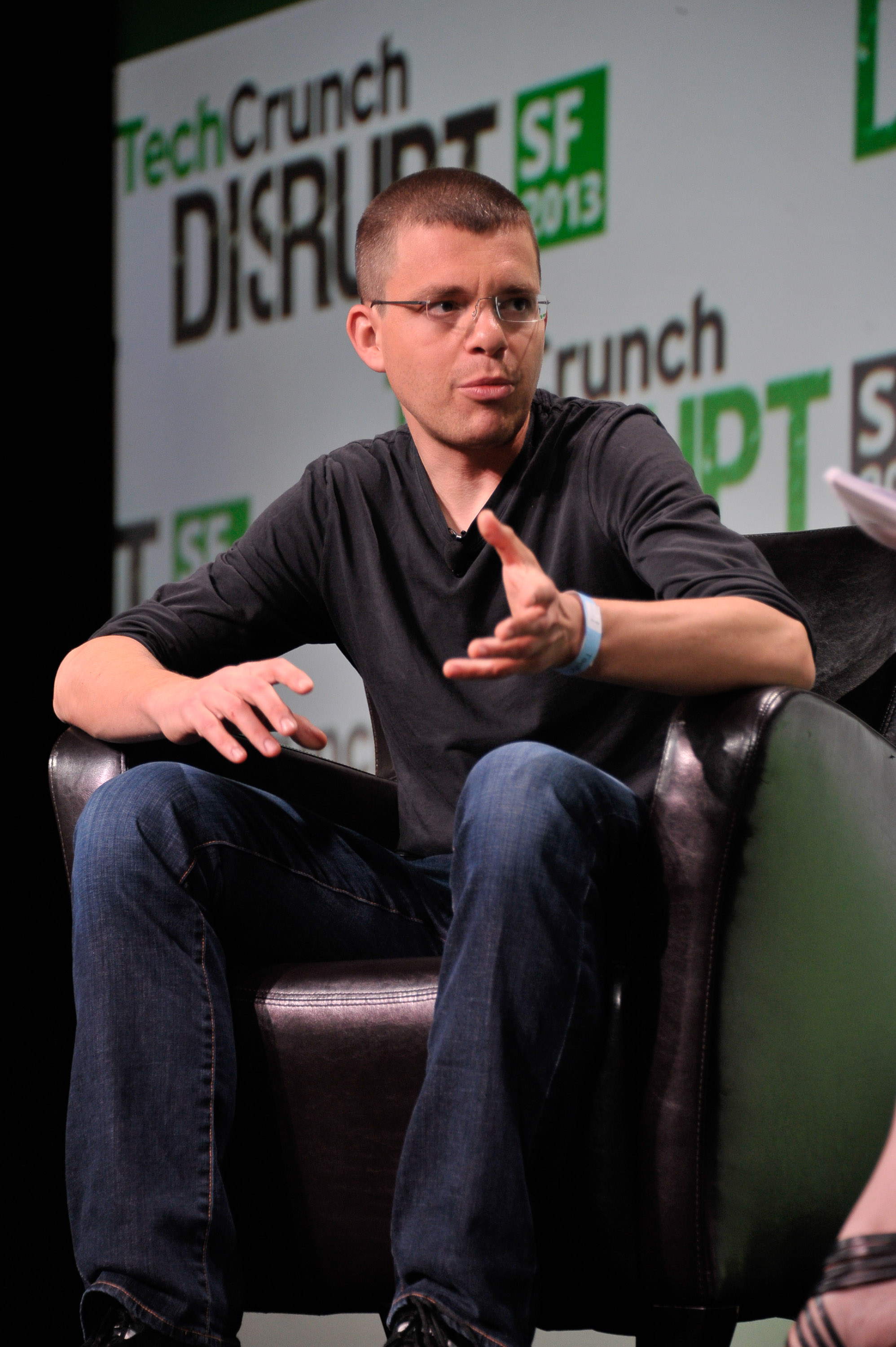
Max Levchin
Max Levchin is a Ukrainian-American tech entrepreneur and co-founder of PayPal, where he served as CTO and helped build one of the world's first large-scale digital payment systems. He later founded Slide (acquired by Google for $182M), Glow (women's health app, 25M users), and most prominently Affirm - the publicly traded buy-now-pay-later leader with $3.22B in FY2025 revenue. Levchin is also a cryptography advocate (creator of the Levchin Prize), early Yelp investor and chairman, and co-founder of SciFi VC with his wife Nellie.
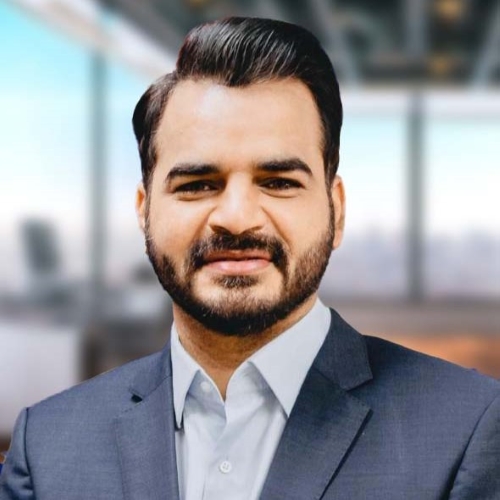
Asif Jafri
Asif Jafri is the Founder and CEO of Kistpay, a Shariah-compliant smartphone and laptop financing platform bridging the digital divide across Pakistan, Bangladesh, Mexico, Thailand, Africa, and the UAE. With 27+ years of combined corporate and entrepreneurial experience spanning banking, telecoms, and consumer goods, he has built Kistpay into a globally recognized venture - winning the IsDB Pitch Competition 2024, earning GSMA Top 10 finalist status, and speaking alongside world leaders at the World Bank Global Digital Summit. His mission: connect the next billion people to the internet through affordable device financing, with a particular focus on women's economic empowerment.