education-technology
(224)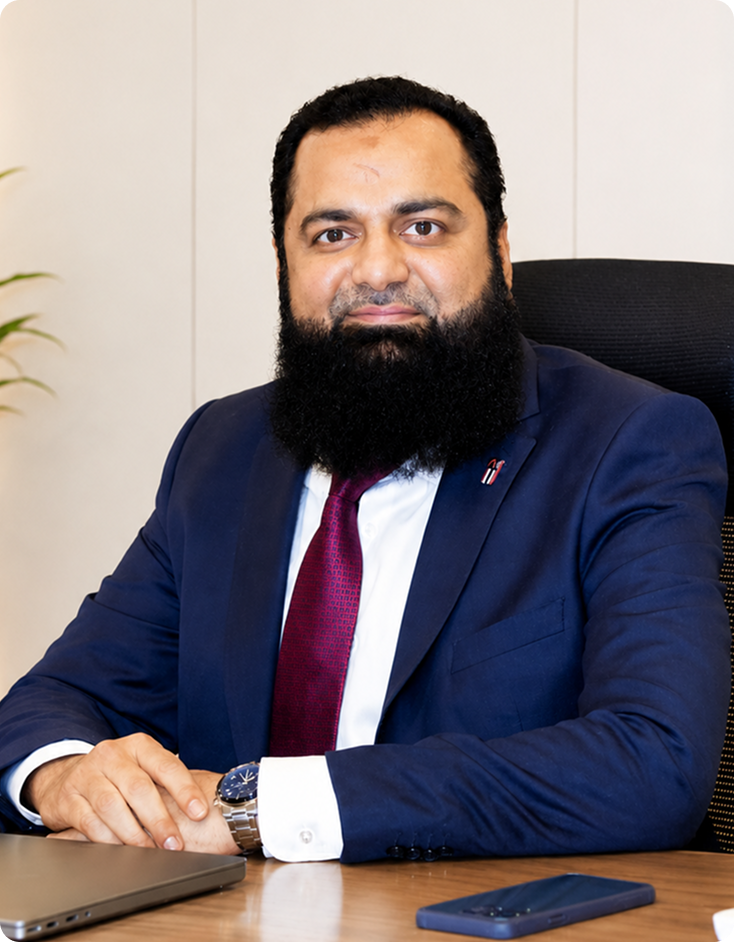
Muhammad Irfan Zafar and the case for playing with numbers
The ArhamSoft founder built software for clients abroad and a math game for students at home. His career kept returning to a practical question: how do you give people a chance to use what they know?

Charlie Kratsch went back to school. The homework lasted three decades.
After selling his previous business, Charlie Kratsch returned to his old school district to find a useful problem. The founder of Infinite Campus is still working on what he found: how to make a school day fit the student.

Robert Maginn and the unfinished business of education
He co-founded Jenzabar in 1998 and returned as CEO in 2024. Between those dates lies a career in consulting, classrooms, investing and politics - with a complicated lesson in ownership.

Ling Chai’s unfinished education
She left China as a wanted student leader and returned to the classroom in America. The experience helped her build Jenzabar - and kept education at the center of a life spent arguing over freedom.
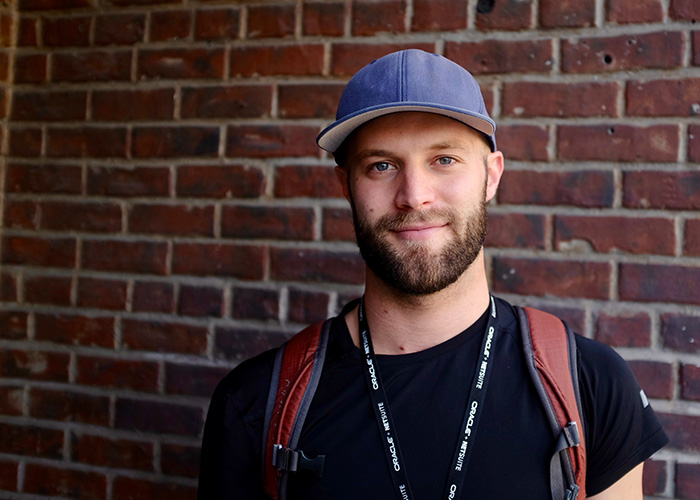
Aza Steel and the things that happen when you let people build
A Chrome extension brought schools to his door. After co-founding GoGuardian, Aza Steel turned to student grants and a Kauai experiment in making things together.

Nir Erez and the value of a missing bus
A marathon conversation led Nir Erez into the untidy world of public transport. The company he helped build found its way across the globe by asking passengers to help draw the map.

Arnold Fu and the school that began as a conversation
Cairui (Arnold) Fu spent five years keeping a free learning forum alive before turning it into a business. The story of Hujiang follows a stubborn question: how far can a good lesson travel?
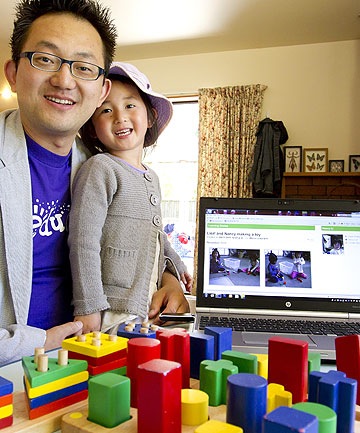
Nathan Li and the trouble with waiting two months
When his daughter started childcare, Nathan Li was offered a scrapbook every couple of months. His question about the days in between became Educa, a way for families and teachers to share a child’s learning.

Ali Altaf’s next problem is hiding between the tools
After building Paklogics, Ali Altaf is turning his attention to the work software leaves behind: connecting sales tools, marking handwritten answers, and finding the people who can make a product matter.

Yasser Bashir and the useful art of being wrong.
A rough BlackBerry release helped teach Arbisoft’s co-founder what a good technology partnership could be. Nearly two decades later, Yasser Bashir is still asking what engineers should learn next.
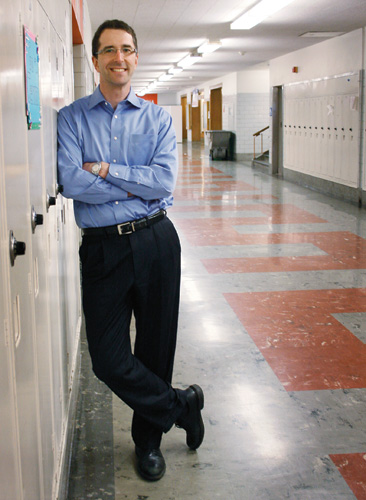
Kevin Stone and the work between the breakthroughs
After co-founding BeVocal, Kevin Stone brought his engineering background and school-board experience to EdCaliber. His career offers a close look at the unglamorous work of making software useful.
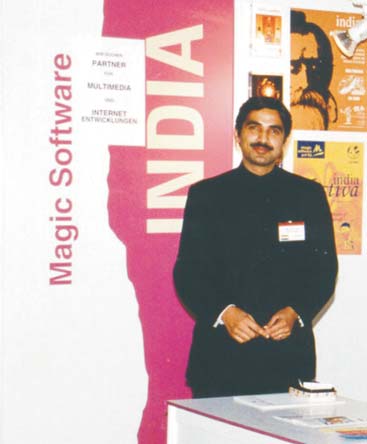
Vimalendu Verma and the patience behind Magic
Vimalendu Verma founded Magic Software in 1990. His story runs from multimedia discs and international publishing work to a mobile education venture and a partnership built to take the company further.

Matt McInnis and the expensive art of learning by doing
A Blue Jays ticket experiment helped him get into IBM. A classroom problem helped him leave Microsoft. The Typist founder keeps finding reasons to build something.
Educa puts the story back in learning.
A father wanted more than a scrapbook every few months. His question became software that connects the small moments of childhood to the adults who can help them matter.
StrongMind wants to fix the work before the lesson.
The K-12 curriculum maker is opening its course-building machinery to educators. A school contract in Omaha shows why the machinery matters.

EON Reality’s Italian test: make learning real
EON Reality wants teachers and trainers to turn knowledge into experiences. Its Italian story shows why the software is only half the lesson.
Netoyed makes the handoff work
A missed handoff can turn a small IT problem into an expensive night. Netoyed builds the teams, systems, and interfaces meant to keep that from happening.

School is more than a screen.
Learning Network bundles online lessons with the people and processes that keep school moving. Its most revealing product may be everything that happens before and after a student logs in.

Dan Avida and the problem with an empty classroom
He helped turn copiers into printers, built Decru to protect stored data, and backed solar technology. Then Dan Avida watched his daughters take classes online and found another problem worth building a company around.

Danny King and the grade that nearly closed the door
Durham almost turned him away. Now the Accredible co-founder is building better ways for people to show what they know - and asking what happens after the certificate arrives.

Berj Akian and the art of getting out of the way
A local school's technology problem drew Berj Akian out of finance. Nearly three decades after founding ClassLink, he is still working on access - and still going back to school himself.
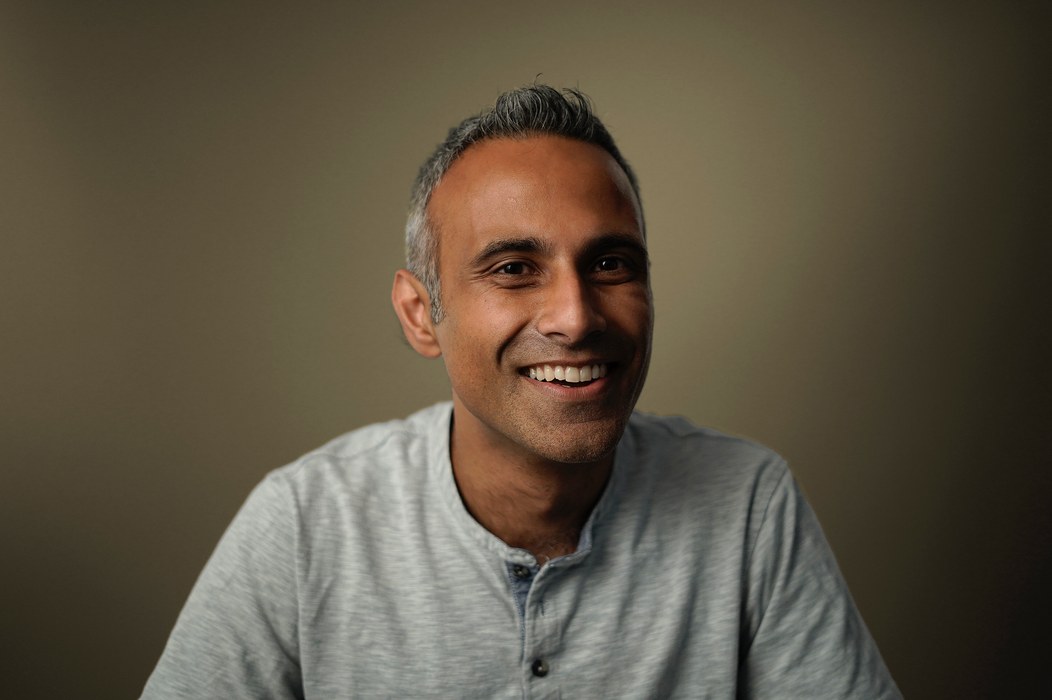
Sidharth Kakkar and the trouble with being indispensable
After building Freckle, Sidharth Kakkar set out to give people back their time - at Subscript, that meant rethinking finance software and the boss’s calendar. With Woodrow, he is testing how much of the work AI can take on.

Eric Goldreyer keeps finding a better way to get away
From a camp waterslide to classroom portfolios and vacation rentals, Eric Goldreyer has built a career around what people do together. His latest chapter, Savvy, brings him back to a familiar question: how do you help travelers find a place to stay?

Daniel Cowen and the case for drawing outside the page
A corporate lawyer took a detour through social apps and helped turn a 3D printing pen into a business. Daniel Cowen’s next challenge was giving that invention a place in everyday life.

Ben Ye and the Trouble with the First Song
Ben Ye built software companies and backed startups before learning piano beside his son. The difficulty of those lessons sent him into a new business: helping beginners enjoy the music before they give up.

The Philosopher and the Mispronounced Name
When a graduation announcer stumbled over his sister’s name, Praveen Shanbhag began working on a fix. The Namecoach founder has spent the years since turning a familiar awkward moment into a problem software can help solve.

Daniel Haiem and the $140 Question
A school calculator sent Daniel Haiem looking for a cheaper answer. ClassCalc taught the AppMakers USA founder how much software depends on the people willing to trust it.

Philip Moyer and the last mile to the classroom
Before Microsoft, Google and Vimeo, Philip Moyer wrote school software at night and sold it by day. Now leading McGraw Hill, he is returning to an old ambition: a learning path for every student.

Ronald Fortune and the Trouble With Clever Machines
In 1991, Ronald Fortune was telling Congress about portable computers and AI tutors. The future Education.com co-founder kept returning to a more practical question: how would any of it help children learn?

Mike Olsen and the problem of trust
He built Proctorio to make remote exams easier to take. The business that began with pallet desks became a public test of how technology earns trust.