san-jose
(136)
DBH’s $3,000 lesson in the real world
At San Jose State, Dwight Bentel & Hall Communications puts students in charge of real client campaigns. A Chevrolet brief, a theatre production and a campus sustainability program reveal what that education looks like when it leaves the classroom.

NINICO knows who needs to hear the story
A county briefing, a construction-site tour, a conversation with an editor: NINICO’s work reveals how much public relations happens before the headline.

Sterling Communications invites the critic inside
A water utility’s unhappy customers offer a useful way to understand this technology PR agency: sometimes the most persuasive story is a look behind the scenes.

PRxDigital and the people who never buy your product
A chip-equipment maker with just 25 customers still needed a public reputation. PRxDigital’s work across Silicon Valley shows why the audience that matters is often bigger than the customer list.

Asqot sells the ad. And the machinery behind it.
The advertising agency pairs campaign work with websites, commerce systems, and dedicated client teams. Its most useful lesson is about what happens after somebody clicks.

Ha Design Studio and the case for hot-pink tea
A tea website, a healthcare award, and a deceptively ordinary business card reveal how Thuy Ha’s studio turns a company’s identity into something people can actually use.

Signs Unlimited knows the small print matters
A San Jose sign maker finds the real work in the details: color-matched brackets, replaceable menu prices, and the last few feet between a brand and its building.

Voler Strategic Advisors and the business of being understood
A school district, a jobs program, a water utility: each has something useful to say. This San Jose communications firm builds the bridge between an institution’s good intentions and the people it needs to reach.

Caterman sells lunch. The real order is peace of mind.
From office lunches to wedding buffets, the San Jose caterer sells a practical promise: food shaped around the guests, and someone else watching the clock.

Design in Mind makes brands work outside the logo
From a 14-foot mirrored installation to concert posters volunteers can reuse, the San Jose agency treats branding as a job that continues after approval.

Ilsong Lee’s Second Act Is Making Research Less Mechanical
After decades spent turning complex semiconductor systems into businesses, Cipherome’s CEO is applying the same operational instinct to the messier machinery of clinical and genomic data.

Jon Karafin Wants Light to Stop Behaving Like a Picture
Before he built displays that turn photons into objects, Jon Karafin made a two-ton sculpture run on living yeast. His career is a study in what happens when an artist's appetite for wonder meets an engineer's refusal to hand-wave the physics.

Adarsh Katyal Built VARITE for the Work Between the Work
For 25 years, the VARITE founder has worked in the unglamorous machinery of enterprise talent - matching people, programs and trust across borders. His record offers a useful lesson: durable companies are often built where coordination matters more than applause.

A Customer Was Hacked. Hitesh Sheth Turned the Postmortem Into Vectra AI
A state-backed breach, an unfashionable bet on machine learning, and two years of stubborn experimentation shaped Hitesh Sheth’s approach to cybersecurity: find the signal after attackers get in.

Krishna Khadloya Spent Decades Teaching Cameras to Notice What Matters
Before AI became a boardroom reflex, Krishna Khadloya was building the plumbing beneath it - engineering teams, edge intelligence and systems that turn a camera from a witness into a decision-maker.

Anjali Yadav and the Quiet Machinery Behind a Tech Company
Her public footprint is spare, but the work around it is substantial: people, process and the long operational shift from IT consulting to enterprise AI.

Irfan Khan Wants Enterprise AI to Leave the Demo and Clock In
After three decades in enterprise technology, the CLOUDSUFI co-founder is betting that AI’s useful future will be built from proprietary data, repeatable systems and people who remain firmly in charge.

David Edri Is Teaching Business Software to Put on a Show
After two decades across social networks, ad tech and presentation software, the emaze.ai CEO is betting that the next business message should feel less like a form letter and more like an occasion.

Venky Yerrapotu Built a Map for the Messy World of Compliance
After two decades inside governance software, the 4CRisk founder turned compliance into a connection problem. An $8 million round and a 2026 acquisition by CUBE followed.
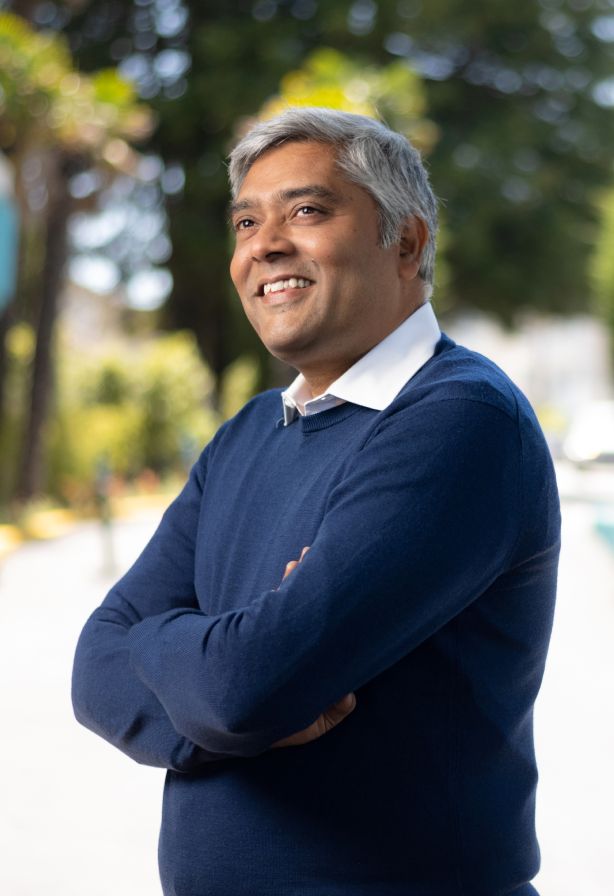
Mihir Shukla Is Rewriting the Office’s Oldest Habit: Busywork
He left a PhD path for the early internet, watched office workers copy data between screens, and spent two decades turning that frustration into Automation Anywhere. Now his bet is larger: AI should change the design of work, not merely add another tool to it.
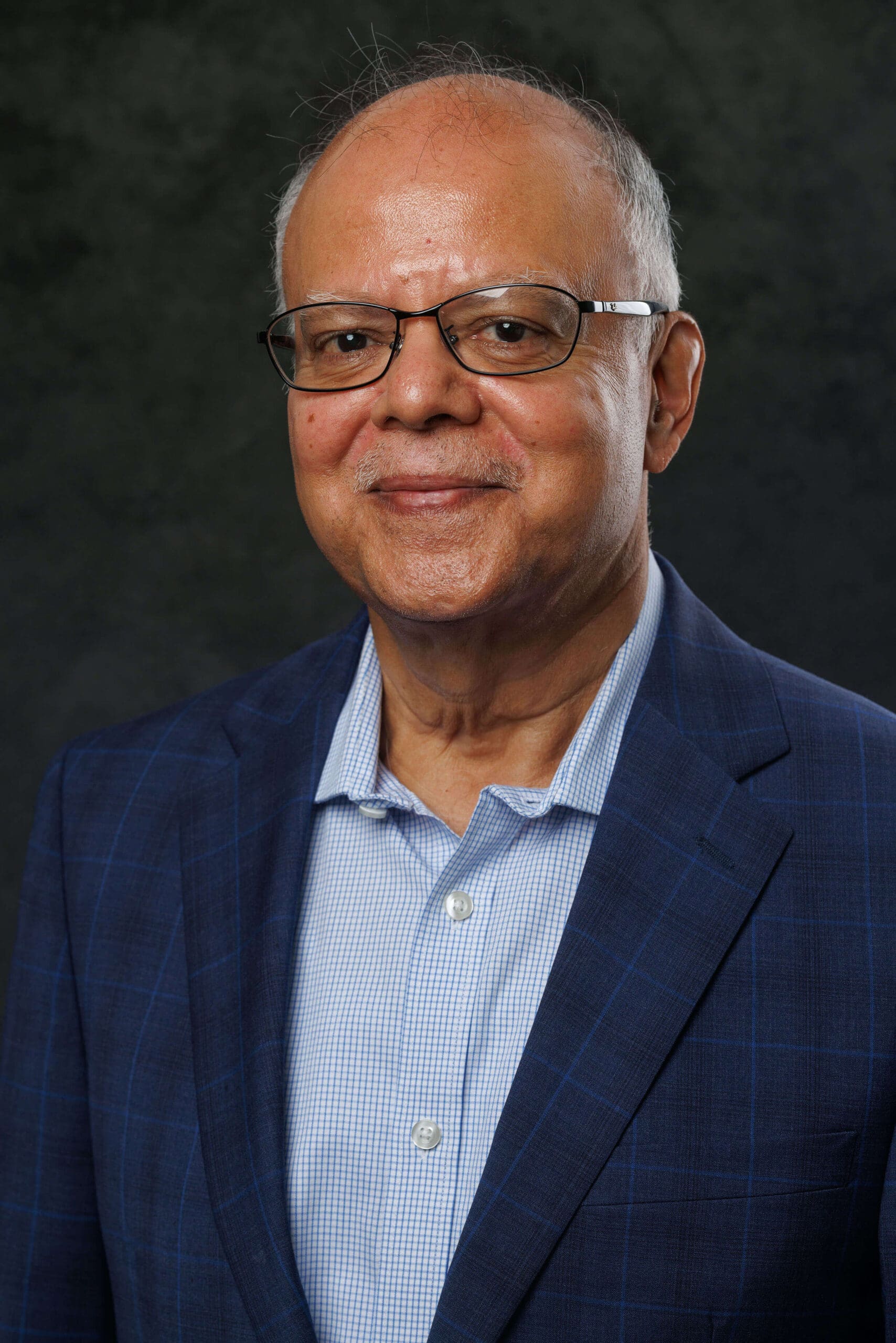
Chirag Bakshi Built a Career on the Signals Hiding in Plain Sight
From telephone switches and Apple printers to mobile identity, the Zumigo founder has spent four decades turning quiet infrastructure into practical trust.
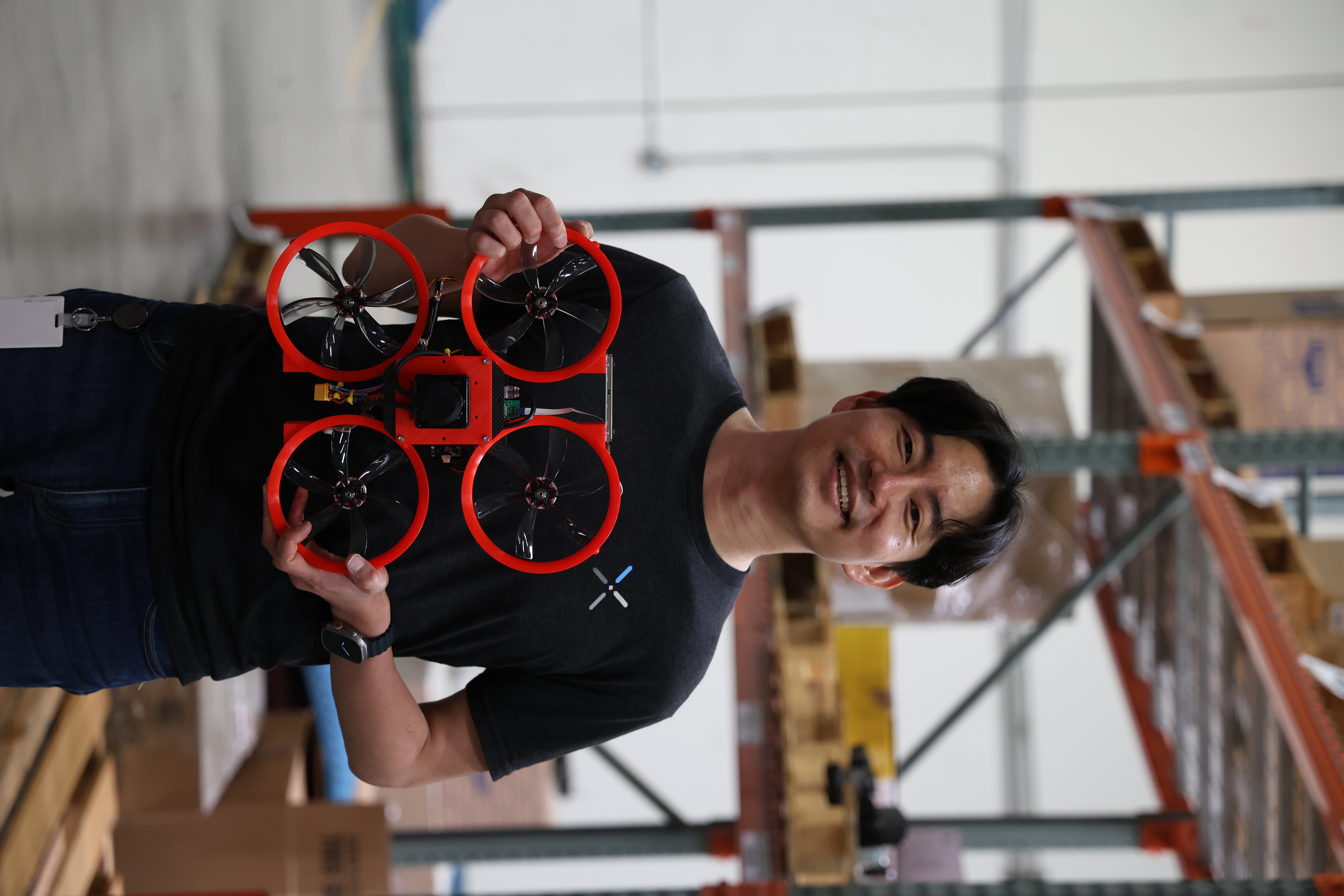
Aiden Kim Built a Drone for the Places GPS Forgot
The B GARAGE founder spent years studying decisions under uncertainty. Then he turned that training toward a stubborn warehouse problem: knowing what is actually on the shelves.

The Blinking Box in Your Closet Is Quietly Becoming a Software Company
NETGEAR has spent 30 years making the box that blinks in your closet. Now it is trying to turn that hardware into recurring revenue - and in 2025, for the first time in five years, the bet moved the numbers.
Western Digital
The 55-year-old hard-drive maker bet its whole future on the spinning platter - right as the AI boom made cheap, bottomless storage the most valuable thing in the data center.

Adobe
The company that turned Photoshop into a verb now wants to own the age of generative creativity - here is how a 1982 printing startup became the operating system of visual work.

Whatfix
The company nobody notices - because if Whatfix is doing its job, you never read the manual. Inside the Bengaluru-and-San Jose startup teaching a billion-dollar software stack to explain itself.

Cisco
The company that quietly wired the internet is now betting its next chapter on securing and connecting the machines that run artificial intelligence.

Sean Burke
Sean Burke is the CEO and co-founder of Enteligent, a Morgan Hill, California clean-energy hardware company building what it calls the world's first solar-powered DC-to-DC EV charger. Before starting Enteligent in 2020, Burke spent more than two decades as an executive at HP, Dell, Flex, Nortek, Katerra and AMD, working on early notebook computers and the first dual-screen Android phone, and leading product teams credited with 260-plus patents. At Enteligent he is trying to strip the wasteful conversion steps out of charging by keeping power in DC form from solar panel to car battery.

Stephanie Majors
Stephanie Majors is a startup operator and self-described multi-time Chief of Staff who turns organizational chaos into working systems. She has served as Executive Business Partner to the CEO at Coactive AI, an AI-driven visual content platform in San Jose, and as Chief of Staff at companies including TIDAL and The Sales Collective. With more than two decades in operations across entertainment, finance, and technology, she is known on LinkedIn for a candid, no-filter take on what the Chief of Staff role actually demands and for championing quiet, results-focused leadership over the loud kind.

Nile
Nile is a San Jose-based Network-as-a-Service (NaaS) company founded in 2018 by former Cisco leaders Pankaj Patel and John Chambers, along with Suresh Katukam and Sri Hosakote. It replaces the traditional buy-and-manage model for enterprise wired and wireless LANs with a cloud-delivered subscription that bundles hardware, software, zero-trust security, AI-driven automation, and performance guarantees. Nile designs, deploys, monitors, and continuously optimizes campus networks so IT teams no longer have to, targeting the roughly $75B enterprises spend each year running networks.