san-jose
(68)
Ilsong Lee’s Second Act Is Making Research Less Mechanical
After decades spent turning complex semiconductor systems into businesses, Cipherome’s CEO is applying the same operational instinct to the messier machinery of clinical and genomic data.
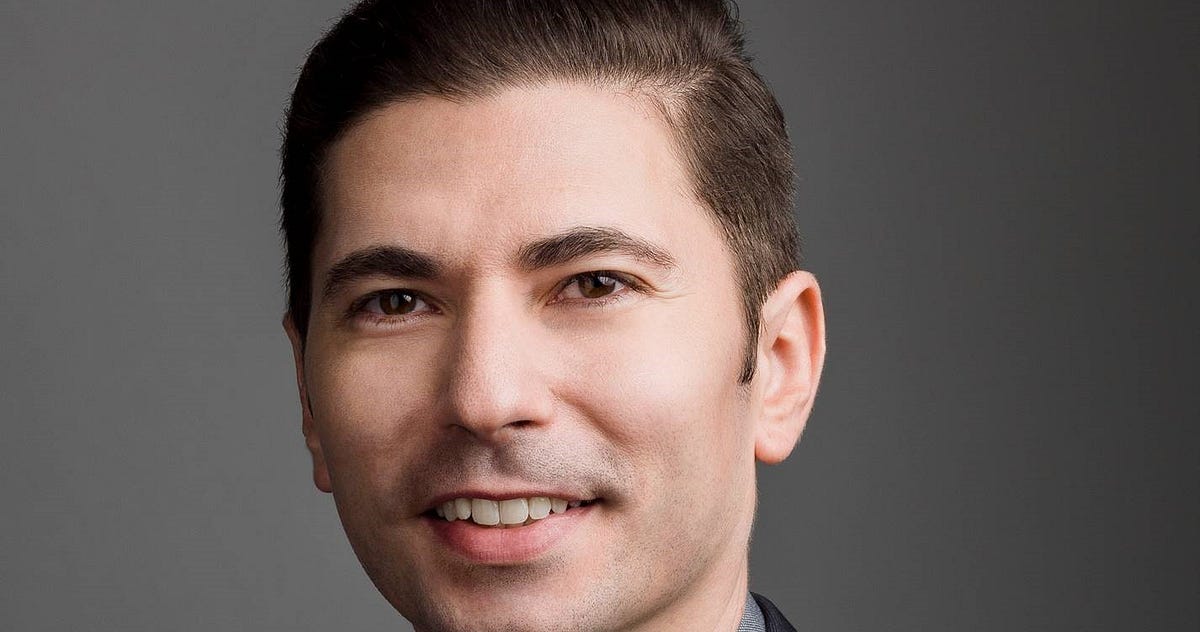
Jon Karafin Wants Light to Stop Behaving Like a Picture
Before he built displays that turn photons into objects, Jon Karafin made a two-ton sculpture run on living yeast. His career is a study in what happens when an artist's appetite for wonder meets an engineer's refusal to hand-wave the physics.
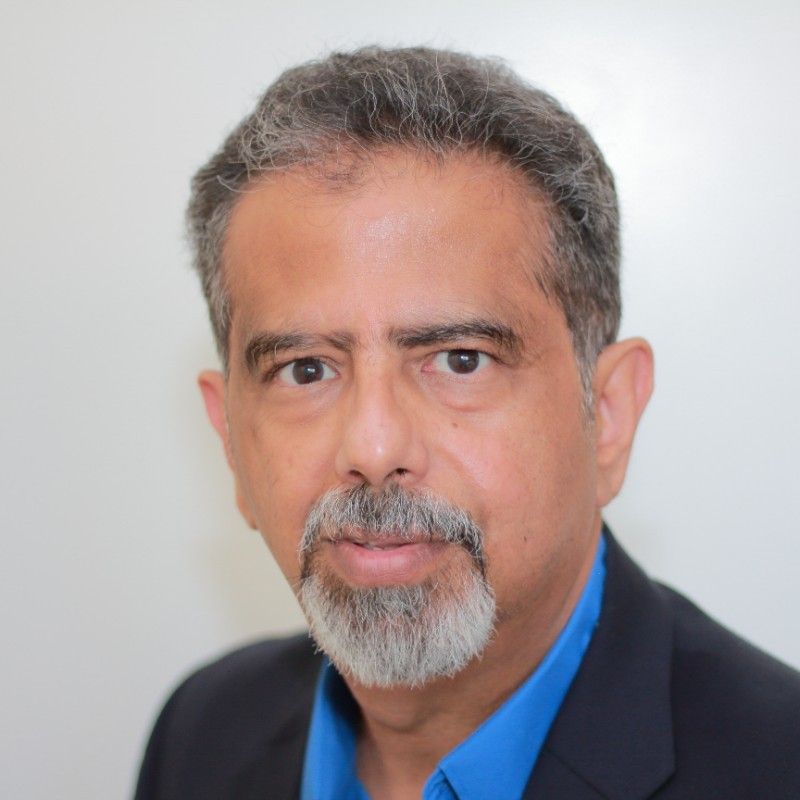
Adarsh Katyal Built VARITE for the Work Between the Work
For 25 years, the VARITE founder has worked in the unglamorous machinery of enterprise talent - matching people, programs and trust across borders. His record offers a useful lesson: durable companies are often built where coordination matters more than applause.
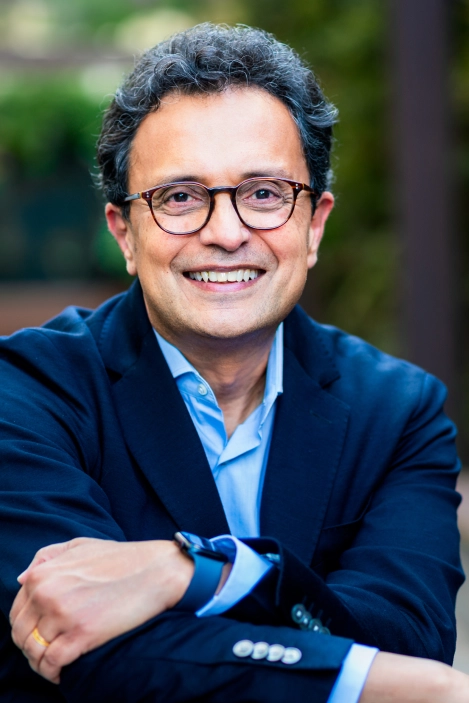
A Customer Was Hacked. Hitesh Sheth Turned the Postmortem Into Vectra AI
A state-backed breach, an unfashionable bet on machine learning, and two years of stubborn experimentation shaped Hitesh Sheth’s approach to cybersecurity: find the signal after attackers get in.
Krishna Khadloya Spent Decades Teaching Cameras to Notice What Matters
Before AI became a boardroom reflex, Krishna Khadloya was building the plumbing beneath it - engineering teams, edge intelligence and systems that turn a camera from a witness into a decision-maker.

Anjali Yadav and the Quiet Machinery Behind a Tech Company
Her public footprint is spare, but the work around it is substantial: people, process and the long operational shift from IT consulting to enterprise AI.
Irfan Khan Wants Enterprise AI to Leave the Demo and Clock In
After three decades in enterprise technology, the CLOUDSUFI co-founder is betting that AI’s useful future will be built from proprietary data, repeatable systems and people who remain firmly in charge.

David Edri Is Teaching Business Software to Put on a Show
After two decades across social networks, ad tech and presentation software, the emaze.ai CEO is betting that the next business message should feel less like a form letter and more like an occasion.

Venky Yerrapotu Built a Map for the Messy World of Compliance
After two decades inside governance software, the 4CRisk founder turned compliance into a connection problem. An $8 million round and a 2026 acquisition by CUBE followed.
Mihir Shukla Is Rewriting the Office’s Oldest Habit: Busywork
He left a PhD path for the early internet, watched office workers copy data between screens, and spent two decades turning that frustration into Automation Anywhere. Now his bet is larger: AI should change the design of work, not merely add another tool to it.
Chirag Bakshi Built a Career on the Signals Hiding in Plain Sight
From telephone switches and Apple printers to mobile identity, the Zumigo founder has spent four decades turning quiet infrastructure into practical trust.
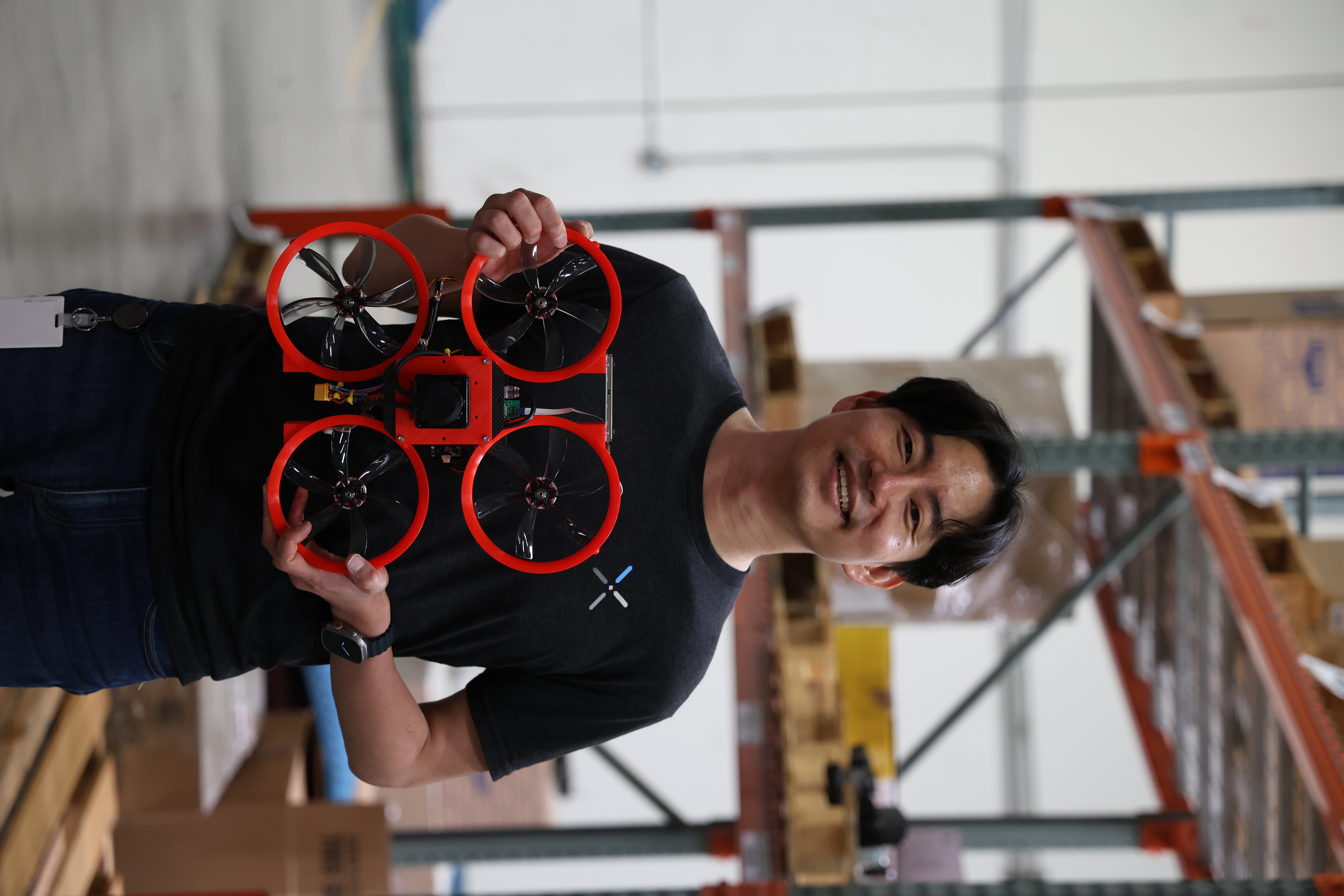
Aiden Kim Built a Drone for the Places GPS Forgot
The B GARAGE founder spent years studying decisions under uncertainty. Then he turned that training toward a stubborn warehouse problem: knowing what is actually on the shelves.
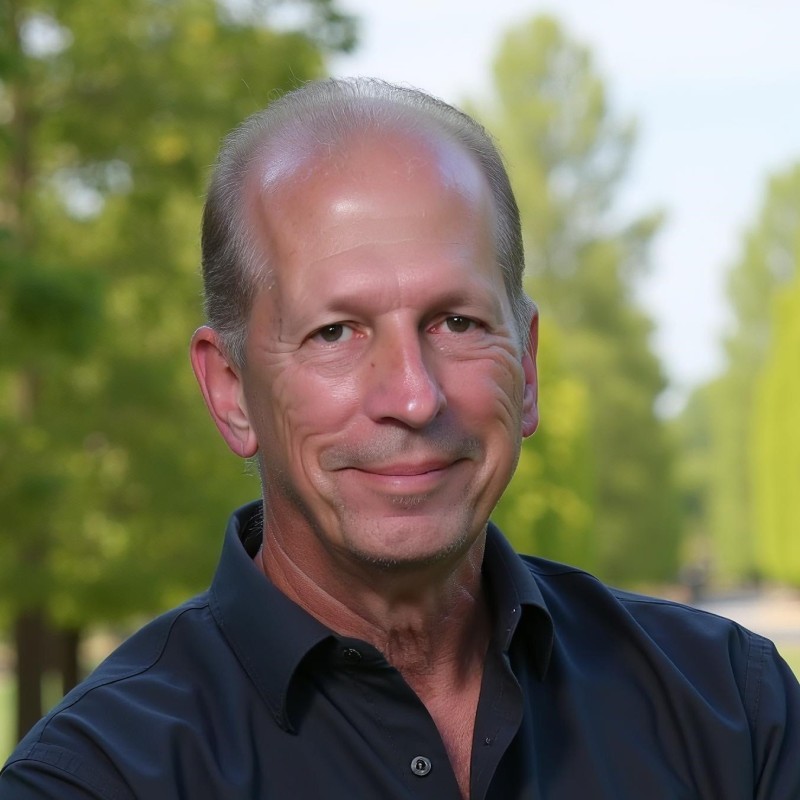
Sean Burke
Sean Burke is the CEO and co-founder of Enteligent, a Morgan Hill, California clean-energy hardware company building what it calls the world's first solar-powered DC-to-DC EV charger. Before starting Enteligent in 2020, Burke spent more than two decades as an executive at HP, Dell, Flex, Nortek, Katerra and AMD, working on early notebook computers and the first dual-screen Android phone, and leading product teams credited with 260-plus patents. At Enteligent he is trying to strip the wasteful conversion steps out of charging by keeping power in DC form from solar panel to car battery.

Stephanie Majors
Stephanie Majors is a startup operator and self-described multi-time Chief of Staff who turns organizational chaos into working systems. She has served as Executive Business Partner to the CEO at Coactive AI, an AI-driven visual content platform in San Jose, and as Chief of Staff at companies including TIDAL and The Sales Collective. With more than two decades in operations across entertainment, finance, and technology, she is known on LinkedIn for a candid, no-filter take on what the Chief of Staff role actually demands and for championing quiet, results-focused leadership over the loud kind.
Vishal Shukla
Vishal Shukla is the co-founder and CEO of Aviz Networks, a San Jose-based company building an AI-first, vendor-agnostic networking platform on top of the open-source SONiC operating system. A networking veteran with more than 20 years of experience, he previously held leadership roles at Cisco, IBM, Mellanox (NVIDIA), and Nortel. He holds 25-plus granted patents, has authored books on SDN, OpenFlow and OpenStack, and wrote 'Deciding the Future: Building New Networks for the AI Era.' Under his leadership Aviz raised a $17M Series A in November 2024 (roughly $31M total), backed by investors including Cisco Investments and Qualcomm Ventures.
Yang Cai
Yang Cai is the co-founder, chairman, president and CEO of VisualOn, a San Jose video technology company he started in 2003. A computer scientist with a Ph.D. from the University of Texas at Austin, Cai built his career in digital media engineering, including work on one of the industry's first real-time software MPEG-2 encoders. At VisualOn he has guided the company from cross-platform media player SDKs into AI-driven video compression, notably the Optimizer content-adaptive encoding engine that cuts streaming bitrates by 40 to 50 percent while lowering energy use.
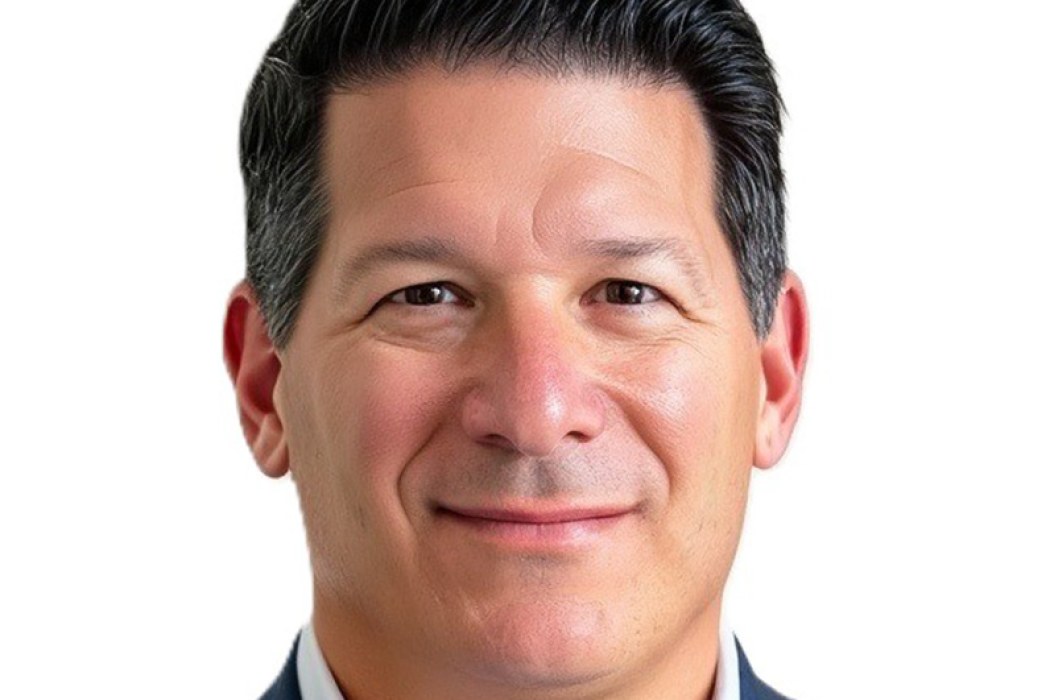
Howard Rosen
Howard Rosen is the CEO and co-founder of Evident Vascular, a San Jose medtech startup building an AI-powered intravascular ultrasound (IVUS) platform for peripheral and coronary interventions. A 30-year cardiovascular device veteran, he spent 21 years at Boston Scientific before helping guide Intact Vascular and its spinout Vesper Medical through acquisitions by Philips. He launched Evident out of stealth in 2023 with a $35 million Series A led by Vensana Capital and closed a Series B in 2025. He is known for a disciplined 'go slow to go fast' company-building philosophy.
Casey Bell
Casey Bell is the co-founder and CEO of Aecore, a technology-enabled commercial general contractor based in San Jose, California. A UC Berkeley graduate and former Turner Construction project manager, Bell took a payments startup called Net30 through Y Combinator's Summer 2017 batch, then pivoted the whole thing into a construction company built with software at its core. Aecore delivers office fit-outs, life sciences facilities, R&D centers, and retail buildouts while running its own proprietary tools for scheduling, photo documentation, and rapid pricing.
Mohammad Musa
Mohammad Musa is the founder and CEO of Deepen AI, a San Jose company building the data engine for Physical AI - tools and managed services that handle collection, calibration, annotation, validation, and synthetic data for autonomous vehicles and robotics. A Santa Clara University-trained computer engineer who once ran launch readiness for Google Apps, Musa co-founded Deepen in 2017 and has spent nearly a decade arguing that machines, like people, need many senses working together to move safely through the world. He also teaches product management at his alma mater.
Terry Lee
Terry Lee is a Bay Area technology executive who serves as CEO at Cube (cubehq.ai), an AI-powered digital marketing platform that helps businesses run and optimize campaigns across search, social, email, and web from one dashboard. A UC Berkeley graduate based in San Jose, California, he has spent his career across media and marketing ventures including Storyblender, Shin & Lee Corp., and Lachesis Media & News Co. before stepping into the marketing-AI space.
Bing Li
Bing Li is the CEO and co-founder of Intalight, an ophthalmic imaging company behind the DREAM OCT swept-source platform. Founded in 2014 by a group of scientists and Silicon Valley industry veterans, Intalight built one of the first swept-source OCT devices in 2019 and has since powered more than 170 peer-reviewed retinal-imaging studies. Trained as an engineer and applied mathematician, Li moved from the auto and semiconductor industries into eye care, betting that faster, deeper, wider retinal scans would change how clinicians see inside the eye. In May 2025 the company won CE Mark clearance to sell DREAM OCT across the European Union, with FDA review pending in the United States.
Vijay Sikka
Vijay Sikka is the founder, chairman and CEO of Sikka.ai (Sikka Software Corporation), a San Jose company that runs a single AI-API cloud platform for the roughly $1 trillion retail healthcare market. He started building AI systems as a college student in the mid-1980s and has spent more than 25 years on large-scale decision systems at Intel, NIH, GlaxoSmithKline, Roche and UCSF affiliates. After founding and exiting two earlier companies, IBrain Software and Bodha.com, he grew Sikka into a platform reaching tens of thousands of practices and over 120 million patients, and was named AI-Driven Healthcare Solutions CEO of the Year for 2024.
Lisa Lahde
Lisa Lahde is Vice President of Marketing at NVIDIA, where she leads campaign marketing for priority industries and the Omniverse platform. A veteran tech marketer with roots in social media and community management, she joined NVIDIA around 2016 and has helped shape the company's storytelling around AI, autonomous systems, and the industrial metaverse. She produced NVIDIA's 'I Am AI' docuseries, contributed to Forbes BrandVoice as an AI innovator profiler, and moderated the OpenUSD session at GTC 2024 in San Jose. Outside the GPU giant's orbit, she runs the persona of @JewelryHunter - a longtime indie fashion enthusiast who blogged about emerging jewelry designers.

Patrick Brown
Patrick Brown is SVP of Global Marketing at Adobe, leading growth, analytics, media, and marketing engineering across the company's global B2B and B2C operations. He oversees Adobe's Digital Economy Index — a research engine that tracks a trillion e-commerce transactions across 100 million SKUs — and has emerged as one of the most data-forward voices in enterprise marketing. Based in San Jose, California, Brown combines an MBA from Carnegie Mellon's Tepper School of Business with deep experience in technology, finance, and consumer goods sectors.
Alvin Nicolas
Alvin Nicolas is a technology professional at Webex, Cisco's enterprise collaboration platform headquartered in San Jose, California. With a career spanning telecommunications giants including MCI WorldCom, Microsoft, and Yipes Enterprise Services, Nicolas brings deep networking expertise to one of the world's leading collaboration and video conferencing platforms. He is associated with the AI Titans initiative at Webex, reflecting the company's aggressive push into AI-powered communications and collaboration tools.
Bill Lin
Bill Lin is the Deputy CEO and Board Member of One Mobility GmbH, the automotive arm of Foxconn Interconnect Technology (FIT), headquartered in Reutlingen, Germany. With a career spanning supply chain management, management consulting, and EV business leadership at Foxconn, Lin bridges Taiwan's electronics manufacturing powerhouse with Germany's century-old automotive precision engineering heritage. He also serves as Chief Integration Officer at FIT, steering the integration of One Mobility's 11,000-person global workforce across 40+ locations in 17 countries following the 2024 acquisition of Auto-Kabel Group.
Brook Mayer
Brook Mayer is a senior technology executive at OpenTable, the global restaurant reservation and discovery platform owned by Booking Holdings. With over 25 years of experience spanning engineering, product, and executive leadership roles - including stints as CTO, CPO, Chief Architect, and VP of Engineering - Mayer brings a deep technical foundation to the hospitality technology space. Based in San Jose, California, Mayer has been associated with OpenTable's leadership during a period when the company manages millions of diners and tens of thousands of restaurant partners worldwide. The Facebook and Twitter accounts linked to Mayer's profile point to Foodspotting, the restaurant dish-discovery app acquired by OpenTable in 2013 for approximately $10 million, suggesting an involvement with that product's leadership and integration.
Keith Southard
Keith Southard runs Allied Telesis, the San Jose-headquartered networking company building switches, routers and software-defined infrastructure used everywhere from US military bases overseas to smart-city deployments. He took over as CEO of Allied Telesis Capital Corporation in 2008 and has stayed at the controls ever since, quietly steering a 1,900-person company through the awkward transition from hardware vendor to network-automation outfit.
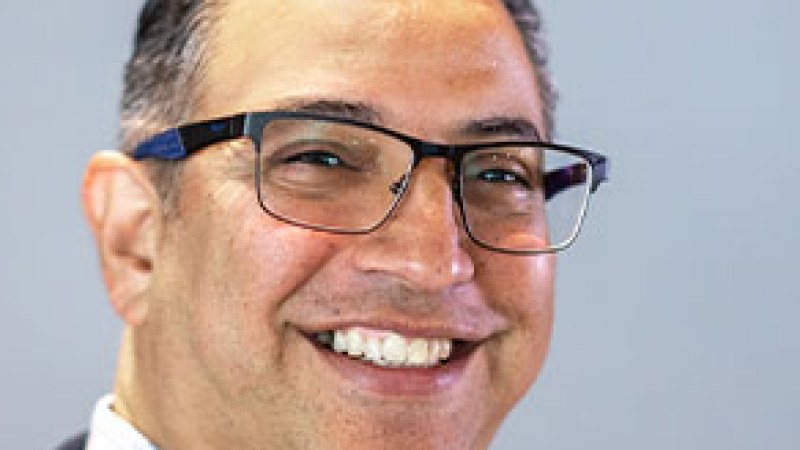
Paul Gutierrez
Paul Gutierrez is President and Chief Executive Officer of California Drywall Co., the San Jose-based specialty contractor that ranks among the largest wall-and-ceiling firms in the United States. In August 2023, he led the company's transition from third-generation family ownership to a 100% employee stock ownership plan, a structural rewrite of a 77-year-old business with roughly 700 employees.
Philipp Skogstad
Philipp Skogstad runs Mercedes-Benz Research & Development North America - the Sunnyvale-to-San-Jose corridor of the company that invented the car. A Stanford-trained engineer who once managed open innovation programs at SAP, he now oversees an 830-person R&D operation that ships Drive Pilot (the only SAE-certified Level 3 system on US roads), the MBUX infotainment stack, and Mercedes' ChatGPT-in-the-dashboard experiment.