edge-ai
(143)
The Dashcam That Wants to Give a City Eyes
NAYAN’s cameras ride buses, police vehicles and commercial fleets, turning ordinary journeys into a live index of potholes, violations and risky driving. The clever part is not the lens - it is the workflow that turns street footage into evidence someone can act on.

Qualcomm gets paid for the chip. And the idea inside it.
The company behind Snapdragon built a business selling silicon and licensing wireless inventions. Its next test is carrying the economics of the smartphone into cars, PCs and industrial AI.
Hanwha Vision Europe wants your cameras to earn their keep
A warehouse conveyor, an airport checkout and a Finnish substation explain Hanwha Vision Europe’s bet: cameras become more useful when they help people act on what they see.

Gorilla Technology’s Next AI Act Comes With a Bigger Bill
Gorilla made its name teaching cameras to spot trouble. Its next act is financing and deploying AI compute across Asia - a bigger business with a much bigger bill.
The AI That Watches the Moment - Not the Person
Intent HQ sells large companies a sharper sense of when customers are ready to act. Its wager is that relevance can improve without turning privacy into collateral damage.

Iri Trashanski Has Spent His Career Moving Intelligence Closer to the Action
From flash memory to physical AI, the Ceva strategist has built a career around one question: where should intelligence live when the world cannot afford to wait? His other laboratory is a water polo pool, where every decision happens in motion.

Perrine Didrich Markets the Software You Never See - Until It Matters
From mobile security in Paris to physical AI at the intelligent edge, Perrine Didrich has spent more than two decades turning invisible infrastructure into a story customers can act on.

The Software Company You Notice Only When Everything Goes Wrong
Wind River put an operating system on Mars, watched it stumble, and helped patch it from Earth. Four decades later, its business still rests on the same promise: make complicated machines behave when the deadline is literal.

John Heinlein Learned to Market the Machine
A Stanford-trained computer architect became a marketer without abandoning the engineer in him. At Sonatus, John Heinlein now makes the case that a car should improve long after it leaves the factory.
CEVA Sells the Part of the Chip You Never See - and Gets Paid Again Every Time It Ships
CEVA is the rare semiconductor company that does not need to manufacture a chip to collect from billions of them. Its bet is simple: as intelligence moves out of the cloud, the best tollbooth may be a small, power-efficient block of reusable silicon IP.

Lokwon Kim Is Teaching AI to Live on Five Watts
After helping design processors at Apple, Cisco and IBM, the DEEPX founder returned to South Korea with a stubborn idea: intelligence should live inside ordinary machines, without demanding a data center-sized appetite.

Eric Danziger Is Teaching Factories to See Before Robots Learn to Act
After the Army, Carnegie Mellon and a front-row seat to self-driving hype, the Invisible AI co-founder chose a harder, quieter mission: give factory floors a memory.

Hoon Paek Is Teaching Old Machines New Tricks
The EdgeCross CEO has spent three decades moving intelligence closer to the physical world. His latest wager is practical: the next useful AI interface may be attached to a pump, compressor or aging factory machine.

Mihai Raneti Kept a Spreadsheet of 1,213 Noes. Then He Built Toward a Brain on a Chip.
The CyberSwarm founder turned failed ventures, 16,000 emails and an unfashionable bet on analog hardware into a patient campaign to make AI learn locally, with less energy and no cloud required.

Evan Petridis Is Teaching AI to Respect the Hardware
After a career spent making networks, sensors and embedded systems behave outside the lab, the ModelCat CEO is betting that AI’s next useful trick is learning the limits of the machine beneath it.

Chooch Taught Cameras to Count - Now It Wants to Run the Hospital Supply Room
The decade-old vision-AI company has traded a sprawling menu of use cases for a sharper bet: hospital shelves that count themselves. The prize is fewer stockouts and less waste; the catch is that cameras, integrations and local reality still have to cooperate.

Bhushan Muthiyan Left Silicon Valley to Fix the Unfashionable Part of AI
The Automaton AI founder is betting that India’s AI advantage will be won in the plumbing: cleaner data, disciplined deployment and systems that work where enterprises actually keep their information.
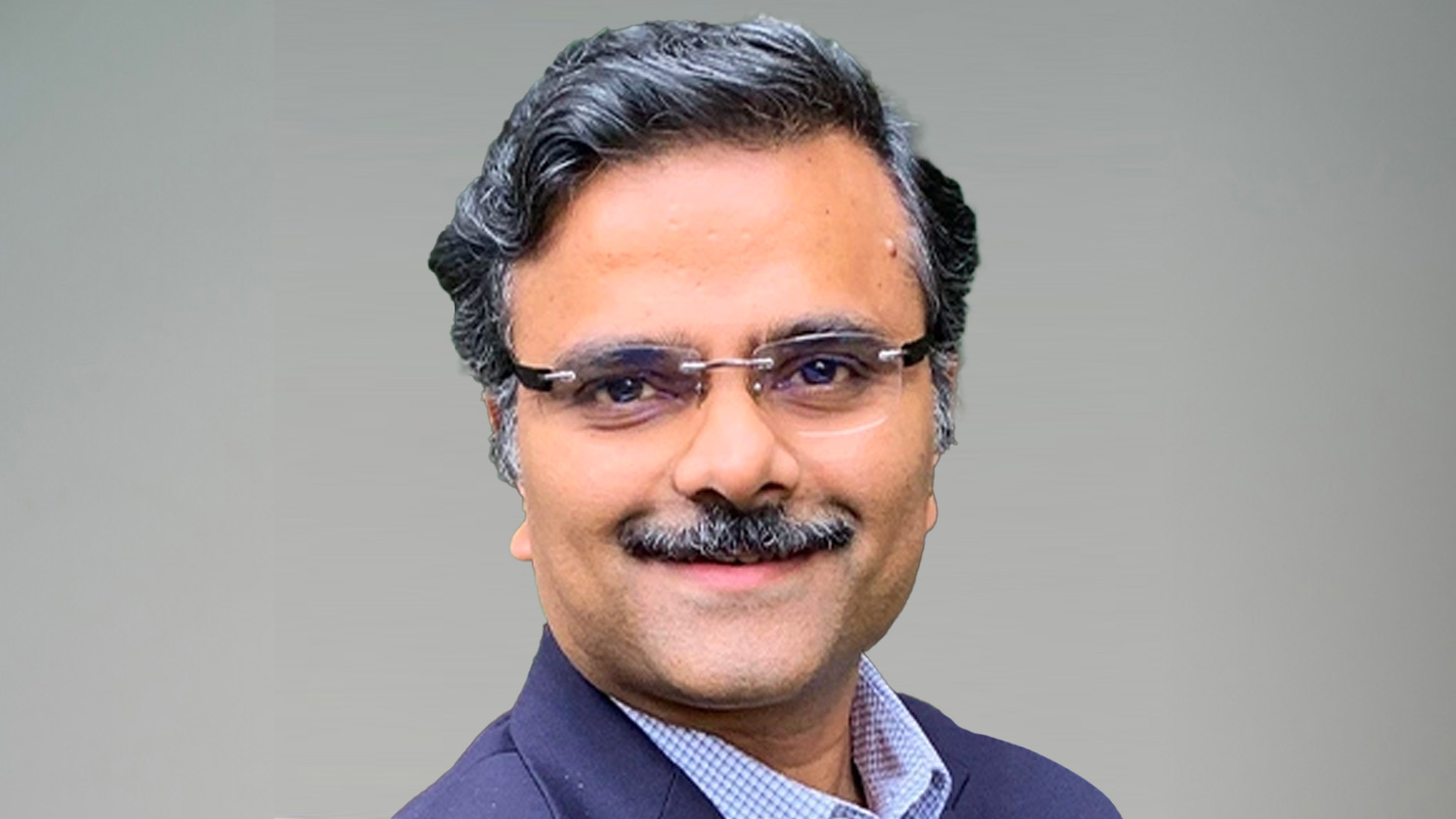
Anubhav Saxena Is Teaching AI to Look Up From the Chatbox
After two decades spent automating work, the Chooch CEO is betting that AI's next useful trick is not better conversation. It is sight - deployed where shelves empty, machines fail and cameras never blink.
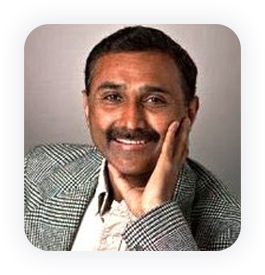
Krishna Khadloya Spent Decades Teaching Cameras to Notice What Matters
Before AI became a boardroom reflex, Krishna Khadloya was building the plumbing beneath it - engineering teams, edge intelligence and systems that turn a camera from a witness into a decision-maker.

Roman Shemet Wants AI to Get Off the Cloud and Into Your Pocket
The former quant behind Cactus is treating compute like capital: spend it where it earns its keep, and let a five-year-old phone handle the rest.

Bill Jiao Is Teaching Big AI to Live in Small Machines
A teenage biology inventor met his future co-founder beside a Beijing dumbbell rack. Now Bill Jiao is trying to move frontier models out of the cloud and into the stubborn, latency-bound world of robots, drones and pocket-size hardware.

Brent McKay Kept the Signal and Changed the Question
For years, Brent McKay built technology to understand who was near a screen. Then he aimed the same sensing logic at a harder problem: knowing what is happening around a military installation when the network cannot be trusted.

Kumar Ganapathy Has Spent 25 Years Finding the Bottleneck
From voice chips to flash storage to visual AI, Kumar Ganapathy keeps returning to the same useful question: what is stopping the whole system from moving faster? His answer has produced companies, patents, acquisitions, and a second act backing deep-tech founders between India and Silicon Valley.

The Startup That Turns Drone Photos of Cell Towers Into Money
Anne Zink built a company that lets you inspect a 300-foot cell tower without climbing it. The trick isn't the drone - it's what happens to the pictures after they land.

The Startup Teaching Cameras to Catch What Tired Human Eyes Miss on the Assembly Line
Akridata spent years fixing AI's boring, expensive data problem - then pointed the same tools at factory defects and got acquired by DIMAAG in 2026.

Ivan Poupyrev Is Teaching Machines to Read the World Beneath the Screen
For three decades, Ivan Poupyrev has kept asking the same practical question: how can computing escape the glass rectangle? At Archetype AI, his answer begins with the signals already humming through factories, streets, clothes, and machines.
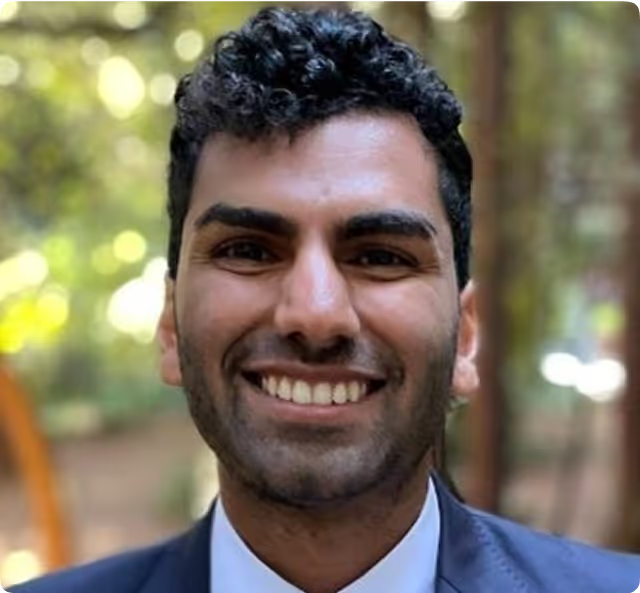
Dhruv Maheshwari Is Turning the Stop Sign Into a Feedback Loop
Before Obvio put AI cameras beside Maryland intersections, Maheshwari spent a decade testing one idea: technology matters most when it changes what people do in the real world.
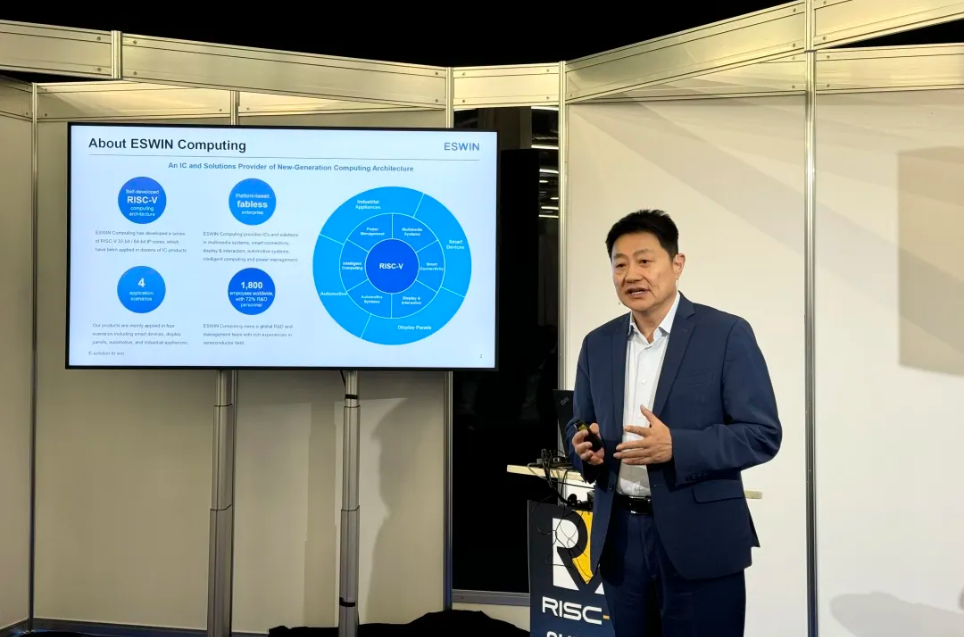
Bo Wang’s Second Act Is an Open Bet on Computing
After nearly a quarter-century inside Intel, Bo Wang crossed from an established chip platform to a young RISC-V company. His ESWIN chapter is a study in what it takes to turn an open instruction set into products, partnerships and an international business.

Bill Kish Keeps Making Hard Technology Feel Ordinary
At Ruckus, he helped Wi-Fi carry video through walls. At Cogniac, he gave factory and railway teams a way to teach machines what matters - without asking them to become AI researchers.

Azion
Azion wants to make the edge feel less like a map of servers and more like a programmable workbench. Its bet: the next important application will be built, secured and observed closer to the people using it.