computer-vision
(646)
ThisFish Inc. gives fish a paper trail. Without the paper.
A seafood traceability project found its real problem on the factory floor. Now ThisFish turns scales, scanners and cameras into a running account of what a fish is worth - and where it came from.
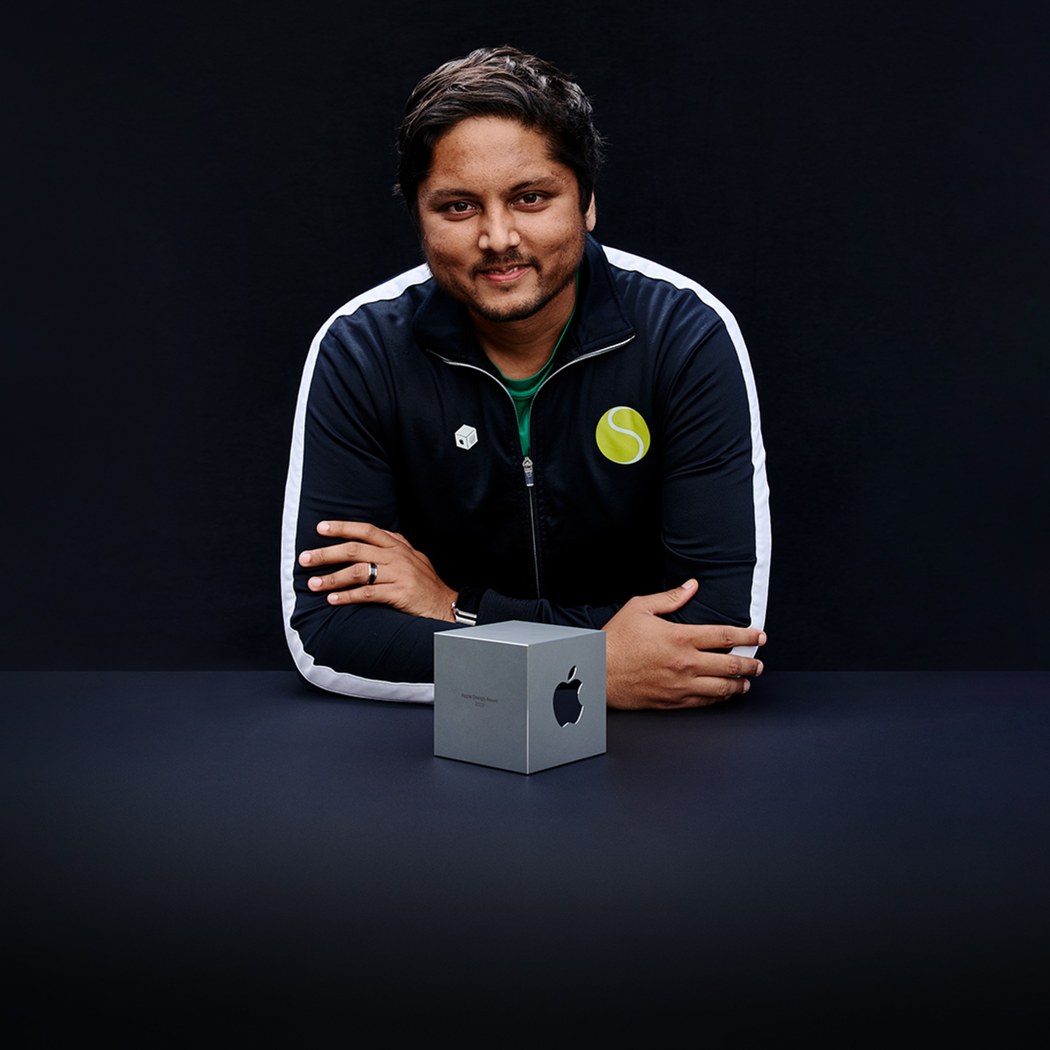
Swupnil Sahai and the case of the missing tennis data
He wanted the match statistics he saw on television. A watch app, a stint at Tesla and a locker-room pitch to Andy Roddick sent Swupnil Sahai toward a different kind of tennis career.
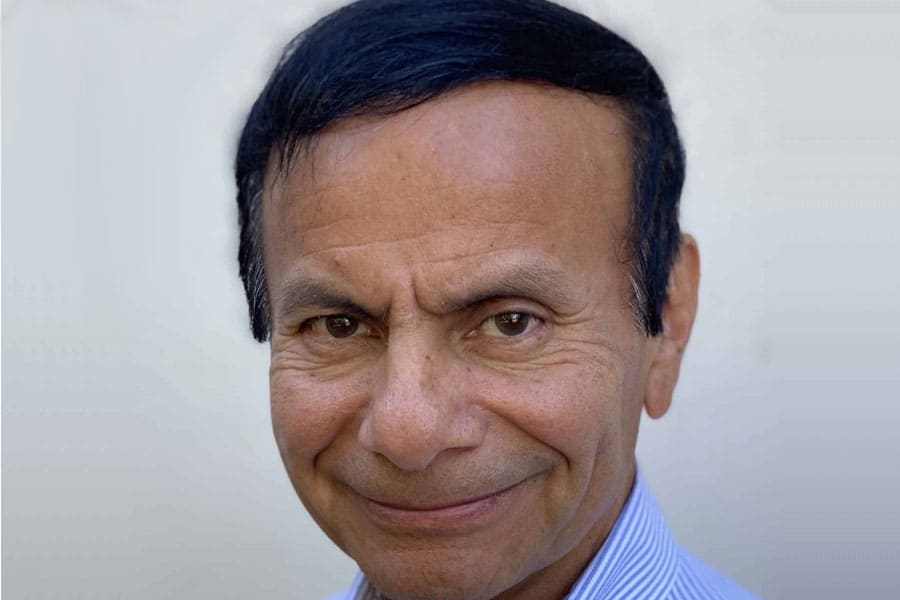
George Bolanos and the house inside the phone
A childhood spent taking radios apart led to a career asking more of everyday technology. At InsideMaps, George Bolanos has turned that curiosity toward the rooms we live in - and the people who need to understand them.

Teach the truck. Move the mountain.
Pronto took self-driving technology off the highway and into the quarry. Its bet: the trucks you already own can learn a new job.

Alex Kendall’s car learned the wrong lesson.
An early Wayve experiment rewarded a car for distance travelled. It learned to zigzag. For Alex Kendall, the journey from that awkward lesson to production car agreements has been an education in what intelligence actually requires.

Victor Dewulf went looking for value in the wrong bin
A Belgian engineer left Goldman Sachs, borrowed a garage and taught a computer to recognise rubbish. His next problem is getting an entire recycling plant to see what it is throwing away.
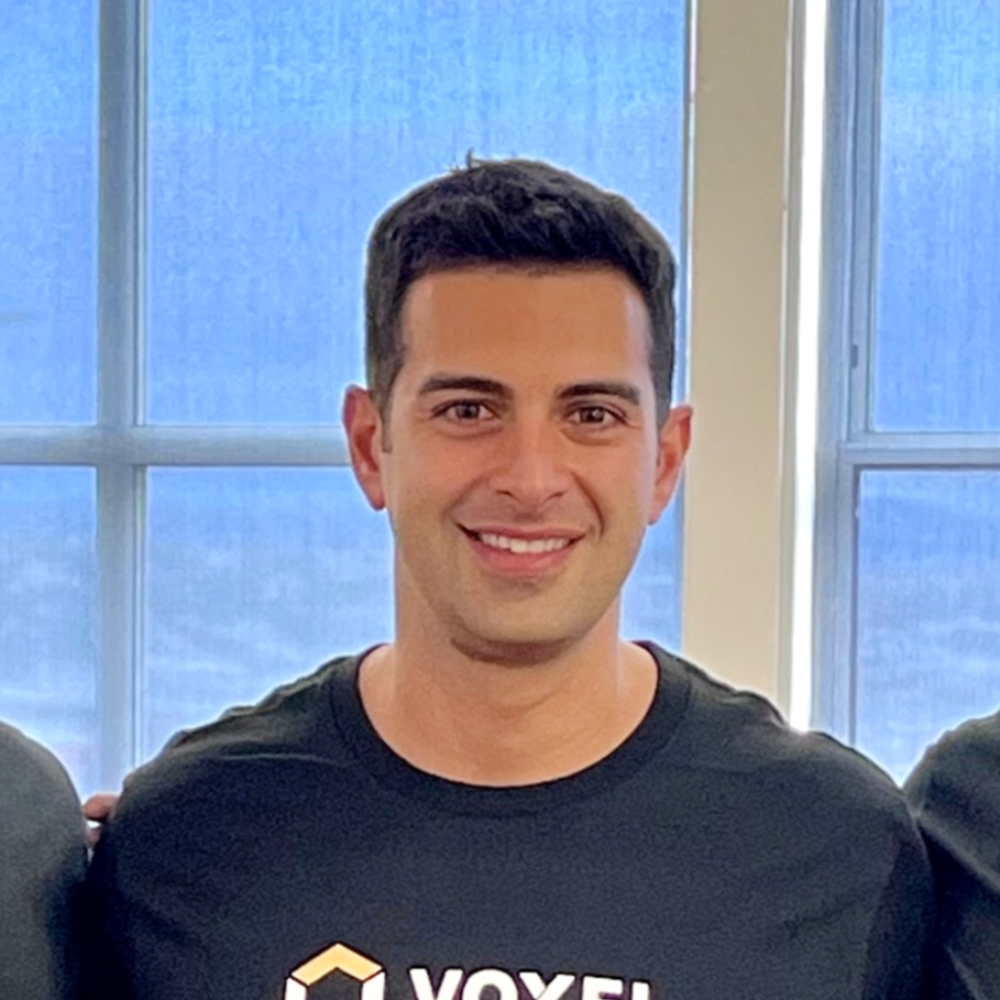
Alex Senemar and the things a warehouse camera misses
He co-founded Voxel after cold-calling warehouses during COVID. Now, at LuminX, Alex Senemar is asking what computer vision can tell us about the freight passing through the door.

OptiSol makes the old code move
The next chapter of enterprise AI may begin with an old Oracle report. OptiSol Business Solutions is building a business around getting that unglamorous work done.

Sama puts people inside the machine
Before AI can recognize a shoe, a tomato, or a dangerous mistake, someone has to teach it what to see. Sama built a business around those people - and a promise that their work could change their lives.

GumGum wants to read the room
The company that started with photographs now sells advertisers a better sense of timing. Its wager: what you are paying attention to can matter more than who you are.

Rainscales gives old cameras a new job
A camera can record a near miss and change nothing. Rainscales wants the same footage to trigger a useful decision - with a human still in charge.

Assaf Glazer built a camera. Then he went back to the kitchen.
The Nanit co-founder and founding CEO took a detour through culinary school and restaurant work. At Vinst, he is bringing the same habit of close observation to the recipes people want to keep.
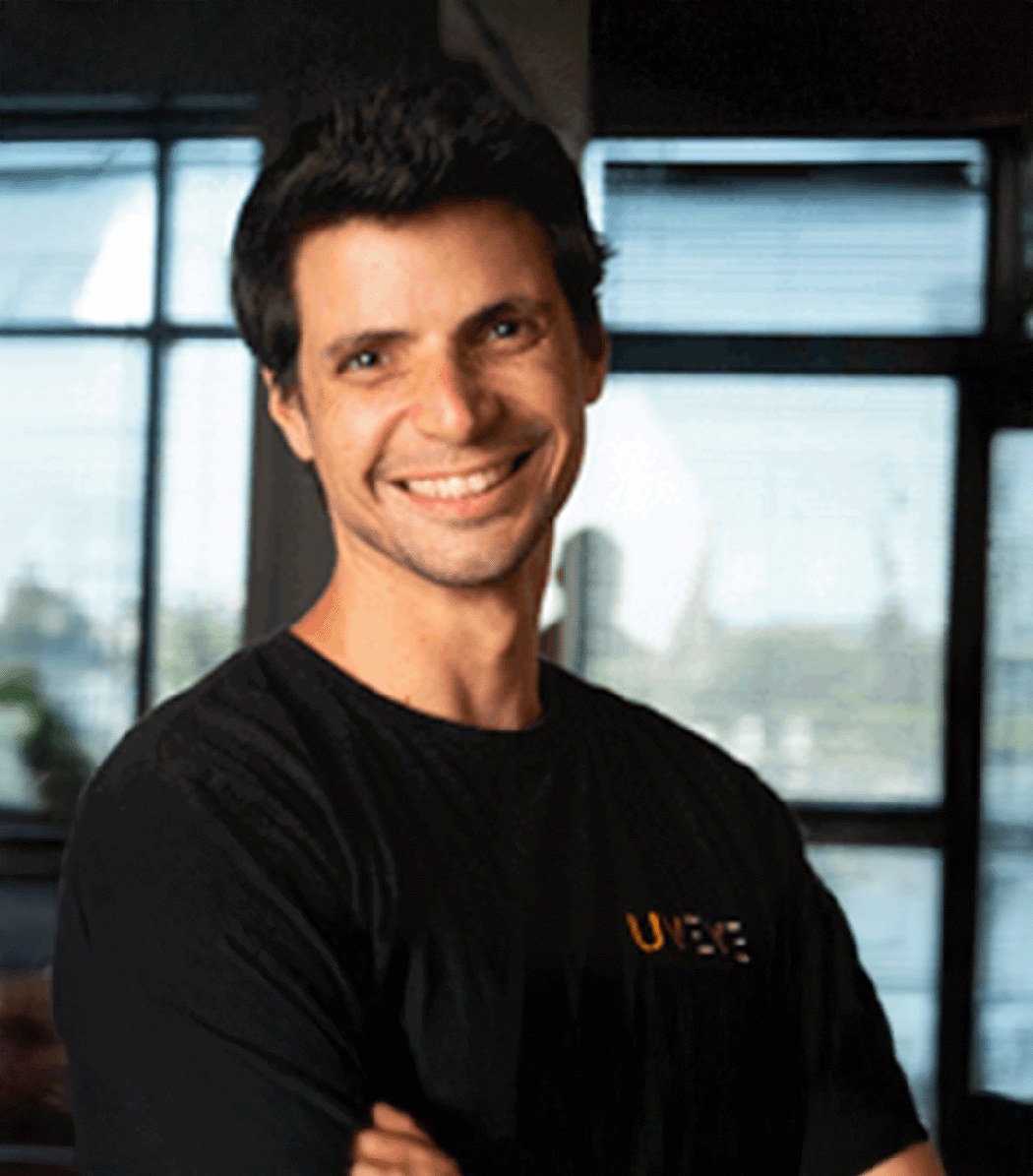
Amir Hever and the value of looking underneath
A security guard with a mirror gave Amir Hever and his brother an idea. The oil leaks their scanner found helped turn it into a different business.

Ali Rehan and the problem hiding in the picture
Before Obvio’s street cameras, Ali Rehan built an app that put the photographer back in the group photo. His career has followed the camera from a Lahore research lab to the American intersection.

Ken Mills and the Work Between the Wires
He helped build a billion-dollar business inside Dell, then became EPIC iO’s founding CEO. Ken Mills’s career turns on a less glamorous skill: getting people, machines and businesses to work together.
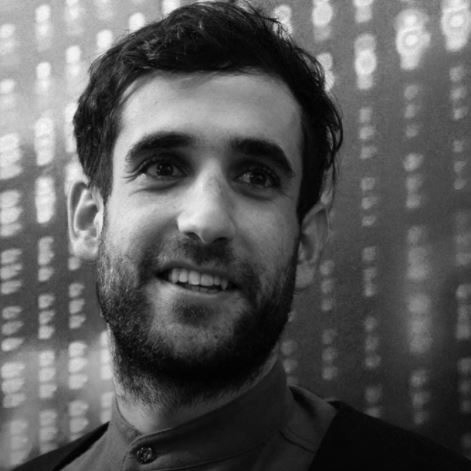
Rishi Stocker and the price of a second life
After four years building partnerships at Revolut, Rishi Stocker took on a different kind of exchange: the trade in discarded materials. At Safi, his work comes down to a stubborn question - how do you make recycling pay?

The shelf has a secret.
Vision Group Retail turns shelf photos and cooler signals into instructions people can use. Its bigger bet: a better view of the aisle can change the decisions made far beyond it.
Matterport makes the second visit optional
A building can answer a surprising number of questions after everyone has gone home. Matterport turns a single visit into a shared 3D record that keeps working.

Trax Retail sees the missing sale
A camera, a shelf, and a surprisingly expensive blind spot. Trax turns store photographs into instructions for the people who can put a missing product back in front of a shopper.
365 Retail Markets sells the shortest trip to lunch.
A sandwich is only convenient if you can reach it on your break. 365 Retail Markets built a business around that small problem - then made an $848 million bet on the machinery behind it.
Zeitview and the art of looking closer
Zeitview began by putting cameras in the sky. Its bigger business is helping the people who own power plants, roofs, and power lines decide what deserves fixing first.
VisionNav Robotics and the Art of the Second Try
A misplaced pallet can stop a warehouse robot. VisionNav is building autonomous forklifts that can adjust, try again, and get on with the shift.
Path Robotics gives the robot a second look
A welding robot can repeat a movement all day. Path Robotics is building one that notices when the metal has moved - and changes its plan.
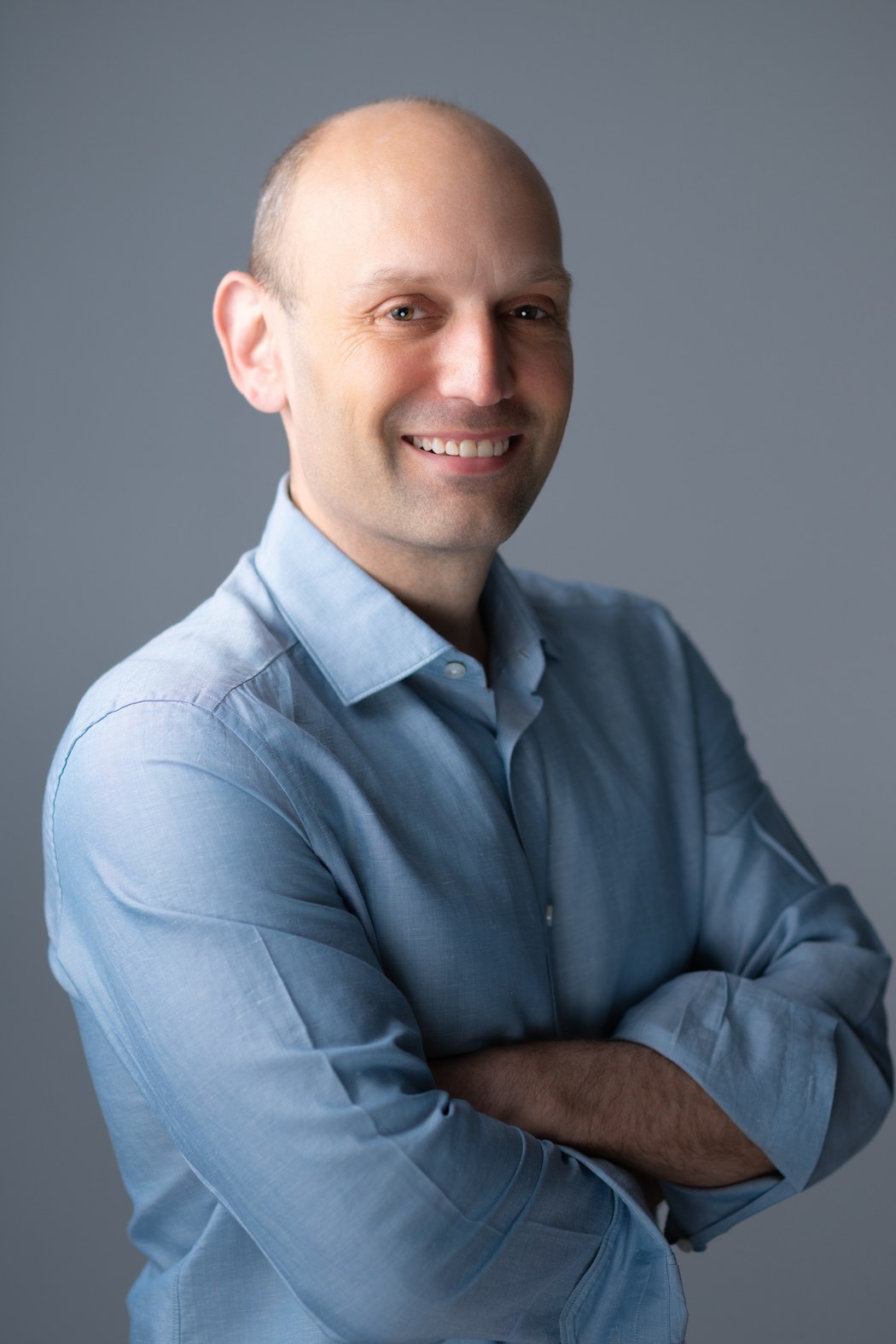
Eric Berry and the freedom to change his mind
He left corporate law, helped build TripleLift, and led it to a $1.4 billion valuation. The thread running through Eric Berry’s career is a willingness to change the plan while keeping a firm grip on the numbers.

Jeff Feng and the business of disappearing checkouts
After building stores that let shoppers walk straight out, the Cloudpick founder made a harder exit of his own: he stopped running the shops. His next customers were the retailers.
Carbon Robotics puts weeds in the crosshairs
A laser can kill a weed. The harder trick is teaching a machine which plant deserves to live - and making the answer pay for a farmer.

Artisight gives nurses back the room
A hospital can be full of technology and still waste a nurse’s afternoon. Artisight’s bet: connect the room, share the work, and make the next interruption count.
ParallelDots Makes the Shelf Talk
A photograph of a supermarket shelf looks ordinary. ParallelDots turns it into a list of things a brand can fix - and built its business by learning which problems were worth seeing.
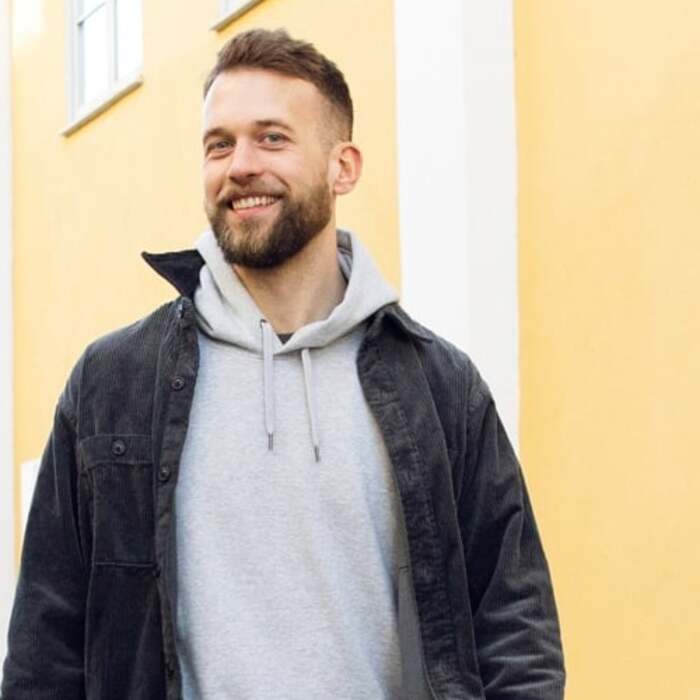
Mikkel Wad Thorsen and the art of staying useful
From a Copenhagen shipyard loft to a $20 million funding round, Teton’s co-founder has kept returning to one awkward question: what does the customer actually need?

Billy Gilmartin and the trouble with knowing
He built a business cleaning America’s largest sewer pipes. At SewerAI, Billy Gilmartin is working on the distance between spotting a problem underground and getting someone to fix it.