self-driving
(17)
RoboDock
RoboDock is a San Francisco robotics startup (Y Combinator W26) building the physical automation layer for electric and autonomous vehicle depots. Its robots plug in chargers, align to charge ports with vision guidance, and run post-trip inspections using visual and thermal sensing - turning depots that still rely on people walking rows of vehicles into self-running infrastructure. Founded in 2025 by Stanford classmates Zinny Weli (CEO) and Celine Wang (CTO), the company offers its system as a retrofit that drops into existing facilities without layout changes.

Nullmax
Nullmax is an AI company building vision-only, map-free autonomous driving software for mass-produced cars. Founded in Silicon Valley in 2016 by former Tesla Autopilot engineer Lei Xu and headquartered in Shanghai, it develops MaxDrive, a chip- and sensor-agnostic driving stack, and Nullmax Intelligence (NI), an end-to-end, multimodal system that reads the road with cameras instead of lidar or high-definition maps. Its technology ships in production vehicles from major Chinese automakers.

PIX Moving
PIX Moving is a city-robotics company that builds modular, drive-by-wire electric 'skateboard' chassis and autonomous 'mobile spaces' such as its RoboBus and RoboShop. Founded in 2014 and rooted in both Silicon Valley and China, PIX combines metal 3D printing, generative design, and self-driving software to turn vehicles into reconfigurable rooms on wheels - a shuttle that can become a cafe, gym, retail pop-up, or library. It sells its chassis and full vehicles to developers, cities, and mobility operators, and runs a Robot-as-a-Service model aimed at deploying fleets across dozens of countries.
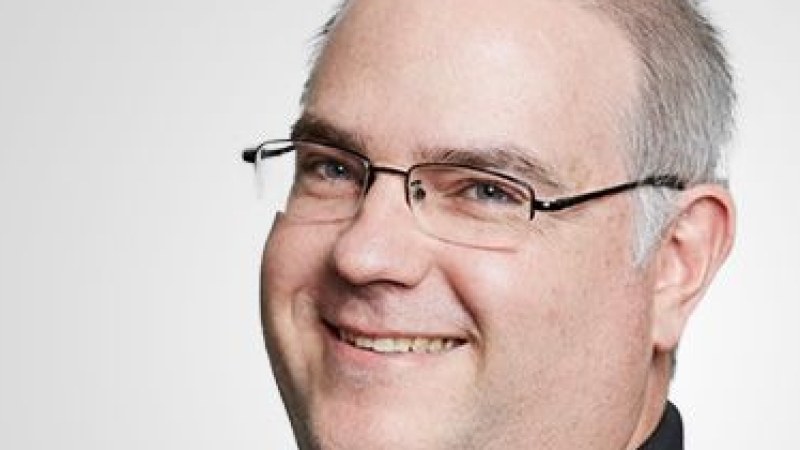
Joseph Burke
Joseph Burke is the co-founder and CEO of Ottometric, a Waltham, Massachusetts software company that automates the validation of Advanced Driver Assistance Systems (ADAS) and autonomous-vehicle software. An engineer by training who entered the ADAS field in 2010 building radar and blind-spot detection for an airbag maker, Burke started Ottometric in 2019 to attack a brutal industry problem: validating a single vehicle model can cost automakers over $100 million and take more than a year. Ottometric's platform uses proprietary data-distillation technology to turn oceans of raw sensor data into structured safety insights, cutting validation cost and time by more than half. The company has raised roughly $14.9 million, including a $10 million Series A in April 2025.
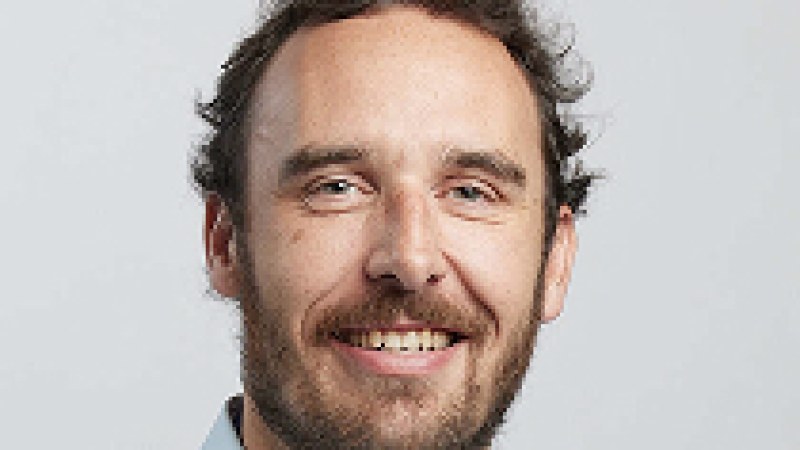
Matthew Carey
Matthew Carey is the co-founder and CEO of Teradar, a Boston deep-tech company building a solid-state automotive sensor that sees in the terahertz band of the electromagnetic spectrum, the sliver between microwaves and infrared. His pitch is blunt: combine radar's ability to punch through fog and rain with lidar's crisp resolution, then make it cheap enough to bolt onto a Ford Focus. After a friend died in a car crash that no existing sensor could have prevented, Carey teamed with terahertz specialist Gregory Charvat and chip architect Nicholas Saiz in 2020. In November 2025 the company left stealth with a $150 million Series B and claims to be validating its tech with five global automakers.
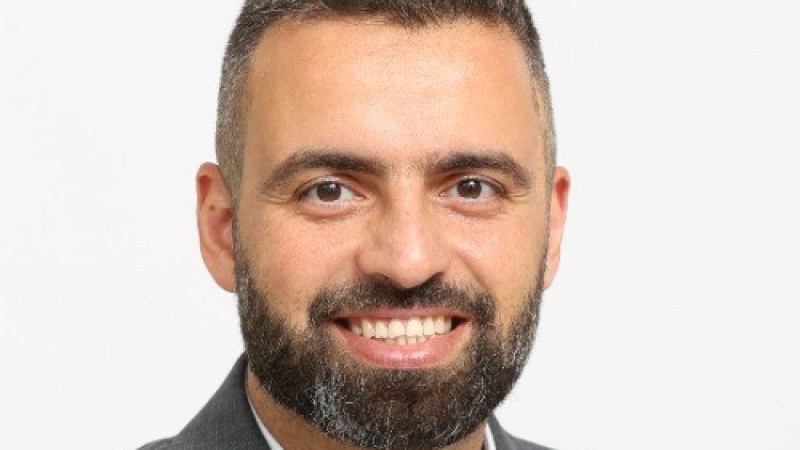
Mohammad Musa
Mohammad Musa is the founder and CEO of Deepen AI, a San Jose company building the data engine for Physical AI - tools and managed services that handle collection, calibration, annotation, validation, and synthetic data for autonomous vehicles and robotics. A Santa Clara University-trained computer engineer who once ran launch readiness for Google Apps, Musa co-founded Deepen in 2017 and has spent nearly a decade arguing that machines, like people, need many senses working together to move safely through the world. He also teaches product management at his alma mater.
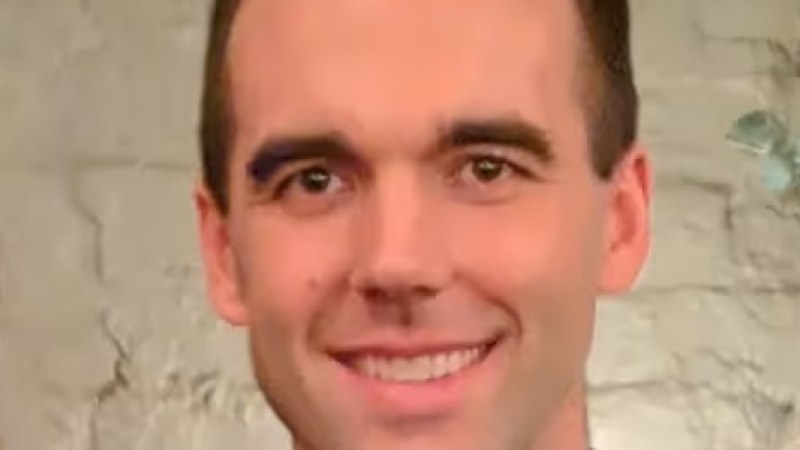
Peter McKee
Peter McKee is the co-founder and CEO of Aeqium, a San Francisco compensation-management platform that pulls HR and finance teams out of spreadsheet chaos and into a controlled, data-driven system for planning salaries, bonuses, equity, and benefits. An MIT-trained engineer who led self-driving rider experience at Uber and was an early backend engineering manager at Braze, McKee also served as a US Army officer running battalion combat-engineer operations in Afghanistan. He started Aeqium in late 2020 to make pay fairer, faster, and less of a fire drill.
ACEINNA
ACEINNA is a Massachusetts-based MEMS sensor company building high-performance, low-cost inertial measurement units (IMUs), GNSS/RTK precision-navigation systems, current sensors, and flow sensors. Spun out of MEMSIC in 2017 with a roughly $50M investment, ACEINNA is best known for its open-source OpenIMU platform and for shipping centimeter-accurate positioning solutions for autonomous vehicles and ADAS at a fraction of the price of legacy systems.
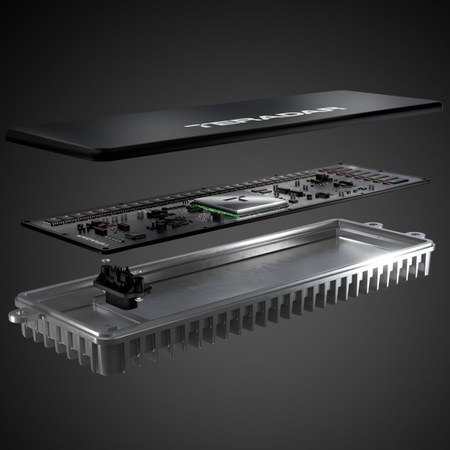
Teradar
Teradar is a Boston deep-tech company building the first commercial sensor that sees using the terahertz band of the electromagnetic spectrum - the slice between microwave and infrared. Its solid-state Modular Terahertz Engine combines radar's ability to punch through rain, fog and snow with resolution approaching that of lidar, claiming up to 20x the detail of today's automotive radar with no moving parts. Founded in 2020 and out of stealth in November 2025 with a $150M Series B, Teradar is working with eight global automakers and Tier-1 suppliers and aims to put its sensor in a production vehicle by 2028.
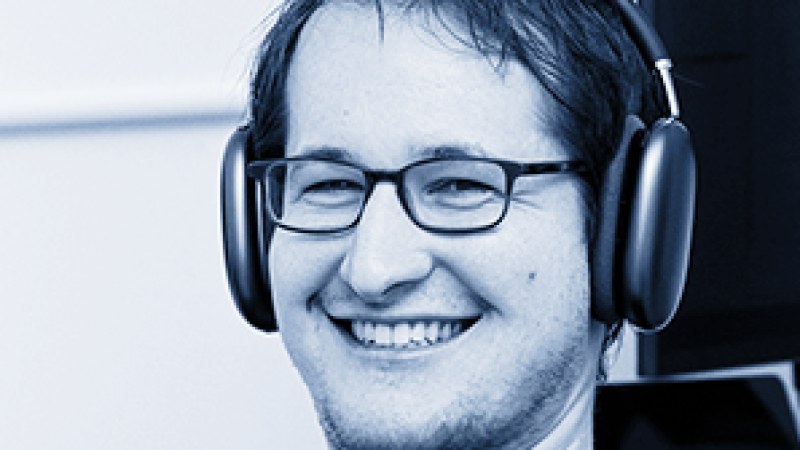
Tudor Achim
Tudor Achim is the cofounder and CEO of Harmonic, the Palo Alto AI lab he started in 2023 with Robinhood founder Vlad Tenev to build what they call Mathematical Superintelligence. Harmonic's system Aristotle reached gold-medal performance on the 2025 International Math Olympiad while formally verifying every proof in Lean 4, a feat that put a roughly 40-person startup alongside OpenAI and Google DeepMind. A former competitive pianist turned machine-learning researcher, Achim previously cofounded the self-driving company Helm.ai and worked on ranking at Quora. He argues that mathematics is the route to AI that does not hallucinate.
Bedrock Robotics
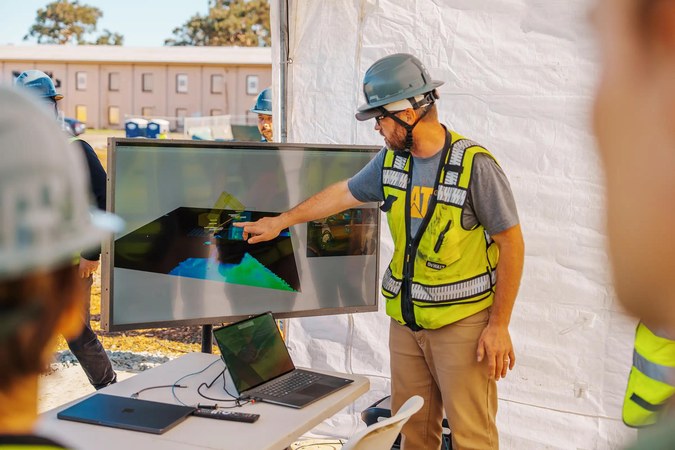
Bedrock Robotics is a San Francisco startup retrofitting existing heavy construction equipment - excavators, dozers, articulated trucks - with an AI kit that turns them into 24/7 autonomous machines. Founded in 2024 by former Waymo leaders, the company raised a $270M Series B in February 2026 at a $1.75B valuation to scale its 'Bedrock Operator' platform across active job sites in the US.
DeepRoute.ai
DeepRoute.ai is a Shenzhen-headquartered autonomous-driving company building full-stack self-driving software, from Level-4 robotaxi systems to mass-market driver-assistance for production cars. Its DeepRoute IO 2.0 platform - powered by a 40-billion-parameter Vision-Language-Action (VLA) foundation model running on NVIDIA DRIVE AGX Thor - is being shipped by Great Wall Motor and a handful of other OEMs.

AeroVect
AeroVect builds AI-powered autonomous driving software for airside ground support equipment (GSE) - the tractors, dollies and tugs that move bags, cargo and aircraft around airport ramps. Founded in 2020 by Harvard grads Raymond Wang and Eugenio Donati, the company turns existing OEM vehicles into self-driving machines with its hardware-agnostic AeroVect Driver platform, and is deployed with partners including dnata, GAT and Delta Air Lines.
Kevin McNamara
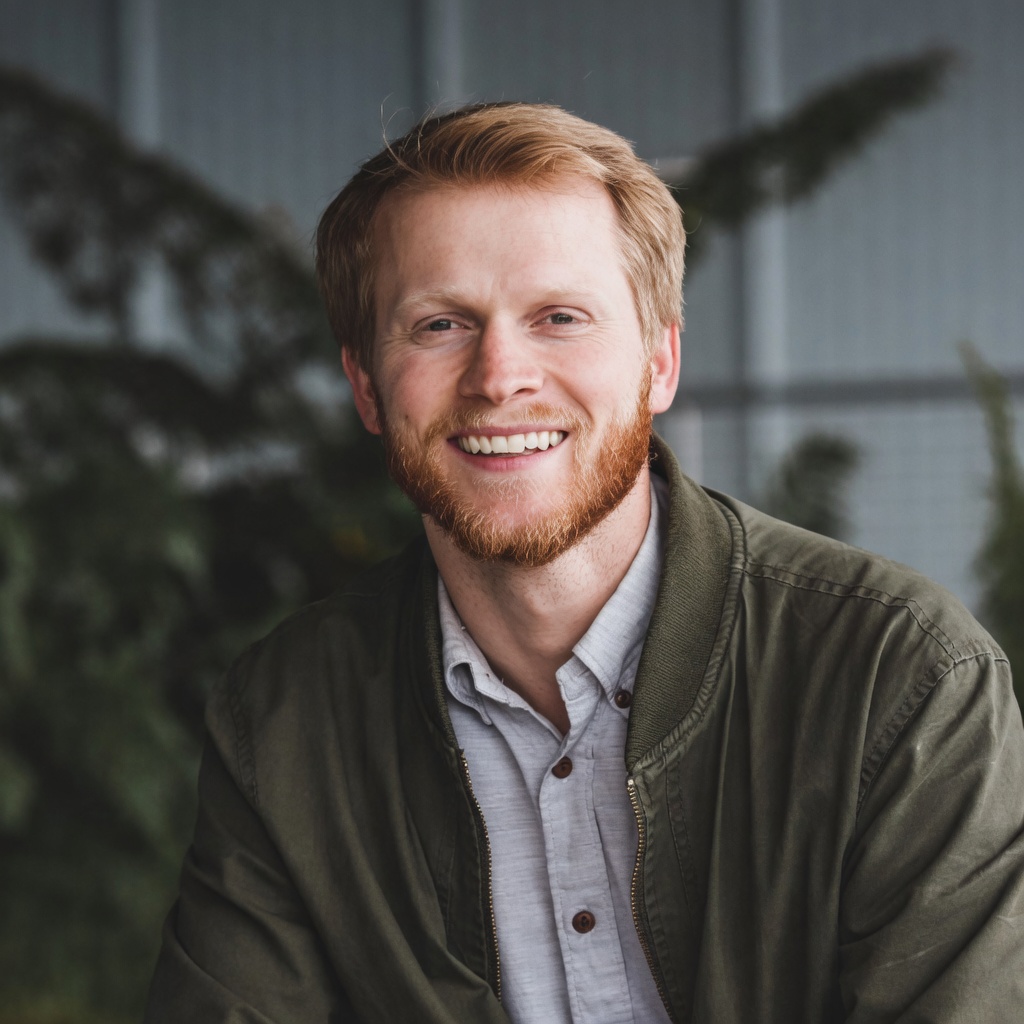
Kevin McNamara is the Founder and CEO of Parallel Domain, a San Francisco-based synthetic data and simulation platform that has raised $43.9M to power the next generation of AI perception systems. With a rare career arc spanning Pixar's animation pipeline, Microsoft's Xbox game studios, and Apple's secretive autonomous systems group, McNamara distilled a career of building virtual worlds into a platform that lets autonomous vehicle, drone, and robotics companies train their AI on infinite synthetic scenarios - accelerating ML development cycles by over 180x compared to real-world data collection.
Raymond Wang
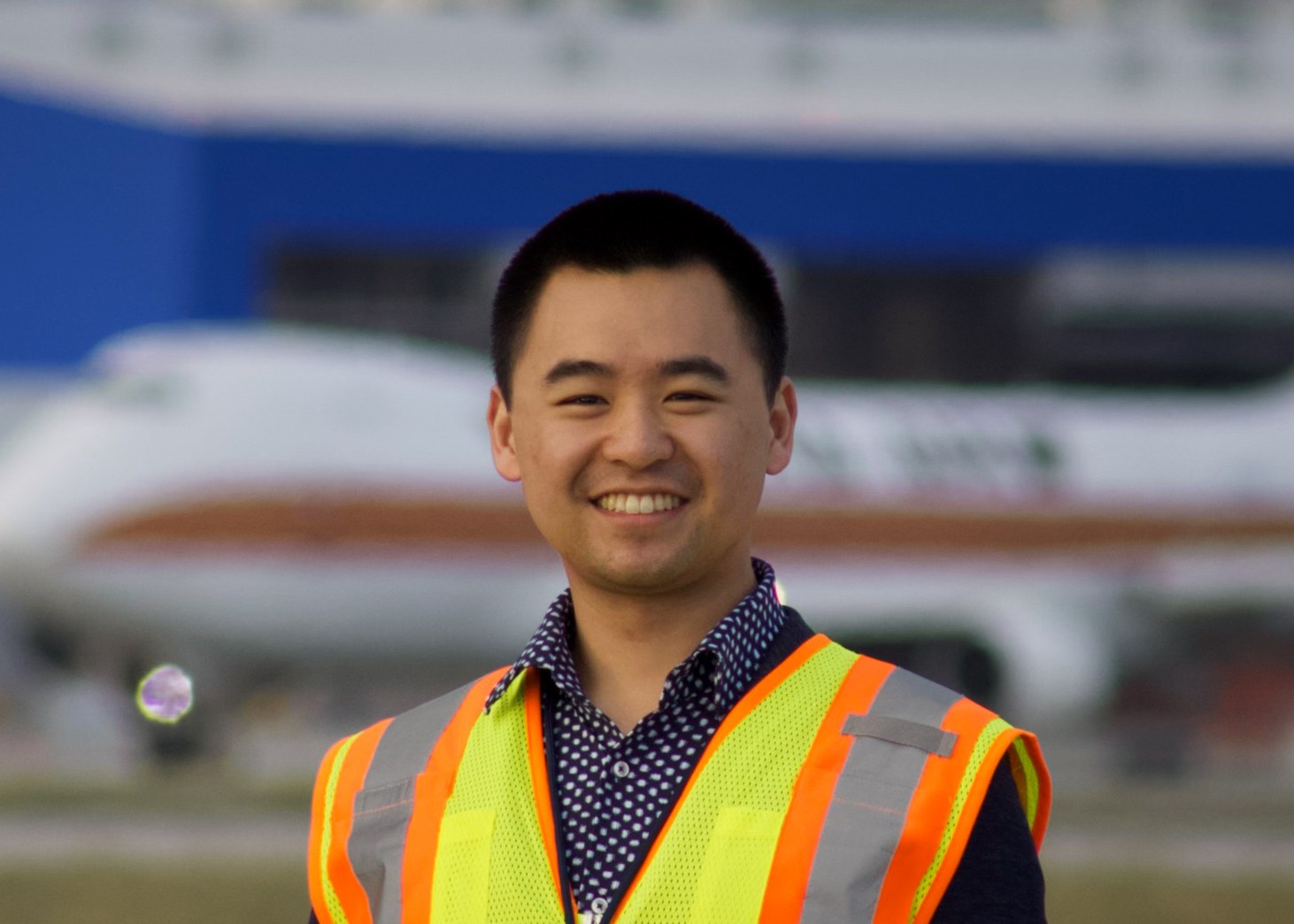
Raymond Wang is the Co-Founder and CEO of AeroVect, a Silicon Valley startup building AI-powered autonomous driving systems for airport ground support equipment. A Harvard computer science graduate (Class of 2020) who grew up in Vancouver, Canada, Wang came to aviation obsession early - as a high school student he won the $75,000 Gordon E. Moore Award at the 2015 Intel ISEF for an invention that reduced pathogen transmission on aircraft by 55x, and later gave a TED Talk on the subject. At Harvard he co-founded Civology (YC W20) before pivoting to AeroVect, where he and co-founder Eugenio Donati built the world's largest airside driving dataset and deployed autonomous tractor systems at major hubs including Atlanta Hartsfield-Jackson and Dubai International. Named to Forbes 30 Under 30 (Manufacturing & Industry, 2022), Wang is reshaping the last 500 feet of global logistics - the chaotic tarmac - with self-driving software built from scratch for the airport environment.
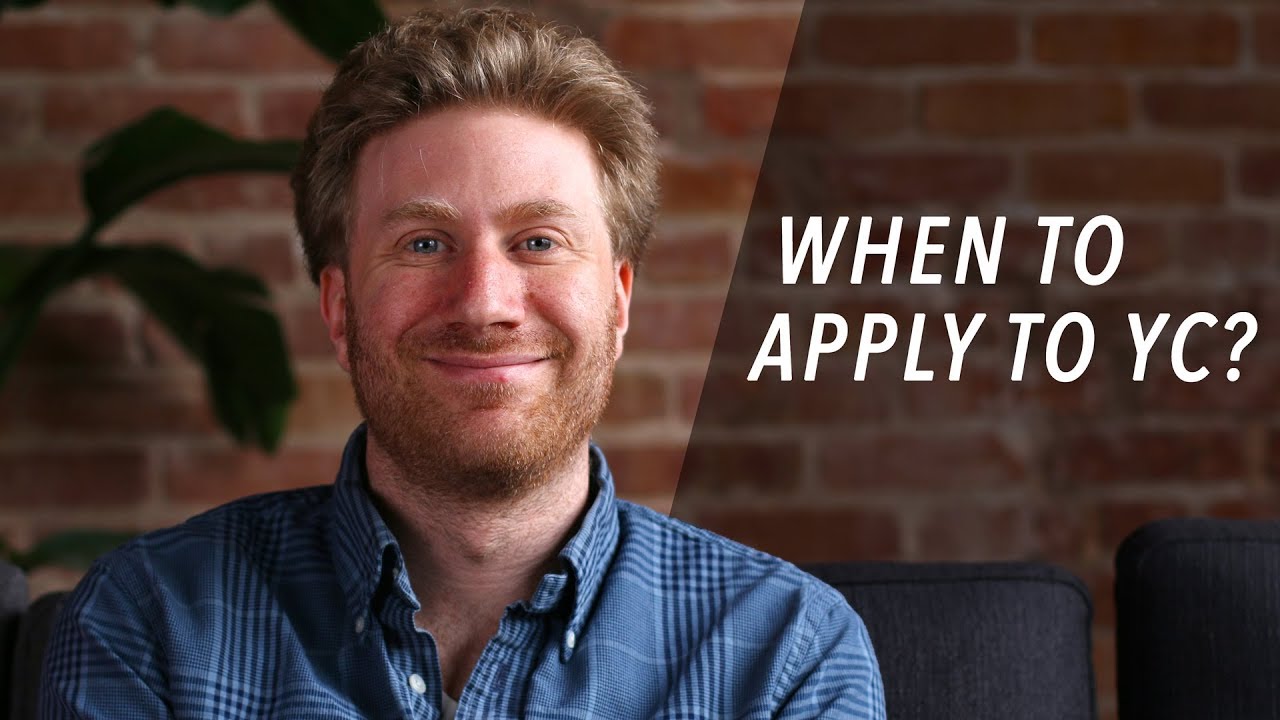
Jared Friedman
Jared Friedman is Managing Director of Software at Y Combinator, one of the world's most influential startup accelerators. A Harvard dropout, he co-founded Scribd - one of YC's earliest bets - and grew it to 80M+ users as CTO before joining YC as a partner in 2015. He has read over 12,000 startup applications, advised 20+ YC unicorns, and championed hard tech, biotech, and AI at YC. In 2024 he became one of the loudest voices on vertical AI agents being '10X bigger than SaaS.' He spends roughly 4% of his waking hours in Waymo robotaxis, which he uses as a mobile office.
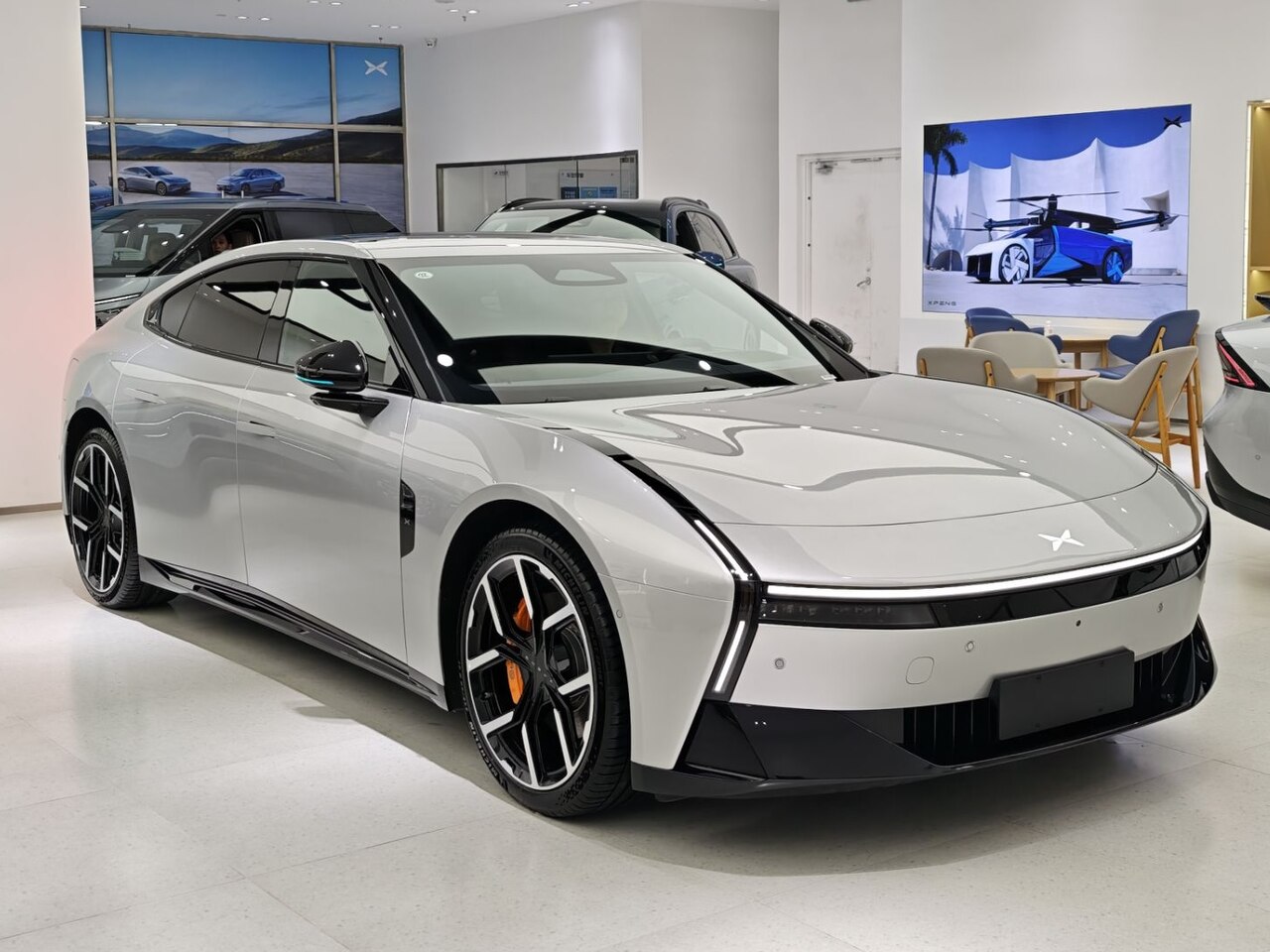
Xpeng P7
The Xpeng P7 is a flagship battery-electric executive fastback sedan from Chinese EV maker XPeng Motors (NYSE: XPEV). Launched in 2020 as China's longest-range EV, it combines European-inspired design with advanced AI-powered autonomous driving tech, a 800V charging architecture, and a cockpit packed with intelligent features — all at a price that undercuts comparable European and American rivals by a wide margin.