data-science
(202)
Avital Pardo and the long road to a second look
Before AI became a boardroom obsession, Avital Pardo was building algorithms to reconsider credit. His Pagaya story turns on a stubborn problem: persuading institutions to see what their existing systems miss.

Jessica Steier and the odds of being understood
A data scientist raised around racetracks built Unbiased Science by taking other people’s questions seriously. Her next dream collaborator is Amy Poehler.
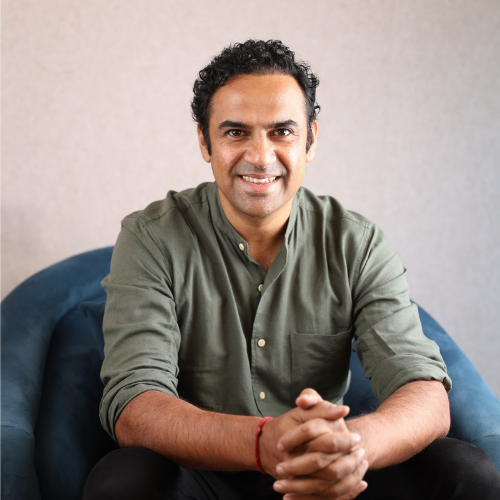
Prashant Warier and the art of the useful detour
A steel-town childhood, a trucking thesis, a stolen passport and an advertising startup. The Qure.ai co-founder’s career makes a case for taking the long way to a problem worth solving.

Dori Wilson and the trouble with a beautiful chart
She co-founded Thorntale to help people tell stories with data. Her work since then keeps returning to a harder question: what makes a number worth trusting?

Tombras makes the familiar impossible to ignore
A blurry candy heart. A moving truck. An agency in Knoxville that keeps finding new uses for things everyone else has stopped noticing.

Katrina Lake and the trouble with a thousand pairs of jeans
Katrina Lake started Stitch Fix with a questionnaire and clothes bought at retail. Her wager was that knowing a customer could be worth more than showing her everything.

Chris Paquette and the art of becoming less necessary
He started DeepIntent by building things himself. Keeping it growing meant learning when to hand the work to someone else.

Ajay Bidyarthy’s Case for Starting Small
Before founding Blackcoffer, Ajay Bidyarthy worked on network security and mathematical optimization. His route from research to consulting and hyperlocal networking reveals a recurring concern: making complicated information useful.
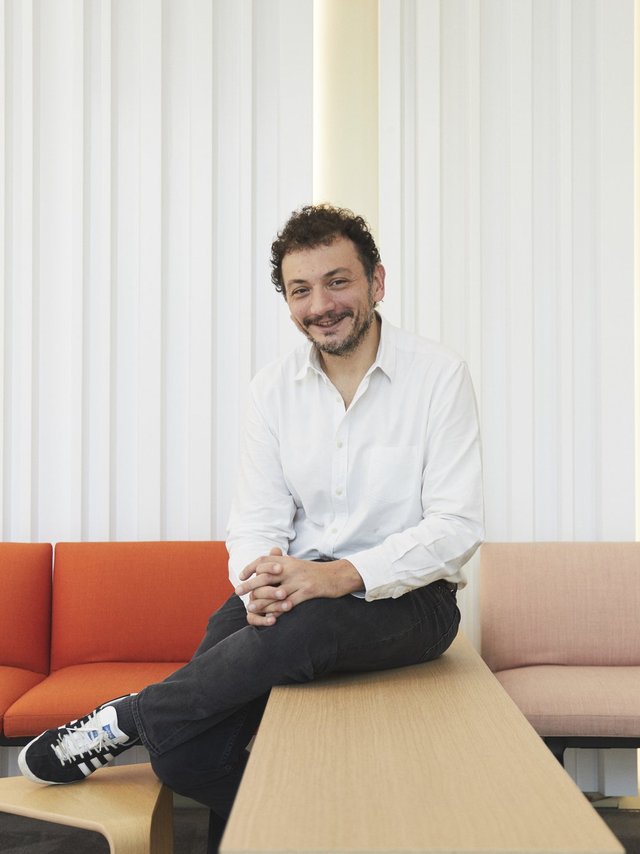
Florian Douetteau and the trouble with brilliant machines
Before co-founding Dataiku, Florian Douetteau spent years making sense of search engines, software and the people who use them. His enduring interest is what happens when artificial intelligence leaves the experts’ desks and joins the rest of the company.
IT Labs sells the team behind the code.
Software is easy to commission. A team that understands the business is harder to build. IT Labs has made that gap its business.

Tanisha Systems puts people behind the software
Custom software needs more than code. Tanisha Systems combines engineering, recruiting, and offshore delivery to tackle the awkward work of making technology fit a business.

Wolfram built the engine. AI brought the questions.
For nearly four decades, Wolfram has been teaching computers to calculate, model and explain. The chatbot boom gave its old ambition a new customer: AI itself.

GALE makes the data worth opening
A burrito order can become a story. GALE has built a business around connecting customer intelligence, creative work, and the next purchase.
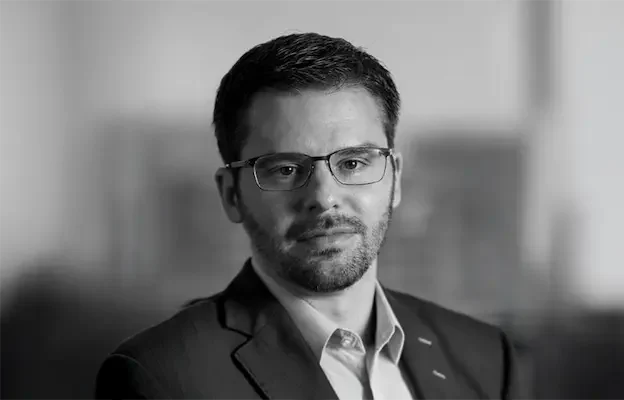
Jeremy Achin wanted to automate his own job. Then the job got bigger.
A Kaggle scoreboard helped inspire DataRobot. For co-founder Jeremy Achin, the same practical question now runs through new AI ventures and the companies he backs: how do you turn specialist knowledge into something people can use?

Jérôme Wojcik and the work that survived the office
When Merck Serono closed its Geneva headquarters, Jérôme Wojcik took a specialist skill into a company of his own. The founder of Quartz Bio has kept returning to a practical question: how do you make data worth the time it takes?
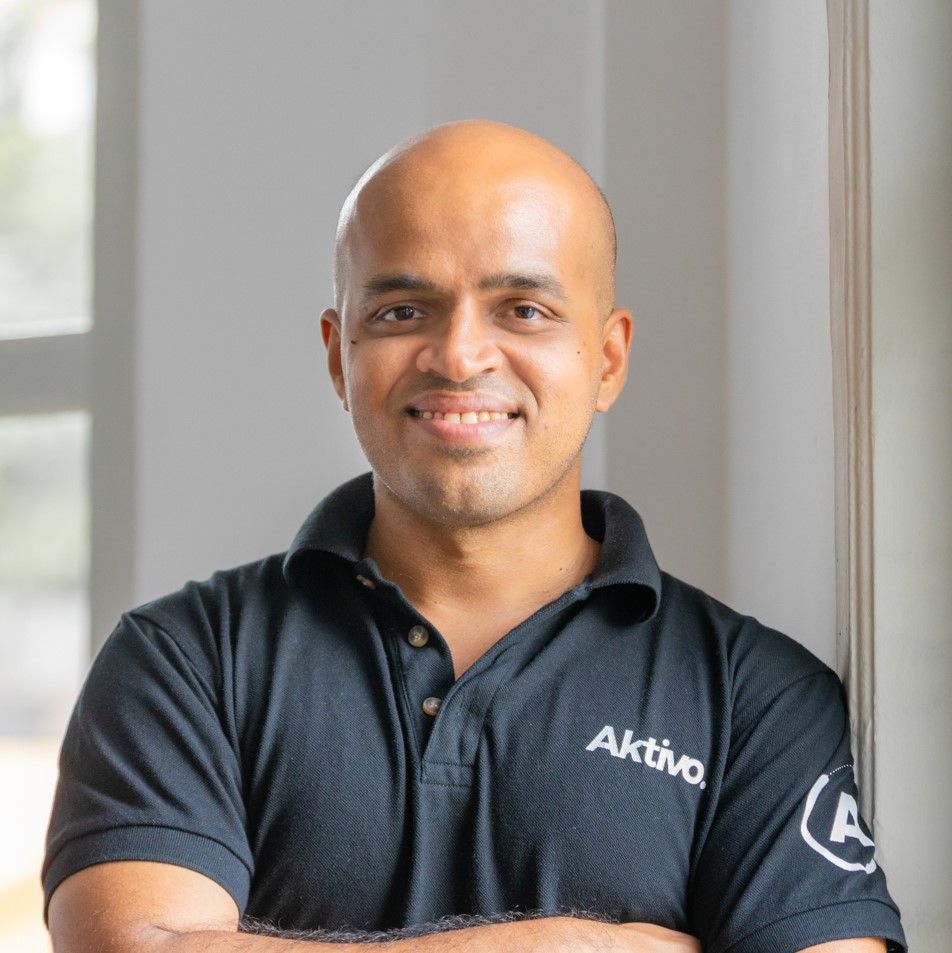
Gourab Mukherjee and the work between the slides
An inexpensive Singapore office. A patient colleague revising the pitch. An expanding list of markets. Gourab Mukherjee’s story at Aktivo Labs is about making technical work travel.

Ali Alorainy and the work behind easy money
Before Malaa could simplify a customer’s finances, Ali Alorainy had to deal with the complicated parts: bank connections, regulation, and trust. His route from data science to wealth management runs through all three.
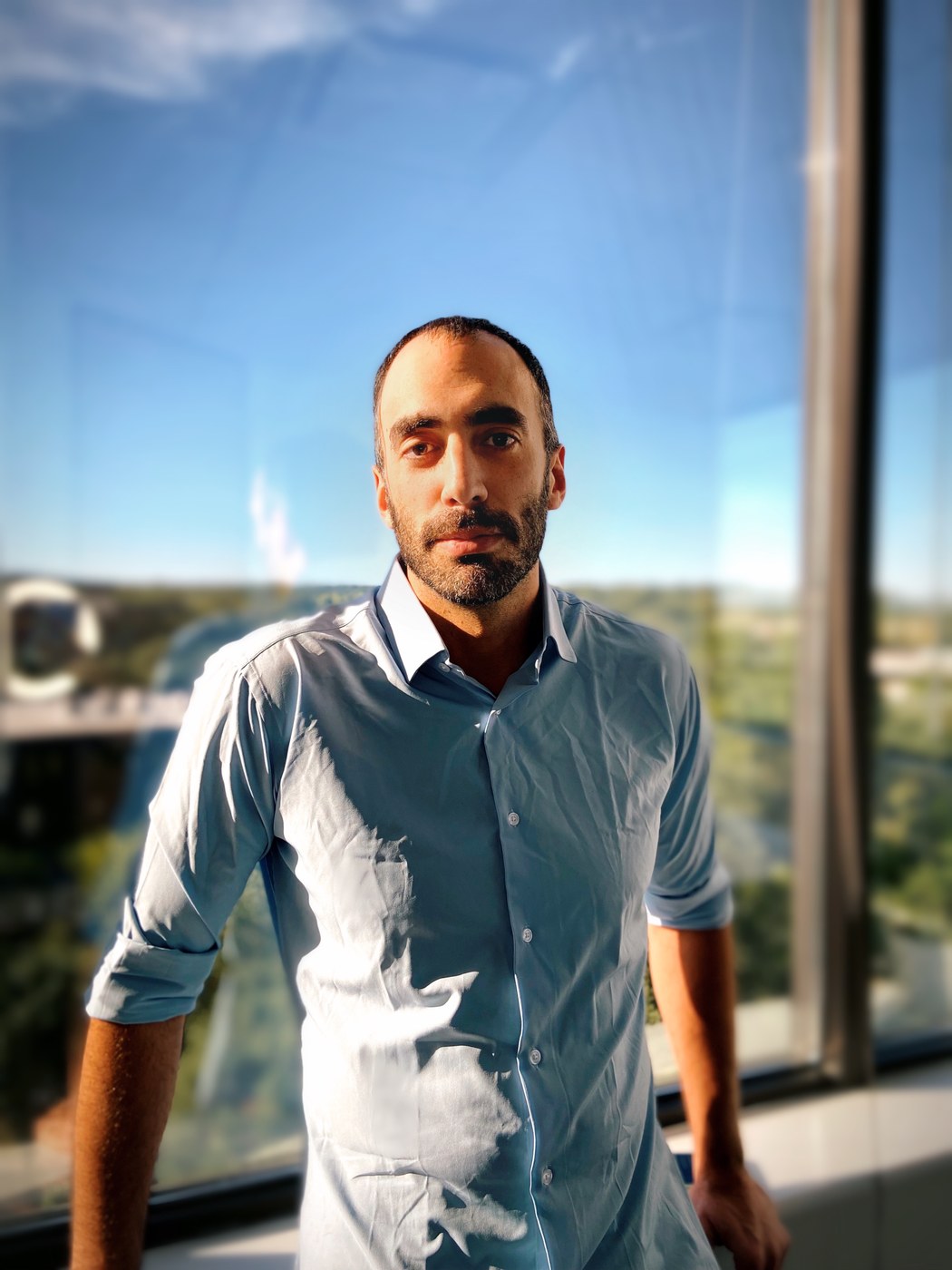
Jim Rebesco and the problem with tomorrow
He learned to keep algorithms working on Wall Street. At Striveworks, Jim Rebesco is applying that lesson to a world where the weather, the data, and the adversary refuse to stand still.

Benjamin Harvey and the trouble with the last mile
Benjamin Harvey learned to repair computers before he learned to build companies. After a decade at the NSA, he founded AI Squared to solve a stubborn problem: getting useful intelligence into the hands of people who need it.

Roddy Lindsay and the art of getting an answer
A Facebook data scientist tried texting people who ignored their email. Hustle followed, then listening rooms, a disco documentary and a new question: who is really on the other end?
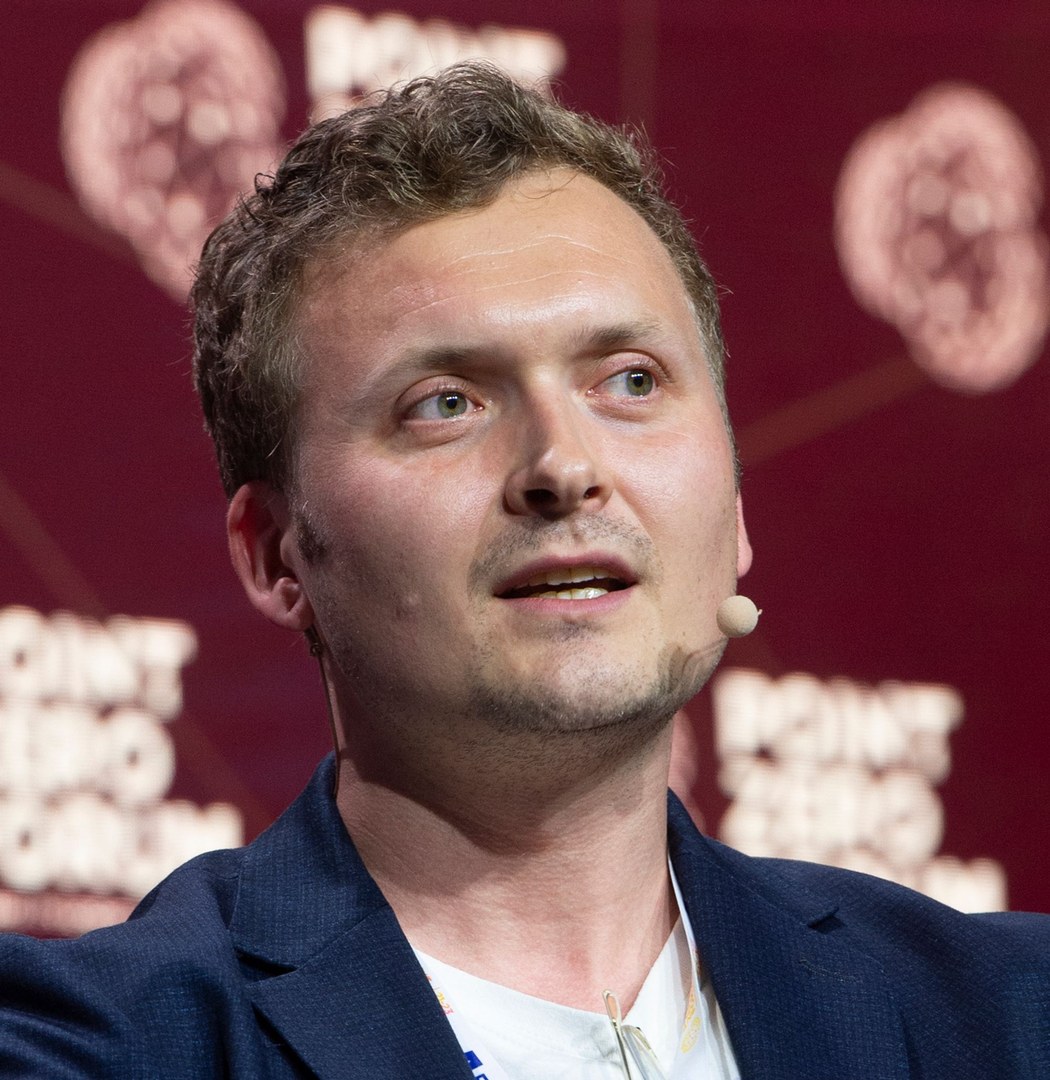
Alex Svanevik and the value of a well-placed comma
A Norwegian data scientist turned a question about anonymous wallets into Nansen. His next wager is that the machines reading the market will also make the trades.
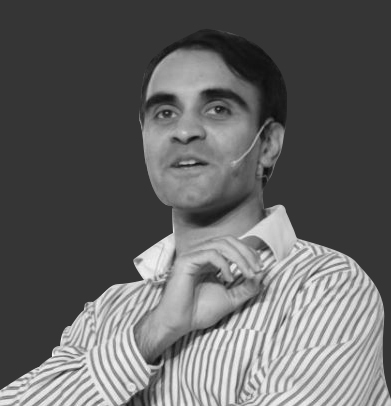
Avi Patchava and the art of making better bets
From philosophy and poker to algorithms and American credit card bills, Bright Money’s co-founder has kept returning to one question: how do you make a sound decision before you know everything?

Aneesh Sathe and the usefulness of getting lost
The Qritive co-founder learned to make slow work faster. His games, essays, and experiments ask a different question: what happens when you leave room to wander?

Matt Hollingsworth and the trouble with a clever idea
From CERN to dressage scores to the company he co-founded, Matt Hollingsworth has kept returning to a practical question: what will people actually use? His career offers an unusually varied education in the distance between a working model and a working business.
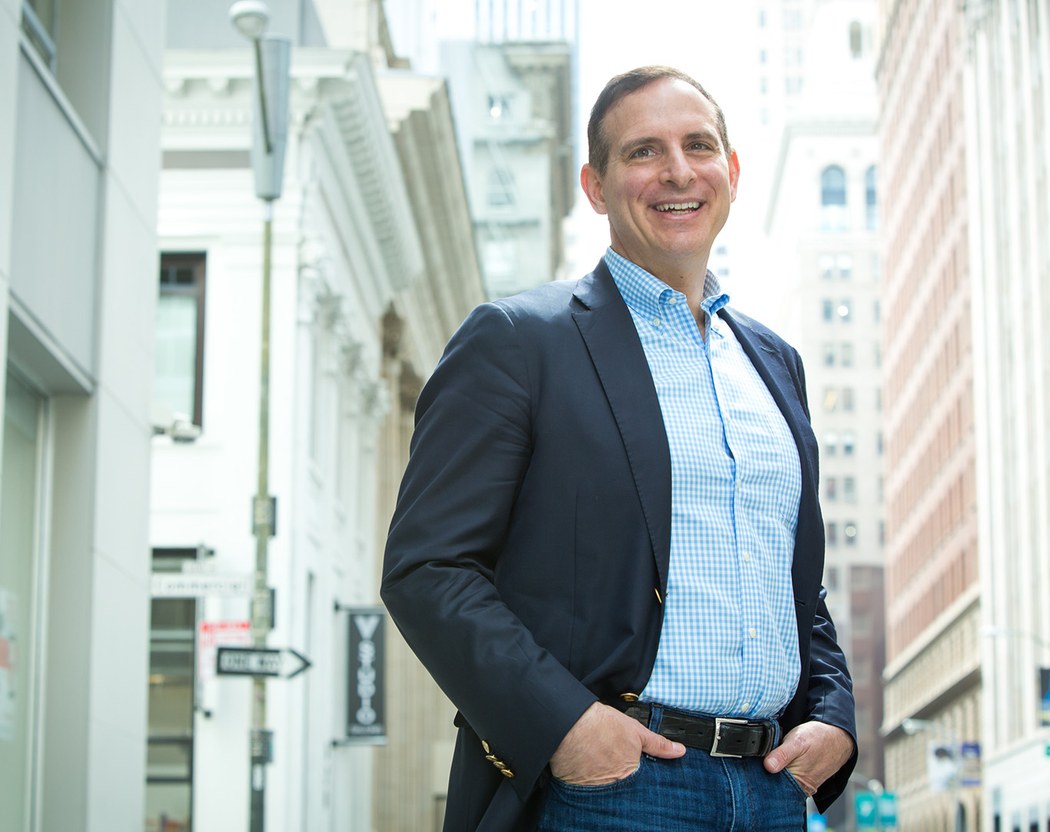
Jim Tananbaum and the art of assembling people
Before he built Foresite Capital, Jim Tananbaum built companies, collected disciplines, and learned how much a partnership can matter. His career is a study in putting the right people around a difficult idea.
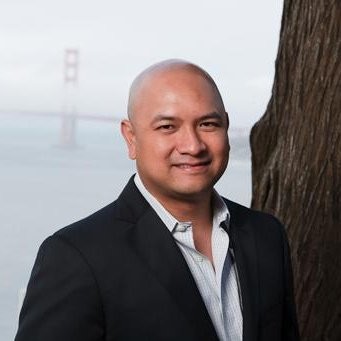
Ian Picache and the trouble with a convincing story
From a bootstrapped shopping business to private equity analytics, Ian Picache has kept returning to the gap between a plausible explanation and what customers actually do. At AtomicPE, that question now extends to how a business works.

Huzalabs knows AI needs more than code
The Kigali company builds software, trains the people who will use it, and helps businesses compete for contracts. Its most revealing lesson begins with 35 women and a change of plan.

Anaconda made Python easy. Now it sells peace of mind.
The company that helped millions get started with Python found its paying customer in a different room: the enterprise worried about what all that free software might bring through the door.

Lineage found a fortune in the freezer
A cold warehouse looks like a box. Lineage built a business by treating it as a problem in timing, geometry and trust - with very real bills when things go wrong.
ITX and the art of getting software unstuck
A stalled product catalog, a nervous service team, a school lunch menu. ITX’s work offers a useful lesson in software: the hard part is often deciding what people need to happen next.