surgical-robotics
(16)
Corin wants your new knee to be forgettable
The British implant maker is building a business around what an X-ray cannot tell you: how a replacement joint behaves in motion. Its wager joins metal, robotics and surgical data.

Johnson & Johnson
It stopped making the Band-Aid. What is left is a $94-billion bet that the future of Johnson & Johnson is written on a prescription pad and a robotic arm.

Medtronic
Medtronic began by repairing hospital electronics in a Minneapolis garage. Seventy-seven years later, its devices sit inside bodies, beside beds, and at the center of a high-stakes contest to make medicine less invasive, more measurable, and easier to scale.
NDR Medical Technology
NDR Medical Technology is a Singapore-based deep-tech company building AI-empowered interventional robotics for minimally invasive, image-guided surgery. Its Automated Needle Targeting (ANT) platform combines hardware and software to plan and align percutaneous needle placement with roughly ±1mm accuracy using a hospital's existing imaging equipment. Its flagship ANT-X robot received U.S. FDA 510(k) clearance in 2023 as the first automated device to aid kidney access for percutaneous nephrolithotomy, while ANT-C brings AI CT-based lesion targeting to procedures across the lung, liver, kidney and spine.

AiM Medical Robotics
AiM Medical Robotics is a Worcester, Massachusetts medical device company building a portable, MRI-compatible surgical robot that lets neurosurgeons operate under continuous, real-time MRI guidance. Spun out of Gregory Fischer's Automation and Interventional Medicine (AIM) lab at Worcester Polytechnic Institute, the platform aims to make procedures such as deep brain stimulation lead placement, biopsy, tumor ablation and targeted drug delivery faster, more precise and less variable - reducing procedure time by up to 50% and expanding access to advanced neurosurgical care.
Gregory Fischer
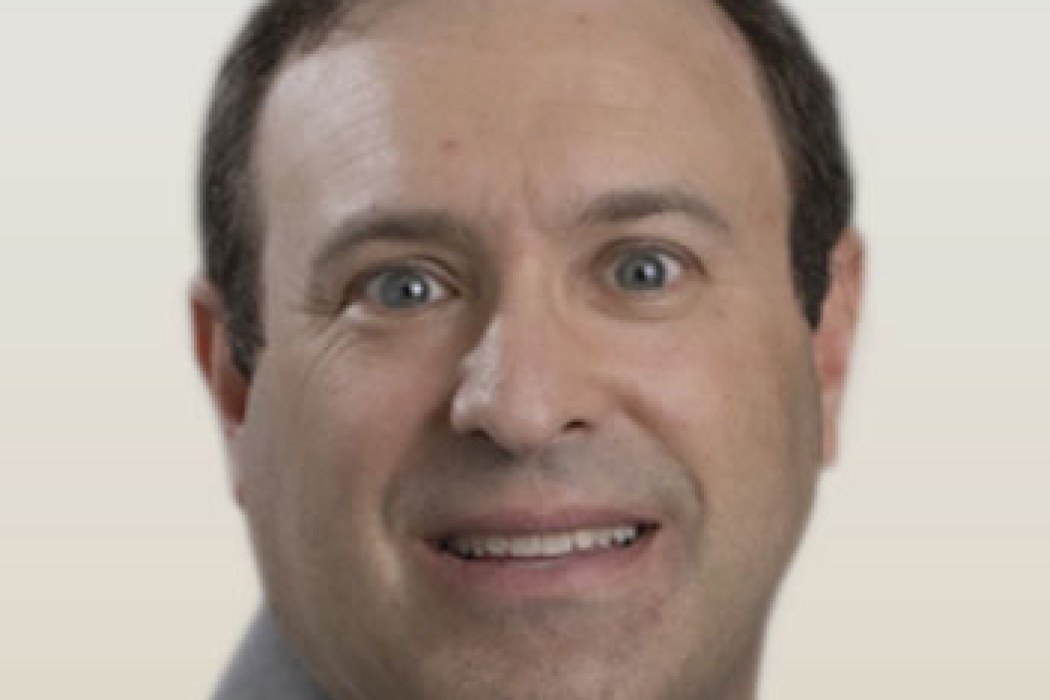
Gregory Fischer is the co-founder and CEO of AiM Medical Robotics, a Worcester, Massachusetts company building a portable, MRI-compatible surgical robot for neurosurgery. A robotics engineer with a PhD from Johns Hopkins, Fischer spent nearly two decades as a professor at Worcester Polytechnic Institute, where he directed the Automation and Interventional Medicine (AIM) Robotics Lab and founded the PracticePoint medtech R&D center. He turned his NIH-funded research into a company aiming to bring real-time image guidance and submillimeter robotic precision into the operating room, with a first-in-human clinical study on the horizon after a $8.1 million Series A in 2025.

Manisha Shah-Bugaj
Manisha Shah-Bugaj is the CEO of Activ Surgical, a Boston-based medical technology company building hardware-agnostic surgical software and its ActivSight Intelligent Light imaging module. A medtech executive with more than two decades of experience, she previously built Olympus's U.S. gynecology business from the ground up, rising to General Manager and Global Vice President, before joining Activ Surgical as COO in January 2022 and becoming CEO that December.
Mendaera, Inc.
Mendaera is a Silicon Valley healthcare technology company building Focalist, a fist-sized handheld robotic system that pairs real-time ultrasound imaging with robotic needle guidance and AI to make precise, needle-based procedures more accessible across specialties. Founded in 2020 by Josh DeFonzo and Jason Wilson, both alumni of Auris Health, and backed by Intuitive Surgical and Auris co-founder Dr. Fred Moll, the company aims to move robotics beyond the operating room and into the everyday procedures that make up the bulk of medicine.

Roboto AI
Roboto AI is a Seattle-based analytics platform for robotics and Physical AI teams. It ingests multimodal robot logs - ROS bags, PX4/ULog, MCAP, Parquet, video - and uses AI agents plus a Python SDK and CLI to automatically search, analyze, and surface edge cases, anomalies, and failures across entire robot fleets. Founded in 2022 by former Amazon Robotics leaders Benji Barash and Yves Albers-Schoenberg, the company spun out of the Allen Institute for AI and raised a $4.8M seed to help robotics developers stop digging through petabytes of sensor data by hand.
Brian Miller
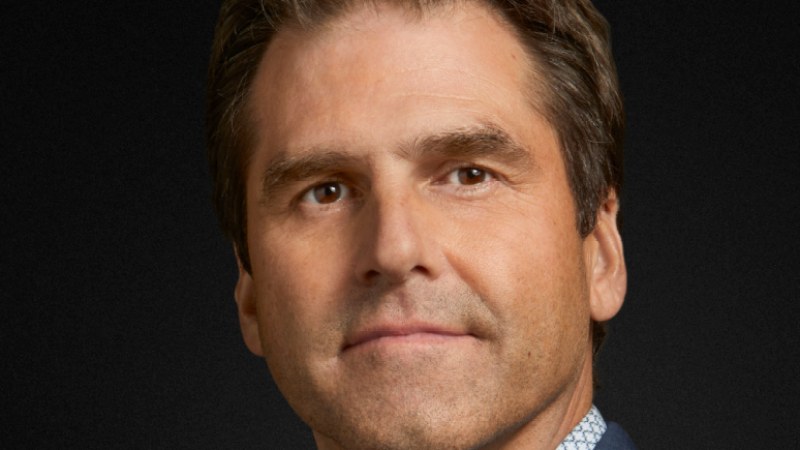
Brian Miller is the CEO of Sovato, the Santa Barbara company building the first platform to let health systems deploy and scale remote robotic surgery. An electrical engineer turned roboticist with a PhD from Northwestern in haptics, he spent his first job at Computer Motion writing software for the AESOP and ZEUS robots and watched the 2001 Operation Lindbergh, the first transatlantic remote surgery. Twenty-three years at Intuitive Surgical followed, where he rose from control-systems analyst to Chief Digital Officer and Head of Digital and AI Strategy. In April 2026 he returned to the frontier he started on, taking Sovato from early market development toward its first patient programs in 2027.
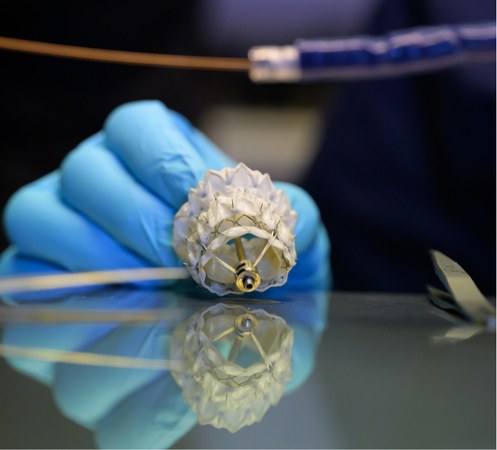
Capstan Medical
Capstan Medical is a Santa Cruz, California medical device company building a robotic, catheter-based platform to repair and replace heart valves through minimally invasive procedures. By merging surgical robotics, catheter-based delivery, and next-generation implants, the company aims to bring structural heart intervention - starting with mitral and tricuspid valve regurgitation - to patients who are too sick or too high-risk for open-heart surgery. Founded in 2020 and led by CEO Maggie Nixon, Capstan has raised more than $140 million and completed its first robot-assisted transcatheter mitral valve replacements in humans.
XCath Robotics
XCath Robotics is a Houston-based medical robotics company building next-generation endovascular robotic systems and steerable smart guidewires to treat stroke, brain aneurysms and other neurovascular conditions. Its flagship Iris system is the only endovascular robot in development capable of intracranial navigation, and the company is racing toward a clinical telerobot that could let a specialist perform a brain-clot removal on a patient hundreds of miles away.
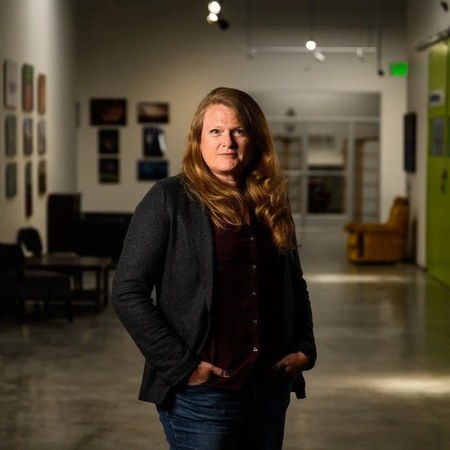
Maggie Nixon
Maggie Nixon is the CEO of Capstan Medical, a Santa Cruz medtech startup building a robotic platform and catheter-delivered implants for minimally invasive mitral and tricuspid heart valve replacement. A nationally ranked high-school shot put and discus thrower, she earned a Stanford athletic scholarship, designed her own biomechanical engineering major, and then spent more than two decades at Intuitive Surgical across instrument design, clinical development, quality and regulatory, and China operations and strategy. In 2022 she reunited with her first Intuitive boss, Dan Wallace, to lead Capstan, where in 2025 her team completed the world's first robotic catheter mitral valve replacements in humans after raising a $110M Series C.
Sovato
Sovato is a Santa Barbara health-tech company building the first comprehensive, system-agnostic platform for remote robotic surgery and procedures - what the industry calls telesurgery. Co-founded by surgical-robotics pioneer Yulun Wang and healthcare strategist Cynthia Perazzo, Sovato lets a skilled surgeon operate a robotic system from hundreds or thousands of miles away, aiming to extend top surgical care to patients regardless of where they live. The company has raised $41M across its rounds and helped enable the longest-distance telesurgery ever completed.
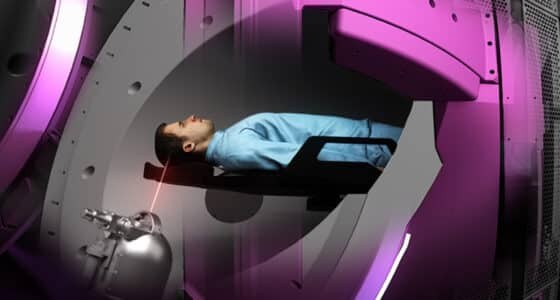
ZAP Surgical Systems, Inc.
ZAP Surgical Systems is a San Carlos, California medical device company that designed and manufactures the ZAP-X Gyroscopic Radiosurgery platform - a self-shielded, vault-free system for non-invasive treatment of brain tumors and other intracranial conditions. Founded by Stanford neurosurgeon and CyberKnife inventor John R. Adler, ZAP is on a mission to democratize stereotactic radiosurgery by eliminating the need for radioactive isotopes and concrete bunkers.

Paxton Maeder-York
Paxton Maeder-York is the founder of Alife Health, an AI platform for IVF clinics that has raised $31.5M and raised the standard for data-driven fertility care. A Harvard-trained biomedical engineer and MBA, he previously helped build surgical robotics at Auris Health (acquired by J&J for $3.4B) and worked in product at Google X. In 2020, driven in part by the fact that his younger brother is an IVF baby, he founded Alife to apply machine learning to embryo selection, hormone dosing, and lab scheduling. By 2024 the company had launched five products, earned recognition from Fast Company and the World Economic Forum, and achieved a leadership transition - Paxton stepping into a board role as Melissa Teran took the CEO seat.