wealth-management
(315)
First Merchants got big. Can it stay close?
A Muncie bank built its business on personal attention. A century of growth, a fair-lending reckoning and a new acquisition make that promise harder - and more interesting - to keep.

Eastern Bank grew up. Can it stay close?
A bank born with a $100 deposit became a publicly traded regional lender. Its most interesting bet is that getting bigger can help it stay useful to the people next door.

Commerce Bank's quiet war on waiting
Commerce Bank built its business on personal relationships. Its next move is to remove the paperwork, payment delays and awkward handoffs that get between people and their money.
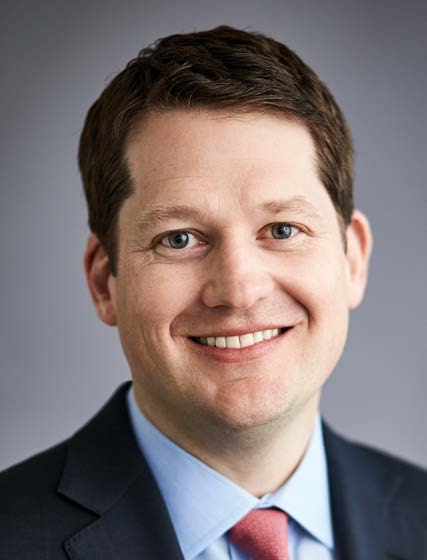
John Kemper and the art of staying for the answer
He joined Commerce after a consulting assignment and became its chief executive eleven years later. John Kemper’s career turns on a practical question: what happens after the advice is given?
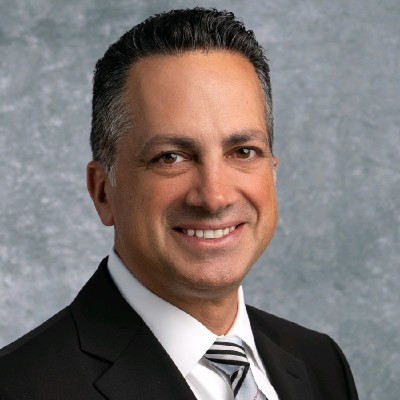
Chady AlAhmar and the problem of getting bigger
An electrical engineering graduate became a wealth management executive with a deceptively personal ambition: build a larger business in which people still feel they matter.

Lazard sells the second opinion
It began by selling cloth. Now Lazard sells judgment on mergers, debt and investments. Its next bet is a $575 million expansion into private capital advice.
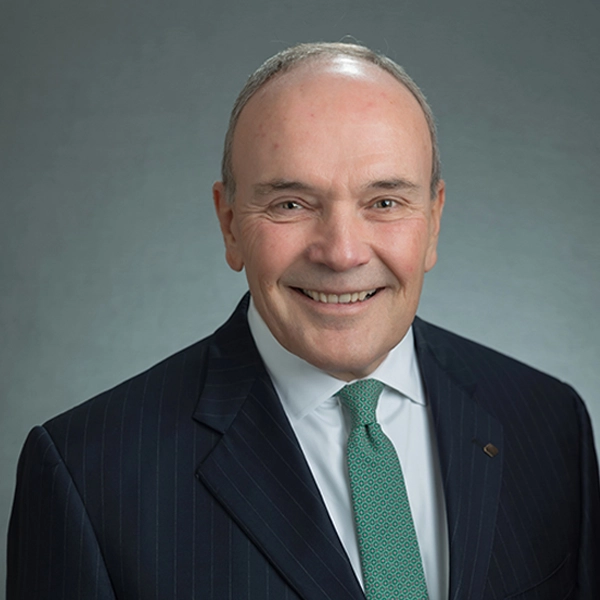
Duane Dewey and the art of changing a bank from the inside
He spent seventeen years at Trustmark before becoming CEO. Now Duane Dewey is testing how much a familiar institution can change while keeping its customers along for the ride.

Ladenburg Thalmann sells access. The rest is history.
A $13,550 exchange seat helped open the door in 1879. Today, Ladenburg Thalmann connects growing companies with capital by knowing the business on both sides of the trade.

Columbia Bank's big bet on small details
A $2 billion deal bought Columbia Bank a bigger piece of the West. Its everyday pitch comes down to something less grand: helping money get where it needs to go.

TowneBank’s big bet on knowing you
Four thousand local shareholders helped launch TowneBank. Now a $22.6 billion regional bank is testing how far a personal relationship can travel.

First Citizens Bank and the art of buying time
A bank built for North Carolina farmers became the buyer of Silicon Valley Bank’s lending business. The surprise is how much of its old method survived the trip.

The price of a familiar name
SunTrust Investment Services brought investing into a familiar banking relationship. Its journey to Truist shows what that convenience buys - and why the smallest fees deserve the biggest questions.
Bank of America and the power of boring
A bank built by mergers is betting billions that the small stuff will keep customers close. Its AI assistant, branch network and fee history reveal what happens when everyday banking runs at enormous scale.

Regions Bank and the value of staying close
A regional bank can get very big. The harder trick is keeping the everyday customer at the center of a business built on billions of dollars.

Edward Jones made Wall Street a local address
Edward Jones turned the neighborhood financial advisor into a business serving more than 9 million clients. Now it wants a bigger role in their lives - with broader planning, new technology and a bank on the way.

M&T Bank. The business of staying close.
A Buffalo bank grew by buying other banks. Its harder job is keeping the small, ordinary promises that make people stay.

U.S. Bank wants the whole transaction
A checking account is only the beginning. From the card reader on the counter to the deal in the boardroom, U.S. Bank is building a business around everything money does next.

Stifel’s big bet on small teams
A St. Louis brokerage grew by buying expertise and giving advisers room to work. The harder part is keeping a sprawling financial firm accountable to the people whose money it holds.

Ameriprise and the price of a plan
Ameriprise puts a human advisor between a household and its financial decisions. The interesting question is what that relationship buys - and how to tell whether it earns its keep.

PNC Is Betting $2 Billion on Showing Up
PNC moved millions of customers onto a new online platform. Now it is building more than 300 branches. The apparent contradiction explains how this Pittsburgh bank plans to grow.
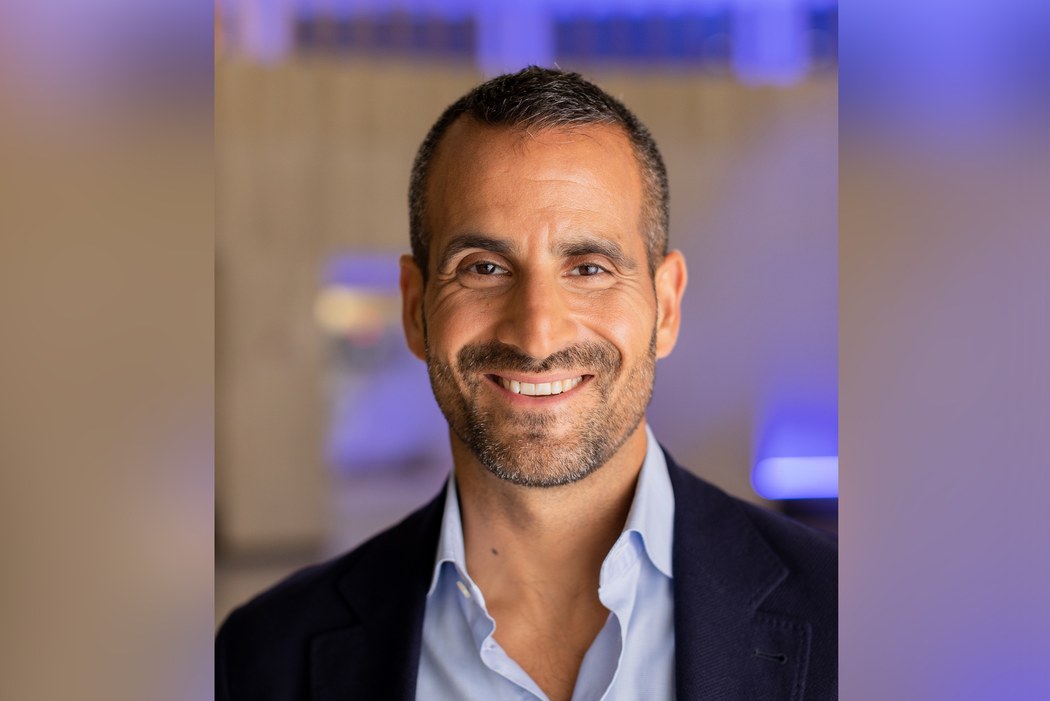
Som Seif and the art of starting over
He helped build Claymore, sold it to BlackRock, and came back with Purpose. Along the way, the former water polo coach has kept asking what a financial company should help people do.

Edoardo Narduzzi keeps moving the finish line
The Mashfrog founder began in financial journalism, built technology companies and wrote about a changing economy. His most revealing habit is what happens when he reaches a goal: he sets another.

Aaron Brodt and the Trouble With Getting Bigger
Aaron Brodt founded Ashton Thomas Private Wealth, then helped build Amplify to solve the problems growth created. His second business began inside the first, where disconnected software was making more work for the people meant to serve clients.

John Sweeney and the Trouble With an Open Door
Private markets are opening to more individual investors. Brookfield’s John Sweeney has spent his career working on what happens after they walk in.

Penny Pennington and the advantage of starting over
She left a banking career to open a financial advice practice in Michigan. Now, as Edward Jones’ managing partner, Penny Pennington is asking a century-old firm to learn a few new habits of its own.
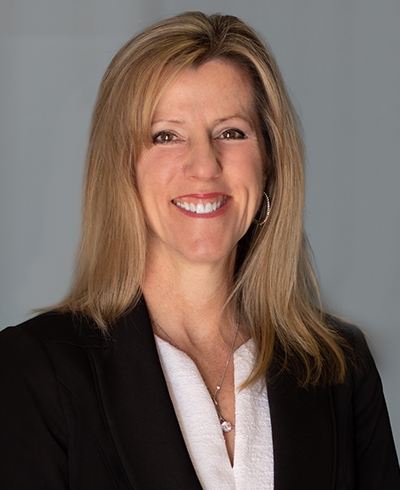
Dawn Smith and the discipline of the long run
A Dartmouth psychology graduate became a financial advisor in 1993. Three decades later, Dawn E. Smith leads Oasis Wealth Advisors in Hopkinton, with twenty marathons behind her and a career spent thinking about the decisions people make with money.

Bill Williams and the arithmetic of trust
He started with a Boston-area advisory practice in 1989. Now Bill Williams leads more than 10,000 Ameriprise advisors, with a career-long interest in what helps a financial relationship last.

Gunjan Kedia and the seven-hour interview
Before she led U.S. Bancorp, Gunjan Kedia waited seven hours for a chance to be heard. Her career has been an education in when to insist, when to listen, and how to get a bank moving.

Rich Steinmeier and the business of getting out of the way
His first paycheck bought mustard-yellow parachute pants; his career led to the machinery behind financial advice. At LPL Financial, Rich Steinmeier is testing how much a large company can do for people who value their independence.
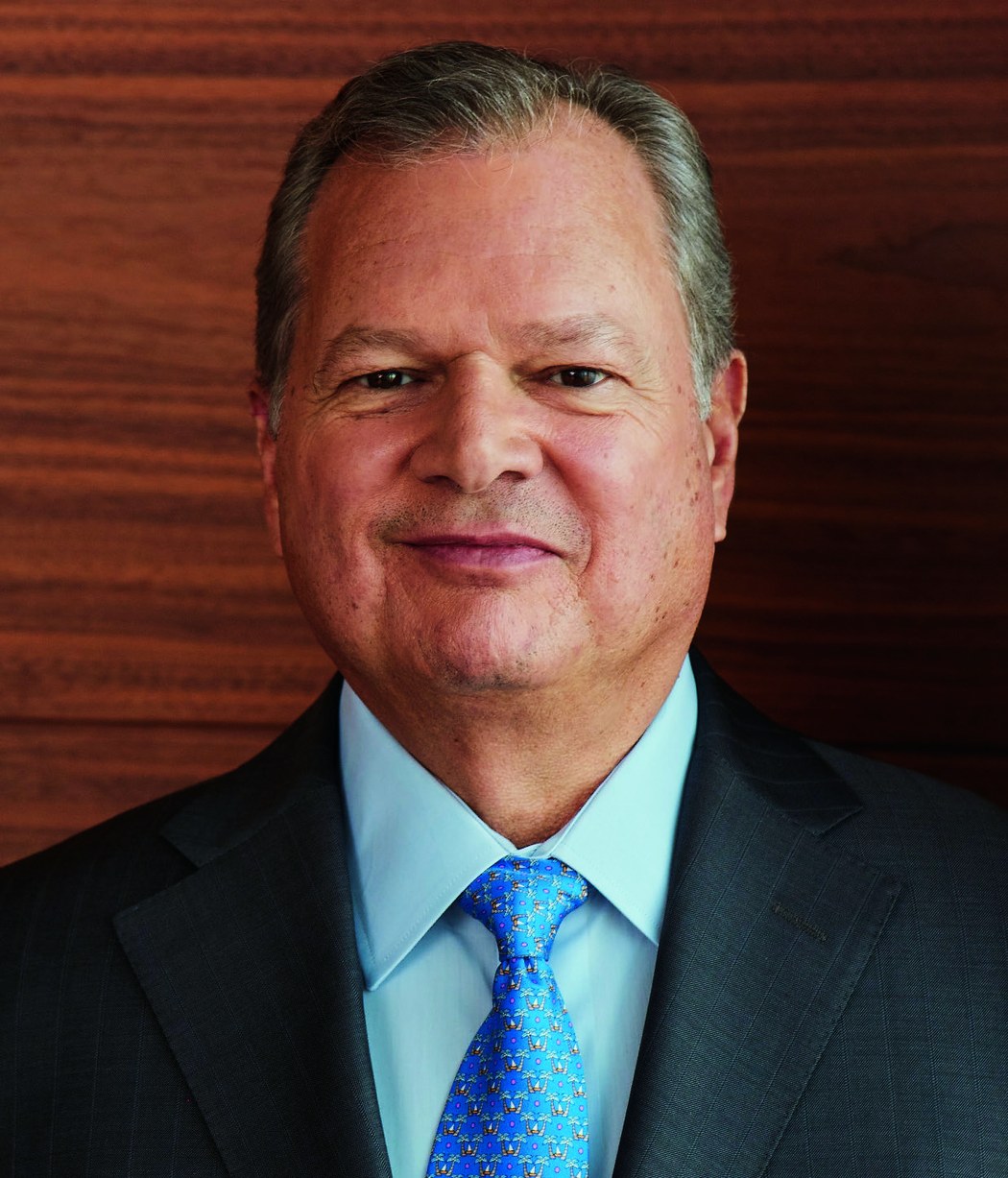
Jim Cracchiolo and the 111-Year-Old New Company
In 2005, Jim Cracchiolo took a business with a century of history out of American Express. The harder work was giving independence a purpose - and keeping that purpose through a financial crisis.