wealth-management
(110)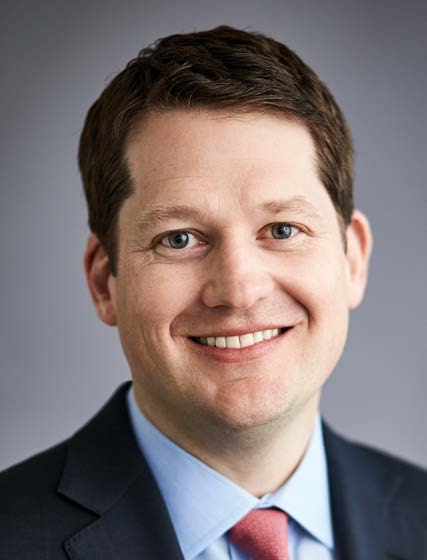
John Kemper and the art of staying for the answer
He joined Commerce after a consulting assignment and became its chief executive eleven years later. John Kemper’s career turns on a practical question: what happens after the advice is given?
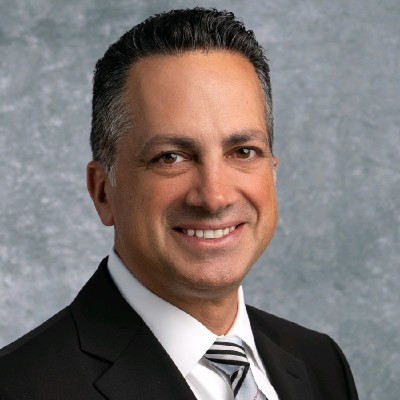
Chady AlAhmar and the problem of getting bigger
An electrical engineering graduate became a wealth management executive with a deceptively personal ambition: build a larger business in which people still feel they matter.
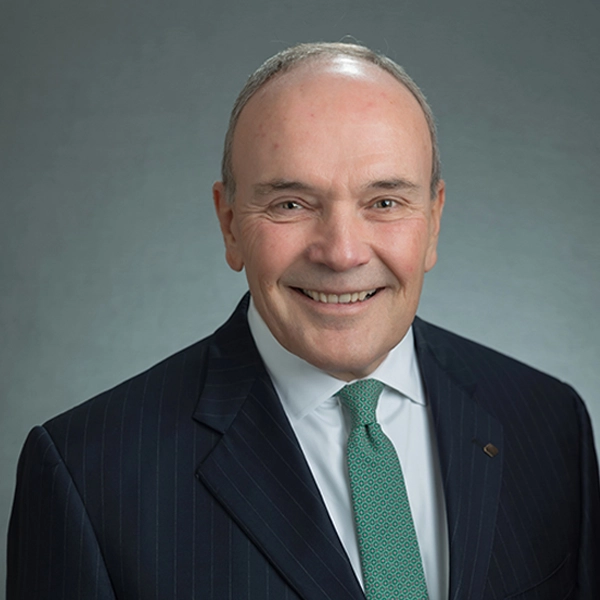
Duane Dewey and the art of changing a bank from the inside
He spent seventeen years at Trustmark before becoming CEO. Now Duane Dewey is testing how much a familiar institution can change while keeping its customers along for the ride.
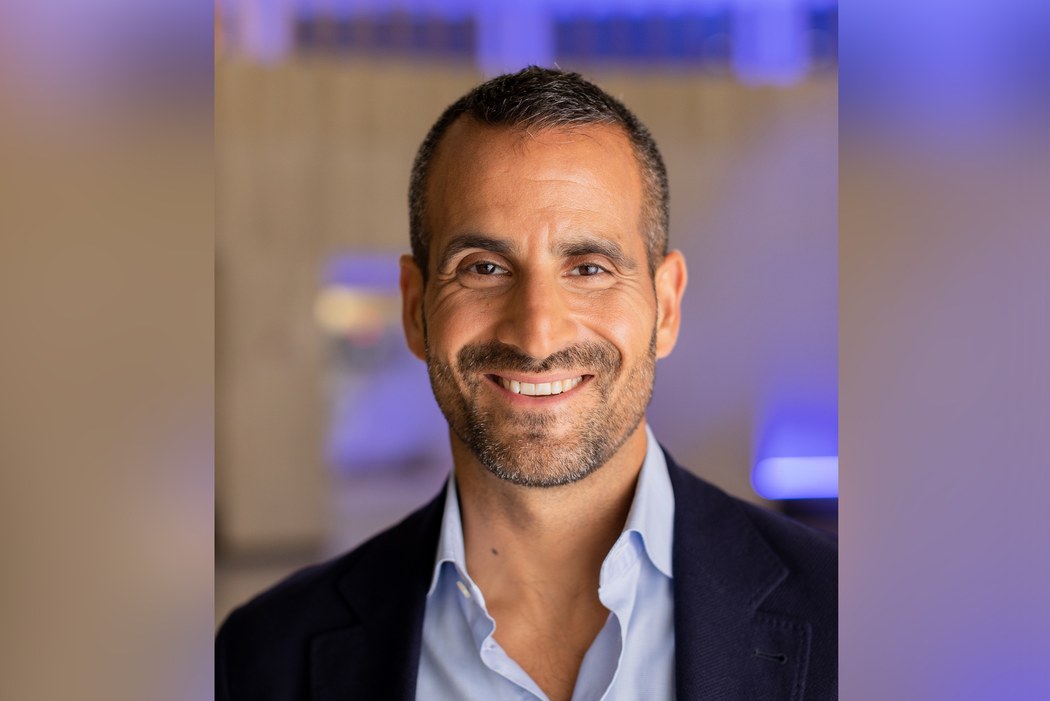
Som Seif and the art of starting over
He helped build Claymore, sold it to BlackRock, and came back with Purpose. Along the way, the former water polo coach has kept asking what a financial company should help people do.
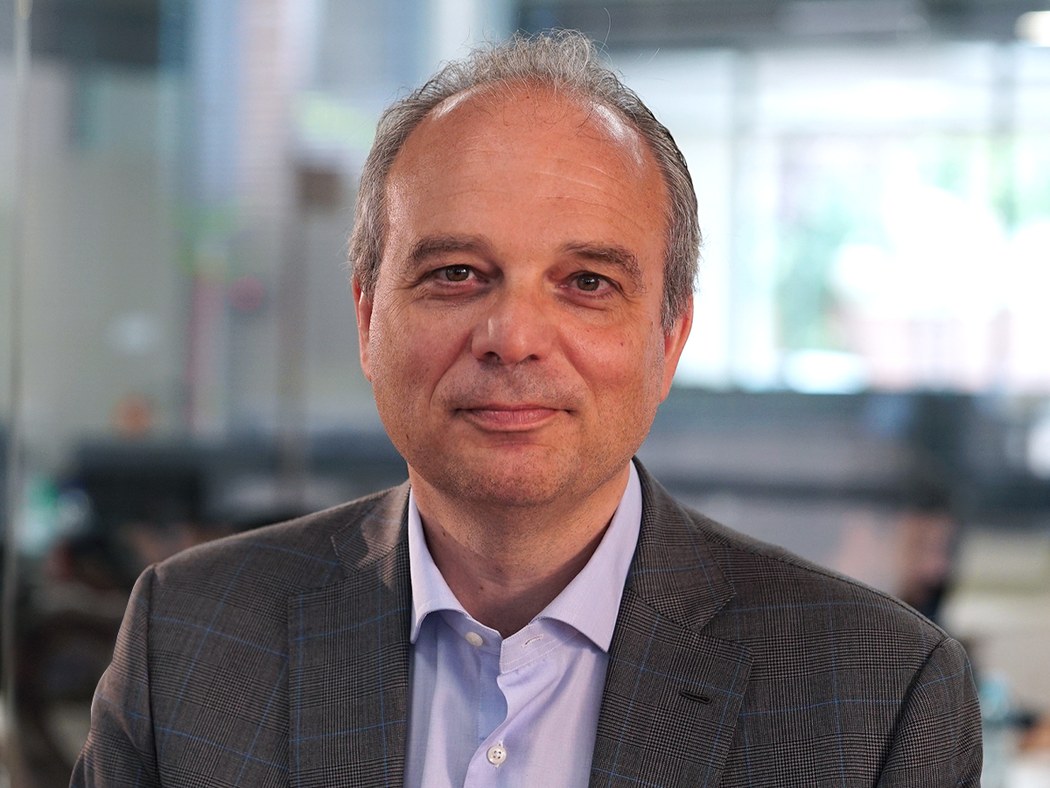
Edoardo Narduzzi keeps moving the finish line
The Mashfrog founder began in financial journalism, built technology companies and wrote about a changing economy. His most revealing habit is what happens when he reaches a goal: he sets another.
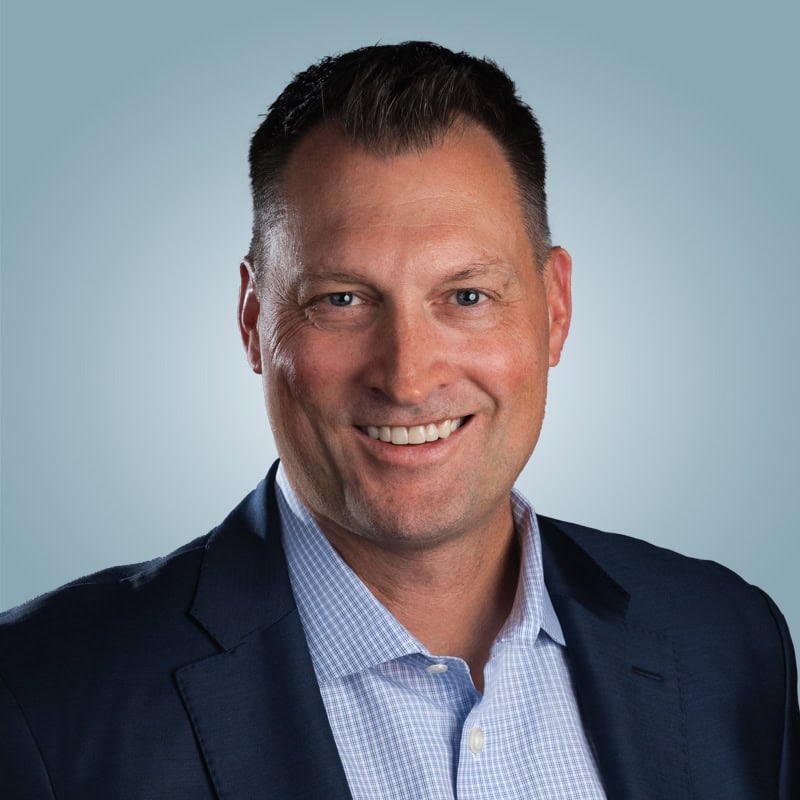
Aaron Brodt and the Trouble With Getting Bigger
Aaron Brodt founded Ashton Thomas Private Wealth, then helped build Amplify to solve the problems growth created. His second business began inside the first, where disconnected software was making more work for the people meant to serve clients.
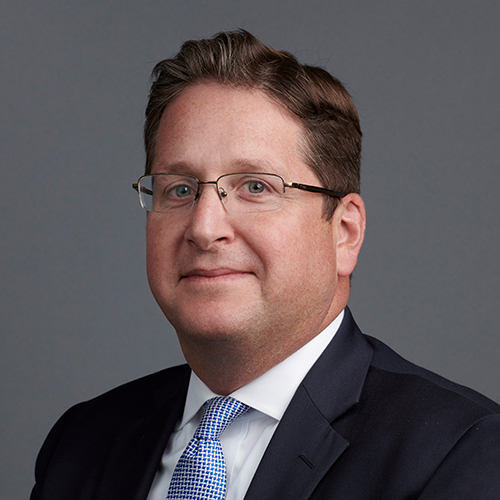
John Sweeney and the Trouble With an Open Door
Private markets are opening to more individual investors. Brookfield’s John Sweeney has spent his career working on what happens after they walk in.
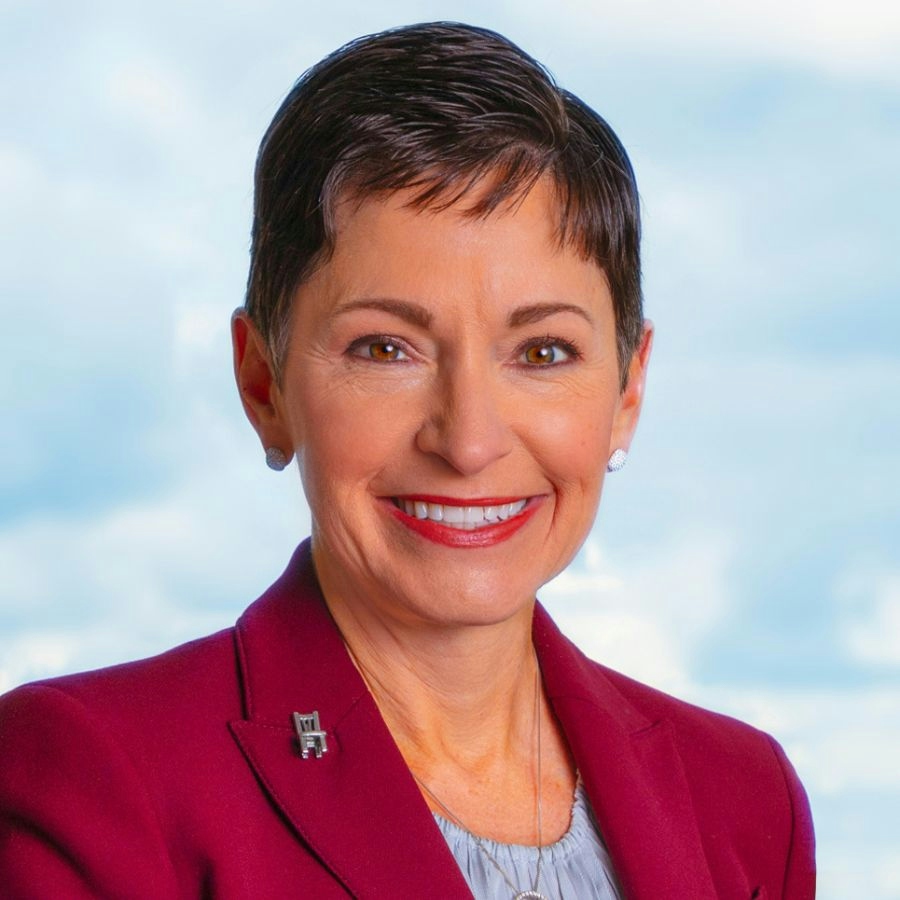
Penny Pennington and the advantage of starting over
She left a banking career to open a financial advice practice in Michigan. Now, as Edward Jones’ managing partner, Penny Pennington is asking a century-old firm to learn a few new habits of its own.
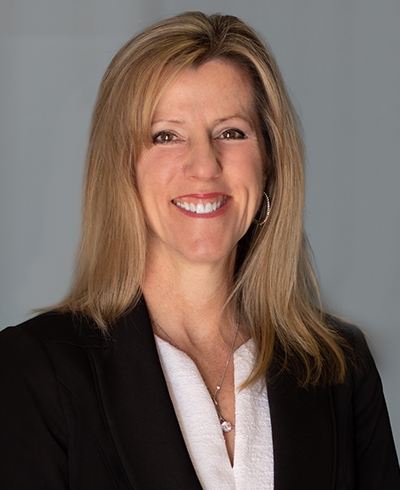
Dawn Smith and the discipline of the long run
A Dartmouth psychology graduate became a financial advisor in 1993. Three decades later, Dawn E. Smith leads Oasis Wealth Advisors in Hopkinton, with twenty marathons behind her and a career spent thinking about the decisions people make with money.
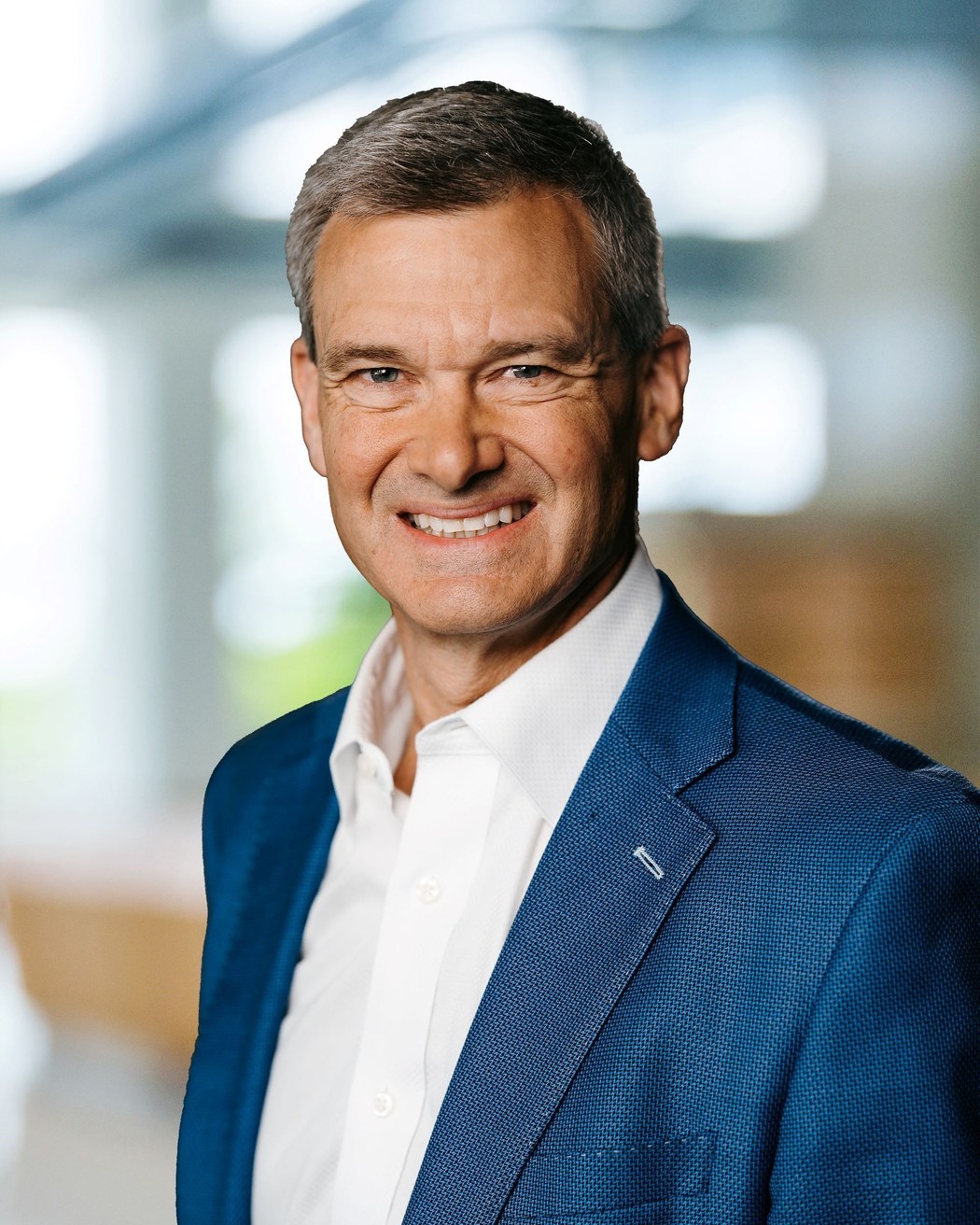
Bill Williams and the arithmetic of trust
He started with a Boston-area advisory practice in 1989. Now Bill Williams leads more than 10,000 Ameriprise advisors, with a career-long interest in what helps a financial relationship last.
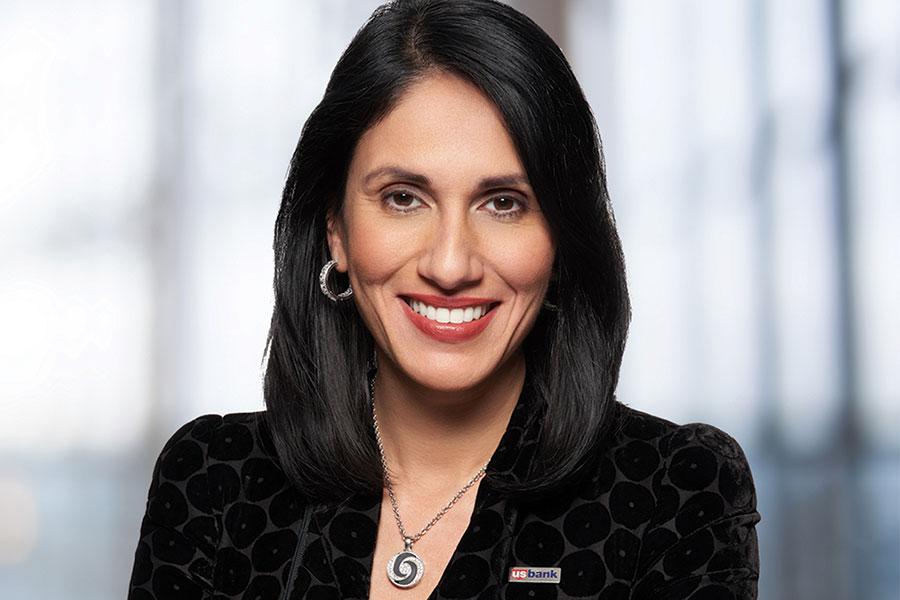
Gunjan Kedia and the seven-hour interview
Before she led U.S. Bancorp, Gunjan Kedia waited seven hours for a chance to be heard. Her career has been an education in when to insist, when to listen, and how to get a bank moving.
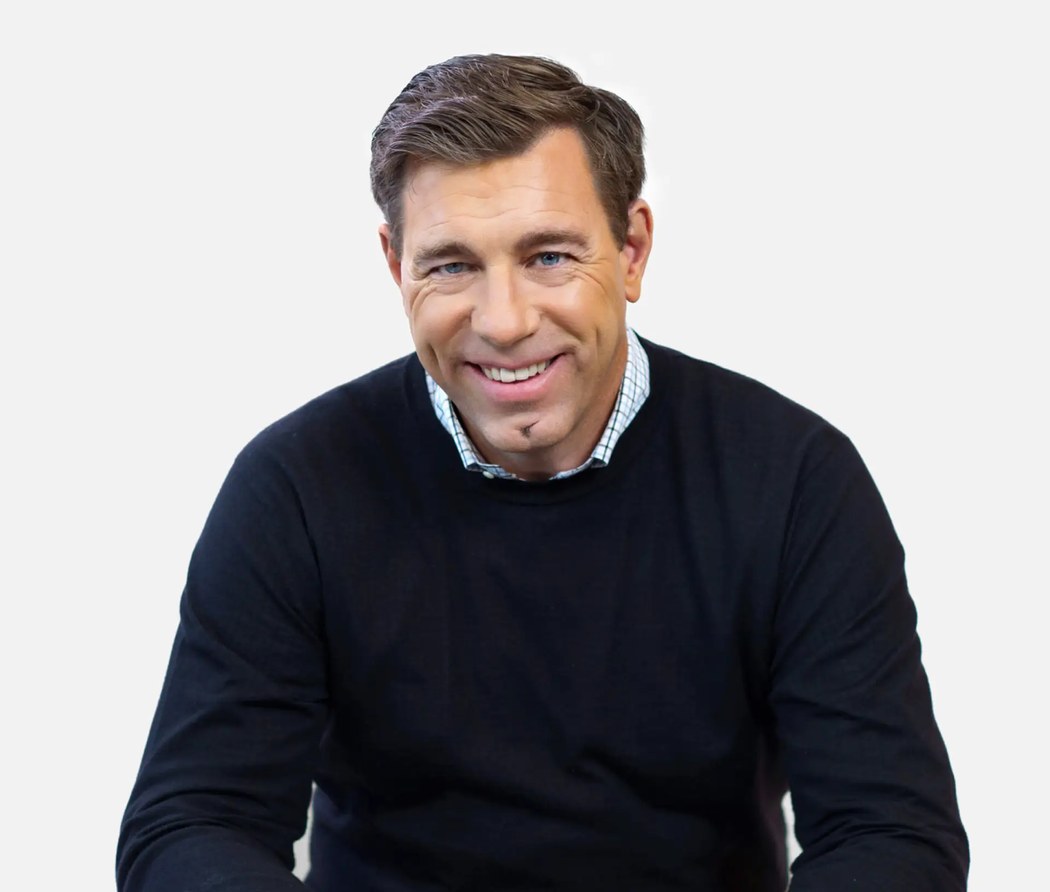
Rich Steinmeier and the business of getting out of the way
His first paycheck bought mustard-yellow parachute pants; his career led to the machinery behind financial advice. At LPL Financial, Rich Steinmeier is testing how much a large company can do for people who value their independence.
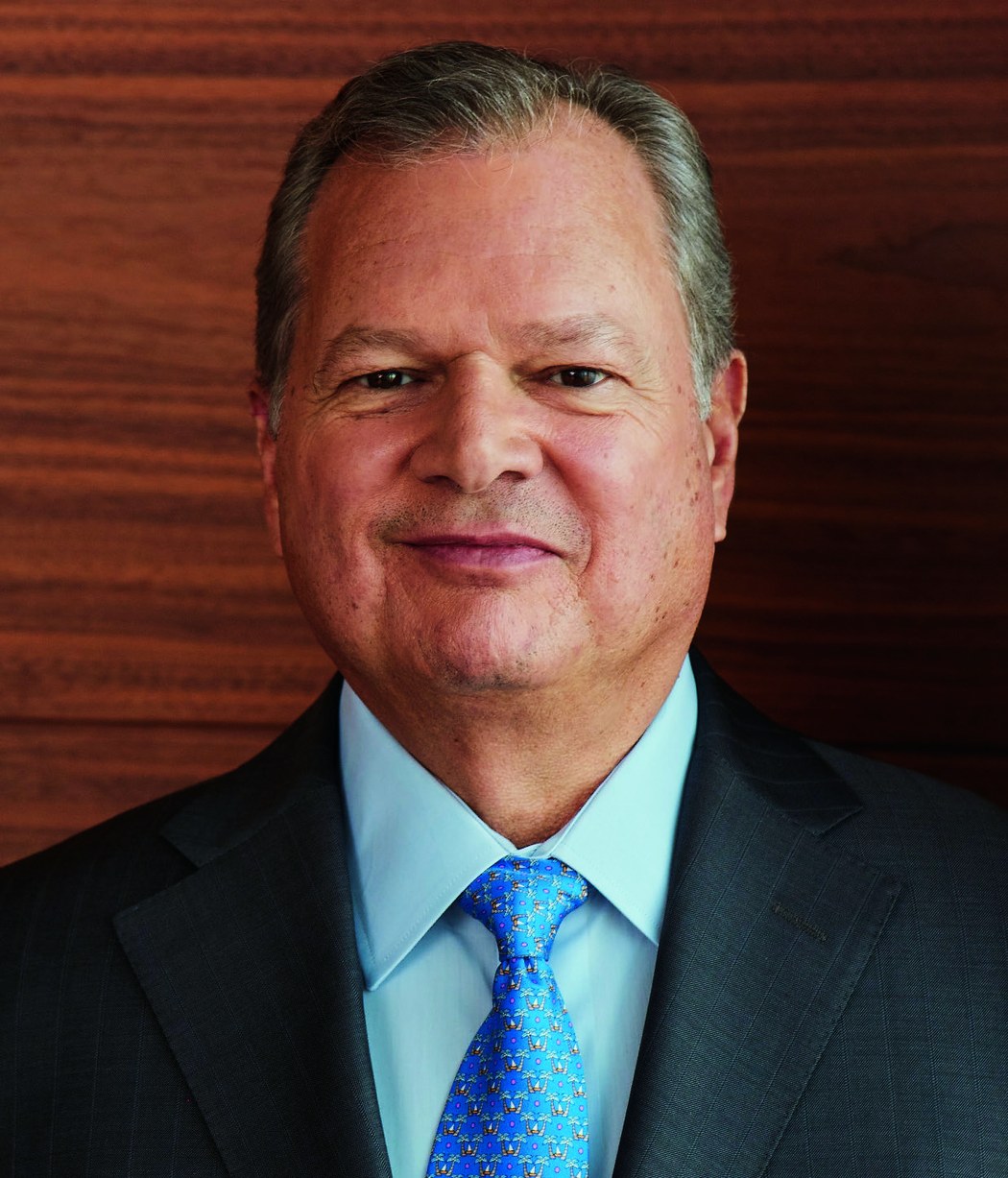
Jim Cracchiolo and the 111-Year-Old New Company
In 2005, Jim Cracchiolo took a business with a century of history out of American Express. The harder work was giving independence a purpose - and keeping that purpose through a financial crisis.
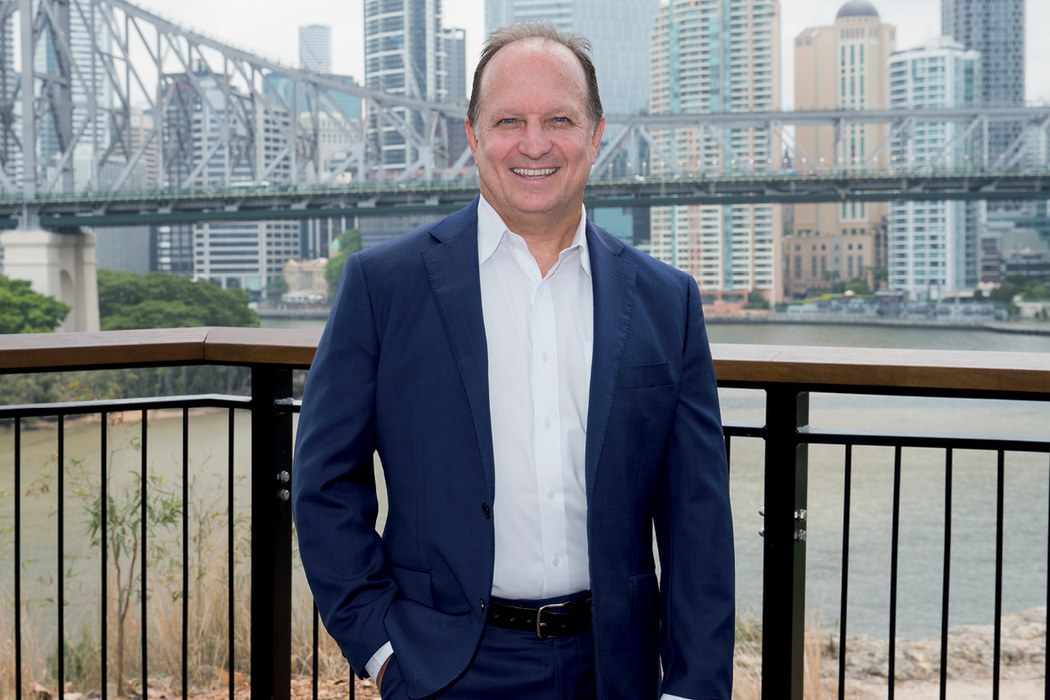
Graham Campbell and the business of getting people on the same page
Before Graham Campbell led Gallagher’s benefits and HR consulting operations across Australia and New Zealand, he helped rebuild a practice with six different approaches to advice. The work of bringing people together has followed him ever since.
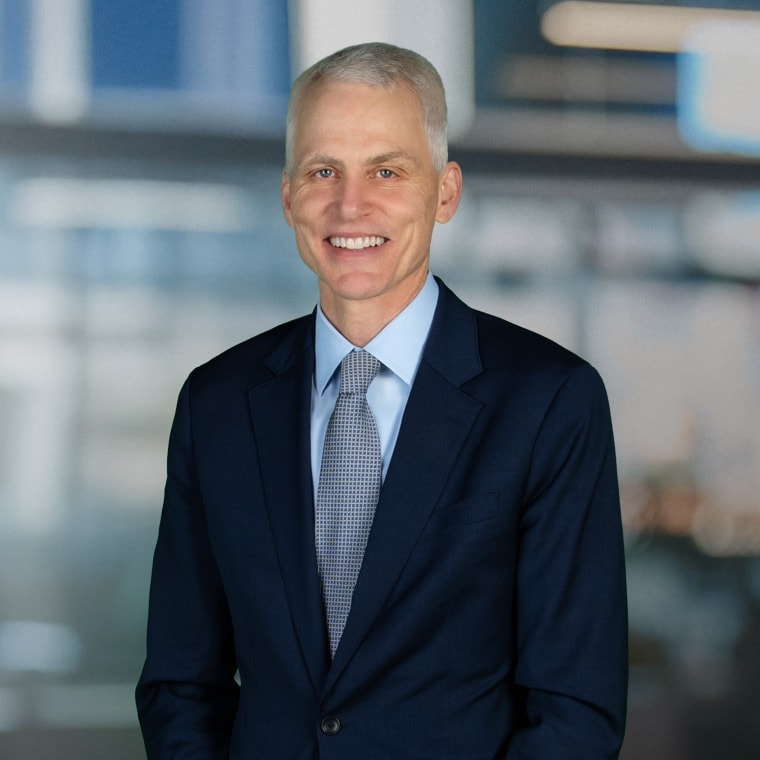
Michael O’Grady and the art of keeping trust
The Northern Trust chief learned his trade in accounting and investment banking. His next assignments put him in charge of a bank, a museum board and a larger question about Chicago’s future.
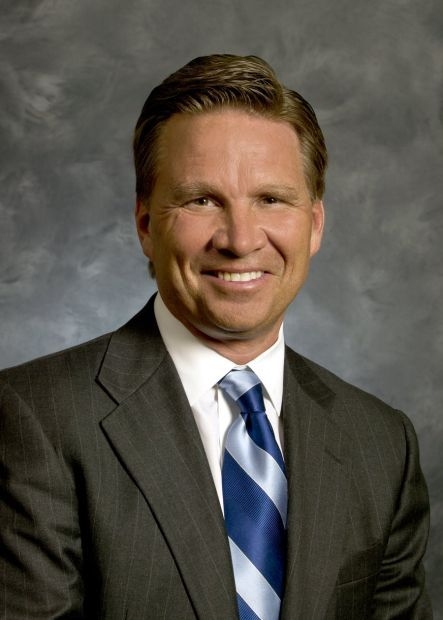
Ron Kruszewski learned to stop tackling his teammates
Before he built Stifel into a global financial firm, Ron Kruszewski had to learn how to disagree without losing the room. Nearly three decades into the job, he is still betting on people.
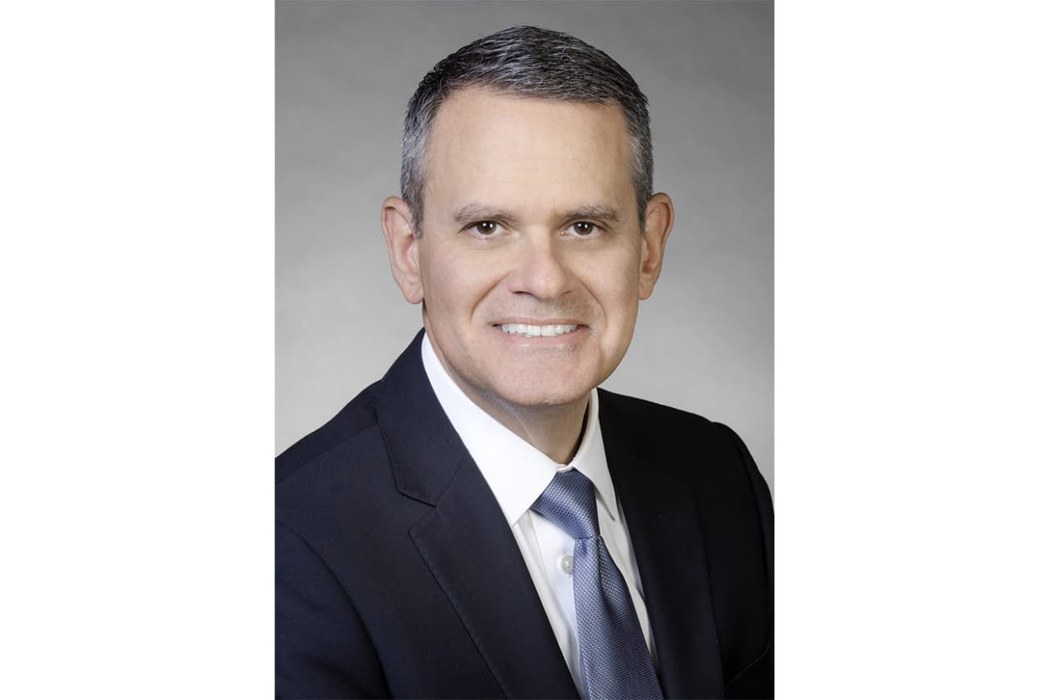
Rich Guerrini and the value of a second conversation
From telephone advice to digital brokerage accounts, Rich Guerrini has spent his PNC career connecting investors with people who can help. His next chapter brings banking and investing closer together.
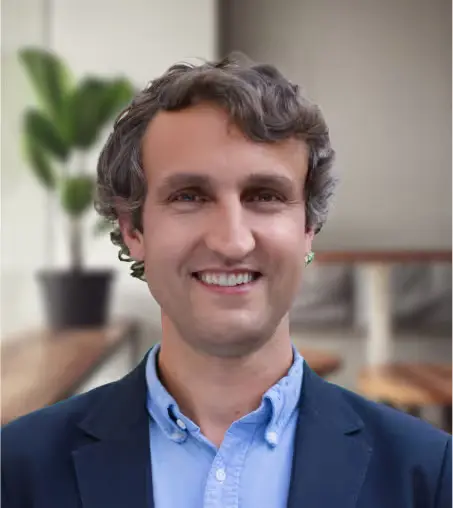
Taylor Matthews and the business of giving time back
Before Farther, Taylor Matthews tried selling backyard dirt to buy a Nintendo 64. Today, his wager is on something harder to manufacture: more time for financial advisors and the people who trust them.
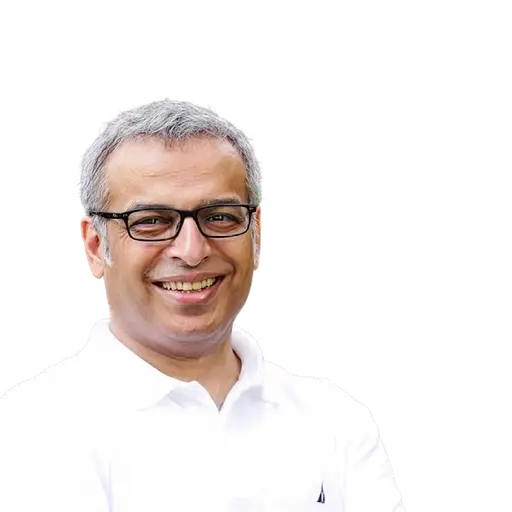
Tanmai Sharma and the retirement that wouldn’t stay retired
He left the trading floor and found another problem worth working on: wealthy people could own assets across the world and still struggle to see them together. From Canopy to Collation.AI, Tanmai Sharma has kept returning to the same question - what can you do once the numbers finally agree?
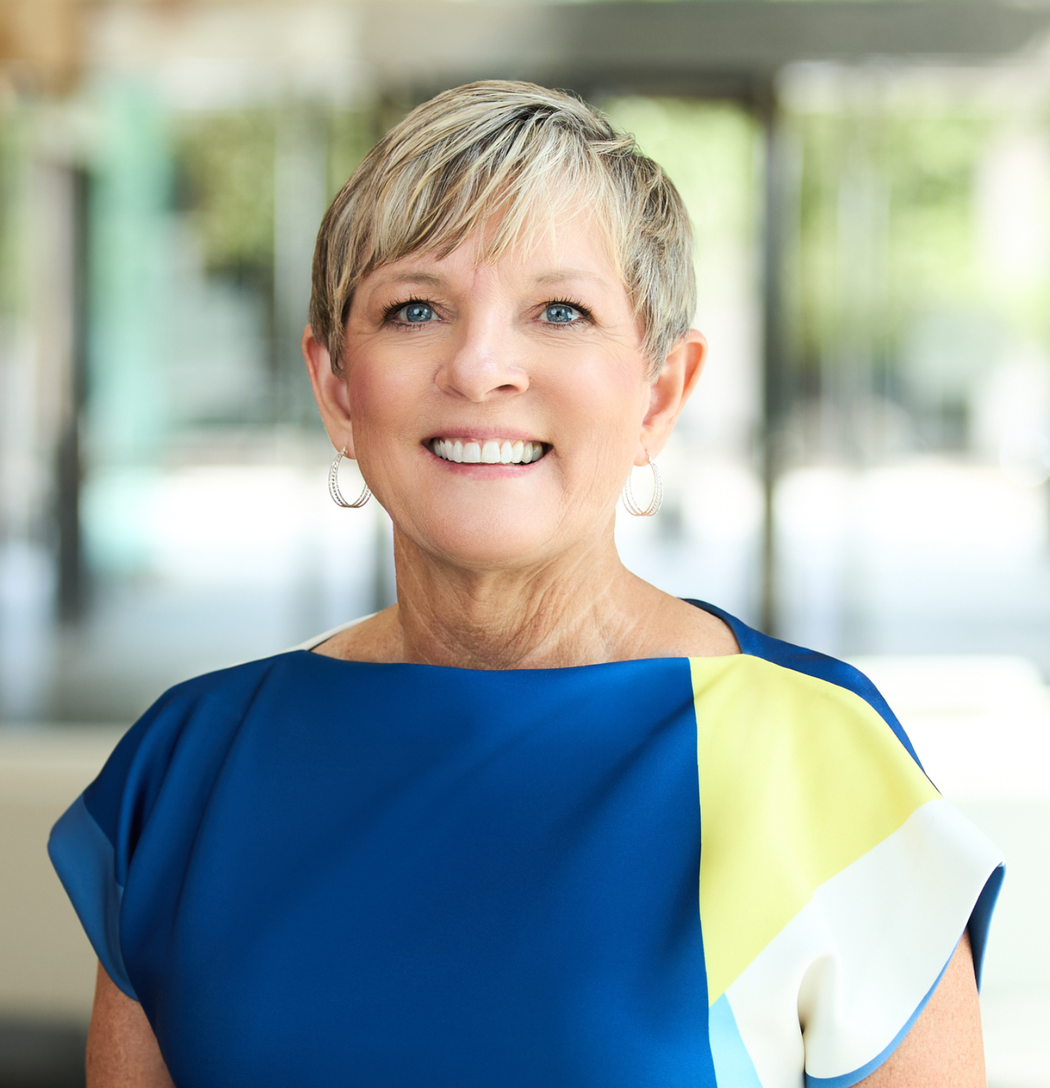
Dee Ann Remo Chose the Harder Way to Handle Money
She left a KPMG partnership to bring a family’s financial decisions into one conversation. More than twenty years after founding Heritage Wealth Advisors, Dee Ann Remo is still adding people to the table.
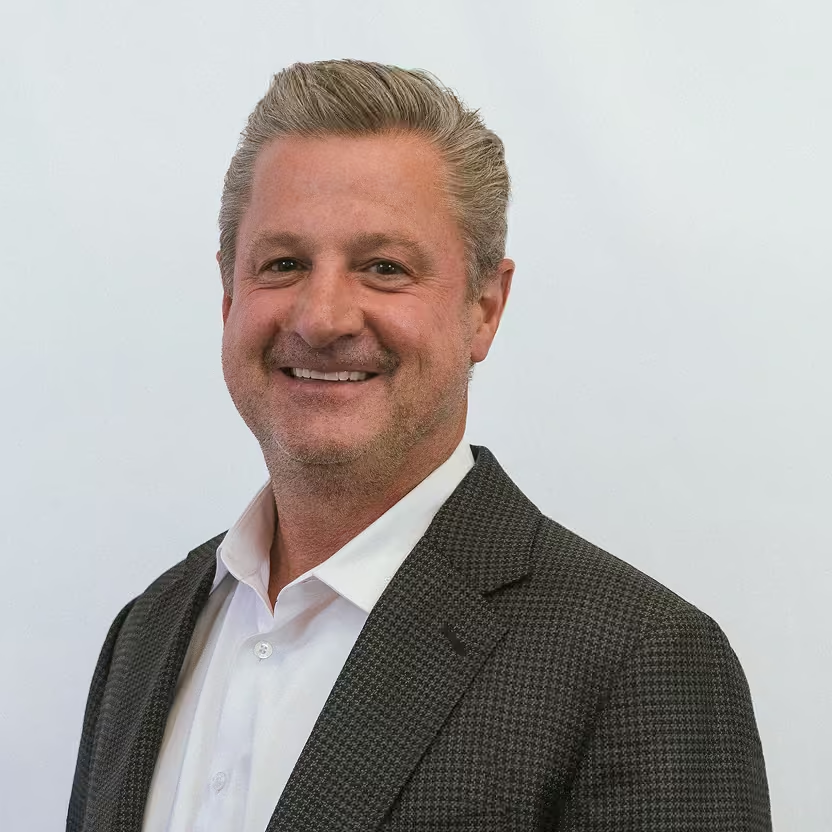
Chris Ainsworth and the Price of Personal Attention
After years inside private banks and hedge funds, Chris Ainsworth is building software to make personalized investing less expensive. His argument for AI leaves a surprisingly large job for people.
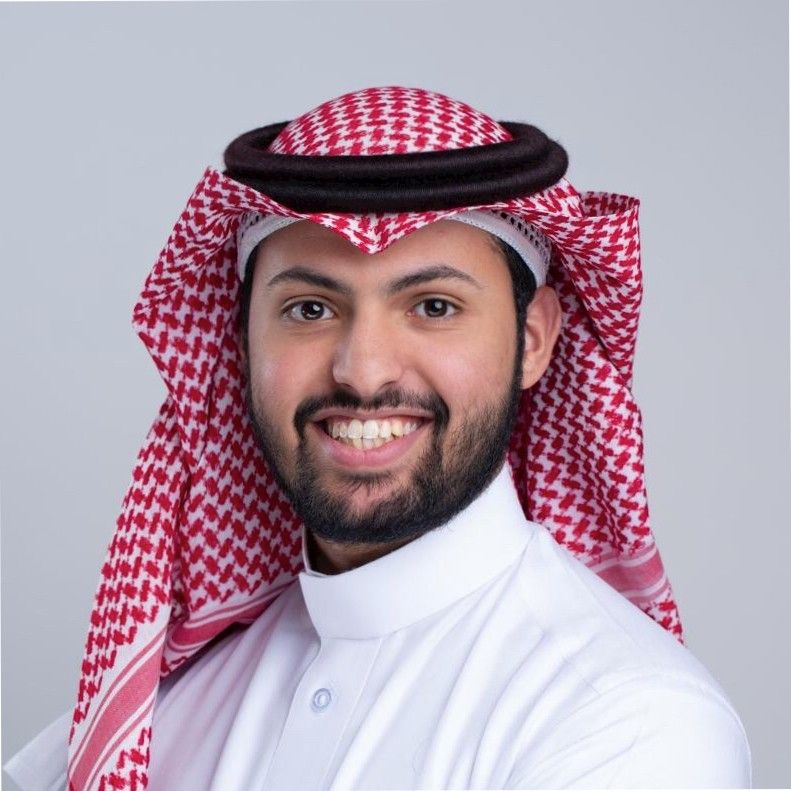
Abdullah Aljeraiwi and the homework behind easier investing
Before Abyan Capital, there was a university research team. Abdullah Aljeraiwi’s route from studying businesses to building an investment app reveals how a finance career can turn towards the everyday saver.
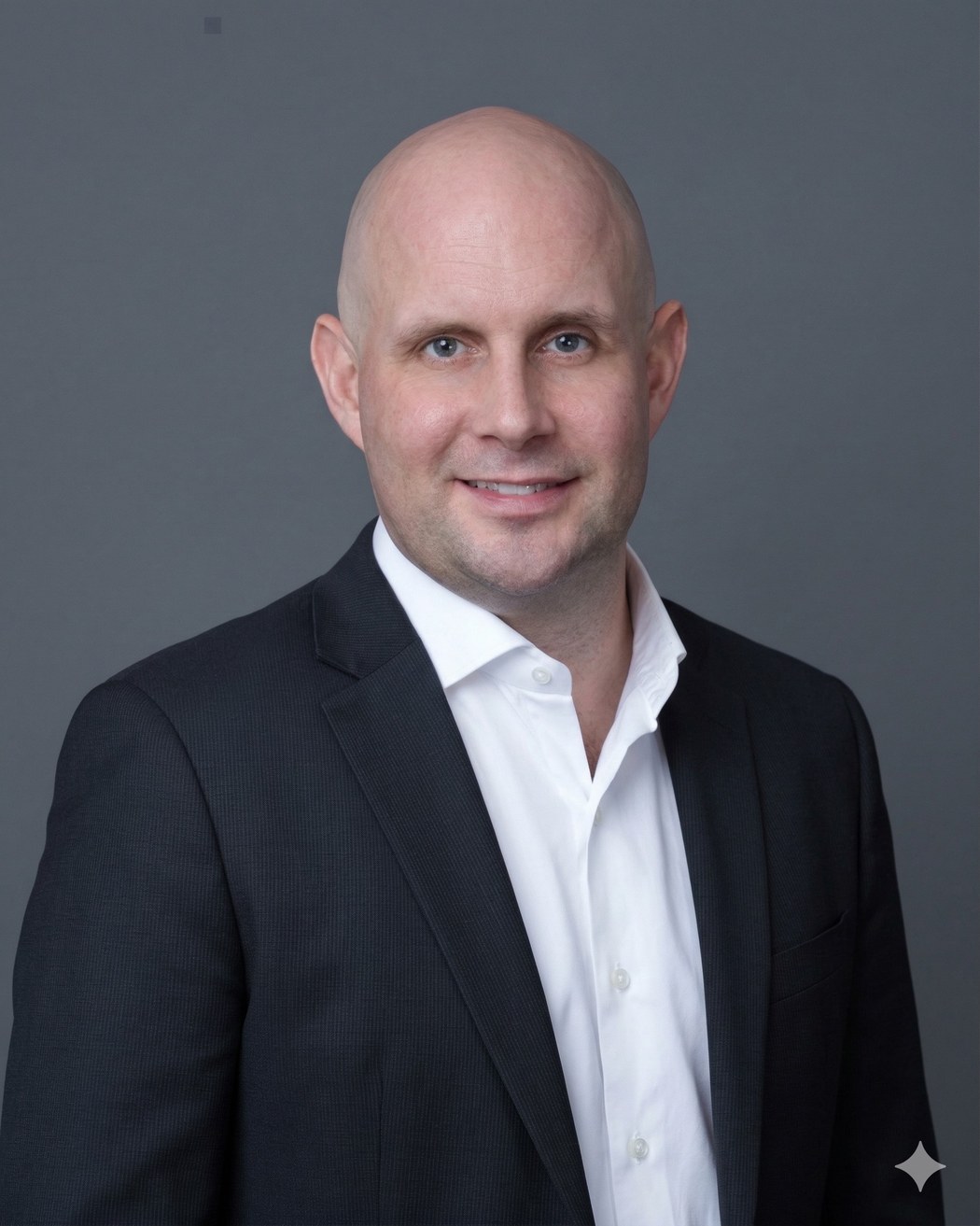
Elliot Andrews and the end of the 100x conversation
Before Aspen Digital, Elliot Andrews worked on the machinery of institutional finance. Now, from Abu Dhabi, he is bringing that experience to a question wealthy crypto investors increasingly ask: how does this fit into the rest of my life?

Bruce Li’s case for a second conversation
Li Shouguo (Bruce Li) built BETA DATA around the work that follows a financial sale. His path from banking and financial data to AI coaching keeps returning to a practical question: how do you make people want to listen?

Ali Alorainy and the work behind easy money
Before Malaa could simplify a customer’s finances, Ali Alorainy had to deal with the complicated parts: bank connections, regulation, and trust. His route from data science to wealth management runs through all three.
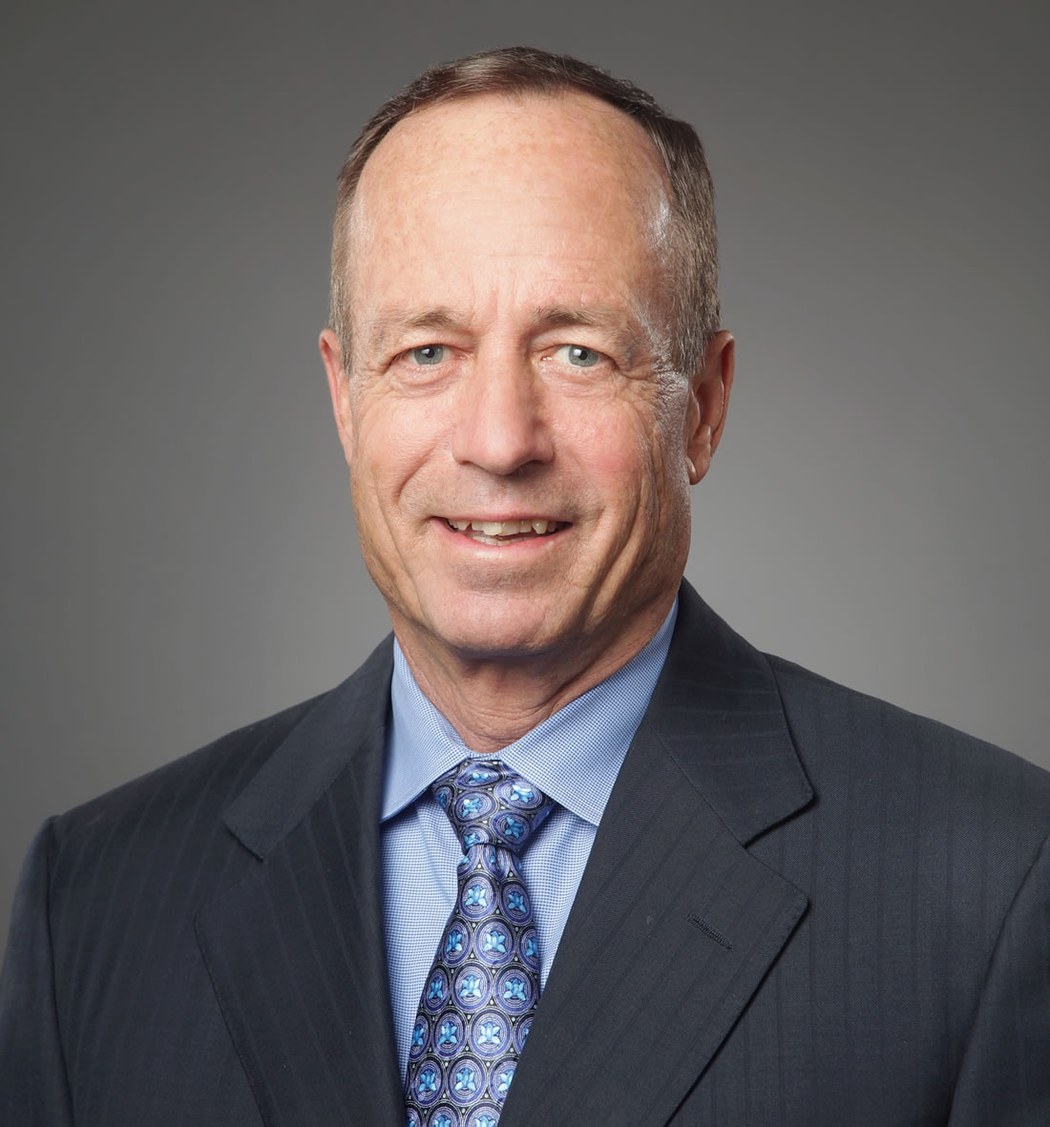
Randall Talbot and the company that got a second life
When Safeco put its life insurance business up for sale, Randall Talbot helped give it an independent future. Six years later, Symetra reached the New York Stock Exchange - and he began again with a firm bearing his own name.
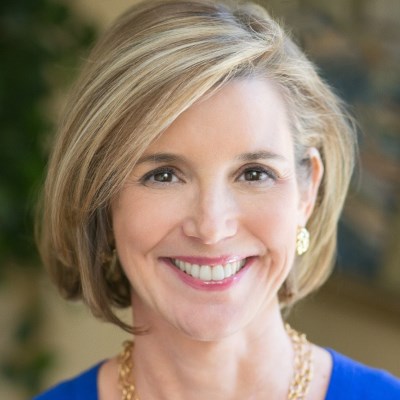
Sallie Krawcheck and the cost of being right
She ran the businesses that sold America its investments. Then Sallie Krawcheck began asking who those businesses were built for - and put her own company behind the answer.
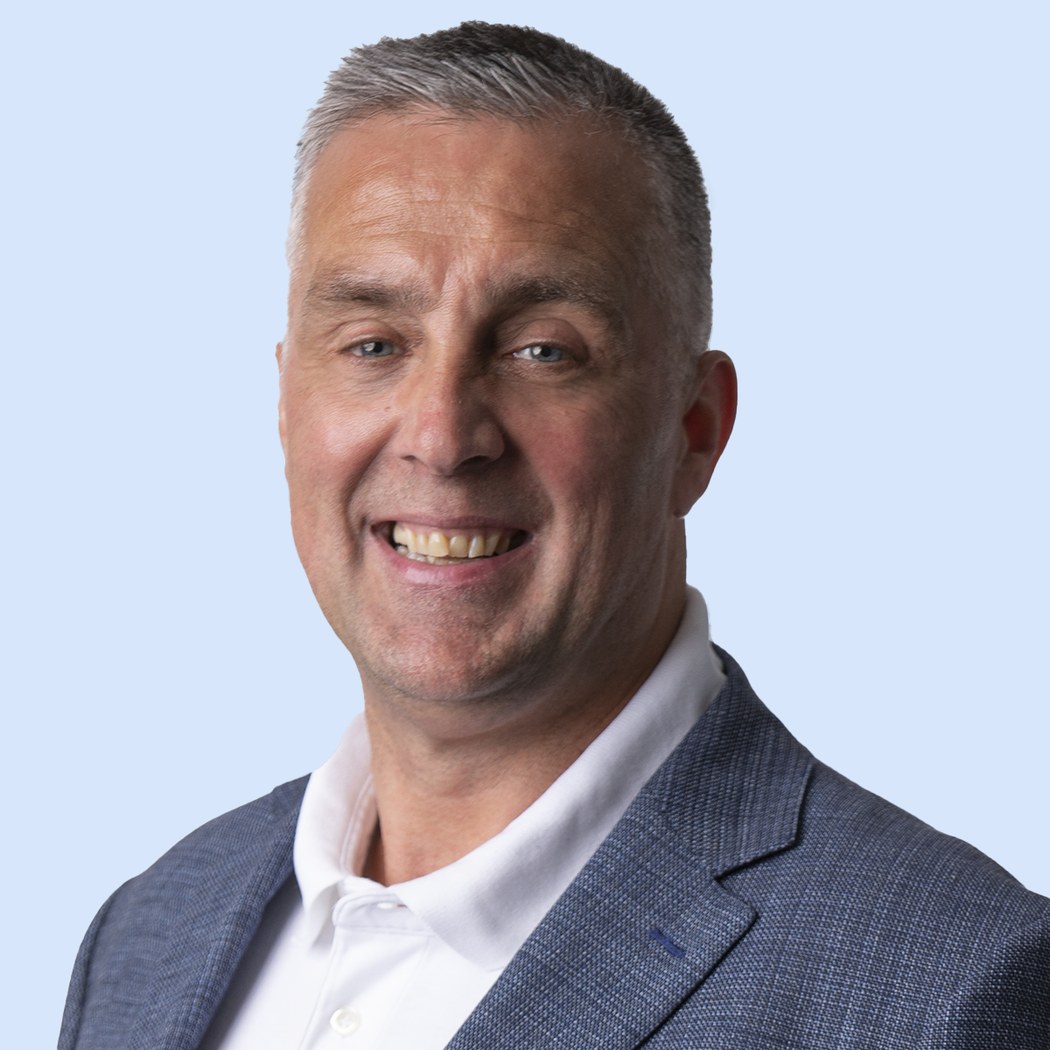
Brendan Lake and the business of opening doors
He launched PPB Capital Partners from a Philadelphia condo in July 2008. The financial crisis that followed taught Brendan Lake to watch the costs, listen to advisors, and take the machinery of private investing seriously.
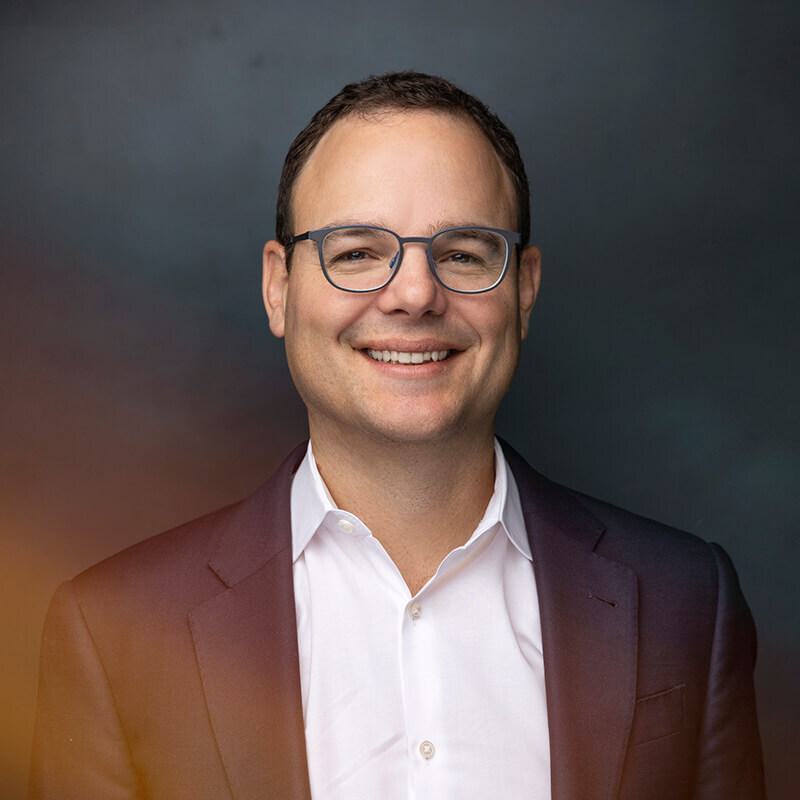
Brian McGuigan and the art of inheriting someone else’s future
After a decade inside Laird Norton Company, Brian McGuigan became its second non-family CEO. His task: keep an eight-generation enterprise moving while giving its investments time to grow.
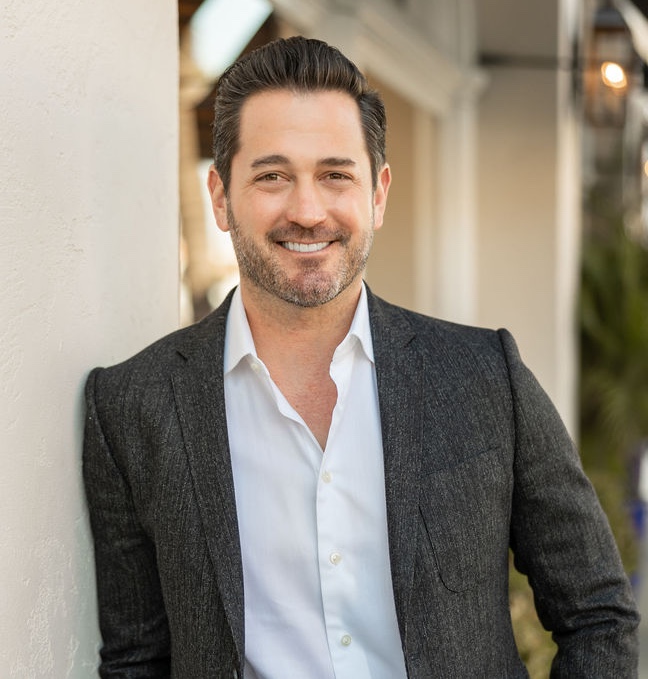
Andrew Canter and the space between the specialists
A banking job led Andrew Canter into California real estate. The San Diego founder built his next chapter around a deceptively ordinary problem: the people managing your assets rarely talk to one another.