On March 27, 2023, a bank with roots in the farm country of North Carolina became the new home of Silicon Valley Bank’s lending business. The juxtaposition was almost too convenient: Smithfield meets Silicon Valley. One institution began by serving agricultural customers; the other became entwined with venture capital. Yet the interesting question was less about geography than preparation. What had First Citizens learned that made this particular acquisition possible?
- First Citizens combined ordinary branch banking with specialist businesses acquired through CIT and SVB.
- The SVB deal included a $16.5 billion asset discount and protections against some credit losses.
- Its next challenge is keeping specialist service intact while branches and brands come together.
The buyer had been practicing
The predecessor, Bank of Smithfield, opened in 1898 with $10,000 of capital. Its founder was Allen K. Smith. Robert Powell Holding, whose descendants would become closely associated with the company, arrived in 1918 as an assistant cashier. That distinction matters. The family story began with a job inside an existing bank.
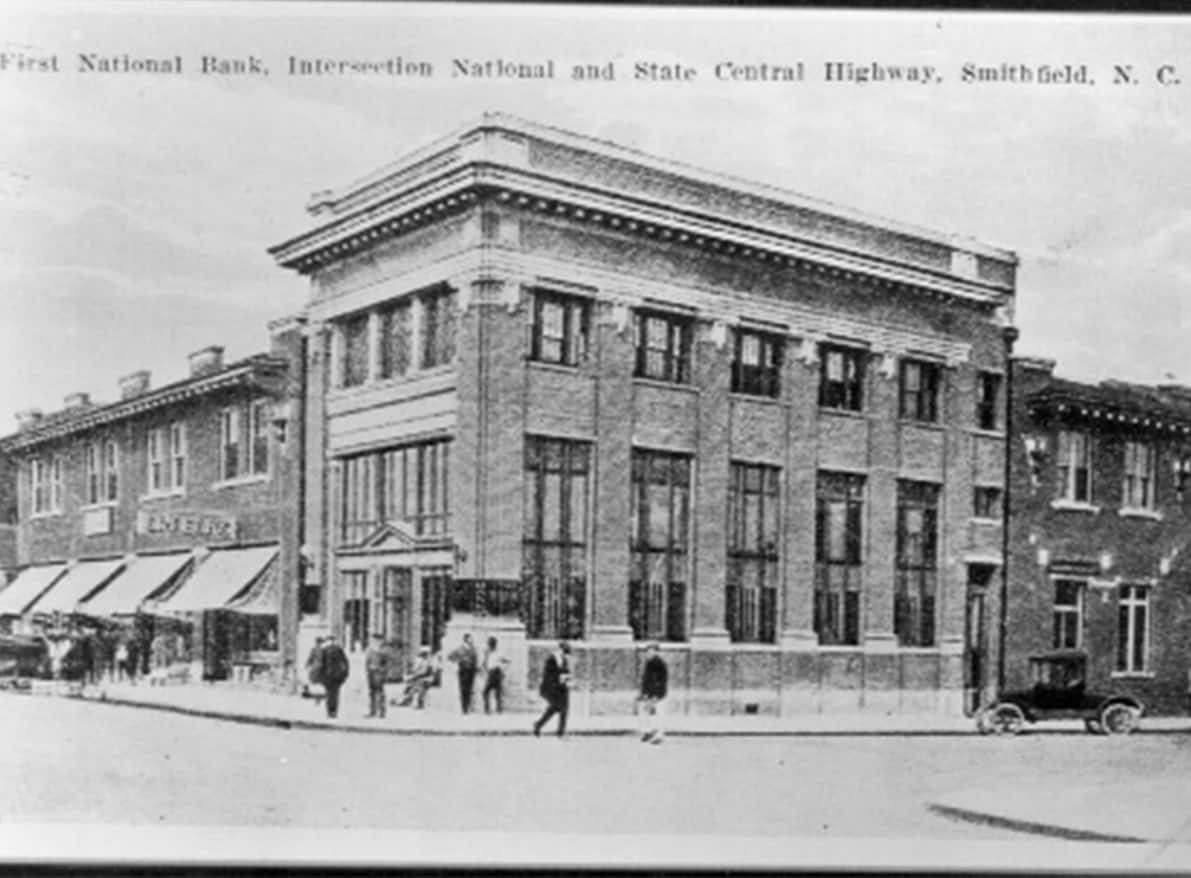
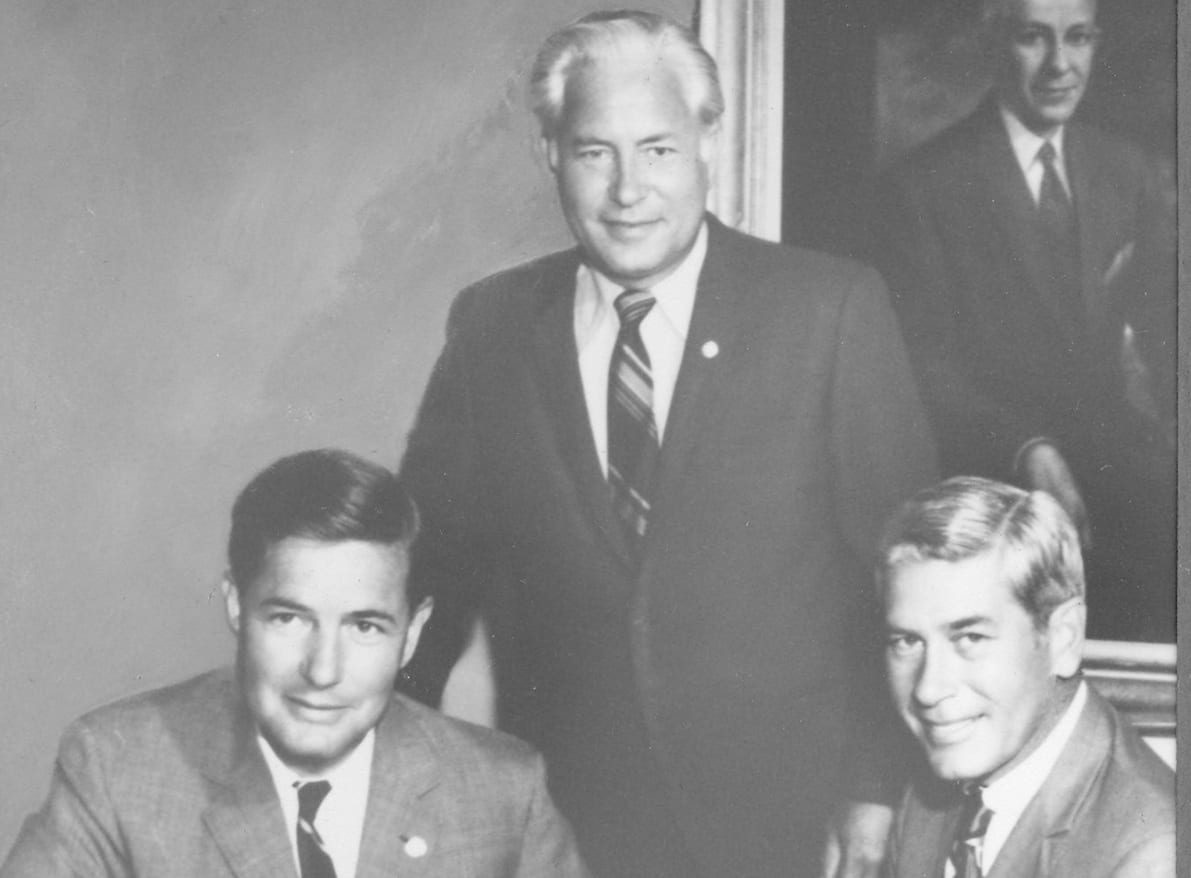
Holding became president and chairman in 1935. His three sons took leadership after his death in 1957. Today, chairman and chief executive Frank Holding Jr. represents the third generation. Family control is central to the bank’s account of itself: decisions are supposed to make sense over decades. That is a management philosophy, rather than evidence that every decision will work.
The more immediate preparation arrived through acquisitions. In January 2022, First Citizens completed its merger with CIT. The combination paired a retail banking franchise with national commercial lending and direct banking. Before the SVB opportunity appeared, First Citizens had already undertaken a substantial expansion in what it could finance and whom it could serve.
A discount with conditions attached
SVB’s collapse supplies the cautionary half of this story. The Federal Reserve’s subsequent review identified concentrated customers, reliance on uninsured deposits, and failures in managing liquidity and interest-rate risk. More than $40 billion in deposits left on March 9, 2023. California regulators closed the bank the following day. Weak risk management preceded the run; the run made the weakness impossible to postpone.
First Citizens bought from the FDIC receivership. The announced transaction covered roughly $72 billion of assets at a $16.5 billion discount. Approximately $90 billion in securities and other assets remained behind. It also included commercial-loan loss sharing, while the FDIC received equity appreciation rights with potential value up to $500 million.
Those terms are the substance behind the acquisition headline. A discount reduces the starting price of risk. Loss sharing changes who bears certain losses. Assets excluded from a purchase change the business being acquired. None guarantees a good outcome. Together, they explain why buying selected operations from a receiver differs from buying the old company outright.
First Citizens explicitly excluded the former SVB Financial Group parent’s stock, debt and other obligations. What it wanted included relationships with private equity, venture capital and technology customers. Buying the loan book was only part of the assignment. The bankers and borrowers still had to stay.
A bank with locomotives
For customers, this history produces an unusually broad shop window. First Citizens offers checking, mortgages and savings, alongside business credit, treasury services and wealth management. Its CIT Rail business leases railcars and locomotives. A bank serving startup founders can also help move fertilizer. Specialization here has several meanings.
The practical appeal is matching finance to a particular problem. An equipment borrower wants to preserve cash while obtaining machinery. A business owner needs customer payments to arrive before obligations fall due. A family may need investment advice and trust administration. A fund manager needs banking that understands the structure of investment funds.
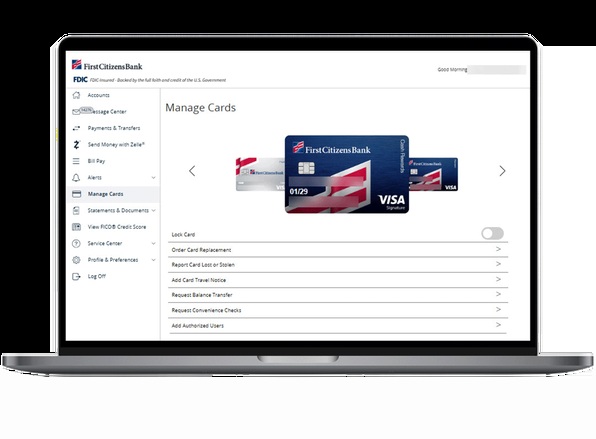
Its business digital platform includes customized user permissions, approval requirements, ACH and wire payments, and check-fraud controls. These features make a concrete difference when employees need access without unrestricted authority. They also give a prospective customer something testable: bring the actual payment workflow to a demonstration.
The economics remain recognizable. A bank earns interest on loans and investments, pays for deposits and other funding, and collects fees for services. Leasing adds another income stream. First Citizens competes with national banks, regional lenders and local credit unions; its distinctive proposition is the combination of specialist knowledge and a broad banking relationship.
For a buyer of banking services, breadth is useful only when the pieces connect to the job at hand. Compare account fees, transaction permissions, borrowing terms and access to a banker who understands your business. The digital platform itself carries no download or access charge, although particular services can have fees. An impressive acquisition history does not answer those everyday questions for you.
The name catches up with the business
In October 2026, the former SVB Technology & Healthcare Banking division became First Citizens Innovation Banking. Fund clients gained the First Citizens Fund Banking name. The launch campaign read:
“Where Silicon Valley Banks”Innovation Banking campaign, October 2026
The stated rationale for aligning commercial brands includes growth, stronger brand equity and economies of scale. The bank says clients retain their specialist relationship teams. There is a useful detail in its FAQ, however: legacy SVB accounts are not currently serviced at First Citizens branches. A common name does not make every service channel interchangeable.
The next test is ordinary
September 2026 brought another expansion: 138 branches acquired from BMO, with approximately $5 billion in deposits and $650 million in loans. First Citizens reported more than 600 branches and offices after the conversion. Its announcement also committed approximately $1 million to community investments across existing and newly expanded markets during 2026 and 2027. The challenge is now visible in everyday transactions: account access, familiar bankers, reliable payments.
The lesson another operator can copy is preparation. Build the skill to absorb a business, preserve the expertise customers value, and price the downside explicitly. The method depends on capital, integration capacity and customer retention. Without those conditions, a discounted acquisition can still become expensive. First Citizens’ next chapter will be written by customers deciding whether the enlarged bank remains useful.